United Nations

The United Nations and eight decades of impotence

By Amir Abdulazeez

The United Nations is currently holding its 80th General Assembly sessions in New York. Some days earlier, the U.S. State Department, under the pretext of national security and anti-terrorism laws, revoked visas for dozens of Palestinian officials, including President Mahmoud Abbas slated to participate, at the General Assembly and a high-level two-state conference. This move drew criticism from the UN itself, EU and some human rights groups, with calls to relocate Palestinian-related meetings outside New York. This echoes historical precedents, notably the 1988 visa denial to Late Yasser Arafat, which forced the UN to shift one of its sessions to Geneva to allow him participate.

Although the 1947 ‘Headquarters Agreement’ obliges the United States to admit all UN participants, Washington occasionally and selectively invokes security and legal excuses to discriminate between entrants. Such practices explain how the UN’s operations remain vulnerable to U.S. control, thereby undermining its independence, authority and credibility. As the UN marks the 80th anniversary of the ratification of its charter on 24th October 2025, the organization which was founded on the ashes of World War II in 1945 faces an existential crisis of credibility and effectiveness.

While it has achieved notable successes in humanitarian aid, educational research and global environmental and health initiatives, its core mission of maintaining international peace and security has been repeatedly undermined by structural and diplomatic flaws. The organization’s inability to meaningfully respond to crises from Syria to Ukraine and most visibly in the Israeli-Palestinian conflict, has exposed fundamental weaknesses that warrant urgent reform. The UN’s record is one of profound paradox: a body designed for action but often defined by its inaction. Nowhere is this impotence more starkly illustrated than in its 70 years’ failure to resolve the Palestinian question or to hold Israel accountable for its international impunities.

From the outset of the Israeli-Palestinian conflict, the United Nations assumed a central role by proposing the 1947 Partition Plan, which sought to establish separate independent states for both parties. Although initially conceived as a potential path to peace, the plan was never enforced and the UN has since struggled to translate its own decisions into reality. Further failures are documented in a paper trail of unimplemented resolutions: Security Council Resolution 242 (1967) called for Israel’s withdrawal from territories occupied during the Six-Day War; Resolution 338 (1973) and countless subsequent resolutions reaffirmed this demand that was not only ignored but instead empowered Israel’s massive expansion of illegal settlements.

Beyond the unimplemented resolutions, a critical UN failure in this regard is that of narrative framing. It has been unable to consistently enforce a foundational principle: that the right to self-determination for one people (Israelis) cannot be predicated on the denial of that same right to another (Palestinians). The organization’s various bodies often treat the conflict as a symmetrical dispute between two equal parties, rather than an asymmetrical struggle between a nuclear-armed occupying power and a stateless, occupied population living under a brutal blockade.

The core of the UN’s ineffectiveness lies in the flawed decision-making structure of its Security Council, where the five permanent members (United States, Russia, China, France and United Kingdom) hold the autocratic privilege of veto power. This system of outdated World War II geopolitics has frequently paralyzed the organization in hours of need. Since 1946, the veto has been selfishly exercised about 300 times. Between 2011 and 2023, Russia and China blocked 16 resolutions on Syria, enabling the Assad regime’s brutal campaign against civilians. The United States, meanwhile, has used its veto more than 50 times to shield Israel from accountability, making Palestine the single most vetoed issue in UN history. Instead of serving as a platform for global security, the Council has become an arena for shameless and hypocritical power politics.

The General Assembly, despite representing all 193 member states equally, has been relegated to a largely ceremonial role in matters of international peace and security. While the Assembly can pass resolutions by majority vote, these carry no binding legal force and are routinely ignored by powerful nations. The 2012 resolution calling for an arms embargo on Syria passed with 133 votes but had no practical effect, as Russia continued supplying weapons to the Assad government. This has created a two-tiered system where the views of the international majority are systematically subordinated to the interests of Security Council Super Powers.

The selective enforcement of international law has become a defining hallmark of UN impotence. While the organization has at times demonstrated resolve such as coordinating global sanctions against apartheid South Africa in the 1980s or authorizing military intervention in Libya in 2011, its responses to other similar crises have been inconsistent and politically driven. Similarly, the International Criminal Court, often operating with UN support, swiftly indicted leaders of Liberia, Sudan and Libya, yet no Western or allied leaders like George W. Bush or Tony Blair have been held to account for baseless interventions in Iraq, Afghanistan or Yemen. These double standards have eroded the UN’s credibility and moral authority, particularly in the Global South, where it is increasingly viewed as an instrument of Western hegemony.

The UN’s peacekeeping apparatus, while successful in some contexts, has also demonstrated significant limitations when confronting determined state actors. The United Nations Disengagement Observer Force (UNDOF) on the Golan Heights and the United Nations Interim Force in Lebanon (UNIFIL) have maintained buffer zones during their operations, but have been powerless to prevent violations by all parties. During the 2006 Lebanon War and subsequent conflicts, these forces could only observe and report violations rather than enforce compliance.

Financial manipulation has emerged as another tool of selective pressure within the UN system. The United States, which contributes 22% of the UN’s regular budget, has repeatedly withheld or threatened to withhold funding to pressure the organization on specific issues. In 2018, the Trump administration cut $285 million from UN peacekeeping operations and reduced contributions to various UN agencies. The UN’s human rights mechanisms face similar challenges of selective application and political manipulation. The Human Rights Council, reformed in 2006 to address criticisms of its predecessor, continues to be influenced by bloc voting and political considerations rather than objective human rights assessments. Countries with questionable human rights records have served on the Council while using their positions to deflect criticism and protect allies.

Critics argue that the UN has become a stage for symbolic debates while real decisions and tangible actions are outsourced to global bullies like the US, less formal coalitions like the NATO and regional actors like the EU. For example, the U.S.-brokered Abraham Accords normalized relations between Israel and several Arab states without addressing core Palestinian concerns while side-lining the UN. Similarly, its response to Russia’s invasion of Ukraine in 2022 was limited to humanitarian aid and symbolic condemnation, as bodies like EU looked more relevant and assertive.

The rise of new global powers and changing geopolitical realities have rendered the UN’s 1945 structure increasingly obsolete. Reform proposals have circulated for decades but have consistently failed due to the resistance of existing power holders. Things have changed since World War II, nations have evolved, others have declined and hence the UN must be reformed to reflect current realities. The permanency of the Security council membership must be reviewed and the senseless veto authority must be abolished or modified along the lines of justice and accountability. As the United Nations approaches its 80th anniversary, the choice is clear: fundamental reform or continued irrelevance.

Maintaining the United Nations system costs about $50–55 billion per year, not counting military deployments and opportunity costs. Beyond money, states commit significant diplomatic, military, humanitarian and bureaucratic resources to maintain their participation. This makes the UN one of the most resource-intensive international organizations ever created. Without serious reforms to address structural inequalities, eliminate veto abuse and restore the primacy of international law over great power politics, the UN risks becoming a historical footnote rather than the cornerstone of the global governance its founders envisioned. The international community must decide whether it will tolerate continued dysfunction or demand the transformative changes necessary to address 21st century challenges.

Maryam Bukar Hassan named first UN Global Advocate for Peace

By Hadiza Abdulkadir

Nigerian spoken word artist and poet, Maryam Bukar Hassan, has been appointed the first United Nations Global Advocate for Peace, marking a historic milestone for both the artist and the continent.

Known for her evocative poetry and powerful performances, Hassan, often called “Alhanislam” by her fans, has gained international recognition for using her voice to address pressing social issues. Her latest appointment underscores the UN’s commitment to engaging young voices in the global peacebuilding process.

In her new role, Hassan is expected to lead campaigns that inspire dialogue, promote conflict resolution, and amplify youth perspectives on peace. Her message, rooted in empathy and resilience, has resonated with many around the world.

“Peace is not a silence you force into people’s mouths… It is not the absence of war; it is the presence of understanding,” she says in her latest poem — a reflection of the conviction she brings to her advocacy.

With conflict and crisis affecting millions globally, especially young people, Hassan’s appointment comes at a critical time. Her voice offers not just representation, but a rallying call for hope and healing.

Nigerian physicist appointed to UN scientific panel on nuclear war

By Hadiza Abdulkadir

KANO — Nigeria has earned international recognition following the appointment of Professor Rabia Sa’id, a renowned physicist from Bayero University Kano, to a newly established United Nations independent scientific panel tasked with assessing the impacts of nuclear war.

The 21-member panel, constituted under UN Resolution 79/238, will provide a comprehensive scientific report on the consequences of nuclear conflict by 2027. The panel is part of a broader global initiative aimed at strengthening nuclear disarmament efforts and promoting peace through evidence-based research.

Professor Sa’id’s inclusion in the panel underscores Nigeria’s increasing influence in global peacebuilding, science diplomacy, and advocacy for nuclear non-proliferation. Her appointment is being hailed as a significant milestone for Nigerian science and for women in STEM across Africa.

A respected scholar and advocate for science education and sustainable development, Professor Sa’id brings to the panel a wealth of academic experience and a strong commitment to global security.

Her appointment has been widely celebrated within Nigeria’s academic and diplomatic communities as a positive step toward the country’s deeper engagement in global scientific and humanitarian initiatives.

Nigeria condemns Israeli strike on Iran, urges immediate ceasefire

By Hadiza Abdulkadir

The Federal Government of Nigeria has strongly condemned Israel’s recent unprovoked strikes on Iran, which have triggered a fresh wave of hostilities between the two Middle Eastern powers. In a statement issued on Friday, the Nigerian government described the escalating conflict as a grave threat to regional and global peace.

The Ministry of Foreign Affairs, through its spokesperson, Kimiebi Imomotimi Ebienfa, expressed deep concern over the sustained missile and aerial exchanges between the Islamic Republic of Iran and the State of Israel, calling for an “immediate cessation of hostilities” and restraint from both parties.

“The continued cycle of retaliation not only endangers civilian lives but threatens to plunge the broader Middle East into further instability, with implications for international security and economic development,” the statement read.

Nigeria, which has long championed non-aggression and multilateral diplomacy principles, urged Iran and Israel to return to dialogue and constructive engagement. The government also called on the United Nations Security Council and the broader international community to intensify de-escalation efforts and provide diplomatic platforms for resolution.

Reaffirming its stance against military confrontation, the statement noted that “military action is not a substitute for negotiation” and that lasting peace must be built on diplomacy, mutual respect, and adherence to international law.

“Nigeria stands ready to support all genuine efforts aimed at de-escalating tensions and promoting peace in the region,” the Ministry added.

The statement comes amid growing international alarm over the potential fallout of the conflict, which many fear could destabilise the already volatile Middle East and disrupt global economic and political systems.

World leaders, UN chief mark International Day to Combat Islamophobia

By Muhsin Ibrahim

World leaders, including United Nations Secretary-General António Guterres, took to social media on Friday to mark the International Day to Combat Islamophobia, calling for unity and action against discrimination.

In a post on X (formerly Twitter), Guterres emphasized the need to address rising anti-Muslim hate worldwide. “Islamophobia is an affront to human rights and the values of the UN. We must stand together to promote tolerance, understanding, and mutual respect,” he wrote.

Several heads of state and government officials echoed similar sentiments. Canadian Prime Minister Justin Trudeau reaffirmed his country’s commitment to fighting religious discrimination, while Turkish President Recep Tayyip Erdoğan called for global solidarity against Islamophobia.

The International Day to Combat Islamophobia was designated by the UN in 2022 and is observed annually on March 15. It aims to raise awareness of prejudice against Muslims and promote inclusive societies.

Advocacy groups have urged governments to go beyond statements and implement concrete policies to tackle hate crimes and discrimination against Muslims.

Qatar urges global efforts to place Israeli nuclear facilities under IAEA oversight

By Hadiza Abdulkadir

The State of Qatar has called for increased international efforts to ensure that all Israeli nuclear facilities are placed under the supervision of the International Atomic Energy Agency (IAEA). Additionally, Qatar has urged Israel to join the Treaty on the Non-Proliferation of Nuclear Weapons (NPT) as a non-nuclear state.

The appeal was made by Qatar’s Ambassador and Permanent Representative to the United Nations Office and International Organizations in Vienna, Jassim Yacoub Al Hammadi, during a session of the IAEA Board of Governors. His remarks focused on the ongoing situation in the occupied Palestinian territories and concerns over Israel’s nuclear capabilities.

Al Hammadi emphasized the importance of global institutions upholding their commitments under the UN Security Council, General Assembly resolutions, and IAEA regulations. He also referenced the 1995 NPT Review Conference, which called for Israel to subject all its nuclear sites to IAEA safeguards.

The Qatari diplomat stressed that numerous international resolutions have explicitly urged Israel to join the NPT as a non-nuclear state. He called on the international community to take concrete steps to ensure compliance with these longstanding global commitments.

This statement aligns with Qatar’s foreign policy advocating nuclear non-proliferation and regional stability. Israel’s nuclear program has long been contentious in diplomacy, with increasing calls for transparency and oversight.

As tensions persist in the Middle East, Qatar’s renewed appeal highlights the ongoing debate over nuclear security and the role of international oversight in maintaining global peace.

Africa, France and the New World 

By Zayyad I. Muhammad

Millions of Africans have emigrated to Europe, America, and other parts of the world. This emigration is driven by both push and pull factors — economic challenges, political instability, conflicts, and the pursuit of better job opportunities and more accessible social services.

Despite often being stringent in their immigration policies, receiving countries have found ways to benefit from this influx. They tap into the labour, expertise, and talent of these immigrants. Rather than solely viewing immigration as a burden, many of these nations recognize the potential gains from incorporating skilled and unskilled labour into their economies.

Several West African countries have reassessed and severed their military ties with France in recent years. Notable examples include Mali in 2022, Burkina Faso in January 2023, Niger Republic in 2024, Chad in November 2024, Senegal in December 2024, and Ivory Coast in December 2024. These moves signal a significant shift in regional dynamics as these nations seek to assert greater sovereignty and explore alternative partnerships. Some have terminated defence agreements outright, while others are exploring new international collaborations.

International relations experts see these developments as pivotal. However, they caution that these countries might merely replace one foreign power with another without concrete plans for mutual benefits. For instance, in Niger Republic, the Russian presence, along with the mercenary group Wagner, has not brought substantial change. Wagner’s operations in several African nations, such as Mali, have drawn criticism, with human rights groups accusing its forces of severe abuses.

Reuters reported that: “French President Emmanuel Macron recently expressed frustration over the perceived lack of acknowledgement from certain African nations regarding France’s military interventions in the Sahel region. Speaking at a foreign policy conference with French ambassadors, Macron claimed that some African leaders had “rewritten history” concerning France’s role in combating Islamist militants since 2013. He argued that these states might have lost their sovereignty without French military support.

However, officials from countries like Chad and Senegal have pushed back, asserting that their decisions to expel French troops were made independently and in the best interest of their nations. Chadian Foreign Minister Abderaman Koulamallah criticized Macron’s remarks as disrespectful, while Senegalese Prime Minister Ousmane Sonko emphasized that Senegal’s decision was made without any negotiation with France.”

For Africa to progress, its leaders must define the continent’s needs, recognize its current position, and set a clear direction for the future. Africa must move beyond the outdated narrative that external forces are the primary obstacles to its development. The global landscape has evolved, and Africa must engage with international partners based on mutual respect and benefit.

For example, France and Nigeria have an excellent trade relationship, with Nigeria serving as France’s leading trading partner in sub-Saharan Africa. So, if country A sees the French as a bottleneck, you don’t expect Nigeria to do so. 

If countries like France, China, Russia, or the United States want to invest in Africa, they must do so with clear, mutually beneficial agreements. African resources should be processed on African soil, ensuring the continent gains more than raw material exports. Africa needs technology transfer, expertise, and infrastructure development to foster sustainable growth.

Africa must adopt a global perspective and interact with nations based on their strengths in areas like United Nations status, military power, industrial capacity, African diasporas, trade volumes, and financial influence. Only through strategic, well-negotiated partnerships can Africa harness its full potential and assert its rightful place in the global arena.

Zayyad I. Muhammad writes from Abuja via zaymohd@yahoo.com.

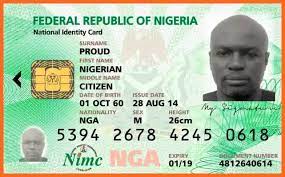
Mainstreaming marginalised groups in Nigeria’s identification system

By Muhammad Mikail

The World Bank Group’s Identification for Development (ID4D) initiative estimated that 1 billion people were without an officially recognised means of identification (ID), and the majority are women. This problem is particularly acute in Low—and Medium-Income Countries (LMICs), where the 2017 Global Findex survey estimates that 44 per cent of women do not have an ID compared to 28 per cent of men (World Bank Gender Gap Report 2021).

In Nigeria, different studies and surveys have identified many challenges and barriers as the cause of the low National Identification Number (NIN) enrolment by women, children, Persons with Disabilities (PWDs), and other marginalised groups. These groups experience challenges in obtaining ID due to the distance to travel for registration, transport costs, long wait times, and multiple visits. 

Some of the identified barriers to enrolling for the NIN for women, children, and PWDs have emanated from social norms about gender roles that allocate certain household work, responsibilities, and childcare to women, exacerbating their time constraints. Most often, women needing permission from husbands and fathers can be a huge barrier for many, especially in environments where knowledge and awareness about IDs are limited. 

Also, poor facilities combined with long wait times are particularly hard for elderly people, pregnant and nursing mothers, and persons with disabilities. These barriers to registration are even greater for pastoralists and IDPs who are less aware of pertinent registration information such as location, time, and necessary supporting documentation.

Many IDPs have low trust in the government, while people living in camps are further away from service access points. Pastoralists and migrant fisherfolk and farmers also typically have less engagement with the government and are less likely to have IDs, though this varies significantly by region. Women from these communities are likely doubly disadvantaged by their gender and their pastoral identity. Women with disabilities and internally displaced women are also likely to face additional barriers and greater exclusion from society than women without disabilities or women who have not been displaced (World Bank Gender Gap Report 2021)

The United Nations High Commission for Refugees (UNHCR) in July 2023 revealed that Nigeria has over 3 million Internally Displaced Persons (IDPs), about 2 million returnees, and 100 thousand refugees/asylum seekers from 41 countries, with the majority from the Democratic Republic of Congo, Niger, Central Africa Republic, Cameroon, Syria, Turkey, Mali, and 34 other countries. Also documented by UNHCR are over 300,000 Nigerian refugees registered in Cameroon, Chad, and Niger. 

These individuals may have difficulty accessing basic rights such as banking, telephone, education, healthcare, employment, and freedom of movement and may face a lifetime of obstacles and exclusion without access to the National Identification Number (NIN). Aside from creating a huge gap in the database in terms of inclusivity and spread, this leaves behind a very huge number of unidentified underserved persons with the risk of being excluded from government services, restriction in movements, and lack of access to healthcare. It also creates a clog in the federal government’s attempt to commit to the sustainable development goals of providing identities for everyone and “leaving no one behind.”  When you have millions of unidentified persons outside of your country’s identity database, it means your economic planning will fall short and by extension, Nigeria’s socio-economic development will suffer.

In recognition of these challenges and in commitment to achieving universal access to ID and closing the gaps, the Government of Nigeria commissioned a strategic roadmap in 2018 as part of the country’s Economic Recovery and Growth Plan (ERGP) as its overall strategy to drive the country’s economic development. Several reforms were contained in the roadmap. Principally, the country was to adopt the ecosystem approach to NIN enrolment that involved Civil Society Organizations (CSOs), ministries, departments and agencies of government, licensed enrolment partners, international Non-Governmental Organisations, and all relevant stakeholders in the ID space.  

Also, the National Identity Management Commission is working with the Nigeria Digital Identification for Development Project (NDID4D) with support from the World Bank, the French Development Agency (AFD), and the European Investment Bank (EIB) in implementing a series of sustainable and innovative reforms. The goal is to remove all current challenges and difficulties that people face in enrolling for IDs, fostering a robust, seamless, and more inclusive enrolment system where ID is provided for everyone, and no one is left behind.  

As a result, the NDID4D Project established collaboration with the National Commission for Refugees, Migrants, and Internally Displaced Persons (NCFRMI) and their international counterpart, the United Nations High Commission for Refugees (UNHCR). This is aimed at addressing these challenges and removing barriers these vulnerable individuals may face to obtaining the NIN needed to facilitate their rehabilitation, reintegration, and resettlement into society. 

As part of the collaboration, the NCFRMI has agreed to activate its enrolment licence previously issued by NIMC to participate as an enrolment partner targeting refugees, migrants and IDPs in 5 states where there are large clusters of these vulnerable groups. The states are Adamawa, Taraba, Benue, Cross-River, and Akwa-Ibom. Although refugees also live in cities including Lagos, Ijebu, Abuja, Kano, and urban areas in other States, the selected 5 states host the majority of these vulnerable populations and will, therefore, serve as a starting point for this enrolment. 

With support from UNHCR, the refugee commission is planning to procure 6 enrolment devices and nominate 20 of its staff as enrolment agents to support this endeavour. On its part, the NIMC, with support from the NDID4D Project, will onboard these enrolment devices and train all licensed enrolment partners to be deployed to the various states and locations to carry out the enrolment. The NIMC, in collaboration with the NDID4D Project, is fashioning ways to clear the backlog of enrolment fees owed to enrolment partners and has also developed a robust business model to incentivise all partners, particularly those who will be conducting enrolment in remote and hard-to-reach communities and locations.  

In ensuring that the fundamental right of every Nigerian to a verifiable identity is secured, the National Identity Management Commission needs to work overtime in introducing innovative reforms in line with global best practices. Engagements and consultations with critical stakeholders on the amendment of the NIMC Act to ensure it is in consonance with the current digital realities and ease integration with other foundational ID agencies like the NPC should be sustained. Efforts need to be geared to working tirelessly on upgrading the enrolment software and ensuring training and retraining of all licensed enrolment partners on interacting effectively with the people, global best practices in customer service and grievance handling. 

In the same vein, national awareness and information campaigns that use multiple channels inclusive of both conventional and new media to reach diverse groups in raising awareness about NIN enrolment, including information on where and how to enrol, what is required to enrol, and—especially—why enrolling is important for everyone, not just women, children and PWDs should be commissioned. This should be done while equally engaging traditional, community and local leaders especially male leaders, to proactively promote women’s and girl’s registration.

The recent collaboration between the NIMC and the National Social Safety Net Project to extend to streamline enrolment of the poorest of the poor in the national social register while ensuring those on the register are both issued a valid NIN and are captured into the National ID database is a strategic move that deserves commendation.

Enrolment centres and registration points should be located close to communities to reduce travel costs and time, enhance access to ID and adopt culturally appropriate policies to encourage and prioritise enrolment for women and girls and marginalised groups. This may involve Mobile registration centres to bring the enrolment process closer to the people in the rural/hard-reach areas.

The recent workshop held in Abuja to validate the NIMC’s disability inclusion policy represents a critical step forward in ensuring that the National Identity Management System is inclusive and accessible to all citizens, particularly persons with disabilities. Collaboration with the National Commission for Persons with Disability should be sustained.

In the same vein, digital identity can also enhance security and privacy. With robust authentication mechanisms in place and monitored by the Nigeria Data Protection Commission, individuals can rest assured that their personal information is protected from unauthorised access. This is particularly germane in an era and country like ours where data breaches, phishing and identity theft are on a steady rise. This can help bridge the digital divide by enabling greater secured access to services for all citizens and empowering marginalised communities to fully participate in the digital economy

Conclusively, the National Identity Management Commission (NIMC) faces an arduous task of showing Nigerians the value of having a NIN and its relevance in accessing critical services used by both women and men while ensuring non-possession of the ID does not exclude people from services. These will not only help in allaying the fears and resolving the complaints of aggrieved Nigerians and potential enrollees, but they will also help the NIMC win back the trust of the Nation. 

Muhammad Mikail writes from Abuja and can be reached via muhammadnmikail.mm@gmail.com.

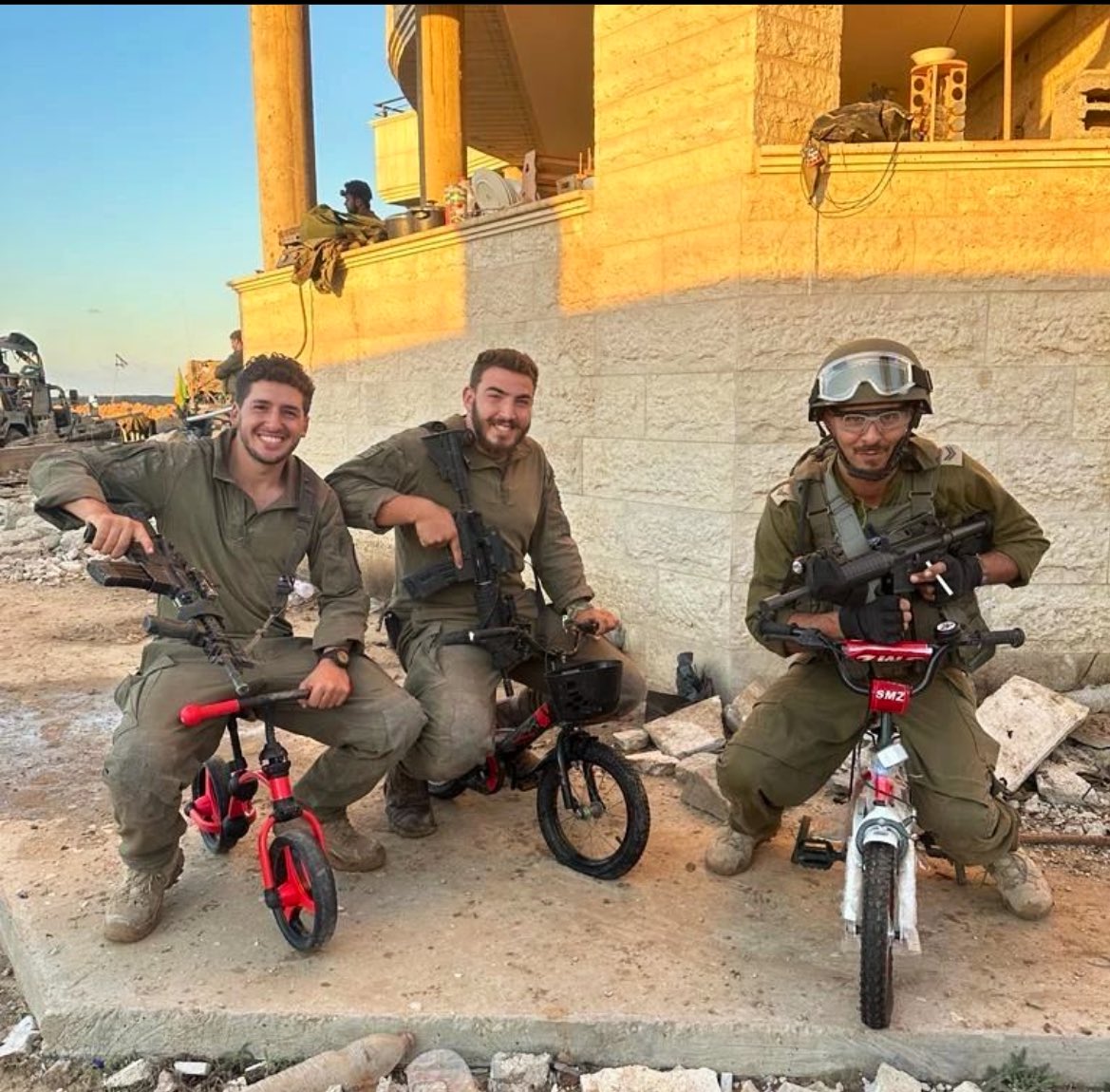
Gaza War: Might is Right

By Dr Raji Bello

I have no intention of aggravating anyone’s feelings over the war in Gaza. I also feel bad about it, even though I don’t write much on the subject. The main reason for this is that nothing surprises me about what is happening. I have completely anticipated what Israel would do as well as the reaction of the Western countries to Israel’s conduct. No UN vetoes or abstentions by the Western countries is a surprise or a shock to me. 

My interest in history and current affairs for over 40 years has taught me two uncomfortable truths, which I have written about a few times:

1. Might is right. Powerful civilisations, kingdoms or countries have always done as they wished and will continue to do so until the end. Most other countries would either accept or at least not confront what the powerful countries do.

2. Relations between human societies or countries have never been based on moral considerations and will never be. They have always, and will always be, based on interests. Morality only becomes a consideration when there are no compelling interests to pursue.

When these two truths have been understood, two conclusions can be made:

1. no level of horror of human suffering would make powerful countries stop pursuing their interests. This is why the US and the UK behave like they do at the UN.

2. While it is incumbent upon the less powerful countries to also pursue their interests, they should never get in the way of a powerful country’s pursuit of its interests. 

Human beings are not as mentally sophisticated as we might think. We are technically and materially advanced, but the ancient rules still apply. For less powerful countries to survive and flourish, tact is essential. They could get what they wanted through tact but would risk being crushed if they stood in the way of a powerful country. 

The only feasible way to take on a powerful country directly is by acquiring more power than them. Until a less powerful country acquires more power, its strategy should be tact, and tact only.

UN mourns staff killed in Gaza

By Ahmad Deedat Zakari

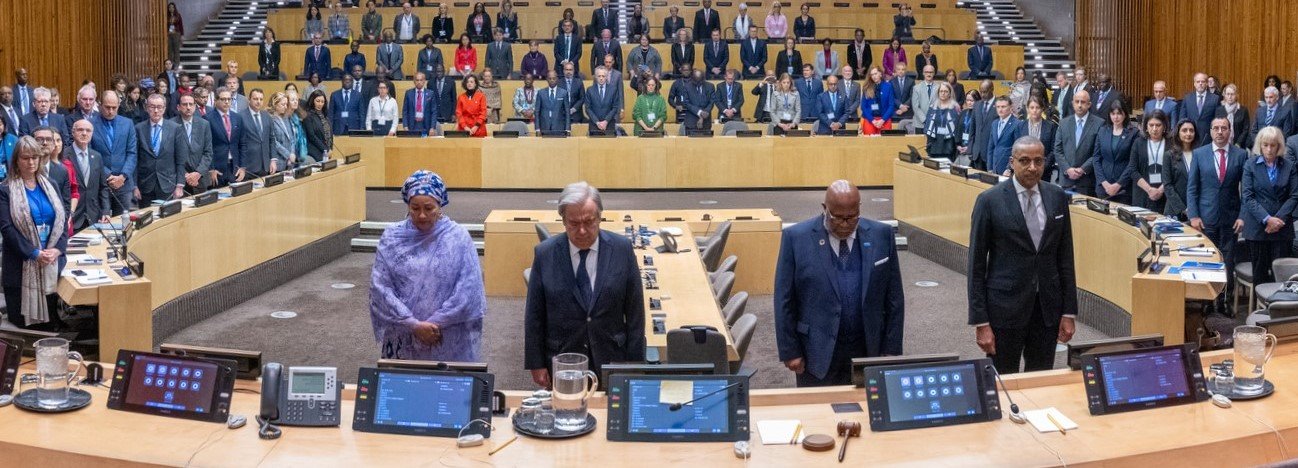
The United Nations (UN) has mourned staff of the organization killed by the Israel attacks in Gaza. 

The UN Secretary-General, Antònio Guterres, disclosed the development in a tweet on Monday. 

According to Guterres, more than 100 staff of the United Nations Relief and Work Agency met their death as a result of the raging war. 

“Today, the @UN family observed a moment of silence to mourn & honour our colleagues killed in Gaza. Since the start of this conflict, more than 100 @UNRWA staff have lost their lives – the highest number of UN aid workers killed in a conflict in such a short time. They will never be forgotten.” He tweeted.