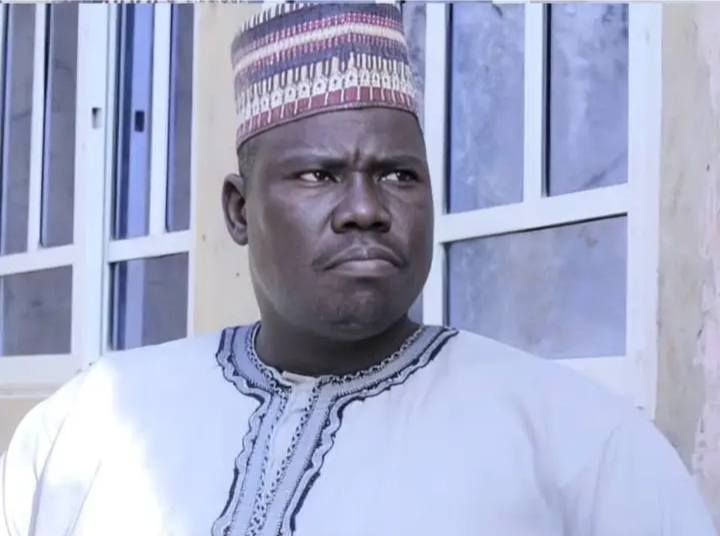
Umar Ascon: A friend, A Brother, A Dreamer Gone Too Soon
By Shamwil Ibrahim (Justice)
The news of Umar Ascon’s death arrived with a weight that words can barely carry. For many who knew him, it felt unreal, like a story told in error, a rumour that would soon be corrected. But it was true. Umar Ascon was gone. For those of us who shared a classroom with him, the loss feels even more personal.
I first met Umar Ascon in 2015 at Kano State Polytechnic. We were both admitted to study English and Applied Linguistics. Like many students starting a new academic journey, we were strangers brought together by the same course and the same campus. Yet it did not take long for Umar to become someone impossible to overlook.
He was one of the funniest people in our class and, arguably, in the entire department. Wherever Umar was, laughter followed. His humour was natural and effortless. He had a way of turning ordinary conversations into moments of joy. In lecture halls, corridors, or casual gatherings around campus, Umar had the rare ability to make people forget their worries, even if only for a moment.
Although he was older than me, Umar never allowed age to create distance between us. He treated everyone with openness and warmth. Over time, what began as a simple acquaintance developed into friendship. Across Kano State Polytechnic, Umar was already known by many students. Whenever he walked across campus, people would often point him out and whisper a familiar word: celebrity.
The reason was simple. Even during his years as a student, Umar Ascon was already appearing in Kannywood films. He was gradually building his presence in the Hausa film industry while still pursuing his education. For many students, seeing someone from their own classroom on television screens was both surprising and inspiring.
Yet what made Umar remarkable was not just his growing recognition in the film industry. It was his humility.
Despite the attention he received, Umar remained approachable and friendly. He never carried himself with arrogance. Instead, he used his position to encourage and uplift others.
For me, Umar did something that would shape my life. He introduced me to the Kannywood film industry. Through him, I found my own path into filmmaking, a voyage that continues to define my creative life today. Opportunities like that often come through people who believe in you before the world does. Umar was that person.
Even in recent times, Umar continued to think about the future of the industry he loved. The last conversation I had with him was about a film project he was planning. Umar spoke passionately about creating a production that could reach global standards, a film capable of standing proudly alongside international productions on platforms such as Netflix. He believed strongly that the Hausa film industry had the talent and stories needed to reach the world.
His dream was not only to entertain audiences but to elevate the industry. That dream now remains unfinished.
When the news of his death reached me, disbelief overwhelmed me. I felt compelled to confirm it myself. I called his phone. His wife answered. My voice shook as I asked, almost hoping the answer would dismiss the rumour. “Where is Umar?”
There was silence for a moment. Then, through tears, she spoke words that will remain with me forever. “Umar is no more.” She explained that he had passed away following complications related to liver illness. In that moment, reality settled with painful clarity.
Inna lillahi wa inna ilaihi raji’un.
Umar Ascon’s death represents a profound loss not only to his family and friends but also to the Kannywood film community. He was talented, vibrant, and deeply passionate about his craft. His presence brought laughter to classrooms, energy to film sets, and encouragement to those around him.
Some people leave behind fame. Others leave behind fortune. Umar left behind something far more enduring: memories, laughter, and inspiration.
For those who knew him, the echoes of his humour and kindness will remain long after this moment of grief passes.
May Allah forgive his shortcomings, grant him Aljannatul Firdaus, and give strength to all those mourning his loss.
Umar Ascon may be gone, but the stories, laughter, and dreams he shared will continue to live on. History will be so kind to you, Umar Ascon (Chairman).
Shamwil Ibrahim (Justice) wrote via ibrahimshamawilu@gmail.com.