Tax reform bills

House of Representatives approves tax reform bills, awaits Senate approval

By Abdullahi Mukhtar Algasgaini

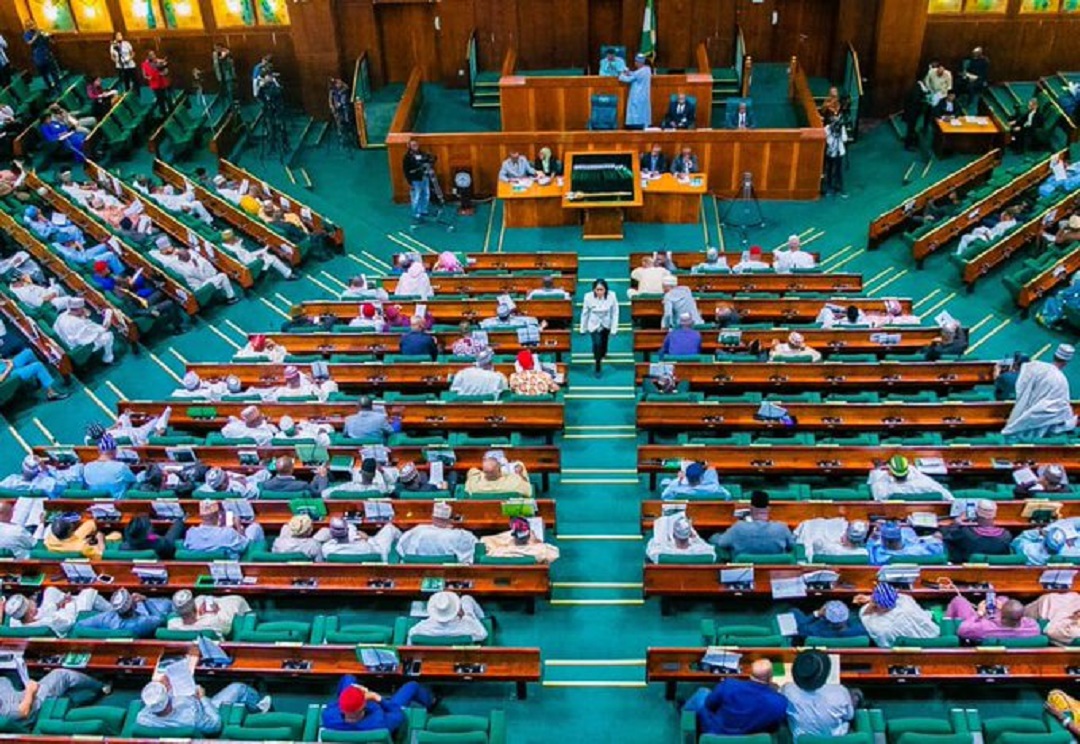
The House of Representatives has approved four crucial tax reform bills during its session on Thursday in Abuja. 

The bills, which are now awaiting Senate concurrence, include the Nigerian Tax Bill, the Tax Administration Bill, the Revenue Tax Board Bill, and the Nigerian Revenue Service Establishment Bill.

James Abiodun Faleke, Chairman of the House Committee on Finance, highlighted the thorough process that led to the bills’ adoption. Over 80 key stakeholders participated in public hearings, and an eight-day retreat was held to debate the clauses. 

Faleke expressed confidence that the tax reforms would result in widely accepted laws and thanked lawmakers and House leadership for their support.

“We cannot continue using outdated tax laws that no longer meet our business, survival, and revenue needs,” Faleke emphasized, referring to the existing tax laws, some of which date back to 1959.

Deputy Committee Chairman Saidu Abdullahi praised Speaker Tajudeen Abbas for fostering consensus among stakeholders and ensuring that input from all geopolitical zones was considered. 

He added that the recommendations reflect the contributions of various groups and that the final version resulted from extensive consultation.

Ikeagwuonu Ugochinyere, an opposition member, also lauded the reform process, highlighting its transparency and the adjustments made to reflect public interests better. He assured the reforms would expand the tax base, enhance revenue collection, and protect small businesses.

Benson Babajimi, a lawmaker from Lagos, noted that all concerns from various stakeholders, including issues like inheritance tax and VAT, were carefully addressed during the legislative process.

With the House’s approval now secured, the tax reform bills await the Senate’s concurrence.

Tax Reforms Bills: Ndume criticizes governors for endorsing 30% derivation formula

By Abdullahi Mukhtar Algasgaini

Ali Ndume, the senator representing Borno South, has faulted the governors’ endorsement of a 30% derivation formula in the proposed Tax Reform Bills, citing that it is excessive and unfair to other regions.

The Tax Reform Bills, which include the Joint Revenue Board of Nigeria (Establishment) Bill, 2024; Nigeria Revenue Service (Establishment) Bill, 2024; and Nigeria Tax Bill, 2024, have sparked heated debates across the country since their introduction in the National Assembly.

The bills aim to overhaul Nigeria’s tax system, streamline revenue collection, and introduce a revised revenue-sharing formula have passed the second reading in the Senate.

After a period of vehement opposition, the Nigeria Governors’ Forum, last week standing up from a meeting with the Presidential Tax Reform Committee, threw its support behind the bills, proposing a Value Added Tax (VAT) sharing formula of 50% equality, 30% derivation, and 20% population.

This position was outlined in a communiqué signed by Kwara State Governor Abdulrahman Abdulrasaq who is the chairman of the forum.

However, Ndume who has been very critical of the bills, expressed dissatisfaction with the governors’ stance during a phone interview with our correspondent on Sunday in Abuja.

He questioned the justification for allocating 30% of derivation to oil-producing regions.

He was quoted as saying, “Even in regions bearing the brunt of oil exploration, taking 30% is too much.

“Why would they take that amount when others are also in need of development funds?”

The senator also criticized the Federal Inland Revenue Service (FIRS) for charging 4% as collection fees, describing it as an exorbitant administrative cost.

“The FIRS is only performing administrative functions, so why should they be charging 4%? Collection fees should not exceed 1%,” he argued.

Ndume voiced concerns over the economic burden on Nigerians and called for a reduction in VAT rates.

He said, “At a time when people are struggling to make ends meet, tax rates should be decreased to 5% or even 3%, just as Ghana and the United States have done to support their citizens. Expanding the tax base and ensuring corporations like banks and telecom companies pay their fair share is the way forward.”

While acknowledging that tax reform is long overdue, Ndume insisted it must prioritize the welfare of ordinary Nigerians.

“We need to reform the tax system, but it should not disadvantage the masses, especially now when they are barely surviving.”

The senator urged the National Assembly to carefully review the proposed legislation to address these concerns and ensure the reforms are fair, equitable, and beneficial to all Nigerians.

President Tinubu commends Nigerian governors for supporting tax reform initiative

By Abdullahi Mukhtar Algasgaini

President Bola Tinubu gas shown his appreciation to the Nigeria Governors’ Forum following their unanimous endorsement of the four Tax Reform Bills currently under consideration by the National Assembly.

President Tinubu lauds the governors for their bold leadership and commitment to fostering unity among leaders nationwide, transcending regional, ethnic, and political barriers to advance Nigeria’s development.

Thursday’s productive consultation between the Nigeria Governors’ Forum and the Presidential Committee on Tax and Fiscal Policy is a commendable example of cooperation between the Federal and State governments.

He extends special commendations to the Chairman of the Governors’ Forum, Kwara State Governor Abdulrahman AbdulRazaq, for successfully galvanising support among his peers for these transformative tax bills to rejuvenate the national economy and enhance Nigeria’s investment climate.

He also commends the Progressive Governors Forum, the Northern Governors Forum, and all other groups that made the bipartisan resolution of the controversy stirred by the tax bills possible.

President Tinubu shows that the primary aim of the Tax Reform Bills, which is pro-poor, is to promote national interests, improve the competitiveness of Nigeria’s economy, and attract both local and foreign investments.

He said updating the country’s outdated tax laws is essential to this endeavour.

The President notes that the dialogue between the NGF and the Presidential Committee on Tax and Fiscal Policy Reform shows the power of constructive conversation in resolving differences.

President Tinubu regards the governors as vital contributors to nation-building and affirms his commitment to partnering with them to promote economic growth, national harmony, peace, and stability.

He also encourages other stakeholders with ideas and suggestions for refining the Tax Bills to engage with the ongoing legislative process at the National Assembly.

President Tinubu also urges the National Assembly to expedite the legislative process for these crucial bills so that the country can swiftly reap the benefits of the reforms.

Governors endorse Tax Reform Bills, reject VAT increase

By Sabiu Abdullahi

The Nigeria Governors’ Forum has given its seal of approval to the Tax Reform Bills, recommending no increase in the Value Added Tax (VAT) rate.

This decision was reached after a thorough examination of the bills, with the forum proposing a revised VAT sharing formula to ensure resources are distributed fairly.

According to the communique issued by the forum today, the revised VAT sharing formula will allocate 50% of resources based on equality, 30% based on derivation, and 20% based on population.

The governors also agreed that there should be no reduction in Corporate Income Tax (CIT) at this time, to maintain economic stability.

The forum advocated for maintaining the current VAT rate to safeguard citizens’ welfare and promote economic growth.

Also, essential goods and agricultural produce will remain exempt from VAT to support agricultural productivity and citizens’ welfare.

The meeting also recommended removing the terminal clause for TETFUND, NASENI, and NITDA in the sharing of development levies in the bills.The forum expressed its support for the continuation of the legislative process at the National Assembly, which will ultimately lead to the passage of the Tax Reform Bills.

AbdulRahman AbdulRazaq, Chairman of the Nigeria Governors’ Forum, noted the importance of these recommendations, stating that they will ensure economic stability and promote the welfare of citizens.