Tinubu extends ban on raw shea nut exports to boost local processing
By Abdullahi Mukhtar Algasgaini
President Bola Ahmed Tinubu has approved a one-year extension of the ban on the export of raw shea nuts, reinforcing the federal government’s drive to enhance local industrial capacity and value addition in the agricultural sector.
The new directive extends the prohibition from February 26, 2026, to February 25, 2027. This move, according to a State House statement, aligns with the administration’s Renewed Hope Agenda by promoting domestic processing, improving livelihoods in shea-producing communities, and positioning Nigeria as a key player in the global value chain for agricultural products.
In a bid to streamline implementation, President Tinubu has directed the Ministers of Industry, Trade and Investment, along with the Presidential Food Security Coordination Unit (PFSCU), to develop and coordinate a unified national framework for the shea nut value chain. The framework aims to harmonize industrialization, trade, and investment priorities.
Furthermore, the President has ordered the withdrawal of all waivers permitting the export of raw shea nuts and has sanctioned a new export mechanism managed by the Nigerian Commodity Exchange (NCX). Any future export of surplus raw materials must now be conducted exclusively through the NCX in accordance with approved guidelines.
To support producers and processors, the President has also authorized the Federal Ministry of Finance to establish a dedicated NESS Support Window. This will facilitate a Livelihood Finance Mechanism aimed at boosting production and processing capacity.
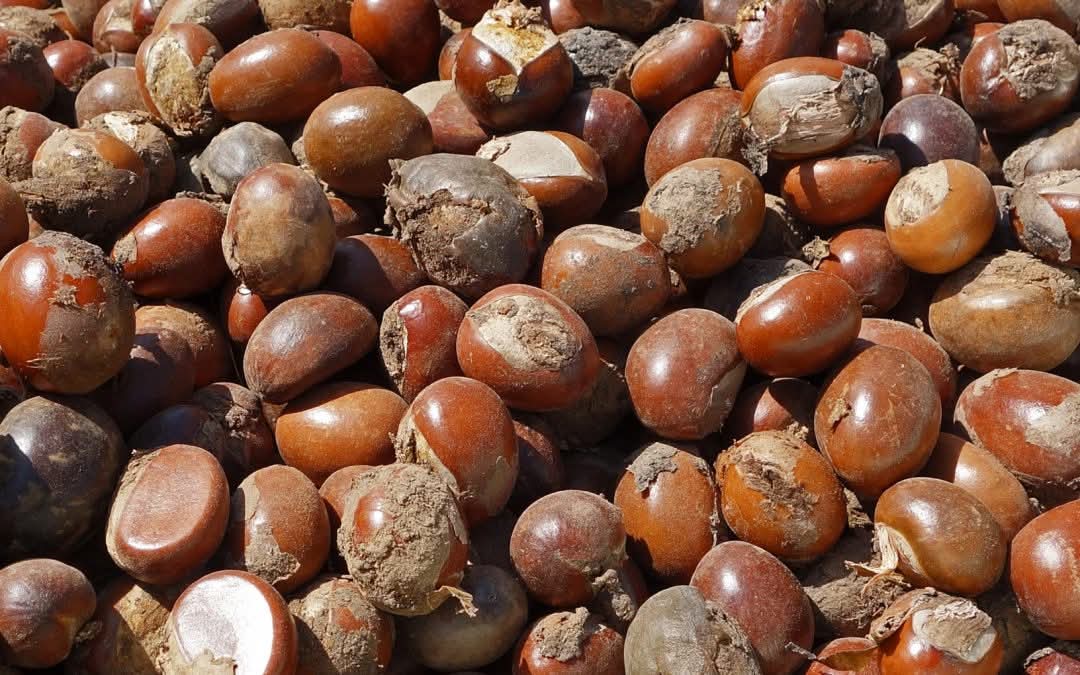
Shea nuts, harvested from trees prevalent in Nigeria’s Savanna belt, are processed into shea butter—a high-demand ingredient in cosmetics and cooking oil. Government data indicates that processed shea butter commands prices 10 to 20 times higher than raw nuts, underscoring the economic rationale for the policy.
The federal government reiterated its commitment to fostering inclusive growth and local manufacturing through policies that strengthen Nigeria’s competitiveness in international agricultural markets.