Senator Godswil Akpabio

Atiku calls for justice in Nigerian Senate amid sexual allegations against Senate President

By Hadiza Abdulkadir

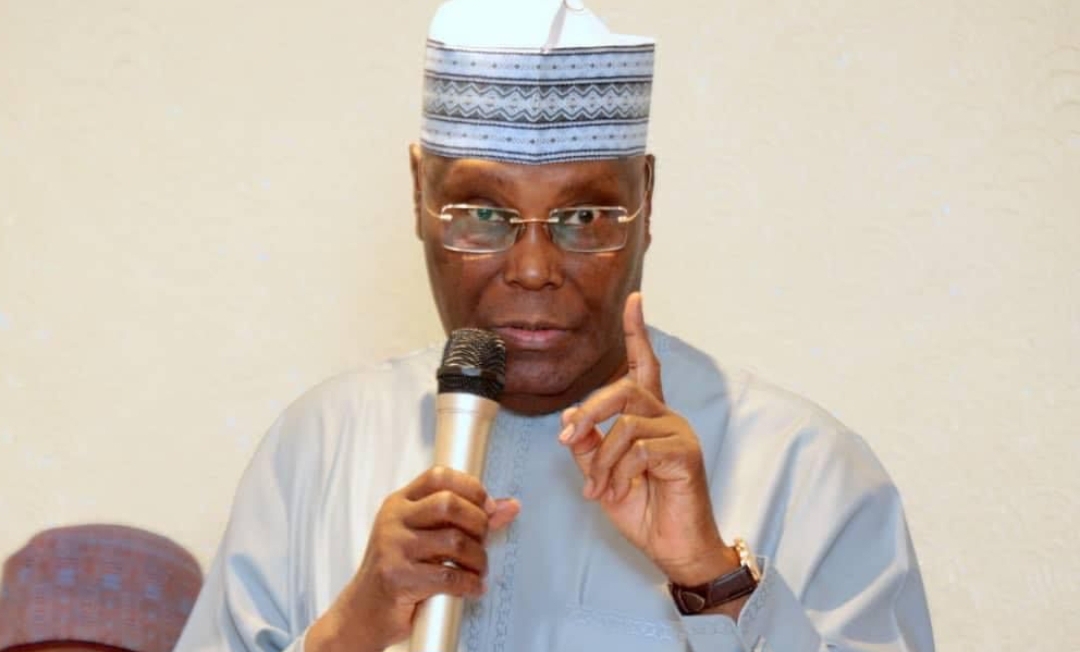
Former Vice President and PDP Presidential Candidate, Atiku Abubakar, has voiced serious concerns over allegations of sexual harassment made by Senator Natasha Akpoti-Uduaghan against Senate President Godswill Akpabio. 

Atiku emphasised the need for a thorough and transparent investigation into these claims, stating, “The Nigerian Senate represents the voice of the people, and its leadership must uphold the highest standards of integrity and respect.” 

Atiku stressed that as a powerful figure, the Senate President is expected to demonstrate exemplary character.

Highlighting the detrimental impact of sexual harassment on women’s advancement, Atiku called for credible actions from Nigerian leadership to address these allegations and assure safety in governance for female legislators. 

“This matter will send a strong message about Nigeria’s commitment to justice and inclusion,” he remarked, urging for an environment where every citizen can work without fear.

The political landscape now awaits the Senate’s response as the nation watches closely for accountability and integrity in leadership.

Senator Natasha sues Senate President Akpabio for N1.3bn defamation

By Abdullahi Mukhtar Algasgaini

Senator Natasha Akpoti-Uduaghan has filed a defamation lawsuit against the President of the Nigerian Senate, Godswill Akpabio, demanding N1.3 billion in damages.

The lawsuit, lodged at the Federal Capital Territory High Court on February 25, 2025, also includes Akpabio’s Senior Legislative Aide, Mfon Patrick, as a defendant. 

Akpoti-Uduaghan, represented by her lawyer, Victor Giwa, claims that defamatory remarks made by Akpabio and posted by his aide on Facebook damaged her reputation.

The post, titled “Is the Local Content Committee of the Senate Natasha’s Birthright?” included a statement suggesting Akpoti-Uduaghan believed being a lawmaker was only about “pancaking her face and wearing transparent outfits to the chambers.”

Akpoti-Uduaghan describes the words as degrading, inflammatory, and harmful to her dignity, both in the eyes of her colleagues and the public.

The lawsuit seeks a declaration that the statement is defamatory, a permanent injunction barring further publication of such comments, N100 billion in general damages, and N300 million for legal costs.

Concerned Academics Forum opposes proposed tax reform bills

By Abdullahi Sulaiman

The Concerned Academics Forum (CAF) has rejected the proposed tax reform bills under consideration by the National Assembly. In a letter to Senate President Godswill Akpabio, CAF warned of the socio-economic repercussions, calling them regressive and harmful to ordinary Nigerians.

According to the letter, the proposed bills disproportionately burden low- and middle-income earners through increased direct and indirect taxes. CAF argues that this would exacerbate poverty, raise living costs, and stifle economic growth, particularly in the informal sector.

The forum expressed disappointment over the lack of adequate social safety nets to cushion vulnerable citizens from the impact of these reforms. They also criticised the government for its insufficient efforts to address tax evasion and systemic corruption, calling instead for greater enforcement of existing tax laws.

Furthermore, CAF highlighted concerns about the adverse effects the tax reforms could have on education and research, warning of reduced funding for public universities and limitations on academic progress.

In their letter, CAF outlined key recommendations, including the adoption of a progressive taxation system, stronger measures to combat tax evasion, efficient use of public funds, and prioritisation of essential public services like healthcare and education.

The forum urged lawmakers, civil society organisations, and Nigerians at large to reject the proposed reforms and advocate for a more equitable and inclusive tax structure.

CAF’s position reflects its commitment to advancing social justice and economic sustainability in Nigeria. The group has called for a consultative approach to policy formulation that engages diverse stakeholders to ensure fairness and inclusivity.

The debate over the proposed tax reforms remains contentious. Various sectors express concerns about their potential impact on the Nigerian populace.