Security

[OPINION]: AKY, security and the road ahead

By Engr. Kabiru Garba

Kano State remains one of Nigeria’s most populous states, where security is not an abstract policy but a daily reality.

For every citizen, security is the bedrock of daily life, commerce, and culture. It is undoubtedly a concern that resonates from the crowded city markets to the vast, farm-lined hinterlands.

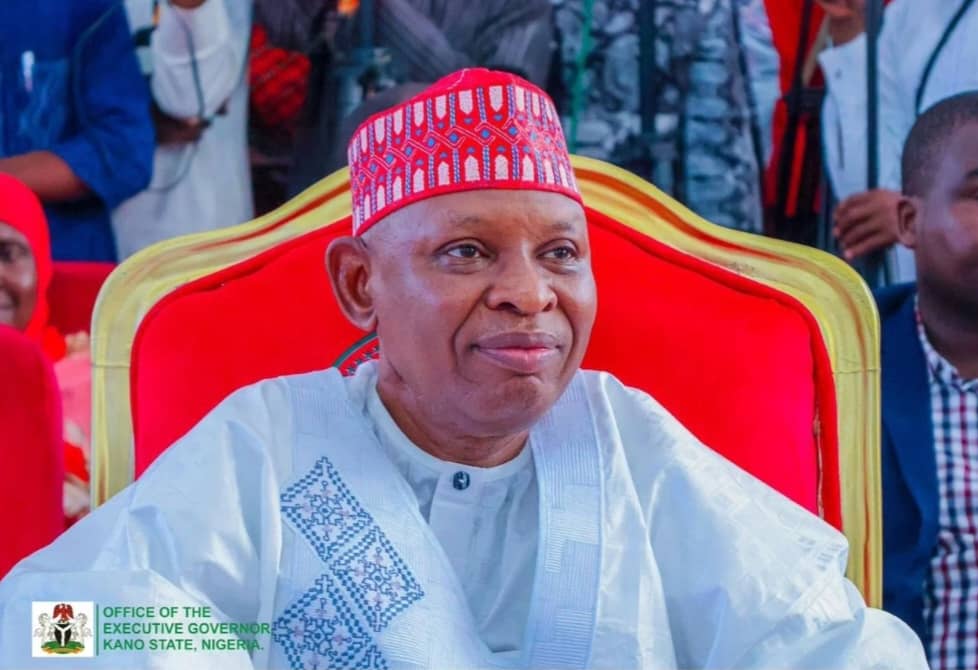
For Governor Abba Kabir Yusuf, confronting this challenge has demanded a strategy that is equally multifaceted. It requires moving beyond a centralised command to embedding safety within the communities themselves. This is not a top-down decree, but rather a ground-up compact.

This conviction now drives a multi-million naira, multi-layered initiative aimed at turning the tide through visibility, mobility, and local intelligence.

The most visible symbol of this compact is the newly inaugurated Kano State Neighbourhood Watch Corps.

On Tuesday, at the Sani Abacha Stadium, the governor stood before 2,000 recruits, comprising of 1,870 men and 130 women drawn from every one of the state’s 44 Local Government Areas.

Their passing-out parade activated a frontline distinct from the conventional vigilante groups. These corps members have undergone formal training and will be legally equipped. Their primary advantage is intrinsic: they are local. They know the alleyways, the dialects, the rhythms, and the people.

Their mandate is to act as the first line of defence and intelligence, helping to combat crimes like banditry, kidnapping, and rural violence that have tested the region’s peace.

Recognising that even the most knowledgeable personnel need mobility to cover ground, the state has made a substantial investment in logistics.

At the inauguration, Governor Yusuf commissioned 88 new Hilux patrol vehicles and 440 motorcycles for the corps. This fleet is a force multiplier, designed to make security presence constant. The practical goal is to shrink emergency response times, enable patrols across difficult terrain, and ensure a visible, reassuring presence that deters crime before it begins.

This deployment is part of a sustained financial commitment. Just before the launch, the governor approved N484 million to procure 300 Boxer motorcycles to further amplify the corps’ reach at the community level.

This sequential investment reveals a strategy of layered reinforcement, building capacity piece by critical piece.

The neighbourhood watch initiative is the Kano’s newest layer in a security architecture that has been under construction.

Months earlier, in November, the governor targeted areas under acute pressure. He provided 10 vehicles and 50 motorcycles to the federal-state Joint Task Force (JTF). This aimed at boosting their operational efficiency in seven frontline local government areas: Kiru, Tsanyawa, Kunchi, Gwarzo, Shanono, Tudun Wada, and Doguwa.

This support was a direct response to immediate threats, enhancing rapid response and inter-agency coordination in the state’s most vulnerable regions.

Perhaps the most forward-thinking layer of Governor Abba’s strategy focuses on protection beyond immediate conflict.

In May this year, he approved the immediate recruitment of 17,600 security guards for public schools across Kano.

This move, while distinct from law enforcement, addresses a deep societal anxiety. By hardening these soft targets, the government seeks to safeguard not only buildings but the state’s future, its children, and to restore a fundamental sense of normalcy and security to education.

Taken together, these actions sketch a comprehensive philosophy that simply says security is interconnected. It requires empowering formal task forces, establishing legitimate community-based forces, and proactively protecting critical social infrastructure.

Analysts observe that the governor’s approach tackles Kano’s complex security situation on three fronts: strengthening formal joint operations with the JTF, establishing a dedicated, locally-rooted armed corps, and hardening soft targets like schools.

Meanwhile, the substantial allocation of resources, from hundreds of millions for motorcycles to over a hundred patrol vehicles signals a clear prioritization of security expenditure in our dear state, Kano.

Therefore, it is the hope of every citizen that the true measure of this security compact will determine the state’s trajectory of peace and prosperity for years to come.

Governors meet with NSA, defence minister over rising insecurity

By Uzair Adam 

Amid growing security concerns across the country, members of the Nigeria Governors’ Forum (NGF) on Wednesday held a closed-door meeting in Abuja with the National Security Adviser, Nuhu Ribadu, and Minister of Defence, Mohammed Abubakar.

The meeting, chaired by the NGF Chairman and Kwara State Governor AbdulRahman AbdulRazaq, took place at the NGF Secretariat. 

Among the governors in attendance were those of Anambra, Akwa Ibom, Oyo, Kwara, Osun, Plateau, Lagos, Nasarawa, Ekiti, Ebonyi, Kogi, Ondo, Imo, Cross River, Ogun, and Edo states.

Although the agenda was not officially disclosed, the gathering is believed to be connected to the escalating insecurity in parts of the country, particularly the recent deadly attack in Yelewata, Benue State.

Earlier in the day, President Bola Tinubu visited Benue and met with stakeholders at the Government House in Makurdi, where he condemned the killing of over 100 residents in Yelewata. 

He directed the Inspector General of Police, Kayode Egbetokun, and the Chief of Defence Staff, Christopher Musa, to apprehend those responsible.

Sources confirmed that the Abuja meeting involved briefings from the NSA and the Minister of Defence. 

The Secretary to the Government of the Federation, George Akume, traditional rulers, and former state governors were also present at the Makurdi meeting.

President Tinubu queried the lack of arrests and urged the heads of the Department of State Services (DSS) and the National Intelligence Agency (NIA) to ramp up intelligence efforts to bring the perpetrators to justice.

Security, youth empowerment, and innovation take centre stage in my first two years in office – Tinubu 

By Maryam Ahmad

President Bola Tinubu has outlined significant gains in national security, youth empowerment, and innovation as his administration clocks two years in office, asserting that the groundwork is being laid for a more secure and prosperous Nigeria.

In a comprehensive national address, President Tinubu said his administration had improved collaboration among security agencies and made substantial gains in previously volatile regions. “In some areas of the northwest, hitherto under the control of bandits, our gallant armed forces have restored order,” he said.

The President emphasised the role of young Nigerians in national development, citing innovative programmes at the National Agency for Science and Engineering Infrastructure (NASENI), such as electric vehicle assembly, drone engineering training for women, and local manufacturing of rapid diagnostic kits.

“These initiatives are creating jobs, restoring dignity to work, and opening up a future of possibilities for our youth,” Tinubu stated.

Under the Renewed Hope Agenda, the federal government has also embarked on large-scale infrastructure projects, including major highway reconstructions, rural electrification through solar initiatives, and enhanced support for farmers to boost food security.

In a nod to cultural diplomacy, the President announced plans for the Motherland Festival—a global event that will showcase Nigeria’s cultural heritage, creativity, and tourism potential.

Tinubu also acknowledged the contributions of the Nigerian diaspora and introduced new policies, including a diaspora bond and non-resident BVN, to encourage greater engagement.

“Our direction is clear, and so is our resolve,” the President said in closing. “The real impact of our governance objectives is beginning to take hold. The future is bright.”

AVM Ibrahim Umaru’s appointment: Square peg in a square hole

By Sani Surajo Abubakar

At the commencement of the 28th Kano State Executive Council on Monday 19th of May, 2025, held at Kwankwasiyya City, Governor Abba Kabir Yusuf presided over the swearing-in of Air Vice Marshal (AVM) Ibrahim Umaru (rtd.) as the new commissioner of Internal Security and Special Services.

His nomination, screening and confirmation by the Kano State House of Assembly and subsequent swearing-in followed the resignation of the pioneer Commissioner of the Ministry some few weeks back.

The new commissioner was the immediate past Director-General of the Special Service Directorate, Kano Government House, responsible for coordinating the operations of security agencies and other engagements critical to safer living in the state.

Before his debut in the government business of Kano State, he was a retired Airforce Officer with vast experience in peacekeeping operations and national assignments both locally and internationally.

He is passionate and committed to youth empowerment and entrepreneurship skills development, with a firm belief that empowering youth will help improve the living standard of the state’s residents and boost rapid socioeconomic development and prosperity.

As a retired Air Vice Marshal, his new position as commissioner will bring a wealth of experience from his illustrious military career in curbing security challenges in the state.

 Indeed, his sojourn as Director-General of the Special Service Directorate and subsequently as commissioner underscores the state government’s commitment to harnessing expertise from various fields to drive progress.

The appointment of Air Vice Marshal (AVM) Ibrahim Umaru as Commissioner in Kano State Government has sparked widespread interest and debate. As a seasoned security expert, AVM Umaru’s induction into the state executive council is seen by many as a strategic move to leverage his expertise in bolstering security and development initiatives in the state.

Many observers view AVM Umaru’s appointment as fitting, given his background and the current security challenges facing Kano State. His experience in security matters is expected to significantly contribute to the state’s efforts in maintaining peace and stability.

The appointment seems to align perfectly with the needs of the state, making it a case of a “square peg in a square hole.”

With AVM Umaru on board, the Kano State Government will likely benefit from his strategic insight and operational expertise. His role could be pivotal in enhancing Security Measures.

He will also utilize his military background to strengthen security frameworks and responses, advise on policy matters, provide informed counsel on security and development policies, and Facilitate dialogue and cooperation between security agencies and local communities.

AVM Ibrahim Umaru’s appointment appears well-considered, aligning his skills with the state’s needs. As he takes on this new role, expectations are high for meaningful contributions to Kano State’s security and development landscape. Only time will tell how effectively he navigates the complexities of his new position, but the outlook seems promising.

Congratulations, AVM, and may your appointment yield positive results for our dear state, Kano.

Sani is the Deputy Director of Public Enlightenment at the Kano Government House.

Nigeria’s security budget and the reality on the ground

By Abdulhamid Abdullahi Aliyu 

To many Nigerians, the security allocations in national budgets often appear inflated. Year after year, billions are allocated to the military, defence procurement, intelligence operations, and internal security initiatives.

Yet, the level of insecurity across the country continues to raise eyebrows. The common question remains: “Where is all this money going?” It is a valid concern.

However, beyond the budget lines and official pronouncements lies a more complex reality—one that is often overlooked by the average citizen. The actual cost of warfare and intelligence operations is not just steep—it is staggering.

Take air operations as an example. Military insiders have long noted that flying an Alpha Jet for a single mission can gulp up to a million naira in aviation fuel alone.

This figure excludes routine maintenance, spare parts, logistics, or crew allowances. Multiply these flights across days and theatres of operation, and it becomes easier to understand why security efforts are financially demanding.

On the ground, the story is similar. Armoured vehicles, patrol vans, and tanks require constant fuelling, often idling for hours during missions. Soldiers deployed to remote areas require food, clothing, and equipment.

Medical support must be on standby, and when fatalities occur, families of the fallen deserve compensation. These are not occasional expenses—they are daily operational necessities.

Yet, beyond the financial weight of military engagement lies an even more fragile dimension: intelligence gathering. In parts of the country, particularly the North East, North Central, and North West, attacks by insurgents and bandits continue with frightening regularity.

People often ask: Why aren’t these attacks being preempted? Where is the intelligence? These questions are justified. Comparisons are frequently drawn to agencies like the FBI or Israel’s Mossad, known for preemptive actions.

But intelligence is no miracle tool. It relies on actionable information—gathered, processed, and relayed with accuracy. In many of Nigeria’s conflict zones, such information is scarce.

Locals often fear reprisals and refuse to share what they know. Rural and forested areas remain difficult to monitor due to the absence of surveillance infrastructure.

Moreover, intelligence work is not the sole burden of the military. It requires seamless coordination among the police, DSS, NSCDC, and even vigilante groups. Where this collaboration falters, intelligence fails.

That is not to absolve our agencies of their failings. Reports of negligence, delayed responses, and poor communication abound. However, these shortcomings, while real, are not insurmountable.

Nigeria urgently needs to rethink its approach to intelligence. There must be fresh investment in surveillance tools, inter-agency communication systems, and the training of personnel in modern techniques.

Citizens, too, must become active partners by volunteering timely and truthful information. This war cannot be won solely by the military. It requires collaboration, from the government to the grassroots.

Technology, including drone surveillance and satellite imagery, must be embraced. But more than anything else, there must be political will to treat intelligence not as a side note, but as the beating heart of our national security strategy.

Balanced expectations are also important. While it is tempting to measure Nigeria’s intelligence systems against those of global powers, such comparisons can be misleading.

Nations like the US and Israel have built theirs over decades with enormous financial commitment. Nigeria, by contrast, is still building its base. Still, quiet victories exist—many of them deliberately kept from the public domain for strategic reasons.

Terror plots have been foiled, camps dismantled, and lives saved through intelligence-led operations. These successes rarely make headlines. What are the failures, the losses, and the anguish they leave behind?

That is why we must keep asking questions—but with an understanding of the context. Accountability, yes. But also support, reform, and renewed trust. National security is not a spectator sport. It is a shared duty.

And if Nigeria is to triumph over its many threats, it must first accept that intelligence, not just guns, is its most potent weapon.

Abdulhamid Abdullahi Aliyu writes from the Centre for Crisis Communication (CCC) in Abuja.

Security: The Nuhu Ribadu Formula

By Zayyad I. Muhammad 

Before the emergence of President Bola Ahmed Tinubu’s administration, Nigeria’s security architecture was grappling with deeply entrenched challenges, particularly in the Northwest and Southeast regions. The situation had deteriorated to alarming levels, with criminal elements and secessionist movements establishing a disturbing level of control in certain areas.

In the Northwest, banditry had evolved from sporadic attacks to the full-scale occupation of territories. Vast stretches of land, especially in states like Kaduna, Zamfara, and Niger, fell under the influence of heavily armed groups. The Abuja-Kaduna highway, which was once a vital economic and commuter route, became a perilous stretch, notorious for frequent kidnappings and ambushes. 

The Northwestern security threats extended further, with the Kaduna–Birnin Gwari–Lagos road effectively shut down due to sustained bandit activity. Even commercial life suffered significantly; the Birnin Gwari cattle market, a major hub for livestock trade, was forced to cease operations under the pressure of violence and extortion.

Meanwhile, in the Southeast, the situation was compounded by the secessionist agitation led by the Indigenous People of Biafra (IPOB). Through fear and coercion, IPOB succeeded in enforcing a weekly sit-at-home directive across several states in the region, paralysing economic activities every Monday. Businesses were shuttered, schools closed, and the freedom of movement was severely curtailed, undermining both governance and development efforts.

This was the grim reality that the Tinubu administration inherited. However, at the heart of the renewed fight against insecurity stands a strategic recalibration: what many now refer to as the “Nuhu Ribadu Formula.” As National Security Adviser, Ribadu brought a fresh, intelligence-driven approach to tackling Nigeria’s security woes. With an emphasis on coordination among security agencies, restoration of public confidence, and targeted offensives against criminal enclaves, his methods have begun yielding tangible results.

While challenges persist, especially in remote and hard-to-reach areas, the difference in tone and trajectory is becoming increasingly evident. The Ribadu-led security strategy has not only focused on reclaiming territory but also on addressing the root causes of unrest, be it poverty, weak governance, or community grievances. It is this multidimensional and proactive approach that may well define Nigeria’s path to lasting peace and stability.

Mallam Nuhu Ribadu, the National Security Adviser, has been pivotal in reshaping Nigeria’s national security framework through a clear and strategic vision built on three foundational pillars.

The first is the carrot-and-stick approach, which balances kinetic (military force) and non-kinetic (dialogue, reconciliation, and development) strategies. This dual-pronged approach acknowledges that not all security threats can be addressed solely through force. By combining targeted military operations with community engagement and deradicalisation efforts, the approach aims to neutralise threats while addressing the root causes of violence.

The second strategy is a shift from rhetoric to action, a deliberate move away from endless briefings and political grandstanding towards concrete, measurable outcomes. Under Ribadu’s watch, security interventions are now judged not by promises, but by performance. The focus is on restoring peace, reclaiming lost territories, and enabling displaced persons to return to their communities.

Third is the promotion of synergy and intelligence sharing among security agencies. Previously plagued by inter-agency rivalry and fragmented operations, Nigeria’s security forces are now operating with improved coordination. Through unified command structures and shared intelligence platforms, responses have become faster, more precise, and increasingly proactive.

These strategies have already begun to yield visible results. The recent resurgence of attacks in Plateau and Benue States, as well as isolated Boko Haram assaults on soft targets in Borno and Adamawa, were swiftly countered using the same framework. Rapid deployment of forces, community-based intelligence, and coordinated operations prevented escalation and restored calm.

Still, the road to full recovery is a gradual one. While the machinery of state security has been retooled, the average citizen may not immediately perceive these gains. Part of the challenge lies in the persistence of outdated or unverified reports in some sections of the media, which can paint a distorted picture of the current realities. Nevertheless, those on the ground, especially in previously hard-hit areas, are beginning to sense a shift.

The “Nuhu Ribadu Formula” is proving to be more than just a tactical adjustment; it is an evolving doctrine that prioritises effectiveness, accountability, and collaboration. With sustained implementation and public support, it could well become the blueprint for enduring peace in Nigeria.

Zayyad I. Muhammad writes from Abuja, zaymohd@yahoo.com.

Senate plans national security summit to address worsening insecurity

By Uzair Adam

In response to the escalating security challenges across the country, the Nigerian Senate has resolved to convene a two-day National Security Summit in Abuja, bringing together key stakeholders from all levels of government and traditional institutions to chart a path toward improved national safety.

The summit, according to the Senate, will serve as a platform for generating actionable recommendations aimed at reforming Nigeria’s security architecture.

It is expected to influence policy direction, with the Senate urging the Federal Government to consider and implement proposals emerging from the discussions.

The decision to organize the summit followed a motion titled “Urgent Need for a National Security Summit,” presented during plenary by Senator Ibrahim Jimoh, who represents Ondo South and chairs the Senate Committee on Inter-Parliamentary Affairs.

The motion was co-sponsored by Senators Zam Titus (Benue North-West), Peter Onyeka Nwebonyl (Ebonyi North), and Ngwu Osita (Enugu West).

While presenting the motion, Senator Jimoh linked the country’s worsening security issues to global instability, referencing the impact of the Russia-Ukraine war, strained North-South relations, and economic tensions like the U.S. tariff war.

He noted how these global developments have intensified food insecurity and disrupted efforts to achieve Sustainable Development Goals (SDGs).

Jimoh also expressed deep concern about the persistent violence within Nigeria, highlighting the spread of banditry, terrorism, and kidnapping across both urban and rural areas.

He urged a strategic shift in Nigeria’s approach to combating insecurity, calling for enhanced intelligence gathering, increased military funding, and non-military solutions.

Citing historical political unrest in Nigeria, including the 1953 Kano riots and electoral crises of the 1980s, Jimoh stressed the importance of proactive measures as the country approaches another election cycle.

He reiterated President Bola Tinubu’s commitment to national peace and encouraged alignment with the administration’s “Renewed Hope Agenda.”

The Senate emphasized that the upcoming summit would not be the first of its kind. Former Senate President Ahmad Lawan had also convened a similar initiative during the 9th Assembly, which laid groundwork for national security dialogue.

Lawan had pointed to the Senate’s role in guiding conversations toward sustainable solutions.

The new summit is anticipated to build on previous efforts and deliver comprehensive, practical strategies to restore peace and security across Nigeria.

Workers demand action on killings, wages at May Day rally

By Uzair Adam 

At this year’s Workers’ Day celebration in Abuja, organised labour unions issued a strong 20-point demand to the Federal Government, calling for urgent measures to address Nigeria’s deepening socio-economic crisis, including rising insecurity and wage stagnation.

In a joint address, leaders of the Nigeria Labour Congress (NLC) and the Trade Union Congress (TUC) urged the government to end the widespread killings across the country and implement economic reforms that prioritise the well-being of citizens. 

They also advocated for justice, respect for democratic principles, and transparency in governance.

Themed “Reclaiming the Civic Space in the Midst of Economic Hardship,” the event saw the labour centres decry what they described as unconstitutional actions, particularly the suspension of the elected government of Rivers State through a declaration of emergency, which they argued lacked a legal basis.

Other demands included an immediate salary review aligned with the economic situation, clarity on the Pay-As-You-Earn (PAYE) taxation system, and the withdrawal of controversial tax bills before the National Assembly. 

Labour also called for more inclusive policymaking, emphasising that workers must have a seat at the table when critical decisions affecting their welfare are being made.

Details to follow…

A call for peace, security, and community action in Hadejia

By Garba Sidi 

Hadejia, one of the 27 local government areas in Jigawa State, Nigeria, is renowned for its vibrant population and bustling business activities. With an estimated population of over 200,000 people, Hadejia stands as the largest local government in the state in terms of both population and economic activity.

However, recent events have cast a dark shadow over this once-thriving community. Between March 8 and March 13, 2025, five lives were tragically lost in a series of violent incidents, including the death of a newlywed bride. These incidents have raised serious concerns about the safety and security of the people of Hadejia.

Peace, safety, and security are fundamental pillars of any thriving society. Without these elements, communities cannot prosper, and individuals cannot lead fulfilling lives. The recent surge in violent crime in Hadejia, fueled by the availability of drugs, toxic chemicals, and the proliferation of weapons among youths, threatens the very fabric of this community. It is imperative to urgently address these issues to restore peace and ensure the safety of all residents.

The incidents that occurred between March 8 and March 13, 2025, illustrate a grim picture of the current state of affairs in Hadejia. On March 8, a political argument between two young men escalated into a physical altercation. One individual used a pair of scissors to stab his opponent in the stomach, resulting in his death. This tragic event highlights the dangerous consequences of unchecked aggression and how easily conflicts can turn fatal.

On March 9th, two youths engaged in a playful yet dangerous game involving sticks. What started as a harmless activity quickly escalated when one of the youths was struck in the head, resulting in his death. This incident highlights the need for greater supervision and guidance for young people, who may not fully comprehend the potential consequences of their actions.

On March 10th, another fight broke out between two friends in a different neighborhood. The altercation ended with one friend killing the other, further emphasizing the volatile nature of interpersonal relationships in the community. The following day, on March 11th, a mechanic was brutally attacked in his home in the NTA quarters. The assailant used a large knife to fatally wound the mechanic, leaving the community in shock.

The most heart-wrenching incident occurred on March 13th, when a newly married woman, barely five months into her marriage, was found dead in her home with her throat slit. This heinous act has left the community in mourning and raised questions about the safety of women and the prevalence of domestic violence.

The rising rate of violent crime in Hadejia can be attributed to several factors. One of the primary issues is the lack of economic opportunities and the inability of many families to provide for their children. In a community where large families are common, parents often struggle to meet their children’s basic needs. This lack of resources can lead to frustration and desperation among young people, who may resort to crime as a means of survival.

Another significant factor is the widespread availability of drugs, marijuana, and other harmful chemicals. These substances are easily accessible to teenagers and young adults, who often use them as an escape from their harsh realities. However, using these substances can lead to impaired judgment, increased aggression, and a greater propensity for violence. The combination of drugs and readily available weapons, like knives and scissors, results in a dangerous environment where conflicts can quickly escalate into deadly confrontations.

To address the rising tide of violence in Hadejia, it is essential to implement a multi-faceted approach that tackles the root causes of the problem. One potential solution is for the government to create additional administrative divisions within the town. By decentralizing governance and bringing it closer to the people, the government can improve the delivery of essential services, enhance security, and foster a stronger sense of community responsibility.

Furthermore, parents and community leaders must adopt a more active role in overseeing their children’s activities. This involves closely monitoring their associations, ensuring they are not engaging in criminal activities, and providing the guidance and support necessary for making positive life choices. Family planning is equally important; parents should be encouraged to have only as many children as they can adequately support, both financially and emotionally.

Finally, the recent surge of violent crimes in Hadejia serves as a stark reminder of the significance of peace, safety, and security in any society. Without these fundamental elements, communities cannot flourish, and individuals cannot lead fulfilling lives. 

It is the responsibility of the government, community leaders, and parents to collaborate in addressing the root causes of violence and fostering a safer, more prosperous future for the people of Hadejia. By implementing proactive measures, such as establishing additional administrative divisions, encouraging family planning, and cracking down on the availability of drugs and weapons, we can begin to restore peace and security to this once-thriving community.

Gov. Yusuf accepts Kano commissioner’s resignation

By Hadiza Abdulkadir

Kano State Governor Alhaji Abba Kabir Yusuf has accepted the resignation of Maj. Gen. Muhammad Inuwa Idris (Rtd) as Commissioner for the newly formed Ministry of Internal Security and Special Services.  

In a statement by spokesperson Sunusi Bature Dawakin Tofa, the governor expressed his gratitude for General Idris’s contributions in laying the groundwork for the ministry’s operations.  

“Major General Muhammad Inuwa Idris (Rtd) has shown unwavering commitment to Kano State, and we wish him a peaceful and fulfilling retirement,” Governor Yusuf stated.  

Idris’s brief tenure is recognized for establishing a solid foundation that will enable his successor to advance the ministry’s crucial work in internal security.