Safety

The government needs to repair the damaged Kano-Maiduguri Road

By Tajuddeen Ahmad Tijjani

Last year, the Kano-Maiduguri Road suffered severe damage from flooding. The disaster caused immense hardship for ordinary citizens, displaced several communities along the route, and inflicted economic losses in hundreds of millions of naira. It also disrupted access to Maiduguri from key states such as Abuja, Kano, Jigawa, and Yobe, effectively cutting off the northeast from the rest of the country.

It will be recalled that on 15th August 2024, a Federal Government delegation led by the Honourable Minister of Works, Engr. David Umahi and the Governor of Bauchi State visited the affected site. They assessed the extent of the damage and promised urgent intervention, recognising the road’s economic significance not just for the northeast, but for the country as a whole. Unfortunately, to the dismay of the affected communities, no tangible action has been taken since that visit, only temporary fixes that have had little to no impact.

Residents are now growing concerned that if urgent intervention is not undertaken before the rains intensify, the road could suffer even more extensive damage than last year. This poses a serious threat to lives and property, as was previously experienced.

The rehabilitation of the Kano-Maiduguri Road is not merely about filling potholes or patching the surface – it is a vital aspect of regional and national development. The benefits of well-maintained roads are immense: improved safety and reduced accidents, enhanced economic activities, better quality of life, strengthened social integration, and even environmental advantages.

Beyond the infrastructural failure, there are concerns about the federal government’s perceived neglect of certain regions. This is especially disheartening considering that this region gave the current administration some of its highest votes. 

As an optimist and a believer in equitable governance, I hold firmly that all six geopolitical zones of Nigeria deserve equal attention and investment. Every part of this country matters. Mr. President must lead with sincerity of purpose and see all Nigerians as his constituency.

It is worth noting that during his visit, the Minister of Works acknowledged this imbalance, stating: “Let me make it clear that the shortfall in road distribution was not the doing of President Tinubu, nor mine. However, the President is addressing it. That is why the fourth legacy project has been initiated, stretching from Akwanga to Jos to Bauchi State. We are pleased that work is progressing significantly on major portions of the road in Bauchi State.”

The Minister further pledged that the President is determined to provide adequate funding for legacy projects through various intervention mechanisms. We hope that the government will act swiftly and treat this as a matter of national urgency by repairing the damaged sections of the Kano-Maiduguri Road, particularly within the Jama’are and Azare-Potiskum axes.

As an engineer, the Minister of Works should set a precedent prioritising action over rhetoric. When entrusted with responsibility, those in positions of power must demonstrate competence and a genuine commitment to service.

This is a humble but firm appeal to the federal government to urgently address the long-standing issue of the Kano-Maiduguri Road, which has been in disrepair since last year’s devastating floods.

Tajuddeen Ahmad Tijjani writes from Azare, Bauchi State.

Staying safe during harmattan season

By Usman Muhammad Salihu,

The Harmattan season, marked by cold temperatures, dry air, and dusty winds, is a distinctive weather phenomenon in Nigeria. It brings relief from the relentless heat of the dry season but comes with challenges that affect health, agriculture, transportation, and the economy. This fascinating yet demanding season requires careful management to minimise its effects on individuals and communities.

Health Woes in Harmattan

Harmattan has a significant impact on public health. The dusty winds carry fine particles that irritate the respiratory system, causing a surge in asthma, pneumonia, and other respiratory ailments. Those with pre-existing conditions often experience aggravated symptoms, with children and the elderly being the most vulnerable.

Cold temperatures exacerbate the situation, aggravating conditions such as arthritis and causing widespread skin dryness, flaking, and cracking. Chapped lips and eye irritation are common, while the prevalence of colds, flu, and other viral infections increases as the body struggles to adjust to sudden temperature drops.

To address these health challenges, individuals are advised to:

Dress warmly, especially during the mornings and evenings.

Wear protective masks to minimise exposure to dust-laden air.

Moisturise regularly and stay hydrated to maintain skin health.

Health facilities should prepare adequately, stock essential medications, and run public education campaigns to help people stay safe.

Transportation in Crisis

Harmattan haze, thick with dust, reduces visibility and disrupts transportation. It increases the risk of road accidents and causes delays or cancellations of air travel. These disruptions have far-reaching economic implications, hindering logistics, delaying goods, and frustrating travellers and businesses.

Agriculture and Environmental Risks

For farmers, Harmattan is both a blessing and a curse. While the dry conditions benefit certain crops, they also heighten the risk of bushfires, which can devastate farmlands and forests and worsen food security concerns.

To mitigate these risks:

Farmers should adopt sustainable practices, such as cultivating cold-resistant crops and implementing irrigation systems.

Communities must engage in bushfire prevention by practising responsible land clearing and safely disposing of flammable materials.

Economic Pressures

The economic burden of Harmattan is heaviest on low-income households. The increased demand for warm clothing, blankets, and heating appliances often leads to price hikes. Due to the harsh weather, outdoor workers, such as farmers and street vendors, experience reduced productivity, which impacts their earnings.

To alleviate these challenges, governments and non-governmental organisations can:

Provide subsidised or free warm clothing and healthcare services.

Launch public awareness campaigns to educate people about coping strategies.

Navigating Harmattan’s Challenges

Harmattan is a paradoxical season of relief and struggle—a vivid reminder of nature’s duality. Its challenges across health, transportation, agriculture, and the economy demand resilience and adaptability. With proactive planning, community support, and individual vigilance, Nigerians can turn this season into an opportunity to strengthen preparedness for future seasonal changes.

Usman Muhammad Salihu is a fellow of PRNigeria. He sent this article via muhammadu5363@gmail.com.

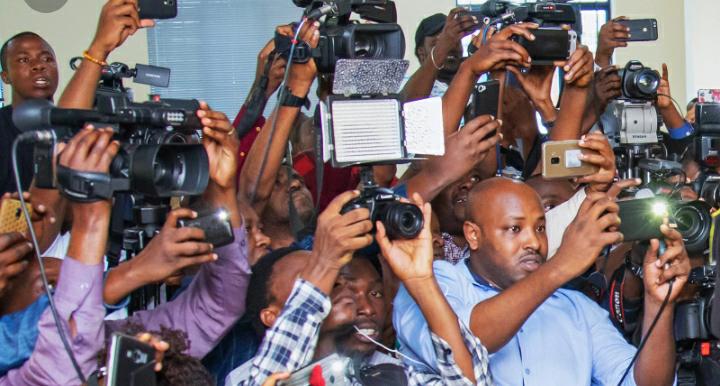
Journalists work may lead to mental shutdown, death – doctor

By Uzair Adam Imam

A psychiatrist, Dr. Adeoyo Oyewole, said the physical and mental stress journalists are exposed to daily has psychological effect on them that could lead to mental shutdown.

The doctor said the pressure used to create a mental disequilibrium which manifests psychologically and phphysically.

Dr. Oyewole, who is a consultant at the Ladoke Akintola University Teaching Hospital, also added that lack of proper stress management killed journalists discreetly.

He made this shocking revelation on Monday at a seminar organised by Fountain University for practising journalists and final year Mass Communication students of the institution.

The seminar was themed: Effect of Poor Stress Management among Nigerian Journalists on Mental Health Productivity, at its campus, Osogbo.

The doctor further stated that Nigerian journalists carry Nigeria on their shoulders at a mental cost, and struggle daily to gather information in spite of humiliating cultural and bureaucratic bottlenecks.

He added, “There is a need for journalists to be proactive in managing time, value relationships and posses the will to break through barriers to achieve daily goals.

“Financial freedom is also essential. No journalists should be underpaid in discharging their responsibility as a professional in order to meet their daily demands both personally and as a family.

“A journalist must be able to meet his daily diet and supplement demand to be physically and mentally ready for the rigours of the job”, he said.