Nigeria, NNPC and the oil windfall
By Kabir Fagge Ali
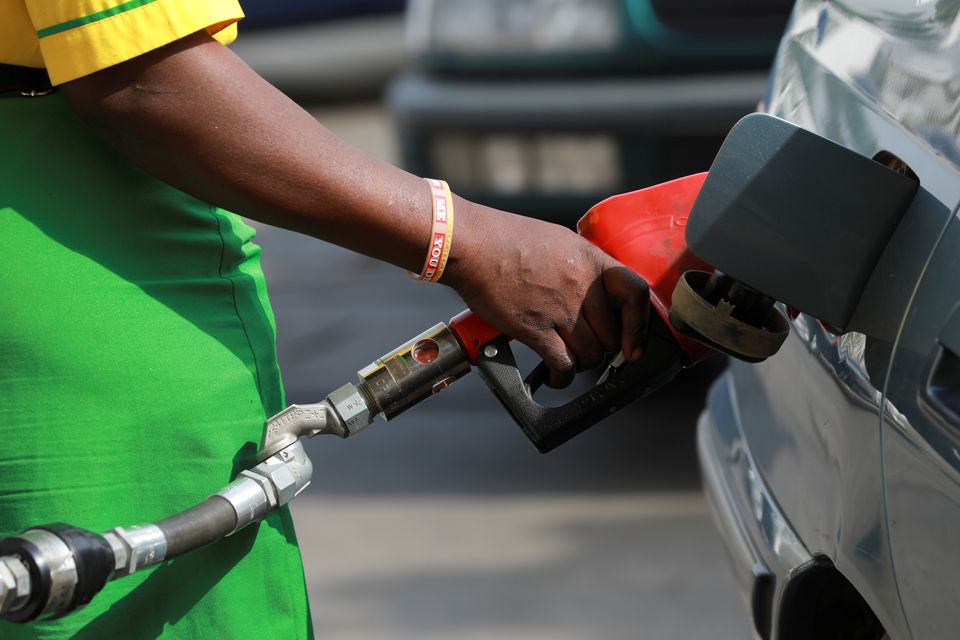
Presently, it is obvious that the time is ripe for the oil producing countries to smile due to the unprecedented increase in the oil price which eventually signalled an opportunity for a windfall. However, the situation is not the same for Nigeria as the country has plunged into deep fuel crises that has remained persistent for over a month. These crises border mostly on adulteration of the Premium Motor Spirits, PMS, also known as petrol, as well as its corresponding scarcity across the nation.
It can be recalled that, in the last three weeks, Russia has authorized a special military operation by invading the neighbouring Ukraine which caused the usually volatile crude oil prices to skyrocket beyond bookmakers. As a result, many countries are counting their fortunes in the windfall but unfortunately, Nigeria is counting its losses due to mismanagement of resources by the Nigerian National Petroleum Corporation (NNPC).
From the opening crude oil price of $76.03 per barrel at the beginning of 2022, prices have jumped to about $130 per barrel which is the highest price of the commodity for the last decade.
Just as noted in the Daily Trust Editorial of March 14, 2022, the gloom for Nigeria in the era of increased commodity prices was first forecasted by the world bank country director for Nigerian, Shubham Chaudhuri who said in January that Nigeria is at a point where rising oil prices might not be a good thing because although oil production might go up and crude oil revenue may increase, which in some point is a good thing.
The fiscal cost of petrol subsidy will also rise and while other countries may rejoice from the windfall, Nigeria will on the other hand be at the receiving end by reaping what it sows, courtesy of mismanagement of the oil sector over the past years by the NNPC.
Truth be told, the consequences of the mismanagement of Nigeria’s four refineries is that the 440,000 barrels of crude oil supplied to NNPC daily for local refining is exported and never transparently accounted for.
Meanwhile, the Group Managing Director, GMD, NNPC Mele Kyari claimed that N100 billion was sunk into the maintenance of the four refineries in Nigeria which is quite different from the N26bn already spent on supposed Turn Around Maintenance (TAM) on the maintenance of the refineries over the years which is an amount that will be sufficiently enough to build three new refineries as argued by many experts.
In addition, it is disheartening to learn that apart from being fleeced by NNPC and its collaborators in the name of oil subsidy or the strange term ‘under-recovery,’ Nigeria has failed to meet its oil production quota allocated by the Organisation of Petroleum Exporting Countries (OPEC). From an average of 2.1 million crude oil production quota per day, when the Buhari administration was voted into power in 2015, Nigeria is at present allocated 1.7 million per day, out of which it produces between 1.3 million and 1.4 million per day. This shortfall is a result of the lack of investment, as International Oil Companies (IOCs) have continued to exit Nigeria’s oil sector.
Despite the above scenario, the Ministry of Petroleum Resources, NNPC and its subsidiaries cannot convince Nigerians that there will be no gains from the current oil windfall. Such gains must not be frittered away under any guise.
The real question that is still begging for an answer is, can the NNPC convince Nigerians on how the country’s economy is not going to gain from this kind of oil windfall or how are Nigerian leaders being able to resolve this issue and what is NNPC’s decision on the lack of accountability to the people?
Therefore, it is in the good interest of Nigerians that the National Assembly should investigate this issue thoroughly and ensures that money meant for the country indeed comes into the nation’s treasury unfailingly. The managers of Nigeria’s oil and gas sector must account for the gains that accrue to Nigeria from the current windfall.
Moreover, the NNPC in collaboration with the federal government and other stakeholders in the oil sector must as a matter of urgency expedite their efforts in fixing the moribund refineries in order to be functional enough to refine our petroleum products so as to meet the nation’s daily average consumption capacity of 62.5million litres of petrol. The time is long overdue to save the country’s ailing oil sector!
Fagge, is a student of Mass Communication Department, Skyline University Nigeria. He writes from Abuja, Nigerian and can be reached via faggekabir29@gmail.com