Disablism and how we are all potential victims
By Khairat Suleiman Jaruma
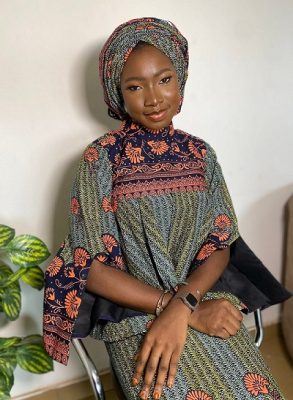
Halima is in her teens, tall and pretty. She had a charming smile. All through the chat, she participated actively, and I liked her for that. Halima has hearing loss, and she is mute. We had a conversation on menstrual hygiene at her school.
At the end of the chat, Halima volunteered to give a vote of thanks on behalf of the school. She said in sign language, “thank you for coming to talk to us about menstrual hygiene. We really appreciate it. When we make some of the mistakes you mentioned, we get mocked because we are mute, and most people don’t care about how we feel because they don’t think we have a place in the society”.
I felt my heart break. I fought back the tears that welled up at the back of my eyes. Then I remembered another encounter with a mute gentleman in Abuja recently. He also mentioned that most people in our society mock people who are mute and have hearing loss and other disabilities.
None of what both of them said was false. Instead, what these people experience is called disablism. It is the discriminatory, oppressive, abusive behaviour arising from the belief that disabled people are inferior to others.
In our society, persons with disabilities face stigma and discrimination in the form of negative attitudes among family and community members, name-calling, and wrong beliefs about the causes of disabilities, which results in low self-esteem, depression, and isolation.
According to the World Bank assessment, 29 million Nigerians have a disability, representing 15 per cent of the estimated national population of 195 million in 2018. Unfortunately, a vast number of this population live in abject poverty and are unemployed and uneducated due to stigmatization and lack of inclusion.
Most of the schools for children with special needs are in horrible shape. Parents with children with disability think educating a disabled child is not a profitable venture and can only help the child by keeping the child at home away from stigmatization. According to the National President, Joint National Association of Persons with Disabilities, Ms Ekaite Umoh, only two per cent of the people with disabilities had formal education.
In our hospitals, we don’t have provisions for people with disabilities. Patients with intellectual disabilities, e.g. deaf and hard of hearing persons, are disrespected when they complain of any health challenge. Their condition makes it hard for them to discuss their problems with doctors holistically, and several hospitals lack the facilities to ensure equal treatment of all patients.
Perry (2018) asserts that doctors find it hard to believe patients diagnosed with an intellectual disability. Accordingly, medical workers are fond of carelessly assuming that persons with intellectual disabilities fake symptoms and illnesses. This can infuriate patients who have a hard time discussing their conditions and cause the medical staff to demand psychiatric evaluations of the patient. Unfortunately, patients with disability are readily judged as mentally imbalanced when visiting hospitals for treatment or diagnosis (Ayub and Rasaki 283).
Regrettably, at some point in our lives, we all experience one or more forms of disability, at our young age or due to old age, accident or illness. That is why I feel we must take people with disability into consideration and create a society that provides the unique support they need to meet their particular needs, as we would also be beneficiaries of this support in the long run.
Remember that disability is a condition that could happen to anyone, and conditions are not curable. Such conditions can only be managed. So let’s create a system and environment that manages disabilities and optimizes the potential of people with disability.
Khairat Suleiman Jaruma wrote from Kaduna via khairatsuleh@gmail.com.
