Naira notes live double lives in different parts of Nigeria
By Jibril Mutalib
The naira notes live a life as colourful as the country itself. This isn’t just any currency—it wears its experiences on its sleeve, or rather, on its creases, tears, and patches. The naira isn’t just a medium of exchange; it’s a survivor with a story that shifts depending on where it finds itself in this country.
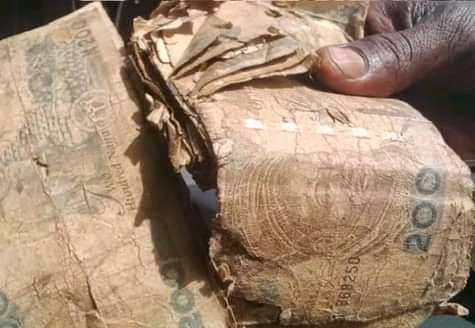
In the northern part of the country, the naira is a seasoned warrior. It has seen the depths of pockets unwashed for years and battled with rain and sun, leaving it bruised and wrinkled. Yet, the good people of the North, perhaps because of their warm hospitality, never turn their backs on the naira, no matter how worn out it appears in most cases.
A naira note in Sokoto could look like it just took a swim in the gutter, got into a wrestling match with a goat, and lost a few limbs. But fear not! The traders in the North would still embrace it with open arms. Ah, my friend,” a northern trader might say, “kudi kudi ne”, whether it looks like a prince or a pauper.
As long as it can buy me a cup of fura or a plate of Denkeli, it’s good enough!” If your money is rejected, then it must be very bad. Perhaps it might have undergone an abnormal surgery where you have Obafemi Awolowo appear on a #50 naira note. Lol.
But when travelling to other regions, the naira’s fortunes change quicker than you can imagine. In places like Kwara, the naira is subjected to intense scrutiny—borderline interrogation. The traders will examine it like a detective at a crime scene, looking for any sign of distress. A small tear? Rejected. A hint of dirt? Not in my shop! And don’t even think about presenting a naira note with a sellotape surgery—it might as well be a counterfeit. Lol.
So, the naira itself is living a double life in different regions of the country. In the North, it is a rugged hero, loved despite its flaws. In the South, it is an outcast, shunned for the slightest imperfection. I wonder why naira notes are treated so differently based on location.
And so, if you ever find yourself possessing a naira note that has seen better days, do not despair. Simply tuck it away safely and wait until you return to the northern lands. There, you’ll find a warm welcome for your weary traveller. And remember, it’s not just about having money; it’s about having the right money in the right place.
In any region you find yourself, blend with how they treat the currency. When you’re in Sokoto, bring whatever naira you’ve got—no questions asked. I’m not saying they accept money in Sokoto; they do but on rare occasions. If your money is denied, it’s already very bad beyond repairs.