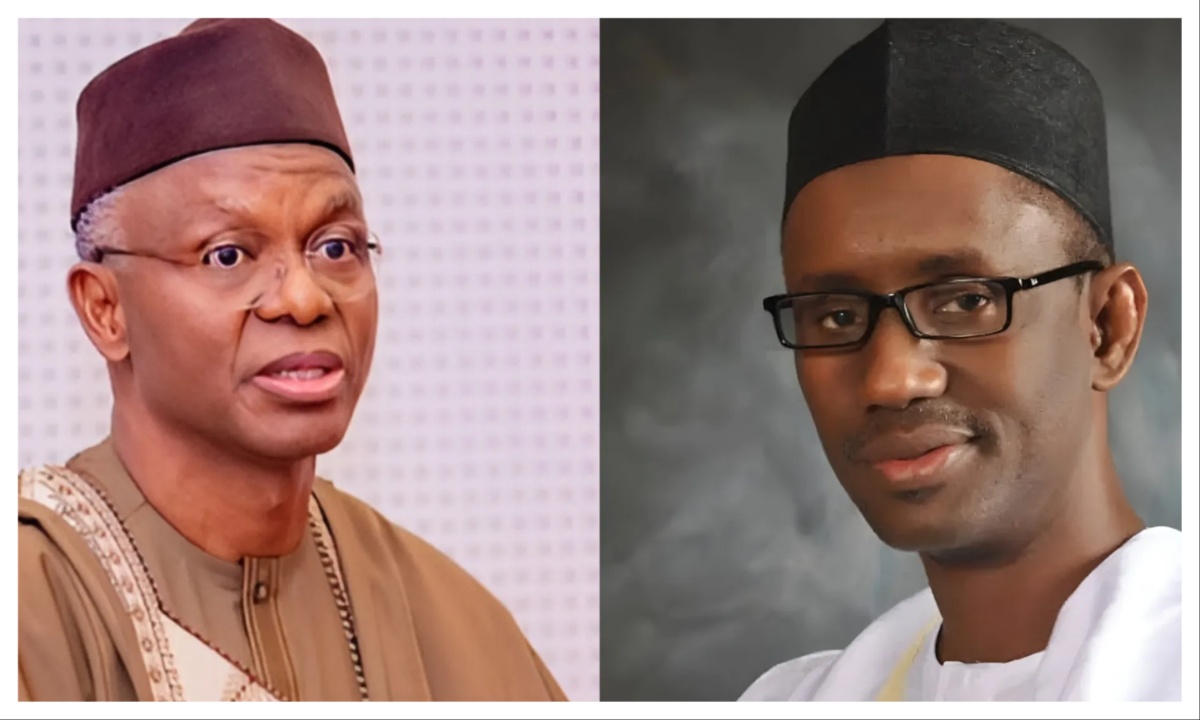
Nuhu Ribadu

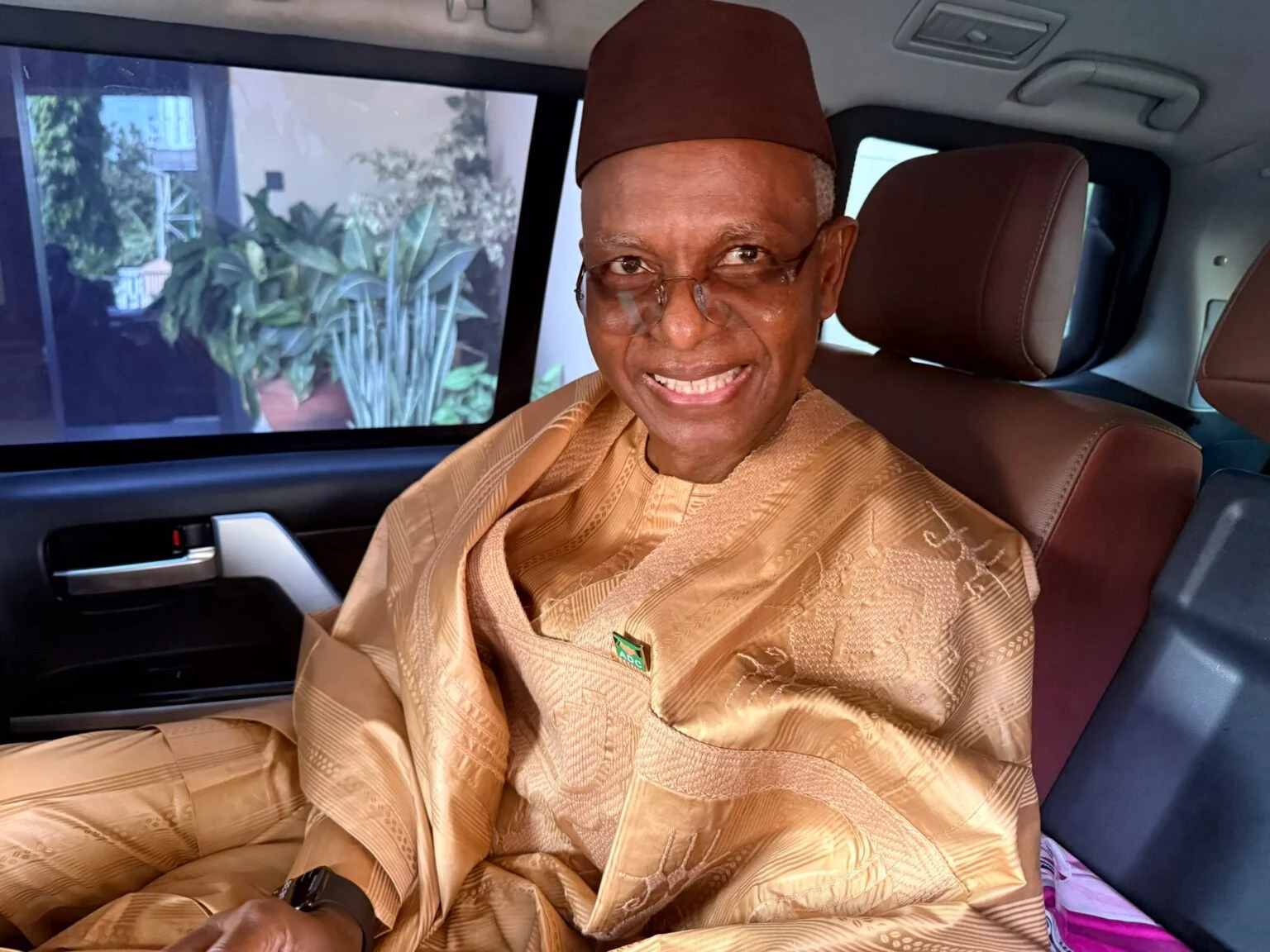
ONSA slams El-Rufai over ‘baseless’ ransom claims

By Abdullahi Mukhtar Algasgaini

The Office of the National Security Adviser (ONSA) has issued a stern rebuke to former Kaduna State Governor, Nasir El-Rufai, dismissing his claims that the government pays ransoms to bandits as “baseless” and “false.”

The statement, released on Monday, comes in response to an interview El-Rufai gave on Sunday where he alleged that ONSA coordinates a policy of payments and incentives for criminals.

“The attention of the Office of the National Security Adviser (ONSA) has been drawn to comments made by the former Governor… he alleged, falsely, that the ONSA coordinates a policy of payments and offers incentives to bandits. This claim is baseless,” the statement read.

ONSA firmly stated that at no time has it or any government arm under the current administration engaged in such practices, adding that it has consistently warned citizens against paying ransoms.

The security office outlined the government’s dual strategy of “decisive kinetic operations alongside community engagements,” crediting this approach for the improved security and “relative peace” now experienced in previously terrorized parts of Kaduna like Igabi, Birnin Gwari, and Giwa.

The statement highlighted the elimination of notorious bandit kingpins such as Boderi, Baleri, and others in Kaduna, as well as the recent apprehension of leaders from the terrorist group, Ansaru.

In a strongly worded conclusion, ONSA described El-Rufai’s denial of these security gains as “unfair and deeply insulting” to the memories of fallen security personnel.

It urged the former governor and all political actors to “desist from dragging national security institutions into partisan battles,” emphasizing that the fight against banditry is a “collective struggle, not a platform for political point-scoring.”

Ribadu visits Prof. SAS Galadanci in Kano, pays tribute to national security pioneer

By Muhammad Abubakar

The National Security Adviser, Mallam Nuhu Ribadu, has paid a courtesy visit to Professor S.A.S. Galadanci in Kano, describing the meeting as both inspirational and encouraging.

Ribadu, who was in the city to offer condolences to the Dantata family, took the opportunity to visit Prof. Galadanci, the second Nigerian ever appointed as Adviser on National Security—then known by that title.

In a post shared on his social media handle, Ribadu referred to Prof. Galadanci as a “pacesetter” in the field of national security and a father figure with longstanding ties to his family.

“I was humbled by his confidence in our modest efforts and his profuse prayers for me and our country,” Ribadu wrote.

The visit, he said, provided valuable lessons and motivation as he continues in his current role.

Governors meet with NSA, defence minister over rising insecurity

By Uzair Adam 

Amid growing security concerns across the country, members of the Nigeria Governors’ Forum (NGF) on Wednesday held a closed-door meeting in Abuja with the National Security Adviser, Nuhu Ribadu, and Minister of Defence, Mohammed Abubakar.

The meeting, chaired by the NGF Chairman and Kwara State Governor AbdulRahman AbdulRazaq, took place at the NGF Secretariat. 

Among the governors in attendance were those of Anambra, Akwa Ibom, Oyo, Kwara, Osun, Plateau, Lagos, Nasarawa, Ekiti, Ebonyi, Kogi, Ondo, Imo, Cross River, Ogun, and Edo states.

Although the agenda was not officially disclosed, the gathering is believed to be connected to the escalating insecurity in parts of the country, particularly the recent deadly attack in Yelewata, Benue State.

Earlier in the day, President Bola Tinubu visited Benue and met with stakeholders at the Government House in Makurdi, where he condemned the killing of over 100 residents in Yelewata. 

He directed the Inspector General of Police, Kayode Egbetokun, and the Chief of Defence Staff, Christopher Musa, to apprehend those responsible.

Sources confirmed that the Abuja meeting involved briefings from the NSA and the Minister of Defence. 

The Secretary to the Government of the Federation, George Akume, traditional rulers, and former state governors were also present at the Makurdi meeting.

President Tinubu queried the lack of arrests and urged the heads of the Department of State Services (DSS) and the National Intelligence Agency (NIA) to ramp up intelligence efforts to bring the perpetrators to justice.

NSA honours customs, others for joint crackdown on illicit drugs

By Sabiu Abdullahi

The National Security Adviser (NSA), Malam Nuhu Ribadu, has commended the leadership of the Nigeria Customs Service, the National Agency for Food and Drug Administration and Control (NAFDAC), and the National Drug Law Enforcement Agency (NDLEA) for their collaborative efforts in curbing illicit drugs and other prohibited items.

During a meeting at his Abuja office on June 3, 2025, Ribadu recognised the three agencies for their roles in a recent operation that led to the destruction of 206 containers and one trailer-load of illegal pharmaceuticals and narcotics.

He also confirmed the completion of an extensive investigation involving 50 additional containers, describing the exercise as a benchmark for effective cooperation in national security.

Praising the dedication of all parties involved, Ribadu said, “This is an acknowledgment of the good work you’ve been doing. Nigeria is changing. It won’t be business as usual anymore. We’ll go after the criminals who bring these poisons into our country.”

The Comptroller-General of Customs, Adewale Adeniyi, noted that the Service had previously declared a state of emergency on the smuggling of illicit pharmaceuticals.

He explained that close coordination among the agencies, with support from the NSA’s office, made it possible to swiftly detect and eliminate dangerous products.

“We are stronger together,” Adeniyi stated. “And we will remain vigilant to ensure these substances never make it into the wrong hands.”

Director-General of NAFDAC, Professor Mojisola Adeyeye, said the operation was in line with Nigeria’s National Action Plan against drug abuse and the importation of unregistered pharmaceuticals.

She revealed that over 1,300 security personnel had been mobilised under the NSA’s orders to support Customs, NAFDAC, and NDLEA operations nationwide.

“These unregistered and unwholesome products are a danger to our women and children,” she cautioned.

“Our continued collaboration with Customs and NDLEA is saving lives.”Representing the NDLEA Chairman, Shadrac Haruna also pointed to the impact of an inter-agency committee set up by the CGC.

He noted that the committee had significantly helped in intercepting drugs and dismantling illegal storage facilities.

As part of the event, plaques and letters of commendation were presented to the heads of the three agencies.

The NSA was also handed a Certificate of Destruction for the confiscated items—a symbolic gesture reinforcing Nigeria’s resolve to fight the drug menace.

April Fools? Not for Nigerians—A stark glimpse into security and anti-graft realities

By Haroon Aremu Abiodun

April is traditionally a month of pranks and laughter. But in Nigeria, the joke was on no one except, perhaps, on a nation whose security architecture is under siege from terrorists, bandits, and kidnappers.

Far from fearing our security operatives, criminal elements across the country displayed shocking audacity, reminding us that the battle for Nigeria’s soul remains bloody and unresolved.

In a horrific display of lawlessness, notorious bandit leader Bello Turji celebrated Eid in Sokoto by executing kidnapped victims, recording and broadcasting the gruesome act without fear of consequences. Across parts of Katsina, Kaduna, and Zamfara, bandits not only continued their reign of terror but have begun levying taxes and operating parallel governments in areas still supposedly under state control.

Compounding public anxiety, National Security Adviser Nuhu Ribadu made headlines when he advised families of kidnapped victims to “stop paying ransom.” While theoretically sound, the reality is far more brutal. Without swift and credible government intervention, desperate families have no option but to finance their tragedies. Until state forces can decisively rescue captives, this vicious cycle will continue.

In just one month, attacks escalated across Plateau, Kwara, and Benue States, leaving communities in mourning. Boko Haram and ISWAP insurgents resurfaced with deadly ambushes, signalling their continued relevance in Nigeria’s security equation.

April’s bloodshed has revealed operational lapses and a deep strategic and moral crisis. The Office of the National Security Adviser (ONSA) must urgently intensify efforts, especially by working discreetly with rescued victims to extract intelligence, boost surveillance systems, and dismantle criminal networks worldwide.

While commendable successes by security operatives, such as rescuing hostages and recovering illegal arms, were recorded, they were dwarfed by the scale of atrocities witnessed within just 30 days.

The Department of State Services (DSS), often criticised and even facing calls for disbandment, must seize this moment to redeem itself. Encouragingly, recent commendations from the Plateau State Government and Governor Uba Sani of Kaduna for the DSS’s contributions to curbing insecurity suggest a glimmer of institutional reliability. Their successful arrests of gunrunners and dismantling of kidnapping syndicates are steps in the right direction.

Notably, the DSS also intercepted a British Army Major in Delta State attempting to smuggle 50 AK-47 rifles and ammunition—a major bust, and a signal that the service can perform under pressure. Their ability to withstand calls for the suspect’s release further strengthens public confidence.

Going forward, DSS and ONSA must strengthen collaboration through real-time joint operations, intelligence sharing, and visible outcomes. The Nigerian Intelligence Agency (NIA) also must integrate its overseas capabilities with ONSA’s domestic strategies. Today’s criminals are sophisticated—our response must be smarter.

Beyond the battlefield, Nigeria’s fight against corruption also demands attention. The Economic and Financial Crimes Commission (EFCC) must intensify efforts with ongoing arrests of internet fraudsters and by pursuing justice in high-profile cases involving figures like Betta Edu and Sadiya Umar Farouq.

Regarding Aisha Achimugu’s case, the EFCC must adhere to due process and uphold its promise to act with diligence and integrity. Recent arrests, including that of Bauchi State Accountant General Sirajo Muhammad Jaja, show the commission is active, but visibility and transparency are critical.

Despite receiving accolades, such as the Government Spokesperson Award and the Courage in Justice and Transparency Award from the Nigerian Human Rights Community, EFCC must do more to recover funds stolen through schemes like CBEX. Collaborating with Interpol to dismantle international fraud networks and prevent future scams using forged EFCC certificates will reinforce the commission’s credibility locally and abroad.

Transparency is the only antidote to growing public cynicism about the Commission’s integrity.

The Independent Corrupt Practices and Other Related Offences Commission (ICPC), though laudably organising programs like its stakeholders’ meeting on accountability in local government, must now transition from talk to action. Corruption within Ministries, Departments, and Agencies (MDAs) remains rampant. A recent ICPC report showed that over 60% of corruption cases involved diverting healthcare funds—a scandal demanding decisive intervention.

April has ended, but the wounds it inflicted are still fresh. If we’ve learned anything, it is that the fear of the Nigerian state must be restored—not with hollow rhetoric, but through coordinated, courageous, and relentless action.

The enemies of Nigeria no longer fear our uniforms, our institutions, or the name “government.”

The time to act was yesterday. Today is already a dangerous gamble. Tomorrow may be too late.

Haroon Aremu Abiodun is a PRNigeria Fellow and author. He can be reached via exponentumera@gmail.com.

Nigeria’s security budget and the reality on the ground

By Abdulhamid Abdullahi Aliyu 

To many Nigerians, the security allocations in national budgets often appear inflated. Year after year, billions are allocated to the military, defence procurement, intelligence operations, and internal security initiatives.

Yet, the level of insecurity across the country continues to raise eyebrows. The common question remains: “Where is all this money going?” It is a valid concern.

However, beyond the budget lines and official pronouncements lies a more complex reality—one that is often overlooked by the average citizen. The actual cost of warfare and intelligence operations is not just steep—it is staggering.

Take air operations as an example. Military insiders have long noted that flying an Alpha Jet for a single mission can gulp up to a million naira in aviation fuel alone.

This figure excludes routine maintenance, spare parts, logistics, or crew allowances. Multiply these flights across days and theatres of operation, and it becomes easier to understand why security efforts are financially demanding.

On the ground, the story is similar. Armoured vehicles, patrol vans, and tanks require constant fuelling, often idling for hours during missions. Soldiers deployed to remote areas require food, clothing, and equipment.

Medical support must be on standby, and when fatalities occur, families of the fallen deserve compensation. These are not occasional expenses—they are daily operational necessities.

Yet, beyond the financial weight of military engagement lies an even more fragile dimension: intelligence gathering. In parts of the country, particularly the North East, North Central, and North West, attacks by insurgents and bandits continue with frightening regularity.

People often ask: Why aren’t these attacks being preempted? Where is the intelligence? These questions are justified. Comparisons are frequently drawn to agencies like the FBI or Israel’s Mossad, known for preemptive actions.

But intelligence is no miracle tool. It relies on actionable information—gathered, processed, and relayed with accuracy. In many of Nigeria’s conflict zones, such information is scarce.

Locals often fear reprisals and refuse to share what they know. Rural and forested areas remain difficult to monitor due to the absence of surveillance infrastructure.

Moreover, intelligence work is not the sole burden of the military. It requires seamless coordination among the police, DSS, NSCDC, and even vigilante groups. Where this collaboration falters, intelligence fails.

That is not to absolve our agencies of their failings. Reports of negligence, delayed responses, and poor communication abound. However, these shortcomings, while real, are not insurmountable.

Nigeria urgently needs to rethink its approach to intelligence. There must be fresh investment in surveillance tools, inter-agency communication systems, and the training of personnel in modern techniques.

Citizens, too, must become active partners by volunteering timely and truthful information. This war cannot be won solely by the military. It requires collaboration, from the government to the grassroots.

Technology, including drone surveillance and satellite imagery, must be embraced. But more than anything else, there must be political will to treat intelligence not as a side note, but as the beating heart of our national security strategy.

Balanced expectations are also important. While it is tempting to measure Nigeria’s intelligence systems against those of global powers, such comparisons can be misleading.

Nations like the US and Israel have built theirs over decades with enormous financial commitment. Nigeria, by contrast, is still building its base. Still, quiet victories exist—many of them deliberately kept from the public domain for strategic reasons.

Terror plots have been foiled, camps dismantled, and lives saved through intelligence-led operations. These successes rarely make headlines. What are the failures, the losses, and the anguish they leave behind?

That is why we must keep asking questions—but with an understanding of the context. Accountability, yes. But also support, reform, and renewed trust. National security is not a spectator sport. It is a shared duty.

And if Nigeria is to triumph over its many threats, it must first accept that intelligence, not just guns, is its most potent weapon.

Abdulhamid Abdullahi Aliyu writes from the Centre for Crisis Communication (CCC) in Abuja.
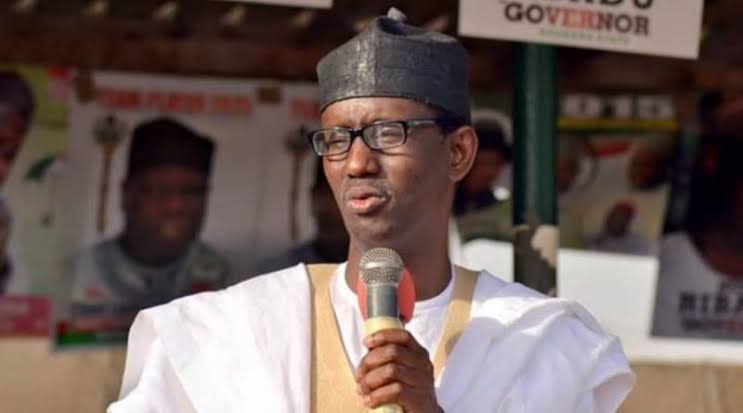
Security: The Nuhu Ribadu Formula

By Zayyad I. Muhammad 

Before the emergence of President Bola Ahmed Tinubu’s administration, Nigeria’s security architecture was grappling with deeply entrenched challenges, particularly in the Northwest and Southeast regions. The situation had deteriorated to alarming levels, with criminal elements and secessionist movements establishing a disturbing level of control in certain areas.

In the Northwest, banditry had evolved from sporadic attacks to the full-scale occupation of territories. Vast stretches of land, especially in states like Kaduna, Zamfara, and Niger, fell under the influence of heavily armed groups. The Abuja-Kaduna highway, which was once a vital economic and commuter route, became a perilous stretch, notorious for frequent kidnappings and ambushes. 

The Northwestern security threats extended further, with the Kaduna–Birnin Gwari–Lagos road effectively shut down due to sustained bandit activity. Even commercial life suffered significantly; the Birnin Gwari cattle market, a major hub for livestock trade, was forced to cease operations under the pressure of violence and extortion.

Meanwhile, in the Southeast, the situation was compounded by the secessionist agitation led by the Indigenous People of Biafra (IPOB). Through fear and coercion, IPOB succeeded in enforcing a weekly sit-at-home directive across several states in the region, paralysing economic activities every Monday. Businesses were shuttered, schools closed, and the freedom of movement was severely curtailed, undermining both governance and development efforts.

This was the grim reality that the Tinubu administration inherited. However, at the heart of the renewed fight against insecurity stands a strategic recalibration: what many now refer to as the “Nuhu Ribadu Formula.” As National Security Adviser, Ribadu brought a fresh, intelligence-driven approach to tackling Nigeria’s security woes. With an emphasis on coordination among security agencies, restoration of public confidence, and targeted offensives against criminal enclaves, his methods have begun yielding tangible results.

While challenges persist, especially in remote and hard-to-reach areas, the difference in tone and trajectory is becoming increasingly evident. The Ribadu-led security strategy has not only focused on reclaiming territory but also on addressing the root causes of unrest, be it poverty, weak governance, or community grievances. It is this multidimensional and proactive approach that may well define Nigeria’s path to lasting peace and stability.

Mallam Nuhu Ribadu, the National Security Adviser, has been pivotal in reshaping Nigeria’s national security framework through a clear and strategic vision built on three foundational pillars.

The first is the carrot-and-stick approach, which balances kinetic (military force) and non-kinetic (dialogue, reconciliation, and development) strategies. This dual-pronged approach acknowledges that not all security threats can be addressed solely through force. By combining targeted military operations with community engagement and deradicalisation efforts, the approach aims to neutralise threats while addressing the root causes of violence.

The second strategy is a shift from rhetoric to action, a deliberate move away from endless briefings and political grandstanding towards concrete, measurable outcomes. Under Ribadu’s watch, security interventions are now judged not by promises, but by performance. The focus is on restoring peace, reclaiming lost territories, and enabling displaced persons to return to their communities.

Third is the promotion of synergy and intelligence sharing among security agencies. Previously plagued by inter-agency rivalry and fragmented operations, Nigeria’s security forces are now operating with improved coordination. Through unified command structures and shared intelligence platforms, responses have become faster, more precise, and increasingly proactive.

These strategies have already begun to yield visible results. The recent resurgence of attacks in Plateau and Benue States, as well as isolated Boko Haram assaults on soft targets in Borno and Adamawa, were swiftly countered using the same framework. Rapid deployment of forces, community-based intelligence, and coordinated operations prevented escalation and restored calm.

Still, the road to full recovery is a gradual one. While the machinery of state security has been retooled, the average citizen may not immediately perceive these gains. Part of the challenge lies in the persistence of outdated or unverified reports in some sections of the media, which can paint a distorted picture of the current realities. Nevertheless, those on the ground, especially in previously hard-hit areas, are beginning to sense a shift.

The “Nuhu Ribadu Formula” is proving to be more than just a tactical adjustment; it is an evolving doctrine that prioritises effectiveness, accountability, and collaboration. With sustained implementation and public support, it could well become the blueprint for enduring peace in Nigeria.

Zayyad I. Muhammad writes from Abuja, zaymohd@yahoo.com.

Assessing Ribadu’s claim: Has insecurity reduced by 90% in Nigeria?

By Zayyad I. Muhammad

Nigeria’s National Security Adviser (NSA), Mallam Nuhu Ribadu, recently claimed that the country has recorded over 90% improvement in security under President Bola Ahmed Tinubu’s administration. He made this assertion in Jos, Plateau State, during a press briefing following a strategic meeting with the Commander of Operation Safe Haven, Major General Folusho Oyinlola. The meeting was convened after a deadly gunmen attack on the Bokkos community, which tragically claimed the lives of hundreds of residents.

Given the context of recent violence, Ribadu’s statement sparked mixed reactions from across the political spectrum. Critics argue that the NSA’s comments are aimed at shaping public perception as politicking for the 2027 general elections approaches. They view the remarks as part of a broader political narrative to build confidence in the administration. On the other hand, supporters commend Ribadu for leading an effective national security strategy, asserting that the improvements are tangible and worth acknowledging.

However, beyond partisan sentiments and political interests, it is essential to examine Ribadu’s claim from an objective standpoint grounded in verifiable data and realistic context. Security issues are too critical to be reduced to rhetoric, hey must be measured by real outcomes that affect the lives of everyday Nigerians.

Regardless of our political leanings, there have been undeniable improvements in some of Nigeria’s most dangerous zones. For example, the Birnin Gwari–Lagos highway in Kaduna State, which was shut for nearly a decade due to the menace of armed bandits, has now reopened to motorists, especially heavy-duty vehicles that previously avoided the route. The once-abandoned Birnin Gwari cattle market, inactive for over ten years, is now gradually returning to life with commercial activity.

Similarly, the Abuja–Kaduna highway, previously infamous for rampant kidnappings and ambushes, is now operational 24 hrs under constant military and police surveillance. Other major highways, such as the Kaduna–Kano expressway and the Jos–Akwanga–Lafia–Abuja corridor, now also witness 24-hour vehicular movement, marking a sharp contrast to the fear and hesitation that characterized travel in these areas just a few years ago.

Still, it’s important to remember that security is both delicate and dynamic. A full year of relative peace can be overshadowed by a single horrific incident. Groups like Boko Haram, ISWAP, and various bandit factions, such as the Lakurawa and Ansaru cells, still carry out attacks on soft targets in rural and semi-urban areas. While the overall frequency and scale of these attacks may be decreasing, their sporadic nature continues to pose serious challenges.

Between 2022 and 2024, several Nigerian security and intelligence agencies have reported significant gains. The Defence Intelligence Agency (DIA) indicated a 65% reduction in overall crime and criminality nationwide since May 2023. This figure is based on cumulative data from military operations, police reports, and inter-agency assessments.

The Department of State Services (DSS), particularly in the Federal Capital Territory (FCT), recorded a significant decline in high-profile crimes, including kidnappings, armed robberies, and terrorist threats, through 2023 and into early 2024.

The Nigeria Police Force also published extensive data on its security efforts: between 2023 and early 2024, police operations led to the arrest of 30,313 suspects linked to serious crimes such as kidnapping, armed robbery, cultism, and banditry. In the same period, 1,984 illegal firearms were recovered, along with 23,250 rounds of ammunition. Additionally, 1,581 kidnapped victims were successfully rescued across various states.

The proliferation of small arms and light weapons has long fueled Nigeria’s insecurity. However, between 2022 and 2024, the National Centre for the Control of Small Arms and Light Weapons (NCCSALW) recorded historic achievements. In February 2023, the Centre announced that it had recovered more than 10,000 small arms and light weapons from non-state actors during nationwide disarmament operations. By February 2024, the total number of retrieved weapons had increased to 20,000 firearms and over 60,000 units of ammunition.

Furthermore, in September 2024, the NCCSALW undertook the destruction of 30,132 recovered weapons, ranging from decommissioned and unserviceable arms to illicitly owned firearms.

The Nigerian Armed Forces, particularly the Army, have achieved notable success over the past three years. Between 2022 and 2025, military operations resulted in the neutralization of more than 8,034 terrorists across various theatres of operation, including the North-East, North-West, and North-Central regions. In February 2024 alone, 105 terrorists were eliminated during targeted counterterrorism operations. and 140 capture

A total of 6,376 kidnapped victims were rescued from insurgent enclaves and bandit hideouts in 2024 alone, thanks to joint operations involving the Army, Air Force, and local vigilante groups. These successes have contributed significantly to restoring public confidence in the state’s ability to respond to threats.

Additionally, by December 2024, the Nigerian military had dismantled numerous terrorist camps and degraded the operational capabilities of insurgent groups in several flashpoints. More than 20 high-profile bandit leaders and commanders were eliminated in precision operations, including:

 1. Ali Kachalla (Ƙawaje)

 2. Kachallah Dogo Kwaddi

 3. Lawali Dodo

 4. Ɓoderi

 5. Sani Wala-birki

 6. Kachallah Hana-Zuwa

 7. Damina

 8. Kachalla Sani Dangote

 9. Kachalla Adamu

 10. Halilu Sububu

 11. Baleri

 12. Modi Modi

 13. Kachalla Mai Shayi

 14. Kachalla Tsoho Lulu

 15. Ibrahim Nagure

 16. Kachalla Makore

 17. Bulak

 18. Tukur Sharme

 19. Hassan Ɗantawaye

 20.Ɗan-Isuhu

These names had long terrorised communities, operated illegal taxation systems, and masterminded large-scale abductions. Their deaths signal a turning point in Nigeria’s war against insecurity—at least in the short to medium term.

Critics, supporters, and objective observers alike hold valid perspectives on Ribadu’s claim. Security cannot be judged solely by statistics or isolated incidents—it must be assessed holistically, with a view to sustainability. While it would be inaccurate to declare total victory over insecurity, the data and field reports suggest that Nigeria is making measurable, strategic progress.

As Nigeria continues to grapple with complex internal threats, public expectations remain high. Citizens want not just temporary relief but long-term stability. Ribadu’s statement may be politically timed, but the figures back up his assertion, at least in terms of trend and direction. Whether or not one agrees with the 90% figure, one thing is clear: the tide appears to be gradually turning in favour of the state.

The challenge now is to sustain these gains, institutionalise reforms, and ensure that security is perceived and lived by every Nigerian in every part of the country.

Zayyad I. Muhammad writes from Abuja via zaymohd@yahoo.com.

Ribadu warns against ransom payments as rescued Kaduna victims regain freedom

By Abdullahi Mukhtar Algasgaini

The National Security Adviser (NSA), Mallam Nuhu Ribadu, has strongly advised families against paying ransoms to kidnappers, stating that it only fuels criminal activities.

His warning came as over 60 hostages, recently freed in Zangon Kataf, Southern Kaduna, were handed over to the Minister of Defence, Mohammed Badaru Abubakar, in Abuja on Tuesday.

The rescued victims, including a civil service Deputy Director and a relative of Bishop Matthew Hassan Kukah, had spent over a month in captivity.

Ribadu commended the military and security agencies for their efforts, crediting President Bola Tinubu’s support for recent successes. Defence Minister Badaru urged the public to provide actionable intelligence to aid security operations.

One freed captive, Adesiyam Michael, recounted his traumatic ordeal and called for youth rehabilitation to deter crime.

The operation is part of ongoing efforts to dismantle kidnapping networks nationwide.

March 2025 Intelligence and Anti-Graft Report: Escalating threats, assertive crackdowns, and the battle against corruption 

By Haroon Aremu

No doubt, this outgoing month (March 2025) has witnessed a troubling escalation of banditry, kidnappings, and overall insecurity across Nigeria. Despite relentless efforts by security agencies, the wave of violence continues to rise, posing a severe threat to national stability. 

The series of abductions and deadly attacks in Zamfara, Niger, Imo, and Katsina states underscore the urgent need for more aggressive and strategic security measures. This trend is particularly concerning as the country enters a festive period, historically marked by heightened criminal activity.

While the Office of the National Security Adviser (ONSA), in collaboration with the Department of State Services (DSS) and the National Intelligence Agency (NIA), has made progress in intelligence gathering and security coordination, a more technology-driven approach is necessary. 

In the same vein, ONSA’s strategic partnerships with the Nigeria Customs Service, the National Agency for Food and Drug Administration Control (NAFDAC), and the Central Bank of Nigeria (CBN) in tracking illicit financial flows and curbing arms smuggling are commendable. However, dismantling criminal networks before they strike requires a more proactive and intelligence-led response.

On the other hand, the DSS has played a crucial role in safeguarding internal security throughout March, tackling numerous threats and reinforcing its commitment to national safety. However, its reputation has come under scrutiny following multiple reports of officer misconduct and press intimidation. 

For instance, a widely circulated incident in Abia State showed a DSS officer physically assaulting a police officer, raising concerns about discipline and inter-agency cooperation. Such conflicts highlight the need for structured conflict resolution mechanisms within security forces.

Another pressing issue is the DSS’s handling of journalists. While national security remains paramount, officers must operate within the boundaries of press freedom. The harassment of journalists in Abuja during the Nnamdi Kanu court proceedings and the controversial detention of a reporter in Jos have sparked concerns about press repression. In a democracy, the public’s right to access information must be upheld, and security agencies must balance national security interests with the protection of journalistic freedoms.

Despite these concerns, the DSS has taken commendable steps to defend its integrity. Major newspapers, including Punch, Blueprint, The Guardian, and Tribune, recently issued public apologies for misreporting the Lagos State Assembly invasion, reinforcing the agency’s stance against misinformation. 

However, while protecting its credibility, the DSS must ensure that its officers uphold professionalism in their interactions with the media, fostering a balanced relationship between security and press freedom.

Subsequently, the Economic and Financial Crimes Commission (EFCC) intensified its anti-corruption campaign throughout March, securing multiple arrests, arraignments, and asset forfeitures. The agency has cracked down on major financial crimes, exposing fraudulent schemes and recovering stolen funds. 

However, its operations have also faced criticism for alleged human rights violations. A recent raid in Lagos, which left schoolchildren stranded after EFCC operatives stormed their neighborhood, sparked national outrage. While enforcing anti-corruption laws is crucial, operations must be conducted in a way that does not unduly disrupt the lives of innocent citizens.

A growing concern is the infiltration of foreign fraud syndicates, particularly those involving Chinese and Filipino nationals, who have been implicated in elaborate financial crimes within Nigeria. The EFCC must intensify its collaboration with international anti-fraud agencies to dismantle these networks and prevent Nigeria from becoming a safe haven for global financial criminals, a concern previously raised by the EFCC chairman.

One of the most notable developments in March was the government’s decision to use recovered looted funds to finance the student loan scheme. While widely applauded, stringent accountability measures must be implemented to prevent mismanagement. As this policy offers much-needed relief to students facing financial burdens, transparency must be prioritized to avoid repeating past mistakes.

The Independent Corrupt Practices and Other Related Offences Commission (ICPC) has also been active in the fight against corruption, securing key arrests and launching several investigations into public sector fraud. Its recent probe into fraudulent procurement contracts worth billions of naira reinforces its commitment to exposing corruption at the highest levels. However, to maximize impact, the ICPC and EFCC must strengthen their partnership, ensuring a more coordinated and formidable approach to tackling corruption.

Another alarming revelation in March involved the mismanagement of public funds within government ministries, departments, and agencies (MDAs). Investigations exposed how billions meant for public projects were misappropriated, depriving citizens of critical services. While the ICPC’s swift intervention in these cases is commendable, Nigerians demand more than just arrests—they want convictions and asset recoveries that send a strong message to corrupt officials.

Notwithstanding, March 2025 has been a defining month for Nigeria’s intelligence and anti-graft agencies. As the nation moves into April, Nigerians expect these agencies to reinforce their commitments, refine their strategies, and uphold the principles of justice, transparency, and accountability. The battle against insecurity and corruption is far from over, but it must be fought with precision, fairness, and an unwavering dedication to national progress.

Haroon Aremu Abiodun is an author and a fellow of PRNigeria. He wrote via exponentumera@gmail.com.