Muslims

Fall of the Sokoto Caliphate: Some thoughts

By Huzaifa Dokaji

When people reflect on the fall of the Sokoto Caliphate in 1903, they often conjure up images of British soldiers armed with the formidable Maxim gun on the left, juxtaposed with local inhabitants wielding swords, bows, and arrows on the right, fervently chanting “Allahu akbar.” Unfortunately, this portrayal does not align with historical reality. The foot soldiers were mainly Africans, while Europeans primarily served as commanders and strategists rather than frontline combatants. The bulk of the invading forces were drawn from previously subjugated regions, frequently comprising individuals from the target community itself.

As demonstrated by Philip Afaedie’s PhD thesis, The Hidden Hand of Overrule: Political Agents and the Establishment of British Colonial Rule in Northern Nigeria, 1886–1914, individuals such as Adamu Jakada established their reputations and livelihoods by providing valuable intelligence to European forces. In the case of Kano, for instance, Ciroman Kano Abdu Lele, the son of Emir Kano Tukur (reigned 1893–1895), supported the British invasion in exchange for their promise to restore him to the Kano throne, which his family had lost after the Kano Civil War (1893–1895), known as the Basasa (of course they didn’t honour the agreement after the war!). Others, driven by diverse motivations, also aligned themselves with the British cause.

As recounted by Baba of Karo to Mary Smith (see Baba of Karo: A Woman of the Hausa Muslim), people in rural areas, fed up with pervasive political and social corruption, celebrated colonial conquest with a popular song, “Nasara kun dade ba ku zo ba”. The Resident of Kano also noted in an intelligence report to the British acting High Commissioner on July 9th, 1903, that the peasantry embraced British conquest due to their deep-seated resentment towards their rulers. “Nasara kun dade ba ku zo ba” carries more profound implications than its composers may have intended. Scholars like Murray Last (1967), Rudolph Ware (2014) and Paul Lovejoy (2016), along with others, have shown us how and why the Sokoto Jihad was one of the most important political and social revolutions of the 19th century, thanks to the egalitarian nature of its goals. However, Nasara kun dade ba ku zo ba demonstrates how such ideals were lost by the closing decade of the century, prompting common people to seek refuge in the hands of Christians. Nevertheless, the intellectual class remained committed to their quest for an egalitarian society through the Islamic ideological vehicle.

M.S. Umar’s seminal work, Islam and Colonialism: Intellectual Responses of Muslims of Northern Nigeria to British Colonial Rule, has powerfully shown us how such intellectuals reacted to British colonial conquest and the various strategies they adopted to challenge it. They saw it as temporary—God’s wrath upon an erring community. Defining the conquest as a temporary setback, the grand vizier of the Sokoto Caliphate equated it to the shaving of a beard.

In his poems titled Nuzhah and Intisaf, Sheikh Yahya an-Naffakh (b. 1898 and known as Malam) described the British conquest as the ‘triumph of absurdity’ caused by scholars who have replaced ‘the humility of Knowledge with the stupidity of ignorance’ and rulers who have exchanged ‘the wisdom of governance with the arrogance of past glory’. Malam himself came from a family that was a victim of such crass anarchy. The winning side of the Kano Civil War imprisoned his father, who was a legitimist. A young Malam secured his release by writing a petition to the Resident of Kano, Mr. Palmer, advocating against the unjust imprisonment.

Although oral traditions suggest that Dan Fodio prophesied the fall of the Caliphate to European Christians, it is more plausible that news of their encroachment reached Sokoto through traders and pilgrims travelling the trans-Saharan trade routes, ultimately reaching Mecca. For instance, in the early 19th century, the influential Lagos trader Madam Tinubu sent a letter to the Caliph of Sokoto, Bello dan Fodio, informing him of European activities along the coast. Furthermore, Paul Lovejoy’s research on Umar el-Fellati reveals that Fellati witnessed the British occupation of Egypt in 1882 and even acted as a double agent, providing the British with information about the Caliphate while simultaneously reporting on British activities in Northern Africa.

Huzaifa Dokaji is a PhD student and teaching assistant at the Department of History, State University of New York at Sony Brook. He can be reached via huzaifa.dokaji@stonybrook.edu.

A reminder and call for Northern Ulama to intervene in the Sudan conflict

By Baba Isa

While reviewing my collection of photographs, I stumbled upon a significant historical image that reminded me of a momentous event during a public lecture in Sudan. It was during this event that distinguished figures such as Prof. Salisu Shehu, Prof. Sagagi, and Prof. Maqari embarked on a special joint visit to Sudan some years ago. Their visit aimed to understand the exceptional approach Sudanese institutions took in providing training to Nigerian students on their soil, enabling them to return to Nigeria as productive individuals.

During this lecture, Prof. Salisu Shehu said, “The educational experience for Nigerian students in Sudan extended beyond academic excellence. These students, who received education in diverse fields, also imbibed qualities of respect, commendable attitudes towards their communities, and a sense of understanding towards various religious doctrines. This was different to their counterparts studying in different foreign nations.

Prof. Added that the Nigerian Sudan-educated students exhibited unmatched expertise and skills compared to their counterparts in Nigeria. Therefore, the Council of Ulama of Nigeria felt compelled to delegate us to come to Sudan and delve deeper into brief research and learn more about strategies employed by Sudanese institutions and their communities to empower these students. So that we can take back reports to Nigeria and put it into practice”.

The lecture was delivered at the International University of Africa (Indimi Hall) during this insightful visit, and I captured the picture.

Regrettably, the Sudan we love, the Sudan we learn from and once held in high esteem, an exemplar of a hygienic educational environment, now stands ravaged by conflict. It’s disheartening that we have not extended a helping hand to a nation from which we have drawn knowledge and inspiration. Sudan, which significantly contributed to the growth and development of our region through its educational support (like its massive Scholarship scheme to everyone in any course without exception)and enlightened Islamic scholars, medical doctors and other professionals, remains in dire need of our attention, prayers, and support.

Northern Nigeria has encountered setbacks in the realm of girls’ education. In the past, we lamented the shortage of female doctors, resulting in inadequate female doctors in healthcare for women in our hospitals. Our parents in the Northern region were hesitant to enrol our sisters in local institutions, let alone consider overseas education, given concerns about religious beliefs, cultural norms and environmental disparities.

These barriers hindered the prospect of sending our sisters abroad for education. This predicament led us to lag in conventional education and the attainment of female medical doctors. Recently, a positive shift has occurred as our parents have become more receptive to sending our sisters to study medicine and various other disciplines, especially in Sudan, due to the conducive educational environment and Islamically oriented. However, it is disheartening to note that challenges mar the current situation in Sudan.

The aftermath of the evacuation of Nigerian students from Sudan – more than 2000 – medical students, primarily females from the north- has left us searching for alternatives that can provide the same nurturing educational environment. Regrettably, no such choice has presented itself, leaving us feeling powerless.

Recent events have highlighted the impactful role that Northern Nigerian scholars have played in resolving crises, as evidenced by their intervention in the unrest following a coup in Niger. Drawing from this, I earnestly beseech our esteemed Northern scholars to extend their benevolent interventions to Sudan. While Sudan may not be a member of ECOWAS, its historical and cultural ties to us cannot be taken away. Just as we stand by Niger, we must stand by Sudan.

In this challenging time, I humbly implore our esteemed Ulama to exert their influence and restore peace and tranquillity in Sudan. Just as they have done in our region and Niger, their intervention could serve as a beacon of hope for a nation that has been an invaluable contributor to our growth and development.

Pharm. Baba Isa, Former President of the National Association of Nigerian Students in Sudan.

Provide qualitative education to wards – College don charges parents

By Abdulbasid Aliyu Adam

Parents have been reminded of the need to play their parental role in providing qualitative education to their wards to curtail social vices.

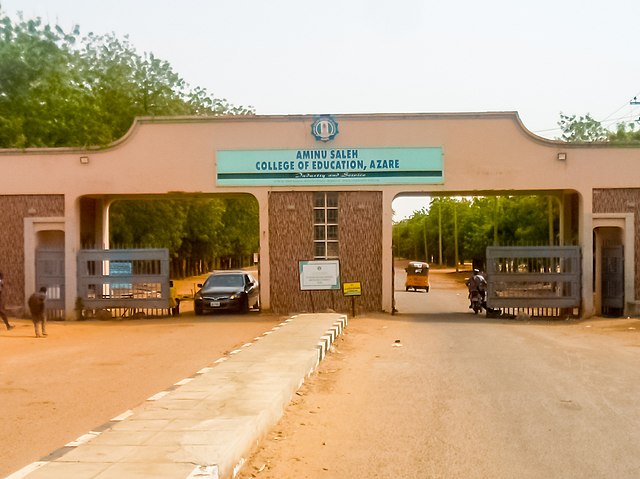
Dr Abdullahi Jaji of Aminu Saleh College of Education Azare remarked while presenting a paper themed, the challenges of post-primary Education in Northern Nigeria: the Role of Stakeholders at the closing ceremony of the three-day annual quiz, debate and essay competition organised by MSSN Bauchi State Area Unit.

Dr Jaji, who spoke at length on the challenges of post-primary Education in Northern Nigeria, attributed the menace to the misplacement of priority by the parents. Hence the need for parents to shoulder all the responsibilities of their children’s education described knowledge as the bedrock of every development.

Earlier in his welcome address, the quiz coordinator of MSSN Bauchi state, Dr Muhammad Adamu Hamid, said the program was designed to improve the readiness of Muslim students in Bauchi State to face the Senior Secondary school Certificate Examination to meet world tertiary institution entry requirements in an examination malpractice free environment.

Dr Hamid, a lecturer with the Department of Mass Communication, Pen Resource University Gombe, charged the participants to double their efforts in seeking religious and Western education.

Speaking at the occasion, Amir of the MSSN Bauchi State Area Unit, Dr Rabi’u Barau Mball, applauded the efforts of the host communities for their job well done and urged the relevant authorities to continuously support the activities of MSSN at all levels for the speedy development of education and the state at large.

Dr Barau Mball, a lecturer with the Department of Sociology, Bauchi State University Gadau, used the medium and informed the public that the leadership of the society would host the 2023 National Islamic Vocation Course (IVC) hence the need for government support and all the sister agencies.

In their separate remarks at the occasion, Hon. Ahmed Mai Kudi Yaya, a member representing the Misau constituency in the State Assembly and Hajiya Bahijja Auwal Babaji, deputy chairman of Giade Local Government as well as the District Head of Giade represented by the Galadiman Giade, commended the state leadership of MSSN for organising the August, events and prayed for its sustenance.

The program, which draws participants from SS one and two of all secondary schools across the twenty local governments of the state, held at the Government Science Secondary school Giade, declared Katagum local government as the overall best, followed by Bauchi and Toro as Second and third, respectively.

El-Rufai: MURIC tells Tinubu to save North-West alliance

By Abdurrahman Muhammad

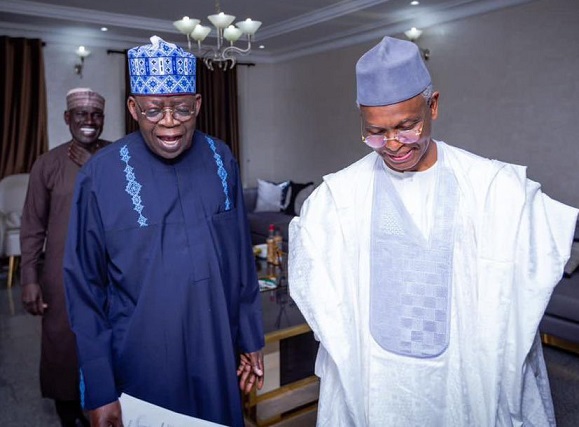
As the failure of the Senate to confirm the ministerial nomination of the former governor of Kaduna State, Mallam Nasir El-Rufai, continues to generate controversy, an Islamic human rights organisation, the Muslim Rights Concern (MURIC), has told President Bola Ahmed Tinubu to save the North-West alliance which gave him victory at the polls by ensuring that El-Rufai gets the ministerial appointment.

MURIC made its stand known on Sunday, 13th August 2023, after an emergency meeting of its Central Think Tank (CTT) held in the evening of the previous day. A statement signed by the Executive Director of MURIC, Professor Ishaq Akintola, after the meeting reads: 

“The Central Think Tank (CTT) of the Muslim Rights Concern (MURIC) met yesterday to consider the circumstances surrounding the failure of the Senate to confirm the nomination of the former governor of Kaduna State, Mallam Nasir El-Rufai, as a minister. 

“CTT considered the issue a major setback to the North-West alliance which gave President Bola Ahmed Tinubu victory during the 2023 presidential election. Furthermore, CTT regards the non-confirmation of Mallam Nasir El-Rufai’s ministerial nomination as a big threat to future alliance between the North and the South-West. The North may not hobnob with the South-West again if the champion of the North-South alliance is shabbily treated.  

“CTT also noted the huge contribution of Mallam Nasir El-Rufai who persuaded the Northern political elite, particularly the twelve Northern governors, to allow power to go to the South. It was observed that the monumental power shift of 2023 was a fulfilment of a 2019 agreement. It was therefore an act of honour while El-Rufai is seen as the icon of Northern integrity. 

“CTT affirms clearly, emphatically and unequivocally that it behoves the South as represented by President Bola Ahmed Tinubu to reciprocate the North’s noble stand by walking his talk, particularly his open offer and public invitation to Mallam El-Rufai to join his cabinet. The story of Tinubu’s invitation to El-Rufai to join his cabinet is already public knowledge.

“It has become necessary to jog the President’s medulla oblongata today because the North has exhibited integrity by keeping its promise on power shift to the South. It therefore behoves the South to reciprocate, to manifest decorum, decency and dignity, particularly with the ‘Omoluabi virtue’ for which the Yoruba are well known.

“Tinubu has a duty to protect the good name of the Yoruba people in particular and the whole South in general. Besides, a promise is a promise in Islam and Tinubu is a Muslim. Allah says in the Glorious Qur’an ‘And fulfill the promise, surely (every) promise shall be questioned about.’ (Qur’an 17:34). Allah also said, ‘O you who believe! Fulfill your pledges.’ (Qur’an 5:1).

“The good relationship and the bond between the North and the South-West must not be allowed to break. 2027 is around the corner. Even 2031 is already knocking and politicians are already doing their calculations. The North supported Tinubu because they found him to be credible. He must not do anything capable of diminishing that credibility.

“El-Rufai is the gem of the collection and everybody knows it. He is a performer. He is cerebral, iconic. If it is true that the president himself already hinted El-Rufai to set the machinery in motion for the energy sector, the president is morally bound to walk his talk regardless of all other encumberances. 

“Records show that there are precedents. Festus Keyamo was cleared in spite of Senate’s earlier objection. Something made Senate change its mind. Ex-President Olusegun Obasanjo got this same El-Rufai cleared despite Senate’s opposition in 2004. El-Rufai withdrew having read between the lines. He will still do it for the sake of Nigeria if the president’s body language conforms.

“Criminality, dishonesty, fraud, impunity, lack of patriotism and other Nigerian problems spring from a wrong mindset. They will all disappear or at least be reduced to the barest minimum if the leadership sets the pace. Islamic scholars North and South who nurtured the North-South alliance are watching. All men and women of conscience are keeping vigil. Nigeria holds its breath and shivers. The buck stops at Mr. President’s table.”

Working women in Islamic perspective: Prohibitory or permissibility

By Omar Muaz

As commonly understood by many people that a working woman only means one that goes outside her matrimonial home or her parents’ house to earn a living [in most cases a salary or an income] isn’t but, as rightly put in different ways by Amina Adamu, in her paper “Balancing the Home and Work: Tales of Working Women” one who has attained a certain level of education and use it as an opportunity to secure jobs. Or the one who earns a living inside her home by engaging in in-door businesses such as fish farming, tailoring, poultry, and even selling clothes and kitchen equipment, or lastly, one who earns a living within the confinement of her house by using their children to hawk and sell for them. Whichever one takes as a definition of a working woman, it’s fine and okay.

I have read many articles claiming modernism to be the root of working women. However, history has it that in traditional African society, women work as much as men [or even more] to sustain the family. They do house chores and look after children and even the man himself — besides cooking for the family, the women wash the man’s clothes and keep his room and the whole house tidy. In addition to all, as affirmed in The Journal of the Islamization of Knowledge and Contemporary Issues, Vol. 1, they go to the farm and cultivate crops to supplement the feeding and economic sustenance of the family. 

By the coming of Islam — a religion that propagates women’s seclusion based on the Quranic provision in Suratul Al-ahzāb, verse 33 “And abide in your houses and do not display yourselves as [was] the display of the times of ignorance.” and some authentic traditions of Rasūl, prophet Muhammad (PBUH) — to Nigeria in the eleventh century (Clerke and Lindern, 1984), women, more especially in the Northern part of the country, were restricted from going out unnecessarily which includes going to farm. They then concentrated on their roles as mothers while the men accepted and carried out their religious responsibilities of providing the basic needs for their family until the introduction of Western education [read: conventional education] to Nigeria in the 19th century.

The early 70s witnessed a large enrolment of girls into conventional schools, which started affecting the status quo of the family system, with women starting to work as civil and public workers in various organisations and parastatals at the attainment of conventional schools. Moreso, the spread of globalisation through the Western media led to the very foundation of the family, which includes respect, love, and trust for each other to start playing the second fiddle. 

From the 90s up to the end of the last century, 20th, many Islamic families subscribed to the global village by connecting the satellite dish to their homes and, of course, the internet. Probably, due to the impact of the Structural Adjustment Programme (SAP) — an ambitious structural adjustment program which was adopted in June 1986 as a result of initial reforms including substantial increases in domestic petroleum prices that were announced in the 1986 budget — in the 80s, the man no longer care and provide the basic facilities needed in their homes. Thus, the man lost his pride and respect as the breadwinner both from the wife and the children. Hence, women were left with the only alternative, which was finding means of supplementing the family income, even outside their homes (Emeagwali in El-Sohli & Mabro, 1994).

It’s worth noting from the above paragraphs women were traditionally working before the advent of Islam, more especially in Northern Nigeria, which abolished the practice with the world turning into a conventional one. Women work to supplement the family income with reasons, of course, varying. There are many women that work, despite their husbands or parents being rich, because they feel bored sitting at home. This category consists of almost 10% of the working Northern Nigerian women. Others go out to work to earn a living, while others, at the death of their husbands, provide shelter for their children. In addition to the mentioned categories, some work to serve humanity in governmental and Non-governmental organisations (NGOs).

Some Muslim husbands and parents, based on one of these cases, allow their wives and daughters to work while others, basing their argument on the Islamic concept of seclusion, keep their women at home. Now, the question is on the concept of women’s seclusion from in Islamic perspective. What is it? Women seclusion is a term referring to various practices designed to protect women from men in traditional Muslim societies, including confining women to the company of other women and close male relatives in their home or in separate female living quarters, veiling, self-effacing mannerisms, and the separation of men and women in public places.

According to the International Institute of Islamic Thought Nigeria Office’s journal, Al-Ijtihād, the issue of women’s seclusion in the Nigerian context, as has been identified, includes (1) complete seclusion — an opinion championed by traditionalists and fundamentalists who strongly believe that women’s role is exclusively restricted to her home only and therefore any other role outside her matrimonial home is forbidden. (2) partial seclusion — that women are allowed to go out when there’s need to go, such as hospital and visiting sick relatives and even attending Islamiyya schools, and (3) voluntary seclusion is seen as a more symbolic seclusion rather than physical.

The third, unlike the complete seclusion which was built on the widely circulated “myth” in some years back, at least in the Hausaland, that a woman has only three outings in her lifetime — that of her being delivered from her mother’s womb, going out to her husband house [being married], and then lastly taken to her grave —, is propagated by those in favour of women going out to work outside her matrimonial homes or parents’ houses and encouraged women who have attained conventional education to work in the civil service and other parastatals.

The existence of these divergent views, even during the lifetime of Usman Ɗan Fodio, triggered him to write a book “Kitabul Irshadul Ikhwān” in which he stated twelve instances where women are allowed to go out in Shari’a: going out in search of knowledge, participating in religious war [Jihād] where there’s need for their assistance, attending congregational prayers in mosques, attending Juma’at prayer, attending Eid prayer, attending prayer for rain [Salatul Istisqa], attending prayer for the dead [Salatul Janaza], going to pilgrimage, going to the court of law to sue or to be sued, visiting their parents and relatives, attending wedding ceremony [especially escorting the bride to her house because Aisha (RA) was reported to have done that] and buying and selling things especially when they don’t have someone to do it on their behalf.

In addition to the above-mentioned twelve occasions where women are allowed to go out, going out to teach isn’t in exclusion. There are instances — according to the prophetic ahādith, which were reported by Abu Dāwud, Ahmad and Imam Hakim — where women went out to teach even the wives of the prophet Muhammad (PBUH). The case of Shafa’a Bint Abda is a glaring example when the prophet (PBUH) not only recommended her for teaching His wife, Hafsa (RA), how to write but advised her to teach the wife how to cure rashes and bugs [Rukhyatul Namla]. Thus, Imam Ghazali, among many other Islamic scholars, emphasised the importance of women’s education, especially in the field of Medicine and Mathematics, with the essence of them specialising in these areas to cure sick Muslims and to teach Muslim children.

It can be concluded that women — even though they are fragile and weak because of them being created from a “crooked rib” of a man — among them are those who are blessed with the strength and energy to participate in even manual labour and, thus, they are not completely restricted, Islamically, to work as related above.

However, in order to have equilibrium in terms of matrimonial stability of the home on one hand and the woman’s pursuit for economic stability on the other, there should be an understanding between the two spouses [which is the man who is the head of the family and the woman under the umbrella and control of the man]. It’s recommendable that a working woman should fear Allah (SWT) in her mind wherever she goes and, when going out, should dress properly according to the dictates of the Shariah.

Allahu A’alam [ Allah knows the best].

Omar Muaz wrote via muazuumar45@gmail.com.

A socio-religious analysis of Davido’s protege, Logos Olori ‘Jaye Lo’ video

By Hassan Idris

Discussing trending and contentious topics has never been my preferred inclination, not because of a lack of opinions or the ability to articulate them but rather due to the potential conflicts it may engender with those who hold me in high esteem. Nonetheless, today, I shall delve into the trending and contentious subject matter that has generated a whirlwind of discourse on social media, polarising individuals along sectarian, regional, and religious lines and culminating in mutual vilification.

Specifically, I aim to scrutinise the 45-second video released by the Nigerian music sensation David Adeleke, famously known as Davido. In this video, men donned in white jalabia and caps dance boisterously in front of a mosque immediately after partaking in prayers. Adding further intrigue, Logos Olori, Davido’s protege, occupies a prominent spot atop the building’s roof.

Notably, even though the singer makes mention of the phrase ‘Alhamdulillah’ (praise be to God), the video and the accompanying song have been met with severe disapproval from many Nigerians and fans, particularly among the Muslim community, who perceive it as an affront to Islam. They vehemently demand an apology, accusing Davido of disrespecting their religious practices by intermingling sacred rituals with song and dance.

Despite the mounting pressure, Davido finally relents and takes down the video after two days of receiving criticism, opting for a predominantly silent stance and refraining from issuing formal apologies. Notably, Professor Wole Soyinka, in a surprising twist, urges Davido not to apologise for releasing the ‘Jaye Lo’ video, asserting that dancing in front of the mosque does not possess the provocative connotation purported by some.

Among the voices calling for an apology from Davido are prominent Muslim faithful such as Ahmad Ganga, Ali Nuhu, Ashraf Yaman, Ayaat Saeed, Basira Ugochi, and numerous others. Conversely, some Muslims have countered this demand, contending that the singer’s lyrics and actions did not overtly denigrate the Islamic faith. Furthermore, they argue that the video was not intended to ridicule Islam but reflected a cultural norm in Yoruba society.

Additionally, they highlight the existence of Islamic sects, such as the Tijjaniya and Shi’ite, in the northern region, who employ the Mandiri drums as part of their worship practices, thus, indicating that some Muslims themselves engage in similar expressions of religious celebration, with no objections from the community. Before delving into the sociological perspective of religion, it is imperative to recognise the profound significance of religion, particularly in Africa. For many Muslims, it is not merely the song or the jalabiya donned in the video that raises concern, but rather the potential mockery of prayer, a cornerstone of Islam, considered sacred and inviolable. It stands in stark contrast to profanity and warrants utmost respect.

Comparatively, other musicians like Naira Marley may espouse diverse perspectives, yet their words do not evoke similar anxieties. For instance, Naira Marley’s song proclaims, ‘God is the driver, while the Prophet (SAW) is the conductor,’ which, despite its unconventional nature, does not overtly trivialise prayer. Indeed, if Naira Marley had ventured into such territory, he would likely have faced a similar backlash. In response to the contention that some Islamic sects might engage in activities akin to the video’s content, it is essential to discern that while various expressions of worship exist, dancing during prayers remains absent from any Islamic sect. Moreover, the significance of the mosque, as elucidated in the Qur’an, holds paramount importance for Muslims, who regard it as the most sacred and cherished space in their lives. Thus, actions that appear to contradict the mosque’s sanctity are naturally met with vehement objection.

As for Professor Wole Soyinka’s intervention, his failure to fully grasp Nigeria’s religious and multicultural fabric, coupled with his atheistic beliefs, may have influenced his hasty entry into this contentious issue without considering the multifaceted perspectives. Thus, there seems to be an underlying layer of ethnocentrism at play, though it is crucial to clarify that this observation is not intended to belittle Soyinka in any manner.

Turning our attention to Durkheim’s Elementary Forms of Religious Life, the philosopher Charles Taylor’s elucidation of religion as a comprehensive system of beliefs and practices encompassing human existence and its relation to the ultimate conditions of being and other human beings presents a multifaceted framework for analysis.

Durkheim’s seminal work contends that religion is not confined to individual beliefs and practices but rather constitutes a sociological phenomenon that both shapes and is shaped by society. Central to his argument is the concept of ‘collective representations,’ which denotes shared symbols and ideas that foster cohesion among individuals, binding them together in a collective community. Collective effervescence, a cornerstone of religious experience according to Durkheim, entails the shared emotions and sense of unity that emerges when people unite for a common purpose, often manifested in rituals and communal activities.

Furthermore, Durkheim’s delineation of the ‘sacred’ and the ‘profane’ elucidates the fundamental distinction between holy or special elements (the sacred) and the mundane aspects of everyday life (the profane). The video in question seemingly breaches this sacred-profane dichotomy, incorporating elements considered sacred within a context that may trivialise their significance. To elucidate the connection between Durkheim’s ideas of the sacred and the profane, the concept of totemism emerges as an essential component of his thesis.

Totemism encompasses groups of individuals coalescing around a common totem, an emblematic object or animal that symbolises the collective community. The totem, imbued with sacredness, serves as a focal point in rituals and ceremonies, forging a shared sense of identity and unity within the group. By drawing this parallel, the video can be perceived as appropriating religious attire and symbols, potentially attenuating their original sacred import.

Moreover, Durkheim’s concept of ‘mana’ merits consideration of the video’s content. Mana constitutes a spiritual force or energy believed to inhabit sacred objects or spaces. Often linked to animism, the notion that objects and locations possess spirits or souls, ‘mana’ illustrates how the sacred imbue objects and places with special significance. Here, the video’s portrayal of dancing immediately after prayers may be construed as desecrating the sacredness associated with the mosque. As Durkheim transitioned his focus to modern societies, the idea of ‘mechanical solidarity’ comes into play, wherein traditional societies cohere through shared values and beliefs among relatively homogeneous groups.

Comparatively, ‘organic solidarity’ characterises contemporary societies, wherein specialised social bonds form through the division of labour, with various individuals and groups performing distinct functions. The video, juxtaposing modern entertainment (the dance) within the context of a sacred religious space, potentially mirrors the fragmentation and diminished shared values observed in present-day society, evoking notions of anomie.

As a sociologist and poet, I believe some may perceive the Muslim community’s response to Davido’s music video as an overreaction. While concerns are warranted, approaching the issue with knowledge and wisdom, as instructed in the Qur’an, would have been more constructive. Addressing Davido’s actions maturely and knowledgeably could have fostered a more amicable resolution. However, amidst the controversy surrounding the video, it is crucial not to lose sight of the pressing issues in the North, such as kidnapping, terrorism, and poverty, which demand urgent attention and resolution. Calling for uniformity in addressing these challenges alongside the concerns over the music video could have a more significant impact in addressing social issues and fostering a sense of collective responsibility.

Furthermore, it is essential for everyone, regardless of their religious background, to respect and understand the beliefs and cultures of others. Ethnocentrism and a lack of cultural relativity can perpetuate societal misunderstandings and divisions. Respect for all religions, and their sacred practices, should be upheld, emphasising the need for mutual understanding and harmony among diverse communities.

In conclusion, when scrutinising Davido’s music video from a Durkheimian sociological perspective, many potential issues concerning the sacred and the profane in religion emerge. The video’s portrayal of dance immediately after prayers and its use of religious symbols may be perceived as disrespectful and culturally insensitive by some Muslim community members. Moreover, its potential impact on social cohesion and integration in Nigeria’s diverse and multicultural society warrants introspection. Both sociologists and individuals must remain cognizant of religious sensitivities while striving for a profound understanding of different religious practices, fostering mutual respect and harmony within society.

While the controversy surrounding Davido’s music video persists, individuals and communities must engage in constructive dialogue, foster mutual respect, and address societal challenges with collective responsibility. Religion is paramount. It should be treated with reverence, regardless of the particular faith. Let us strive to uphold the principles of knowledge, wisdom, and cultural relativity in our interactions, aiming for a more cohesive and harmonious society. May we all be guided right in our actions and decisions.

Hassan Idris is a Sociologist & Poet and can be contacted via idrishassan25@yahoo.com.

President Tinubu’s broadcast: A Muslim’s plea 

By Abubakar Suleiman 

1. The 7 pm national broadcast by President Bola Ahmed Tinubu on the 31st of July 2023 was timely, especially as many Nigerians are still trying to pick up the pieces of their lives necessitated by the country’s current economic realities and hardship. The removal of oil subsidy and redressing of the multiple exchange rate system are undoubtedly the major causes of this new current of hardship and inflation. 

2. There is seemingly no love lost between the government and the hoi polloi; hence Nigeria’s presidential speeches or live chats are not accorded due relevance. The masses see them as the old regurgitated rhetorics or decoys used to sway them from nagging realities. 

3. However, no matter how much we have lost confidence in the government’s promises, we still need to give it the benefit of the doubt and allow it to test-run its policies and strategies. At the same time, critical stakeholders hold it as responsible and accountable as is humanly possible. 

4. The little over 1700 words speech tagged “After Darkness Comes The Glorious Dawn” sounds promising and reassuring that Mr President’s removal of the subsidy and his intention or action plan to cushion the effect of its removal are noble. However, the noblest of plans might still fail if the economic and even cultural behaviours of the actual or direct beneficiaries of lofty government interventions are not considered. 

5. Therefore, it is against this backdrop that I wish to interrogate some aspects of the government interventions in the broadcast speech that have hugely and negatively affected many practising Muslims in the past and will invariably have the same effect in the coming months. 

6. In his speech, Mr President rightly emphasised that his economic interventions will drive financial inclusion by onboarding beneficiaries into the formal sector, but I think this inclusion did not take into cognisance many practising Muslims’ behavioural approach towards accessing loan facilities as it contravenes a delicate aspect of our religious dictates – usury

7. For instance, the economic intervention with the noble, planned scheme of funding 100,000 MSMEs and start-ups with N75 billion, whereby promoters will access between N500,000 and N1million, is laced with 9% interest per annum and a repayment period of 36 months. Despite the loan’s appealing single-digit interest rate, many practising Muslims who want to venture into start-ups have been shortchanged because a “non-interest” model seems not to have been incorporated into this scheme. 

8. Plus, the aforementioned is also the case with interventions in the manufacturing sector that is aimed at funding 75 enterprises that have the potential to “kick-start sustainable economic growth, accelerate structural transformation and improve productivity.” President Tinubu earmarked N75 billion between July 2023 and March 2024 for this promising purpose. Still, the “9% interest per annum” is a huge stumbling block for practising Muslims. 

9. In the twenty-third paragraph of the text speech, Mr President hinted that the know-how of Development Finance Institutions and commercial and microfinance banks would be tapped for a viable and appropriate transactional structure for all stakeholders. 

10. Therefore, an encompassing financial inclusion plan that carries all members of social strata (especially practising Muslims) bearing the brunt occasioned by oil subsidy removal and the eradication of multiple exchange rates is feasible and should also be implemented. And this should be quickly considered to bring business ideas to fruition, resurrect dying businesses and lift millions from among the Muslim populace above the poverty line. 

11. If there is one thing Tinubu’s presidency should help the Muslim Ummah with, then it should be financial inclusion through non-interest loans and financing of businesses. 

12. As a matter of necessity, the National Assembly shouldered with the responsibility of making laws should look into the Acts of Banks and other financial institutions and tweak certain provisions that impede the development of viable and encompassing solutions around non-interest loans and financing of businesses. 

13. Consequently, the likes of the Central Bank of Nigeria, the Bank of Industry, the Development Bank of Nigeria, the Bank of Agriculture, the Federal Mortgage Bank of Nigeria and other financial institutions should have workable solutions around non-interest issues to bring a significant chunk of the Muslim population on board government’s socioeconomic interventions. It is a gateway to take many Muslims out of poverty, in sha Allah

14. Again, the other thing Muslims would find useful from this presidency is collaborating with state governments to find a way around street begging and almajiranci – reformation or whatever works. 

15.  As a matter of urgency, Ulamas or faith-based organisations should make these demands as bargains for the 2027 presidential and National Assembly elections, for it will indeed augur well for Muslims going forward. These demands need nagging, strategic campaigns, and comprehensive media coverage. And immediate, mid and long-term results should be attached to these demands.

Abubakar Suleiman writes from Kaduna and can be reached via abusuleiman06@yahoo.com.

Is Sheikh Idris Abdulazeez a victim of sacrilege or political vendetta?

By Zaharaddeen Muhammad Azare

Years back, people saw it as taboo to question or criticise what religious scholars said, regardless of how illogical it sounded. However, as people started becoming wiser and more educated, they discovered that religious scholars, as fellow human beings, can understand and misunderstand laws, ministerial statements and concepts. Thus their comments are subject to verification, reconstruction and even falsification.

What happened to Sheikh Abduljabbar Nasiru Kabara that led to his imprisonment in Kano due to his inability to defend his speeches that were considered blasphemous serves as a motivative factor for holding religious scholars accountable for their actions and inaction.

Many people see the case of a known Bauchi-based Islamic scholar Sheikh Idris Abdulazeez as similar to Sheikh Abduljabbar’s, which led to the imprisonment of Sheikh Idris too. But is Sheikh Idris indeed being imprisoned for blasphemy or political reasons?

To answer this question, I take us back to some historical antecedents. Sheikh Idris Abdulazeez is a religious scholar who sees himself as a representative of his people and believes that as a citizen of Nigeria should be politically active to improve efficiency in governance and promote the welfare of the citizenry.

Sheikh Idris supported and criticised political leaders, which seems to be for the public good; the scholar condemned the state government’s actions when Barr. Mohammed Abdullahi Abubakar SAN who believed in the constitution, the application of the rule of law and the whole exercise and grant of human rights, was the state’s governor from 2015-2019.

The  Sheikh saw the then leadership as dust to the people of the state, thus needing elimination. And the then governor allowed him to voice out his opinions as an indigene of the state; the scholar condemned the ruled APC government and endorsed the incumbent state’s governor under the platform of PDP.

After the victory of the incumbent governor of the state Sen. Bala Mohammed Abdulkadir, in the 2019 general election, the government started doing activities contrary to what the scholar believed to be right; for this, he began criticising the government and was tagged as an enemy. In the recent 2023 general elections, the scholar directed his followers to vote for the former Nigerian Chief Of Air Staff Baba Sadiq (Air Marshall) of the All progressive congress (APC), against his counterpart Sen. Bala Mohammed of the People’s Democratic Party (PDP). Bala Mohammed got re-elected.

Some see the case which led to the imprisonment of the religious scholar as revenge for he was not allowed to defend his statements, like what happened to Sheikh Abduljabbar in Kano, where Islamic scholars of different sects were gathered for him to intellectually defend himself in a public which failure to do so bagged his imprisonment.

Most people believe that not allowing Sheikh Idris Abdulazeez to defend himself originated from the fact that he has legal evidence for his statement and how deeply educated religious scholars influx into Bauchi from several states to attest to his statement before the organised debate was cancelled due to these reasons which could set the scholar free. He was later taken to court and got jailed. Not Sheikh Idris alone, who is in jail for nearly a month over the so-called public disturbance. This week, Some traditional rulers have been dethroned by the state governor for what he describes as  “involvement in partisan politics” during the 2023 general election.

Someone who can’t endure opposition shouldn’t go into politics in a democratic state.

Zaharaddeen Muhammad Azare writes from Bauchi state and can be reached via zahmuhaza@gmail.com.

MURIC to FG: Give Muslims non-interest loans

By Muhammad Abdurrahman

President Bola Ahmed Tinubu offered some palliatives in his address to the nation yesterday, 31st July 2023. Among the palliatives were interest loans of about N75b at 9% interest, N500,000 loan to N1 million at 9% and another N100 billion transportation loan also at 9%. However, an Islamic human rights organisation, the Muslim Rights Concern (MURIC), has requested soft loans for Nigerian Muslims instead of interest loans.

In a statement circulated among journalists on Tuesday, 1st August 2023, by the group’s Executive Director, Professor Ishaq Akintola, the group explained that it is haram (forbidden) for Muslims to receive or give interest on loans.

Akintola spoke further :

“President Bola Ahmed Tinubu offered some palliatives in his address to the nation yesterday, 31st July 2023. Among the palliatives were interest loans of about N75b at 9% interest, N500,000 to N1 million loan at 9% and another N100 billion transportation loan also at 9%.

“We appreciate the concern of President Bola Ahmed Tinubu for Nigerians, particularly in these difficult times. The offer of loans to cushion the effect of the withdrawal of oil subsidy shows that the president cares about the citizenry.

“However, Nigerian Muslims cannot and will not take interest loans as the latter is capable of constituting a wedge between Nigerian Muslims and their Creator (Almighty Allah). We prefer the everlasting peace of al-akhirah (the Hereafter) to the material gains of this world.

“Interest is haram, and Allah explicitly forbids it when He said, “Oh you who believe, fear Allah and give up that interest which is still due to you if you are true believers. But if you do not desist, then you are warned of the declaration of war against you by Allah and His Messenger….” (Glorious Qur’an 2:278 – 279).

“The interest loan being offered by President Tinubu cannot benefit Muslims in this country. We, therefore, suggest that the Federal Government (FG) should arrange soft loans for the Muslim population in particular and any other citizens who may desire it.

“One of the problems with Nigeria is that the system bequeathed to us by the colonial master is not Islam-compliant. It, therefore, conflicts very often with the Islamic way of life. This is why FG needs to prepare alternatives for Muslims,who are more than 130 million in the country, in the name of fairness, equity and justice.

“We reiterate that interest loan is haram, and Muslims will not touch it with a long pole. FG should therefore expedite action on introducing Islam-compliant palliatives such that it is made available for Muslims at the same time that interest loans are accessible to others because hunger is spreading fast among the populace as prices sky-rocket daily.

“We advise FG to consult Islamic scholars regularly, particularly on policy issues, in order not to cause misunderstanding between the government and Nigerian Muslims. We also suggest that an expert in Islamic finance should be a member of the National Economic Council (NEC).”

Muhammad Yusuf was never formally or informally considered Ja’afar’s heir – Dr Ismail Hashim Abubakar

By Muhammad Abdurrahman

In this interview with The Daily Reality, Ismail Hashim Abubakar, who finished his doctoral program at Mohammed V University, Rabat, in the Kingdom of Morocco, gives a synoptic picture of his PhD thesis titled “Contemporary Islamic Thought in Northern Nigeria: Shaykh Ja’far Mahmud Adam as a Case Study”. The thesis, which appears in 4 volumes, was written in both Arabic and English. Enjoy: 

At the beginning and as a background, the reader would like to know what propelled you to embark on academic research in this area and to select this topic with the personality of Shaykh Ja’afar as your case study.

I was propelled to undertake this research by many factors. Perhaps the most current and academically engaging factor was the aftermath of the 2009 Boko Haram uprisings when documentation of the saga started outflowing in different forms, including academic studies and media reportage. I observed that the Boko Haram saga was used by many writers – local and international – to, in the process of researching the evolution, growth, ideological base and all other issues associated with the insurgency, direct their attention on the late Shaykh Ja’afar Mahmud Adam and devote some portions in their works on the relationship between Shaykh Ja’afar and the founder of Boko Haram, Muhammad Yusuf.

While I acknowledge that these writers have relevant information and facts regarding this dynamic, I can confidently assert that many facts have been twisted, distorted and misrepresented. In fact, too much attention on Ja’far’s interaction with the leader of Boko Haram would certainly swerve readers’ attention to the grand reform mission Ja’afar had carried out in his career that spanned about two decades.

Furthermore, some writers made absurd and explicit allegations that should not be allowed to pass without a solid, verifiably intellectual response. Besides, the career of Shaykh Ja’afar was full of captivating and interesting episodes that would add up to the history of postcolonial Islam, contemporary religious movements, the interplay of Ulama with civil society and authorities in northern Nigeria and the Hausa-speaking world in general. In other words, if you like, confining the career of Shaykh Ja’afar to an engagement with an estranged disciple is an act of cruelty and tyranny to history.

If this is the case, how does your work differ from the previous works on Boko Haram, and what do you particularly object in them?

In my thesis, I review the representation of Ja’afar and his engagement with Boko Haram as cited in studies and reportages. I endorse what appears to be true and verifiable, while I counter what is a distortion of facts. For example, I tackle the question of Muhammad Yusuf’s studentship and mentorship under Ja’afar; here, there are two visible opinions. One opinion suggests that Yusuf was the mentee, star, protege and possible successor of Ja’afar, while the other view objects to the point of almost debunking any teacher-student relationship between the two men. I seek to stand in between these positions. Based on fieldwork I carried out in Maiduguri in 2019 and in addition to the literature I consulted, I draw a conclusion that Yusuf had, of course, studied under Ja’afar.

Nonetheless, as confirmed by several informants, Yusuf was never punctual during Ja’afar’s lessons; in fact, he did not study a complete book under Ja’afar. Consequently, I re-examined the assertion of the closeness of the two men; it manifested to me that Yusuf was never formally or informally considered Ja’afar’s heir, nor was he considered intellectually capable of taking over from Ja’afar.

Meanwhile, I make reference to Yusuf’s ideological trajectories and terminals of religious activism, starting as an ambitious young man looking for fame. As such, he took a leading position in Muslim Brotherhood, Jama’atu Tajdid al-Islam, before finally joining the Izala, which he would also break from within a couple of years. Finally, on this point, I compare Ja’afar and Yusuf, what the two figures represent to Nigerians and the legacies each one has left behind. 

What else do you address besides the Boko Haram phenomenon in your project?

Hmmm. Like I said initially, Boko Haram is a small (though most popularised) aspect of Ja’far’s career. I set a background where I give a snapshot of the state of Islam and Muslims in postcolonial Northern Nigeria, highlighting the engagement of Muslims in politics and governance while appraising the debates of Shari’ah implementation and discourse on secularism which characterised the Nigerian public sphere after the turn of the 21st century.

I also look at the relations between Muslims and Christians, pointing to the areas of divergence, which are quite many, but also the few areas where Muslims and Christians united in pursuit of a common goal. I also survey the fragmentation of Islamic society along sectarian lines by first tracing the emergence of major and minor religious sects, groups and movements and their major views and arguments. I also illuminate the interplays between these two groups and what brings/brought them together to speak in one voice. All these are meant to give much insight into the religious and landscape sociopolitical contexts in which the figure of my study lived and conducted his mission. This represents the first significant section of the work, which, as you can see, represents the first epithet in the thesis title. 

I supply a relatively detailed biography of Ja’afar, focusing on his family background, the phases of his knowledge acquisition and the factors that contributed to his public visibility as a young man, all before his sojourn to the Islamic University of Madina. 

The work dwells on Ja’afar’s reunion with the Da’awah arena after his study at Madina and how unlike before, he concentrated on the transmission of knowledge and cultivation of disciples while minimising open-air preaching. In this regard, I supply comprehensive information on the major sites and centres of Da’wah, which used to host and coordinate Ja’far’s public engagement and private study circles.

In Kano, for instance, I reserve sections in which I discuss in detail the majalis of Ja’afar, such as the Triumph Mosque in Fagge, the Beirut Road Mosque, Usman Bin Affan Mosque, Gadon Kaya, Almuntada Mosque in Dorayi and the majlis in Ungogo Road. I explicate all the activities Ja’afar conducted, such as leading prayer, teaching for open and private audiences and presentations of sermons, lectures and seminars.

In Bauchi, I make reference to sites that hosted Ja’far’s mission, such as Gwallaga Jumaat mosque, Shaykh Awaq mosque at Old GRA, Baban Godi Mosque in Mallam Goje Street and Women Centre of Bauchi located at Gombe Road. Moreover, in about thirty pages, the thesis unpacks the mission of Ja’afar in Maiduguri, with a particular reference to the activities he conducted within the Indimi Mosque, hinting at the challenges Ja’afar confronted at the beginning and the strategies he adopted in the process of consolidating his Da’wah. The work here emphasises the Qur’anic interpretation exercise Ja’afar led during Ramadan at the mosque and how it became an annual conference that attracted audiences from different parts of northern Nigeria.

But Ja’far’s mission was also characterised by other features: teaching, presenting lectures and seminars and rigorous engagements in civil and political issues. Does your work take a look at this also?

Yeah, of course. I dedicate a full and lengthy chapter that surveys and appraises Ja’far’s interactions and engagements with some events that affected Nigerian contemporary developments, Islam and Muslims, and Ja’afar’s relations with various government and public figures, religious groups and individuals. It focuses on Ja’afar’s role in the return of Shari’ah in northern Nigeria, how he collaborated with religious leaders of other groups, and how this resulted in the implementation of Shari’ah in some northern states. It also refers to Ja’far’s participation in the implementation of the Shari’ah process in Kano.

The chapter further lays bare Ja’far’s engagement with Nigerian politics, governance, politicians and public figures, taking a look at his criticism of General Obasanjo’s administration and different political and government institutions, including Kano state, his base, but also figures such as Muhammadu Buhari, Atiku Abubakar, Ahmed Yarima, Ibrahim Shekarau, Rabi’u Musa Kwankwaso, Ahmed Adamu Muazu, Ahmed Makarfi, Abubakar Habu Hashidu, Sanusi Lamido Sanusi, Baba Impossible, among others.

The work also relates Ja’afar’s interplay with traditional institutions, which connects to his position on the royal fathers of the northern emirates and how they disagreed with some and collaborated and had cordial relationships with others. Still in the chapter, Ja’afar’s engagement with religious groups is narrated, beginning with Salafi networks to which he belonged, the Sufi brotherhoods with whom he disagreed most of the time and the peripheral groups like the Shia, Boko Haram and others. 

As a complement to a cleric biography, the chapter categorises Ja’far’s disciples and followers into four tabaqat, just as it mentions some of his colleagues, teachers and role models. It also provides insightful information relating to Ja’afar’s assassination, including the events that preceded the tragedy and what followed it, such as the posthumous attraction of the Muslim public toward the legacy and mission of the murdered cleric. 

The final chapter in the thesis extracts the thoughts, ideas and philosophical views and visions of Ja’afar on a plethora of issues such as education, economy, sociocultural topics, marriage and women issues, politics, global politics and international affairs, relations between Muslims and non-Muslims and the prospects of peaceful coexistence. The chapter presents at the end what the researcher believes is the central position of Ja’afar on Jihad, which further unravels the extent to which he conceived violent extremism in a world and time when Islamophobia was rising high.

But how have you encountered all this stuff, which appears to involve huge materials you had to engage?

Yes, I gathered my data through multiple sources. First, I laid my hands on the available recordings of Shaykh Ja’afar, including cassettes and online content. I listened to his entire Tafsir tapes, available Friday sermons, and many of his lectures and public and private lessons on Islamic texts. I also conducted fieldwork where I travelled to many states in Northern Nigeria and met about a hundred informants. Needless to say, I consulted a great deal of literature that ranged from published books, journals, newspapers and magazines, and reliable internet pages.

What challenges did you face while undertaking this research?

A lot of daunting challenges, but a researcher must always be ready to confront them. It suffices to say that one has to be away from family to a distant land to carry out this task. But before then, I faced challenges as regards accessing some informants. For example, although the work discusses Boko Haram, I could not interview any Boko Haram members to hear some things from him directly. But the most appalling of all the challenges was the lack of positive cooperation from some of Ja’afar’s colleagues and disciples. While some of them delayed, procrastinated and even cancelled my appointments with them, some of them even avoided me and refused to give me any audience at all. Paradoxically, I got positive responses and warm accommodation from personalities who might be well counted among Ja’afar’s rivals and competitors, including Sufis and Shiites.

Which plan do you have now for this work after you have been awarded a doctoral degree?

I just remembered that the work is bilingual and in four volumes, or if you like, two volumes in Arabic and two in English. My ambition is to publish it as a book or as two books. I will be glad to edit the Arabic version and publish it in a press in an Arab world like Egypt, Lebanon, Qatar or any other country, while the English version is to be hopefully published by a Western (preferably university) press.

Is there any point you disagree with Shaykh Ja’afar in your work?

Of course, there are. I can count almost ten. 

Can you give an example?

Certainly! During one of his lessons to women at Gadon Kaya, a woman asked if it was permissible for her to make a supplication – a prayer – to ask God to prevent her husband from marrying a second wife. Shaykh Ja’afar answered that it was not permissible since marriage is lawful, and no one has the power to make unlawful something that was made lawful by God. My argument here is that in a situation where women have turned adding a second wife into their earthly hell, so much so that they go to any extent, including dangerously deadly means to thwart their husbands from the second marriage, giving a fatwa with the permissibility of praying against this wish seems to be safer for all the parties involved. If God wishes, he would answer, and if He doesn’t answer, the woman would accept fate like that. 

Are there journal articles that have been published out of this thesis?

Yes, two articles have been published so far. One was published in a journal at an Islamic University in Uganda. I examined the thoughts and ideas of Shaykh Ja’afar on education. It is available here.

The second one was published in an Indonesian journal, and it talks about Ja’far’s views on women, marriage and family institutions. It can be accessed via this link.

I expect to publish two more before the end of the year, in sha Allah. One of them presents a contextual analysis of a sermon that Ja’afar delivered at Almuntada Mosque in Kano in the aftermath of the OPC massacre of northerners in Southwestern Nigeria. In the essay, I argue that the sermon, despite its strident nature and use of highly harsh language, served as one of the rhetorical instruments that calmed frayed nerves and tensions amid the possibility of reprisal attacks. The second essay examines Ja’afar’s engagement with Boko Haram and violent extremism. 

What are your concluding remarks?

I will conclude by stressing that the clerical career of Shaykh Ja’afar has provided one of the most interesting and attractive pages in the history of Islamic activism in contemporary Nigeria and Hausa speaking world. With millions of followers and his ideas circulating within public domains, Ja’afar’s mission is worth reading and researching. I proposed in my work what I call “Jafarology”, which refers to the process of studying the legacies of Ja’afar in different dimensions and from different perspectives.

I will close by expressing my immense gratitude to all the people who supported me in one way or the other. I must thank my parents for putting me through this path early. I thank my mentor Professor Salisu Shehu, to whom I dedicate this work. I still recall his visit to Morocco in June 2022 and consider it a fatherly concern that gave some moral comfort to a son away from home. In the same vein, I thank Professor Alexander Thurston, who read my chapters and offered me invaluable suggestions and recommendations. My success in this work owes greatly to his mentorship. The same gratitude goes to Dr Abdullahi Abubakar Lamido, whose mentorship and frank counsel encouraged and motivated me to delve into this research area. I also thank a colleague of mine here, Osho Iskil Kehinde, who has greatly supported me.

I also use the medium to appreciate the Federal University Gusau management for releasing me to undergo this program. In this vein, I must thank Dr Abubakar Masama, the Dean, Faculty of Arts; Dr Qasim Badamasi, the former HOD, Islamic Studies; Malam Abdallah Bashir Bakori, Dr Ja’far Agaji, the present HOD, and all the colleagues within the Department of Islamic Studies and Faculty of Arts of the University.

Last, I must reiterate my thanks to Dr Anas al-Shaykh Ali, the Director of the IIIT London Office. Sister Shiraz Khan, a coordinator at the Office, the Director of the Institute of Epistemological Studies Europe (IESE) in Brussels, Dr Beddy Ebnou al-Murabity and Dr Naima Daoudi for being of great help to me. It was these institutions that sponsored my entire studies here in Morocco.