Kannywood

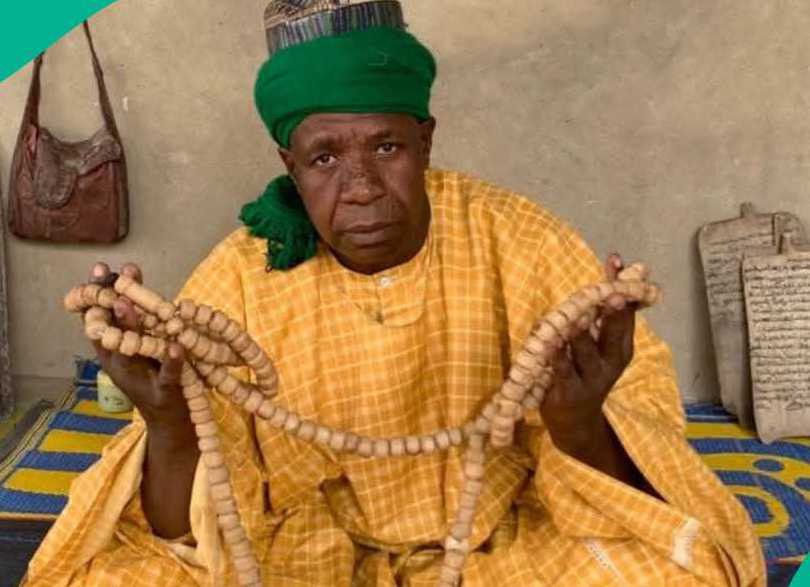
Academic, MOPPAN president Maikuɗi Cashman passes away

By Abdullahi Mukhtar Algasgaini

Mallam Umar Maikuɗi (popularly known as Cashman), a lecturer at Nuhu Bamalli Polytechnic, Zaria, and President of the Motion Picture Practitioners Association of Nigeria (MOPPAN), has passed away after a prolonged illness. He died this evening at the Ahmadu Bello University Teaching Hospital (ABUTH).

Colleagues, associates, and the entertainment industry mourn his passing, praying for Allah’s forgiveness and for him to be granted Al-Jannah al-Firdaws.

Until his death, Maikuɗi was an active academic and a key figure in Nigeria’s motion picture industry.

Funeral arrangements will be announced by the family.

The fans made you: A wake-up call for Kannywood stars

By Habibu Maaruf Abdu 

The social media in Northern Nigeria was recently abuzz with reports that Kannywood actress Fati Washa allegedly ignored and embarrassed some of her fans. This incident mirrors the infamy of certain Kannywood stars who are generally known for disrespecting their supporters. And that’s truly unfortunate!

Fans are the backbone of every entertainer’s success. Without their support, applause, and attention, there would be no fame, no endorsement deals, and no screen presence. So why do some Kannywood stars treat them with such indifference, even disdain?

Take a look at how global celebrities carry themselves. When Lionel Messi visited a restaurant in Argentina, he didn’t ignore the crowd of fans gathered outside. Despite being with his family, he waved, smiled, and acknowledged their love. 

In Bollywood, big stars like Salman Khan often stop for quick selfies or a simple wave to appreciate their fans. Even Hollywood legends like Keanu Reeves are celebrated not just for their talent but for their humility and approachability.

So, if celebrities from such massive industries, with far greater global fame on a scale Kannywood can only dream of, still find it important to respect their fans, what excuse do the local stars have?

I know for sure that not all Kannywood actors are like that. I met many of the industry’s A-listers, and my interactions with them have been nothing short of respectful. Perhaps it’s because I know how to read the room; when I sense a dismissive attitude, I simply stay away. But I’ve had some memorable encounters worth sharing.

Back in 2012, shortly after graduating from secondary school, a friend of mine wrote a film script. I suggested we visit Shy Plaza in Gadon Kaya, where, at that time, Kannywood filmmakers had a significant presence, to discuss it with a renowned producer. I was familiar with the area, having lived nearby.

We went there full of hope. The producer wasn’t around, so we waited. Then we saw Sadiq Sani Sadiq walk by. We decided not to approach him. But he came over and greeted us. He smiled, shook our hands, and made us feel seen. We were both under 20 at the time, nobodies, really, yet he showed us respect. From that day on, he earned my admiration and loyalty as a fan.

Over the years, my interest in Kannywood deepened. I attended many of their events and premieres. When Filmhouse Cinema opened at ShopRite in Kano, I was a regular attendee. I saw many Kannywood personnel there during movie promotions. Still, I rarely approached anyone—except Falalu Dorayi and Nazifi Asnanic, both of whom responded warmly and even posed for pictures with me.

There was also Aisha Humaira, the recent bride. I once saw her being approached by a young girl at the cinema premises asking for a photo. I was seated nearby when she turned to me and said, “If you don’t mind, please snap us.” I was amazed at her subtle show of humility.

Later, when I gained a bit of recognition as a film reviewer, I made the conscious decision to stop attending premieres, just to avoid being compromised by familiarity with filmmakers. I even turned down invites to special screenings, keeping my professional distance. At festivals and award events, I would often avoid conversations with actors altogether.

But something remarkable happened recently. It was at a UNICEF function, and thanks to our mentor Malam Habibu Aminu Lawan, I attended alongside Amina Bako and other social media influencers. We were seated right next to Kannywood veterans like Rabi’u Rikadawa, Umma Shehu, Umar M. Sharif, and others.

Because of actors’ reputation for snobbery, we decided to “maintain our steeze,” acting like we didn’t care. Interestingly, we ended up sharing laughs and engaging in light-hearted conversations. I even had an insightful discussion with Rikadawa about his acting prowess and the industry at large.

Therefore, based on my experience, I can confidently say that there are truly humble and grounded personalities in Kannywood, especially among the educated and veteran actors. The problem primarily lies with the naive, up-and-coming actors who mistakenly believe that arrogance equates to importance. And sadly, it doesn’t. It only exposes their insecurity.

In conclusion, Kannywood actors need a serious reality check. Fame is fleeting. The same fans you ignore today can forget you tomorrow. You have to respect your fans. They made you who you are.

Habibu Maaruf Abdu wrote from Kano via habibumaaruf11@gmail.com.

Kano censorship board suspends Manyan Mata, Dakin Amarya, Labarina, 19 others for violating guidelines

By Uzair Adam 

The Kano State Censorship Board has suspended 22 Hausa film series, including Dakin Amarya, Labarina, Gwarwashi, Dadin Kowa, Gidan Sarauta, and Manyan Mata, for allegedly violating the Board’s censorship regulations.

The suspension was announced by the Executive Secretary of the Board, Abba El-Mustapha, following a management meeting and internal consultations. 

According to a statement issued by the Board’s Information Officer, Abdullahi Sani Sulaiman, the action is part of a strategic effort to ensure that all films are subjected to censorship before public release, in line with existing laws.

The Board warned all producers and owners of the affected series to halt further streaming or broadcasting of the content via television or online platforms. 

It directed them to submit their films for censorship approval within one week, starting from Monday, May 19, 2025, or risk facing legal consequences.

Sulaiman further called on television stations and the Nigerian Broadcasting Commission (NBC) to support the Board’s enforcement efforts and help safeguard the integrity of the local film industry.

According to Sulaiman, the affected film series include:

1. Dakin Amarya  

2. Mashahuri  

3. Gidan Sarauta  

4. Wasiyya  

5. Tawakkaltu  

6. Mijina  

7. Wani Zamani  

8. Labarina  

9. Mallaka  

10. Kudin Ruwa  

11. Boka Ko Malam  

12. Wayasan Gobe  

13. Rana Dubu  

14. Manyan Mata  

15. Fatake  

16. Gwarwashi  

17. Jamilun Jiddan  

18. Shahadar Nabila  

19. Dadin Kowa  

20. Tabarmar  

21. Kishiyata

22. Rigar Aro

Lights, camera… stagnation? The untold battle of Nigeria’s entertainment industry

By Haroon Aremu

Like a sly jester winking at the moon, I was scrolling through social media when I encountered celebrity interviews recounting how they rake in millions within months. This spectacle ignited a contagious fervour among the youth, convincing them that the entertainment industry is the sole avenue to instant riches. 

No one talks about the failures, the countless auditions, or the silent struggles behind the scenes; they only talk about the glamour, the wealth, and the “soft life.”  

Bollywood thrives on strategic government investment, making it a global economic force that boosts employment, tourism, and digital expansion. Unlike Nigeria’s self-funded entertainment sector, India injects billions into its film industry, ensuring sustained growth and international reach.  

Beyond captivating audiences, it turns filming locations into major tourist attractions, employs millions across various roles, and operates as a well-structured economic engine that drives cultural and financial influence.

Bollywood wields significant soft power, shaping international perceptions, fostering trade partnerships, and influencing policy discussions on a global scale. Now, the burning question is If India has done it, why can’t Nigeria?

President Bola Ahmed Tinubu and the Nigerian leadership stand on a promising foundation. Nollywood is already the second-largest film industry globally, built almost entirely on private effort. With champions like Kunle Afolayan, Femi Adebayo, Funke Akindele, Toyin Abraham and others reshaping narratives and cashing in on global platforms like Netflix, Prime Video and Box Office. 

It is clear that Nollywood is not just an entertainment industry—it is an untapped goldmine. The cinematic feats of Kemi Adetiba, Mo Abudu, Bolanle Austen-Peters, etc., prove that, with proper government investment, Nollywood could evolve from a privately managed giant into a fully empowered national asset.  

According to research, Nollywood generates over $590 million annually and produces around 2,500 films a year. It has managed to thrive despite a lack of properly structured federal support. 

Imagine if this industry received the same kind of backing Bollywood enjoys. Free from corruption, federal investment could elevate production quality, generate millions of jobs, and turn Nollywood into Nigeria’s foremost non-oil revenue, especially when youth yearn for employment due to unemployment being generic.

Content creation, beyond Nollywood, has emerged as a formidable economic engine in Nigeria, proving that digital storytelling is not just a fleeting trend but a viable sector capable of generating wealth, employment, and global recognition. 

The success of creators like Mr. Macaroni, Taooma, Kiekie, Sabinus, Lasisi Elenu, Cute Abiola, etc., illustrates how social media has democratised entertainment, allowing individuals to carve niches without relying on traditional gatekeepers like film studios or record labels. 

Through comedy skits, social commentary, and brand endorsements, these creators have transformed their craft into multi-million naira enterprises, employing scriptwriters, videographers, editors, and marketers while driving traffic to brands and tourism sites. 

Their work showcases Nigeria’s culture and humour on the global stage, attracting foreign partnerships and sponsorships that would have otherwise been reserved for mainstream Nollywood productions. 

When properly harnessed, digital content creation can become a major economic driver, like Bollywood’s integration of influencers and digital expansion into film, tourism, and commerce. With the right policies—such as tax breaks, structured funding, and intellectual property protection—Nigeria’s content industry could grow into a leading non-oil revenue stream, competing with global giants like India and the United States. 

Despite its promise, the content creation industry in Nigeria still grapples with fundamental challenges that could hinder its full potential. Unlike Bollywood, which benefits from government-backed investment and structured growth strategies, Nigerian content creators operate in a largely informal economy, where access to funding, infrastructure, and legal protections remains inadequate.

Some creators lack financial literacy, face inconsistent brand deals, and operate without a regulatory framework that protects their intellectual property. 

Additionally, the absence of dedicated digital innovation hubs limits their ability to scale, collaborate, or transition from short-form content to full-length productions capable of breaking into mainstream cinema as some have done. 

While some content creators have managed to bridge the gap between skit-making and brand influence, an untapped market for leveraging content creation into mainstream entertainment and tourism remains. 

The government and private investors need to recognise digital storytelling as more than just “youthful amusement” but as a serious industry that, when properly structured, could create thousands of jobs, foster digital entrepreneurship, and export Nigerian creativity worldwide. 

Suppose Nigeria is to harness the creative economy truly. In that case, it must institutionalise financial incentives, support digital film villages, and encourage content creators to transition into high-value productions that can contribute to global streaming platforms, film festivals, and international collaborations.

Only then can the country move beyond isolated success stories to a full-fledged, structured entertainment ecosystem that mirrors Bollywood’s impact on India’s economy.

States like Lagos, Kwara and others have already positioned themselves as film hubs, investing in production studios, enabling policies, and film villages to attract investors. If these state-led initiatives can yield results, what would happen if Nigeria had a full-scale federal-backed Nollywood revolution? 

With well-structured grants, tax breaks, and infrastructure development, Nollywood could rival Hollywood and Bollywood, expanding tech-based employment and transforming Nigeria into Africa’s entertainment capital.  

Yet, a crucial caution must be heeded. Nollywood, like every thriving industry, has its fair share of pitfalls. The rise of viral sensations over genuine talent, the exploitation of controversies for social media relevance, and the blurred line between creativity and chaos all pose risks to the industry’s long-term sustainability. 

Nigeria must ensure that Nollywood does not fall victim to the same cycle of corruption that crippled agriculture and the oil sector.  

The truth remains: talent differs from cruise, and entertainment is bigger than scandal-driven fame. Nollywood has the potential to be a global force, a national pride, and an economic goldmine. 

The question is: Will Nigeria seize this opportunity or let Negligence and corruption again destroy another billion-dollar industry?

Haroon Aremu Abiodun, an author and PRNigeria fellow, wrote via exponentumera@gmail.com.

Nigerian professor unveils groundbreaking study on Hausa cinema

By Hadiza Abdulkadir

Nigerian scholar Professor Abdalla Uba Adamu has officially announced the publication of his new book, Hausa Cinema of Northern Nigeria: Cultural Imperialism and Censorship, a landmark work that explores the development, politics, and aesthetics of Hausa-language film across West Africa.

Published by Bloomsbury, the book is the product of over twenty years of research spanning multiple countries and academic disciplines. Rather than focusing solely on the popular commercial industry known as “Kannywood,” Adamu takes a broader approach, examining Hausa cinema in its many forms—including diaspora productions, documentaries, art films, and digital series.

“This is not just about Kannywood,” Adamu explained. “It’s about Hausa cultural expression wherever it exists, rooted in Islamicate values and media flows across the Global South.”

Completed in 2010, the manuscript faced delays and was almost shelved. However, a 2023 conference presentation and a meal hosted by Dr. Muhsin Ibrahim, where Adamu jokingly called the large waina “one terabyte,” in Cologne, Germany, reignited interest, leading to its acceptance and revision. 

The final version, praised by scholars such as Graham Furniss and Brian Larkin, will be released in July 2025.

Though priced at $130, Adamu plans to publish a locally accessible companion book titled Kannywood: A Brief Introduction later this year in Kano. It will be tailored for readers interested in a concise, less theoretical overview.

With this announcement, Hausa cinema gains its most comprehensive and scholarly treatment, firmly placing it in the global conversation about media and culture.

Sex-for-role: Breaking the cycle of sexual harassment in the entertainment industry

‎By Abdulhakeem Yetu Zakari

‎Despite growing awareness, sexual exploitation continues to cast a dark shadow over the entertainment industry in Nigeria and elsewhere. Behind the glitz and glamour, many aspiring talents face coercion, harassment, and abuse in their pursuit of success. Stronger policies, accountability, and systemic change are urgently needed to create a safer industry.

‎Sexual exploitation in entertainment is an open secret that has persisted for decades. It manifests in various forms, from coercion and harassment to outright trafficking. Vulnerable individuals, often young and inexperienced, are preyed upon by those in positions of power. The “sex-for-role” culture, in which opportunities are exchanged for sexual favors, remains alarmingly prevalent. Those who resist or speak out risk being blacklisted, experiencing retaliation, or even being driven out of the industry entirely.

‎The entertainment world thrives on connections, and unfortunately, this has allowed predators to operate with impunity. Victims, fearing career sabotage or public shaming, often remain silent. The imbalance of power between industry gatekeepers and struggling artists makes it even harder to challenge abusive behaviours.

‎The #MeToo movement, which gained global traction in 2017, was a watershed moment. Survivors courageously came forward, exposing influential figures like Harvey Weinstein and forcing the industry to confront its deep-seated issues. This sparked widespread discussions, policy changes, and an increased demand for accountability.‎

Despite the above strides, exploitation remains a pressing issue. While some perpetrators have been held accountable, many still evade justice. Survivors continue to face obstacles in their pursuit of legal recourse, with cases often dismissed or settlements used to silence victims.

‎Ending sexual exploitation in entertainment requires more than just conversations, it demands concrete action:

‎Stronger Legal Frameworks – Governments and industry regulators must enforce stricter policies against workplace harassment and sexual exploitation. Clear legal consequences should deter potential offenders.

‎Whistleblower Protection – Survivors and witnesses should be able to report abuse without fear of retaliation. Anonymous reporting systems and legal safeguards are crucial.

‎Industry Accountability – Entertainment companies must adopt zero-tolerance policies for misconduct, conduct thorough background checks, and establish independent oversight committees to investigate allegations.

‎Empowering Victims – Access to legal aid, mental health support, and career counselling can help survivors rebuild their lives. Platforms that amplify their voices must be encouraged.

‎Changing the Culture – Education on consent, power dynamics, and ethical professional relationships should be integrated into industry training programs. A shift in mindset is necessary to dismantle the normalisation of abuse.

‎ The fight against sexual exploitation in entertainment is far from over. Every stakeholder, from industry executives to audiences, plays a role in demanding transparency, justice, and respect for all talents. Only through sustained pressure and institutional reform can we ensure an industry where success is based on talent, not exploitation.

‎It is not just a matter of morality but of fundamental human rights. The time to act is now.

Abdulhakeem Yetu Zakari is an intern with PRNigeria. He can be reached via abdulhakeemzakari7@gmail.com.

Podcasting Northern Nigeria’s weaknesses for social media “likes”

By Sa’id Sa’ad

“Silence is really golden. For many years, I have respected you as a great actress, but after listening to you speak for once, I lost all respect for you. Silence is, indeed, golden.” 

These were the exact words shared by a fan after watching one of the popular Kannywood actresses’ podcasts.

Recently, a podcast went viral in which four Kannywood actresses sat, warming their chairs, sharing opinions about relationships. While many criticise the podcast, I find myself wondering just how ‘golden silence really is.’

From Talk with Feezy by northern Nigerian artist Feezy to the highly criticised The Social Spotlight by Kannywood actress Nafisa Abdullahi, podcasts are slowly becoming the North’s new thing. Famous faces with thousands of followers are tapping into this audio-visual world and, irrespective of the content, are reaching a wide audience thanks to their massive followings.

Podcasting is the new cool in the North. Content creators, entertainers, film producers, actors, actresses and wannabe influencers are all jumping on this new wave. Everyone’s got something to say. But the unifying factor is they are all saying it in Hausa. This not only makes it content by creators from northern Nigeria but also for northern Nigeria and the broader Hausa-speaking population.

Now, let’s not be mistaken. Podcasting isn’t exactly new. Like most things, it just arrived in the North late. Young audiences are now tuning in, eager to consume original opinions from faces they admire beneath the thousands of Instagram followers. 

But here comes the twist. While popular faces trend with podcasts that often miss the mark, there’s a whole storm of lesser-known creators. Just as hungry. Just as passionate. Diving into podcasting, hoping to go viral. Few get it right. Many get it wrong, and most are just aiming to create controversy. 

It’s great that young creators are speaking up. It’s refreshing to see new northern voices adding their two cents to conversations about relationships, religion, family, entertainment, and society. But even at that, when done poorly, this new podcast culture is more dangerous than beneficial. 

I’m an avid fan of vodcasts, particularly those produced by Nigerians. I also strongly support consuming content from Northern Nigeria. However, just because it’s from the North doesn’t mean our standards should be low. We owe it to ourselves to demand quality.

Upon close observation, it’s clear that many of these podcasts bring ‘more face’ and ‘less value.’ In the first few minutes of an episode, you can already tell the host isn’t fully prepared. They ramble. They say empty phrases. And you’re left wondering: What am I supposed to take away from this? These podcasts often fail to provide value, and let me remind you, that’s the very foundation of podcasting: Value.

It’s a strange thing. Really. The lights are bright, the makeup is on point, and the guests are ready. The studio setup is perfect. Yet, after all that effort, the conversation feels empty. It leaves you craving more, but in a bad way.

This reflects the current trend in both public and private Hausa-speaking media, where a designated show for Kannywood stars is often featured. These shows rarely extend beyond inviting the stars for views and likes, failing to address the critical questions of why these shows exist in the first place.

But this isn’t just happening among famous creators. A new wave of young creators has emerged; unfortunately, many of them, without doing their homework, are merely copying the same format used by the stars, eager to replicate the same model: 

Create podcast → Talk carelessly → Create controversy → Get views and likes.

While this model keeps some people in the limelight, it doesn’t do the North any favours. It’s as if we’re holding a mirror to the region’s weaknesses and saying, ‘Here, look at us, this is what we’ve got.’ It’s reinforcing the negative stereotype that we can’t produce quality. 

Whether we like it or not, the digital presence of these creators who act as our representatives shapes how the world perceives us.

But let’s not ignore the few non-popular creators producing quality content in Hausa for the region. Many of these are tech-driven podcasts that, although still growing, offer substantial value. Unfortunately, these high-quality contributions are often overshadowed by the more glamorous but shallow content produced by popular stars or emergent ones desperate to trend. 

The question we must ask ourselves is: Which popular Hausa-speaking podcast from northern Nigeria truly offers real value to its audience? How much of the value is visible? Is the content truly for the audience or just for the producers? What narratives are being sold, and can we, in terms of quality, truly compete with podcasts from other regions in the country?

Until we get it right and have the right people behind the mics, with the right knowledge and intentions, these creators will continue to podcast about northern Nigeria’s weaknesses for likes. The unfortunate truth is that this will only serve to bury our efforts to challenge negative stereotypes six feet under. 

Ultimately, every creator has the right to produce what they want. In this case, the power is in the hands of the audience. 

You and I decide what should be popular.

Sa’id Sa’ad is a Nigerian writer and journalist currently residing in Germany. He is the author of the podcast-play “Gangare”. He won the Peace Panel Short Story Prize in 2018 and the NFC Essay Prize that same year. He presently works with the German broadcaster Deutsche Welle. 

Tribute to the late Abdu Kano, Karkuzu

By Sani Mu’azu

Inna lillahi wa inna ilaihir rajiun.

It is with a heavy heart that I mourn the passing of my dear elder colleague, friend, and legendary actor Abdu Kano, famously known as Karkuzu.

I had the privilege of knowing Karkuzu for over 40 years, and I can confidently attest that he was an exceptional talent who left an indelible mark on the Nigerian film industry. His versatility as an actor was unmatched, effortlessly transitioning between comedic and serious roles with ease.

One of my most cherished memories of working with Karkuzu was on the hit Radio Drama, Karambana – a dawo lafiya. Paired alongside the iconic Kasimu Yero and the legendary Hausa Pop Singer Sani Dan Indo, Karkuzu, who played the role of Liba, brought his unique energy to the project, which became an instant sensation among truck drivers and freelance workers. Before then and even after, we worked together on several film projects, including the early version of the movie Amina, where he played the role of Sankira along with Pete Edochie, shot around 1998.

What struck me most about Karkuzu was his resilience and dedication to his craft. Despite facing numerous life challenges, including health issues, he continued to act well into his old age, inspiring countless young actors and actresses along the way.

As we bid farewell to this Nigerian film icon, I pray that Allah SWT grants his soul eternal rest in Jannat Firdausi. May his family, friends, and the entire Nigerian film industry find the strength and fortitude to bear this immense loss. Ameen.

Rest in peace, Mallam Karkuzu. Your legacy will live on through the countless lives you touched and the unforgettable characters you brought to life.

Mai Martaba director debunks claims of Nollywood, Kannywood rejection

By Uzair Adam

Nigerian filmmaker Prince Daniel, popularly known as Aboki, has dismissed reports claiming he was rejected by Kannywood due to his religion and by Nollywood because of his regional background.

Aboki, the director of Mai Martaba, a film that has gained widespread recognition within and beyond Nigeria, described the reports as a misinterpretation of his remarks during a recent event in Los Angeles, California.

The epic Hausa film was among the entries at the just-concluded 97th Academy Awards, having been meritoriously selected by the Nigerian Official Selection Committee for the Best International Feature Film category.

In a statement issued on Tuesday, Aboki clarified that he never granted any interview making such claims.

“My attention has been drawn to publications suggesting that Kannywood rejected me because of my religion and Nollywood because of my region. First and foremost, I never made such statements in any interview,” he said.

He explained that while speaking during a question-and-answer session at Nollywood in Hollywood earlier this month, he discussed the challenges encountered while producing Mai Martaba and the journey to the Oscars.

Among the challenges he highlighted were security concerns while filming in the Northwest and financial constraints, particularly as a new director working with emerging actors.

He noted that during this discussion, he mentioned how the industry at times seemed divided in its perception of him and his work.

“At some point, the Kannywood segment of the industry seemed to view us as Nollywood, while Nollywood also saw us as Kannywood, simply because I am from the North,” he said.

However, he emphasized that this was misinterpreted and reaffirmed his deep connection with Kannywood.

“For clarity, Kannywood has never rejected me on the basis of ethnicity or religion. In fact, it has been my greatest pillar of support as a filmmaker,” he stated.

He further expressed gratitude for the overwhelming support he received from audiences during the film’s cinema release, as well as from industry professionals, both veterans and newcomers.

“I say with every sense of responsibility that I am a Nigerian filmmaker, though of northern extraction. I reside in Kano, where I practice my craft, springboarding from Kannywood. I have enjoyed immense support here, with no prejudice whatsoever,” he affirmed.

Aboki also reiterated his commitment to the growth of the industry and changing narratives about the North.

“I remain dedicated to working with my colleagues and the founding fathers of Kannywood to elevate our industry—telling our stories to the world and creating employment opportunities for our youth, far from the stereotypical portrayal of the North as a region of conflict and banditry,” he added.

Misguided Feminism: A call for thoughtful leadership in Northern Nigeria

By Isah Dahiru

The recent interview with popular Kannywood actress Nafisa Abdullahi has ignited a heated debate across the social landscape of northern Nigeria, capturing the attention of various commentators, particularly on social media. In her comments, Nafisa made a bold assertion, claiming she is in complete control of her body and mind, and no external pressure will sway her from dressing or presenting herself as she chooses. While many regard Nafisa as a rising icon in the realm of feminism, others view her stance as a challenge to societal norms, often overlooking moral values and even biological realities that define the differences between men and women.

However, I firmly believe that Nafisa and those who share her views are fundamentally misguided. Our bodies are not commodities to be paraded for public admiration. We are not here merely to fulfil some visual pleasure or as adornments for others’ gaze. Instead, we are human beings endowed with dignity and deserving of respect. As the saying goes, “Modesty is the garment of wisdom,” and our attire should reflect the strength of our character, not just the shapes of our bodies.

Some may view Nafisa’s perspective as a rallying cry for women’s rights, but we must question: at what cost? Feminism, when reduced to a struggle for the right to dress indecently or act without moral constraints, becomes an empty movement. True feminism should not undermine the fundamental principles of respect, but rather empower women to pursue their dreams, shape their futures, and contribute meaningfully to society. Yet, today, far too many feminists have turned their movement into a celebration of physicality and superficiality, often at the expense of deeper issues that affect women—such as access to education, healthcare, and opportunities for economic advancement.

“Not all that glitters is gold,” and the so-called “empowerment” that comes from making oneself a spectacle for public approval is fleeting at best. Our communities need leaders who inspire change through actions that address real problems, not through empty displays of vanity. Nafisa and her supporters must realise that feminism was never about endorsing self-destructive behaviours but advancing equality and opportunity for women, especially in the most critical areas—health, education, and justice.

Moreover, the widespread glorification of such behaviours leads to a dangerous distortion of the feminist narrative. In the pursuit of gender equality, many have lost sight of the core values that have guided humanity for centuries. As the Yoruba proverb says, “A child whose mother does not discipline will be disciplined by the world.” While Nafisa may feel empowered by her choices, she must ask herself whether these choices empower women or diminish their potential. Are they fostering respect, or are they merely setting up an unrealistic, unsustainable standard that undermines the integrity of the feminist movement?

The case of Nafisa is also emblematic of a broader issue in modern-day feminism: the movement has become entangled with other societal problems, including the normalisation of self-objectification. This is particularly damaging in northern Nigeria, where the pressures of social norms and expectations are often at odds with personal freedoms. It is one thing to advocate for women’s rights but another to ignore the vital cultural and moral fabric that holds communities together. The old adage, “When you are in Rome, do as the Romans do,” speaks to the importance of understanding context and respecting traditions that shape our societies.

Furthermore, it is essential to note that the modern feminist movement has, in many ways, become an outlet for personal grievances—whether stemming from personal insecurity or trauma. In some cases, it’s a response to physical abuse, neglect, or toxic home environments. Unfortunately, this mindset often distorts the movement into focusing on external appearance and aggressive defiance rather than internal healing and social harmony. Feminists like Nafisa who endorse such ideologies must ask themselves: Are we fighting for the right to make healthy, empowered choices, or are we simply reacting to our wounds?

“Empty vessels make the most noise,” the proverb warns. Feminism, when misdirected, can become just that: an empty echo of ideals without true substance or lasting impact. Instead of dwelling on appearances, activists should channel their energy into solving tangible issues affecting women daily. Why not focus on creating innovative solutions for women in business, technology, or healthcare? Why not work toward making pregnancy and childbirth safer for women in rural areas? Let’s think about addressing the millions of girls who are denied an education or the thousands of children living on the streets of cities like Jos and Kano. These are the real battles feminists should be fighting.

The world has always advanced through the cooperation of men and women, and both genders have vital roles to play in society’s development. Nafisa and her followers should consider taking a more constructive approach. Instead of focusing on outward appearances and ideological battles, they could use their platforms to bring about meaningful change. 

Let Nafisa invest her energy into projects to help women access technology, provide better healthcare, or champion the cause of good governance. As the saying goes, “A man with a good wife is like a man with a treasure chest”. True success comes not from looking beautiful for the world but from making contributions that endure long after physical beauty has faded.

Time waits for no one. The years spent in idle pursuits are years lost. Like all of us, Nafisa is in her prime, and it is her responsibility to use this time wisely. Rather than spending it on fleeting concerns like hair and makeup, let her invest in causes that uplift women and contribute to the collective well-being of society. Her legacy can be more than just a pretty face—it can be one of deep, transformative impact. “He who does not cultivate his own field, let him not expect to reap the harvest.”

The choice is hers—will she become a true role model, not just for how she dresses, but for the change she brings to the world?

By focusing on true empowerment and social progress, Nafisa can transcend the superficiality of celebrity culture and contribute to a more meaningful, lasting legacy for herself and the women who look up to her.

Isah Dahiru is a pharmacist who wrote via easerdahiru@gmail.com.