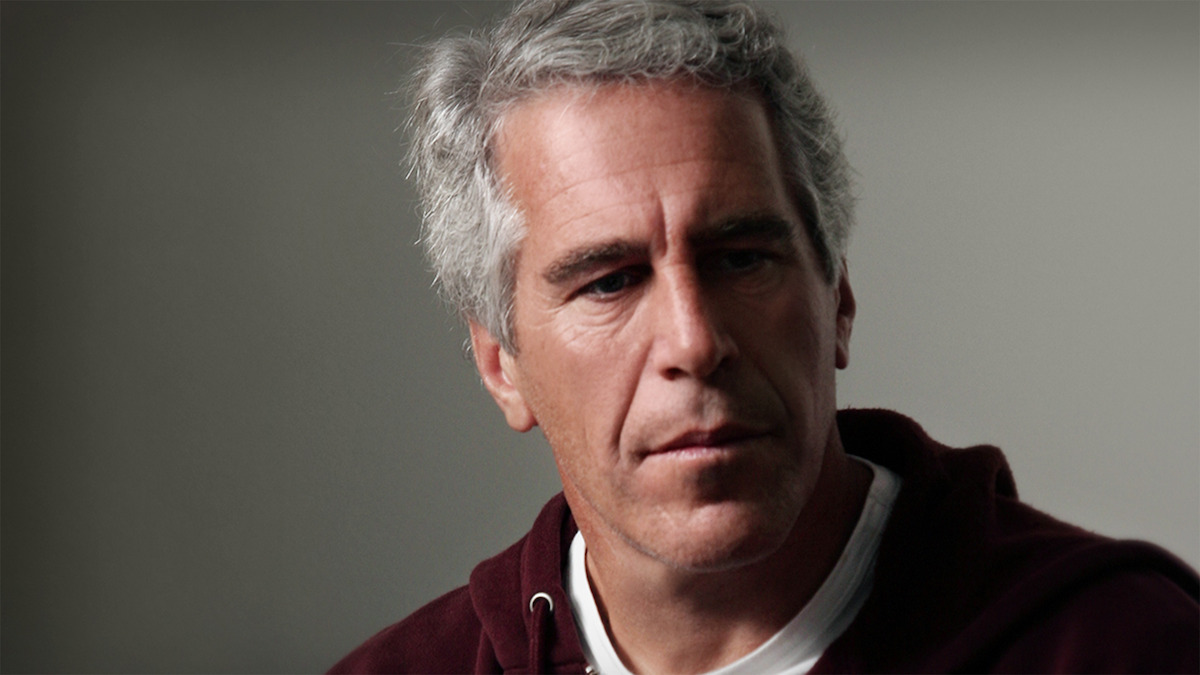
Epstein considered Nigerian oil deal but raised concerns over possible fraud
Newly released documents have revealed email exchanges between late financier Jeffrey Epstein and an associate, David Stern, over a possible business venture involving Nigeria’s crude oil.
The materials are reportedly part of a broader set of records made public by the United States Federal Bureau of Investigation under the Epstein Files Transparency Act.
According to Premium Times in Nigeria, an email dated 20 September 2010 showed Mr Stern informing Mr Epstein of what he described as a lucrative opportunity in brokering or flipping Nigerian crude oil.
The correspondence said a contact identified as “PA” suggested meetings with individuals who had access to buy the oil and resell it to China, with projected profits running into millions of dollars.
“PA has asked me to see a guy who has access to Nigerian oil, and when selling it to China (or somebody else), F. can make around $6m.”
Despite the promise of high returns, doubts were clearly expressed in the exchange.
“This seems very fishy (as my boss JEE would say),” Mr Stern wrote.
Nigeria, which remains Africa’s largest oil producer, has long battled problems of opacity in its oil sector. Illegal trading on the black market has persisted for decades, while attempts by successive governments to enforce transparency have recorded limited success. The Nigerian National Petroleum Company Limited only began publishing audited accounts in recent years.
The email conversation between Mr Epstein and Mr Stern was among several communications uncovered in the newly released files. Before his death in July 2019, Mr Epstein exchanged messages with members of his wealthy and influential circle on business interests, investment prospects, and planned visits. Nigeria featured in several of these discussions.
In another exchange from 2010, Mr Epstein received a message from George Reenstra, founder of Aircraft Service Group, an American aircraft servicing firm. Mr Reenstra informed him of an urgent trip to Nigeria to meet then-President Goodluck Jonathan.
“I unexpectedly must leave this evening for Nigeria. I have tried hard to delay this trip but it is with the the country President and I have no alternative,” Mr Reenstra wrote on 27 September 2010, about four months after Mr Jonathan assumed office. There is no confirmation that the meeting with the Nigerian president eventually took place.
Mr Reenstra also assured Mr Epstein that arrangements for their ongoing business discussions had been delegated.
“I have passed all the documentation to my partner, Jon Parker, and he will be able to assist you in completing the transaction. I will have email access but not the ability to open attachments. Hopefully we can resolve the contract issues and get the funds into deposit early this week per our telephone and e-mail exchanges of last week,” he added.
Mr Epstein was awaiting trial on sex trafficking and conspiracy charges, to which he pleaded not guilty, when he died in custody in 2019. His death, ruled a suicide, intensified public pressure for the release of records detailing his activities and associations.
The calls grew louder after President Donald Trump returned to office, as many believed the public deserved a full account of the financier’s network. The latest documents indicate that several figures linked to Mr Trump had interacted with Mr Epstein over the years. Mr Trump has acknowledged knowing Mr Epstein but insists he severed ties long before the financier’s arrest.
The files also reference prominent global figures, including former US President Bill Clinton, technology billionaire Elon Musk, and Britain’s Prince Andrew, Andrew Mountbatten-Windsor. Mr Epstein maintained close ties with many wealthy and powerful individuals.
Among the documents is correspondence showing an invitation for Mr Epstein to dine at Buckingham Palace. In another exchange, he offered to introduce Prince Andrew to a 26-year-old Russian woman. Photographs in the files appear to show the prince kneeling over an unidentified woman lying on the floor.
Prince Andrew previously claimed he had no contact with Mr Epstein after a visit to the financier’s New York residence in December 2010. However, the documents indicate emails were exchanged in February 2011.
Mr Musk’s name also appeared multiple times, including messages from 2012 to 2013 in which he discussed the possibility of visiting Mr Epstein’s Caribbean island. In 2019, the Tesla chief publicly distanced himself from Mr Epstein, describing him as “obviously a creep” who “tried repeatedly to get me to visit his island.” He said he declined the invitations.
The records further revealed that the current US Secretary of Commerce, Howard Lutnick, arranged a visit to Mr Epstein’s island in 2012. They also showed cordial exchanges between Mr Epstein and Steve Bannon, a former adviser to Mr Trump.
In a January 2019 email, Mr Epstein asked Mr Bannon if he had received an Apple Watch sent as a Christmas gift. Days later, he invited him to “come join” him in New York.
The latest disclosures have renewed scrutiny of Mr Epstein’s far-reaching connections and the extent of his dealings across business, politics, and international networks.