Japa

My experience at the Africa Youth Health Summit in Abuja

By Saifullahi Attahir

I had the privilege of attending the Africa Youth Health Summit organised by the Federation of African Medical Students’ Associations (FAMSA). It was a 3-day event, a highly engaging program in which over 200 young and passionate healthcare students and professionals gathered at the United Nations House to learn, network, discuss, and chart the future of the healthcare system in Africa.

The delegates come from many African countries and represent diverse cultures, languages, backgrounds, religions, and colours. We had the privilege of hearing from representatives of leading agencies, including the World Health Organisation (WHO), the Africa Centre for Disease Control (CDC), the United Nations, the Nigerian Minister for Youth, Information Technology experts, and several other non-governmental organisations (NGOs).

Several hands-on workshops were organised on public health advocacy, cutting-edge cancer management, transformational leadership, reproductive health issues, and policy formulation. I was fortunate to sit next to the Nigerian Minister for Youth, Mr Ayodele, and even took a memorable photo.  

As a side trip, we visited memorable places like the Africa Medical Centre of Excellence Hospital (AMCE), the NIKE ART AND GALLERIES, and Abuja Magic Land.

AMCE is a state-of-the-art facility built by AFREXIM Bank to curb health tourism by Africans to Europe. The facility is a replica of King’s College Hospital in London, featuring the latest technologies and expertise.

My visit to NIKE GALLERY left a lasting impression on me about the human ability to turn waste into wealth through talent. The gallery contains thousands of beautiful paintings, some made from trash (bola/shara). Indeed, Nigeria is full of untapped potential!

As a President, National Association of Jigawa State Medical Students (NAJIMS) National Body, I make the best use of the opportunity in this summit to network with a lot of like-minded individuals, to voice out my opinion, and to shine Jigawa State on the radar of African maps.

I am aware of the challenges of the healthcare system in Jigawa State, ranging from maternal mortality, under-5 infants mortality, vaccination misconceptions, mental health, adolescent challenges, infrastructural and manpower shortages. I’m fully equipped with the knowledge to help my dear state and medical students back home.

Panels were organised around essential topics such as the efficient use of Artificial Intelligence in medical practice, data-driven research, Japa syndrome, and youth inclusion in healthcare system leadership.

The trip was worth attending, the investment priceless, and the experience handy. I love travelling to important places like these, as it broadens my horizons, pushes me out of my comfort zone, lets me interact with like-minded individuals, and teaches me things books or classrooms could never teach me.

Saifullahi Attahir is the President of the National Association of Jigawa State Medical Students, NAJIMS National Body. He can be reached via saifullahiattahir93@gmail.com.

Saving a legacy: Urgent call to protect Umaru Musa Yar’adua University

By Dikko Muhammad, PhD

Dear Governor Malam Dikko Radda, PhD., with honour and regards befitting of your office and esteemed personality, the people imploring you to address the urgent matters of Umaru Musa Yar’adua University, Katsina, are your friends, not your foes. They don’t want to see the beautiful pumpkin planted about two decades ago uprooted by your administration. If that calamity, God forbid, would happen, it mustn’t happen under the administration of the most credentialed person in the history of our state. 

Sir, UMYU isn’t just a mere state university. It was an ambition and a dream of our revered Malam Umaru Musa of blessed memory. UMYU is the culmination of the sweat and toil of many prestigious individuals from our dear state, impeccable individuals who embraced Malam Yar’adua’s dream and made it a reality.

Men and women who spent sleepless nights, travelled far and wide, to ensure that UMYU isn’t just a prestige project, but a strategic and need-based initiative that addresses the higher education deficit of our dear state and the Northern region. Many of these important individuals are alive today. Please, Sir, as they inch nearer to their graves, don’t make them feel that their labour is in vain. UMYU alone is a fulfilling mission for many of them.

Sir, forgive my repetition– UMYU isn’t just a mere state university. It’s a solution to our century-old gender gap in access to educational opportunity. It enables thousands of parents to educate their daughters to the level of degree certification at a time when interstate and intercity travel are becoming increasingly dangerous by the day. 

When UMYU collapses, may Allah prevent that, it will sink with the dream of thousands of girls who aspire to become educated mothers, productive members of society, and contributors to the future knowledge-driven economy. You just need to look left and right in your own extended family to see the impact this university has already made. 

Your Excellency, Sir, look into the posterity. It’s very long. And it remembers all. Save this system. The university workers are not asking for the impossible. They simply ask that you respect the law establishing this university. They’re only asking you to give the equivalent of whatever is obtainable in federal universities. This is enshrined in the laws that established UMYU. 

I’m deeply sorry if I sound boring. I want to remind your esteemed person that at the point of inception, no state across the Northern region has invested resources in its university as UMYU. Billions have been spent on the training of staff. I am a product of UMYU. I got my first degree here. My teachers called me to join them and serve UMYU. The university has spent millions training me for my master’s and PhD degrees. The same happened to hundreds of others.

Unfortunately, the tasteless, unmotivated and uninspiring condition of service has frustrated many out of UMYU. Many others are awaiting the bond period to japa or to move to another university. In my faculty (pictured here), I know of more than 10 people who have left this institution with their PhD financed by UMYU. UMYU has failed to retain its most precious investment. It has also fallen short of attracting other people with the highest degrees into its corridors. 

As tens of PhDs are leaving UMYU, the university can only attract people with a first degree or, at most, a master’s degree. In practical terms, UMYU is gradually positioning itself as a training ground while Katsina continues to be short-changed in the process. 

Your Excellency, I may disagree with many of your policies. But I never doubted your resilience in moving our dear state forward. Please look into UMYU. Write your history on the footprints of time. You have all that is required to save the most important legacy of Malam Umaru Musa Yar’adua, a statesman, your political mentor, a person you hold dear and a man related to you in other equally important capacities. 

Dikko Muhammad writes from the Department of English and French, UMYU. He can be reached via dikko.muhammad@umyu.edu.ng.

Immigration raises passport fees

By Hadiza Abdulkadir

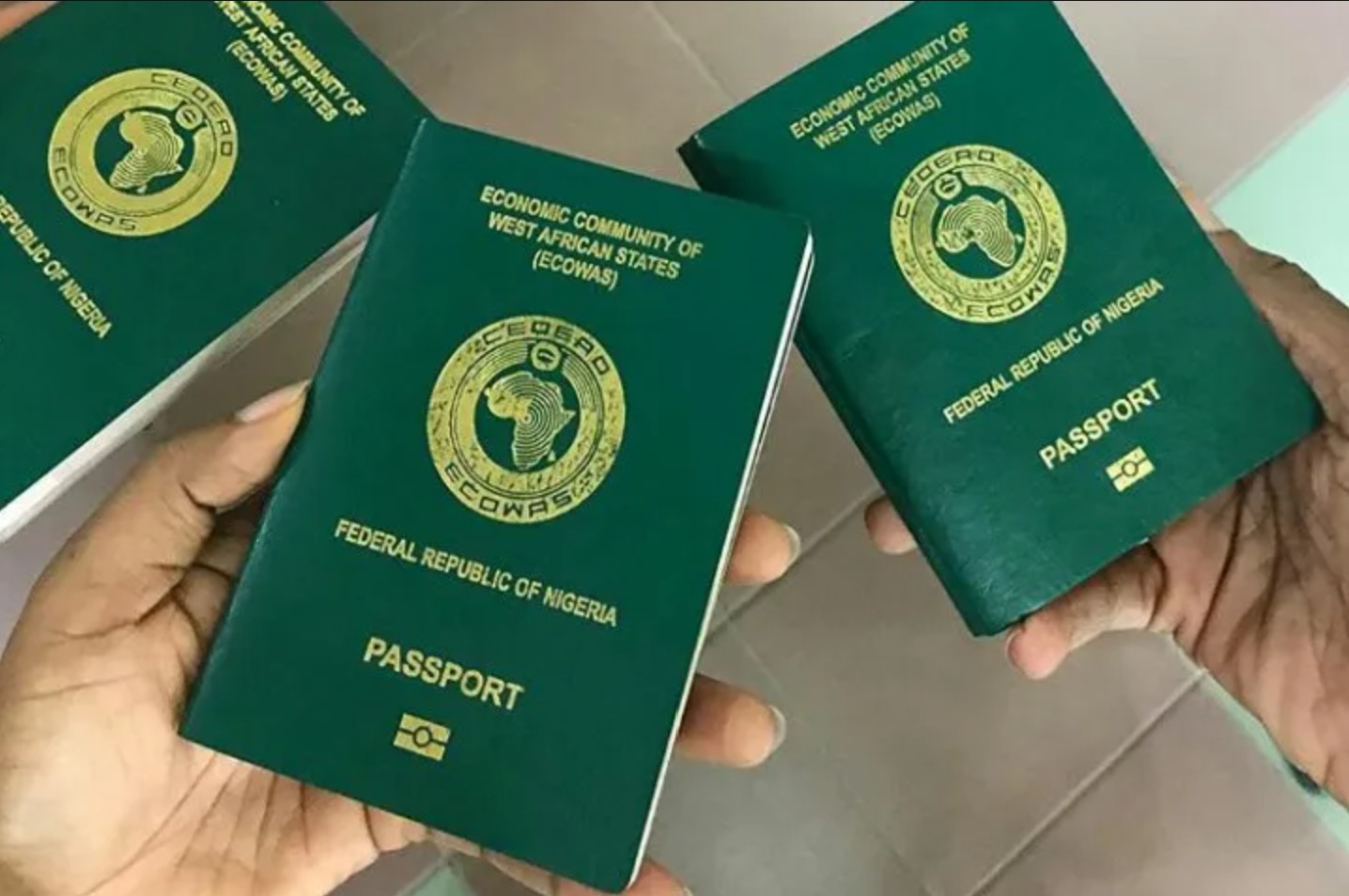
The Federal Government has approved an upward review of passport fees for Nigerians, effective September 1, 2025.

This was announced in a statement issued on Thursday by A.S Akinlabi, the spokesman for the Nigeria Immigration Service.

He said the increment aims to ensure the quality and integrity of the Nigerian Standard Passport, set to take effect from September.

“The review which only affect Passport Application fees made in Nigeria, now set a new fee thresholds for 32-page with 5-year validity at ₦100,000 and 64-page with 10-year validity at ₦200,000.

“Meanwhile, Nigerian Passport Application fees made by Nigerians in diaspora remain unchanged at $150 for 32-page with 5-year validity and $230 for 64-page with 10-year validity”, he said

The Service reaffirms its commitment to balancing high-quality service delivery with the necessity of ensuring Passport services are accessible to all Nigerians.

The other side of Japa syndrome: Over 140 dreams drowned in Yemen’s waters

By Gambo Zilkifilu Mohammed

The turquoise waters off Yemen’s coast, often a beacon of hope for thousands fleeing despair, have once again become a graveyard. In a chilling echo of tragedies past, more than 140 African migrants are feared dead after their overcrowded boat capsized late Saturday night on one of the world’s most perilous journeys, the so-called “Eastern Route” to survival.

Imagine the desperation that drives you onto a fragile vessel, crammed shoulder to shoulder with strangers, knowing the journey could end beneath the waves. For at least 74 souls, that nightmare became reality. 

They are missing, vanished into the vastness of the sea. The cruel waves have already surrendered 68 bodies to the shores of Abyan province in southern Yemen, a grim testament to the disaster. Only 12 shattered survivors bear witness to the final, terrifying moments.

These weren’t just numbers

They were individuals, mostly young Ethiopians, carrying the crushing weight of poverty, conflict, or climate-driven devastation back home. 

They clung to the fragile dream of menial work in the glittering Gulf states—a chance to feed families, build a future, survive. Yemen, itself ravaged by a decade of brutal civil war, famine, and disease, was never their destination, merely a deadly transit point on a path paved with broken promises.

“Many of the bodies have been found scattered along various parts of the coastline,” authorities in Abyan posted somberly on Facebook, sharing images that revealed a haunting truth: most had no life vests.

 They were utterly defenceless against the indifferent sea. Abdusattor Esoev, head of the UN’s International Organisation for Migration (IOM) in Yemen, pointed the finger squarely at the ruthless calculus of human smuggling: “The underlying cause… is due to smugglers filling boats over capacity and not providing enough life vests on board.” Profit over people, yet again.

This latest catastrophe is not an isolated horror. It’s part of a relentless, bloody pattern. Just four months ago, in March, at least 188 migrants drowned in similar circumstances between Yemen and Djibouti. The Eastern Route consumes lives with terrifying regularity.

Why do they keep coming?

 Because the alternative, staying in communities gripped by violence, starved by drought, or hollowed out by poverty,  feels like a slower death. They gamble everything for a sliver of hope. Yet, reaching Yemen offers no sanctuary. The country, fractured by war between the Houthis and the internationally recognised government, is a lethal labyrinth. Migrants face not only the sea’s fury but also airstrikes, exploitation, trafficking, and detention. Remember April? When US-made bombs obliterated a migrant detention centre in Saada, killing at least 60 souls who had already survived the crossing?

Many who do survive the voyage find themselves trapped in Yemen’s nightmare borders closed, opportunities vanished, preyed upon by smugglers demanding ransom, and subjected to abuse. The dream of the Gulf becomes a cruel mirage, replaced by a daily struggle for survival in a land consumed by its own suffering. 

The bodies washing ashore near Abyan are more than a statistic; they are a searing indictment. They represent the crushing weight of global inequality, the failure to protect the most vulnerable, and the deadly consequences of conflicts and climate crises they did not create. Each recovered body leaves a family across the Red Sea shrouded in agonising uncertainty, waiting for news that may never come. The waves took their lives, but the world’s indifference drowns their hopes.

 How many more mothers must mourn before this deadly exodus is met not with apathy, but with action?

Modern Slavery or missed strategy? A second look at the controversial Hon. Ganiyu Johnson’s medical retention bill

By Oladoja M.O

In recent years, the word “Japa” has become an emblem of escape, a chant of hope, and sadly, a whistle of despair. Particularly in Nigeria’s healthcare sector, the mass exodus of young, vibrant medical professionals has left our system gasping for air. What we face is not just a brain drain—it’s a heart drain. And in the middle of this haemorrhage lies a controversial bill, once proposed by Honourable Ganiyu Abiodun Johnson, now buried under the backlash of public outrage.

But was the bill completely out of line, or was it simply unfinished thinking?

It is no longer news that Nigeria’s doctor-to-patient ratio falls miserably short of the World Health Organisation’s recommendation. Yet what may not be so widely understood is that the stressful, overburdening conditions often cited as a reason to “Japa” are partly the consequences of those who have already left. One person’s departure makes another’s stay unbearable. The domino effect deepens.

While the most effective and lasting solutions lie in long-term efforts—revamping the economy, tackling insecurity, and fixing systemic rot—we must also admit that time is of the essence. The house is on fire, and we need water now, even if the fire truck is on its way.

There’s this question of “can patriotism be stirred in a broken system?”

Critics often point to a profound lack of patriotism among the youth, and it’s not unfounded. But when young Nigerians have watched corruption erode public trust, when they are owed salaries, and when survival is a struggle, can we honestly ask for blind loyalty? Still, the bitter truth remains: if patriotism isn’t growing naturally in this climate, maybe it needs to be carefully engineered, not through coercion, but through incentivised responsibility. 

The original bill proposed tying Nigerian-trained doctors and dentists to a mandatory five-year practice before granting full licensure. It sparked nationwide uproar, accused of being coercive, discriminatory, and even unconstitutional. The medical council body argued that such a condition could only apply to those whose education was publicly funded. And frankly, they had a point.

However, what if the bill didn’t force, but inspired commitment instead? Clearly, the strategy to curb this heartbreaking issue lies between the government and the various governing councils of these professions. After an extensive and wide brainstorming, it is my opinion that the following recommendations should be weighed and given consideration;

Let the Medical and Dental Council adopt a digital licensing model that is highly secure and tamper-proof, implement a differential licensing fee, where those practising within Nigeria pay subsidised rates (e.g., ₦50,000).

In contrast, those seeking international practice pay a premium (e.g., ₦250,000). Substantial penalties for forgeries should be introduced, ranging from travel bans to long-term suspension from practice. Also, full international licensing should probably be accessible only after 5 – 8 years of verified practice in Nigeria, but with allowances for truly and genuinely exceptional circumstances.

Each Local Government Area (LGA) can be mandated to sponsor at least two candidates annually for critical medical professions, especially medicine and nursing. This would ensure that the selection is need-based and done after national admission lists are released to prevent misuse by those already financially capable. Aside from other ongoing state or philanthropic sponsorships, this alone could inject an extra 1,500–2,000 health professionals yearly into the system.

Beyond the Medical Residency Training Fund (MRTF), the government can introduce provisions for payment of residency program fees, subsidies for first and second fellowship exams, partner with international and local equipment companies to provide cutting-edge residency exposure, and full sponsorship for mandatory travel during training with conditions of local practice attached. More importantly, it should be to the core interest of the government to streamline the bureaucracy around MRTF disbursements to reduce frustration and improve compliance.

For these health professionals committed to staying, the government can introduce affordable credit schemes for cars and home ownership. This strategy speaks not just of comfort but dignity and hope, ensuring these professionals see a future here. A doctor with a home loan and a dependable car is more likely to stay and build a life.

Relatively, in a bid to arrest some unnecessary uproar from various other professions, the government can broaden the application of similar strategies to other key professions facing mass emigration, like pharmacy, engineering, and IT. Let emphasis be on this is a quick-response initiative and not a substitute for long-term development, and also communicate clearly that staying doesn’t mean stagnation but service with reward.

No one can deny that Nigeria’s system is in a broken state, and no young professionals should be intentionally shackled to that broken system. It is also true that patriotism cannot be forced, but it can be nurtured. These professionals can, however, be valued, supported, and invited into a new contract of service, not as slaves to a nation, but as partners in rebuilding her.

Therefore, before we completely dismiss the Hon. Ganiyu Johnson Bill as modern slavery, perhaps we should ask: did it simply lack the right lens? With the right blend of compassion, policy, and investment, could it become a promise and not a prison?

Oladoja M.O writes from Abuja and can be reached at mayokunmark@gmail.com

Japa: Nigerian hospitals face collapse as health workers exit in droves – CMDs

By Uzair Adam  

The Chief Medical Directors (CMDs) of University Teaching Hospitals and Federal Medical Centres have expressed concerns about a looming staff crisis. Doctors, nurses, and other healthcare professionals are leaving Nigeria in large numbers due to poor salaries and working conditions.  

During the 2025 budget defence session before the House of Representatives Committee on Health Institutions, the CMDs noted that despite significant federal government investments in health infrastructure, the mass exodus of healthcare workers weakens the country’s healthcare delivery system.  

The Chief Medical Director of Lagos University Teaching Hospital (LUTH), Professor Wasiu Adeyemo, described the trend as alarming, warning that if immediate steps are not taken, the nation’s hospitals could soon be empty.  

“Resignations occur almost daily,” Adeyemo stated. “In one or two years, our hospitals may become empty. The main reason people leave is economic. Consultants are earning less than $1,000 monthly. 

“Without addressing remuneration, all government investments in infrastructure will be wasted,” he added.

He reported that LUTH’s 2024 budget included N19.2 billion, with N13.57 billion allocated for personnel and just N33.2 million for overhead costs. 

While personnel performance reached 91 per cent by December, only 45 per cent of the capital project budget had been utilized.  

For 2025, LUTH proposes a budget of N32.7 billion, with N20.3 billion allocated for personnel. 

Adeyemo emphasized the need for improved funding to prevent further resignations and ensure the hospital’s functionality.  

Similarly, the Chief Medical Director of University College Hospital (UCH), Ibadan, Professor Jesse Abiodun, decried delays in releasing budgeted funds. 

He revealed that UCH had a capital appropriation of N5.59 billion in 2024, but only 38 per cent of the funds were released.  

“We still have 72 per cent of the funds outstanding,” Abiodun said. “We could only utilize the 38 per cent because we had prepared a cash plan in advance.”  

UCH has proposed a capital budget of N4.39 billion and an overhead budget of N690 million for 2025, which Abiodun said is insufficient, especially given rising utility costs such as electricity.  

The House Committee on Health Institutions Chairman, Hon. Patrick Umoh, urged the CMDs to provide comprehensive presentations detailing their budgetary needs and challenges. 

He noted that the committee would continue reviewing submissions to address the critical issues facing Nigeria’s tertiary health institutions.  

The CMDs reiterated the urgent need for government intervention, stressing that improving remuneration and timely funding release is crucial to averting a healthcare crisis.

Breaking: “Agbero”, “japa”, “suya”, 17 other Nigerian words enter Oxford English Dictionary

By Ishaka Mohammed

The Oxford English Dictionary (OED) has published its latest updates, featuring a collection of 20 words and phrases from Nigeria, Dr Kingsley Ugwuanyi, a consultant on Nigerian English for the OED, announced.

The Daily Reality can confirm that the dictionary has defined the words and phrases. However, while the majority of them (agbero, eba, japa, suya, etc.) were first published in December 2024, others (edo, kanuri, kobo, and yarn) were only updated with new meanings.

Dr Ugwuanyi, who played a significant role in the update, revealed that, in addition to drafting most of the words, he also provided their pronunciations. “When you explore the OED online and click on the pronunciations, you’ll hear my voice bringing these words to life,” he shared in a celebratory post on LinkedIn.

The newly added words reflect diverse aspects of Nigerian life, from everyday slang to cultural expressions. The list includes:

1. 419

2. abi

3. adire

4. agbero

5. area boy

6. cross-carpet

7. cross-carpeting

8. eba

9. Edo

10. gele

11. jand (noun, verb)

12. janded (adjective)

13. japa (noun, verb)

14. Kanuri

15. kobo

16. Naija

17. suya

18. yahoo

19. yahoo boy

20. yarn dust

Dr Ugwuanyi thanked Danica Salazar, the OED’s World Englishes editor, and the entire editorial team and encouraged Nigerians to share their favourite words from the list and suggest new ones for future updates.

Recall that the dictionary added 29 Nigerian words and phrases in 2020, and CNN reported that those were in addition to the at least 57 others already in the dictionary.

The Daily Reality is still compiling the definitions of the latest additions for easier access.

An open letter to the executive governor of Jigawa State

By Dr Najeeb Maigatari

Your Excellency, I hope this letter finds you in good health. As I do not have the means through which my message could reach you, I am compelled to write this open letter to draw your attention to a menace threatening our healthcare system. That is the well-known Japa syndrome that has recently plagued our dear State.

I want to extend my heartfelt condolences to you and the good people of Jigawa State over the tragedy that befell the people of Majia a few weeks ago. This unforeseen event led to the loss of lives of over a hundred people and left several others with varying degrees of injuries. My heart goes out to the bereaving families of all those affected, and I pray that Allah repose the souls of the deceased and heal the injured. Amen.  

Returning to the purpose of writing this letter, Your Excellency, I would like to provide some details about how our dear state used to be. It was undoubtedly one of the states with the best healthcare systems and the highest number of practising medical doctors in Northern Nigeria. At one point, it was akin to a medical hub attracting patients and medical professionals from neighbouring states due to its subsidised healthcare, efficient service delivery, and overall welfare of health workers and patients. 

Since its creation in the early 1990s, the State has made giant strides in providing its citizens with effective and reliable healthcare services. To mention a few, various successive administrations have invested heavily in training Medical doctors and other health professionals, within and outside the country, in varying capacities to ensure effective healthcare delivery to the good people of the state. 

Similarly, Jigawa State has awarded scholarships with bond agreements to local and foreign medical students since time immemorial. It has produced medical graduates from various reputable institutions within and outside the country. In addition, it was one of the pioneer states among its peers to implement the sponsorship of medical doctors through postgraduate medical training programs to further their studies, a policy several other states would later adopt. 

Your Excellency, I can say with immense pride that our healthcare system performance score was impressive overall. It used to be one of the best in the country. The services rendered were affordable and accessible to the masses, and the welfare of patients and healthcare professionals was optimum. For instance, at some point, healthcare workers in Jigawa State were earning more than their federal counterparts. 

Unfortunately, things have now taken a turn for the worse. Our healthcare system is not only ‘underperforming’ below standard by all measures but also one of the worst in the country. We are now a shadow of our past. Jigawa State has a patient-doctor ratio of 1:35,000, far exceeding the WHO recommendation of 1:600, making it one of the states with the worst healthcare systems in Nigeria. This is indeed a troubling situation. 

Over the past few years, Jigawa State has witnessed an unprecedented mass exodus of medical doctors to other neighbouring states owing to poor welfare, overburdening workload, and inadequate health facilities in hospitals, among other factors. Regrettably, this internal Japa syndrome ravaging the state continues to overstretch our already fragile healthcare system. 

To put things into perspective, according to data obtained from the Nigerian Medical Association (NMA) Jigawa State branch from 2013 to 2024, of the 264 doctors who reported back to the state for bonding agreements, only 40 stayed after completing their terms. This is to say that more than 220 medical doctors have left to continue their careers elsewhere because Jigawa is fast becoming a nightmare and a difficult place for medical doctors.

It is worth noting that the state produced over 500 medical doctors (both foreign and locally trained) during the same period. Still, only 214 are on the state payroll, of which only 77 are currently manning the state’s primary and secondary institutions. They are about to round up their bond agreements by the end of the year; 89 are in training as either house officers or doing national service. The state has less than ten consultants and only 12 doctors in residency training. Altogether, fewer than 100 doctors attend to a population of over 7.5 million. 

This data suggests that while the state is doing a good job at producing medical doctors (both local and foreign), its retention capacity is very poor. The State will be left with no Medical doctors in the coming years if things continue at this pace. It has to either employ doctors from neighbouring states or overwork the few that stay to death if at all there would be! Your Excellency, this is only the tip of the iceberg as far as this crisis is concerned. This menace has no end. 

As a citizen concerned about the interests of Jigawa State, I implore you to declare a state of emergency on health in Jigawa State and engage with relevant stakeholders to find a way to end this worsening Japa syndrome, which is wreaking havoc in our dear state.  

The most crucial step to addressing this issue is the urgent need for the improvement of the overall welfare of the few Medical doctors and other healthcare professionals left in the state who are already struggling with chronic fatigue due to overwhelming patient workload. This singular act will not only boost the morale of these weary Medical professionals but relieve them of their burden. Still, it will also attract others from various States to compensate for the acute shortage of Medical doctors in the state. It will also improve the effectiveness of healthcare services delivered to the people. In other words, we can go back to our glory days. 

 Various States have already employed this strategy. Your Excellency, Jigawa State can not afford to lose the doctors it invests heavily in. This could amount to a work in futility! 

In addition, the government should seriously consider domesticating the Medical Residency Training Fund (MRTF), which will help train experts in various medical specialities in the state. This would help address the shortage of registrars and consultants in our tertiary facilities and provide an avenue for a healthy and excellent research environment in the State.

Other measures include equipping our already existing hospitals with state-of-the-art facilities and subsidising healthcare services, especially to women, young children and those suffering from such chronic debilitating conditions as sickle cell disease and chronic liver and kidney diseases. Your excellency, I believe these are some ways that could help end this menace threatening our very existence, help revitalise the State’s healthcare and improve its delivery to the citizens of Jigawa State. 

 Najeeb Maigatari is a Medical doctor. He writes from Dutse, Jigawa State, via maigatari313@gmail.com.

UK refutes NIDCOM’s claims on visa approvals for Nigerians

By Uzair Adam

The UK government has disputed the claim made by the Nigerians in Diaspora Commission (NIDCOM) that it has approved approximately 430,000 visa applications from Nigerians in the current year.

This clarification was made by the British High Commission in Nigeria through a post on its X page, as reported by The Daily Reality on Saturday.

Recall that the NIDCOM, in a statement, mentioned a meeting between UK official Dr. Montgomery and NIDCOM Chairperson/CEO Hon. Abike Dabiri-Erewa.

According to NIDCOM, Montgomery stated that “approximately 430,000 Nigerian visa applications have been successfully processed in 2024.”

However, the UK government corrected this, noting that from April 2023 to March 2024, it issued 255,000 visas to Nigerians, a significant discrepancy from NIDCOM’s reported figures.

The Daily Reality also learned that the discussions also touched on the violent protests occurring in the UK.

The British representative reassured the Nigerian diaspora in the UK of their safety, emphasizing the UK’s commitment to being a welcoming place for people of all backgrounds.

Montgomery emphasized, “The UK is home to people from diverse countries and races, and it will continue to welcome qualified individuals to live, study, and work. We will not accept discrimination or attacks against any community.”

Hon. Dabiri-Erewa highlighted that no Nigerians have been reported as casualties of the recent unrest.

She also mentioned that NIDCOM maintains ongoing communication with the Nigerian High Commission in London and various diaspora groups, with none reporting any casualties.

The Nigerian government has issued a travel alert in response to recent violent demonstrations by far-right and other groups in the UK, advising Nigerian citizens to be cautious.

Hon. Dabiri-Erewa commended the UK government’s swift actions, including arrests, and urged Nigerians to remain safe and adhere to the travel advisories provided by Nigeria’s Ministry of Foreign Affairs.

Data from the UK Home Office shows a 38% drop in study visas issued to Nigerians from March 2023 to March 2024, attributed to a policy change in January 2024 limiting dependents for international students, except those in research-oriented postgraduate programs.

The total number of visas issued to Nigerians decreased from 50,000 to 45,000, reflecting a broader 6% decline in main applicant visas. The highest issuance rate was in June 2023, followed by a slight decrease.

Losing our best: The devastating consequences of brain drain in Nigeria

By Isah Kamisu Madachi

One afternoon, while scrolling through my Facebook page, I came across a devastating post from my former lecturer announcing his departure abroad for a new lecturing job. I was shaken and gobsmacked because he helped inculcate the spirit of patriotism in many of us fortunate enough to have been taught by him.

My former lecturer told us how he turned down an offer of employment in a foreign country with better remuneration immediately after completing his PhD just because he wanted to serve his country. He had had enough of Nigeria’s hostile working environment; hence, he did what he considered best for himself. That lecturer is irreplaceable, serving as a mentor and role model to many.

That is one story akin to hundreds, if not thousands, of similar stories of skilled students, lecturers, and professionals leaving Nigeria for greener pastures. As a result of this phenomenon, Nigeria is facing a severe shortage of medical doctors. 

With a population of over 200 million people, Nigeria needs 363,000 doctors, but only 24,000 are readily available. This pressing issue is deeply embedded in the fabric of the Nigerian labour environment, to the extent that more than half of the country’s professionals (52%) are considering leaving their current jobs as of 2022.

Analysts and keen observers of the situation often relate the root cause of the problem to administrative inefficiency, institutional incapacity, poor working conditions, a high rate of unemployment, a crippling economy, social insecurity, and poor infrastructure. Among the variables mentioned above, administrative inefficiency, which is associated with wanton corruption, stands out. Unfortunately, the departure of skilled and talented individuals cannot help but only exacerbate the situation. 

Brain drain is associated with numerous deleterious effects on nation-building. Even though it is not limited to Nigeria, the Nigerian case is quite different. I remember our lecturer telling us that when he was studying in the USA, he observed that most of the renowned professional healthcare workers in the area where he lived were Nigerians—not only in healthcare but also in other sectors. What if they were given the needed support to thrive in their home country? Would anyone desert his country and contribute to the development of others?

Key indicators like the exchange rate, gross domestic product, unemployment rate, inflation rate, etc., indicate the sorry state of the Nigerian economy. Ideally, many people imply more brains, which translates to more markets, productivity, and development. Still, it’s unfortunate that despite our resources, Nigeria continues to face serious human capital crises due to brain drain. 

Intellectuals and professionals are domestically groomed but leave to contribute to other countries’ development. Therefore, to end this detrimental bourgeoning phenomenon, the Nigerian government has to prioritise the developmental agenda and appreciate talents in whatever field or wherever they come from.

Isah Kamisu Madachi, a fresh sociology graduate, writes from Katagum L.G.A, Bauchi State, and can be reached via isahkamisumadachi@gmail.com.