On Abba Kabir Yusuf and human capital devt
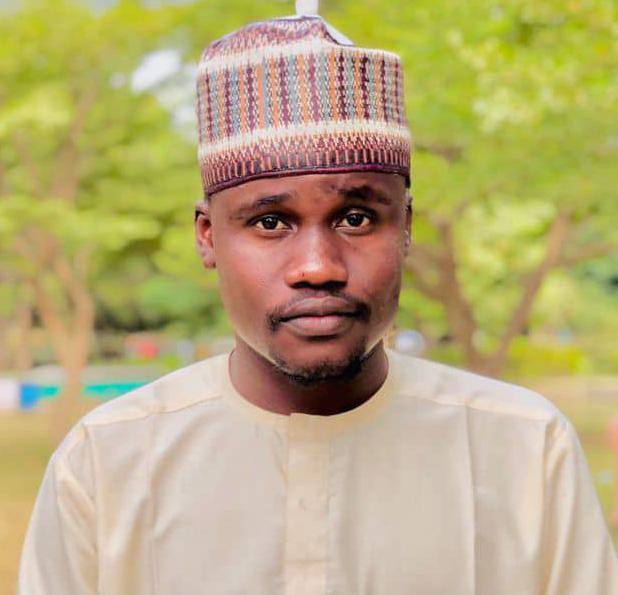
By Anas Abbas
In recent years, there has been a growing emphasis on infrastructure development as a key indicator of progress and development in many countries. Governments often prioritize the construction of bridges, roads, and other physical structures as a means of showcasing their commitment to progress.
However, it is important to recognize that true development goes beyond just the physical infrastructure and involves the development of human capital.
While infrastructure development is undoubtedly important, it is equally crucial to invest in the development of human resources. This includes providing access to quality education, training, and opportunities for personal and professional growth. Human capital development is essential for creating a skilled and knowledgeable workforce that can contribute to the overall development of a nation.
A recent example of the emphasis on human capital development can be seen in the actions of the current Kano state government. Instead of solely focusing on infrastructure development, it also recognized the importance of investing in human capital develop. The administration sponsored numerous students who had graduated with first-class honors to pursue their Master’s degrees in India. This intervention is set to enable the beneficiaries to advance their education and acquire valuable knowledge that can be applied in the development of the state and the nation.
This programme us not new in the state. During Rabiu Kwankwaso second tenure as governor of the state, he sponsored over one thousand students abroad to pursue their Master’s degrees in different countries of the world.Infrastructure is doubtlessly important for the development of a nation, but it is crucial to recognize that human capital development should be the top priority If you critically observe the society today, you will find out that infrastructure can deteriorate over time and require continuous maintenance and investment, human capital development is enduring and can be needed for such maintainance need.
The knowledge and skills acquired by individuals remain with them and can be passed on to future generations, creating a lasting impact on the nation’s development. This initiative highlights the significance of human capital development in driving sustainable development.
By investing in the education and training of individuals, governments can empower their citizens to become active participants in the development process. These individuals can then use their expertise to address local challenges, drive innovation, and contribute to economic growth.
Furthermore, human capital development has a ripple effect on society. When individuals are equipped with knowledge and skills, they are better positioned to create positive change within their communities. They can become leaders, entrepreneurs, and advocates for social and economic progress. This, in turn, can lead to a more inclusive and sustainable development that benefits all members of society.
I found it laughable when in the trending Kaduna vs Kano online banter sparked by one Hafsat Paki video in which she talked Kano people down, many commenters paid undue attention to buildings as a way to show that Kaduna is more developed than Kano (Kano has fair share of beautiful buildings if you ask me). For me the ongoing effort in place by the government to better the human capital of the state deserves more attention than anything thing else.
In conclusion, while infrastructure development is important, it is equally crucial to prioritize human capital development as a key component of overall development. The recent initiative by Governor Abba Kabiru Yusuf to send students abroad for further education serves as a powerful example of the value of investing in human capital.
By focusing on human capital development, governments can create a foundation for long-term sustainable development that empowers their citizens and drives progress from within.
Anas Abbas is communication student at Bayero University, Kano . And can be reached via anasabbas2099@gmail.com