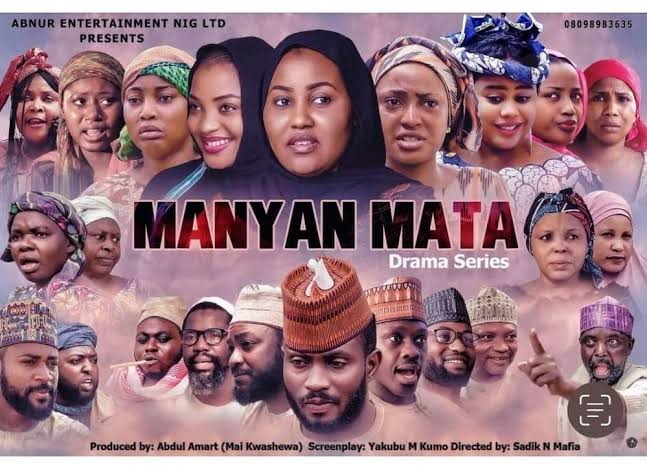
Do intellectuals watch Kannywood films?
By Dr Musa Ibrahim
The popular Facebook user claiming intellectuals hardly watch Kannywood films and his supporters should understand 1) the need to ensure they conduct proper research on any subject matter or study the existing literature before speaking about it; 2) they could benefit from some guidance on critical engagement with terms, even if they are in our mother tongues, such as ‘wayewa.’ This would help them understand the concept from multifaceted perspectives and know how to use it when referring to ‘self’ and ‘other’ people’s ‘lifeworlds.’

When engaging with the Hausa terms ‘wayewa’ and ‘wayayyu’ (intellectualism and intellectuals, although the translations are subject to discussions), the critical questions we should ask about these terms in relation to Kannywood are: what is ‘wayewa’ (intellectualism)? Who exactly are ‘wayayyu’ (intellectuals)? Can we really know all ‘wayayyun mutane’ (intellectuals) and what they do in private and make sweeping statements about all of them without conducting thought research?
For me, it’s difficult to say who ‘wayayyu’ are because it’s subjective and varies from person to person. I mean, who someone regards as wayyaye might not be considered one by others and vice versa. Therefore, it appears to me that the person who made such a claim and their supporters may be ‘unintelligent/unintellectual’ (lacking in intelligence and intellectual approaches) or ignorant about the subjects they are referring to, especially since they ‘speculate’ about the so-called ‘wayyayun mutane’ without considering the diversity of the group.
As a researcher of popular cultures in Africa, I can report as a fact that all categories of people in northern Nigeria and beyond watch Kannywood films. In the qualitative research we conducted, we interviewed academics, high-profile ‘ulama (Muslim clerics), lawyers, politicians, public workers (some of whom are highly placed decision-makers at various government levels), traders, and various categories of Western and/or Islamic-educated individuals who have been watching Kannywood films.
Ordinarily (if not because of our research), many of our interlocutors may not just openly admit to watching Kannywood films because of the unnecessary stereotypes associated with them. However, some of them go to the extent of referencing specific scenes from the movies they had watched to either illustrate their points or make comparisons with other films. Some influential people and their family members personally communicate with Kannywood stars they know from movies and spend millions to have them perform at their ceremonies.
So, if we were to believe the claim that ‘intellectuals’ don’t watch Kannywood films, then we would have to say that all those who control the affairs of the region (in which the person making the claim probably lives) are not ‘wayyayu.’ However, regardless of the complexity of the terms wayewa and wayayyau, many would agree that people in the categories mentioned above, including our revered Muslim scholars who participated in the research, could fit into the ‘wayewa’ category or one of its categories (if there are many). Ba za mu ce dukkan su ba wayayyau bane.
So, the person making the claim and the bunch of uncritical minds who agreed with it have just succeeded in portraying themselves as lacking intelligence and critical thinking skills (which is synonymous to wayewa) to engage with the same concept, ‘wayewa,’ at least in this case. This is because they seem not to know ‘how’ and ‘when’ to speak for themselves and ‘how’ and ‘when’ to speak for others from an informed perspective (based on outcomes of scientific research). This also includes avoiding generalisations.
Despite politically motivated censorship from the 2000s to today, Kannywood has survived and thrived. This resilience is a testament to the support it receives from the silent majority, including highly influential individuals who appreciate its cultural significance and work behind the scenes to maintain its popularity and diffuse unnecessary tensions. This inspiring resilience assures us that Kannywood will continue to thrive in the face of differing opinions.
To close my remarks, regardless of differing opinions about Kannywood, the cultural industry will continue to thrive in different forms. This sustained success should inspire confidence and optimism in the future of Kannywood and those who aspire to participate in the phenomenon, either indirectly as cultural studies scholars or directly as actors, directors, producers, scriptwriters, and associated roles.
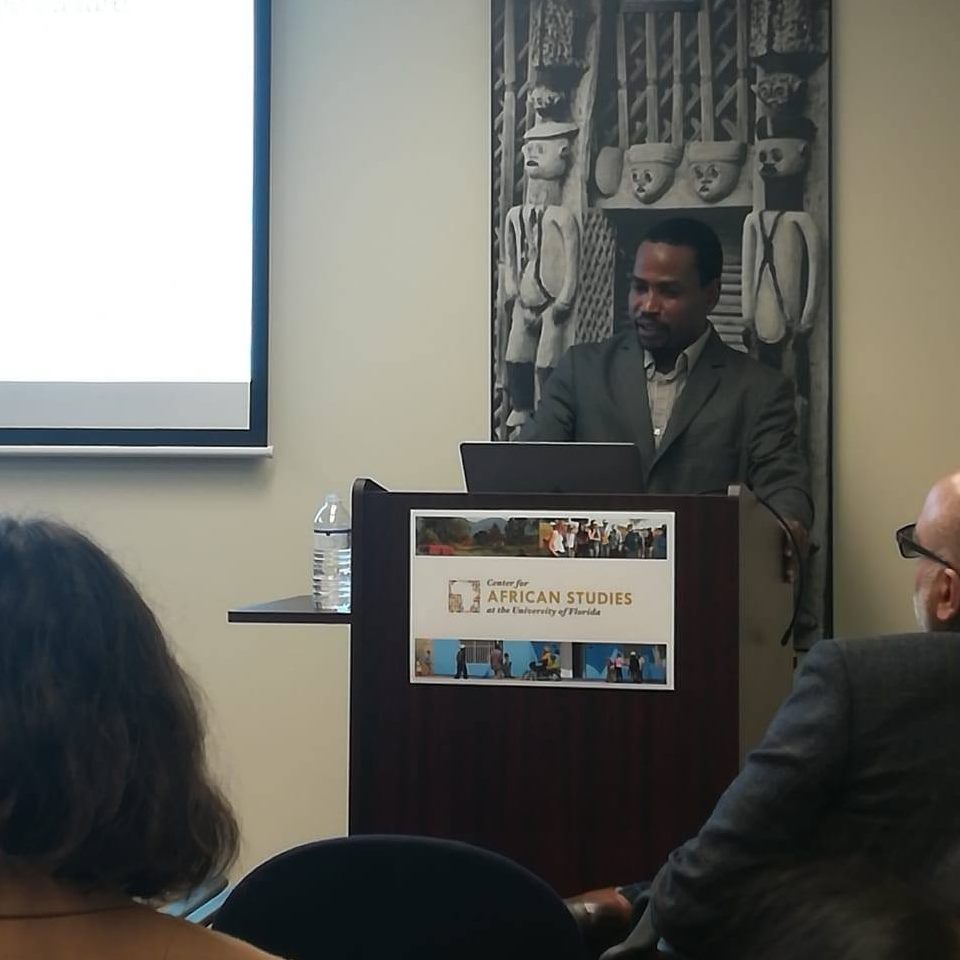
Musa Ibrahim, PhD, can be reached via abbadanauta@gmail.com.