Harvard University

No, Mr President, it is UniMaid

By Zailani Bappa

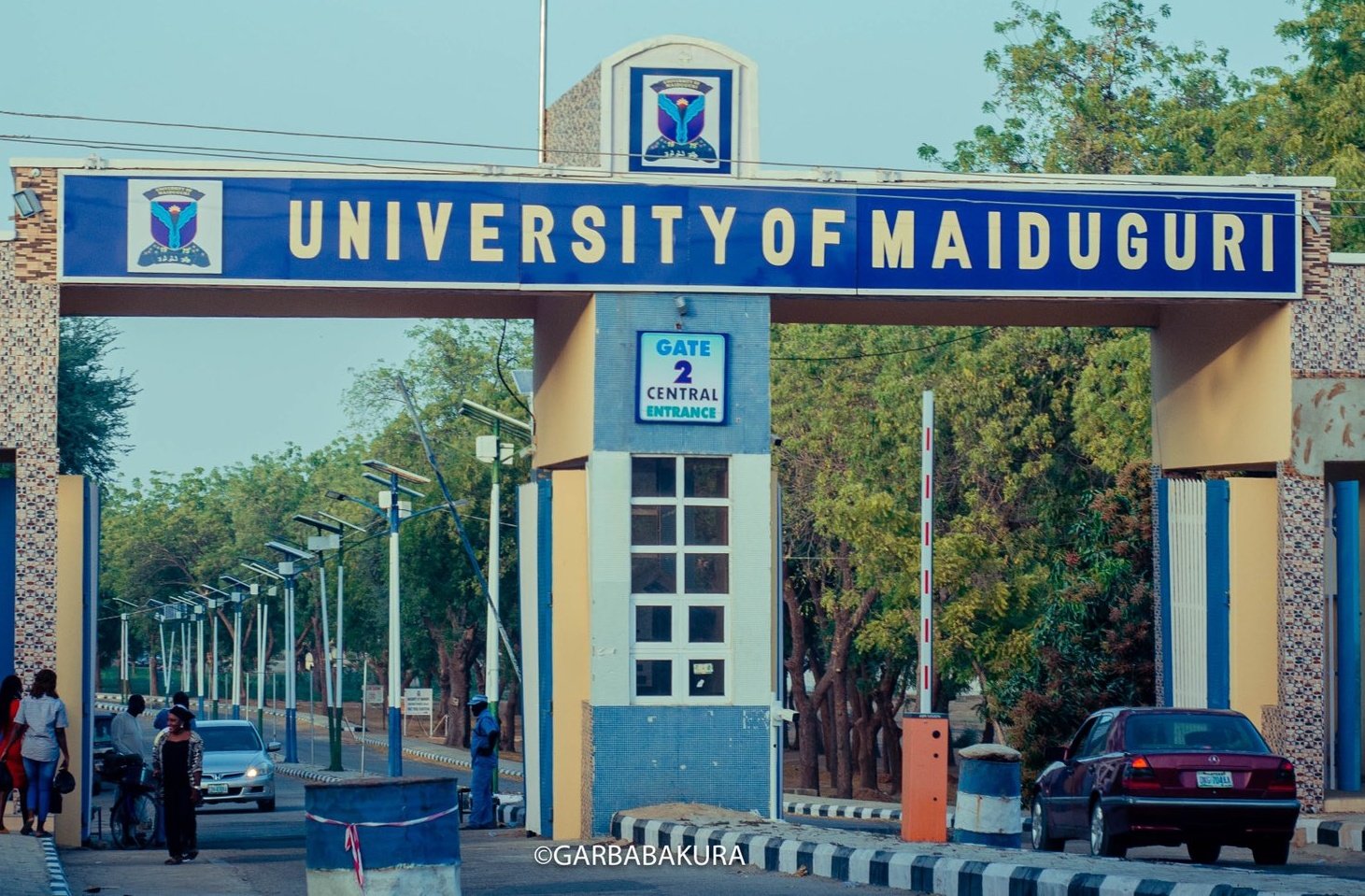
In the last few days, we have been engaged in a debate over whether it was right or not for President Bola Ahmed Tinubu to rename the University of Maiduguri (UNIMAID) after the late President Muhammadu Buhari. I want to add my voice to this as well.

I am a staunch fan and supporter of the late President, and I cherish his exemplary qualities, which are truly uncommon among our present-day crop of active politicians. I respect him alive and in his death. I am also a graduate of UNIMAID.

Despite the above, I strongly disagree with Bola Ahmed Tinubu’s decision to rename my alma mater after President Muhammadu Buhari at this time. The move, to my understanding, is self-serving, dishonest and, obviously, unpopular. And if the President has to do it, there are so many other things available to manipulate for achieving political ambition. 

Just imagine renaming the University of London, or the Oxford University or the Harvard University to another name at this hour. These names have become top brand symbols worldwide and are synonymous with the excellence the Universities are demonstrating.

So is UNIMAID. Its service of excellence has become synonymous with this name for more than five decades. Universities with names of persons, such as Ahmadu Bello University and Bayero University, built their present reputation from the outset, along with those names.

In truth, if President Bola Ahmed Tinubu wanted so desperately to seize the demise of President Muhammadu Buhari to advance his political opportunities in the Northern part of Nigeria ahead of the upcoming elections, he should have renamed the University of Ibadan or the University of Lagos after the late President which will prove to the Northerners more of his nationalistic and unbiased posture. 

After all, the latter of the above Universities was reportedly saved from this kind of unwholesome political decision by his active participation when it was to be renamed after the late MKO Abiola. I will sign and urge everyone to sign the petition currently circulating, which opposes this highly offensive decision.
Unlocking West Africa’s Intellectual Legacy: The book unborrowed from Yale Library for 120 years

By Muhammad Jameel Yusha’u, PhD

On Friday, March 3rd, 2023, I attended two events at the Divinity School. The first was a lecture convened by Professor Ousmane Kane, and the second was a joint symposium called the Zaytuna-Harvard Symposium. These two events shared similarities in that they both aimed to highlight the intellectual heritage of sub-Saharan Africa in various fields of knowledge and the importance of traditional means of knowledge acquisition.

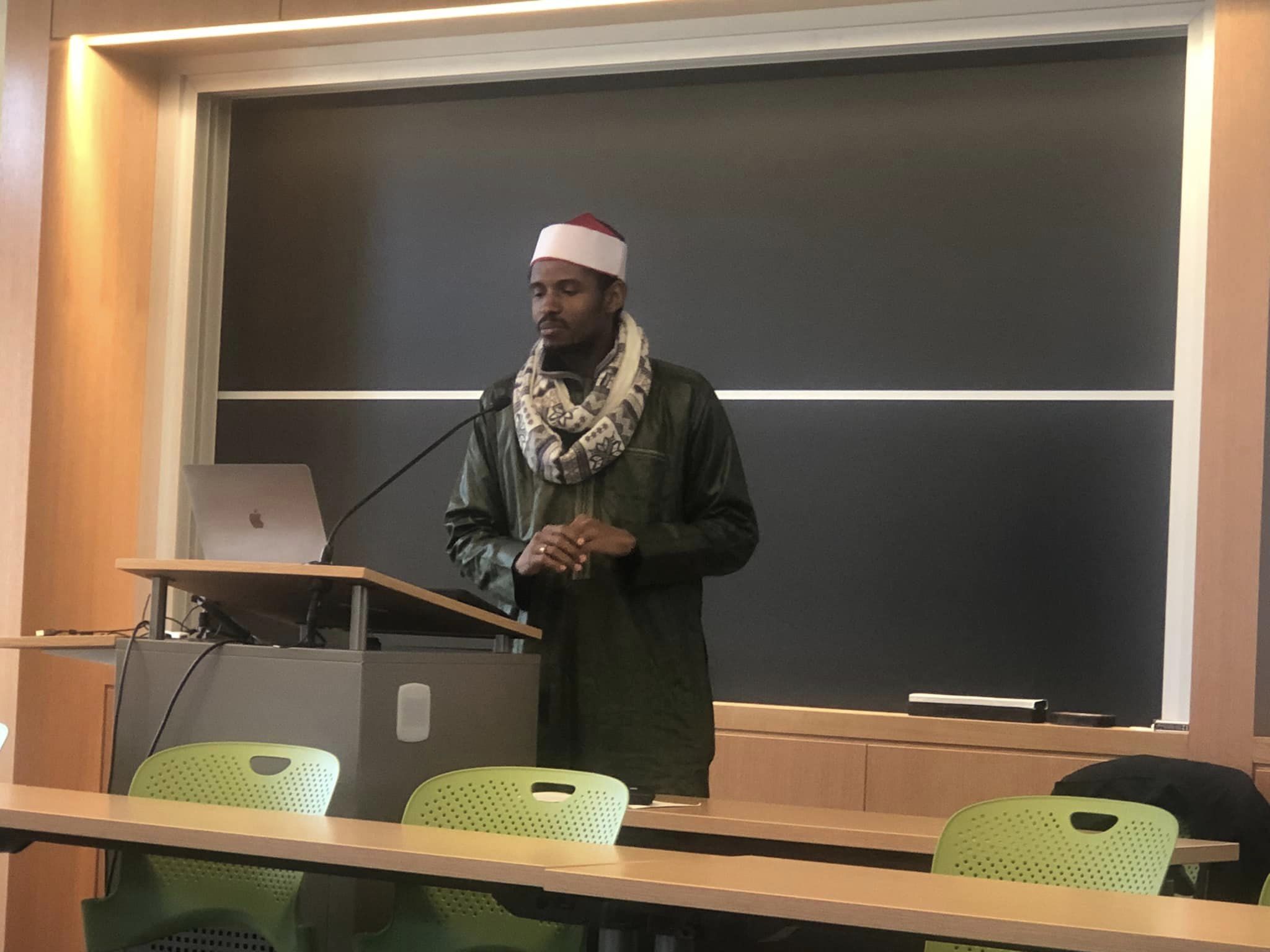
The former was a presentation by Ustadh Umar Sheikh Tahir, the son of a prominent Nigerian scholar Sheikh Tahir Bauchi and a current PhD candidate at Columbia University. His presentation was titled “Rediscovering 18th Century Knowledge Tradition: Alkashinawi’s (d.1742) Intellectual Networks in Bilad Al-Sudan and Hijaz.” The latter was a presentation by Sheikh Hamza Yusuf, President of Zaytuna College, who spoke on “The Arts of Understanding Prerequisites for Unlocking the Islamic Tradition.” Sheikh Hamza Yusuf studied traditionally with scholars in Mauritania, West Africa.

Ustadh Umar presented the story of Muhammad Alkashinawi, a West African scholar from today’s Katsina province in Northern Nigeria. Alkashinawi developed proficiency in Arabic language, logic, mathematics, and jurisprudence in West Africa. When he moved to Hijaz, his scholarship was acknowledged, and he became a respected scholar from whom society was learning. When he died in Egypt, he was buried in the cemetery of scholars. Alkashinawi’s story highlights the journey of a scholar whose intellectual depth was developed in West Africa and whose scholarship transcended geographical boundaries.

The uniqueness of Alkashinawi’s work was not as prominent as it should have been, and Ustadh Umar’s work is more relevant in that he is translating Alkashinawi’s book into English. Interestingly, some of Alkashinawi’s work is only available at Yale University, and his book was not borrowed from the library at Yale for 120 years until Ustadh Umar asked for it.

The unborrowed book from Yale Library for 120 years

Sheikh Hamza Yusuf’s presentation highlighted the importance of traditional means of knowledge acquisition and how it translates into scholarship that transcends geographical boundaries. Both presentations mesmerised the audience, providing evidence that knowledge is a human heritage that belongs to those who work to acquire it. It is neither the monopoly of a region, ethnicity, nor race but a heritage that beautifies a society that values it.

During the symposium, I sat among the students of Zaytuna College. One of the students asked me where I was from, and I responded Nigeria. He then introduced me to one of his schoolmates from Texas, who was a descendant of Sheikh Uthman ibn Fodio. I found it interesting how the family of Uthman Dan Fodio crossed the Atlantic and still keeps the story of their genealogy intact.

Takeaway: Knowledge is a human heritage. It belongs to those who work to acquire it.

Muhammad Jameel Yusha’u, PhD, is a candidate for a Mid-Career Master’s in Public Administration at Harvard University, John F Kennedy School of Government. He can be reached via mjyushau@yahoo.com.

The Harvard University Professor who worked as a bus ‘conductor’ in Lagos

By Muhammad Jameel Yusha’u, PhD

At 2:45 am every day, the first email at HKS comes to your inbox. HKS Daily is a catalogue of information about activities at Harvard Kennedy School. If you miss it for a day, you could miss countless opportunities about conferences, breakfast with guests, working groups, and lectures by presidents, governors, mayors and other leading policymakers from different parts of the world.

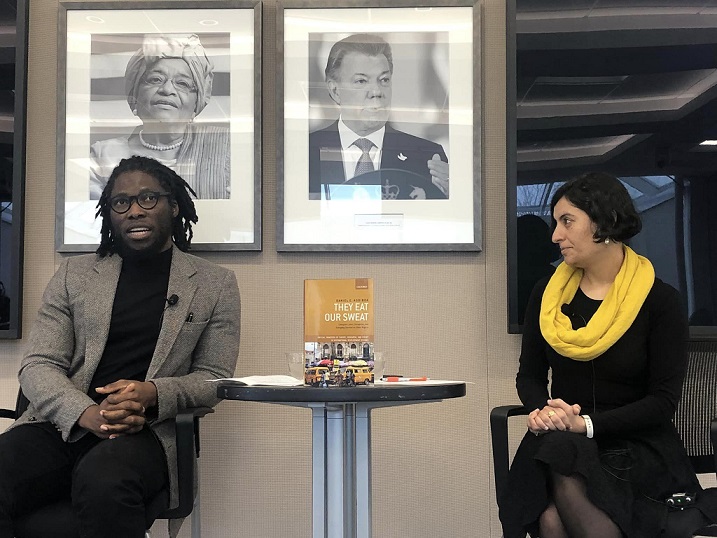
When I checked this morning, I saw an event posted by the Building State Capability Project. It was a book talk entitled “They eat our sweat: Transport labour, corruption and survival in urban Nigeria.” The theme was from the title of a book by Daniel Agbiboa, an Assistant Professor of African and African American Studies at Harvard University Center for African Studies. I registered immediately.

I love original research. Daniel’s work is an excellent example of that. The book, which I look forward to reading, was based on his research work at the University of Oxford, where he worked with the late pan-African scholar, Professor Abdulra’uf Mustapha. It was a research project that used participant observation to study the informal transport sector in #Lagos. As a student of public policy, this attracted my attention even more. Many policies are designed without an in-depth understanding of the social, cultural and even political implications of such policies.

A governor or minister might see the informal transport sector as a nuisance to a modern city. He might bring consultants to hurriedly analyse the problem and come up with a solution. Every person would like to see his city looking like San Francisco, Paris or Dubai. What we tend to forget is that there are thousands of lives that could suffer in our attempt to look modern. Where do we put those people who work as drivers and ‘conductors’ if we don’t have an alternative industry that will absorb them?

To understand this, Professor Daniel went to the field. He became a bus ‘conductor’ for two months, working with a driver, starting early in the morning and absorbing the difficulty that comes with such endeavour. He used his research to understand the difficulty of survival within the informal transportation sector.

He provided a critique to those who use CPI to evaluate countries as corrupt when ordinary people in those countries have completely different realities. “Informal transport not only provides a sector for examining corruption, but also a prism through which to interrogate the binary framing of formality/informality and understandings of the borders (or lack thereof) between the two.” Says Daniela Schofield in a review of the book published on the blog of The London School of Economics and Political Science (LSE).

Takeaway: Developing public policy needs in-depth thinking and proper planning. Building infrastructure is only one part of the story. Managing the effect of policies on people is a much harder task.

Muhammad Jameel Yusha’u, PhD, is a candidate for a Mid-Career Master’s in Public Administration at Harvard University, John F Kennedy School of Government. He can be reached via mjyushau@yahoo.com.

How Harvard University sponsored students for Umrah

By Muhammad Jameel Yusha’u, PhD

On Friday, I spent the early morning hours participating in a boot camp on negotiation. It was part of the effort of Professor Rand Wentworth to build the capacity of his students in negotiation. The boot camp was facilitated by Monica Giannone.

Immediately after the boot camp ended at 12 pm, my friend Alibek Nurbekov and I proceeded to the Friday prayer. As I was about to enter the prayer hall, Dr Khalil Abdur-Rashid was also arriving. Dr Khalil is the Muslim Chaplain at Harvard University and teaches courses at Harvard Kennedy School and Harvard Divinity School.

“Sheikh Khalil, welcome back from Umrah,” I said as he made his way into the prayer hall.

“Good to see you, Jameel. I need to talk to you after the prayer,” he said, and I nodded in agreement.

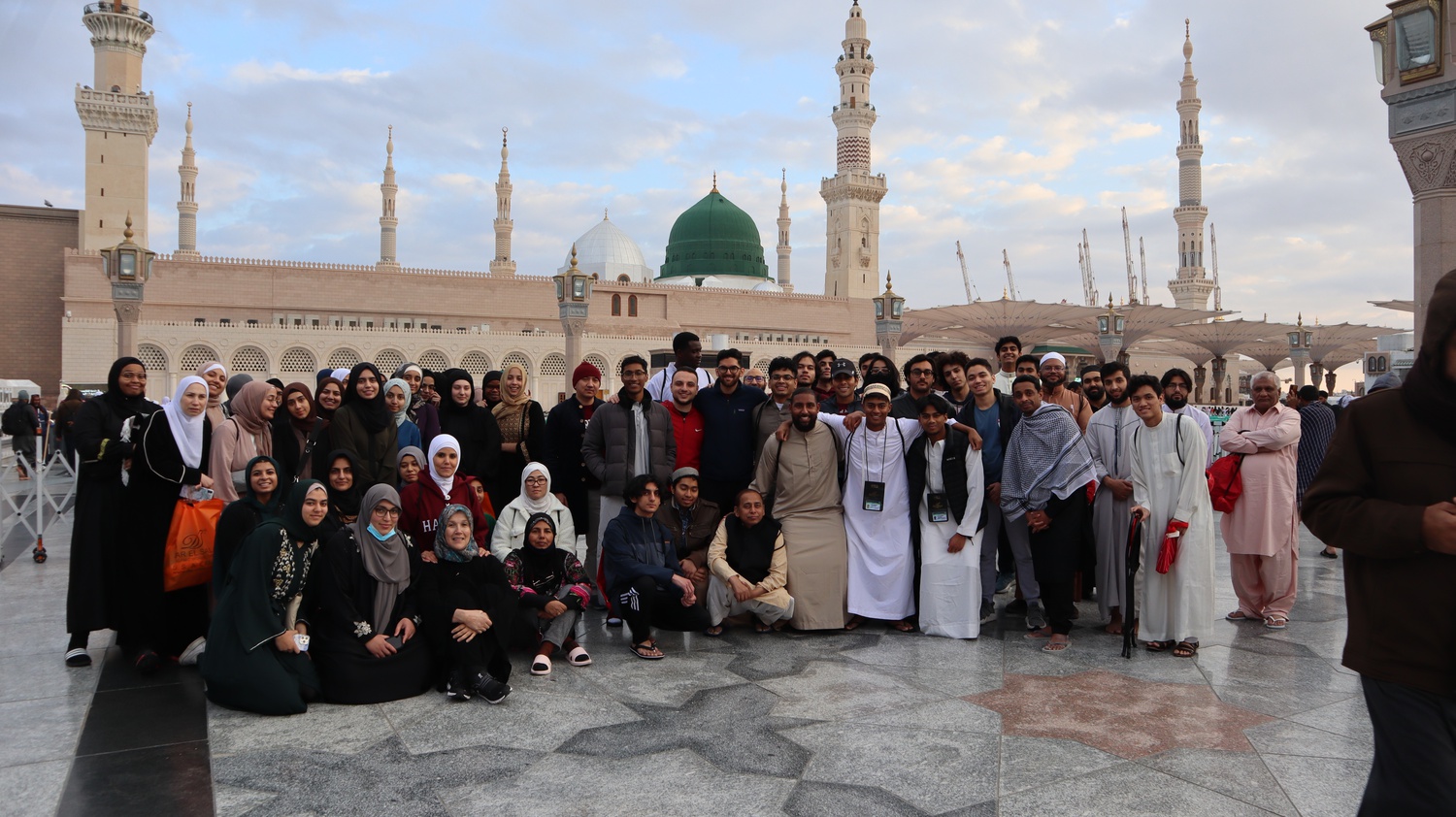
Dr Khalil led a group of students and other members of the Harvard Community to participate in Umrah, the lesser Muslim pilgrimage, where Muslims visit Makkah and perform the Umrah rites. They also visit Prophet Muhammad’s (PBUH) mosque in Madina and other historical places in the Kingdom of Saudi Arabia.

I came to know about the Harvard Umrah trip during the welcome orientation for students led by Dr Khalil last year at the beginning of the fall semester. He announced that some donors had provided scholarships for Muslim students to attend the pilgrimage, and he played a video for us on the experience in 2019 when they went on a similar voyage. Many students pledged to join the group for the trip in January.

Organising trips to different countries is a common tradition at Harvard University during the January break. Many trips were organised to Brazil, Singapore, Mexico, Saudi Arabia and more. The Harvard chaplaincy also utilised the break to organise the Umrah from 4th-14th January 2023.

Quoting Dr Khalil, The Harvard Crimson reported that “a generous donation from a graduate of Harvard Business School and a parent of two current Harvard undergraduates allowed the University to offer the trip at no cost to first-generation, low-income Muslim students. The donation for this year’s trip reportedly totalled approximately $100,000.”

As the Friday prayer finished, I waited patiently for Dr Khalil. As he came out, he asked me to walk towards his car. He brought a gift from the car and handed it to me. “This is a gift from the Umrah.” His wife Samia, who is also the female Muslim Chaplain, said, “it is a little gift for your girls.”

I thanked them in appreciation and headed home to enjoy the rest of the evening with my family. You can find the full story on the Harvard Umrah trip entitled “Spiritually Stimulating: Harvard Students Embarked on First Umrah Trip in Four Years.” (https://lnkd.in/et_dEBer).

Takeaway: Spiritual well-being is important in helping students to have a balanced educational experience.

Muhammad Jameel Yusha’u, PhD, is a candidate for a Mid-Career Master’s in Public Administration at Harvard University, John F Kennedy School of Government. He can be reached via mjyushau@yahoo.com.