Hardship

Kleptocracy or Democracy? A critical assessment of the Nigerian state and the way forward

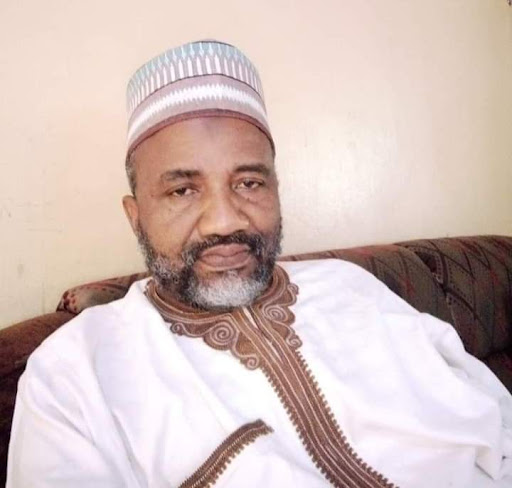
By Anwar Usman

Nigeria has over 200 million people from multiethnic and religious backgrounds, which has caused the country to suffer from various uncertainties. The country’s return to democracy in 1999 made the citizens think that a Messiah had come to their aid. Unfortunately, the truth is like the story of Judas, who was said to have betrayed Jesus Christ at Calvary.

Nigerians managed to follow whatever their leaders came up with mindlessly, without thinking of the negative consequences that such a policy would have on them. How do you even expect people who don’t know their democratic and civic rights to think in a way that depicts an environment of literacy? It’s almost impossible!

The imposition of artificial hardship, starvation, insecurity, unemployment, and so on made Nigerians reconsider their thinking and think differently. The only thing that an average Nigerian needs is “food.” Ask anyone, and they will tell you the same. Now, let me ask you (reader) this question: When Nigerians were not hungry, how many times have you heard of any protest/riot, especially in the north? 

No matter what the ruling class would do, an average Nigerian will tell you “Su da Allah” because they are contented and believe that Allah will take charge of that. That was when things were okay. The masses could afford 2/3 square meals daily, and things were readily available, not because Nigerian politicians were not looting.

Now, the devaluation of the Naira and the removal of fuel subsidies worsen Nigeria’s situation. The ruling class does all it feels like without any question from the citizens, even though people were said to be the backbone of democracy.

Experience of what Nigeria is about and how things have been going over decades triggered the situation in Nigeria today. A wealthy person today is bankrupt tomorrow and later becomes a beggar the next day.

The citizens of Nigeria are not violent. They accept whatever is imposed on them wholeheartedly, unlike people in other countries like Sudan, Kenya, etc. Kenyans, for instance, didn’t protest because of the high cost of food—no! It’s because of an additional levy that Nigerians endured over decades.

The only language that people in power understand is to go against their wishes. No government likes to be criticised. They know the sufferings of Nigerians, but all they do is give palliatives, cups of rice, and pasta or disburse N20,000using a random sampling technique.

For instance, the minister of humanitarians alone was accused of misappropriating 826 billion; likewise, the minister of finance, not to mention the CBN Governor and aviation minister, deceived Nigerians with a non-existent Nigerian airline, all during President Muhammadu Buhari. Nothing has been done about that yet.

Now that hunger has started killing people, the cost of living is high, including the devaluation of the Naira, which made people take a U-turn. It’s always said that “a hungry man is an angry man” Nigerians are ready to die! 

If one says the protest wouldn’t bring anything positive, I wonder. Do you want things to continue the way they are till eternity? Do you like our younger ones to continue floating in the streets? What would you feel when you find out that the leaders of tomorrow embrace drugs? These are things that no one can resolve except YOU yourselves! These people don’t care if all our youth would embrace drugs. It’s an added advantage to them; they’ll only use them as thugs during the campaign.

Even if things would worsen due to this protest, let it happen. You must lose something to get something! Even if you’re not ready to die today, hunger might kill you tomorrow. We’ve seen many instances of people being depressed, suffering from hypertension, melancholy and other related disease that were not known before.

The same people who failed to apprehend Boko Haram suspects and left the northern states bloody are what some people are saying we shouldn’t protest against. Nigerians are now refugees. The neighbouring states granted them asylum. Guess what? The government is not ready to do anything. 

Do you think we should continue following these people suffering from Kleptomania? Fold out arms because you’re afraid of something? Look, even if you didn’t protest today due to fear of being killed, insecurity is there for you! And the future of youth and the younger ones is not safe.

If the government is ready to review and listen to the yearning and aspirations of Nigerians and implement the pending policies, including the subsidising of petrol and the Naira that’ll benefit the citizens directly, then the reverse is the case. We can have a dialogue and reach an agreement about what the government ought to do, and in that process, the protest can be suspended. 

We wouldn’t forget our brothers in Katsina and Zamfara who are waiting to either be killed or kidnapped; Something must be done about them, too. If not, mobilisation will continue, and we’re ready to sacrifice our lives for the betterment of future generations.

May Nigerians protest peacefully. May the protest yield a positive outcome, ameen.

Anwar is a Faculty of Communication at Bayero University, Kano studentHe can be contacted via usmananwarhassan@gmail.com.
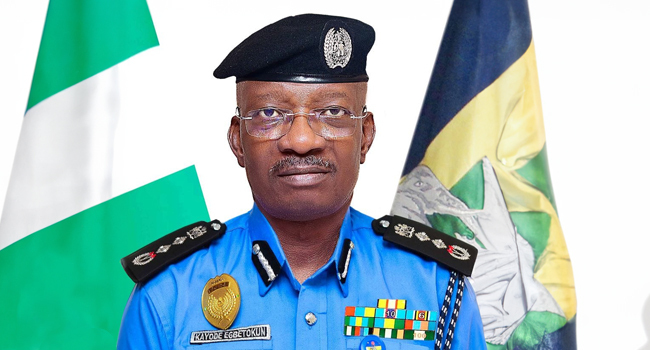
IGP: We can’t afford to have violent protests in Nigeria

By Abdullahi Mukhtar Algasgaini

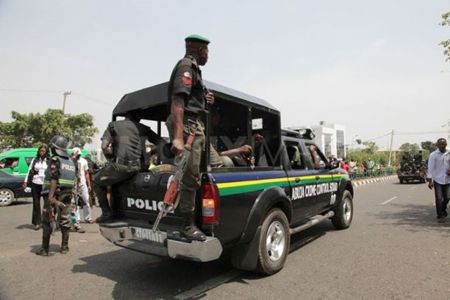
The Inspector General of Police, IGP Kayode Adeolu Egbetokun, addressed the nation in light of the planned nationwide protests, emphasizing the severe negative effects of violent demonstrations on our society. 

In his address, the IGP highlighted several critical points that underscore the importance of maintaining peace and order during protests.

“It is not only in Nigeria that there is hardship. It is a global meltdown. Is the government doing anything about it? Yes! This is what a responsive government will do,” stated the IGP. He stressed that while the current economic challenges are not unique to Nigeria, the government is actively working to mitigate their impact and provide relief to the citizens.

Reflecting on the 2020 EndSARS protest, the IGP remarked, “Where police stations were burnt down, criminals took over. Arms looted were in the wrong hands, and armed robbers took over. Women could no longer walk freely once it is 7 pm.” He warned that the destruction of police infrastructure leads to a breakdown in law and order, leaving communities vulnerable to criminal activities.

“There are enough lessons to learn from previous violent protests in Nigeria,” the IGP continued, urging citizens to remember the chaos and suffering that followed such events. “Serious dangers come with unchecked demonstrations,” he added, highlighting the potential for loss of life, property damage, and widespread fear among the populace.

The IGP acknowledged the right to protest, stating, “The right to protest is a right to peaceful protest.”He called on all Nigerians to exercise this right responsibly and to avoid actions that could escalate into violence. Peaceful protests, he emphasized, are a powerful tool for expressing grievances and driving change without endangering lives and properties.

In conclusion, the IGP reaffirmed the Nigeria Police Force’s commitment to protecting the rights of citizens while maintaining law and order. He urged all Nigerians to cooperate with the Police to ensure that any forthcoming protests are peaceful and orderly.

On the nationwide protest

By AM Ashafa

There has been nothing left that has not been said for and against the proposed nationwide protest in Nigeria. The government mobilised various people and groups to fight against it. In the first place, mercenary anti-protests amongst religious groups, youth groups, women, and tribal groups were brought or mobilised, allegedly spending a lot of national resources to campaign against the protest with some recorded successes and failures. 

The government also pointed at the opposition and other Jacobins as being behind the protest with the intent of taking over the government. Indeed, this may sound like Yahoo’s political argument. What has not been said much is that both the government and protesters are patriotic. The question is, who is more patriotic among them?

First, is a protest criminal? Is the expression of disliking government political decisions an act of criminality? Certainly no. On the other hand, is the government stopping a protest that, in its wisdom, tends to cause destruction to be allowed to happen? Certainly no. This means there’s a need to strike a balance. Any example of countries where protests turned into violence is mere pessimism. People won’t say that police brutality in response to protests was largely 95% of the reason why peaceful protests often turned violent.

The government has a responsibility to listen to its citizens. Citizens, not those controlling the government, own the police and all law enforcement agencies and machinery. The condition of members of the armed forces and their families in the harsh and messy socio-economic quagmire is no better than that of the entire citizens. Yet, they have a responsibility to save the citizens, the country, and the government that will make life bearable. 

The government must try hard not to criminalise protests. Protesters must try hard not to engage in violence and criminal destruction of public and private properties to vent their anger. When I heard one cleric saying obedience to all kinds of leaders in all brutal policies is obedience to Allah and doing otherwise with protests is criminal disobedience to Allah, I quickly reflected on the protestations in 1804 by Usman Danfodiyo, whose protestations brought about the Sokoto Caliphate that brought sanity to the Hausa society of the 19th century. 

My question to that cleric is, was he saying that Danfodio and the successive leaders of that largest political state in pre-colonial Africa were and are products of criminality? Certainly, Danfodio led a peaceful protest until the King of Gobir, Uunfa, responded with a high-handedness that the peaceful protesters couldn’t bear. The tide then turned, and the rest is history. 

We must always learn from history. Government and protesters must never ground our country. It’s for all of us. We have no other country but Nigeria. We must collectively refuse to be idiots in how we handle its stability and future.

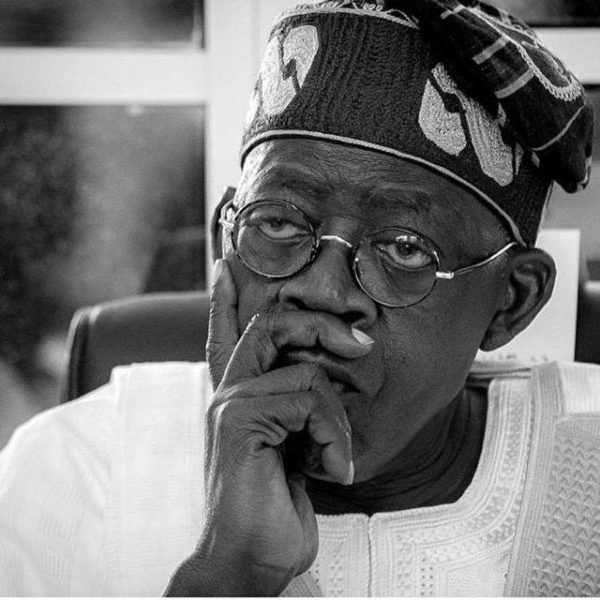
How can President Tinubu stop the August 1 protests?

By Prof. Abdussamad Umar Jibia

It is no longer news that the Asiwaju Bola Ahmad Tinubu-led Federal Government has been inviting anyone it considers influential to help it prevail on Nigerian youth to stop the planned August 1-10 protests. The organisers of the protest, as I was told in most of the social media platforms I asked, are hunger, insecurity, and poverty, among the other things mentioned by the angry youth. 

Food sufficiency and security of lives and property are the necessary requirements for the prosperous living of any society. Every other thing follows. 

The fact about the people Tinubu has been inviting is that Nigerians consider them part of their problem. Traditional and religious rulers, politicians, etc., no longer command the respect they used to command in those days. A hungry man is angry with every other person, including a fellow hungry man. So, how can they listen to the pot-bellied traditional and religious leaders of these days? 

Certain other things have not been helpful to Tinubu. At this critical moment of his administration, he should not have allowed the controversy around Dangote Refinery to surface. Even before the removal of the oil subsidy, we were told that the Dangote refinery would provide a final solution to the problem of fuel supply, which has been part of our national life for a few decades. Just as production is set to begin properly, we are being told that Dangote refined fuel is not good after all and that the refinery has not been licenced. How do you expect Nigerians to be happy?

Since the altercation between Dangote and NNPC officials started, Nigerians have become aware of the Tinubu family’s underground oil business. I was just reading an essay in a social media group about how Oando, a Tinubu family-owned company, began to refine oil in Malta and export it to Nigeria through a series of underground moves. 

True or false, the story is now well known to every Nigerian who can afford a China-made Android phone. The onus is on the Tinubu administration to give its own side of this story. Until then, Nigerians will continue to believe that the Dangote Refinery initiative is being killed to advance the personal interests of the President. Would that not be enough to mobilise them to protest?

However, President Tinubu can avert the protests by taking certain bold steps, which would only take a patriotic leader to implement.

Tinubu, as a devout Muslim, can copy from Umar bn Abdulazeez, an Umayyad Caliph. Before Umar became the leader of the caliphate, he led a very lavish lifestyle like his wife, who was a princess of the caliphate. As soon as he assumed office, Ibn Abdulazeez put all his wealth and that of his family into the public treasury. He lived the rest of his life humbly and died honourably. Today, he is remembered as one of the best examples of leadership in human history. Is that too much for President Tinubu?

Mr President should remove every obstacle around the proper take-off of the Dangote refinery. It doesn’t matter whether or not Alhaji Aliko Dangote supported the APC candidate in the 2023 presidential election. Dangote is a Nigerian, and Nigerians stand to gain from his investment. The Federal Government should provide the refinery with Nigeria’s crude oil and make sure the price falls to the barest affordable minimum without short-changing the investor. Note that the present hardship confronting Nigerians began with the removal of subsidy and the rise of fuel pump price. 

President Tinubu should give licences to other Nigerians who want to set up refineries. As a matter of national policy, the importation of refined petroleum products must stop immediately.

The Tinubu Government should give a timeline it can stick to for the resumption of operations of its three refineries. Nigerians are aware that billions of Naira are spent every month on personnel and overhead costs for refineries that are not working. On the other hand, hardworking Nigerians are now being promised a paltry N70,000 as minimum wage.

Banditry and kidnapping must be ended to achieve food security and protect lives and property. To do so, President Tinubu should remove all bandits’ sympathisers from his government and give an ultimatum to his commanders to target and neutralise all bandits’ leaders, some of whom are now traditional rulers. Leaders of criminals are well known to the people and to the Government. It takes the will of the federal government to confront them.

Ending banditry and kidnapping would also effectively close down all IDP camps and return all campers to the farm. 

That is not all. The Federal Government should return the cost of electricity as they met it. This should be announced and effected immediately. It is noteworthy that Gencos and Discos were sold to public facilities at giveaway prices. Thus, they do not have the moral right to charge Nigerians prohibitively for their services, which, by the way, are not satisfactorily delivered.

The National Assembly can also play its own part by suspending its recess and taking a decision to end the regime of billions of Naira getting into the bank accounts of its members in the name of constituency projects and all manner of allowances. They should earn a salary equivalent to that of a senior civil servant in a Federal Ministry. 

To show their seriousness, all senators and rep members should immediately return SUVs bought for them with public funds. State commissioners are more numerous and use similar official vehicles even though they are not elected. This has been the argument of National Assembly members since 1999, but it is not valid. State commissioners have ministries under them, and you, as National leaders, are supposed to set an example for others to follow.

If this Government can do the above, and immediately too, it would have the moral authority to confront anyone who goes to the street to call for an end to bad governance. 

The constitutional conferences, restructuring, resource control, INEC, EFCC, etc., are all political and do not directly affect the common man on the street.

Professor Abdussamad Umar Jibia wrote via aujibia@gmail.com.

Protest: Tinubu vows to address economic hardship – Minister 

By Uzair Adam Imam 

Amidst growing concerns over economic hardship, Minister of Youth Development Ayodele Olawande has reaffirmed President Bola Tinubu’s commitment to addressing the nation’s challenges. 

Speaking at a press conference in Abuja, Olawande acknowledged the difficulties faced by Nigerians while expressing confidence in the President’s ability to implement effective solutions.

The Minister highlighted several key achievements, including a 130% increase in the minimum wage and the passage of legislation reducing the review period for minimum wage from five to three years. 

He urged citizens to adopt a pragmatic approach and capitalize on government initiatives, cautioning against the misuse of social media to destabilize the nation.

Olawande appealed to Nigerians to collaborate with the government in addressing the country’s challenges, emphasizing President Tinubu’s dedication to the nation’s well-being. 

He stressed the importance of unity and collective effort in overcoming adversity and building a prosperous Nigeria.

The Renewed Hope Ambassadors, a group supportive of the government, launched an initiative titled “The Jagaban Will Fix It Nigeria” project.

This project aims to engage citizens through town hall meetings and capacity-building programs, promoting constructive dialogue and solutions. 

The group warned against the potential risks of protests and encouraged citizens to explore alternative avenues for driving positive change.

Economic woes may lead to national collapse – Coalition of Northern Groups warns Tinubu 

By Uzair Adam Imam

The Coalition of Northern Groups (CNG) has expressed concern over the severe economic hardship currently affecting Nigeria and has cautioned President Bola Ahmed Tinubu about the potential collapse of the nation. 

Comrade Jamilu Aliyu Charanchi, the National Coordinator of CNG, voiced these concerns during a press briefing in Abuja, warning that the situation “portends imminent danger.”

Charanchi emphasized the importance of addressing the escalating hardship that has permeated every segment of Nigerian society, noting that life has become highly unbearable for the majority of citizens. 

He stressed that the CNG felt obligated to bring this alarming danger to President Tinubu’s attention, pointing to the potential for a massive revolt against the government.

Charanchi also criticized former President Muhammadu Buhari and President Tinubu for worsening the country’s economic situation, making life even more difficult for the vast majority of Nigerians, especially the poor.

He stated, “The suffering of Nigerians is palpable across every stratum. The CNG holds the present and previous governments responsible for creating this dire situation for Nigerians.”

He stated that the current economic indices and data from the Nigeria Bureau of Statistics (NBS) indicate that 133 million Nigerians are living in multidimensional poverty, with 20 million people, mostly young and within the productive age bracket, either completely unemployed or underemployed. 

Charanchi highlighted the growing disillusionment among the populace with the government’s economic policies and institutions, which poses a significant danger to the country.

He noted that inflation has had severe economic consequences, including substantial investment losses, business disruptions, increased poverty, and unemployment. 

He added that the insecurity has led to displacement, loss of lives and properties, and psychological trauma, adding, “The widespread hardship has eroded trust in the current government and threatens national unity, peace, and security.”

Charanchi pointed out that overall inflation has risen to 34.19% from 22.41%, a 52.6% increase, while food inflation has surged from 24.82% to 40.66%, a 64% increase within a year—the highest recorded in decades. 

He also criticized the significant rise in electricity tariffs, despite no improvement in power supply, noting that the electricity tariff has increased by an average of ₦71.59 to ₦225, a rise of over 200% for band A. Nigeria has experienced multiple national power grid collapses in the past six months, including the most recent on July 6, 2024. 

Charanchi also criticized the government’s recent announcement to distribute 880,020 bags of rice nationwide to alleviate hardship, stating that these measures are inadequate to address mass hunger affecting millions of Nigerians. 

He added that the president’s cosmetic measures are insufficient to contain the anger of the people, particularly when they are faced with economic hardships, massive hunger, and rampant poverty, while the political class lives in opulence.

Lawmakers slash salaries to address high cost of food

By Uzair Adam Imam

The House of Representatives has resolved to support the Federal Government by cutting down its salaries by 50% for six months to address the high cost of food and support food sufficiency across the country.

This decision was made on Thursday during the plenary session in Abuja, and the lawmakers also appealed to Nigerians to exercise patience with President Ahmed Tinubu’s administration as it addresses the challenges and hardships faced by citizens.

The House mandated its Committee on Appropriation, Humanitarian Affairs, Finance, and Budget to ensure compliance with the resolution. The motion was moved by Hon. Ibrahim Isiaka (APC-Ogun State) and adopted by the House.

Additionally, the House of Representatives has pledged to support the Federal Government with ₦648 million for six months to address food sufficiency and the high cost of food.

Details later….

Economic hardships force Nigerians to buy rotten tomatoes

By Mutalib Jibril

 The Consumers’ Dilemma 

A visit to some popular markets in Sokoto State shows that many consumers still prefer rotten tomatoes.

Zainab, a retired school teacher and grandmother, carefully selects the least spoiled tomatoes she can find. “What choice do we have?” she asks, a note of defiance in her voice. “These are half the price of the fresh ones. With my pension cut, I have to make do.”

Like Zainab, another buyer, a mother of three, picks carefully through a pile of tomatoes, trying to find the least spoiled among them. “Look, we all know it’s not the best,” she admits, her voice tinged with resignation. “But when you have to feed a family and every penny counts, sometimes you compromise where you shouldn’t.”

Many consumers are aware of the health risks, including potential liver damage, associated with consuming deteriorated tomatoes but have no option due to the economic hardship ravaging the country.

The Sellers’ Side

He shares his perspective at the shop of a middle-aged vendor in Sokoto State with a genial smile that belies his struggle. “It’s not like I don’t know the risks,” he says, gesturing to the less-than-perfect tomatoes. “But these come cheaper from the farmers, and if I don’t sell them, I don’t earn anything. People still buy them because they’re cheaper, and every sale helps me keep my own family afloat.”

Questions about accountability and choice arise. Why sell a product known to be harmful? He sighs, “It’s a vicious cycle. Honestly, we need better support from our leaders and better economic policies that can help both the sellers and the buyers choose health over cost.”

Also, Yakub, a wholesaler, provides insight into the logistics issues plaguing the supply chain. “Transportation delays and poor infrastructure mean that a lot of the produce spoils before it even reaches the market,” he explains. The economic downturn has exacerbated these issues, with fuel prices soaring and maintenance costs skyrocketing, making it difficult to deliver fresh produce efficiently.

Yakub admits to facing a moral dilemma. “I hate selling these, but it’s this or let my business die. We need government support to upgrade our transport and storage facilities.”

Voices from the farm

The tomatoes start fine,” Alhaji Buba explains. “But with the cost of proper storage and transport being so high, some spoil before reaching the market.”

Alhaji Buba’s plight highlights a crucial gap in infrastructure that affects both the quality of produce and consumers’ health. He emphasizes government intervention: “We need access to better facilities and services to keep our produce fresh until it reaches the consumer. This would benefit everyone.”

For Yusuf, each day begins with the promise of a new harvest and the weight of responsibility. “We take pride in growing quality tomatoes,” he explains, his hands weathered from years of tending the land. “But without proper infrastructure and market access, our efforts often go unrewarded.”

His story mirrors the struggles of farmers across Nigeria, whose tireless labour sustains the nation even amidst adversity.

Farmers like Yusuf face many challenges, from unpredictable weather patterns to fluctuating market prices. “We need support to improve irrigation systems and market access,” he asserts firmly. “With the right investments, Nigerian agriculture can thrive.”

Experts Opinions

A Clinical Nutritionist at the Nigerian Institute of Medical Research, Yaba, Lagos, Susan Holbrooke, said rotten tomatoes are unsafe for consumption and may damage the liver, impair child development, and also cause miscarriage.

She said rotten tomatoes contain aflatoxin and would have been contaminated by fungi diseases.

Experts say tomatoes are the major dietary source of antioxidants that protect against cell damage. They add that they are also high in Lycopene, a plant compound linked to good heart health, cancer prevention, and protection against sunburns.

Speaking in an exclusive interview with PUNCH Healthwise, the nutritionist said rotten tomatoes contain mycotoxin, which can damage the liver of those who consume them.

According to her, what we consume is expected to serve as nutrients and medicine for the body, not as a disease.

She explained, “Rotten tomatoes are unsafe for consumption. They can cause liver damage. For a pregnant woman with too much mycotoxin in her system, it can cause the child to be stunted. That’s why aflatoxins are poisonous to the liver. Our liver is like a powerhouse that promotes both the good and the bad things.

In a 2016 study published by PMC journal, the researchers said dietary exposure to aflatoxins is considered a major public health concern, especially for subsistence farming communities in sub-Saharan Africa and South Asia. Due to hot and humid climates and poor storage, dietary staple food crops such as groundnuts and maize are often highly contaminated with aflatoxin.

“Aflatoxin exposure can occur at any stage of life and is a major risk factor for hepatocellular carcinoma, especially when hepatitis B infection is present.

Over the years, there have been warnings that rotten tomatoes can be dangerous to health when consumed.

In 2018, the National Agency for Food and Drug Administration and Control (NAFDAC) warned Nigerians against consuming rotten tomatoes to prevent cancer.

Christiana Essenwa, a Deputy Director at the Agency who issued the warning, said rotten tomatoes contain microorganisms that induce cancer.

In her words: “Some people think that rotten tomatoes, which are cheap, can be consumed after washing and heating, stressing that the toxins could not be washed or killed by heating since they are heat resistant.”

Hardship: President Tinubu, please listen to Arewa Economic Forum

By Haroon Aremu

Nigeria’s current economic woes are not isolated incidents but rather the peak of years of systemic challenges and policy missteps. From the decline of industries in the 1990s to the era of military rule marked by corruption and mismanagement, the nation has weathered numerous storms on its path to progress. 

In the vibrant tapestry of Nigeria’s economic history, the 1980s stood as a golden era marked by robust growth, industrialization, and promise. However, the echoes of prosperity have gradually faded into the stark reality of economic downturns, leaving the populace grappling with unprecedented challenges.

The 1980s witnessed Nigeria’s emergence as an economic powerhouse, fueled by oil revenue and ambitious development projects. With a thriving manufacturing sector, a stable currency that cannot be competed with and strategic investments in infrastructure, the nation seemed poised for enduring prosperity. 

However, the dawn of the new millennium brought with it a stark reality check as the nation grappled with a series of economic setbacks that threatened to undo decades of progress. Mismanagement, corruption, and global market fluctuations emerged as formidable adversaries, eroding confidence in Nigeria’s economic prowess and exposing deep-seated vulnerabilities. 

While well-intentioned, the decision to remove fuel subsidies proved to be a double-edged sword, unleashing a torrent of consequences that reverberated throughout society. The subsequent free fall of the Naira sent shockwaves through the economy, triggering a cascade of hardships that tested the populace’s resilience. 

Hyperinflation ran rampant, rendering incomes inadequate and purchasing power a distant memory. Faced with dwindling resources and mounting uncertainty, Nigerians found themselves thrust into a desperate struggle for survival.

To understand the gravity of Nigeria’s economic predicament, one must delve into its root causes, which are as deep-seated as they are complex. Corruption, a scourge that has plagued the nation for decades, continues to gnaw away at its foundations, siphoning off resources meant for public good and fostering an environment of impunity.

Inefficiency and a lack of diversification further compound the problem, leaving Nigeria’s economy dangerously reliant on oil revenue—a precarious position exacerbated by volatile global markets and shifting geopolitical dynamics. 

Despite ample opportunities for growth and development in sectors such as agriculture and manufacturing, inadequate investment and strategic planning have stymied progress and perpetuated cycles of poverty.

The failure to address these systemic issues has left Nigeria vulnerable to external shocks and internal instability, undermining efforts to achieve sustainable development and improve the lives of its citizens. Without decisive action and a concerted effort to address the root causes of its economic woes, Nigeria risks being trapped in a cycle of decline, with far-reaching consequences for generations to come.

Amidst this economic quagmire, the Arewa Economic Forum (AEF) emerges as a beacon of hope, advocating for pragmatic solutions to stem the tide of despair. In a recent press briefing that took place at PRNigeria Centre Abuja, Chairman Ibrahim Shehu Dandakata delivered a compelling call to action, urging a rethink of subsidy removal policies and proactive measures to address the pressing issues at hand.

The AEF highlights the adverse effects of fuel subsidy removal on the populace, citing the widening gap between state allocations and tangible improvements in livelihoods. Calling for a reversal of the subsidy removal policy, the forum emphasizes the need for accountable governance and targeted interventions to alleviate the suffering of the masses.

In a comprehensive approach to economic revitalization, the AEF advocates for strategic investments in agriculture and artisanal mining. By harnessing the potential of these sectors, the nation can unlock opportunities for job creation and sustainable development, empowering local communities and diversifying the economy.

Recognizing the detrimental impact of forex crises on the economy, the AEF calls for decisive action to stabilize the Naira and curb illicit financial practices. Proposals include banning the use of dollars for domestic transactions and cracking down on currency hoarding, signalling a commitment to restoring confidence in the national currency.

At the heart of Nigeria’s economic resurgence lies a renewed focus on education and skills development. The AEF emphasizes the importance of equipping the youth with practical skills and knowledge that align with market demands, fostering a generation of innovators and problem-solvers poised to drive sustainable growth.

To President Tinubu, As the leader of our great nation, the burden of Nigeria’s economic hardship weighs heavily on your shoulders. In these trying times, we implore you to remain steadfast in your commitment to steering the country towards prosperity. The recent press briefing by the Arewa Economic Forum underscores the urgency of the situation and the need for decisive action.

The removal of fuel subsidies has inflicted untold suffering on the populace, exacerbating inflation and widening the gap between the rich and the poor. We urge you to heed the call for policy reversal and prioritize the welfare of the Nigerian people above all else. Your leadership in this critical moment will determine the trajectory of our nation’s future.

Solving Nigeria’s economic woes is not the sole responsibility of the government; it requires collective effort and sacrifice from all stakeholders. Citizens must hold their leaders accountable, demand transparency, and actively participate in nation-building initiatives. Only through unity and collaboration can we overcome the challenges that lie ahead. 

As Nigeria stands at a crossroads, the imperative for decisive action has never been clearer. The Arewa Economic Forum’s impassioned plea for reform resonates across the nation, igniting fervour for change and renewal. It is a call to reclaim Nigeria’s economic destiny, guided by foresight, resilience, and a shared commitment to prosperity for all.

In conclusion, let us remain prayerful and hopeful that Nigeria will emerge stronger from this economic downturn. With resilience, determination, and a shared vision for a brighter future, we can overcome adversity and build a nation where prosperity is accessible to all. God bless Nigeria.

Haroon Aremu Abiodun is a youth corps member with PRNigeria Centre, Abuja.

Hardship: Woman drops own children at police station, commits suicide

By Uzair Adam Imam

A mother of three has committed suicide due to incessant economic hardship after abandoning her children at a police station in Enugu State.

It was gathered that the woman went to Ogui Road police station with the children, handed them to officers, stripped herself naked and run under the moving vehicle which crushed her to death.

The ages of the three children are reportedly six, four, and two. Her husband allegedly ran away from home months ago due to increased hardship, abandoning his wife and children.

When asked about their father, the eldest of the children simply said he was lost. She could not provide any other information about their family, town, or residential address.

The wife of Enugu State Governor, Nkechinyere Mbah, who rushed to the police station upon learning about the incident, was told that the woman might have been suffering from depression.

Mbah was touched by the development. She said she would take care of the children and educate them from nursery school to university.

She announced that sponsorship for the children would be undertaken by her Custos Care Foundation.

Mbah also directed the immediate relocation of the children from the station to a home where the state government could take care of them.

She urged people who suffer from depression to seek counseling and avoid rash decisions.

She also urged the Commissioner, Ministry of Children, Gender and Social Development, Ngozi Enih, to intensify sensitisation and counselling, especially for the depressed.