Ghana

50 Nigerians arrested in major cybercrime raid in Ghana

By Maryam Ahmad

Ghanaian authorities have arrested 50 suspected cybercriminals, believed to be Nigerians, in a major operation targeting organised online crime, officials confirmed on Tuesday. The suspects were allegedly involved in romance scams, online investment fraud, impersonation schemes, and illegal online gold trading.

The raid was led by the Cybersecurity Authority in collaboration with the National Security and the Ghana Police Service. During the operation, security agencies seized 54 laptops, 39 mobile phones, and several internet devices and routers believed to have been used in illicit activities.

Government officials said the arrests demonstrate Ghana’s strong commitment to protecting its digital space and combating organised cybercrime. They added that investigations are ongoing and that the suspects will be taken through the legal process.

Authorities also reiterated their resolve to strengthen cybersecurity enforcement as online fraud continues to pose a growing challenge in the region.

Ghana adopts local languages as medium of instruction in schools

By Muhammad Sulaiman

The Government of Ghana has introduced a new education policy mandating the use of local languages as the primary medium of instruction in all schools across the country.

Announcing the policy, Minister of Education, Haruna Iddrisu, said the decision marks a major step toward resetting Ghana’s education system to better reflect the nation’s linguistic and cultural realities. He emphasised that children learn best in their mother tongue, which enhances understanding and cognitive development.

“The use of our local languages in classrooms will not only improve learning outcomes but also help preserve Ghana’s rich linguistic heritage,” Iddrisu stated.

The Ghana Education Service (GES) has been directed to oversee the nationwide implementation of the policy. The move is expected to significantly reduce the dominance of English in the country’s early education system and promote inclusivity through indigenous languages.

Nigeria Customs bags global award for excellence in PR at IPRA event in Ghana

By Sabiu Abdullahi

The Nigeria Customs Service (NCS) has received international recognition for its outstanding communication practices, earning the Golden World Award (GWA) for Impactful PR in Customs Management at the 2025 International Public Relations Association (IPRA) Gala held on Friday, October 3, 2025, at the Mövenpick Hotel in Accra, Ghana.

The award, presented by IPRA President Nataša Pavlović Bujas during the Golden World Awards Gala Night, honoured the NCS for its achievements in impactful public relations within customs management.

The winning project, produced by Image Merchants Promotion Limited, highlights the communication strategies of the Comptroller-General of Customs and has become a model for public relations research and practice in Nigeria.

Philip Sheppard, Secretary-General of IPRA, explained that the publication provides practical communication strategies for institutions and showcases real-life leadership lessons derived from the reforms implemented by the Comptroller-General of Customs, Bashir Adewale Adeniyi, MFR.

Receiving the award on behalf of the Service, the National Public Relations Officer, Assistant Comptroller Abdullahi Maiwada, expressed gratitude to IPRA for the recognition, noting that it reflects the Service’s dedication to transparency and credible communication.

“This award is a validation of the Nigeria Customs Service’s commitment to professionalism, transparency, and stakeholder engagement,” Maiwada said.

“Under the leadership of the Comptroller-General, we have repositioned communication as a strategic tool for reform and trust-building.”

The recognition marks another milestone for the NCS, which had earlier won the 2024 GWA for Crisis Communication at the IPRA Gala in Belgrade, Serbia.

The 2025 award further underscores the agency’s consistency in innovation and effective reputation management.

The award ceremony was part of a three-day Public Relations Knowledge Sharing Conference held from October 1 to 3, 2025, at the Accra International Conference Centre.

The event, themed “Global Realities and Innovative Communication,” attracted prominent communication experts, including Dr. Ike Neliaku, President of the Nigerian Institute of Public Relations (NIPR); Nataša Pavlović Bujas, President of IPRA; Arik Karani, President of the African Public Relations Association (APRA); and Esther Amba Numaba Cobbah, President of the Institute of Public Relations (IPR), Ghana.

At the closing session, Ghana’s President, John Dramani Mahama, called on public relations professionals to maintain integrity and excellence in their work.

“As communicators, you hold the power to shape narratives and influence public trust,” President Mahama said. “Our continent needs professionals who communicate with integrity, clarity, and purpose to support national development.”

Ghana’s Vice President, Jane Nana, also commended the award recipients for their contributions to advancing global communication practice.

The event concluded with Esther Amba Numaba Cobbah being inaugurated as the new President of the International Public Relations Association, succeeding Nataša Pavlović Bujas.

Her appointment as the first African to lead the 70-year-old global body represents a major milestone and a source of pride for communication professionals across the continent.

Ghana agrees to accept West Africans deported from US

By Muhammad Abubakar

The government of Ghana has announced that it will accept West African nationals deported from the United States under a new repatriation arrangement.

The agreement, reached after weeks of diplomatic consultations, is expected to cover citizens from Ghana and neighbouring West African countries who have overstayed their visas or entered the US illegally. Officials say the move is aimed at strengthening bilateral ties and ensuring orderly migration management.

In a statement, Ghana’s Ministry of Foreign Affairs emphasised that the government is working closely with the US to ensure the rights and dignity of returnees are respected. 

“We are committed to upholding humanitarian standards while cooperating on international migration policies,” the ministry said.

The decision has drawn mixed reactions locally, with some civil society groups raising concerns about the country’s preparedness to reintegrate deportees. Others see it as an opportunity for returnees to contribute to national development.

US officials welcomed Ghana’s stance, describing it as a positive step toward addressing migration challenges in the region.

Burkina Faso criminalises homosexuality

By Muhammad Sulaiman

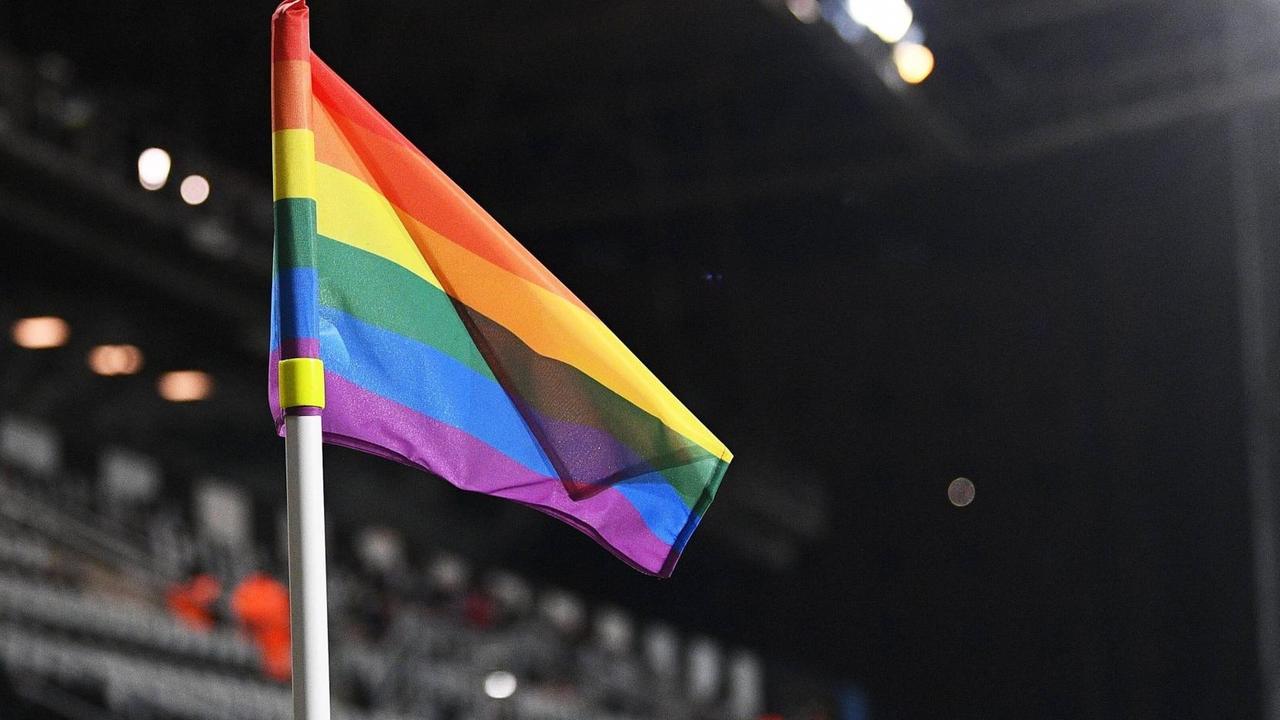
Burkina Faso’s military junta has unanimously passed a law criminalising homosexuality, imposing prison terms of up to five years in what rights groups describe as a major setback for civil liberties.

The legislation, part of sweeping reforms to family and citizenship laws, overturns decades of legal tolerance for same-sex relations. Until the junta seized power following two coups in 2022, homosexuality was not a crime in the West African nation.

The move places Burkina Faso among more than 30 African countries that outlaw same-sex relations. Neighbouring Mali enacted a comparable law in 2024, while Ghana and Uganda have also tightened restrictions in recent years, drawing sharp criticism from global human rights organisations.

Advocates warn the law risks fueling stigma and violence against LGBTQ+ communities already facing marginalisation. Critics say the measure reflects the junta’s growing authoritarianism and its willingness to curtail individual freedoms under the guise of traditional values.

The Price of a Nigerian Passport and the Cost of Being Nigerian

BY Nazeer Baba Abdullahi

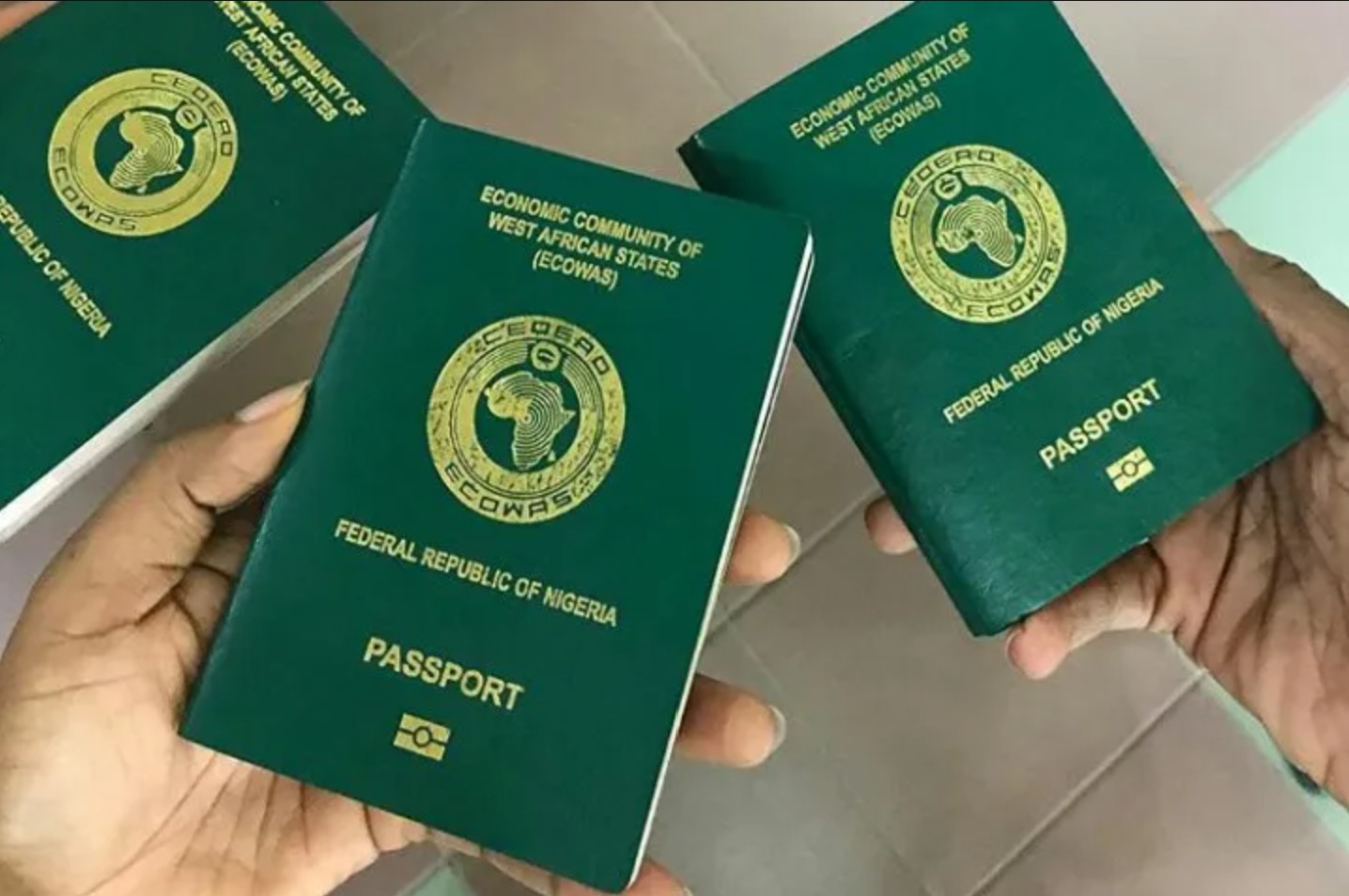
Imagine holding a Nigerian passport, symbolising pride, identity, and opportunity. However, effective September 1, 2025, the fee doubles from ₦50,000 to ₦100,000 for the 32-page version and from ₦200,000 to ₦ 400,000 for the 64-page version. This isn’t just an administrative change; it breaches the social contract.

Converting a basic identity document into an expensive luxury creates a two-tiered citizenship system, penalising ordinary Nigerians and restricting access to opportunities. A passport is a right of citizenship, like the free National ID and voter’s card, not a privilege for the wealthy. Why should a global identity extend to a commodity? 

The typical justification of ‘cost recovery’ is invalid. Essential state services should be subsidised to ensure equal access, not turned into profit centres at the people’s expense. This is especially true amid Nigeria’s economic struggles with inflation, unemployment, and rising costs. The new ₦100,000 passport costs more than the ₦70,000 minimum wage, making it unaffordable for a civil servant’s monthly salary. When a passport exceeds one month’s earnings, citizenship access is effectively priced out. This isn’t governance, but punishment. Officials say the hike maintains quality and integrity, but Nigerians only want access to a valid ID, not luxury features. Raising fees without service improvements monetises desperation. Nigeria ranks 91st globally in terms of passports, highlighting the need to improve its international standing.

The irony becomes even more glaring when compared with the voter’s card. That document is distributed free of charge, delivered to electoral wards, and made as accessible as possible. The reason is simple: it benefits the political elite by ensuring mass participation in elections. The passport, however, offers no direct political benefit. Instead, it empowers citizens to seek opportunity abroad, to level themselves in mobility and access with the very elite who govern them. Empowerment is seen not as a service to the state, but as a threat. Your vote is free because they need you. Your passport is expensive because they fear you. This is not an accident of policy; it is a deliberate strategy of control. It reveals a government more concerned with revenue extraction than with service to its people. 

A recent pattern shows the government increasing passport fees again after the August 2024 hike, indicating a trend of using vital documents for quick revenue rather than rights. Compared to neighbouring countries, Nigeria’s fees are disproportionately high. For example, a 34-page passport costs approximately ₦80,000 in Kenya, equivalent to a minimum wage of ₦ 15,000, and around ₦46,900 in Nigeria, both of which are less than the Nigerian cost. While Kenyans and Ghanaians with minimum wages can obtain passports in days or weeks, Nigerians face fees that exceed their monthly income, creating a severe financial burden.

The Nigerian passport should never be treated as a luxury item. It is a necessity in a globalised world and a symbol of national identity. To price it beyond the reach of ordinary citizens is to betray the very essence of governance, which is service, dignity, and protection of rights. What kind of nation are we building when we put a price tag on our citizens’ ability to seek a better life? What does patriotism mean if leaders measure it not by how they serve the vulnerable but by how much they can extract from them? Proper governance is not about profit; it is about fairness, opportunity, and respect for citizens.

Nazeer Baba Abdullahi wrote via babanazeer29@gmail.com.

NDLEA intercepts over two million pills of Tramadol in Kano, arrests Ghanaian traffickers at Seme border

By Hadiza Abdulkadir

The National Drug Law Enforcement Agency (NDLEA) has intercepted over two million pills of tramadol and arrested multiple suspects in a sweeping operation across Kano, Jigawa, and the Seme border.

In Jigawa, NDLEA operatives acting on intelligence intercepted a Toyota Sienna vehicle along Kano-Ringim road, Gumel town, in the early hours of Wednesday, April 23.

Two suspects, Abba Ibrahim, 28, and Shuaibu Umar, 29, were arrested with 200,000 pills of tramadol and 217,500 capsules of pregabalin. A follow-up operation led to the arrest of the main supplier, Jamilu Muhammad, 41, in Kano. 

An additional 1,584,000 tramadol pills were found hidden in a Nissan bus and his residence, bringing the total haul to 2,001,500 pills.

Meanwhile, at the Seme border in Lagos, three Ghanaian women — Haziza Zubairu, 42; Samirat Mustapha, 43; and Jamila Salifu, 26 — were apprehended on Sunday, April 20, while attempting to smuggle 4.8 kilograms of “Ghana Loud,” a potent cannabis strain, into Nigeria.

In other operations, NDLEA officers uncovered 46 wraps of cocaine concealed in body cream heading to Saudi Arabia, seized drugs destined for Canada, and arrested a 60-year-old woman with 5.6 kilograms of skunk in Kano.

Brig. Gen. Mohamed Buba Marwa (Rtd), Chairman/CEO of NDLEA, praised the successful interdictions and the ongoing nationwide advocacy efforts under the War Against Drug Abuse (WADA) initiative.

Ghanaians reject ruling NPP: A caution for Nigeria’s APC

By Zayyad I. Muhammad

Ghanaians have voted out the ruling New Patriotic Party (NPP) in the presidential election on 7 December 2024. The party’s candidate, Vice President Dr Mahamudu Bawumia, has conceded defeat to former President John Dramani Mahama of the opposition National Democratic Congress (NDC).

The NPP’s downfall is attributed mainly to Ghana’s economic woes. Under its leadership, the country has experienced its worst financial crisis in decades, marked by skyrocketing food prices, rampant unemployment—particularly among the youth—soaring living costs, and an overwhelming debt burden.

Although no party in Ghana has ever won a third consecutive term, many observers and analysts believe the NPP was punished for failing to alleviate citizens’ economic hardship. Despite criticisms of Mahama’s previous tenure—characterised by a weak economy, allegations of corruption, and widespread power outages—Ghanaians have opted for his return. Mahama has promised to chart a new course for the nation – though politicians are like that!

What makes Ghana’s December 7 presidential election particularly striking is that even supporters of the NPP welcomed their party’s defeat. This unusual occurrence reflects the extent of the economic challenges faced by Ghanaians—challenges they claim are unprecedented in recent generations.

Ghana’s presidential election result sends a strong message and serves as an early warning to Nigeria’s ruling All Progressives Congress (APC). For the majority of voters, particularly the masses, what truly matters are tangible results: affordable food, reduced living costs, and economic relief. They care little for figures, statistics, reforms, or long-term projections if their immediate needs remain unmet.

Nigerians today face similar struggles: soaring food prices, escalating petrol costs, and crippling transportation fares. These same issues that brought down Ghana’s NPP threaten to undermine Nigeria’s APC, which is already losing sympathy in its traditional strongholds, especially the North. However, the APC still has time to take stock, address these challenges, and implement meaningful changes.

Ghana’s ruling NPP’s defeat is a stark warning to Nigeria’s APC. When the economy fails, so does the people’s trust. Voters, particularly those struggling to meet their basic needs, will not hesitate to hold governments accountable at the ballot box. 

Rising food prices, high living costs, and unemployment are not just economic indicators—they are everyday realities that define the quality of life for ordinary citizens. If the APC fails to address these pressing challenges and provide visible, immediate solutions, it risks suffering a fate similar to Ghana’s ruling NPP. 

The Ghanaian experience highlights a universal truth: no amount of political rhetoric or long-term promises can outweigh the frustration of citizens whose daily struggles remain unresolved.

Zayyad I. Muhammad writes from Abuja, zaymohd@yahoo.com.

Ghanaian parliament passes controversial anti-LGBTQ bill

By Sabiu Abdullahi

The Ghanaian Parliament has stirred heated debates by approving the Promotion of Proper Human Sexual Rights and Ghanaian Family Values Bill, commonly referred to as the anti-LGBTQ bill.

The bill, spearheaded by Sam Nartey George, Member of Parliament for Ningo-Prampram, aims to criminalize LGBTQ activities and any form of advocacy or funding associated with them. 

Under this new legislation, individuals found engaging in LGBTQ activities could face imprisonment ranging from six months to three years, while supporters or promoters may be sentenced to three to five years behind bars.

The bill’s passage follows years of parliamentary deliberations, marked by both support and opposition. 

Despite calls from civil society groups, including Professor Audrey Gadzekpo, the Board Chair of the Ghana Centre for Democratic Development, urging President Nana Akufo-Addo to reject the bill, Parliament forged ahead with its approval.

Takyiwaa Manuh, a senior fellow at the Ghana Centre for Democratic Development, expressed dismay over the bill’s passage, citing concerns about its compatibility with Ghana’s constitution and democratic principles. 

Manuh noted the potential negative repercussions of the bill on various sectors of society, urging President Akufo-Addo to uphold the nation’s values and constitution.

However, the bill now awaits the president’s approval, with its fate uncertain. 

This move by the Ghanaian Parliament mirrors similar controversial legislation enacted in Uganda in May 2023, where strict anti-LGBT laws, including severe penalties such as the death penalty for certain homosexual acts, were implemented.

Court sentences 9 Ghanaians to 72 years imprisonment  for smuggling cannabis into Nigeria

By Uzair Adam Imam

Nine Ghanaians were reportedly nabbed by National Drug Law Enforcement Agency (NDLE) for attempting to smuggle 10,843.95kgs of cannabis into Nigeria. 

Justice Akintayo Aluko of the Federal High Court, Lagos, while delivering his ruling in the matter, convicted the Ghanaians of conspiracy and dealing in cannabis.

The Ghanaians attempted to smuggle the cannabis through the sea and were sentenced to 72 years imprisonment.

Several reports indicated that they were initially arrested by men of the Civil Defence Corps and transferred to NDLEA for further investigation and prosecution. 

The Daily Reality discovered that after the investigation, they were arraigned in charge number FHC/L/292C/2021.

The convicts include; Victor Wuddah, Freeman Gazul, Adotete Joseph, Sottie Moses, Sottie Stephen, Christian Tette, Kanu Okonipa, Daniel Koyepti, and Kanu Natte.