Gabon

Brice Oligui Nguema elected president of Gabon in landmark post-coup election

By Muhammad Abubakar

Brice Clotaire Oligui Nguema has been elected president of Gabon, securing more than 90% of the vote in the country’s first election since the 2023 military coup that brought him to power.

General Oligui Nguema, who led the ousting of longtime leader Ali Bongo Ondimba in August 2023, had been serving as transitional president. His victory marks a significant milestone in Gabon’s political transition following the end of the Bongo family’s 56-year rule.

The provisional results, announced by electoral authorities, indicate overwhelming support for Oligui Nguema, though opposition figures have raised concerns about the fairness of the process.

The election is seen as a pivotal moment for the central African nation as it seeks to restore democratic governance and stability.

Brice Oligui Nguema poised to win Gabon election after coup

By Hadiza Abdulkadir

Gabonese voters head to the polls Saturday in a pivotal election expected to cement army officer Brice Clotaire Oligui Nguema’s grip on power. Nguema, who led a coup last year ousting long-time ruler Ali Bongo, is widely popular for ending the Bongo family’s decades-long rule.

Unlike many juntas across Africa, Nguema has allowed relatively free elections and avoided harsh crackdowns. However, concerns remain about his democratic intentions.

A new constitution passed in November boosts presidential powers, and Nguema—though promising to step down from the military—has yet to do so formally.

International observers are watching closely, hoping Gabon can buck the trend of prolonged military rule seen in parts of West and Central Africa.

The outcome of this election may shape the country’s democratic future and signal whether Nguema intends to truly hand power back to civilians.

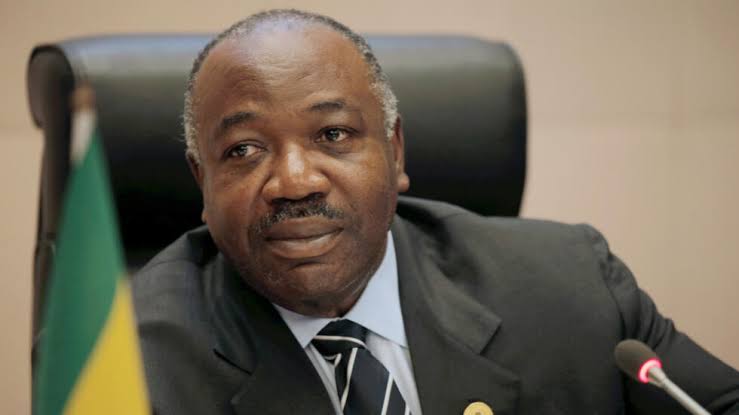
Gabon’s political turmoil continues: President Bongo grapples with coup fallout 

By Muhammadu Sabiu 

In the aftermath of the recent coup attempt in Gabon, President Alain Bernard Bongo finds himself at the centre of a political storm that has shaken the nation. 

Born in neighbouring Congo-Brazzaville in February 1959, Bongo’s journey from a one-time funk singer to the head of a longstanding political dynasty has been one of both fascination and controversy. 

Stepping into his father’s shoes to continue a family legacy that spanned over 50 years, President Bongo has been a figure of polarising opinion. 

Some see him as a spoilt playboy prince who views ruling the oil-rich country as his birthright. However, others regard him as a reformer who has made efforts to diversify Gabon’s economy. 

He was initially voted into power democratically by the masses, a testament to his perceived commitment to change. 

Despite his tenure, President Bongo’s legitimacy has consistently been under scrutiny from political opponents. Allegations of fraud marred his 2016 election victory, casting a shadow on his presidency.

Calls for his resignation gained traction following a period of ill health in 2018, which culminated in a failed coup attempt. This event highlighted the fragility of his leadership and exposed divisions within the country. 

As the nation grapples with the aftermath of the recent coup, questions about President Bongo’s ability to maintain control and foster stability continue to surface. 

The unfolding events have once again ignited debates about his governance style and the true nature of his rule.

With opposition forces emboldened and citizens expressing varying degrees of dissatisfaction, Gabon stands at a crossroads where its future hangs in the balance under the leadership of President Bongo.