Cost of living

Nigeria’s porn ban: A distraction from real issues

By Abdulhamid Abdullahi Aliyu

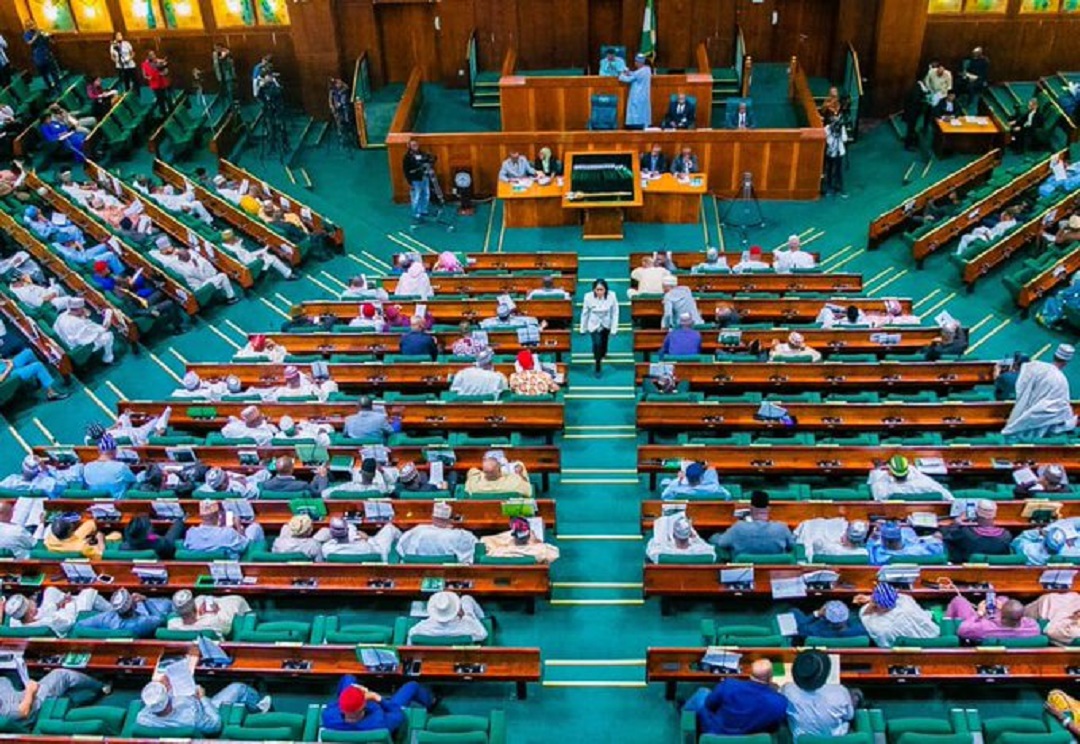
The Nigerian House of Representatives has directed the Nigerian Communications Commission (NCC) to block all pornography websites, arguing that adult content is fueling moral decay in the country.

Lawmakers behind the move claim it is necessary to protect societal values, but many Nigerians are asking: With all the pressing challenges facing the nation, is this the priority?

At a time when the cost of living is unbearable, insecurity is rampant, and unemployment continues to frustrate millions, banning pornography feels like a classic case of misplaced focus.

There is no doubt that pornography is a controversial topic, especially in a country as religious and conservative as Nigeria. Many believe it is a moral threat, linking it to addiction, broken homes, and declining values among the youth. But is an outright ban the solution?

If the government is genuinely concerned about morality, should it not focus on improving education, strengthening family values, and addressing the root causes of social vices? What about the rising cases of drug abuse, internet fraud, and sexual exploitation—issues that demand urgent action?

It is often easier for politicians to push symbolic laws than to tackle society’s deeper problems. But morality cannot be legislated; it is shaped by economic stability, good governance, and proper education.

Even if we assume the government is serious about this ban, another question arises: Can it actually be enforced? Countries like India, Indonesia, and China have attempted similar restrictions, only for people to bypass them with VPNs and other simple workarounds.

Nigeria, with its millions of tech-savvy youths, will be no different. At best, this ban will be a temporary roadblock; at worst, it will push the industry underground, making regulation even more difficult.

What is most concerning is the potential for this move to set a dangerous precedent for internet censorship in Nigeria. Today, it is pornography. Tomorrow, it could be news websites, social media platforms, or even political activism.

If the government can dictate what people access online, what stops it from controlling other forms of content? Where does it end?

Beyond the moral and censorship debates, an outright ban could also have unintended economic consequences. Nigeria’s creative and tech industries thrive on the internet’s openness.

Restrictions like this could discourage investment in the digital space. Besides, history has shown that banning something does not eliminate demand—it simply drives it underground.

This move may just create a bigger mess instead of solving anything. If the real concern is protecting children and upholding values, there are smarter ways to achieve this.

Many developed countries regulate adult content through strict age verification, parental control mechanisms, and public awareness campaigns. A more effective approach would involve educating young people about digital responsibility, empowering parents with monitoring tools, and addressing the economic and social conditions that contribute to moral decline.

With the economy in crisis, insecurity worsening, and corruption still unchecked, is banning pornography really what Nigerians need right now?

This is not to suggest that pornography is beneficial or free of consequences. However, governance revolves around priorities. A country that is struggling to feed its people should not waste energy on internet policing.

Nigeria’s progress will not depend on what it bans but rather on how effectively it addresses the fundamental issues that hold it back.

And unfortunately, a porn ban does nothing to fix them.

Abdulhamid Abdullahi Aliyu, an NYSC serving corps member, writes from the Center for Crisis Communication (CCC) in Abuja. 

7.5% VAT rate remains — FG

By Anwar Usman

Mr. Wale Edun, the Minister of Finance and Coordinating Minister of the Economy, has debunked reports suggesting an increase in the Value-Added Tax rate from 7.5 percent to 10 percent.

In a statement signed by him on Monday, Edun clarified that the VAT rate remains unchanged at 7.5 percent, as stipulated in the nation’s tax laws.

Edun reiterated that “the current VAT rate is 7.5%, and this is what the government charges on a spectrum of goods and services to which the tax is applicable. Therefore, neither the Federal Government nor any of its agencies will act contrary to what the laws stipulate.”

He further explained the importance of maintaining a balanced tax system, emphasizing that Nigeria’s tax framework is built on three key pillars: tax policy, tax laws, and tax administration.

While addressing concerns over government actions perceived as anti-human, Edun reassured Nigerians that fiscal policies are designed to promote sustainable economic growth and alleviate poverty, not to hinder them.

The Minister also stated, “Our focus as a government is to use fiscal policy in a manner that promotes and enhances strong and sustainable economic growth, reduces poverty, and makes businesses flourish.”

Economy, education and the future of Nigerian students

By Abubakar Idris

From the beginning of February 2024, there has hardly been a Nigerian daily without a headline about the country’s economic hardship. For example, on Tuesday, 6th February 2024, Premium Times Nigeria reported a ‘protest over economic hardship in Minna – the capital city of Niger State’. Tribute Online, among other news agencies, also reported similar cases with traders in Kogi State and elsewhere. In such a precarious economic climate, no doubt, any additional financial strain is nothing short of a burden.

The cost of living in Nigeria is just too high. It is increasing as the country battles double-digit inflation and multidimensional poverty among most citizens and ranks with the highest unemployment rate. Whether the talk is about the ultra-expensive medication and foodstuff we couldn’t do without buying, or the non-subsidized petroleum and electricity products and services we must patronise, or any other inflated resources of necessity [take out luxury], it is clear that the income from work of an average Nigerian is not close to been enough to scale them out of Maslow’s first stage of Need Hierarchy! From Adamawa to Kebbi, Borno to Lagos, Katsina to Bayelsa, and Sokoto to Akwa Ibom, the distinction in our sociocultural variables exerts little difference on the state of suffering. Everywhere, the story is just the same.

By the look of things, the next generation of Nigerians, one hopes not, will be left with two very difficult options: either ‘not schooling’ or ‘getting education only outside their own country’. This assumption is based on the premise that education in this part of the world is at high speed on its way to its grave. At the same time, relevant stakeholders, especially the government, seem to be walking on a turtle’s back in their effort to reverse the disaster. 

As much as this line of thinking sounds pessimistic, it is the only reality one can grasp. In all honesty, any variation from this understanding is, or at least could be taken for, vague. This is because the conclusion is born out of an in-depth analysis of the current situation in which the country found itself.

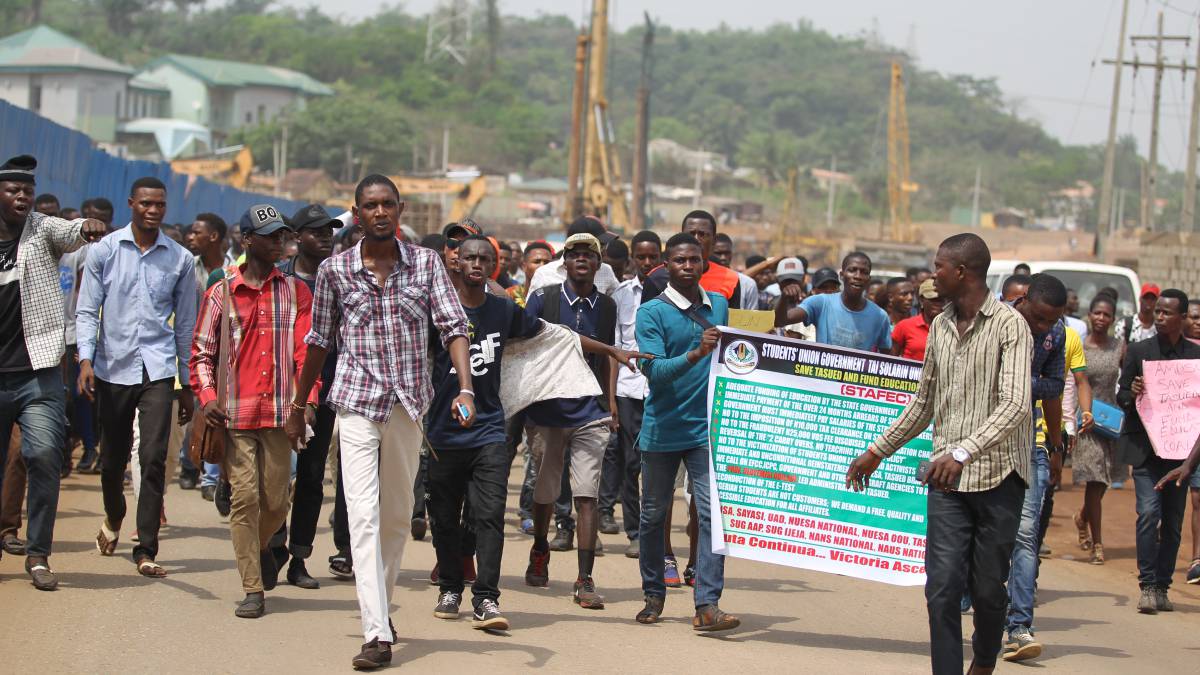
While the Senate summoned ‘economic team’ over the worsening economic situation, as was made known to the general public on Wednesday, 7th February 2024, Punch Newspaper quoted the National Association of Nigerian Students (NANS) as lamenting about “rising inflation and economic hardship” on the same day. It’s a talk about a for-long burning fire in the backyard. Namely, an increase in tuition fees in tertiary institutions. Calling it by its name, it’s a time bomb – one more wrong move and all the huts are burnt down! 

After all, this is not the first time the said students’ union has been crying over the worsening Nigerian condition, engaging the nation’s leadership, holding it accountable, and insisting on doing the right thing – particularly regarding their education. The students are too familiar with the terrain to help others navigate it. 

On different occasions since early last year, when universities started increasing their tuition fee by at least 200% in the University of Maiduguri and even up to 300% in Ambrose Alli University, Ekpoma, Edo State, NANS and other social activists such as Femi Falana (SAN) keep urging the federal government to reverse the hikes. All in vain! To date, only a few universities have not been affected by such increases. I have since saved my heart by refusing to learn about the number of students who dropped out because of the hikes.

Worth noting is that, for parents, education has always been a top priority. They sacrifice and scrimp to ensure their children receive the best possible education, often compromising and forgoing their own needs. However, the recent spike in school fees has turned this daunting task into an uphill battle. Education is supposed to be the great equaliser, offering every person a chance to succeed regardless of their background. However, this fundamental principle is being undermined by excessive school fees. Education is fast becoming a privilege reserved only for the affluent while the less fortunate struggle to keep up.

Four (4) months ago, nationwide research by the Leadership Newspaper showed a “concern that university education may soon be out of reach of the children of ordinary Nigerians [the concern of which] was prompted by the [hitherto] recent pronouncement by the minister of education, Professor Tahir Mamman, that the federal government will grant full financial autonomy to public universities.” Or, in simpler terms, the government will stop sponsoring the education entities.

Whatever the reasons the universities and government hold for the tuition fee increase, it needs no saying: the timing couldn’t be more inappropriate. At a time when parents are already stretched to their limits financially, the additional burden is pushing many families to the brink of financial ruin. Some parents are forced to make agonising decisions –between paying school fees or putting food on the table, between investing in their children’s future or simply making ends meet.

Moreover, experts believe that the impact of rising school fees extends far beyond the financial realm. It creates a sense of insecurity and uncertainty among students, affecting their ability to focus on their studies and excel academically. It also perpetuates inequality, widening the gap between the haves and the have-nots and depriving countless children of the opportunity to realise their full potential.

In light of these challenges, action must be taken to address the issue of rising school fees – with reversing the recent changes being the most important. Take the so-called ‘Students Loan Act’ out of the equation for a while; government interventions such as subsidies or financial assistance programs are urgently necessary to help alleviate the financial burden on parents and ensure that education remains accessible to all. 

Educational institutions also have a role to play by implementing transparent fee structures and exploring alternative funding sources. In case they become autonomous, let there be partnerships between them and the private sector.

Finally, stakeholders at all levels ought to prioritise education and take decisive steps to mitigate the impact of rising school fees. The country’s future depends on it, and we cannot afford to let financial barriers hinder our dreams and aspirations. It’s time to ensure that education remains a beacon of hope and opportunity for every Nigerian, regardless of economic circumstances. Until something is done, the protests witnessed in many institutions from the southern part of the country could translate to a security challenge that promises to consume a great pool of the nation’s young talents. Allah Ya kiyaye!

Abubakar Idris “Misau” is a graduate Forestry and Wildlife from University of Maiduguri. He writes from Yola, Nigeria, and can be reached via mail at abubakaridrismisau@gmail.com.

Nigerian university reduces number of workdays for staff due to ‘exorbitant’ cost of petrol

By Muhammadu Sabiu

The management of the University of Ibadan has approved the reduction of the number of workdays for staff from five to three.

According to a statement by the institution’s registrar, G.O. Saliu, the decision was taken due to the skyrocketing costs of fuel.

“The generality of Nigerians have experienced enormous economic difficulties as a result of the astronomical increase in the pump price caused by the removal of subsidy by the Federal Government,” the statement reads.

“Salary earners who have to commute to work every working day are faced with an aggravation of the condition, given the attendant hike in the transport fare and cost of living.

“After careful consideration of the situation, the University Management recommended a temporary work schedule adjustment for members of staff, which Senate at its meeting of Thursday, 03 August 2023 considered and approved.

“Accordingly, members of staff are now expected to work on-site for three (3) days in rotation per week, with effect from Monday, 14 August 2073. “It should, however, be noted that those on essential duties are exempted from this adjustment.

“It should be further noted that Management will review the arrangement as the situation improves. Meanwhile, members of staff are to maintain commitment, open communication, and cooperation towards ensuring free workflow, including working from home where and when necessary.

“In light of the foregoing, management seeks the understanding of all Deans, Directors, Heads of Departments and Units towards a smooth implementation of the intervention,” the statement added.