By Zayd Ibn Isah
One of the obstacles to recognizing chronic mistreatment in relationships is that most abusive men simply don’t seem like abusers. – Lundy Bancroft.
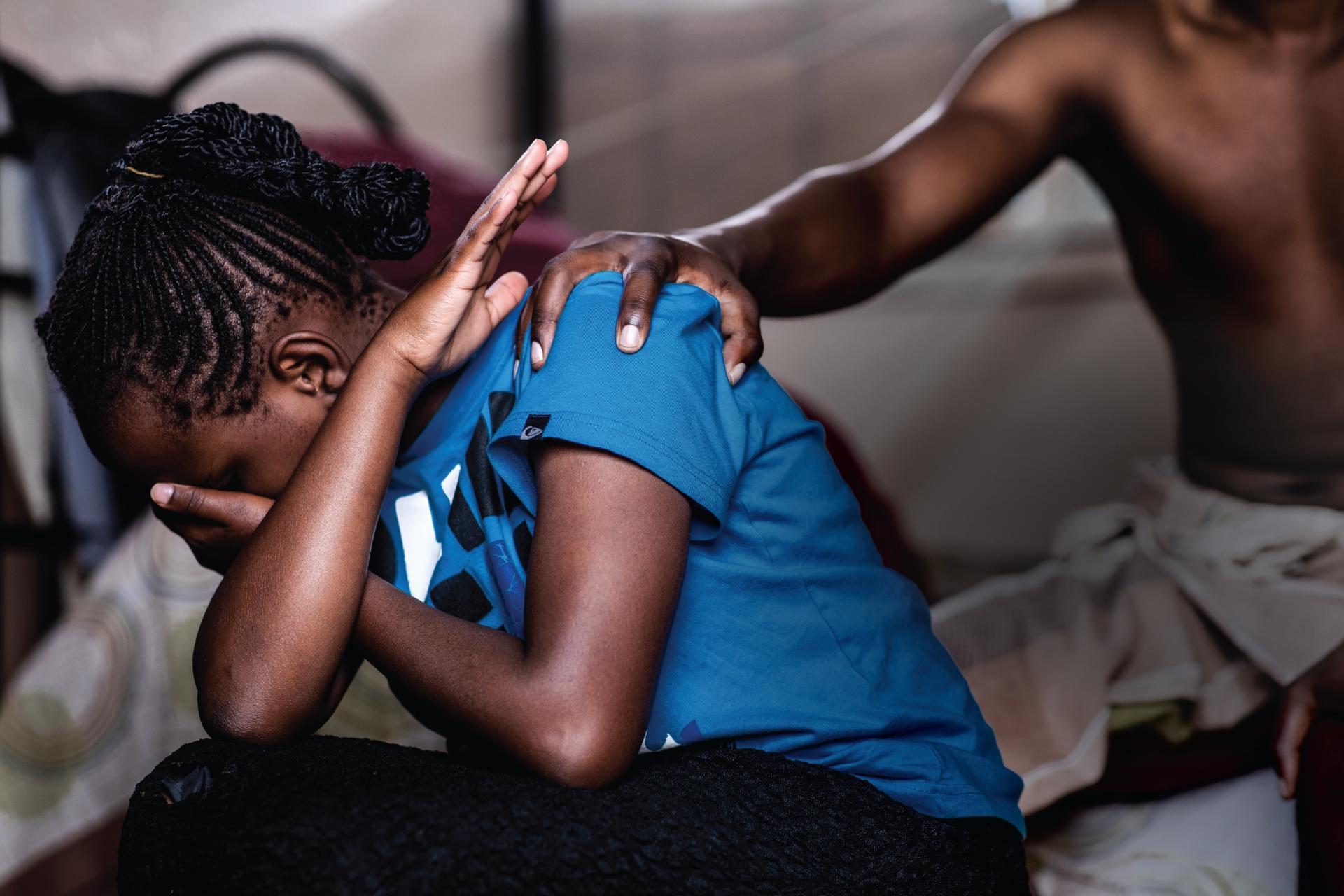
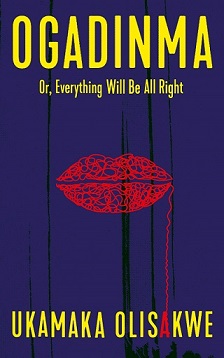
I have read many books this year, but none proved to be as poignant and challenging as Ukamaka Olisakwe’s Ogadinma. Ogadinma is loosely translated in Igbo as “Everything Will Be Alright.” The novel’s gripping story revolves around sexual molestation, domestic violence, unwanted pregnancy, torture, deprivation and emotional manipulation. It was set in the 80s during the military coups and dictatorial repression era. Against this significant backdrop of national history, Olisakwe deftly explores themes connected to the disintegration of familial bonds.
Ogadinma is a young and impressionable girl whose dream of acquiring a university degree is truncated by one Barrister Chima. Ogadinma’s father sends her to Barrister Chima’s office to help secure her admission into the University of Nigeria, Nsukka. However, the dishonourable lawyer takes advantage of the situation and has forceful sexual intercourse with the girl.
Consequently, Ogadinma gets pregnant. Fearful of her father’s reaction, she decides to terminate the pregnancy with contraceptives. When the father becomes apprehensive after his only daughter falls ill, he takes her to the hospital for treatment. However, he is pretty disappointed after the doctor carries out tests that reveal Ogadinma had done an abortion. The old man proceeds to punish Ogadinma severely before sending her packing from his home to Lagos.
In Lagos, Ogadinma has to live with her aunt and is then pressured into a marriage with Tobe. Tobe is a wealthy contractor, but his fortunes falter following his arrest by the new military government for contract fraud. As a result, Tobe has almost everything taken from him, and even his house has to be sold to facilitate his release from prison.
Out of prison, Tobe becomes a different man, a beastly drunkard. His once-loving wife becomes his favourite punch bag. Fed up with his abusive behaviour, Ogadinma runs away to her father’s place in Kano to take refuge. But the father, who is supposed to be her shield against sexual and domestic violence, sends her back to her husband. And just like that, the circle of abuse continues. Her good friend—Ejiro, warns her of the consequences of staying in an abusive marriage, especially after her sister, who tried to endure it, eventually paid with her life.
Whenever Ogadinma complains to her aunt about her husband’s abusive behaviour, she (the aunt) would always attribute it to the man’s travails and misfortunes. The aunt also advises Ogadinma to endure until the husband regains his fortunes. Ogadinma heeds this advice and takes everything in stride, patiently waiting for better times. But even when she gets pregnant, her husband continues to abuse her.
On the other hand, Tobe ventures into several businesses but fails in each turn without a significant change to his pathetic story. Things become considerably worse after a pastor accuses Ogadinma of orchestrating her husband’s misfortunes. Ogadinma is left at the mercy of this pastor for deliverance, only to still go through another round of sexual abuse.
At this point, Ogadinma musters the courage to run away from her husband’s house. She also leaves her baby in the care of Tobe and the house help. Unable to endure any form of abuse again, Ogadinma seeks solace at the house of a relative, her Aunty Okwy. Ogadinma refuses her aunt’s advice to return to her husband, even when she knows her father will not take her in. Finally, she goes back to her friend Ejiro’s house in Lagos. There, she is warmly welcomed and free to live the life she deserves afterwards.
Nowadays, we live in a society where men increasingly arrogantly take advantage of their status and privileges. Men like Barrister Chima are why young girls have become sexual prey in our tertiary institutions and workplaces. Parents who condone spousal abuse on their children also make the war against domestic violence difficult to win or even sustain. This is particularly prevalent among parents who depend upon their in-laws for sustenance. They allow their daughters to die slowly in abusive marriages because of money. It is hard to bite the hand that feeds you.
There are a plethora of cases where women receive the beating of their lives for even daring to confront their cheating husbands. We have come to lower the moral bar so that adultery is not considered taboo for men as it is for women. There is something fundamentally wrong with this. It is utterly wrong on so many levels, especially when the religiosity of our society should translate to a stronger collective sense of morality. Instead, our society and culture continue to thrive on entrenched abuse: leaders abuse their powers over the masses; men abuse the women they should love; women abuse domestic staff and children. We need to weaken this cycle of abuse. We need to stop it soon! We cannot just wait until things worsen or fall apart beyond redemption.
The first step towards tackling domestic violence is via urging victims to leave abusive marriages and seek redress in court. However, this can only work if there are heavy consequences in the form of legal punishments for the actions of abusive husbands. Parents should also stop forcing their daughters to stay with abusive husbands.
There should also be massive reforms in our criminal justice system to ensure the effectiveness of the law against domestic violence and sexual abuse. And lastly, we should always encourage victims, especially women, to speak up, to be bold enough to tell their stories with truth and without fear, just like Ogadinma.
Zayd Ibn Isah is an Officer, a law graduate and a creative writer. He is also the author of We Are All Guilty, his first fictional work. Email: lawcadet1@gmail.com.