Celebrity

Celebrity status and its impact on the millennials

By Al-Jannat Mohammed

The distinction between one’s private and public life is becoming more and more hazy in a time when social media dominates. Celebrities, who were formerly admired for their abilities and accomplishments, now have to navigate a world in which the public is interested in every aspect of their lives.

The younger generation has been influenced by this culture of perpetual exposure, as they readily divulge personal information online, undermining the idea of privacy. The story of Nigerian actor, Yul Edochi, and his second wife is a compelling illustration of this phenomena, and offers a prism through which to consider the effects of this invasion of privacy.

Without a doubt, the emergence of social media has completely changed how people communicate, making it possible to share information instantly with anyone on the planet. The loss of personal boundaries that results from people voluntarily disclosing their private lives to the world is the drawback, though.

Because they are in the public glare, celebrities have been hardest hit by this cultural change. For example, Yul Edochi’s second marriage turned into a social media show, with every detail of their union, family dynamics, and personal hardships visible to everybody with an internet connection.

Beyond just celebrities, this tendency affects the younger generation as well, who have grown up in a time of continual communication. Many people reveal personal information about themselves online because they want to be validated and accepted by others.

The younger generation frequently compromises privacy in the chase of likes, comments and virtual acceptance, whether it be for relationship milestones or personal struggles. This raises questions about how such behaviour may affect people’s general well-being, self-esteem and mental health in the long run.

Although the loss of privacy is a complicated problem with wide-ranging effects on the society, there may be ways to lessen its effects. Above all, it is critical to teach the next generation the value of establishing and upholding limits. Giving people the skills to decide what parts of their lives are best kept private helps them feel more in charge of their own story.

Prioritising digital literacy education is important, with a focus on the lasting nature of online content and the possible repercussions of excessive sharing.

Social media sites can also be extremely important in encouraging responsible sharing. Pop-up reminders and privacy checklists are two examples of features that can be implemented to encourage users to reconsider sharing sensitive information and prevent impulsive sharing.

Platforms should also make investments in strong privacy settings so that users may decide who can see their content. Encouraging social media usage in a way that is balanced and respects one’s personal limits sends a strong message about how important privacy protection is.

In the end, the degradation of privacy in the era of celebrity culture is a complex problem that calls for cooperation from people, organisations, and digital platforms. Fostering a healthier connection with the digital world requires finding a balance between the advantages of connectedness and the maintenance of personal boundaries.

We may endeavour to create a culture that values and respects privacy in an increasingly connected world by embracing responsible sharing behaviours, encouraging digital literacy, and setting positive examples.

Al-Janat Mohammed is an NYSC corps member with PRNigeria in Abuja
Celebrities’ body trends and toxic influence on youths 

By Al-Janat Firdous Mohammed

In the dynamic world of media and entertainment, the definition of an ideal physique has continuously developed, creating and redefining societal beauty standards. 

Like many other countries, Nigeria has seen an increase in body trends among celebrities, which significantly impact their audience, particularly impressionable youth. 

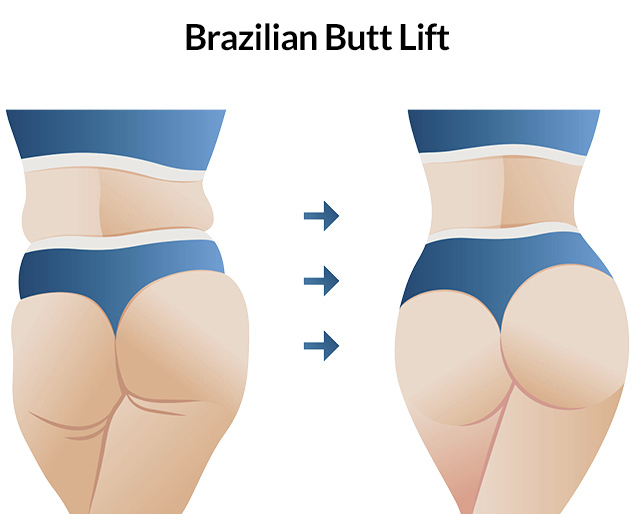
From Brazilian Butt Lifts (BBL) to facelifts and Botox treatments, the pursuit of a specific look has become a dominant influence. The early 2000s saw a boom in the global fad of becoming ultra-skinny, with many celebrities striving for a waif-like appearance. 

However, in recent years, a paradigm shift has happened, with curvier silhouettes becoming the new ideal of beauty. BBLs have become highly fashionable, with celebrities publicly discussing and even getting these procedures to improve their curves.

Facelifts and Botox treatments have also become popular as people seek to combat the natural ageing process. The media’s portrayal of faultless celebrities frequently adds to false beauty goals, which may lead fans and adolescents to explore comparable operations.

Celebrities play an important role in moulding society’s norms, and their physical modifications can significantly impact their fan base, particularly the youth. The pressure to conform to these ideals can have a harmful influence on self-esteem and physical appearance. 

Many young people may feel compelled to change their bodies to fit in or meet the perceived standards of their idols. For example, the rise of social media has led to celebrities displaying their nearly ideal bodies, creating the illusion that these standards are attainable and desired. 

This can exacerbate fans’ vulnerabilities, creating a culture in which bodily changes are viewed as a way to earn acceptance and validation. How can we prevent our youths from succumbing to ‘fake’ beauty standards?

One, promoting body positivity and acceptance is critical for demolishing false beauty standards. Celebrities who advocate for accepting one’s natural body, warts and all, can be strong role models.

Second, educating young people about the manipulative nature of media images and the frequency of picture editing can help them develop a critical mindset. Understanding that the images portrayed may not reflect reality can help mitigate the media effect.

Equally, creating an environment where mental health discussions are normalised is critical. Young people who are dealing with their body image should have access to support networks, such as counselling services or community groups.

Several Nigerian celebrities have spoken out against unrealistic body ideals, serving as constructive role models for the kids. Actress Adesua Etomi-Wellington, for example, promotes self-love and frequently uploads unfiltered photographs to demonstrate sincerity. 

Similarly, media star Tolu Oniru-Demuren, commonly known as Toolz, has been outspoken about embracing her curves, challenging the concept that only certain body types are attractive. As body trends in Nigerian media emerge, it is critical to recognise the potential harm they might cause to the impressionable minds of young people. 

By developing a culture of body positivity, increasing media literacy, and offering mental health care, we can help young people resist the temptations of conforming to unattainable beauty standards. Positive role models in the celebrity world can significantly influence cultural attitudes regarding body image, fostering a healthier and more accepting mindset for future generations.

Al-Janat Firdous Mohammed is an NYSC member serving with PRNigeria.

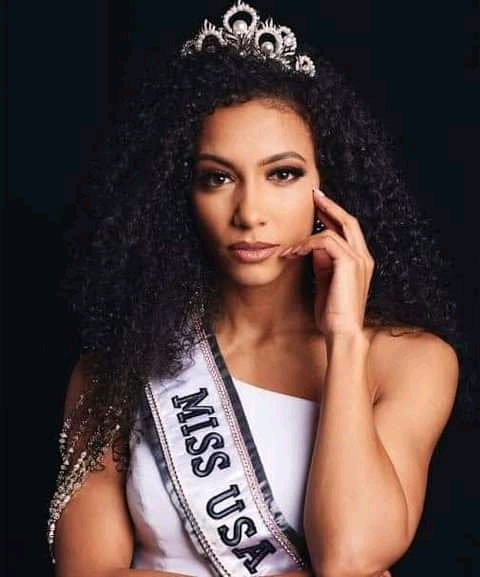
Miss USA 2019 commits suicide

By Ahmad Deedat Zakari

Miss USA 2019, Cheslie Kryst commits suicide. Law -enforcement sources told reporters that the woman who leaped to her death in New York on Sunday, January, 30, is the beauty peagant, Cheslie Kryst.

Just hours before her death, she wrote on her verified Instagram, “May this day bring you rest and peace.”

Her family confirmed her passing in a statement.

“In devastation and great sorrow, we share the passing of our beloved Cheslie. Her great light was one that indpired others around the world with her beauty and strength.”

“Cheslie embodied love and served others through her work as an attorney fighting for social justice, as Miss USA and as a host on EXTRA. But most importantly, as a daughter, sister, friend, mentor and colleague – we know her impact will live on,” Her family wrote.