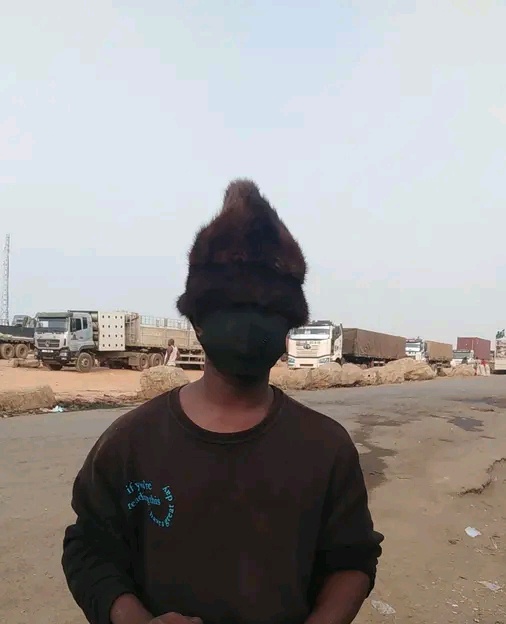
Kano indigene’s “Japa” dream turns nightmare: Sulaiman’s Algerian ordeal
By Kamal Alkasim
It began with hope. Like many young Nigerians chasing a better life, Sulaiman Abubakar left Kano with dreams of greener pastures. But four years after crossing into Algeria illegally, his journey has become a nightmare — one of arrest, detention, and silence that has left his loved ones pleading for help.
Sulaiman Muhammad, a native of Kano, fled his hometown’s rising cost of living and crossed into Algeria illegally. After four years abroad, he was arrested and has been detained there for more than four months.
In an interview with The Daily Reality, his fiancée Khadija Abubakar, 20, shared the untold story:
“I met him before he left for Algeria. The hardship at home forced him to go. We lost touch for a long time,” she said.
“When we reconnected, he sent ₦1 million to my family so my parents could buy marriage materials (Lefe) and prepare our wedding. A month later, back in Kano, he returned to his business, and I haven’t heard his voice since.”
Her words, spoken with sorrow, highlight the human cost of irregular migration.
His Kindness and Impact on My Life
“He is generous and very good to me. If I marry him, I know he will be a supportive partner. He sent me money as capital to grow my business, and in every situation he has never failed to support me. He always told me that if he had enough capital, he would return to Kano, start his own business, and stay home rather than travel again. Missing him is a great loss to me.”
“After he went missing, I contacted his boss on WhatsApp. We spoke, and he told me to stay calm and promised to do his best to rescue him. He thought the police might have arrested him. We talk every day, but the story remains the same. I don’t know what to do.”
A Mother’s Plea
Sulaiman’s mother, Aishatu Abubakar, who asked not to be photographed, shared her anguish: “My son is one in a million. He’s obedient. If I lose him, they will finish me. He always takes on my responsibilities. The whole family is proud of him. He promised to finish building my home. This tragedy ends that hope for me. But in my body, I feel my son will escape soon.”
Final Call for Help
“I called on people who can help me to rescue him,” Khadija said. His mother, Aisha Abubakar, added, “I call on anyone who can do anything to help us. We are ready to join hands.”
What Algerian law says about illegal immigration
Algeria’s main rule for people who enter the country without a visa or proper documents is set out in Law No. 08-11 of 25 June 2008 on the conditions of entry, residence and movement of foreign nationals. The law makes “illegal entry” a punishable offence, and once caught, migrants can be detained, fined, and then deported.
In practice, authorities often place undocumented migrants in administrative detention centres while arranging removals, and they may also issue re-entry bans. Human rights bodies have repeatedly urged Algeria to decriminalise irregular migration and to use detention only as a last resort, but the 2008 law remains the legal basis for treating unauthorised entry as a criminal matter.
