



Parenting: A call for a re-examination
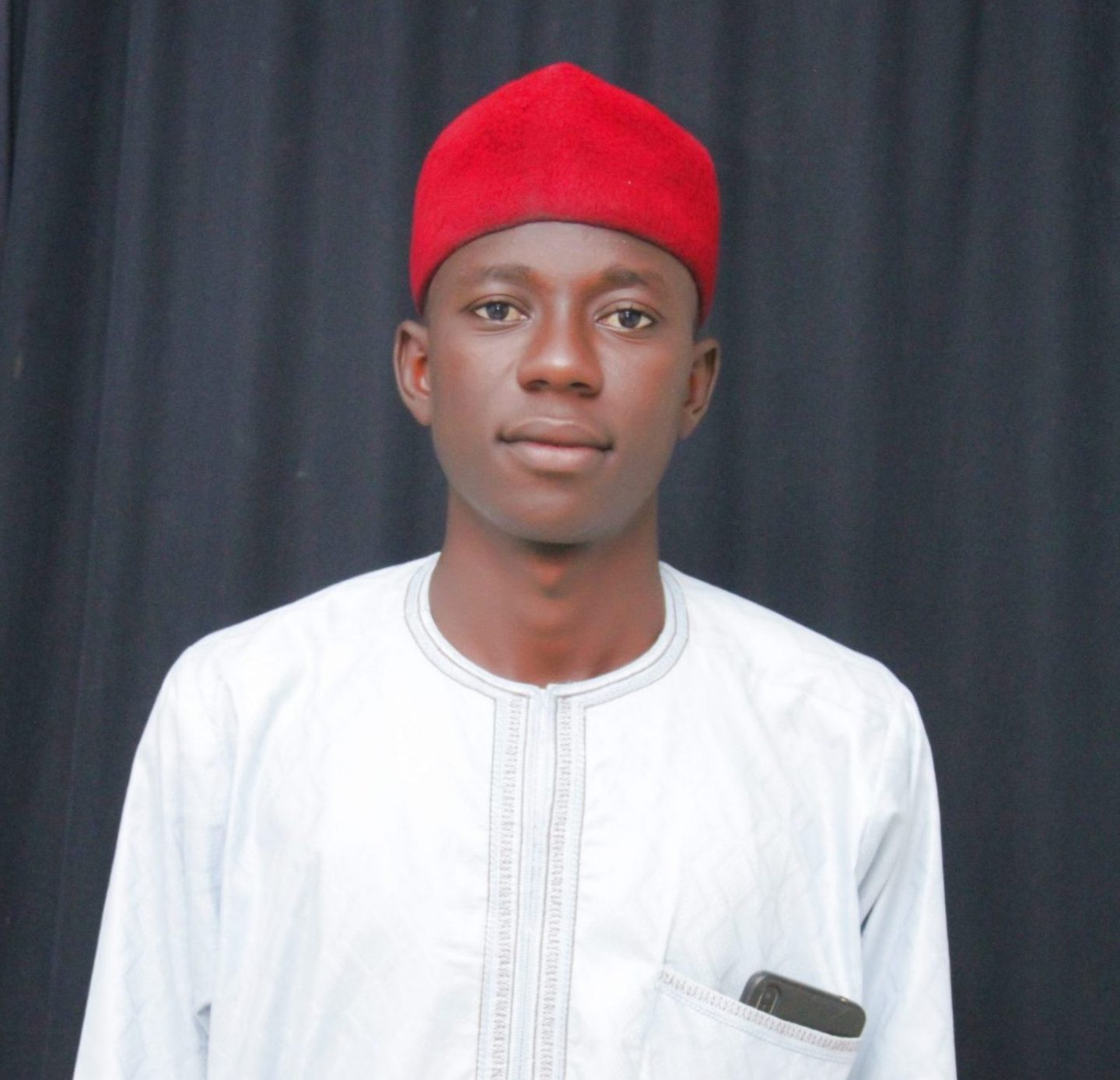
By Mallam Musbahu Magayaki
In the past, when a child reached the first stage of school enrolment that was provisionally five to six years old, wrong perceptions were instilled in his mind that he could be a breadwinner for his family when obtaining educational qualifications. Instead of, at the same time, being fully furnished with the positive impact of skill acquisition. So that if he, unfortunately, doesn’t get a white-collar job after graduation from school, he may situationally turn to the other side to become self-reliant and driven by self-buoyancy.
Nowadays, parents’ failure to engage their children in varied forms of skill acquisition training is seemingly revealing and mulling over the alarming rate of crimes being perpetrated in the country, which could be attributed to unemployment as the majority of the countrymen didn’t learn any skills or hold reliable small-scale businesses rather than depending on educational qualifications which do not guarantee one’s life success.
This mistaken belief has to be timely and utterly changed by exposing their children to various productive and creative skills that can help them meet their needs after learning the skills professionally. However, relying heavily on the government, specifically the Nigerian government, jobs as a source of income is a huge mistake that yields nothing but disappointment!
Let us learn from developed countries such as China, South Korea, and Malaysian citizens who have become productive due to engaging their youth in various aspects of skill training schemes with the support of their serious governments. And they successfully channelled them further to where they are now in terms of development.
In a nutshell, I urge Nigerian governments at all levels to replicate China’s Green Business Option (GBO) at both secondary and tertiary levels, which can feasibly pave the way for their products to acquire skills to develop themselves by becoming self-reliant even if they fail to be employed by the government and other related agencies.
Mallam Musbahu Magayaki writes from Sabon Fegi, Azare, via musbahumuhammad258@gmail.com.

Fighting illicit drugs: YADAF is doing the right thing
By Lawi Auwal Yusuf
Drug addiction suffers a death blow occasioned by the outstanding performance put up by the Youth Against Drug Abuse Foundation (YADAF). It is sure that this name now rings a bell in the Nigerian anti-drug crusade by breaking new ground and marking a turning point without historical precedent. Moreover, it has distinguished itself as the leading figure among its peer NGOs.
This voluntary organization was first set up in Lagos in 2017 and in Kano in 2019. It is propelled by its leading force Hajiya Fatima Bature Jikan-Danuwa, its founder and CEO. This great heroine dedicated her life, wealth and everything in her arsenal to realize her dearest wish of extirpating drug abuse. This real gem has an old hand in this national service and carried off multiple awards coupled with eulogies from different quarters.
YADAF is always motivated by its firm conviction that our youth means everything to us. They are the firmament upon which the development of society rest and its future custodians. This makes the team have a penchant for empowering the young to become enterprising, industrious and productive. They derive pleasure from this community service and are always in high spirits to improve the youngsters’ lives. They are so ecstatic to see them living a good everyday life.
It depresses us to see our lads doing drugs, which consequently deals a blow to our society. We are dead scared to see them engaged in this outrageous behaviour which is so detrimental to their health, badly denting their future and lest becoming a nonentity. In 2021, National Drugs Law Enforcement Agency (NDLEA) reported that 40% of Nigerian youths between 18-35 were heavy drug users. This is an awful statistic.
Thus, YADAF felt duty-bound to swing into action and band together with the relevant stakeholders to face the problem squarely. It fights tooth and nail to contain this social upheaval. The problem’s exacerbation never dampens its enthusiasm, nor does the challenges dash its hopes. On the contrary, it remains impulsively committed to its cause. Indeed, its devotion to this job is commendable.
The management presents mass awareness campaigns through TV and radio programmes, public lectures, dissemination of helpful information across different social media platforms, leaflets etc., aimed to dissuade adolescents from engaging in this criminogenic behaviour or ditching it entirely. Furthermore, they expose the evils of this act and extol the virtues of abstaining from it altogether.
Lack of sound education and professional training is a leading cause of this devilish act. Although skills are increasingly becoming more valuable in the labour market, their absence necessitates the young to either remain redundant or wander the street to make ends meet.
This explains why YADAF introduced its Back To School Programme to sponsor drug-addicted juveniles, dropouts and the rehabilitated back to school. Under the scheme, hundreds of such teenagers, including those considered vulnerable to drug abuse, have been registered in both primary and secondary schools. For instance, 347 children benefited from this programme last week, while preparations are underway for the next set.
Furthermore, providing full employment with prospects helps the young develop a worthy stake in the social order. Also, it makes them preoccupied with a legitimate way of earning a decent living, hopeful of a secured future. This motivates them to work harder, become righteous and avoid anything distracting the realization of their dreams.
This speaks to the establishment of the YADAF Skills Acquisition Center to make youths dexterous artisans become self-reliant. It is a costly mistake to leave the young to their own devices or keep them at a distance. Therefore, this centre is furnished with state–of–the–art facilities to help them learn useful skills to realize their potential.
Moreover, we encourage the young to participate in sports activities which enhance community cohesion and a sense of belonging. We promote a sports culture that keeps them away from doing drugs and leads to fitness. The effectiveness of sports is so absolute in promoting peace, unity and curbing crime.
Our strategic approach is to improve the sporting career, enticing more demand for sports industry athletes. This will facilitate the development of our local players to become competitive champions globally.
As the evils of drug abuse are obvious, all hope is not lost for our most resilient youths. On the contrary, the coming of YADAF makes us feel so good that we are on the right track to securing their long-lost potential.
Lawi Auwal Yusuf Maikanawa is a fellow of YADAF, Kano State Chapter.
Noma, a deadly but neglected infection
By Lawal Dahiru Mamman
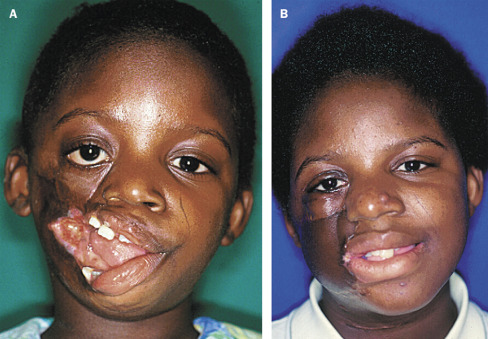
Noma, otherwise known as necrotising ulcerative stomatitis, gangrenous stomatitis, or cancrum oris, is a bacterial infectious but non-contagious infection; resulting from poor oral hygiene, lack of sanitation and malnutrition, affecting both soft and hard tissues of the mouth and face, rapidly progressive and more often than not fatal.
The most common sign and symptom is the development of an ulcer in the mucous membrane of the mouth before spreading to other parts of the face. If detected early, the condition can be arrested with antibiotics, proper nutrition and oral hygiene, while late diagnosis does not restore disfigured or damaged tissues even if treated.
Affecting children between 2 to 6 years of age, the disease is prevalent in impoverished communities in Asia and Africa. However, infection was also found decades ago in Europe and South America. This infection has since vanished with improved livelihood and healthcare.
Preventable but deadly, all over the world, Noma has been given the cold shoulder (neglected) over the years. The absence of current epidemiological data has made the data of the World Health Organisation (WHO) from 1998 the most frequently cited estimation of the disease, with a global estimate of 140,000 new cases recorded annually, with a majority in Sub-Saharan Africa and a mortality rate of 90% if not treated within two weeks.
The infection has not spared the children in Nigeria, falling under the countries in Sub-Saharan Africa, killing numbers and leaving survivors disfigured, coupled with the reality of leaving the rest of their lives under stigmatisation.
This informed the decision of the Federal Ministry of Health to call on the WHO at the 75th World Health Assembly to include Noma on the list of Neglected Tropical Diseases (NTDs) where it belongs.
The call was aimed at rallying global support to eliminate and start preventive and curative measures against the preventable but deadly disease.
Established in the year 1999, the Noma Children’s Hospital, Sokoto, up until May 2022, when Noma Aid Nigeria Initiative (NANI) began construction of a new 100-bed National Noma Treatment Centre within the National Hospital, Abuja, has been the only specialist hospital shouldering the burden of the debilitating disease in the country.
The Chief Medical Director of the hospital in Sokoto said, “what is lamentable is that the disease is curable and even preventable, but lack of awareness has made a good number of patients die at home without visiting the hospital, exacerbating knowledge gap.”
To create awareness on predisposing factors like malnutrition, vitamin (A and B) deficiency, contaminated drinking water, immunodeficiency and living in proximity to livestock, November 20th have been set aside as Annual Noma Day.
Before resting my case, let me advocate that the awareness campaign held annually on NOMA DAY be taken to people in rural areas. These people are most vulnerable and unaware. Therefore, it will be better than having the symposia in town or city halls where the inhabitants are most likely informed. Moreover, more specialists should be trained on the infection to establish more specialist hospitals in at least each geopolitical zones of the country to unburden that in Sokoto and the upcoming one in the Federal Capital Territory.
Furthermore, people should be encouraged to embrace oral hygiene and proper nutrition like a religious ritual. In suspected cases, patients should be taken to the hospital for appropriate treatment to prevent disfigurement. Routine vaccination for children ought to be taken as a priority of every parent, and individuals with any information on Noma are encouraged to carry out a personal campaign in their locality amongst family and friends because the little things we do can make a difference.
Lastly, I urge all to avoid stigmatisation of survivors because they were but victims of circumstance.
Lawal Dahiru Mamman, a corp member, writes from Abuja and can be reached via dahirulawal90@gmail.com.

Kano International Film Festival holds its maiden edition
By Habibu Maaruf Abdu
The maiden edition of the Kano International Film Festival was held from 28th to 30th September 2022 in Kano, the iconic epicentre of Northern Nigeria’s Kannywood film industry. The festival, organised by Classical Film Modern Academy, is billed to hold annually to promote the film industry and build its personnel’s capacity. The Kannywood filmmakers have fully participated in the festival, which came a few months after their collective boycott against a similar event, the Zuma International Film Festival (ZUFF 2022).
Themed ‘Content Connectivity’, the festival received over 50 films from 15 countries. Among its 20 official selections are Harsh Living (UK), Wade in the water (US), The Irish Barn Dance (Ireland), Cemetery Hunt (Brazil), Everything collapses (Italy), I am a chance (Belgium), and Love trap (Cameroon).It also featured paper presentations, panel discussions, a masterclass, a film screening, and Award Ceremony.
The three-day occasion kicked off on Wednesday, 28th September 2022, with paper presentations and round table discussions at the Grand Central Hotel in Kano city. The first paper on ‘Film regulation’ was presented by the zonal director of the National Film Censorship Board, Mr Umar Fagge. It was followed by papers on ‘VFX technology’ and ‘English subtitle’ by Mal. Inuwa Tofa and Kabiru Musa Jammaje, respectively.
The second day of the festival saw its founder, Captain Musa Gambo, leading a masterclass at the Classical Film Modern Academy in the morning before the event later moved to Platinum Cinema to screen the Kannywood films nominated for awards in different categories. The films include Murjani (Dir. Sadiq N. Mafia, 2018), Sadauki (Dir. Hassan Giggs, 2019), Bana Bakwai (Dir. Ali Nuhu, 2020), Tsakaninmu and Sarki Goma Zamani Goma (both Dir. by Ali Nuhu in 2021), and more.
The historic film festival ended Friday, 30th September 2022, with an award ceremony at the Grand Central Hotel. The award event, hosted by Jamilu Yakasai, recorded a massive turnout of actors, directors, and producers, alongside dignitaries such as the SSA to the Kano state Governor on Kannywood affairs, Mal. Khalid Musa, and the industry’s pioneer trade analyst, Mr Usman Jibril (Solo). However, superstars like Ali Nuhu, Adam Zango, and Maryam Yahaya, who are also part of the award winners, were absent from the ceremony.
On the other hand, Kannywood’s highly respected elder, Alhaji Ibrahim Mandawari, whose name was alleged to be unjustly removed from the recipients of the ‘Life Time Achievement Award’ in this year’s edition of the Zuma Film Festival, has received the same ‘Life Time Achievement Award’ at the event.
Below is the complete list of winners:
Best Actor: Adam a Zango for Sadauki
Best Actress: Maryam Yahaya for Sarki Goma Zamani Goma
Best Supporting Actor: Alhassan Kwalle for Sadauki
Best Supporting Actress: Aisha Najamu for Sarki Goma Zamani Goma
Best Director: Ali Nuhu for Sarki Goma Zamani Goma
Life Time Achievement Award: Ibrahim Mandawari
Best Film: Sarki Goma Zamani Goma (Abubakar Bashir Mai-Shadda)
Best Series: Izzar So (Lawan Ahmad)
Best Screenplay: Yakubu M. Kumo for Sarki Goma Zamani Goma
Best Cinematograhy: Murtala Balala for Sarki Goma Zamani Goma
Best Production Design: Mairo Abdullahi for Sadauki
Best lighting: Usman Usee for Sarki Goma Zamani Goma
Best Sound: Shamsu Glo/Sani Candy for Sarki Goma Zamani Goma
Best Editor: Mailafiya Abdullahi
ASUU Strike: FG will not sign any agreement it cannot implement
By Uzair Adam Imam
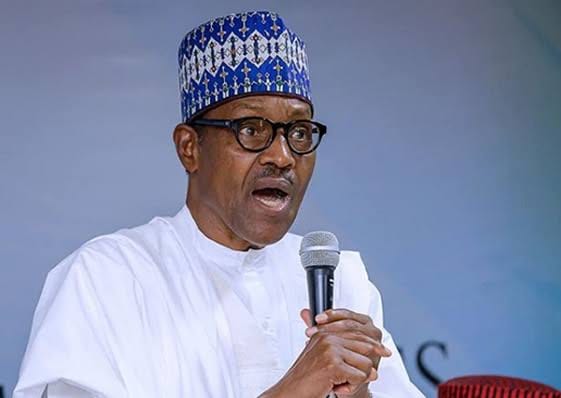
President Muhammadu Buhari Friday told the Academic Staff Union of Universities (ASUU) and other tertiary institution-based unions that the Federal Government would not sign an agreement it can not implement.
The President disclosed this on Friday, September 7, 2022, during his last budget presentation in Abuja.
Buhari said his administration alone could not provide the resources required for funding tertiary education.
The Daily Reality reported that the Court of Appeal in Abuja ordered members of ASUU to resume work with immediate effect.
He added that, rather, the government remained committed to the implementation of agreements reached with staff unions within available resources.
He was also quoted to have said: “The government notes with dismay the crisis that has paralyzed activities in the public universities in the country. We expect the staff of these institutions to show a better appreciation of the current state of affairs in the country.
“In the determined effort to resolve the issue, we have provided a total of 470.0 billion in the 2023 budget from our constrained resources, for revitalization and salary enhancements in the tertiary institutions.
“Distinguished Senators and Honourable members, it is instructive to note that today Government alone cannot provide the resources required for funding tertiary education.
“In most countries, the cost of education is jointly shared between the government and the people, especially at the tertiary level. It is imperative therefore that we introduce a more sustainable model of funding tertiary education.
“The government remains committed to the implementation of agreements reached with staff unions within available resources. This is why we have remained resolute that we will not sign any agreement that we would be unable to implement. Individual institutions would be encouraged to keep faith with any agreement reached in due course to ensure stability in the educational sector.
“Government is equally committed to improving the quality of education at other levels. Recently, we implemented various incentives aimed at motivating and enhancing teachers’ development in our schools. In the health sector, the government intends to focus attention on equipping existing hospitals and rehabilitating infrastructure. Emphasis will also be on local production of basic medicines/vaccines.
“As human capital is the most critical resource for national development, our overall policy thrust is to expand our investment in education, health and social protection,” he added.

AMG spends over N1 million on youths, trains them in automobile repairs
By Aisar Fagge
Ten school drop-out youths sponsored by Aminu Magashi Garba Foundation completed training on Thursday at the Centre for Technology Development, Kaduna State Polytechnic.
The graduated youths undergo eight weeks of training and four weeks of internship in automobile repairs.
The foundation also presented the youths with starter kits by the Director and Finance Manager, Sulaiman Umar Jalo and Maimuna Abdulrahman.
However, the youths would also undergo a one-month internship to acquire more practical skills in automobile repairs.
The foundation said this would provide an enabling environment to further explore opportunities/partnerships to support them secure admission and acquiring National Skills Qualification Framework (NSQF) certificate.
The Daily Reality gathered that the sum of 1200000 was paid by the foundation to train the youth on automobile repairs.
Just in: Court of Appeal asks ASUU members to resume
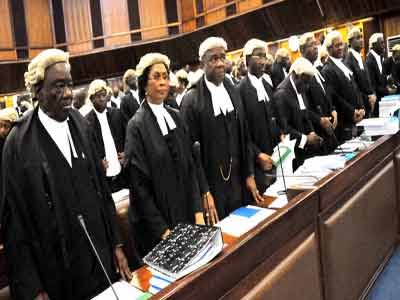
The Nigeria court of appeal sitting in Abuja has ordered the Academic Staff Union of Universities (ASUU) to resume classes and call off the strike immediately.
The court issues the order today Friday, and the appellate court said ASUU should obey the order of an industrial court which directed the suspension of the strike before seeking to appeal the judgment.
Details later.

Salary Review: The insatiable quest
By Musa Abdullahi Kaga
As an employee, salary is one of the most, if not the most, important factors in applying for or staying in a job. It is, however, a known phenomenon that salaries, no matter how handsome, hardly cater to one’s wants and needs. Hence, the regular quest for the insatiable: salary review.
Salary review is often misunderstood or confused with annual assessment or appraisal. Salary review is mostly deeper than annual or biannual appraisals. It is a comprehensive analysis/evaluation of whether a specific pay package is a fair reflection of what an employee should earn in line with factors such as external market forces, experience, career progression, company culture, job performance, etc.
Reviews are an essential HR and management strategy/tool for attracting and retaining good hands in a company.
Several factors may necessitate reviews, ranging from competitors’ pay trends, employee opportunities, or employers’ fear of losing employees for whom they invested so much.
It is only fair that as your employee’s career progresses, so do their emoluments. This should, of course, depend on milestones, achievements, performances, etc. Should there be a positive progression, the salary should grow accordingly. Unfortunately, this is not obtainable in our clime, especially in the public sector.
According to data from ALLSTARTSIT – a tech company specializing in software development services and talent acquisition in CEE regions – there has been a massive median salary increase of 106% for software developers in the CEE regions over the last decade. For example, a system architect that earned $3000 a month in 2012 makes about $6200 in 2022. That is massive, even for an IT specialist.
Graph showing ten years salary trend of software developers
In Nigeria, however, the last time the federal government conducted an upward review of workers’ salaries was in 2009 – 13 years ago – with an increase of about 53%. The dwindling economic situation in the country has rendered the purchasing power of workers feeble. Different civil, trade and labour unions have tabled several demands to the government over the years on the review of salaries and other welfare packages; unfortunately, this is yet to achieve any positive outcome.
Recently, the Nigerian Labor Congress, through its President, Comrade Ayuba Waba, lamented the sorry state of Nigerian civil servants and reiterated their demands to the government.
According to Waba, economic challenges had eroded the purchasing power of ordinary workers so much that the minimum wage could no longer take a worker home and could barely serve as transport fare.
Speaking to NAN earlier this year, he said; “We want to make a formal demand on behalf of the Joint Service Negotiation Council for the review of wages in the entire public sector because it is due,’’
Looking inwards, it recently dawned on me the economic hardships endured by civil servants and other citizens; this is due to the rising cost of essential items and, of course, the occasion of the Eid celebrations. A friend who is an employee of a non-governmental organization has a compensation significantly higher than what his colleagues in the public sector receive, yet, he had to dig deep into his savings to afford a ram. It is nearly a miracle that he has the luxury of savings; public sector employees could only admire his status, even though he is still among the ‘masses.’
It is, therefore, a no-brainer for civil servants to work towards achieving an alternative source of income, especially in this digital era.
Unsurprisingly, it is not uncommon to see civil servants perpetually discussing issues like salary reviews and ‘welfarism’ in Nigeria. Even though successive governments in the past have not done enough to ensure a proper salary structure and compensation system among civil servants in various tiers of government, this is primarily because of the insatiable nature of salary.
The craving for more is intrinsically part of human nature, although some experts argue that insatiable desire is unhealthy (greed). Nonetheless, the motivation to work harder and earn a decent salary is our typical trait.
Musa Abdullahi Kaga sent this article via musaakaga@gmail.com.

2022 World Cup: Qatar bans alcohol, LGBT, dating, others for fans
By Muhammadu Sabiu
Ahead of the 2022 World Cup, which begins on November 20, the tournament host, Qatar, has released a list of dos and don’ts, especially for fans from other countries.
The wealthy Gulf nation has disclosed that spectators coming should note the bans that have been in place on alcohol, the LGBT community, exposing parts of the female body, and swearing are still in effect.
The host added that disrespect for mosques, loud music and sounds, dating, and taking pictures of people without their consent, are also banned.
Apart from the moral rules, there are also regulations concerning COVID-19 and its vaccine.
The Supreme Committee for Delivery & Legacy mandated that all visitors six years of age and older show proof of a negative PCR test result obtained within 48 hours of their departure or a positive rapid antigen test result obtained within 24 hours of arrival.
Rapid antigen test results from legitimate medical facilities that are not self-administered only will be accepted. If visitors do not exhibit COVID-19 symptoms, no additional testing will be necessary in Qatar.
Additionally, everybody above 18-year-old must download the Ehteraz contact tracing phone app, which the government manages.
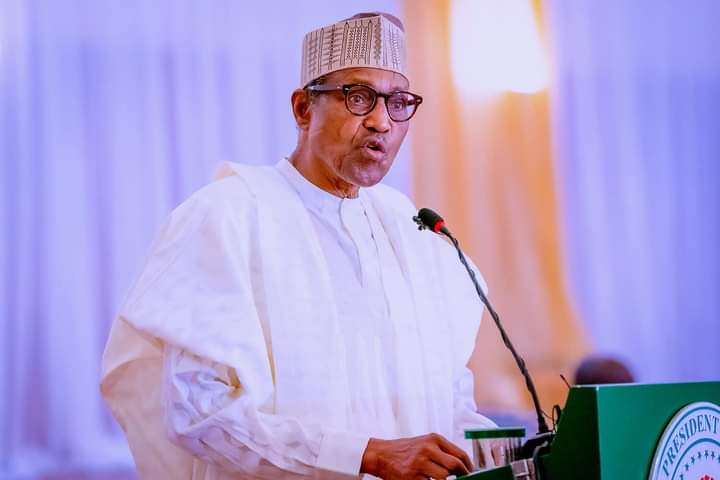
Buhari arrives National Assembly for his last budget presentation
By Uzair Adam Imam
President Muhammadu Buhari arrives at the National Assembly for the presentation of the N19.76TRN 2023 Appropriation Bill.
The budget presentation would be Buhari’s last presentation before he hands over power to his successor on May 29, 2022.
The event is currently taking place at the improvised House of Representatives chamber and opened with the national anthem.
The president reportedly arrived at the chamber around 10:05 am alongside his ministers and the meeting startedimmediatelyy.
Daily Trust reported that entry into the complex is limited as special accreditation arrangements were made for journalists, securitys and members of staff on duty for the presentation.