


Nigerian biofuel policy and incentive: 16 years after
By Bilyamin Abdulmumin
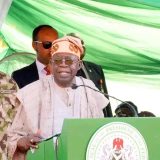
On Tuesday, at a meeting with the United States Assistant Secretary of State, Bureau of Energy Resources, Ambassador Geoffrey Praytt, at the State House, Abuja, President Bola Ahmed Tinubu reiterated Nigeria’s commitment to honouring all its obligations to climate change and the quest for clean energy.
The president further called for stronger and better ties with the United States as Nigeria and the rest of the world move in the quest for renewable and other clean energy sources. This revelation made by President Bola Ahmed Tinubu made it imperative to bring to the front a related issue: Nigerian Biofuels Policy and Incentives.
To contribute to the global fight against climate change, Nigeria implemented the biofuel policy and incentive in 2007. This policy aims to encourage bioethanol and biodiesel production as supplementary to conventional transportation fuel, which is unfriendly to the climate.
It provides several incentives for potential investors, creating a conducive environment for biofuel production, and promises to establish a Biofuel Commission along with a dedicated Research Centre for the development of the sector. However, 16 years after, limited progress has been achieved, with only a few Memoranda of Understanding (MoUs) between Nigerian states like Kebbi, Niger, Ondo, Kogi, and the Nigerian National Petroleum Corporation, NNPC.
The policy has considered one of the major challenges of the biofuel sector globally: the expensive cost of production compared to conventional fossil fuels. As such, a range of incentives was offered, such as tax holidays, withholding tax exemptions, waivers on import and customs duties, waivers on value-added tax, long-term preferential loans, insurance, and most importantly, creating market demand (a promising alternative that the policy overlooked however was the use of cheaper local technology, materials, and equipment). Despite these incentives, the success of biofuels in Nigeria hinges on the government’s political will.
According to the policy, the Federal Government is responsible for providing necessary infrastructure, amenities, and facilities to communities where biofuel companies operate. The State Governments are mandated by the policy to facilitate the procurement and utilisation of agricultural land by biofuel companies. Additionally, in collaboration with State Governments and biofuel companies, the Local Governments are expected to organise out-grower schemes and other cooperative initiatives.
The feedstock of biofuel is grains/sugar, and oils. So, this highlights the hope the biofuel industry holds for the Nigerian poor who rely on subsistence farming. Traditional farming practices in Nigeria have remained unchanged for centuries. But thanks to the policy, farming technology can be drastically improved by integrating agriculture with the energy sector by adopting biofuels, hence more wealth and prosperity.
However, there is trouble in Paradise; biofuel feedstock brings about another major challenge: food vs energy conflict. But the policy did not keep a blind eye, as there were provisions for out-growers schemes for massive crop production. In Kebbi State, more than 5 000 hectares were procured for cassava cultivation. Other measures put in place to counter food vs energy conflict include the development and adoption of transgenic varieties of the feedstock to be specifically customised for the efficient production of biofuels (a promising alternative to food that the policy didn’t capture is utilising second-generation feedstock, which is more abundant and cheaper, that is, waste lignocellulosic materials and underutilised agricultural and forestry).
In effect, the biofuels mission holds dual benefits: foster economic growth and inclusivity for farmers while addressing the pressing issue of climate change, which the president just reiterated. Dear FG, considering the immense potential of this policy, and against the backdrop of celebrated bold actions on critical issues you have been undertaking, please give this policy a second chance, summon new hope, and get it hit the ground running.
Bilyamin Abdulmumin wrote via bilal4riid13@gmail.com.
UNIMAID must reconsider its stand
By Kasim Isa Muhammad
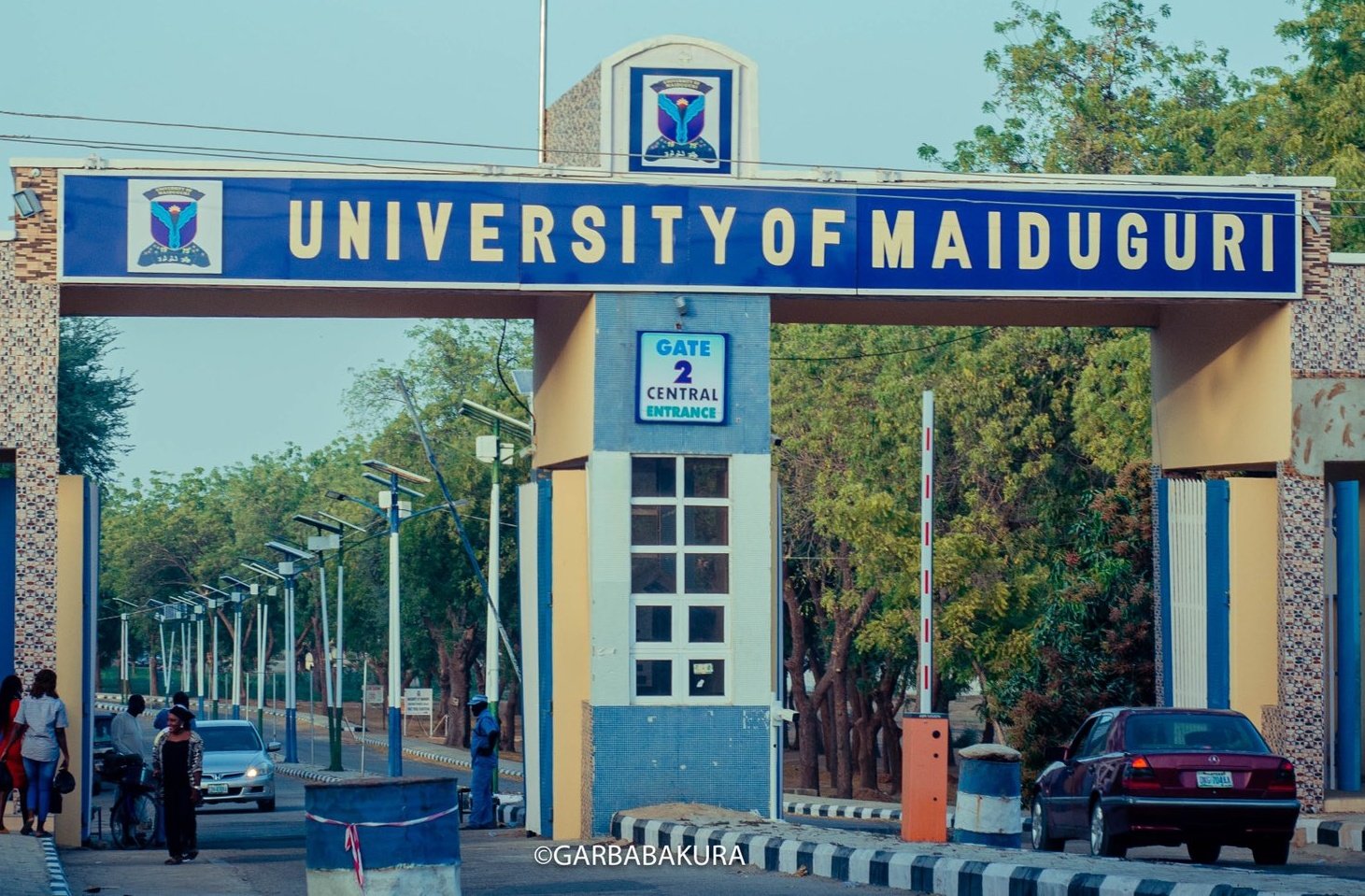
In a disheartening turn of events, the University of Maiduguri faces widespread criticism for its recent policy to bar students with unpaid fees from entering examination halls. This decision has sent shockwaves throughout the campus community, leaving many students dismayed. UNIMAID must reconsider its stance and adopt a more compassionate and supportive approach to ensure equal opportunities for all.
The consequences of this ill-conceived policy are far-reaching and detrimental. Numerous students, burdened with financial hardships, now face the distressing prospect of academic exclusion. This sudden disruption hampers their progress and undermines the core principles of inclusivity and equal opportunity that universities should uphold.
The impact of this decision extends beyond individual students, raising serious questions about the university’s commitment to fostering a conducive learning environment. Instead of supporting students facing financial difficulties, the punitive measures imposed exacerbate their struggles and perpetuate a cycle of inequality.
As a society, we must recognise the importance of empowering our students to overcome obstacles and pursue education as a fundamental right. Education is the foundation upon which individuals and communities thrive, contributing to societal progress and development. By impeding the academic advancement of these students, UNIMAID risks compromising its mission and tarnishing its reputation.
Under the administration of Professor Aliyu Shugaba, the University of Maiduguri must take immediate action to reconsider this misguided policy. A compassionate and supportive approach should be adopted, exploring alternative means of financial assistance to ensure no student is left behind. By proactively addressing students’ financial constraints, the university can uphold its commitment to inclusivity and guarantee equal opportunities for every aspiring mind to succeed.
Furthermore, stakeholders, including student unions and alumni, should raise their voices collectively to advocate for a fair and equitable resolution. Through the collaborative efforts of all concerned parties, we can foster an environment where students’ dreams can flourish, and the pursuit of knowledge remains unrestricted by financial barriers.
The current state of criminality and insecurity in our country further underscores the urgency of this matter. If these students are deprived of their education and forced to drop out of university, they may find themselves vulnerable to the temptations of criminal activities. Education has always been a powerful tool in shaping the future of our society, and denying students access to exams and their academic pursuits can have far-reaching consequences beyond the classroom.
In conclusion, we implore Professor Aliyu Shugaba to consider the profound impact of the ongoing economic downturn on the lives of our fellow citizens, particularly those from disadvantaged backgrounds. Many families are struggling with financial difficulties, making it challenging to meet their financial obligations promptly. We risk pushing students into an even more precarious situation by denying them the right to write their exams solely due to unpaid fees.
Kasim Isa Muhammad wrote from the Department of Mass Communication, University of Maiduguri.

Woman murdered, set ablaze over accusation of witchcraft
By Uzair Adam Imam
A mother of four in Cross River State, Mrs. Martina Itagbor, was murdered by some frustrated youths over accusation of a witchcraf in Akamkpa Local Government Area of the state.
The deceased was accused of witchcraft following the death of two brothers in a motor accident. It was on the heels of the accusations that the mother of four was beaten to death and her fingers chopped off.
It was reported that the frustrstrated youths also set her dead body ablaze, a development many people described as horrible.
The Commissioner of Police, CP Gyogon Grimah, directed that the perpetrators be tracked down, arrested and prosecuted according to the law.
This was relayed Saturday in a statement by the Command’s PPRO, SP Irene Ugbo, and made available to journalists in Calabar, the state’s capital.
The statement reads in part, “The issue of jungle justice is one crime that the Police does not take lightly and, as such, we have already commenced manhunt for those responsible for the dastardly act.
“Those responsible, no matter how highly placed, will be arrested and prosecuted according to the laws of the land.
“We are going to treat them like the criminals that they are, and no stone would be left unturned on this matter.
“They can only run but won’t hide. Enough is enough. Jungle justice is not the solution.All those involved in the murder of Mrs Itagbor would be brought to book, and the law will take it’s full cause. We won’t relent until they are in our custody,” CP Grimah assured.

Man arrested for locking up, starving own wife for 2 years
By Uzair Adam Imam
A man identified as Abdullahi Isa has been arrested by the police for locking up and starving his wife for nearly two years in Maiduguri, Borno State.
His arrest Friday followed a distress call by the neighbours, who said they used to sneak and feed the woman when the husband was not around.
It was gathered that the woman has been taken to the hospital for treatment and the medics are currently working on her.
Comrade Lucy D. Yunana, the Women and Childrens’ rights activist, told the Daily Trust that the incident occurred in the Gwange Three Area of Maiduguri, the state capital on Friday.
According to her, Bulama of Gwange (3) took her staff to the suspect’s resident where the woman had been locked up for nearly two years.
“The suspect by the name Isa Abdullahi of Gwange (3) in Maiduguri Metropolitan Council is the husband of the survivor (name withheld).
“Thankfully, our staff were conducting some awareness on SGBV in Gwange when Bulama of the area took our staff to the house where she was locked in and what they saw was indeed terrible and prompted us to inform the relevant authority to save the woman’s life.
“We went there along with the Zonal Coordinator of the Human Rights Commission, Barr. Jumai Mshelia and saw her in the room, what we saw in the room was in a bad and dehumanized condition. The man was arrested by men of the Gwange Division of Police and he is currently in the police station,” she added.
However, the suspect argued that his wife has been tormented by an evil spirit which was the reason he lock her up.
Raising awareness of the potential outbreak of anthrax disease
By Lawal Dahiru Mamman
In the year 2020, just before the COVID-19 outbreak was declared a global health emergency, I was privileged to be part of a class taking a course on ‘Animal Health and Diseases’ at the Usmanu Danfodiyo University, Sokoto, UDUS.
At the beginning of the pandemic, rumours were rife that the disease emanated from animals. We did not immediately dismiss the narrative because we had just learnt about zoonotic diseases (illnesses contracted by humans from animals), their preventive techniques and how deadly some of them can be.
Just over a week ago, precisely on June 13, 2023, the Federal Ministry of Agriculture and Rural Development alerted Nigerians to take precautions as Northern Ghana, bordering Burkina Faso and Togo, had recorded an outbreak of the Anthrax disease.
According to that statement, Sokoto, Kebbi, Niger, Kwara, Oyo, Ogun and Lagos States are most at risk due to their proximity to Burkina Faso, Togo and Ghana, and needed to “intensify animal vaccinations”.
At this point, it dawned on me that Anthrax was one of about twelve deadly bacterial diseases, which we discussed in class about three years ago. The disease is zoonotic. Hence, if left untamed, it threatens the loss of humans and livestock. And perhaps, this is why relevant authorities thought it wise to inform the public.
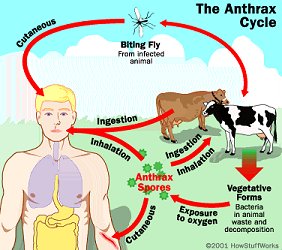
The announcement came with a caution against consuming hides popularly known as ‘Ponmo’, smoked and bush meat, as they pose serious risks. These are not the only route of transmission.
In Nigeria, a large percentage of the livestock are kept under a pastoral and agropastoral production system. This means that animals are not secluded; they interact with humans directly or indirectly, and not everyone attending to animals washes themselves before mingling with others.
The point is, while animals are primary, humans, contaminated soil and materials are secondary sources of zoonotic diseases. Anthrax manifests in several forms, including flu-like symptoms such as cough, fever, and muscle aches. If not diagnosed and treated early, it can lead to pneumonia, severe lung problems, difficulty breathing, shocks and death.
To prevent zoonosis, there are about two ways. The first is to prevent the disease from even entering your community or country by allowing immigration or the purchase of only healthy animals. This can be achieved through proper quarantine, vaccination and isolation before release to the general animal population.
Secondly, environmental cleanliness, proper animal management, isolation of sick animals, drug therapy and regular veterinary visit in unfortunate circumstances where the disease is already endemic is the way to go.
Vaccination remains cost-effective in the prevention and control of animal diseases. To this effect, National Veterinary Research Institute Vom, Plateau State, has the mandate of producing standard quality vaccines for the livestock industry in Nigeria.
Since the announcement, reports have it that Federal Government has resuscitated a Standing Committee on the control of Anthrax in the Ministry of Agriculture and Rural Development; relevant institutions and collaborators have been contacted to control the outbreak in addition to the sensitisation of state directors of veterinary services nationwide.
Sadly, on Thursday, June 22, 2023, a veterinarian and Chief Executive Officer, CEO El-Mond Veterinary Services, Abuja, Dr Monday Ojeamiren, mentioned in one of the national dalies that the “level of preparedness to prevent Anthrax disease spreading to Nigeria is not far from zero,” and poor awareness of the disease by Nigerians can lead to a momentous outbreak.
In the wake of Mr Ojeamiran’s alarm bell, Nigerians must and should know that Anthrax is life-threatening, and many scholars think it has existed since the time of Moses and may have caused what was known as the fifth plague during the ten plagues of Egypt.
While we hope the situation is swiftly contained by the government and health authorities in the country, we, as citizens, must heed experts’ warnings about the disease. Prevention, as they say, is better than cure.
Lawal Dahiru Mamman writes from Abuja and can be reached via dahirulawal90@gmail.com.
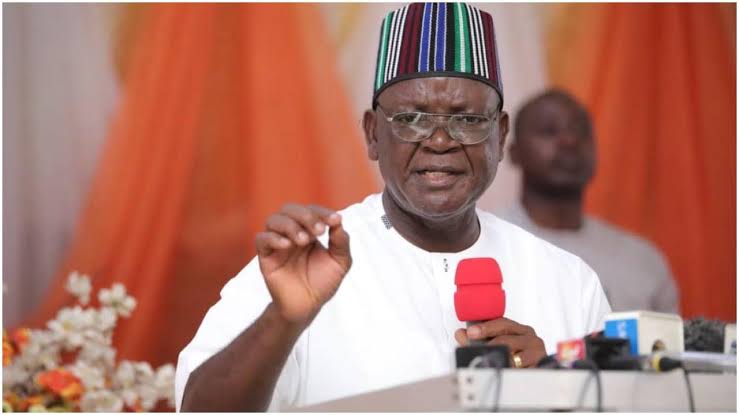
Ortom dismisses news of own nomination as minister in Tinubu’s gov’t
By Muhammadu Sabiu
Samuel Ortom, the former governor of Benue State, has refuted rumours that President Bola Tinubu had proposed him for a ministerial position.
It has been observed that Internet users have been spreading rumours that the former governor made the anticipated ministry list.
The governor, however, referred to the story as false and misleading and urged people to ignore it in a statement issued by Terver Akase, his media assistant.
The statement reads, “The attention of the immediate past Governor of Benue State, Samuel Ortom has been drawn to the speculation on social media that he has been nominated for a ministerial appointment.
“We urge members of the public to disregard the report as it is false and misleading.
“Chief Ortom deeply appreciates those who have taken time to call and verify the information”.
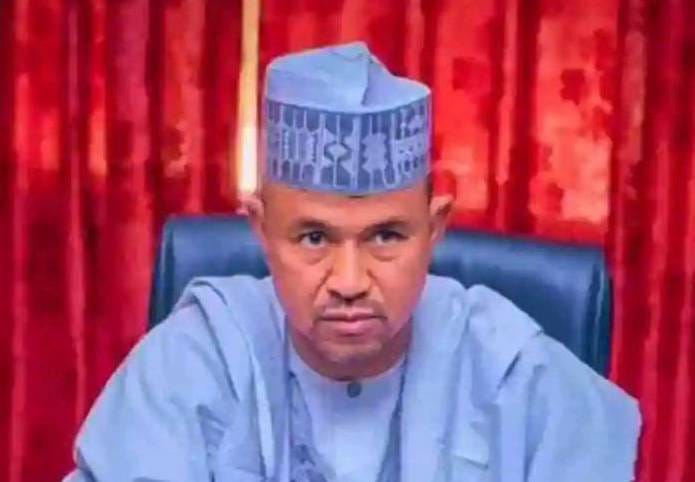
Miyetti Allah worried over missing National VP, Lamido
By Uzair Adam Imam
Engr. Munnir Atiku Lamido, the National Vice President of the Miyetti Allah Cattle Breeders Association of Nigeria (MACBAN), is declared missing by the association.
The National PRO, MACBAN, Alh. Muhammad Nura, disclosed this in a statement he made available to journalists on Friday.
According to the statement, Lamido left his house in Katsina State on Friday with the intention of traveling to Kaduna and has been missing since then.
Lamido’s car was discovered on Thursday between Jos and Kaduna road near Mararraban Jos town, parked with all his telephones inside but all efforts to trace him proved abortive so far.
The statement said, “We wish to bring to the notice of the general public and the security agencies that Engr. Munnir Atiku Lamido is missing. Engr. Munnir is the National Vice President of MACBAN.”
“He left his house in Katsina State on Friday 23th June, 2023 with the intention of traveling to kaduna. He has been missing since then.
“Anyone with useful information on Lamido’s whereabouts should kindly contact the nearest Police Station or reach out to its offices across the nation,” the statement read.
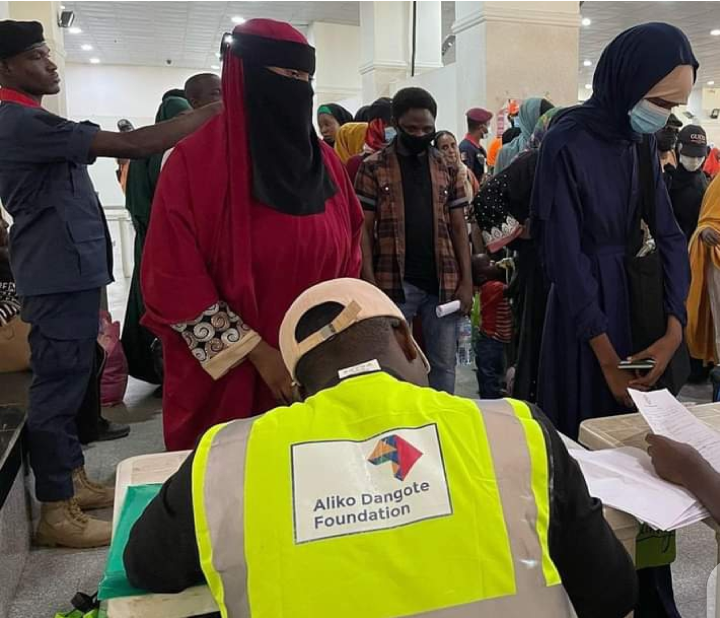
Dangote Foundation gives N100,000 relief to 125 Sudan returnees each
By Uzair Adam Imam
The Aliko Dangote Foundation (ADF) has offered N100,000 relief to over 125 Nigerians returning from Sudan to flee the incessant conflict in the country.
The returnees flown into Abuja on Saturday by Tarco Airline where each of them received N100,000 and dignity packs as a relief.
A statement by the foundation on Friday disclosed this, saying that the purpose was to enable the returnees address some of their problems.
The statement read, “One Hundred and Twenty-Five (125) persons including many disabled, flown into Abuja by Tarco Airline on Saturday, June 24th, each received N100,000 naira and dignity packs courtesy of the Aliko Dangote Foundation.
“It will be recalled that over 2,278 returnees received N100,000 Naira each in May, with care packs to help with their immediate needs, and enable them reunite with their families all across the country.
“ADF reactivated its intervention to help ease the return of stranded nationals evacuated from Sudan amongst them, older people, disabled persons- visually impaired, physically challenged, youth, women and children.
“Two men in their 70s who had planned to go on lesser Haj (umrah) by road through Khartoum got caught up in the war. Even though they tried another route, they were unable to reach their destination having lost all their belongings and their money.
“Several returnees had lost their various businesses to the war. Those businesses included leather, hides and skin, tailoring, shoe making, buying and selling scrap metal.
“An aged man, Muhammad Saidu Ahmed, said, “I came back from Sudan without a dime’, now I have N100,000 Naira! This is a welcome surprise – we never knew we would even survive the bombings.
“An aged woman narrated that when relatives in Sudan reported that they had lost her son while fleeing, she went in search of him only to discover that he died during a bomb blast.
“The 80 year old lady, said most of her family managed to escape death traps, bombings all the while desperately fighting hunger, the loss of their homes and livelihoods and displacement.
“They thanked the Aliko Dangote Foundation, ADF, for the intervention, which they described as unexpected, timely, and life-saving,” the statement added.
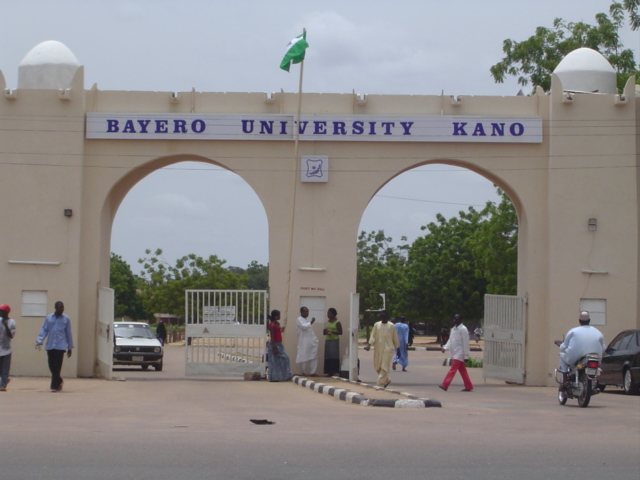
Bayero University and the rising cost of registration fees
By Abbas Datti
Recently, the registration fees of most federal universities in Nigeria have risen dramatically, constituting a huge financial problem for students and their families.
The current fee increase places unfair constraints on low-income people, perpetuating inequality and promoting social inadequacies. More so, the exclusion is based on financial circumstances. As the registration fees continue to increase, the desirable dream of acquiring a university education slips further out of reach for many deserving individuals.
Therefore, as a bona fide resident of Kano and a great beneficiary of low and subsidised registration fees, I will use Bayero University as my case study. I am writing to appeal to Professor Sagir Adamu Abbas, the Vice Chancellor of Bayero University, Kano, regarding the current situation.
We know Sagir as someone with an exceptionally high calibre personality, humility and modest approach. This sets him far above others. Thus, we believe he will no doubt consider the attending consequences of this enormous increase.
We have been told that education is a fundamental right of every individual, and one must admit that it is the responsibility of educational institutions to provide a nurturing and good inclusive environment that fosters academic growth and development for all students. While one may comprehend the various needs associated with running a university and the alleged withdrawal of the government from funding universities, I would like to refer the Vice Chancellor back to the difficulties many students experienced in paying their respective registration fees since before the recent increase.
The ever-increasing cost of registration fees has become a significant deterrent for prospective students, leading to a potential decline in enrolment rates. The burden of high registration fees and other expenses, such as accommodation, and high living costs, is enormous on students and their various families. Potentially, it not only limits access to education but also jeopardises the overall tertiary education enrolments.
I passionately beseech the Vice Chancellor of Bayero University to consider the urgent need for a reduction in registration fees and initiate constructive consultations with the appropriate university stakeholders to find feasible solutions. This could involve exploring more alternative revenue generation, seeking additional funding from wealthy personalities and other intervention funds, or reallocating resources to ensure a well-rounded, balanced approach that benefits both the university and the students.
Abbas Datti wrote from Kano via abbasdatti448@gmail.com.
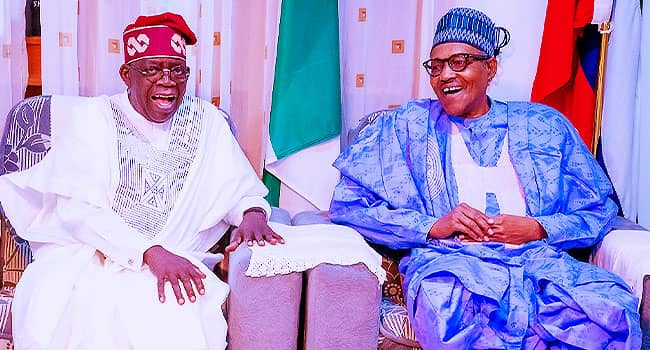
Buhari denies begging Tinubu not to probe him, ex-govt officials
By Uzair Adam Imam
The former President of Nigeria, Muhammadu Buhari, denied the social media allegation that he asked President Bola Ahmed Tinubu not to probe him and other ex-government officials.
The social media report had it that when Buhari and Tinubu met in London last week, the former pleaded with his successor not to probe his cabinet members.
However, Buhari who denied the allegation through his spokesperson on Thursday, Malam Garba Shehu, said the story was not true.
Shehu in a statement he titled ‘What Buhari didn’t say to President Tinubu’ said: “If social media is to be believed, former President Muhammadu Buhari is requesting his successor, President Bola Ahmed Tinubu not to investigate some former officials of his government.
“It is fake, let us not discuss it or give it energy or air of publicity. This is fake news, and nothing more. Thankfully, there was no one other than the two leaders in the room in which they met, so no one was there to report their conversation.
“As much as possible, the former President wishes to remain outside the spotlight so as not to distract the new administration.
“He chose to go home in Daura hoping to find the type of quiet he wished for himself but realizing that this was not the case, visitors trooping in morning, day and night, he moved out to a more distant place.
“It remains his wish that he be allowed to have his needed rest, and for the Tinubu administration to have the right atmosphere to work on the realisation of the promises they made,” he added.