Nigeria at 63: A country of possibilities that is suffering
By Muhammad Umar Shehu & Usman Muhammad Salihu
Nigeria, located in West Africa, is often considered a land of immense possibilities. It is home to over 200 million people, making it the most populous country in Africa and the seventh-most populous country in the world. The country is blessed with vast natural resources, including oil, gas, coal, iron ore, limestone, and many others, which have the potential to power a thriving economy.
Despite these abundant resources, Nigeria faces many challenges that have hampered its growth and development. One of the most significant challenges is poverty. The country has one of the highest poverty rates in the world, with over 40% of the population living below the poverty line. This is mainly due to a lack of job opportunities, inadequate infrastructure, and an uneven distribution of wealth.
Nigeria is grappling with various socio-economic issues, including poverty, unemployment, inadequate infrastructure, and insecurity. These challenges directly impact the well-being of its citizens, hindering their access to basic necessities and opportunities for growth. Acknowledging the gravity of these challenges and the urgent need for solutions is essential.
Another challenge that Nigeria is facing is corruption. Corruption is a pervasive problem in the country, affecting all sectors of society. It has led to a lack of transparency and accountability, which has hindered the country’s growth and development. Corruption has also contributed to the widening gap between the rich and poor, as the wealthy use their influence to gain unfair advantages over others.
In addition to poverty and corruption, Nigeria is also grappling with insecurity. The country has been plagued by various forms of violence, including terrorism, banditry, and ethnic conflicts. This has resulted in the loss of many lives and the displacement of millions of people. The insecurity has also had a significant impact on the country’s economy, as businesses and investors are hesitant to invest in an environment that is not stable.
The educational sector in Nigeria is also facing several challenges. A lack of funding, inadequate infrastructure, and a shortage of qualified teachers characterise the country’s educational system. This has resulted in poor quality education, which has limited the potential of the country’s human resources.
Education plays a vital role in empowering individuals and communities. By supporting initiatives that promote access to quality education, vocational training, and skill development, we can equip Nigerians with the tools they need to thrive. Empowered individuals can contribute to the growth and development of the nation.
Some potent unions have been fighting for quality education in Nigeria. However, our successive governments have not accorded priority to the sector, resulting in the country’s education system suffering from many deformities and deliberate neglect.
Despite these challenges, Nigeria has enormous potential to become a prosperous nation. The country has a vibrant and resilient population known for its entrepreneurial spirit. With the right policies and investments, Nigeria can harness its vast resources to create a thriving economy that benefits all its citizens.
The Nigerian government must take bold and decisive actions to address these challenges. It must prioritise the fight against corruption, invest in critical infrastructure, create job opportunities, and promote good governance. The government must also prioritise security and ensure all Nigerians feel safe and secure in their communities.
Nigeria deserves a brighter future, and it is up to us to make it a reality. By standing together, raising awareness, supporting organisations, advocating for change, and promoting education and empowerment, we can inspire positive transformations in Nigeria. Let us remember that every successful person was once in a similar position, and through personal growth and collective action,
What is here to celebrate at 63?
To conclude the assertion, Nigeria is a country of immense possibilities that is currently facing significant challenges. However, with the right policies and investments, Nigeria can overcome these challenges and become a prosperous nation. The government, private sector, and civil society must address these challenges and create a bright future for Nigeria and its people.
The above, if considered, Nigeria’s challenges will not only end but will forever be a thing of the past.
Muhammad Umar Shehu and Usman Muhammad Salihu write from Gombe and can be reached via umarshehu887@gmail.com.
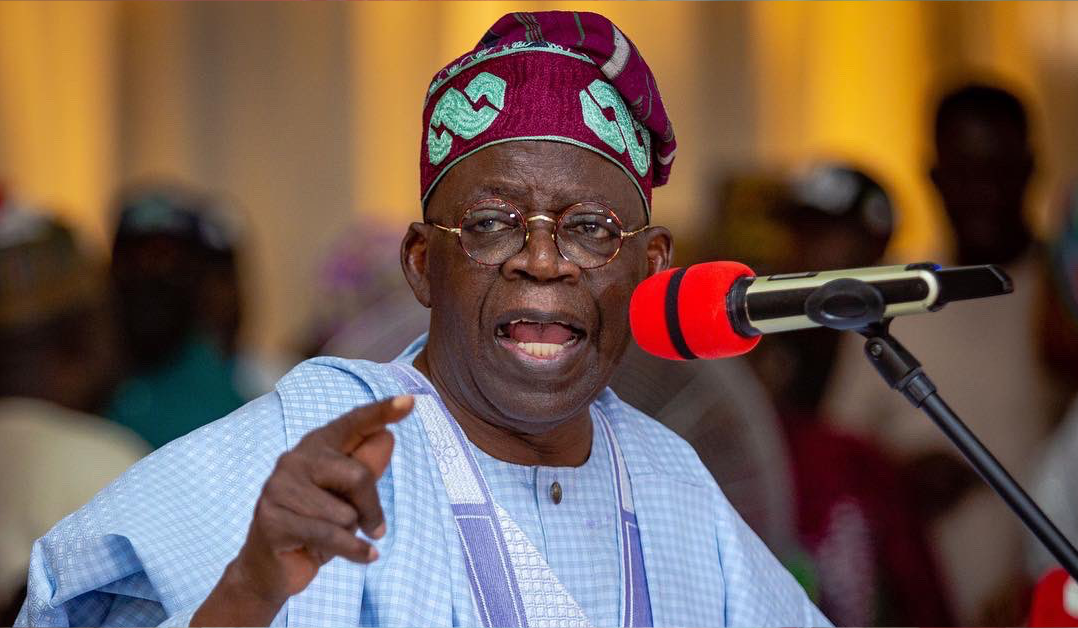
FULL TEXT: President Tinubu’s Independence anniversary speech
ADDRESS BY HIS EXCELLENCY, PRESIDENT BOLA AHMED TINUBU, GCFR, PRESIDENT AND COMMANDER-IN-CHIEF, FEDERAL REPUBLIC OF NIGERIA IN COMMEMORATION OF THE 63RD INDEPENDENCE ANNIVERSARY OF NIGERIA ON SUNDAY, 1ST OCTOBER, 2023
Dear Compatriots,
It is my unique honour to address you on this day, the 63rd anniversary of our nation’s independence, both as the President of our dear country and, simply, as a fellow Nigerian.
On this solemn yet hopeful day, let us commend our founding fathers and mothers. Without them, there would be no modern Nigeria. From the fading embers of colonialism, their activism, dedication and leadership gave life to the belief in Nigeria as a sovereign and independent nation.
Let us, at this very moment, affirm that as Nigerians, we are all endowed with the sacred rights and individual gifts that God has bestowed on us as a nation and as human beings. No one is greater or lesser than the other. The triumphs that Nigeria has achieved shall define us. The travails we have endured shall strengthen us. And no other nation or power on this earth shall keep us from our rightful place and destiny. This nation belongs to you, dear people. Love and cherish it as your very own.
Nigeria is remarkable in its formation and essential character. We are a broad and dynamic blend of ethnic groups, religions, traditions and cultures. Yet, our bonds are intangible yet strong, invisible yet universal. We are joined by a common thirst for peace and progress, by the common dream of prosperity and harmony and by the unifying ideals of tolerance and justice.
Forging a nation based on the fair application of these noble principles to a diverse population has been a task of significant blessing but also a serial challenge. Some people have said an independent Nigeria should never have come into existence. Some have said that our country would be torn apart. They are forever mistaken. Here, our nation stands and here we shall remain.
This year, we passed a significant milestone in our journey to a better Nigeria. By democratically electing a 7th consecutive civilian government, Nigeria has proven that commitment to democracy and the rule of law remains our guiding light.
At my inauguration, I made important promises about how I would govern this great nation. Among those promises, were pledges to reshape and modernize our economy and to secure the lives, liberty and property of the people.
I said that bold reforms were necessary to place our nation on the path of prosperity and growth. On that occasion, I announced the end of the fuel subsidy.
I am attuned to the hardships that have come. I have a heart that feels and eyes that see. I wish to explain to you why we must endure this trying moment. Those who sought to perpetuate the fuel subsidy and broken foreign exchange policies are people who would build their family mansion in the middle of a swamp. I am different. I am not a man to erect our national home on a foundation of mud. To endure, our home must be constructed on safe and pleasant ground.
Reform may be painful, but it is what greatness and the future require, We now carry the costs of reaching a future Nigeria where the abundance and fruits of the nation are fairly shared among all, not hoarded by a select and greedy few. A Nigeria where hunger, poverty and hardship are pushed into the shadows of a never-fading past.
There is no joy in seeing the people of this nation shoulder burdens that should have been shed years ago. I wish today’s difficulties did not exist. But we must endure if we are to reach the good side of our future.
My government is doing all that it can to ease the load. I will now outline the path we are taking to relieve the stress on our families and households.
We have embarked on several public sector reforms to stabilize the economy, direct fiscal and monetary policy to fight inflation, encourage production, ensure the security of lives and property and lend more support to the poor and the vulnerable.
Based on our talks with labour, business and other stakeholders, we are introducing a provisional wage increment to enhance the federal minimum wage without causing undue inflation. For the next six months, the average low-grade worker shall receive an additional Twenty-Five Thousand naira per month.
To ensure better grassroots development, we set up an Infrastructure Support Fund for states to invest in critical areas. States have already received funds to provide relief packages against the impact of rising food and other prices.
Making the economy more robust by lowering transport costs will be key. In this regard, we have opened a new chapter in public transportation through the deployment of cheaper, safer Compressed Natural Gas (CNG) buses across the nation. These buses will operate at a fraction of current fuel prices, positively affecting transport fares.
New CNG conversion kits will start coming in very soon as all hands are on deck to fast-track the usually lengthy procurement process. We are also setting up training facilities and workshops across the nation to train and provide new opportunities for transport operators and entrepreneurs. This is a groundbreaking moment where, as a nation, we embrace more efficient means to power our economy. In making this change, we also make history.
I pledged a thorough housecleaning of the den of malfeasance the CBN had become. That housecleaning is well underway. A new leadership for the Central Bank has been constituted. Also, my special investigator will soon present his findings on past lapses and how to prevent similar reoccurrences. Henceforth, monetary policy shall be for the benefit of all and not the exclusive province of the powerful and wealthy.
Wise tax policy is essential to economic fairness and development. I have inaugurated a Committee on Tax Reforms to improve the efficiency of tax administration in the country and address fiscal policies that are unfair or hinder the business environment and slow our growth.
To boost employment and urban incomes, we are providing investment funding for enterprises with great potential. Similarly, we are increasing investment in micro, small and medium-sized enterprises.
Commencing this month, the social safety net is being extended through the expansion of cash transfer programs to an additional 15 million vulnerable households.
My administration shall always accord the highest priority to the safety of the people. Inter-Service collaboration and intelligence sharing have been enhanced. Our Service Chiefs have been tasked with the vital responsibility of rebuilding the capacities of our security services.
Here, I salute and commend our gallant security forces for keeping us safe and securing our territorial integrity. Many have paid the ultimate sacrifice. We remember them today and their families. We shall equip our forces with the ways and means needed to perform their urgent task on behalf of the people.
We shall continue to make key appointments in line with the provisions of the Constitution and with fairness toward all. Women, Youth and the physically challenged shall continue to be given due regard in these appointments.
May I take this opportunity to congratulate the National Assembly for its role in the quick take-off of this administration through the performance of its constitutional duties of confirmation and oversight.
I similarly congratulate the judiciary as a pillar of democracy and fairness.
I also thank members of our dynamic civil society organizations and labour unions for their dedication to Nigerian democracy. We may not always agree but I value your advice and recommendations. You are my brothers and sisters and you have my due respect.
Fellow compatriots, the journey ahead will not be navigated by fear or hatred. We can only achieve our better Nigeria through courage, compassion and commitment as one indivisible unit.
I promise that I shall remain committed and serve faithfully. I also invite all to join this enterprise to remake our beloved nation into its better self. We can do it, We must do it. We shall do it.!!!
I wish you all a happy 63rd Independence Anniversary.
Thank you for listening.
May God bless the Federal Republic of Nigeria.
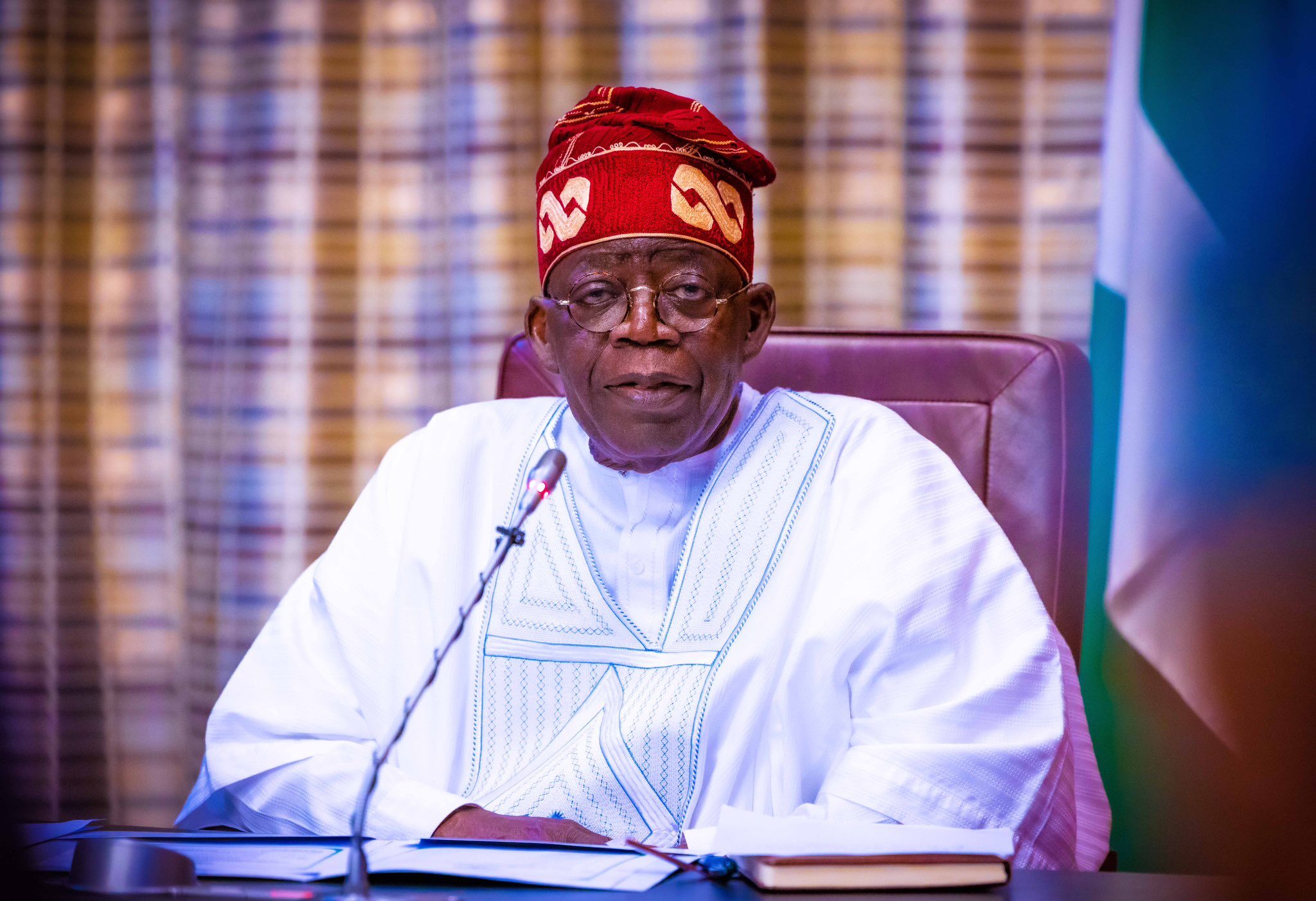
Tinubu unveils temporary N25k salary increase amidst economic hardship
By Sabiu Abdullahi
President Bola Tinubu has announced a crucial step to ease the financial strain on workers following the recent removal of the fuel subsidy.
In his Independence Day speech on Sunday, President Tinubu revealed a temporary wage increase designed to counterbalance the surge in living costs resulting from the policy change.
The President stated, “For the next six months, the average low-grade worker shall receive an additional Twenty-Five Thousand naira per month,” emphasising the government’s commitment to supporting vulnerable income groups during this transition.
As the nation adjusts to these economic shifts, the temporary wage boost is expected to provide immediate relief, enabling workers to manage their finances more effectively amidst the changing economic landscape.
Ongoing dialogues between the government, labour representatives, and business leaders will continue to shape future policies, ensuring a balanced and sustainable approach to economic reforms.

Nigerian nurses, midwives begin indefinite nationwide strike
By Sabiu Abdullahi
The Nigerian healthcare system faces a severe blow as the National Association of Nigeria Nurses and Midwives (NANNM) will officially commence their indefinite nationwide strike today, in solidarity with the Nigerian Labour Congress (NLC) and Trade Union Congress (TUC).
The strike, initiated to protest the removal of fuel subsidies and the government’s anti-labour policies, has left the nation’s hospitals in a state of uncertainty.
NANNM President Nnachi Michael Ekuma emphasised the necessity of the strike, citing the government’s failure to address issues crucial to healthcare workers, such as stagnant salaries, staff shortages, and subpar working conditions.
Ekuma’s letter to association members outlined the dire situation created by the removal of the fuel subsidy, leading to increased living costs for Nigerians without corresponding wage hikes for workers.
Despite the government’s attempt to mitigate the situation by deploying military personnel to hospitals and clinics, the adequacy of these measures remains uncertain.
Patients are advised to proactively liaise with their healthcare providers to determine the status of their appointments and procedures.
Where possible, rescheduling appointments after the strike concludes is recommended to minimise disruptions to their healthcare services.
The unity of the Nigerian labour movement underscores the depth of dissatisfaction with the government’s economic policies, creating a challenging environment for negotiations and resolution.
Blackout for Nigerians as electricity workers join NLC indefinite strike
By Sabiu Abdullahi
The National Union of Electricity Employees (NUEE) has joined the Nigeria Labour Congress (NLC) indefinite strike that began today, October 1, 2023.
The NLC is protesting the high price of petroleum resulting from the removal of the fuel subsidy as well as other anti-labour policies by the government.
NUEE has directed its members to totally withdraw their services and participate in street protests and rallies until the government responds to the union’s demands.
The union’s demands include the reversal of the removal of the fuel subsidy, an increase in the minimum wage, improved working conditions for electricity workers, and the payment of all outstanding salaries and allowances.
The NUEE strike is expected to have a significant impact on the power sector, as it will lead to blackouts nationwide.
The union has apologised to the public for the inconvenience the strike will cause, but it has said that it is necessary to protect the interests of its members and the Nigerian people.
The government has appealed to the NLC and NUEE to call off the strike, but the unions have refused to back down.
The strike is expected to continue until the government meets the unions’ demands.
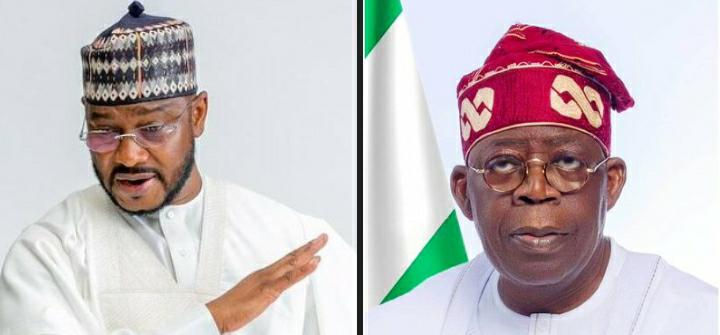
Nothern leaders caution FG, Zamfara gov’t against playing politics with security
By Uzair Adam Imam
Northern leaders and stakeholders in the north have warned the Federal Government and Zamfara state government to stop playing politics with the lives of the people of the region concerning the alleged Federal Government’s secret negotiation with bandits.
They expressed outrage that the Federal Government could be negotiating with bandits, which never worked in the past, and cautioned the government against such a move.
They argued that by engaging in talks with bandits, the government was indirectly legitimising their criminal activities and creating a dangerous cycle of appeasement.
They added that the move was sending a troubling message that crime and violence can be rewarded rather than punished.
Recall that Governor Dauda Lawal of Zamfara has blamed the Federal Government for allegedly negotiating with bandits secretly without involving the state government.
He also accused the Federal Government of sabotaging the ongoing fight against banditry in the state by negotiating with bandits behind the state government.
His spokesman, Sulaiman Idris, in a statement he issued to journalists, said the governor said a delegation allegedly sent by some agencies of the Federal Government had been holding talks with bandit groups in Zamfara without the consent of the State Government.
The governor said, “We have facts and evidence on what had transpired between these agents of the Federal Government and the bandits during the negotiations in several places across Zamfara.”
Responding, the Minister of Information, in a statement by his spokesperson, Suleiman Haruna, on Tuesday night, however, denied negotiating with bandits. Also in the statement, the minister accused Governor Dauda Lawan of politicising security matters.
In his reaction, one of the stakeholders and the spokesman of the Arewa Consultative Forum (ACF), Professor Tukur Muhammad-Baba argued that these negotiations are weakening the rule of law and establishing a dangerous precedent for other criminal elements in the country.
Muhammad-Baba expressed fear that this approach might inspire other groups to take up arms and engage in similar acts.
Describing the move as ‘weak,’ he urged the Federal Government to reconsider its stance on negotiating with bandits.
He said, “How will you begin a negotiation in Zamfara state without involving the Zamfara state government? You and I know this is a serious aberration and should not be taken lightly.
There is no way you can come into my house without my knowledge, even if we are of the same father, and start doing this kind of thing is not good.
Expressing his disappointment, the Executive Director, Resource Centre for Human Rights and Civic Education (CHRICED), Dr. Ibrahim Zikirullahi, called on the current administration, led by President Asiwaju Bola Ahmed Tinubu, to restructure the military and ensure it regains its lost glory.
According to him, “That singular act is a complete failure of the governance system in Nigeria because what it presents is that our security is no longer having the capability to deal with the insurgency and they are no longer trusted to do their work.
“And it’s almost like Nigeria is going into the abyss.”
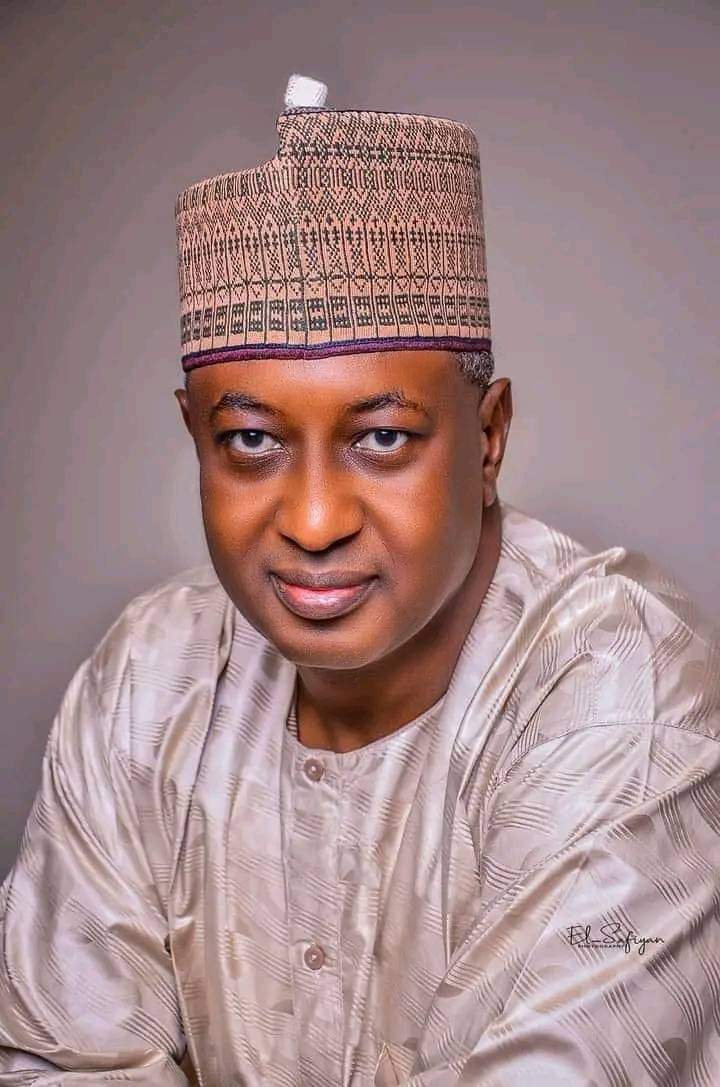
Breaking: Ex-Kaduna governor Yero resigns from PDP
By Sabiu Abdullahi A former governor of Kaduna State, Alhaji Mukhtar Ramalan Yero, has resigned from the People’s Democratic Party (PDP).
Malam Yero forwarded his resignation to the PDP today in a letter he personally signed.
The letter read, “With grateful to Almighty Allah, I write to extend my sincere greetings and to formally inform you of my decision to leave the People’s Democratic Party (PDP).
“In view of this, I hereby tender my resignation as a member of [the] People’s Democratic Party (PDP) with effect from 30th September 2023.”
The former governor did not categorically state a reason for tendering his resignation.
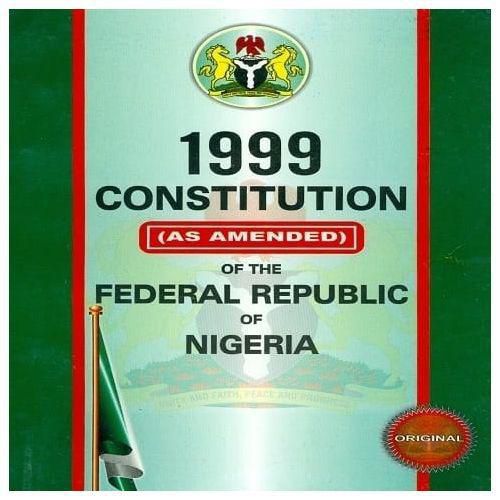
Democracy uses the rule of law to violate the same law: Nigeria and Uganda
By Salihi Adamu Takai
Democracy is the system of government that allows room for participation by all people, and it’s the “government of the people for the people and by the people”. This means a thriving democracy always considers the interest of the masses, not the governors. In a democratic society, the governors become the subjects while the masses become the superior. This is proved in the definition of politics given by the late Aminu Kano ( the former Kano State Governor), Nigeria: “Politics is man management.”
The rule of law is one of the characteristics of a successful democracy. So, does it mean there is no existence of democracy if the rule of law is not fully implemented in applying democracy? Yes, it’s not a successful democracy. Professor A. V. Diecy defines the rule of law as the “absolute supremacy or predominance of the regular law as opposed to the influence of arbitrary power and excludes the existence of arbitrariness or even of wide discretionary”.
Based on the definition given by Professor A. V. Diecy, the rule of law is all about “equality before the law”, and fundamental human rights also ensure this. Therefore, all the characteristics of the democracy are connected. When there is no one, it would be disconnected.
The rule of law propagates “equality before the law” and makes it mandatory for all the affairs of the democratic government. In Nigeria, the 1999 Constitution of the Federal Republic of Nigeria ensures fundamental human rights under Chapter 4. Section 42 (1) ensures the “right to freedom from discrimination”, and this includes “equality before the law”. In accordance with Nigeria’s question, all the citizens of Nigeria are equal before the law. But, in the same Constitution by section 6, the power of the Judiciary to hear any matter is limited. Section 6 (6)(c)(d) limits Judicial power for hearing or questioning any matters related to Chapter 2 of the Constitution ( Fundamental Objectives). Also, the same Constitution immunise some authorities from legal proceedings (criminal) by section 308 (1) ( 3).
Nigeria and all other democratic States apply almost the same principles. In Uganda, the 1995 Constitution of the Republic of Uganda also ensures “equality before the law” under Chapter 4 by Article 21 (1). Clause (3) defines ” discrimination” as “to give different treatment to different persons attributable only or mainly to their respective descriptions by sex, race, colour, ethnic origin, tribe, birth, creed or religion, social or economic standing, political opinion or disability”. Thus, the above definition of the word used, ” discrimination” applies to all. However, the same Constitution by Article 98 (4) excludes the President of Uganda from legal proceedings in any court.
Therefore, considering the conflicting laws of the Constitutions applied in the democratic governments of all the democratic states, I can still say that with the discrimination, there shouldn’t be a successful democracy today.
Salihi Adamu Takai wrote via salihiadamu5555@gmail.com.
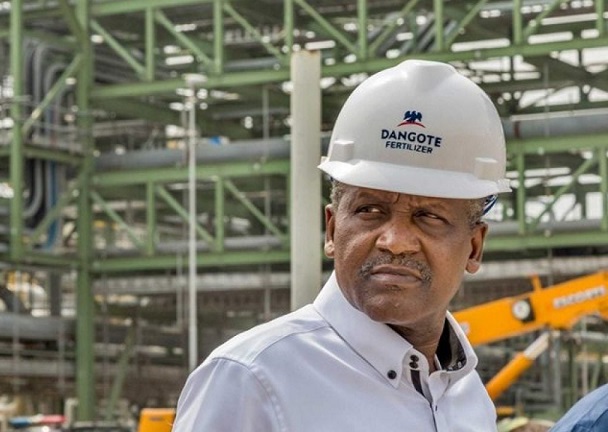
Dangote Group boosts national treasury as N474b was paid as taxes in 3 years
By Sabiu Abdullahi
Three subsidiaries of the Dangote Group, namely Dangote Sugar, Dangote Cement, and Dangote Salt, have contributed immensely to the nation’s revenue.
Hashem Ahmed, an official representative of the Dangote Group, made this revelation at the 18th Abuja International Trade Fair’s opening ceremony, held on Thursday.
Speaking on the fair’s theme, ‘Sustainable financing and taxation as drivers of the new economy,’ Ahmed highlighted the Dangote Group’s significant role as a major contributor to the country’s economy.
He disclosed that over the course of three years, the aforementioned subsidiaries of the Dangote Group had paid a staggering total of N474 billion as taxes to the Federal Government.
“As you may be aware, apart from being the highest employer of labor in the private sector, the Dangote Group is also the biggest taxpayer,” Ahmed stated.
“In just three years, Dangote subsidiaries paid a staggering N474 billion to the Federal Government. These are Dangote Sugar, Dangote Cement, and Dangote Salt, combined.”
Ahmed further emphasised that this substantial financial contribution was part of the Dangote Group’s ongoing support for the nation.
He highlighted the group’s various initiatives, including empowerment and skill acquisition programmes, corporate social responsibility initiatives, sponsorships, and philanthropic schemes, all of which amounted to several billions of naira.
The Dangote Group expressed satisfaction with the Federal Government’s efforts in implementing a tax reform policy. This policy is expected to broaden the tax net and provide essential financing for the development of the country’s infrastructure.
The group sees this as a positive step towards sustainable economic growth and development for Nigeria. The significant tax payment by Dangote Group’s subsidiaries not only showcases their financial robustness but also underscores their commitment to supporting the country’s development agenda.
This contribution is anticipated to play a crucial role in the realisation of various national projects and initiatives aimed at enhancing the quality of life for all Nigerians.
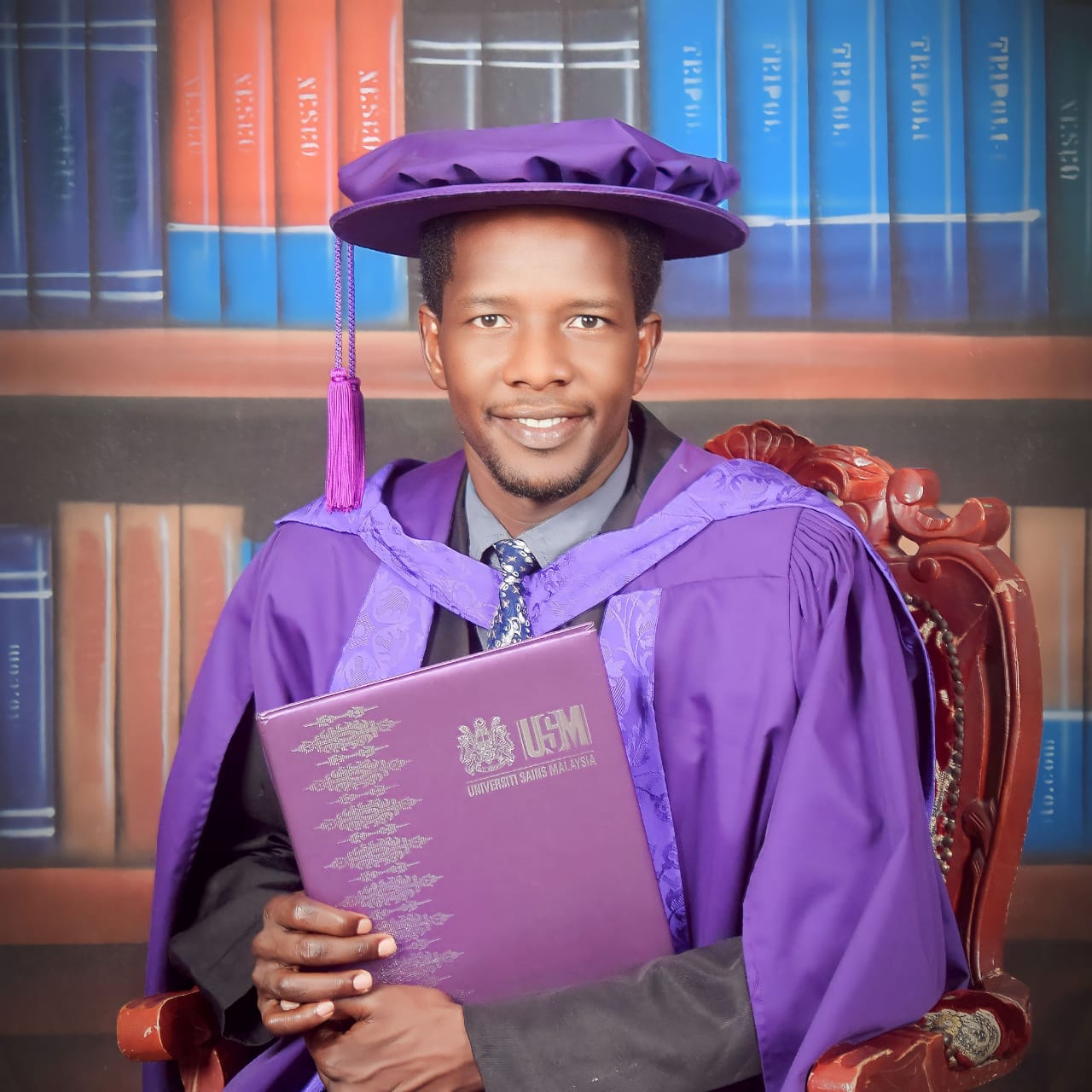
Rising concerns on ‘judicial impartiality’: A closer look at recent verdicts
Mansur Hassan Ph.D
The Nigerian Judiciary system, often regarded as the third arm of government, holds a pivotal position as the last resort for the common citizen seeking for justice.
However, concerns have arisen recently about its impartiality, with allegations of undue influence from the executive branch of government.
A prime illustration of this ambiguity is the recent verdict delivered by the Kaduna state Gubernatorial Elections Tribunal, which appears to contradict what transpired last week in Kano.
In the aforementioned case, the tribunal declared that it lacked the authority to invalidate votes announced by the Independent National Electoral Commission (INEC). Yet, perplexingly, a similar tribunal, convened in Kano nearly one week ago, asserted the power to cancel over 165,000 votes that had been cast in favor of HE Abba Kabir Yusuf , the duly elected governor and leader of the most populous state in Nigeria.
These inconsistent judgements have left many citizens bewildered and concerned about the integrity of the judicial system. The judiciary, often seen as a beacon of hope for justice, now faces scrutiny for potentially yielding to external pressures, particularly when it comes to cases involving the executive arm of government.
This has raised doubts about the judiciary’s ability to uphold the principles of fairness, transparency, and the rule of law, leaving individuals like yourself understandably perplexed about the state of affairs in Nigeria’s legal landscape.
Dr. Mansur Hassan Is a Senior Lecturer in the Department of Mathematics, Yusuf Maitama Sule University, Kano