

Northern governors outraged by attacks on Plateau communities
By Uzair Adam Imam
The Northern Governors Forum today strongly denounced the Christmas Eve attacks on communities in Bokkos and Barkin-Ladi Local Government Areas of Plateau State.
The Chairman of the Forum, Gov. Inuwa Yahaya of Gombe State, described the attacks as reprehensible and heinous.
Gov. Yahya expressed disgust on behalf of the 19 governors in the northern parts of Nigeria.
He expressed the forum’s deepest condolences to the affected families and communities, as well as the government and people of Plateau.
“It is disheartening to hear of the loss of more than 100 lives and the destruction of property that occurred during these attacks, especially when people were preparing to celebrate Christmas.
“Such acts of violence are not only cowardly but also run counter to the spirit of unity and coexistence that our region upholds.
“We must all prioritise peace and harmonious living in our communities. Now, more than ever, we must reaffirm our commitment to peaceful coexistence and solidarity regardless of our differences.
“We must unite in our commitment to peace and security, and stand firm against all forms of violence and divisions,” the chairman said in a statement issued in Gombe by his media aide, Mr Ismaila Uba-Misilli.
Yahaya commended Gov. Caleb Mutfwang of Plateau for his leadership in handling the situation in the aftermath of the attacks.
The northern governors assured Mutfwang of their solidarity and support in the face of adversity.
They pledged to work together to ensure lasting peace in Plateau State. They stand united in their commitment to peace and stability.
‘Four dead, 59 injured in Kaduna-Abuja expressway accident’— FRSC
By Uzair Adam Imam
The Federal Road Safety Corps (FRSC), Kaduna Sector Command, announced that four people have died and 56 others have been injured in a road crash on the Kaduna-Abuja expressway.
Mr. Kabir Nadabo, the Sector Commander, relayed the traumatic incident to journalists, which he said occurred at Sabon Sara village along the expressway on Tuesday.
He said that the tragic accident involved a trailer (Iveco) with registration number MKA99YS, and it occurred at around 03:30 hrs.
“The combined rescue teams of RS1.113 Zhipe and RS1.17 Birnin Yero conducted the rescue,” he said.
According to Nadabo, the initial investigation revealed that the cause of the crash was the overloading of goods and humans, as well as fatigue.
He said, “Further investigation of the incident shows that 73 people were involved in the crash, 59 got injured, and sadly, 4 were deceased.”
He said the injured have been conveyed to St. Gerard and AP Smart Hospitals, all in Kakuri.
“Kaduna State is a critical corridor that links the North to the South; this is why the Kaduna State Command has activated several measures and homegrown initiatives.
”Like the establishment of roadside camps at Kakau and Rigachikun to promptly respond to crashes, the provision of standby ambulances at Jere, Doka, Kakau, Gonin Gora, Rigachikun, Zaria, and Tashar Yari, with experienced staff to handle first aid care.
“Also, the corps in the state will continue to aggressively create awareness and sensitization among road users on general safety ethics.
“For the record, I want to inform the public that henceforth, any driver arrested for overloading of goods and humans will be arraigned before the courts for prosecution for endangering the lives and properties of Nigerians.
“Already, concerted efforts have resulted in the arrest of the trailer driver involved in this crash.
“I wish to emphatically reiterate our resolve in reaching out to stakeholders, particularly transport unions, to preach and sensitise their drivers on the dangers of excessive speeding, overloading, dangerous driving, and using their phones while driving, among others,” he said.
Gaza’s humanitarian crisis deepens as UN report warns of imminent famine
By Sabiu Abdullahi
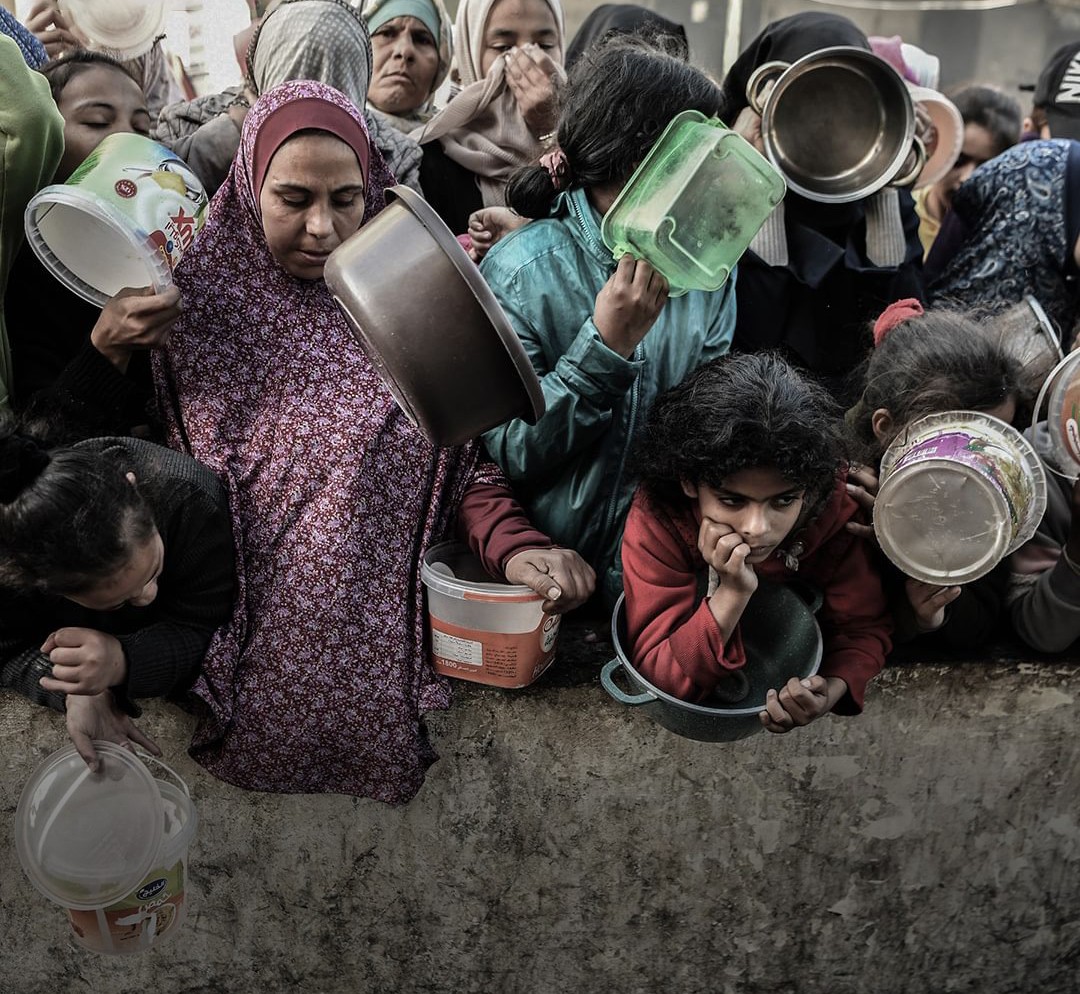
A United Nations report, disclosed on December 21, sheds light on an escalating humanitarian crisis in Gaza, revealing that over 576,600 Palestinians stand on the precipice of “a serious famine.”
This distressing revelation affects a staggering one in four individuals in the besieged territory, underscoring the gravity of the situation.
The report issues a stark warning, indicating that without swift action to address the ongoing conflict and improve access to aid, Gaza could confront a severe famine within the next six months.
This imminent threat has sparked global concern, particularly as vulnerable populations, such as children, pregnant women, nursing mothers, and the elderly, face heightened health risks due to escalating hunger.
Complicating matters further, Israel’s sustained attacks on Gaza since October 7 have had devastating consequences.
Shockingly, over 20,000 Palestinians, predominantly women and children, have lost their lives, with more than 52,000 individuals left wounded.
The persistent violence has not only claimed numerous lives but has also exacerbated already precarious living conditions, pushing the population to the brink of famine.
As the international community grapples with the urgency of the situation, the World Health Organisation predicts a surge in health problems in the region.
The intersection of conflict, restricted aid access, and the looming famine poses a severe threat to the well-being of Gaza’s inhabitants, necessitating immediate attention and intervention to avert an impending humanitarian catastrophe.
Sociology of Christmas celebration in Nigeria
By: Hassan Idris
Christmas is an annual festival that’s primarily celebrated to commemorate the birth of Jesus Christ. It’s duly observed on the 25th of every December as a religious and cultural celebration among millions of people around the world. Notwithstanding, Christmas, of course, is a Christian holiday that’s celebrated by many around the globe as a religious holiday with religious rituals, values and relationships. This schema for understanding what grips society together also applies to Christmas as a secular holiday. Christmas is a beloved holiday and for good reasons. It’s a time for parties, delicious seasonal beverages, feasting, gifts, and for many, a time of homecoming, but underneath the surface of festivity, there’s quite a bit going on, sociologically.
Sociologically, Christmas holds the social value of rituals as Classical Sociologist Emile Durkheim tends to shed more light on this. Durkheim, a functional Sociologist, developed a still widely used theory for explaining what holds society and social groups together through his study of religion.
Durkheim identified core aspects of religious structure and participation that sociologists today apply to society in general, including the role of rituals in bringing people together around shared practices and values; and ways that participation in rituals reaffirms shared values, and thus reaffirms and strengthens the social bonds between people (which he called social solidarity); and the experience of “collective effervescence,” in which people tend to share in feelings of excitement and are unified in the experience of participating in rituals together. As a result of these things, people feel connected to others, a sense of belonging, and the social order as it exists makes sense to them. They feel stable, comfortable, and secure.
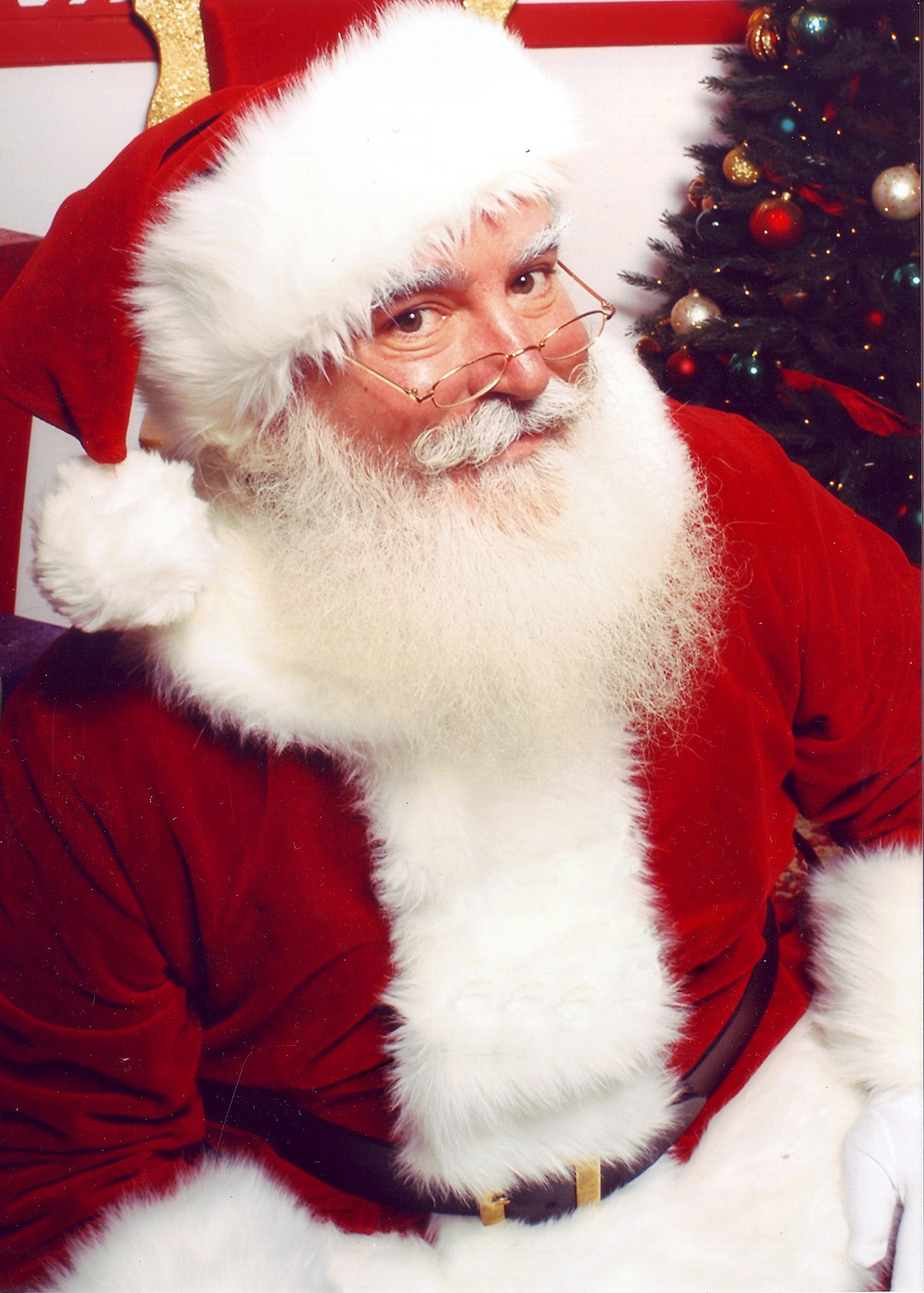
Furthermore, the secular rituals of Christmas are very pertinent in the sociological discussion of social solidarity. Christmas, of course, is a Christian holiday, celebrated by many as a religious holiday with religious rituals, values, and relationships. The rituals involved in Christmas are decorating, often together with loved ones; using seasonal and holiday-themed items; cooking meals and baking sweets; throwing and attending parties; exchanging gifts; wrapping and opening those gifts; bringing children to visit Santa Claus; watching for Santa on Christmas eve; leaving milk and cookies for him; singing Christmas carols; hanging stockings; watching Christmas movies and listening to Christmas music; performing in Christmas pageants; and attending church services.
However, what Christmas does is bring us together with the people we hold dear and give us an opportunity to reaffirm our shared values. When we participate in rituals together, we call to the surface of interactions the values that underlie them. In this case, we can identify the values that underlie these rituals as the importance of family and friendship, togetherness, kindness, and generosity. These are the values that uphold the most beloved Christmas movies and songs, too. By coming together around these values through participation in Christmas rituals, we reaffirm and strengthen our social ties with those involved.
Also, Christmas performs a deeply important social function for us. It makes us feel like we are part of a collective whole, whether that be with kin or chosen family. And, as social beings, this is one of our fundamental human needs. Doing this is what makes it such a special time of year, and why, for some, if we don’t achieve this at Christmastime, it can be a real downer. It’s easy to get wrapped up in the hunt for gifts, the desire for new goods, and the promise of letting loose and partying during this time of the year.
Furthermore, in 1925, Anthropologist Marcel Mauss theorized that gift-giving is actually all about the giver: Mauss identified three obligations associated with gift exchange: giving, which he equates with the first step in building a social relationship; receiving, which signifies acceptance of the social relationship; and reciprocating, which demonstrates the recipient’s integrity. If gifts are refused or unreciprocated, relationships can be threatened. Decoration and gift giving are some of the prerequisites of Christmas and strengthen relationship bounds and solidarity amongst people all over the world.
Coming down to the Christmas celebration in Nigeria, it is pertinent to know that Nigeria is a rich country, given its endowed natural resources. Nigeria is a large nation populated by different multi-ethnic and cultural groups. It has an estimated population of over 200 hundred thousand people. It’s now generally estimated that there are some 400 ethnic groups of varying sizes that are found in Nigeria. However, there are definitely nothing less than 400 languages in this diverse country which makes people wonder how the British were able to determine that a united country was possible in such a diversity. And in this kind of complex diversity Nigerians celebrate Christmas happily and peacefully.
Christmas in Nigeria is a family event, a time when lots of family members come together to celebrate and have fun. Most families, that live in cities, travel to the villages where their grandparents and older relatives live. The end of the year is usually a great time for most Nigerians, and this is not just because it signals a time of relief for most people aching for a vacation or rest from all the hard work and back-breaking activities of the previous months; it is also because December time is Christmas time!
Christmas Day in Nigeria is a public holiday that is marked by the emptying of towns and cities with excitement in the air. People travel to their respective states of origin to celebrate with their loved ones, it is often a time for family reunion, a time to re-strategize and focus, it is a time to seek the face of God and make new year resolutions and also bless those who are less fortunate, and other general acts of random kindness.
As the towns and cities empty, people jam the West African markets to buy and transport live chickens, goats and cows that will be needed for the Christmas meals. On Christmas Eve, many families will throw Christmas parties that will last all night long, traditional meals are prepared and served according to the traditions of each region. Instead of having sweets and cakes, Nigerians as a whole tend to prepare various dishes.
In the South, a dish called Jollof rice or fried rice is served with stews of various meats along with fried plantains; in the North, rice and stew, as well as Tuwon Shinkafa, a rice pudding, served with various meat stews, are preferred. An alternative in both regions (but more favoured in the South) is a pepper soup with fish, goat meat or beef. Served with these foods are an array of mainly alcoholic drinks such as the traditional palm wine or various local and imported beers and wines; children and women may be served locally-made soft-drink equivalents instead.
Many different languages are spoken in Nigeria, and with different ways of wishing one another a happy Christmas. In Hausa Happy/Merry Christmas is ‘barka dà Kirsìmatì’; in Yoruba it’s ‘E ku odun, e ku iye’dun’; in Fulani it’s ‘Jabbama be salla Kirismati’; in Igbo (Ibo) ‘E keresimesi Oma’; in Ibibio ‘Idara ukapade isua’ and in Edo it’s ‘Iselogbe’.
However, on Christmas morning, Christians go to church to give thanks to God. Homes, restaurants, workplaces and streets are often decorated. Most homes will have an artificial Christmas tree. Children love to play with firecrackers at Christmas. The church choir may visit the church congregation in their homes to sing Christmas carols to them. Christmas cards are sent to friends and family members. Presents are exchanged amongst family members, and some families may take their children dressed in new outfits to see Santa Claus, usually referred to as ” FATHER CHRISTMAS in Nigeria.
In the villages, people would be greeted by the numerous masquerade groups formulated by the younger people who gently display their dance moves in exchange for foreign currencies. These dance groups make the Christmas experience soothing and comforting. The young girls also have their dance groups, though without a masquerade but with palm fronds tied to their left feet as a sign of bravery in some cultures. These young girls also make money by displaying their well-thought-out dance steps.
Christmas in Nigeria consumes money and the flow of gifts. It’s a time for celebration and reconnection, the experience is always an unforgettable one. Visitors are welcomed, and there is no house that is left without the aroma of chickened stew, especially in places where the celebration is ongoing. Nigerians are kinder to each other during the holidays.
Families and organizations take time out during the holidays to share good cheers and give out gifts to each other and the less privileged. Some people also organize causes and donation points for others. The most lit parties happen at Christmas time. From carols to street carnivals to concerts, people are bound to have the utmost time of their lives during the holidays.
In conclusion, the sociology of Christmas is wonderful and unique as it is important to remember that Christmas will be most enjoyable when it is designed to foster togetherness and also share and reaffirm the positive values that bind Christians together.
Hassan Idris can be reached via idrishassan035@gmail.com.

Afghans embrace mass weddings to cut costs
By Sabiu Abdullahi
In response to evolving societal norms and economic challenges, fifty couples recently embarked on a shared matrimonial journey at a prominent Kabul wedding hall.
The atmosphere at the City Star wedding hall near the airport was somewhat sombre, reflecting the curtailed festivities enforced since the return of the Taliban in August 2021.
With dancing and music now considered un-Islamic, weddings have transitioned into more subdued affairs.
Roohullah Rezayi, an 18-year-old groom, shed light on the financial strain that led him and his peers to opt for this collective celebration.
Hailing from the Hazara Shiite minority and earning a meagre income from odd jobs, Rezayi revealed that a conventional wedding would have cost between 200,000 to 250,000 Afghanis ($2,800 to $3,600).
In contrast, the joint ceremony significantly reduced expenses to a range of 10,000 to 15,000 Afghanis.
The Selab Foundation’s intervention proved crucial, offering each couple a substantial donation of $1,600.
Beyond monetary support, the newlyweds received practical essentials, including toothpaste, shampoo, and moisturiser, as well as household appliances, carpets, and blankets, to help them embark on their married life.
Despite the male-only attendance and the absence of women until after lunch, the event garnered considerable interest, drawing attention to the changing dynamics of weddings in Afghanistan.
The large, chilly hall echoed with Quranic recitations and a speech from an official representing the Ministry for the Promotion of Virtue and Prevention of Vice.
This joint wedding, born out of necessity and adaptation, provides a glimpse into a pragmatic approach to matrimony amidst challenging circumstances.
The Selab Foundation’s initiative attracted an overwhelming 600 applicants, underscoring the need for alternative, cost-effective options in a society navigating shifts in cultural practices.

Data protection legislation and the future of Nigeria’s digital economy
By Muhammad Mikail
On the 12th of June 2023, President Bola Ahmed Tinubu signed the Nigeria Data Protection Bill into law, setting the historic course for a new data-protected Nigeria. As a matter of fact, the bill was among the very first bills assented to by President Bola Ahmed Tinubu upon assumption of Office. This is no doubt a demonstration of Nigeria’s commitment to safeguarding digital privacy and building trust with global partners and stakeholders; a bold statement and alignment with the cliché’ ‘hit the ground running.’
The newly assented Data Protection Act 2023 provides a legal framework for the protection of personal information, safeguarding people’s basic rights and freedoms while supporting the establishment of ‘The Nigeria Data Protection Commission (NDPC)’ for the regulation of the processing of personal information and data. Hence, the law doesn’t only address privacy concerns but also sets the stage for responsible data usage, fostering a secure, trustworthy and progressive digital economic environment.
This also signifies the Federal Government of Nigeria’s full-proof commitment to the “Digital Transformation Strategy for Africa (2020-2030)” as commissioned by the African Union (AU). The overarching objective of the “Digital Transformation Strategy for Africa (2020-2030)” is for every country within the African continent “to harness digital technologies and innovation to transform African societies and economies to promote Africa’s integration, generate inclusive economic growth, stimulate job creation, break the digital divide, and eradicate poverty for the continent’s socio-economic development and ensure Africa’s ownership of modern tools of digital management.” The Nigeria Data Protection Commission will be a major player in achieving this lofty goal.
At one point, there was a lot of scepticism by development partners, international financial institutions, critical stakeholders in the digital economy and even potential investors about Nigeria’s lack of data protection legislation.
Addressing these concerns, the Federal Government of Nigeria, under former President Muhammadu Buhari, established the Nigeria Data Protection Bureau (NDPB) in 2022 as the regulatory institution responsible for ensuring that people’s personal information is kept private and safe when used for ‘digital things’ with Dr Vincent Olatunji as the National Commissioner. However, the Bureau lacked a law establishing it and giving it the robust legal framework required for a full-fledged agency of government to adequately address issues bordering on the security and privacy of data in Nigeria.
In January 2023, the Federal Executive Council (FEC) approved the Nigeria Data Protection Bill presented by former Hon. Minister of Communication and Digital Economy, Prof. Isa Ali Ibrahim Pantami, for transmission to the National Assembly for consideration.
The then Nigeria Data Protection Bureau, NDPB, now NDPC, led by the National Commissioner, Dr Vincent Olatunji, in collaboration with the Nigeria Digital Identification for Development Project (NDID4D), worked with critical stakeholders, Ministries Departments and Agencies, captains of industries and policymakers perfecting the bill.
A Focus Group Discussion, national policy dialogue and validation workshop was held to present the draft bill to stakeholders, the 9th National Assembly, and the Federal Ministry of Justice for their buy-in, comments, criticism, and suggestions to improve the bill. Prior to that, Nigeria had no policy instrument that focused on supporting data privacy and data protection.
Described as one of the most forward-thinking Acts across the African data ecospheres, the Nigeria Data Protection Act recognises innovations, blockchains, Artificial Intelligence and robotics. The Act also fosters an environment where companies prioritise robust cybersecurity measures and protect sensitive personal information from unauthorised access.
Furthermore, the law empowers users by ensuring that their data is handled responsibly and ethically since, as a fact, the law emphasises informed consent, which enables users to make conscious decisions regarding the use of their data. With this regulation, organisations are bound by law to promptly adapt their practices to comply with the new data protection standards. This brings a balance between leveraging data for business growth and respecting individuals’ privacy rights.
In terms of job creation, Dr. Vincent Olatunji, the National Commissioner of the Nigeria Data Protection Commission, NPDC launched the Nigeria Data Protection Strategic Roadmap and Action Plan, NDP-SRAP 2023-2027 on the 13th of December 2023, in Abuja. The action plan is expected to create about 500,000 jobs and generate more than N125 billion in revenue.
Dr Vincent said in an interview that the NDP-SRAP 2023-2027 is in conformity with President Bola Ahmed Tinubu’s renewed hope agenda. He said, “Part of the ‘Renewed Hope Agenda’ of President Bola Ahmed Tinubu’s administration is to create about two million jobs in the digital economy sector. The data protection sector alone could create more than 500,000 jobs.”
According to the National Commissioner, “The NDP-SRAP comprises interlinked initiatives and activities like job, wealth creation, human capital development, revenue generation, foundational initiatives for the digital economy and enhancing Nigeria’s global reputation. These activities are expected to create about 500,000 jobs, generate revenue of more than N125 billion and expand the sector within the lifespan of this roadmap”.
In the same vein, the former Minister of Communication and Digital Economy, Prof. Isa Ali Ibrahim Pantami, was quoted in an interview to have said that “in two years of the implementation of the Nigeria Data Protection Regulation, NDPR, a novel sub-sector of the economy was created, 7,680 Nigerians were employed. Nigeria was appointed as the Vice Chair of the Data Protection Laws Harmonization Working Group at the African Union (AU) and was the only country in Africa to publish a data protection report in two years.
According to the DG/CEO of the National Identity Management Commission, “integrated identity is the backbone of e-governance initiatives as it provides an enabling environment for key government programmes of social safety net, financial inclusion, as well as for companies that want to provide innovative products and services to people. She said, “An integrated identity system will strengthen the government’s fiscal management, promote good governance and transparency through inclusivity and social equality, as it ensures that marginalized and vulnerable populations are not excluded from government services.”
The Nigeria Data Protection Act is an enabler of inclusive identity issuance and management and a precursor for the growth, integration, and stability of Nigeria’s digital identity system. It is part of efforts to issue legal digital identities to 99.9% of people in Africa as part of a civil registration process by 2030.
In this vein, the Act serves as the launch pad for the government’s efforts in building inclusive digital skills and human capacity across the digital sciences, judiciary, and education, both technical and vocational, to lead and power digital transformation, including coding, programming, analysis, security, blockchain, machine learning, artificial intelligence, robotics, engineering, innovation, entrepreneurship, and technology policy & regulation. This is evident in the recent launch of the 3 Million Technical Talent (3MTT) programme by the Hon. Minister for Communication, Innovation and Digital Economy, Mr Bosun Tijjani. The programme is aimed at building Nigeria’s technical talent backbone, powering her digital economy and positioning Nigeria as a net talent exporter the first phase of the programme, executed in collaboration with NITDA, is set to involve multiple stakeholders, including fellows, training providers, partners, and placement organisations.
Consequently, the nation hopes to witness robust digital economic growth, especially with the growth of digital platforms. These platforms are essential elements of digital infrastructure and can serve people, businesses, and government agencies in all aspects of life, including healthcare, education, commerce, transportation, and public benefits. Digital platforms serve or enable other products or services. For the people who use these platforms to receive their monthly pensions, securely login to a government e-services portal, pay their utility bills, submit a complaint, access public information, or find a person to rent their car, these platforms can provide a seamless service delivery experience that increases user convenience, savings, and agency. For governments, digital platforms can increase the efficiency and effectiveness of core functions and services, reduce unnecessary duplication of systems, and combat fraud.
Finally, as data subjects and responsible citizens, we must stay informed about data protection laws; demand transparency from organisations that collect our data and support NPDCs initiatives to sustain and promote international cooperation on data protection, its continuous improvement, and efforts to secure our digital economic future.
Muhammad Mikail writes from Abuja and can be reached via muhammadnmikail.mm@gmail.com.

Kidney Disease: To me, it is a killer disease, too
By Alhaji Musa Muhammad
The more you have been infected with kidney failure, the more you will come to the mind of the people: “You are finished”. Others take you as a corpse just walking before its last breath.
Hadejia, the area with a number of such cases, is still facing the problem without knowing its root causes. However, there was a time when one of the presenters (name withheld), during a campaign awareness, warned vegetable/fish farmers to avoid using pesticides and herbicides on direct fruits, for example, eggplants.
He said there was a time when he saw a farmer spraying his eggplant farm and asked him why he was pouring it. The farmer replied yes, I’m spreading it for every fruit to rip simultaneously. The Dr said are you not afraid the chemical will affect the consumers? The farmer replied, ‘I’m not the one who consumed it”.
Efforts have been made by some politicians, especially former senator Ibrahim Hassan, to take urgent action to tackle the spread of the disease. Unfortunately, there is no remarkable feedback about the different gatherings held on the kidney problem in the area.
Community-based organisations have done a lot in organising sensitisation meetings in collaboration with health practitioners, but the community members are still witnessing the increase in the problem.
One thing to be done regarding the kidney problem is the need for the government to take urgent action and mobilise the environment on the causes of the disease.
I must commend the effort and struggle of Dr Isah Billami during his tenure as chairman of Hadejia Ina Mafita to organise a town meeting to learn the solution to the problem. However, there was no positive feedback on the issue.
Our politicians range from the council chairman, members representing Hadejia at the state House of Assembly, senators representing Jigawa Northeast and the Governor at large; your response is highly needed now.
Allah ya kawo mana dauki , Ameem .
Alhaji Musa Muhammad wrote from Hadejia, Jigawa State.
Plateau bloodbath: 16 killed in fresh attack as governor vows justice, action
By Sabiu Abdullahi
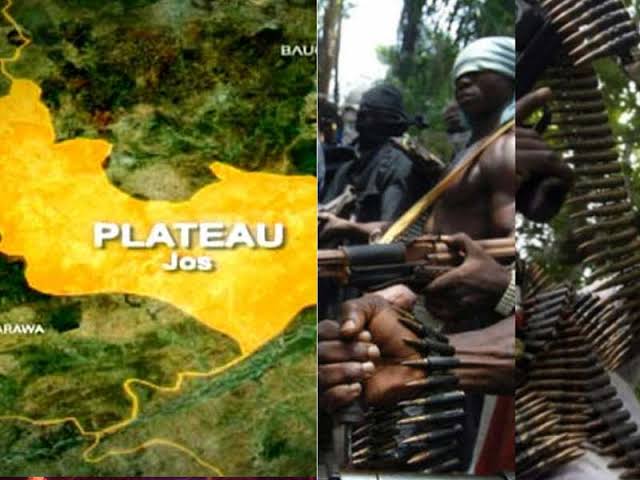
A wave of outrage and grief swept through Plateau State as news broke of a brutal attack on Mushu village in Bokkos Local Government Area, leaving 16 innocent lives lost.
Governor Caleb Manasseh Mutfwang, in a swift and scathing response, condemned the “barbaric, brutal and uncalled for” act, pledging swift justice and proactive measures to curb further violence.
The attack, details of which remain unclear, has plunged the community into mourning and heightened anxieties across the state.
While the perpetrators remain unidentified, Governor Mutfwang’s strong stance served as a beacon of hope amidst the tragedy.
He directed security agencies to “promptly apprehend those responsible” and ensure they face the full weight of the law.
Expressing deep concern over the incident, the governor urged communities to remain vigilant.
“Reporting any suspicious activities to security forces” was emphasised as a crucial step towards preventing future attacks.
He assured the public that the government would take “proactive measures” to curb the ongoing violence that continues to plague the state.
Beyond promises of action, Governor Mutfwang extended his heartfelt condolences to the affected families.
He urged them to “find solace in God” as the government diligently works to end the cycle of violence that has claimed far too many lives in Plateau State.
This latest attack calls for the urgent need for effective intervention and sustainable solutions to address the complex security challenges plaguing the region.
Sheikh Dahiru Bauchi’s letter: I am surprised by those who are surprised
By Dr. Dikko Muhammad
I’m surprised that some people find the said letter of Sheikh Dahiru Bauchi surprising. The fact is that many Nigerians see the courts as departments for the pursuance of politicians’ interest and more often, as stalls for the sale of “justice” to the highest bidder. And they have reasons to believe so. Why?
Senator Bulkachuwa told the Senate, on camera, that his wife, a former President of the Nigerian Court of Appeal, “extended her help to his colleagues” while in office.
A recently retired justice of the Supreme Court complained a lot of its workings. Not to mention the complaints against the top Oga of the Supreme Court who once led other justices to complain against the former top Oga of the Supreme Court.
Series of conflicting judgments are becoming a defining feature of ours courts.
The idea of the court as an umpire is fast becoming extinct. If any unknown backbencher politician wants me lock up tomorrow, being Sunday, don’t be surprised for the lines of judges ready to grant his request.
Where justice is delayed and denied, fears and favours determining verdicts, faith in the court is eroded. This is why our country has become a planet of jungle justice. People think that the courts are haven for criminals. The densely populated prisons in Nigeria are a repulsive testimony to the putrid stench of our entire judicial system.
So, it’s now left for our courts to either redeem their battered image or continue to sink into the abys. They’re designed to be the last refuge for the oppressed, not a refuse for the oppressor. If writing a letter would make it deliver justice, we should all be letter writers to the Supreme Court.
Dikko writes from Katsina State, Nigeria.

Police rearrest Kano criminal ring leader who feigned repentance
By Sabiu Abdullahi
The Kano State Police Command has apprehended Bahago Afa, a suspected criminal ring leader, along with six associates, on charges of armed robbery.
This comes after Bahago Afa, who had reportedly repented recently, was rearrested by the police.
The State Commissioner of Police, Usaini Gumel, revealed the development during a Friday parade.
Gumel noted the successful neutralization of criminal networks that had contributed to thuggery, armed robbery, and various criminal activities in the state.
Addressing the press, Gumel stated, “Already, there are over 700 repentant criminals on our lists, and anybody among them that dares to go back will be declared an enemy of peace just like Bahago Afa and others.”
He added, “Today, we have taken care of Daba ‘thuggery,’ but they are today carrying out robbery activities, and conducting an organized crime that is now nothing but robbery.”
Gumel said the commitment of the police to maintaining peace, urging citizens to assist in the apprehension of the remaining 72 individuals declared as enemies of peace.
“Anywhere police or any other person sees them, they should arrest them and bring them before the police,” he declared.