



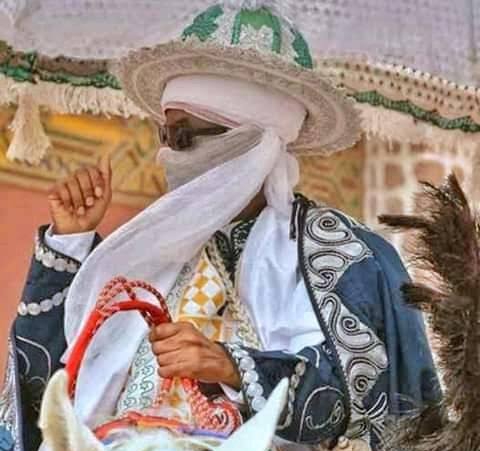
Kano Govt Confirms Sanusi Will Lead Eid-el-Fitr Durbar
By Uzair Adam
The Kano State Government has confirmed that the Emir of Kano, Muhammadu Sanusi II, will lead the 2026 Eid-el-Fitr Durbar in the state.
The government said the decision was approved by Governor Abba Kabir Yusuf following intelligence reports suggesting that some individuals might attempt to cause unrest during the Sallah celebrations.
In a statement issued on Wednesday, the Commissioner for Information and Internal Affairs, Ibrahim Abdullahi Waiya, said the government remains committed to preserving Kano’s cultural heritage while prioritising peace and security across the state.
He explained that the Hawan Idi (Eid Durbar) would be conducted by Emir Sanusi from the Kofar Mata Eid Ground through designated routes to Gidan Shettima, ending at Kofar Fatalwa of the emir’s palace.
According to him, Hawan Nasarawa will take place in a modified format without horseback displays, while Hawan Daushe, Hawan Fanisau and Hawan Dorayi have been suspended temporarily in the interest of public safety.
The commissioner added that security agencies had been directed to intensify surveillance and ensure strict compliance with the directives before, during and after the festive period.
He urged residents to remain calm and law-abiding and to cooperate with security agencies, while also warning against the spread of unverified information.
The government further assured the public of its commitment to ensuring a peaceful and hitch-free Sallah celebration and wished Muslims in the state a joyous Eid-el-Fitr.
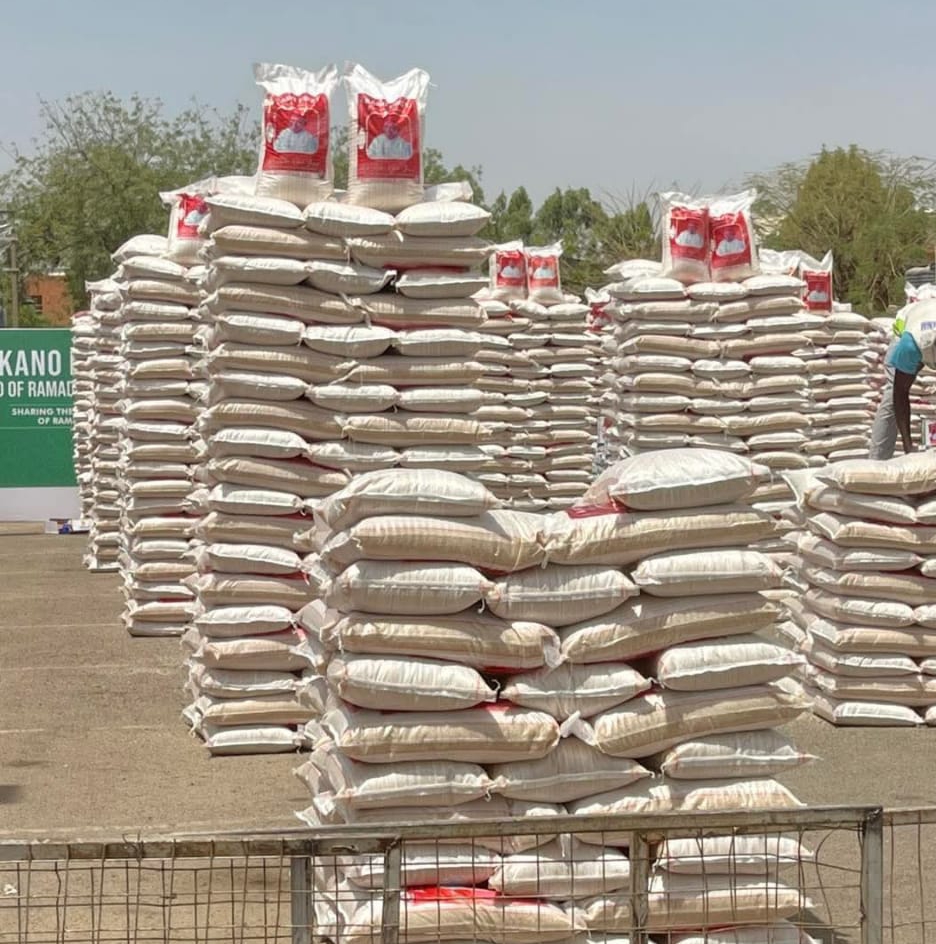
Ramadan: Kano Govt Distributes Food, N20,000 Cash to Over 6,000 Residents
By Uzair Adam
Twenty-eight Islamic and social organisations in Kano State have received food items and cash support from the state government to assist thousands of residents during the Ramadan period.
The Daily Reality reports that the items were presented to representatives of the organisations during the “Kano First End of Ramadan Support” programme held at the Government House in Kano on Monday.
The initiative, organised by the Kano State Government, is aimed at enabling the groups to support their members and other vulnerable persons observing the Ramadan fast.
Officials said the intervention is expected to reach more than 6,000 beneficiaries across the state, drawn largely from vulnerable groups including women, youth and other less-privileged members of society.
Governor Abba Kabir Yusuf, represented at the event by the Commissioner for Religious Affairs, Sheikh Tijjani Auwal, said the intervention reflects the administration’s commitment to supporting residents, particularly during the holy month.
“The Ramadan period is a time of compassion, charity and reflection. This support is part of our government’s effort to ease the burden on families and ensure that more people benefit during the fasting period,” Auwal said.
He further noted that the state government has established about 160 Ramadan feeding centres across Kano, where around 1,000 people benefit daily from prepared meals to break their fast.
He said the initiative is expected to reach about 1.5 million beneficiaries throughout the Ramadan period.
He urged the beneficiary organisations to continue praying for peace, unity and sustained development in Kano State and the country at large.
Speaking during the programme, the Commissioner for Land and Physical Planning, Alhaji Abduljabbar Muhammad Umar, said the initiative was designed to strengthen collaboration between the government and religious as well as community-based organisations.
“This support is meant to complement the efforts of religious and social groups that are already working to assist the less privileged in our communities,” he said.
He explained that each beneficiary would receive one bag of rice, one carton of noodles and a cash support of N20,000 during the distribution exercise.
According to him, the programme is being conducted over two days, with about 3,480 beneficiaries receiving support on the first day, while an additional 2,600 people were expected to benefit on the second day, bringing the total number of beneficiaries to 6,080.
Umar added that the initiative involves the distribution of over 21,000 bags of rice and more than 21,000 cartons of noodles, alongside cash assistance, as part of efforts to cushion the impact of economic hardship on vulnerable residents.
Some of the organisations that benefited from the intervention include the Kano State Council of Imams, Jama’atu Izalatil Bid’ah Wa Iqamatus Sunnah, Jama’atul Nasril Islam, the Kano State Hisbah Board and the Zakkat and Hubsi Commission.
Others are the Council of Qur’anic and Islamiyya Schools, Fityanul Islam First Aid Group, the Nigerian Association of the Blind (Kano chapter), the Association of the Deaf, as well as groups representing widows, divorcees and orphans.
The Commander-General of the Kano State Hisbah Board, Sheikh Aminu Ibrahim Daurawa, who spoke on behalf of the beneficiaries, thanked the state government for the gesture.
“This intervention has come at the right time. It will go a long way in supporting many families during the Ramadan fast,” Daurawa said.
Meanwhile, the distribution exercise continued on Tuesday with additional community groups receiving the support under the programme.
Governor Abba Kabir Yusuf, represented by his Political Adviser, Alhaji Hamza Buhari, commended the Commissioner for Land and Physical Planning for initiating the intervention aimed at supporting vulnerable residents and community organisations.
He said the programme would help ease economic hardship for many families and strengthen solidarity among residents during the Ramadan period.
Officials said the intervention involved the distribution of food items and cash support valued at over N42 million.
Among the groups that benefited on the second day were APC Media Forum, APC Marshals, APC Youth and Women groups, Kano First Movement, Abba Door-to-Door supporters and the Kannywood association.
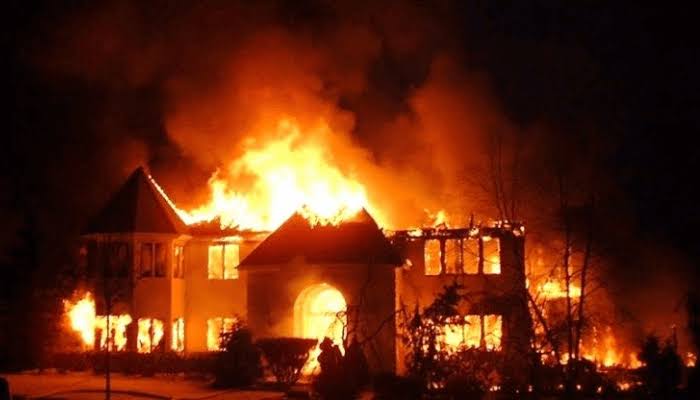
How Fire Damaged Three Houses in Kano Community
By Uzair Adam
The Kano State Fire Service says a fire outbreak caused by an electric spark destroyed parts of three residential buildings and an electrical transformer site in Gaida area near Fatima Bread in Kumbotso Local Government Area.
The agency’s Public Relations Officer, Saminu Yusif Abdullahi, disclosed this in a statement issued on Wednesday, noting that the fire service received a distress call at about 11:05 a.m. on Tuesday from a resident, Aminu Bello, reporting the incident.
Abdullahi said firefighters from the agency’s headquarters, as well as Sharada and Rijiyar Zaki fire stations, were immediately deployed to the scene to contain the blaze.
According to him, when the firefighters arrived, they discovered that an open space measuring about 50 by 50 feet, which serves as an electrical transformer site, had already been engulfed by fire.
He explained that the fire later spread to old wooden ceilings and three nearby residential buildings. The first building, a ground-floor structure measuring about 30 by 25 feet and used as a dwelling house with one room, a parlour and a toilet, was fully ablaze.
The statement further noted that the second building, a one-storey house measuring about 30 by 30 feet and consisting of a bedroom, kitchen and toilet, had its upper floor severely affected by the fire.
A third ground-floor building of about 30 by 30 feet, containing two rooms and a toilet, was also caught up in the blaze.
The fire service said preliminary findings showed that the incident was caused by an electric spark.
Meanwhile, the Director of the Kano State Fire Service, Sani Anas, urged residents to take preventive measures against fire outbreaks.
He advised the public to avoid open flames in residential areas and to ensure the proper handling and maintenance of electrical appliances.
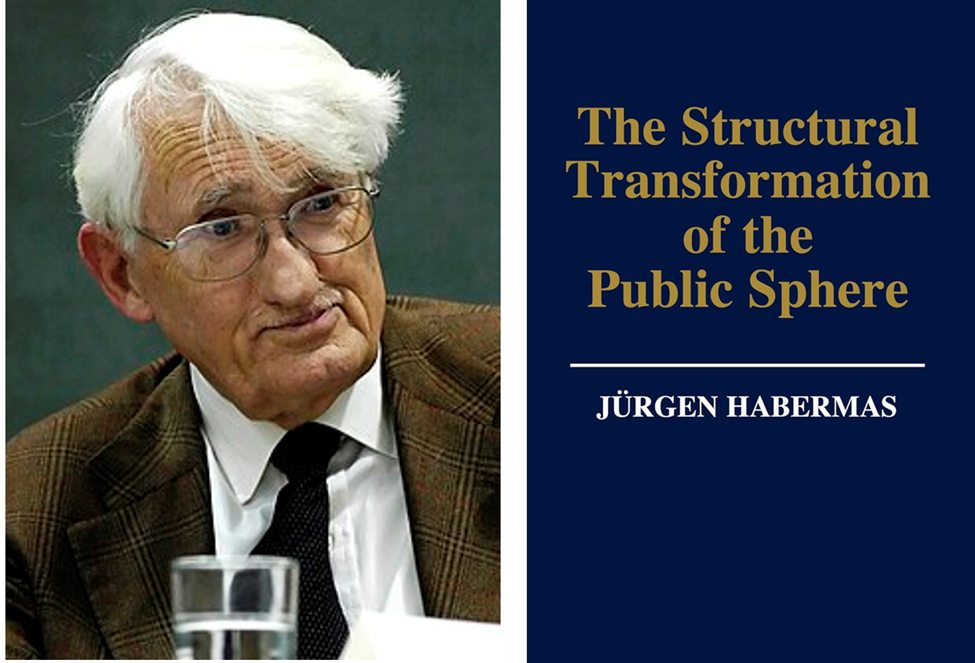
Jürgen Habermas | A Tribute
By Prof. Abdalla Uba Adamu
On Saturday, March 14, 2026, Dr Muhsin Ibrahim shared a newspaper report with me announcing the passing of Jürgen Habermas. The German philosopher died at the age of ninety-six in Starnberg, an affluent town in Upper Bavaria. Muhsin was well aware of how deeply I had drawn on Habermas’s theory of the structural transformation of the public sphere in my research on Muslim Hausa media cultures.
His passing marks the end of an era in critical social theory. Habermas’s work on communication, rationality, and society made him one of the most influential philosophers of the late twentieth and early twenty-first centuries, as well as a major intellectual figure in postwar Germany.
Many Africanists did not initially read Habermas directly. Rather, they encountered his ideas through mediated theoretical engagements in the writings of scholars such as Brian Larkin. I myself first became aware of the public–private sphere debate as part of the broader Frankfurt School theoretical repertoire in Larkin’s studies of media culture in northern Nigeria. His work contributed significantly to later “post-public sphere” discussions by demonstrating how Habermasian insights could be adapted to different social, cultural, and technological environments.
Of Habermas’s many publications, the one that proved most decisive for me was The Structural Transformation of the Public Sphere: An Inquiry into a Category of Bourgeois Society. Originally published in German in 1962 and translated into English by Thomas Burger (with the assistance of Frederick Lawrence) in 1989, it is an extraordinarily dense text. One often needs the guidance of someone already conversant with its arguments to appreciate its analytical elegance.
I was fortunate to own a copy—purchased for me in the pre-digital era by Gillian Belben, then Director of the British Council in Kano. I read it several times before fully grasping how powerfully it provided a framework for understanding public reactions to Hausa films and the emergence of censorship debates.
Habermas’s study retraces the historical emergence of the bourgeois public sphere as a communicative domain distinct from the state, in which private individuals could assemble to discuss matters of common concern. By analysing the transformations of this sphere, he recovered a concept of enduring importance for social and political theory. In simplified terms, the argument draws attention to differentiated social spaces—those of the home and those of the wider public—and to the ways in which each structures particular forms of discussion and social interaction.
I relied heavily on this analytical distinction when I presented my first international seminar at the Institut für Afrikanistik, University of Cologne, on November 15, 2004. Titled “Enter the Dragon: Shari’a, Popular Culture and Film Censorship in Northern Nigeria,” the seminar explored how Hausa films often rendered visible aspects of domestic life traditionally regarded as private, thereby provoking moral anxieties and regulatory responses. By destabilising the boundary between the two spheres, Hausa cinema helped produce new forms of mediated public debate. A dramatic illustration of this dynamic emerged in the widely discussed Hiyana scandal of 2007, in which a private act became publicly circulated, with far-reaching cultural consequences.
The communicative arena that Habermas conceptualised as the bourgeois public sphere appears today in a historically transformed guise within the networked environments of social media. In Muslim societies such as those of northern Nigeria, digital platforms have intensified the long-standing negotiation between domestic moral order and public cultural expression.
Conversations once confined to living rooms, mosque courtyards, or informal viewing gatherings now unfold in algorithmically structured yet widely accessible communicative spaces. These interactions do not reproduce Habermas’s ideal of rational-critical debate in any straightforward manner. Rather, they reveal plural, affective, and technologically mediated publics in which questions of religious legitimacy, gendered visibility, and cultural authority are continually contested. Social media, therefore, represent not the revival of the bourgeois public sphere but a new phase in its structural transformation — what might tentatively be described as a “third space.”
The world of critical social theory will undoubtedly feel the loss of Jürgen Habermas. Yet his conceptualisation of the public–private divide will continue to shape scholarly reflections on media, communication, and cultural change for years to come.
Readers interested in further discussions of the public–private debate in Islamic contexts may consult:
Kadivar, Mohsen. 2003. An Introduction to the Public and Private Debate in Islam. Social Research 70 (3): 659–680.
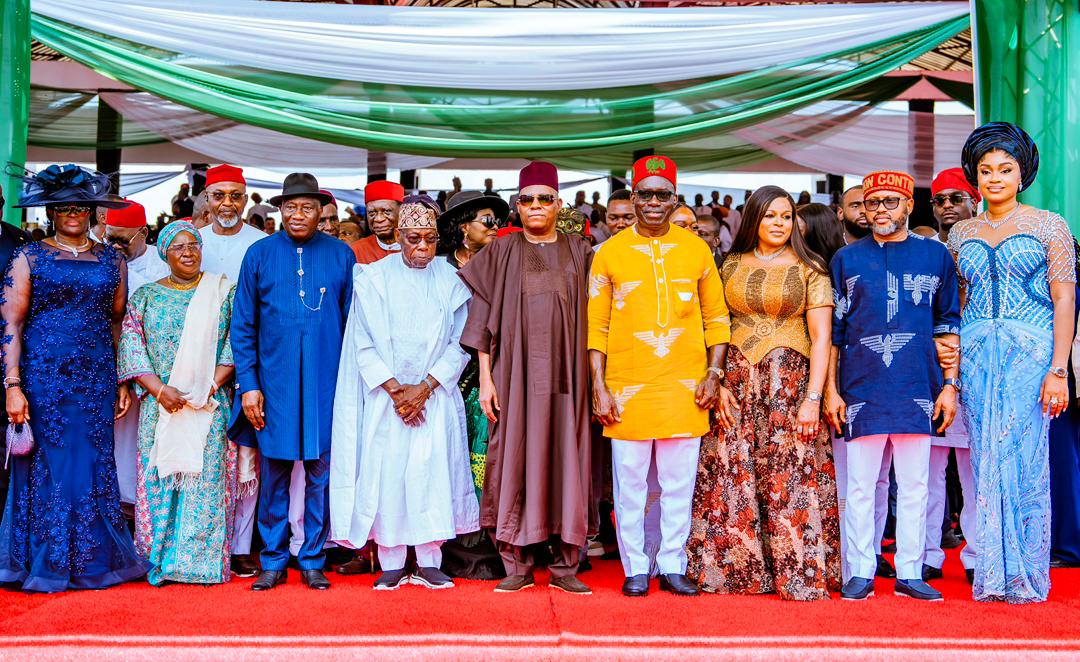
Shettima Says Tinubu’s Policies Benefit From Soludo’s Insights
Vice-President Kashim Shettima has praised Anambra State governor, Chukwuma Soludo, for his role in Nigeria’s development and his intellectual contributions to national discourse.
Shettima spoke on Tuesday in Awka, the Anambra State capital, during Soludo’s inauguration for a second term. He attended the event as a representative of President Bola Tinubu.
In a statement issued by Stanley Nkwocha, his senior special assistant on media and communications, the vice-president described Soludo as a committed public servant with strong ideas and dedication to national progress.
“The policies of His Excellency, President Bola Ahmed Tinubu, GCFR, have benefited from the candour, specialist insight, and patriotic counsel of this distinguished economist, this restless thinker, and this public intellectual of uncommon range, both in open fora and in private conversations. And that is how it should be,” Shettima stated.
“That is what it means to be in the business of nation-building. It means placing the welfare of the federation above the vanity of partisan fences. It means understanding that Nigeria is too precious a vessel to be abandoned to the storms simply because the rowers wear different colours.”
He said Soludo has shown that leadership can bring people together without conflict. He noted that such leadership can persuade without disrespect and remain firm without losing its values, especially at a time of division.
“It is therefore no surprise that his people have welcomed him again and entrusted him with another term to hold the rudder of this great state and guide it farther into safe and prosperous waters,” he stated, declaring that “the people of Anambra are today renewing not just a mandate, but a covenant with competence.”
“And as Dr Onyekachukwu Ibezim takes this oath once again beside him, the state is also affirming that leadership is not only about the brilliance of the man at the top but also about the steadiness, loyalty, and discipline of those who help translate vision into order and order into progress,” the vice-president added.
Shettima said the Anambra governor has demonstrated that political differences do not have to lead to conflict. He noted that such differences can create room for cooperation.
“Professor Soludo has shown, too, that it is possible to see beyond the dangerous shenanigans that so often pass for politics in our clime and to keep faith with the higher calling of public life,” he said.
The vice-president also highlighted Soludo’s influence on national conversations. He said the governor’s views on economic and political matters attract wide attention.
He said Soludo has maintained a cordial working relationship with the federal government. He added that this has created stability in engagements between both sides.
According to him, the governor has demonstrated a commitment to real change rather than political rhetoric.
Shettima said the Anambra government has taken steps to improve public order, strengthen security, and tackle criminal activities in parts of the state. He expressed confidence that the second term would consolidate earlier achievements.
He added that the federal government remains ready to work with state governments that prioritise the welfare of citizens.
In his speech, Soludo pledged to serve the state with renewed dedication. He said his administration would build on the progress recorded in his first term, with focus on development and transformation.
“Anambra state has witnessed significant progress in the health, education, financial, agricultural, and other sectors under his leadership,” he said.
The governor also expressed appreciation to the people of Anambra for their support during the last election.
“The unprecedented 73 percent of the votes you cast in our favour was more than ordinary votes but an affirmation of love, patriotism, and partnership in rebuilding our homeland. We will never take your historic support for granted,” he said.
Soludo also thanked President Tinubu, Vice-President Shettima, and their spouses for their support.
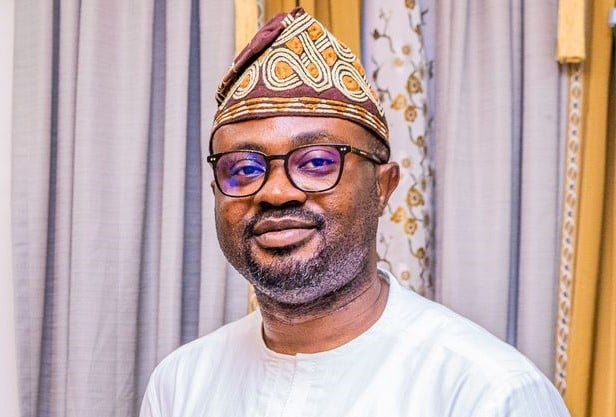
FG Declares Thursday, Friday Public Holidays for Eid-El-Fitr
By Sabiu Abdullahi
The federal government has announced Thursday, March 19, and Friday, March 20, as public holidays in celebration of this year’s Eid-el-Fitr.
The Minister of Interior, Olubunmi Tunji-Ojo, disclosed this in a statement released on Tuesday.
Eid-el-Fitr is observed by Muslims worldwide to mark the conclusion of Ramadan, the holy month of fasting.
In his message, the minister congratulated Muslims on completing the fasting period. He urged them to continue to reflect the values of love, generosity, peace, tolerance, and sacrifice associated with Ramadan.
He also encouraged Nigerians to use the festive period to offer prayers for peace, unity, and progress in the country.
“The Federal Government of Nigeria has declared Thursday, 19th March, and Friday, 20th March 2026, as public holidays to mark the celebration of Eid-ul-Fitr, which signifies the end of the holy month of Ramadan,” the statement reads.
“While wishing the Muslim faithful a joyful Eid-ul-Fitr celebration, the Minister encourages citizens to celebrate responsibly and extend acts of kindness to the less privileged in society.”
Tunji-Ojo further advised citizens to celebrate in a responsible manner and show kindness to vulnerable members of society.
He added that the federal government remains focused on strengthening national unity and ensuring peaceful coexistence across Nigeria.
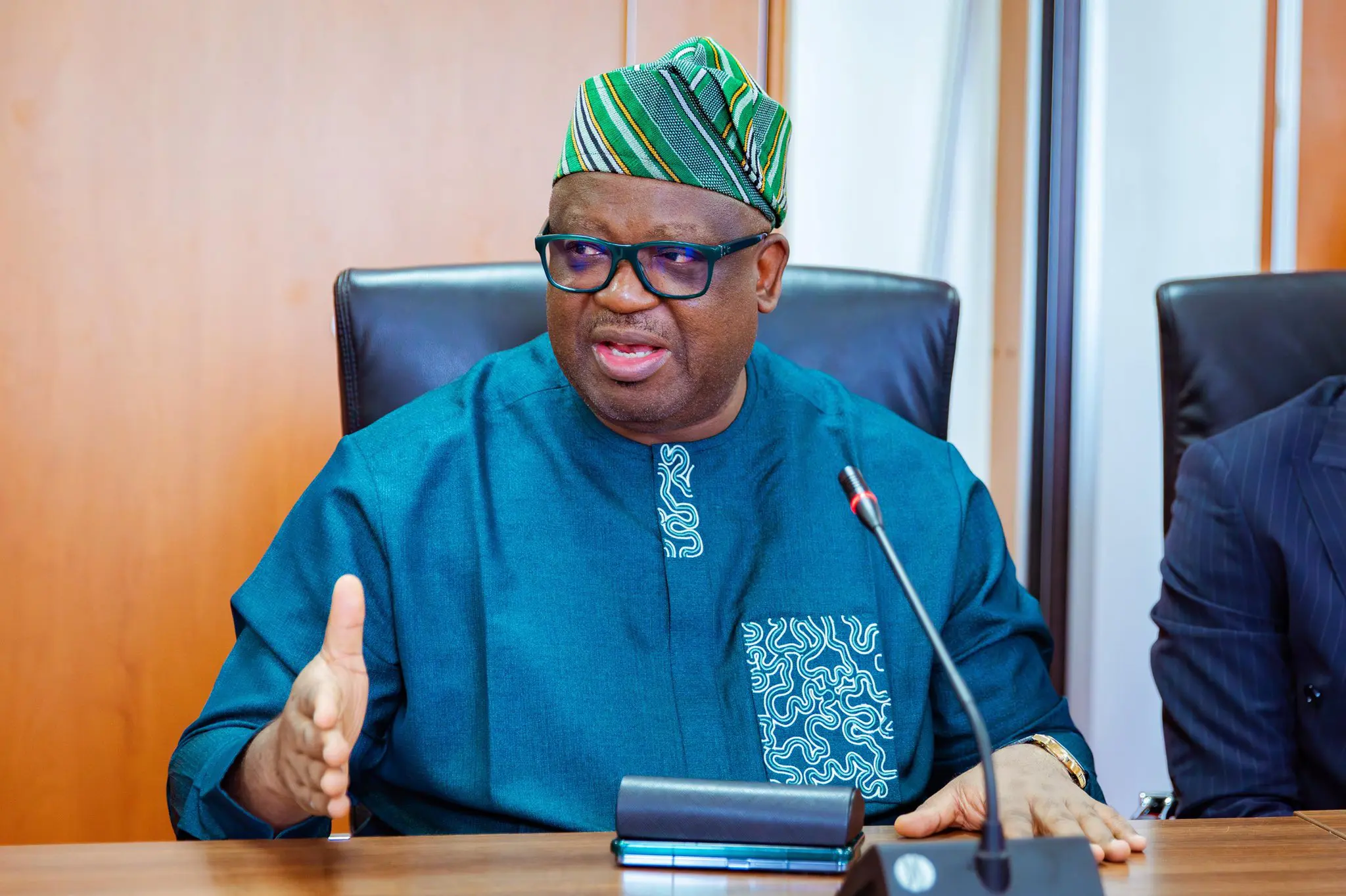
Plateau Governor Mutfwang Sacks Six Appointees, Suspends One
By Sabiu Abdullahi
Governor Caleb Mutfwang of Plateau State has dismissed six political appointees and placed another official on suspension.
The development was made public on Tuesday through a statement issued by the Secretary to the State Government (SSG), Samuel Jatau, according to NAN.
Jatau explained that the action forms part of efforts by the state government to improve performance and strengthen service delivery across various offices.
Those removed from their positions include Timothy Golu, the governor’s special adviser on strategic communication, and Fom Gwottson, liaison officer for Jos South. Others are Nanbol Rimvyat and Nannim Langyi, who served as liaison officers for Langtang North.
Also affected are Paul Datugum and Nimchat Rims, who held similar roles in Qua’an Pan and Langtang South respectively.
In a related move, the governor approved the suspension of Johnbull Shekarau, chairman of the Plateau State House of Assembly Service Commission, over alleged actions said to be inconsistent with the expectations of his office.
The SSG did not disclose specific reasons for the dismissal of the six appointees. He, however, instructed them to return all government property in their possession to the appropriate authorities.
Jatau added that the governor appreciated the contributions of the affected officials during their time in office and wished them success in their future pursuits.
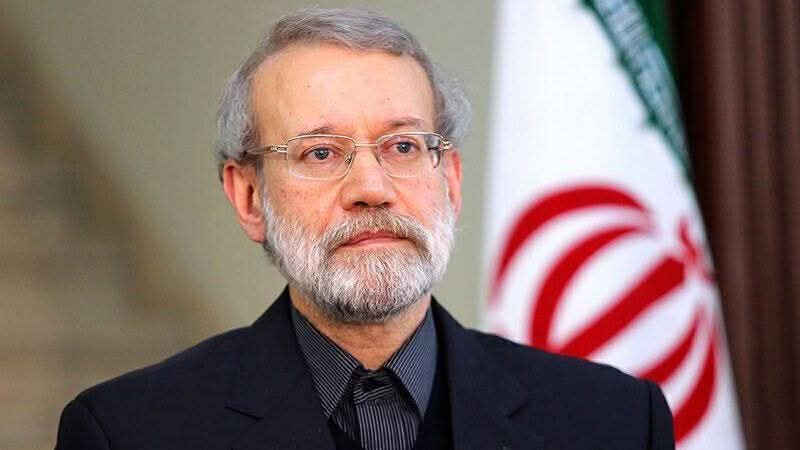
Iran Confirms Death Of Top Security Official Ali Larijani In Alleged Israeli Strike
Iranian state media has announced the death of Ali Larijani, the Secretary of Iran’s Supreme National Security Council, following reported Israeli air attacks carried out overnight.
The confirmation came after Israel’s Defence Minister, Israel Katz, stated that Larijani and Basij commander Gholamreza Soleimani were killed during the strikes.
In a statement issued by his office, Katz alleged that both men lost their lives in the operation.
“I have just been updated by the Chief of Staff that Larijani, Secretary of the Supreme National Security Council, and the head of the Basij — Iran’s central repression apparatus — (Soleimani), were eliminated last night,” Katz claimed in a statement released by his ministry.
Earlier reports from Israeli media indicated that Larijani was the intended target of the overnight assault.
The development marks a significant escalation in tensions between Iran and Israel, as both sides continue to exchange accusations over ongoing military actions.
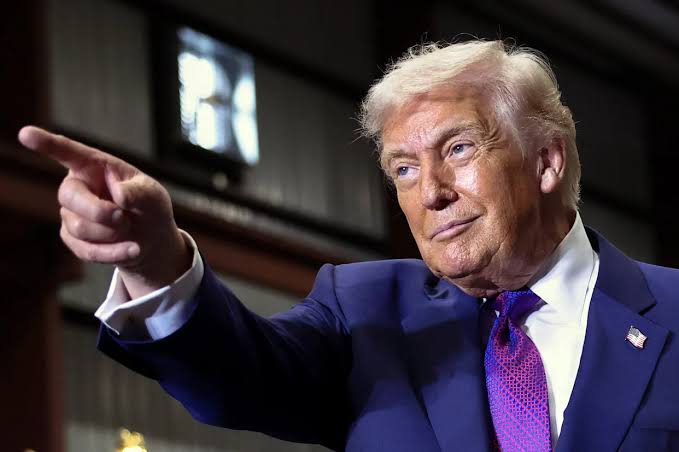
Trump Slams Counterterrorism Chief After Resignation, Calls Him ‘Weak On Security’
By Sabiu Abdullahi
President Donald Trump has responded to the resignation of Joseph Kent, Director of the United States National Counterterrorism Center, following controversy linked to U.S. military action against Iran.
Trump spoke on the development during an interview with Fox News, where he shared his views on Kent’s position on national security and the ongoing conflict involving Iran.
He claimed that he had long held concerns about Kent’s approach. “I always thought he was weak on security. Very weak on security. I didn’t know him well. But I thought he seemed like a pretty nice guy. But when I read his statement, I realised that it’s a good thing he’s out because he said Iran was not a threat,” Trump said in a video released by Fox News on Tuesday.
Kent stepped down earlier the same day. His resignation followed criticism of the war in Iran and questions about the reasons behind the military engagement.
In a letter addressed to the president, Kent stated that his decision came after careful consideration. “After much reflection, I have decided to resign from my position as Director of the National Counterterrorism Center, effective today,” he wrote.
He explained that he could not align himself with the administration’s current foreign policy, especially its military actions. “I cannot in good conscience support the ongoing war in Iran. Iran posed no imminent threat to our nation, and it is clear that we started this war due to pressure from Israel and its powerful American lobby,” he stated.
Kent added that his views were based on principles he believed had guided previous policies. “I support the values and the foreign policies that you campaigned on in 2016, 2020, 2024, which you enacted in your first term. Until June of 2025, you understood that the wars in the Middle East were a trap that robbed America of the precious lives of our patriots and depleted the wealth and prosperity of our nation,” he said.
He also criticised what he described as the role of external influence and media narratives. Kent said “high-ranking Israeli officials and influential members of the American media” promoted misinformation that “wholly undermined your America First platform and sowed pro-war sentiments” encouraging military action.
The former counterterrorism chief warned that U.S. leaders may have been misled about the level of threat posed by Iran. “This echo chamber was used to deceive you into believing that Iran posed an imminent threat to the United States, and that should you strike now, there was a clear path to a swift victory. This was a lie,” he said.
Reflecting on his personal experience, Kent pointed to the cost of war. “As a veteran who deployed to combat 11 times and as a Gold Star husband who lost my beloved wife Shannon in a war manufactured by Israel, I cannot support sending the next generation off to fight and die in a war that serves no benefit to the American people nor justifies the cost of American lives,” he said.
He concluded his message with a call for a policy rethink. “I pray that you will reflect upon what we are doing in Iran, and who we are doing it for. The time for bold action is now. You can reverse course and chart a new path for our nation, or you can allow us to slip further toward decline and chaos. You hold the cards,” he wrote.
Kent ended his letter on a note of appreciation for his time in office. “It was an honor to serve in your administration and to serve our great nation.”
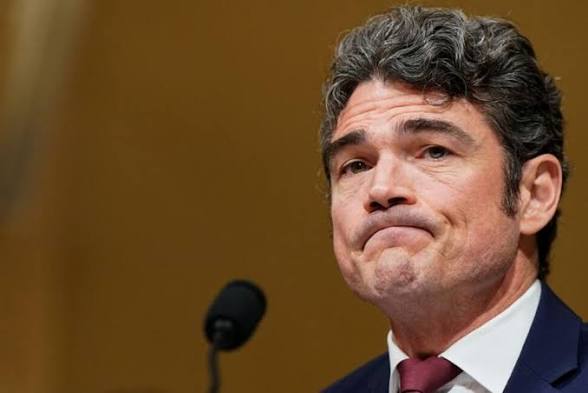
U.S. Counterterrorism Chief Resigns Over Iran War, Alleges Israeli Pressure
By Sabiu Abdullahi
The Director of the United States National Counterterrorism Center, Joseph Kent, has stepped down from his role, citing disagreement with Washington’s military involvement in Iran and questioning the factors behind the conflict.
Kent conveyed his decision in a letter to President Donald Trump. He said he reached the conclusion after careful thought and confirmed that his resignation takes immediate effect.
“After much reflection, I have decided to resign from my position as Director of the National Counterterrorism Center, effective today,” he wrote.
He stated that he could no longer support the administration’s current foreign policy, especially its decision to engage Iran militarily.
“I cannot in good conscience support the ongoing war in Iran. Iran posed no imminent threat to our nation, and it is clear that we started this war due to pressure from Israel and its powerful American lobby,” he stated.
Kent noted that his position reflects principles he believes once shaped U.S. foreign policy.
“I support the values and the foreign policies that you campaigned on in 2016, 2020, 2024, which you enacted in your first term,” Kent wrote.
“Until June of 2025, you understood that the wars in the Middle East were a trap that robbed America of the precious lives of our patriots and depleted the wealth and prosperity of our nation.”
He also accused “high-ranking Israeli officials and influential members of the American media” of driving what he described as a misinformation effort. According to him, the campaign “wholly undermined your America First platform and sowed pro-war sentiments” that encouraged action against Iran.
Kent argued that U.S. leadership received misleading information about the situation.
“This echo chamber was used to deceive you into believing that Iran posed an imminent threat to the United States, and that should you strike now, there was a clear path to a swift victory. This was a lie,” he said, while drawing a comparison with events that preceded the Iraq war.
He pointed to his own military background to stress the human cost of war.
“As a veteran who deployed to combat 11 times and as a Gold Star husband who lost my beloved wife Shannon in a war manufactured by Israel, I cannot support sending the next generation off to fight and die in a war that serves no benefit to the American people nor justifies the cost of American lives,” he said.
Kent urged the president to reconsider the current approach and warned about possible long-term consequences.
“I pray that you will reflect upon what we are doing in Iran, and who we are doing it for. The time for bold action is now. You can reverse course and chart a new path for our nation, or you can allow us to slip further toward decline and chaos. You hold the cards,” he said.
He ended his letter by expressing gratitude for the opportunity to serve. “It was an honor to serve in your administration and to serve our great nation.”