Science

You can add some category description here.

Understanding ChatGPT and addressing issues of concern

By Ismail Ismail Tijjani

Large Language model (LLM) is a subset of Generative AI that focuses on generating human-like text based on the input it receives. Evidence shows how good it is in generating creative text formats, like poems, code, scripts, musical pieces, emails, letters, etc. Chatgpt plays a significant role in bringing LLMs to wider public attention, though it wasn’t the first one. I will use Chatgpt throughout this article because of its popularity, though there are other popular ones like Gemini, Bard.AI, LaMDA and much more.

Let me provide a very simple description of how ChatGPT works. Just imagine you enter a library and ask the librarian a question. The librarian will first try to understand your question and then scan the shelves, looking for books they think might contain your specific answer. Using their records and expertise, they connect related stories from different books and give you the best possible answer. This is what ChatGPT does in a few seconds.

ChatGPT underwent training using an extensive and diverse internet dataset, which covered a wide spectrum of content ranging from different subjects, styles, and perspectives. Its core skill lies in tranformer architecture, a neural network which is primarily designed for language processing to encode an input text, analyze its structure and meaning, and decode it to produce an output by predicting the most likely next word in a sequence.

Certainly, the introduction of new technologies often sparks heated debates. Critics often strive to oppose and even reverse these advancements. However, their efforts typically falter in the end. Some critics may genuinely misunderstand the technology, while others, perhaps a majority, are driven by the pursuit of publicity rather than accurate assessment.

ChatGPT wasn’t an exception. When it was launched in October 2022, some people argued that it would make students lazy, lead to job loss for editors, result in high plagiarism, breach copyrights, steal people’s data, exhibit sentiment, intentional bias, spread disinformation, create deep fakes, and much more. We will discuss some of these concerns below. Some of the allegations are true and have already been addressed, while others are false.

ChatGPT lacks the ability to discern whether information is biased, disinformation or false. It operates based on its programmed structure and produces results accordingly. OpenAI, the creator of ChatGPT, has taken measures to enhance the model. Although the technical details haven’t been disclosed, it likely involves implementing guardrails and filtering mechanisms to address accusations of misinformation, bias, falsehood and more.

For students and researchers, ChatGPT will serve just like an advanced internet search engine that will generate output after going into multiple webpages, saving time and stress hopping between sites. It will in no way make students lazy, However, some concerns related to students’ use will be discussed in a later article.

Its ability to remember previous prompts, though impressive, doesn’t imply sentience. It’s merely a clever technique within its architecture. This raises separate questions about the path to achieving true artificial general intelligence (AGI), discussed in my previous article. It is only a technique in tranformer that makes it capture it.

The impact of ChatGPT on jobs is a complex and nuanced issue with both potential downsides and upsides. While some job losses are inevitable, they will likely be offset by the creation of new ones. Adapting to this changing landscape through education, reskilling and responsible policymaking is key to ensuring a future where AI benefits everyone.

Despite the evident improvements seen since ChatGPT’s initial release, OpenAI must continue to dedicate significant resources to refining its model. This is crucial not only to mitigate legal risks but also to enhance its accuracy and reliability for responsible public use. While striving for absolute perfection is unrealistic, reaching a consistently high level of trustworthiness should be a priority. Additionally, users must be mindful of the model’s limitations and exercise critical judgment, fact-checking, and verification before relying on its output.

AI is here for good. Innovation often sparks a variety of perspectives, and AI is not an exception. Some people believe that AI has the potential to solve some of the world’s most pressing problems, such as poverty, hunger, climate change, corruption and disease. Others are concerned about the potential for misuse, such as the development of autonomous weapons systems or the use of AI to manipulate people.

AI is not like any other innovation we have seen before in the history of humankind. It is among the most powerful of all, and it is likely to be among the last innovation that we ever need.

AI is already making significant positive impacts in various industries, such as healthcare, finance, retail, manufacturing and many others. Of course, like any industry, there may be individuals with malicious intent in the AI sector who are willing to exploit it for negative purposes. For example, I recently came across a women-uncovering app with high precision that raised concerns. However, the actions of these individuals should not lead to the shutdown of the entire industry.

We don’t shut down the arms and weapons industry because of terrorists, the financial industry because of fraud, the biotechnology industry because of bioweapons or social media because of misinformation and hate speech. Instead, we regulate them by establishing governing bodies to oversee their operations and foster collaboration between top companies, stakeholders, researchers and the government to develop effective solutions. This approach will also be applied to AI.

Our primary focus should be on humanity. It is crucial for everyone to actively participate and collaborate in order to develop effective solutions that will propel us and the industry forward as a unified whole.

Path to Artificial General Intelligence (AGI) 1: the year 2023 stood out as an exceptional period in the AI industry, marking a significant moment when the masses truly connect with the essence of AI.

AI has been around for years, primarily utilized in backend functions like relevance ranking, personalization, spam detection, and more. ChatGPT was the remarkable innovation that astonished the world, revealing the true potential of AI. While it may not have surprised researchers who had already witnessed AI capabilities in the lab, its impact on a broader audience is undeniable to the extent that many non technical individuals use the words AI and ChatGPT interchangeably, thinking its same thing.

Other notable innovations in 2023 include Hugging Face, Google Bard, Capcutand many others, all these are great innovations we have seen in 2023.

Are these innovations clearing a path to Artificial General Intelligence (AGI), which informally means machines reaching human-level intelligence? This question remains unclear to researchers, as there are two camps with differing opinions on the matter. Some believe AGI is imminent, while others hold a more skeptical view.

Yann LeCun the chief AI scientist in Meta is among those with skeptical perspective, he believes that Language models like ChatGPT that people are using as an evidence that AGI is imminent are not as smart as a cat which is the truth and believes it will happen in decades or even a century — a point of view that I share.

For machines to achieve true intelligence, they must possess both cognitive and metacognitive abilities. While significant advancements have been made in cognitive AI, bridging the gap to metacognitive intelligence remains the key barrier. Researchers are diligently seeking solutions to overcome this challenge. For machines to be metacognitive intelligent, which necessitates the ability to sense the environment and effectively process and interpret sensory signals. Our discussion was focused on the process of it being intelligent alone, not as intelligent as a human being, which is the AGI. This clearly shows that we are nowhere near AGI.

The timeline of AGI is not only a matter of time but rather depends on the speedy research and innovation advancement. Improvement in advanced neural networks, symbolic reasoning, embodied cognition, unsupervised, and reinforcement learning will make a great impact in clearing the path to AGI.

The path to AGI is not a solitary trek for AI researchers. It demands a symphony of minds, where scientists, physiologists, engineers and other researchers from diverse fields join hands in a grand collaborative effort. Only through their combined expertise and tireless dedication can we hope to unlock the secrets of true machine intelligence.

Welcome to 2024 – the Digital Age!

By Ismaila Academician

People often frown at the content generated using AI. And I believe there is another set of people who copy and paste content generated by AI without any consideration or editing. Perhaps, the former group relies on the latter to pass their judgment. But I think both groups misuse and misunderstand the idea, they misuse AI and pass their opinions subjectively. Both fail to understand that AI is here not to do the actual work but to help us do it better.

Literally, intelligence refers to the capacity to understand principles, facts or meanings and apply it to practice. On the other hand, artificial implies something not natural to the human world, and not normal to certain principles or conditions. Put the two together you will have a complete clear picture of what AI is.

As a domain, Artificial Intelligence or AI, is a branch of computer science that aims to create machines capable of “thinking” and “acting” intelligently, much like humans. This could encompass various forms of intelligence, such as linguistic, biological and mathematical intelligence.

AI is a byproduct of human intelligence. It’s a human construct with limited and subjective experiences. It’s like a mirror reflecting our cognitive abilities. AI’s intelligence, designed to mimic our thought processes and actions, is a derivative of human intelligence. AI is currently available in various forms. The one we are most familiar with is ChatGPT. There are also thousands of machines in numerous industries doing remarkable jobs.

One of the key differences between AI and humans is predictability. AI is predictable as it operates based on pre-defined patterns subject to human manipulation. In contrast, we humans are unpredictable. We’re capable of creativity and spontaneity. We assume personality traits and express emotions. Human power is inimitable!

For instance, AI can recognise images of a cat but can never “feel or understand” what a cat is in reality because it doesn’t possess a mind of its own. AI can tell you the weather condition of your location, whether it’s cold, hot, sunny, hazy or raining without feeling any. It does not have feelings but can express them.

However, another striking difference between AI and humans is ‘Consciousness’. AI can neither assume nor replicate human consciousness. AI strictly operates based on algorithms designed by humans. The greater the data input the bigger the data output, and vice versa.
There’s a common misconception or fear that AI will replace us and render us jobless. But that’s far from the truth. AI was primarily created to complement our abilities. It’s a tool designed to help us do our jobs more efficiently and effectively, to enhance our skills, and to unearth and explore our hidden talents. AI is NOT here to do the work for us, but rather to teach us how to do the work faster, better and smarter.

Artificial Intelligence is not mere a trend. It’s a constant human companion like dogs and cats that will remain useful and loyal to humans as long as humanity stands. As we steadily navigate through the Digital Age, understanding AI is no longer a choice but a necessity. It’s crucial to know, learn and utilise the power of AI for productivity.

Sometimes, change can be difficult to cope with. But resisting change means missing out the opportunities that come along with it. Instead of viewing AI as a threat, we should embrace it as a tool for improvement, a lifelong companion that’s here to make our lives better.

Embrace AI, embrace the future!

Ismaila Academician can be reached via; 07034413534 or his email: ismailaacademician@gmail.com

Does internet help in medical treatment?

By Aliyu Nuhu

I saw a post by a friend advising people not to check their symptoms on internet and should go to hospitals for all their complaints. He was partially correct, but wrong in underestimating the power and importance of internet-based knowledge.

Medicine recognizes home treatment for non emergency medical conditions. But there is a caveat that you should consult a doctor if symptoms persist or get worse.

Always remember that doctors themselves know a lot about their speciality, but they also know little in a vast ocean of knowledge in other fields of medicine. You can know better than them if you choose to read.

My son was given about fifteen medications to take after heart surgery. But because I have knowledge of the disease and drug options,I was able to engage the doctor and at the end the drugs were reduced to four. Take note that I did not reduce the medication on my own. I only used my knowledge of pharmacy to engage the doctor and get him to reduce them himself. Some of the drugs were to be taken for few weeks and to be discontinued. Some were doing the same job and one of them has to go. Some were to alleviate symptoms, and if the child didn’t have the symptoms what was the need for them? Some were for pains from surgery and if the wound was healed there was no need for them. I once educated a doctor for asking a child to take calcium for bone strength, but he obviously didn’t know that the body would need vitamin D to successfully process calcium. Medicine is so vast that doctors must also read the internet to keep abreast.

There are treat-at-home symptoms you can learn from internet. I successfully treated myself for common illnesses through internet and over the counter medications. Why should I for instance go to hospital to treat nail fungus? You are your own best doctor. Arm yourself with knowledge before approaching your doctor.

There are symptoms that you know you need professional help. You know the red flags for potentially life threatening symptoms. When you can’t breathe you don’t need anyone to tell you to rush to get medical help at the hospital. When you have severe headache and other symptoms you never had before you should know that you need an immediate medical emergency.

I know when to see a doctor. The important thing for you is to also know when to see your own doctor. Even when meeting with my doctor, my vast knowledge of medicine prepares me for drug options and procedural choices. Internet makes you even choose the right doctor. If you have blood in your urine check for the possible causes. The regular GP may not detect if your condition is postate cancer. Oncologist knows what other tests to do and confirm if you have the condition. If you have shortness of breath, painful arm, etc, the cardiologist is the person that will know that you need angiogram to know if there is blockage in the circulatory system.

We have good doctors no doubt but always know that we have imposters, some that did not even read medicine in the university. Our hospitals are populated with half-baked professionals that only knowledge could save you from their deadly mistakes.

A whole teaching hospital treated a relative of mine for cerebral malaria when she actually had tuberculosis of the spine. My son was diagnosed with truncus ateriosis when in actual fact he had tetralogy of fallot. Without internet I would have been lost. However, a careful check gave me better understanding of the symptoms and led me to the right laboratory that identified the right disease. Internet led me to the right doctors abroad.

It will be suicidal just to rely on doctors without having elementary knowledge of your symptoms and treatment options. Drugs have side effects and also, interaction issues with other drugs or foods. If you don’t read you won’t know. Your doctor is human and has many patients and will not have time to educate you. Educate yourself. Knowledge is not only power, but in medicine it can be a life-saver.

Aliyu Nuhu writes from Abuja, Nigeria.

Antibiotics Abuse Outside Hospitals (III)

Dr. Ismail Muhammad Bello

Beyond hospital settings, harmful practices persist, particularly in developing countries where obtaining drugs over the counter is prevalent, and drug vendors may lack comprehensive knowledge of medications and diseases. From Penicillin to Ceftriaxone, these precious drugs, which require protection, can be obtained without prescriptions, posing a significant threat.

The ease of access to drugs has paved the way for self-treatment or “chemist” consultations, fostering malpractices. Again, a frequent occurrence is the prescription of antibiotics for the common cold. Research indicates that the common cold is predominantly caused by viruses, which are not responsive to antibiotics. It is a self-limiting condition that can be managed with measures such as steam inhalation, antihistamines like loratadine, and decongestants.

Similar to the common cold, most cases of sudden onset of watery stool, not stained with blood or mucus, with or without vomiting, are often of viral origin. This is typically a self-limiting condition that usually does not require antibiotics. In the management of diarrhoea, especially in children, the primary focus is on fluid therapy using Oral Rehydration Solution (ORS). Drug treatment is seldom beneficial, and antidiarrheal (antimotility) drugs can be harmful. Unfortunately, many individuals quickly resort to taking Flagyl, Loperamide, or Lomotil at the onset of diarrhoea.

However, bloody or mucoid stool, high fever, severe abdominal pain and prolonged diarrhoea are pointers to more serious conditions that may warrant antimicrobial use and should be quickly evaluated by a qualified doctor. In such instances, the use of antimotility agents is highly discouraged as it could lead to catastrophic outcomes like bowel perforation.

Another problem that continues to fuel this issue is the widespread and perplexing “Malaria-Typhoid diagnosis.” The lack of clinical skills needed to appropriately discern acute febrile illnesses coupled with excessive reliance on the outdated Widal test is driving an alarming prevalence of this peculiar diagnosis. 

Most cases exhibit a sudden onset of high-grade intermittent fever with chills and rigours, particularly worsening in the evening. This is usually associated with generalized body weakness and pain, with no symptoms attributable to the gastrointestinal system (abdomen). In a region and time where malaria is quite prevalent, this most likely suggests a simple case of Uncomplicated Malaria that should be managed as such. Strangely in our setting such cases are quickly subjected to not only Malaria but also Widal (Typhoid) tests at the request of a healthcare worker or even on self-referral.

Numerous studies have consistently demonstrated that the Widal test lacks high specificity, particularly in endemic zones such as ours, where repeated exposure to the bacteria is prevalent. Cross-reactivity with various diseases, including Malaria—a frequent cause of fever in Nigeria—and challenges in interpretation further restrict its reliability as a diagnostic indicator. 

It is therefore evident that the indiscriminate demand for the Widal test is causing the over-diagnosis of Typhoid fever, leading to the inappropriate use of antibiotics. 

This practice has also led to the wrong notion of “chronic symptomatic typhoid” among gullible persons. Typhoid fever is not in the league of HIV & Hepatitis B. Infection in typhoid does not endure indefinitely but could recur, especially when the underlying risk factors like unsafe water and poor hygiene persist. 

Chronic carriers do exist but are typically asymptomatic, holding more significance for public health due to their ongoing shedding of bacteria in their stool, a phenomenon reminiscent of the famous story of Typhoid Mary. Hence, statements like “Typhoid dina ne ya tashi” (I have a flare of a longstanding typhoid infection) and “Typhoid dina ne ya zama chronic” (I have a chronic typhoid infection) are grossly inaccurate.

While not antibiotics, antimalarials, unfortunately, face their fair share of misuse. A prevalent mispractice involves the irrational use of injectable antimalarial drugs such as IM Arthemeter and even the almighty Artesunate. Nowadays, individuals often opt for injections, citing reasons like “I prefer not to swallow pills” or the perception of faster and more effective results. The most concerning scenario occurs when the condition is misdiagnosed as Malaria, especially in many “chemist” settings. This not only entails misuse but also results in economic waste, unnecessary stress, and the potential risks associated with injections.

Regrettably, injectable antimalarials are meant for treating severe forms of malaria, which someone walking into a chemist likely does not have. This is akin to deploying elite special forces for a minor crime. These forces should be mobilized only for significantly heightened threats or when the situation surpasses the capacity of initial responders.

Recommendations: The government plays a crucial role in this battle. Policies and regulations must be established to ensure the optimal utilization of these drugs. To address our persistent issue, these policies should not remain mere documents in offices but must be strictly enforced, with penalties imposed on those who violate them. These regulations should encompass various aspects, including the use of antibiotics in veterinary practice and food production, as well as proper oversight of the opening and operation of patent medicine stores.

Prevention is certainly better than cure. Tackling infectious diseases at the primary level is more impactful and cost-effective. The COVID-19 pandemic has underscored the significance of Water, Sanitation and Hygiene (WASH) in disease transmission & control. Hand hygiene, a practice widely adopted in 2020, stands out as the most crucial measure to prevent the spread of infections. Therefore it is crucial to provide communities with access to potable water and sufficient sanitary infrastructure to forestall the spread of these diseases in our society.

In managing most infections, a standardized treatment guideline outlines the specific drugs, their timing, and proper usage. You might be intrigued to discover that many practitioners may not even be aware of a specific Nigeria Standard Treatment Guideline document or other guidelines for various medical conditions.

In the absence of a local protocol, variations in management may arise among colleagues due to diverse backgrounds and training. Nowadays, particularly in secondary healthcare, many learn primarily through apprenticeship without referring to standards or understanding the rationale behind certain “innovative” practices. Unfortunately, what one is accustomed to may be incorrect and potentially harmful, or at best suitable only within the constraints commonly found at lower levels of healthcare.

Therefore, despite the challenges in our setting, doctors must prioritize continuous medical education to stay updated on global trends and standards while navigating the complexities of our setting. These innovations should not only be embraced as centre-specific practices or based on individual preferences like “this is how we do it in our centre” or “this is how Prof XYZ does it,” but they should also serve as opportunities for research and scientific validation.

Also, hospitals should formulate treatment protocols tailored to their unique circumstances, disseminate them widely, offer them as job aids at points of care, and ensure strict adherence by practitioners.

Furthermore, healthcare practitioners should dedicate time to counsel patients about the significance and potential risks associated with adhering to the prescribed dosage and duration of treatment. In well-established hospitals, it is imperative to institutionalize antimicrobial stewardship to ensure effective utilisation and surveillance of resistance patterns. 

Ultimately, this is a battle declared by the microbial world on humanity, and everyone has a crucial role to play. Individuals should actively seek sound medical advice regarding diseases and treatments, avoiding the inclination to resort to self-help or patronize quacks. So when you take antibiotics for a simple common cold, know that you may be endangering humanity. When you fail to complete your antibiotics for the duration prescribed, you are surely endangering humanity. When you continue to treat typhoid when it is not the culprit, you are harming the patient and the world at large. Even you the medical practitioner, if you prescribe inappropriately, you are hurting the system.

Lastly, I encourage everyone to be advocates for responsible antibiotic use. Let’s utilize these valuable and endangered assets judiciously to avert a future where no drugs can cure pneumonia, syphilis, or meningitis – a potential regression to the 19th century. Remember, this is natural selection in action – it is not a lost battle but a fight for survival, one that we must undoubtedly triumph in. Dr. Ismail Muhammad Bello is a proud graduate of ABU Zaria. He is a Malnutrition Inpatient Care trainer and currently serves as a Medical Officer at both Khalifa Sheikh Isyaka Rabiu Paediatric Hospital in Kano and Yobe State Specialists Hospital in Damaturu. He can be reached at ismobello@gmail.com

Microbial evolution and the menacing threat of anitimicrobial resistance (I)

By Dr. Ismail Muhammad Bello

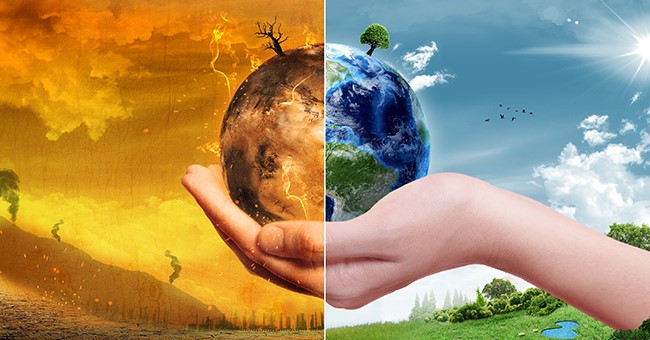
You have likely heard about climate change, a pressing existential threat demanding global collaboration. However, it is not the sole concern. Antibiotic resistance is another rapidly emerging issue that demands urgent attention.

Not too long ago, the pathological basis of diseases was shrouded in mystery, often attributed to superstitions. About four hundred (400) years back, the role of microbes in disease causation was still unknown. It took the discovery of the microscope and the works of Antoni Van Leeuwenhoek to open our eyes to the unseen world – the realm of microbes – surrounding and inhabiting us.

Microbes, omnipresent and adaptable, have evolved significantly to thrive in a constantly changing world. The human connection with microbes is extensive and intriguing. Thanks to their versatility, microorganisms are instrumental in driving human technological advances through their varying applications in agriculture, environmental protection, medicine and industrial production. From drug discovery and development to their role in bioremediation, biotechnology, and the emerging field of genetic engineering, microorganisms have played a monumental role in the survival and progress of life forms on Earth, even shaping civilizations.

Nevertheless, despite their crucial role in the earth’s functions, microbes also contribute to human misery as pathogens. Despite global efforts to combat them, infectious diseases persist as a challenge, particularly in Sub-Saharan Africa where the existing weak health system grapples with a double burden of diseases – an increasing prevalence of non-communicable diseases alongside prevailing communicable diseases.

Apart from the substantial morbidity and mortality resulting from infectious diseases, the burden encompasses economic losses due to healthcare expenses and disabilities, as well as a decline in productivity. In a broader sense, infectious diseases hinder human development by adversely affecting education, income, life expectancy, and other health indicators.

While current morbidity and mortality rates remain notably high, the situation contrasts significantly with the past where certain infections, now easily treatable, were once considered death sentences or challenging to address. The serendipitous discovery of Penicillin by Alexander Fleming stands out as a pivotal moment in medical history. “Antibiotics” not only transformed the curability of many diseases but, coupled with advancements in anaesthesia, also enhanced the safety and feasibility of major surgeries.

While the term “antibiotics” holds a more specific meaning in pharmacology, commonly it refers to a category of drugs utilized in treating “bacterial” infections. Bacteria, while a significant group, represents just one class of microorganisms; others include viruses, fungi, parasites, and even prions. Antibiotics function by disrupting vital processes in microbes leading to a loss of structural integrity or functional capacity, ultimately causing them to die or halt their replication.

Antibiotics encompass a diverse group of drugs, belonging to various classes, each effective against specific types of organisms. They include the well-known Amoxicillin (Amoxil), Ampicillin-Cloxacillin (Ampiclox), Metronidazole (Flagyl), Ciprofloxacin, Amoxicillin-Clavulanate (Augmentin) and numerous others easily accessible over-the-counter in our setting. Antibiotics have played crucial roles in combatting menacing diseases like Tuberculosis, Leprosy, Gonorrhoea, Syphilis, bacterial pneumonia, acute bacterial meningitis, and many others.

The introduction of these drugs came as a huge blow to the pathogenic microbes that previously had a field day. However, in line with natural selection, they didn’t succumb passively and perceived the development as a declaration of war. Over the years, these microbes evolved, becoming insensitive to many of these drugs—a phenomenon known as antibiotic resistance.

In response, scientists discovered new drugs, tweaked some of the existing drugs or synthesized novel ones. This led to a vicious cycle, whereas new drugs are developed, these organisms adapt and become resistant. This trend persists to our present day, leading to the emergence of highly resistant strains of microorganisms that are not susceptible to most of the antibiotics used in treating the kind of infections they cause – the so-called Superbugs. 

Unfortunately, this cycle is not sustainable for mankind. The rate at which microbes adapt to our drugs is faster than the turnout of our drugs. It takes about 10-15 years to develop a new antibiotic. Not only that, studies have shown that the estimated global cost of developing a new, targeted antibiotic will cost over a billion USD ($1 Billion), making it a highly expensive and risky venture for pharmaceutical companies.

The combination of these factors has impeded innovation in the field of antibiotics. Notably, the latest discovery of a new “class of antibiotics” that has reached the market was back in 1987. Since then we have been in a “discovery void” era, and currently, there are few novel antibiotic classes in the drug development pipeline. 

In 2022, the World Health Organization (WHO) identified twenty-eight (28) antibiotics in clinical development that address the WHO list of priority pathogens, of which only six (6) were classified as innovative. The repercussions are felt globally as an increasing number of bacterial infections are becoming hard to treat, once again posing a threat to global health and development.

Undoubtedly, resistance is a natural phenomenon and will eventually develop against some antibiotics. However, the accelerated rate at which it is occurring is aided by our irrational use of these drugs. Therefore, prudent use will surely slow down the process. 

Key determinants of antibiotic resistance include antibiotic abuse in veterinary and medical practice, inadequate provision of Water, Sanitation and hygiene (WASH) infrastructure, and the effectiveness of policy development and enforcement.

Dr. Ismail is a Medical Officer at Khalifa Sheikh Isyaka Rabiu Paediatric Hospital, Zoo Road, Tarauni, Kano State.

Charms against bullets

By Bilyaminu Abdulmumin

Guns are the enigmatic force that charm practitioners, all over the world, have been trying to crack since time immemorial. There was no length these charm practitioners didn’t go to contain this mysterious “oyibo” invention. In 2017, Daily Trust reported an awful story about a member of a Vigilante Group in Katsina and his quest for bullet charm. This lad was said to test the charm while in the middle of the vigilante gathering, so in a show of bravery and gallantry, he wrapped himself up in the charms, did incantations, picked a dane gun, and fired on himself. He died instantly!

Coincidentally six years later two similar stories shook the internet. One was in Bauchi State. According to an interview by the Bauchi police in the viral video of the purported spiritual helper, luck ran out of them. As he was testing the charm on his client the bullet pierced the helper’s stomach. The second incident, all the way in Ghana, but this time around it was gang members who claimed to have gotten the charm against the bullet, so this too, when testing the charm against one of them he immediately kicked the old bucket. Why is the constant desperation going unorthodox ways for bulletproof when it could be easily achieved when tuned to science’s endless ways?

Bulletproof materials are simply materials fabricated using layers of strong fibers. The fibers that are strong enough can “catch” and deform a bullet, mushrooming it into a dish shape and spreading its force over a larger portion of the fiber materials. In other words, fiber materials like vests could absorb the energy from the deforming bullet, bringing it to a stop before it can completely penetrate the textile matrix. There are fibers everywhere including heaps of waste along the roadsides in our cities, this could be harnessed for such purposes. Some time ago, I heard in an interview from one Nigerian student who was working to harness the fibers in chicken feathers to develop a bullet vest. This student further elaborated the idea behind the bulletproof in another way, he said strong fibers arranged in a particular way act like black hole phenomena, the concept that was revolutionized by the greatest 21st theoretical physicist, Sir Steven Hawking.

A black hole consumes any force that comes close to it without a trace. So a carefully prepared fiber material has this awesome feature. I wish I could learn further where the idea of this student has gone. Perhaps for the show of bravery and gallantry the charms practitioners want it natural, without the use of any vest. Then they should cry no more because there is equally a research in this direction. This involved directly engineering human skin to deflect the bullet. In the Netherlands, another student researched this by bioengineering a small sample of human skin to include spider silk between its layers. The Netherlands Forensics Institute has test-fired low-speed rifle bullets at it, and shown that it halts them.

So, it’s up to researchers to pick up from here by bioengineering human skin with spider silk for higher rifle endurance. The sons of slain victims of bullet charm would have very good motivation to continue with this research. Whenever it comes to bullet charm, Bokero’s legacy stands out. Bokero claims to be possessed by snakes, as a result, he became known for assisting with every spiritual help. So when the East African countries, Tanzanians and co, grew impatient with German colonial rule, back early in the 1900s, they turned to Bokero for help. He provided them the war medicine, according to Bokero the concoction would not only protect them from the German bullets but would turn the bullet into water, motivated by this new charm, these zealots would confront German firearms. May the souls of about 300,000 rest in peace.

Is schooling a waste of time?

By Ubaydullah Abdulmalik

When an average youth from a developing country is fooled into believing that schooling is a scam because degrees do not guarantee employment, there is little that can be done to help such a person. There is hardly a day that I scroll through social media pages without stumbling over multiple posts that discredit the relevance of schooling and tertiary education. This argument continues to generate debates on whether it is worth it to go to school and acquire degrees, in a society where degree holders and degreeless people “hustle” equally for survival.

So is schooling a scam? Well, I will start with a quote from Michelle Obama, she said and I quote; “The ability to read, write and analyze; the confidence to stand up and demand justice and equality; the qualifications and connections to get your foot in the door and take your seat at the table – all of that start with education.” – Michelle Obama

It is gradually becoming a prevalent notion within our society that degrees and advanced formal education have limited relevance in the 21st century, and this is only because they don’t guarantee jobs to those who pursue or acquire them. No one says a college degree is the only path to success in life, but honestly, how could schooling be considered a waste of time?

Primarily, based on the misconception that people go to school and graduate to get employed, this reprehensible fallacy is gaining more ground in the midst of our youths and students. Phrases like “school na scam,” “who degree epp,” and “this useless course” among others, are trademarks of this idea. it is an undeniable fact that unemployment is at an all-time high state and that in today’s society, degrees and other qualifications may not guarantee employment, let alone job security for individuals, but this does not render degrees useless or schooling a waste of time. Because many do not understand the real essence of education, they stand to benefit the least from it – a lot go through schools only to leave a little different than they arrived.

Time has changed and even though college degrees largely guaranteed an employment in the past, that doesn’t hold anymore today. With the rapid rise of technological innovations, artificial intelligence and automation, concerns about unemployment continue to grow globally.

In my own opinion, this only reflects the dynamic and ever-evolving nature of societies and human interactions. The nature and standard of education in the past befitted the market requirements, socio-economic realities and technological advancement of those people, then.

Education has constantly evolved with societies and human behavior, and as such, we must continuously align the standards of our educational system with the dynamic needs and challenges of the present era. But this is difficult to fathom for some people. Instead of asking why a degree or some other form of formal education may not easily guarantee or get one a job in today’s society, a lot are trying to dismiss the relevance of tertiary education as a whole. This is completely wrong.

This is one out of many disheartening posts and conversations that happen daily on social media. The gullible among youths and students are glaringly made to believe this, because of obvious reasons, that education no longer holds much relevance in today’s society. And it is a very big fat lie! I don’t subscribe to the conspiracy theories questioning the motives behind our contemporary educational system. I do believe, however, that certain errors need to be corrected in our educational system, especially our mindset, regarding the purpose of education.

There’s this general misconception or conditioning that we all grow up with; since childhood, we are made to believe that we go through school and obtain education (the 6-3-3-4 system) to ultimately seek a job, a notion that is wrong in its entirety. When people grow up to learn the hard truths, some misunderstand it all and they begin to question the relevance of education.

A change in mindset and orientation would solve it all. The upcoming generation must come to understand that the end goal of education is not solely employment. Of course employment is a major factor after acquiring education; and gainful employment is expected of anyone with “sound education”, however, employment is never the primary purpose of education.

Education is meant to train individuals and to equip them with the requisite skills needed to thrive in any environment and live a meaningful life. Education is meant to broaden horizons, sparking innovations and producing problem-solvers that would champion the emancipation and advancement of societies. 

As Kofi Annan puts it: “Knowledge is power. Information is liberating. Education is the premise of progress, in every society, in every family.” Education has always been and will always remain the golden key to success. It depends however on one’s perception of what education is. 

Most often, we only think of the superficial value of things and never care to reflect deeply on the real essence of education. 1000 years ago, no one went to school to get degrees and universities as we know them today, did not exist. Even so, the people of those ages had their forms of education and learning systems, be they formal or informal. Similarly, universities as we know them today, may not exist in the next two or three centuries, but the essence of education will persist in accordance with the context of that era. This is because education is boundless and timeless.

Ubaydullah Abdulmalik is an undergraduate student from Bayero University, Kano. He is a passionate advocate for quality education and digital literacy in today’s society. He can be reached via; ubaydulmalik530@gmail.com

Climate change will affect everywhere: Are we at more risk?

By Saifullahi Attahir

Our grandparents used to remember with nostalgia how, in the past  50 years, they usually had a high-yield harvest yearly-round in the farms and surprisingly with total abstinence from using fertilisers and other modern additives. The bushes are full of trees of all sorts, vegetative forests with various colourful and nutritious leaves, guavas, mangoes, paw-paw, and dates, to name a  few. A farmer was almost always sure to have a sufficient harvest for the family with little manure from his domestic animal dungeons. They always harvest enough to feed themselves and their families, even more for the neighbourhoods.

Surprisingly, today, with all the powerful tools for mechanical farming, with all the ‘Almighty’ fertiliser, with all the agricultural institutions, with all the army of PhDs in academia, we harvest less and less. For the past two decades, our weather has constantly fluctuated with no certainty of what to crop this year or next. For instance, a  farmer would cut rice this year on clay land and experience drought, so precisely the following year, when he decided to switch to grains ( millet or sorghum), which would perfectly suit the dry land, unexpectedly, there would be a massive flood.

I live in Jigawa State and had first-hand experience with this scenario. Our farmers constantly switch between sesame (‘ridi’), groundnut, millet, and even rice. Places once dry land for sorghum and groundnut are now perfectly turned into rice farming lands. If you are doubting, come to areas around Sara town in Gwaram Local Govt, Jigawa state.

Jigawa state was initially named ‘Jigawa’  because of the large number of dry land primarily available for farming crops requiring less water. How are these vast areas becoming a mix-up, and even some submerged below water? How did we arrive arrived at this juncture? Why do we experience more floods and erosion disasters yearly?

Some of those answers are written on the wall as an effect of climate change caused by man-made activities that we failed to take any heed or measures. Some of those effects result from our ignorance to look into our environments and how we take care of our stomachs. These effects result from continuously perpetuating natural resources to satisfy our insatiable human greed.

Over the past decade, scientists and the media have been constantly alerting the populace on the danger that global temperature changes pose to the living conditions we are currently enjoying. Some of those warnings were already in effect in many parts of the globe. Research has shown how the continuous depletion of the ozone layer by emission from fossil fuel by our engines and industries poses a  great danger to the protection we once enjoyed from the Sun. The direct ultraviolet radiation from the heating Sun is no longer protected by the ozone layer, making it descend directly into our atmosphere. This led to the increased rise of the earth’s temperature to a fraction of a degree. The earth’s temperature has reached almost 2°c ( degree centigrade), with future expectations to reach 3°c.

The rise in earth’s temperature led to the constant melting of polar ice in the global North around Greenland. If you don’t know, these ices served as a pillar to the seas, habitation of billions of aquatic life, and a source of living for humans. If that ice melts, it will continue to kill those animals, shifting the ecological balance to the negative. Not only that, but mass migration of those living around the Poles would lead to overcrowding in other parts of the world, probably Europe or Africa.

Most of the current danger of global warming was caused by the developed Nations in the global North, especially Europe, which for over 200 years possessed engines that constantly polluted the air with carbon. Those countries include the US, UK, Germany, Russia, and China. Ironically, the underdeveloped countries in the global South are at the receiving end of the punishment, where floods, famine, earthquakes, storms, desertification, erosions, and drought constantly threaten them. The global South countries at constant risk of global warming are Pakistan, India, Indonesia, South America, and West and Sub-Saharan Africa.

One of the effects of global warming that people hardly pay attention to are as follows ;

1) Whenever any part of the world experiences a flood, famine, or earthquake, that part automatically becomes uninhabitable, and most of its inhabitants tend to migrate to safer places and greener pastures, especially cities. This would lead to overcrowding of urban areas, the creation of more slums, an increased crime rate, fewer job opportunities, and a reduction in the available land for farming and farmers themselves. These are the natural causes of food insecurity we see daily, the natural causes of the xenophobic attacks we hear daily, and the natural causes of the immigration problem we experience daily.

2) Overgrazing of the land without proper ways of replenishing and the constant encroachment of those specific forests and environments reserved for nomadic livestock in Northern Nigeria have forced the Nomadic Fulani to travel far to Southern Nigeria in search of pasture. This would automatically cause some altercation regarding rights, privacy, and intrusion, which causes the constant farmer-herders conflict escalating and metamorphosing into something else.

3) Many of those Fulani were now barren of their millennia-old source of livelihood (livestock) or were forced to abandon the practice because of the scarcity of grazing fields through encroachment by expanding Government or Private projects ( roads, railways, colleges, companies, hydroelectric dams). Worse, they could not attend schools or learn modern skills and mostly lived deep in the forest, so Government social amenities were scarce or absent. What do you expect from this scenario: aged old frustration accumulating over the years of negligence, ignorance, poverty, despair and envy? So those kinds of young idle minds can become a devil’s workshop if care is not taken. It’s easy to convince them through propaganda to carry weapons, which we now see as a form of banditry, armed robbery, kidnappings, and terrorism.

4) We have been witnessing the constant conversion of places once ecological habitats reserved for forestation and farming various food crops that our lives depend upon. These places are now becoming Universities, companies, barracks, airports, hotels, and rail tracks. These activities lead to less land for farming despite the exponential growth in the world population, hence the less harvest. This is the cause of hunger. Hunger leads to conflict, wars, illness, and debasement of human capital development.

The effect was not only caused by the developed Nations. We, too, have our share of the problem. I’m sure everyone raised in a rural area is aware of the constant deforestation by our people to gather burning sticks, and the worrying part is we cut the trees without planting others in their place. According to research, we need to plant ten trees instead of each one we cut down. But the sad story is that we are not even practising 1 for 1 (i.e. cut down one tree and plant one tree).

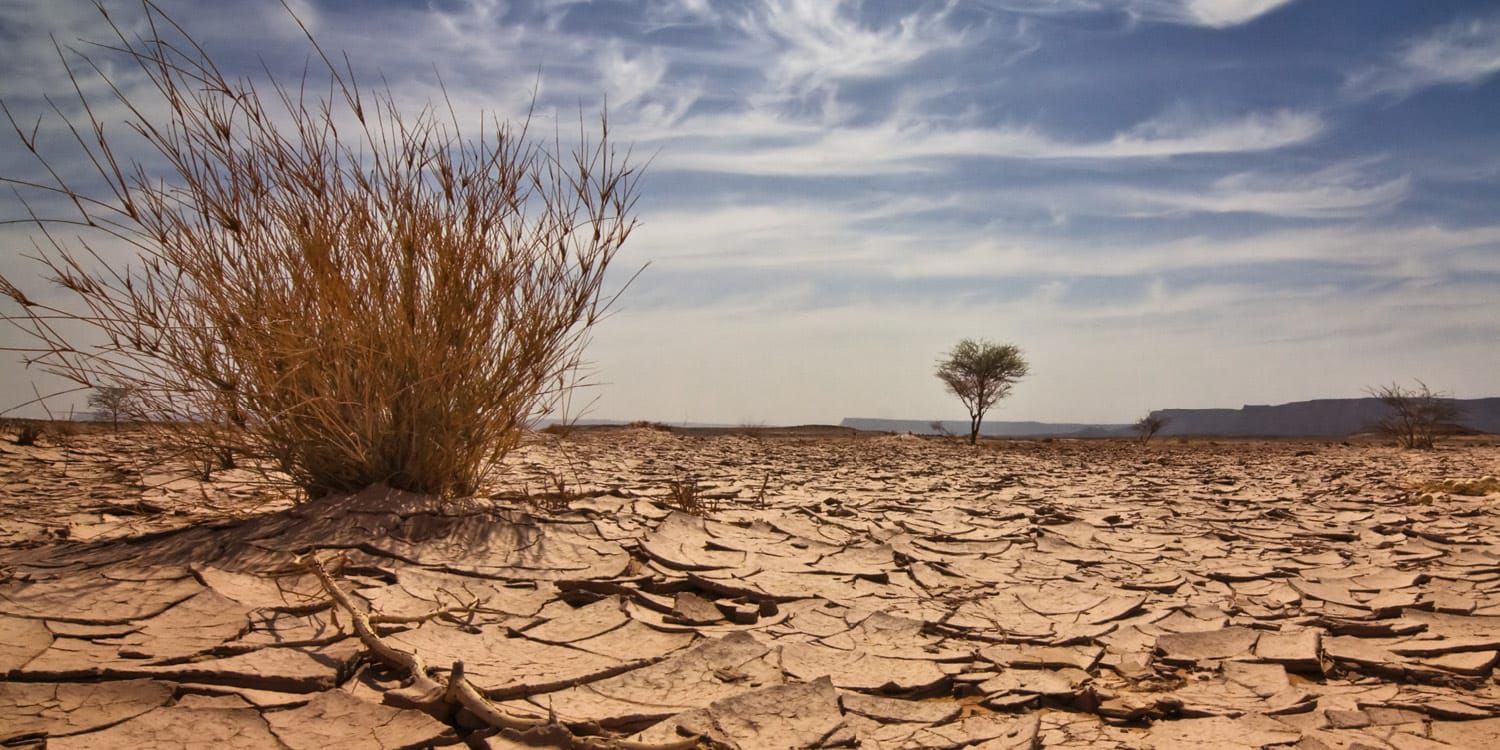
Sub-Saharan Africa is constantly threatened by desert encroachment, which would only be averted by planting more trees, especially along our roads and desert belt. People living around Jigawa State are aware of the continuous desertification yearly by metres in previously non-desert environments. This has a human and economic cost.

 Over the past five decades, the world has continually witnessed the gradual extinction and disappearance of many species of plants and animals from the earth’s surface whose research shows they enormously contribute to the stability and maintenance of ecological equilibrium. For instance,  vultures were once abundant over the skies, contributing to the degradation of carcasses that pollute the air, but today, rarely can you spot the vultures.

Hyenas, tigers, elephants, kangaroos, giraffes, swans, and thousands of other sauna and floras in aquatic and terrestrial forms were nowhere to be found. Some of those missing animal species have migrated to other parts of the globe with favourable weather. At the same time, many were wiped out through perpetual game hunting industrial and chemical poisoning. Did we know the catastrophic effect of the disappearance of these species from our planets?

It’s unsurprising that one day, humans too may start migrating to more favourable weather conditions if adverse climatic effects ravage them.

Some of the popularly known places affected daily by climate change include Jakarta, one of the world’s most densely populated cities in Indonesia, with floods destroying homes and lives every year. Hurricane Katrina in the US was a storm and mighty wind that destroyed houses, bridges, and humans. Makoko Slum in Lagos, Nigeria, is a densely populated area above water, inhabited mainly by immigrants searching for job opportunities from the deserted rural part of the country. Auyo in Hadejia Jigawa State, an area stretching many local Governments yearly affected by floods and erosion, causing devastating destruction and loss of human lives. Greenland is part of the globe at the far north pole around Antarctica. Those places are mostly covered with ice, but today, this ice melting rapidly, causing migration of the people around those parts.

The climate change effect is putting the world into a dilemma, with rising sea levels on the one hand and extreme drought and desertification on the other.

Some archaeological exploration has shown that today’s mostly desert Middle Eastern world flourished with vegetation and abundant water, lives, and different aquatic and terrestrial species. It’s only time that would tell whether we are retracing back to that same period conditions.

SOLUTION

Finally, the developed nations should continue diversifying their energy source through electric vehicles, solar stations, biodegradable energy, and hydroelectric power sources to abandon the toxic fossil fuels that pollute the atmosphere with excess greenhouse emission gases ( methane and carbon monoxide).

Also, the global South, including Asian, African, and Middle Eastern countries, should embrace conserving our God-given resources by planting more trees, regulating deforestation, and creating robust public awareness of the importance of Ecological Conservation.

Saifullahi Attahir wrote via saifullahiattahir93@gmail.com.

Bureau of Statistics collaborates with Cancer Center, AMG Foundation to establish cancer registry in Kano

By Uzair Adam Imam

There have been moves for collective efforts between the Kano State Bureau of Statistics, Kano Cancer Center and AMG Foundation to establish a comprehensive cancer registry and directory in Kano State.

A statement by the Technical Assistant to the Statistician, General Kano State Bureau of Statistics, Muhammad Tasiu Abbas, disclosed this on Monday.

Abbas said that Dr. Aliyu Isa Aliyu, the Statistician General of Kano State Bureau of Statistics, met with Dr. Amin Magashi about the development.

He added that their meeting revolved around discussing the possibilities of collaboration in establishing a comprehensive cancer registry and directory in the state.

The statement read in part, “The meeting aimed to enhance efforts in collecting and analyzing cancer-related data, ensuring improved planning, prevention, and treatment strategies in the fight against cancer.

“The proposed partnership between the Bureau of Statistics, Cancer Center and AMG Foundation is expected to strengthen the state’s capacity to combat this disease and address the various challenges it poses to public health,” the statement added.

Climate Change: Best time for Nigeria’s energy transition

By Bilyamin Abdulmumin

One of the major issues that is increasingly capturing global attention is climate change. Since 1992, the United Nations Framework Convention on Climate Change (UNFCCC) has been committed to mitigating the repercussions of this phenomenon. The Conference of Parties (COP) convenes every year to discuss the progress of their commitment.

The last summit, COP27, was held in November 2022 in Egypt, with 190 countries attending. The summit’s focus was the establishment of a “loss and damage fund” to provide funding from significant climate change contributors to countries that are least responsible for climate change but are the most vulnerable to its impacts.

Our planet Earth receives energy from the Sun in the form of sunlight, then radiates it back in the form of infrared; some of this heat reflects into space,  while some get absorbed by  Green House Gass (GHGs) in a process called Greenhouse Effect, this process stabilises our climate. Without these gases, the Earth could be considerably colder, well below freezing point. On the other hand, an increase in the concentration of these gases leads to a warmer planet. The consequences of interfering with this natural phenomenon are unimaginable. However, modern human activities are believed to be depleting this natural balance; we are increasing the concentration of greenhouse gases, resulting in a rise in global atmospheric temperatures.

Whenever fossil fuels (coal, oil, and gas) are burned to generate energy for various needs such as industrial activities, transportation, and cooking, CO2 is produced as a major by-product (CO2 emission). This CO2 is one of the greenhouse gases (GHGs) and plays a significant role in the greenhouse effect. The emissions of CO2 and other GHGs increase heat absorption, resulting in global warming. Glaciers and ice caps melt due to global warming, leading to rising sea levels. This phenomenon poses a significant threat to coastal areas, as increased water volume can cause flooding and other existential hazards.

 Another big threat is that global warming causes heat waves. A heatwave is a period of scorching weather, typically lasting several days or even weeks; the temperature of some European countries (due to heat waves) is currently reported to soar up to 40 degrees Celsius.

In broader terms, while the global North (North America and Europe) mostly experiences heatwaves, glacier melting, and increased rainfall, the global South counterpart (South America, Africa, and Asia) mostly experiences flooding, drought, and forest fires. It is clear here that the latter is worst affected by global warming.

The overall global warming is currently measured at 1.2°C and is projected to reach 1.5°C by 2025. The Earth will be in real danger if global warming reaches 2.0°C (as forecast, at least by 2040). At this level, it will cause the acceleration and exacerbation of all the threats mentioned above. Drought will impact the majority of global farmland, while flooding will submerge a significant number of homes. Unquenchable forest fires will also reign, creating a sort of doomsday scenario for humanity.

It was against this foreseeable bleak future that the COP members, through the Paris Agreement, agreed to reduce CO2 emissions by 50% by 2030. This commitment means that the countries involved will restrict the usage of fossil fuels such as coal, oil, and gas and instead transition to green and clean energy alternatives like solar, wind, hydro, geothermal, and biofuels.

But one major obstacle hinders this promising energy transition, especially in developing countries: the glaring affordability of fossil fuels compared to all renewable sources. Due to the low cost of fossil fuels, all developed countries relied on them to propel their advancement. This is why transitioning to renewable energy poses more difficulties for developing countries like Nigeria. When Africa struggles to find its footing, this ugly scenario rears its head. The beneficiaries of fossil fuel’s abundance now advocate for cleaner energy solutions left, right, and centre. This situation is like campaigning to a malnourished person about routine medical check-ups when they primarily need proper nutrition. The person has to eat well before considering a longer life campaign.

The intriguing part of the global warming scenario is the unequal contribution of CO2 between developing and developed countries. The latter are far more culpable, with their giant machines releasing CO2 into the air ‘like tomorrow no de’. For instance, the US and China contribute more than 20% of the global CO2 emissions each, while the entire African continent contributes below 4%.

Nevertheless, these should not be discouraging for Africa, or a reason for kicking against climate commitment, since climate change is a long-term issue; in the future, when Africa’s economy snowballs, it will significantly contribute to global warming.

Instead, this should serve as an opportunity for Africa to embark on development while committing to climate action. Imagine if, a few centuries ago, Europe and America had received support to consider climate change mitigation while advancing their technology. We might not be where we are today, facing the current threat of global warming.

Among all the renewable energy sources, biofuel remains the most suitable option for African countries or any developing nations to adopt in their fight against climate change because it can promise simultaneous infrastructure development while combating climate change.

Agriculture is both a boon and a bane for development in many African countries since most citizens are farmers. Therefore, investing in the development of the agriculture sector through the energy sector by adopting biofuels can significantly contribute to the overall progress and development of a nation.

With COP’s commitment to supporting developing countries and the potential of biofuels to transform the agriculture sector, there is no better time for Nigeria to transition to cleaner energy.

Bilyamin Abdulmumin is a doctoral candidate in Chemical Engineering at ABU Zaria, a public affair commentator, and a science writer.