Opinion

Quranic Isah and Biblical Jesus: Muslims migration to Abyssinia

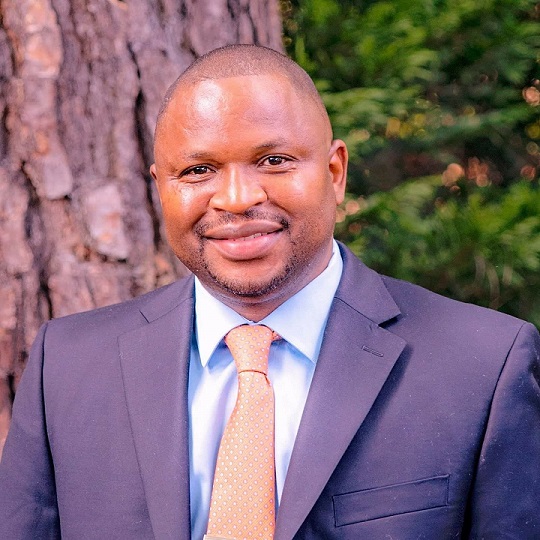
By Bin Isah

It’s funny how we attempt to submit Islam to our unwise wisdom. The most recent one is that, if we want to talk about Jesus (AS), we should be saying Isah (AS) instead of Jesus, because it infuriates a set of furious Christians to hear, “Jesus is not God”. But if we say “Isah is not God”, they won’t care.

However, come to think of it. Is Jesus not an English name of Quranic Isah? And the last time we can remember, we still call Moses as Musa, Jacob as Yakub, Solomon as Suleiman, Joseph as Yusuf, all as English names given to them. Why are we singling out Jesus and calling him Isah instead? Well, the wisdom has been stated but it’s nothing but a subversion of truth.

The idea is that the Nigerian Christians do not care about Isah, as these wise Muslims also tend to think. Now, a set of lame Christians are asking Muslims to use Isah when they want to talk about Jesus, that is, a name that they have in their Quranic scripture. Out of great ignorance, they have failed to understand that the term “Isah” is even more original to Jesus in their Bible than the term Jesus itself. Supposedly, when we use Isah, it’s even more biblical than Jesus.

In fact, there are Christians that still use “Esu” or “Yesu” or “Yeshua” instead of Jesus —and you can hear “Isah” in them. There are Hausa Christians in the North that use “Yesu” instead of Jesus, in fact, they think it’s a Hausa term. Yesu Almasihu is the chant of Arewa Christians, we all know that, which is similar to Jesus Christ, which is Isah Almasih in Quran. The evolution or corruption of the term Jesus from Hebrew to English is quite nothing new.

This is all an attempt to misrepresent Islam in the name of wisdom. Muslim and Christian scholars of remarkable repute have used Jesus in all their English works as the substitute of Isah, not any deceptive tactic to make Christians or Muslims confused about whom is being implied. We should not make Islam look like it doesn’t know what it’s addressing. The blame falls on us.

And the fact remains, there is no Christian who believes in Jesus as a God that would find anything less damning about the cancellation and condemnation of the Divinity of Jesus Christ as stipulated by Quran. You can call Jesus by Isah or whatever, but as long as you believe that he is not God, you can still be labelled as an offender, and Islam as a violent, offensive religion. It’s all about the Islamic belief on Jesus (peace be upon him), not about putting it on a banner.

Isah is not God

YET, another beautiful history to remember is that of first migration in Islam. THE COMMUNITY that provided a home to the early Muslims in Islamic history was Christian. Due to persecutions under their people, Muslims migrated to the Christian Abyssinia and, they were accepted in best manner. In fact, good Christians existed, and they will not cease to exist.

Yet, these Muslims that migrated to Abyssinia, continued to live as Muslims under a Christian rulership. Yet still, they didn’t compromise their beliefs, values or lifestyles. Contrary to the general belief of the host society, they made it clear they didn’t believe in Jesus as a God. The king of the state, king Negros, who later converted to Islam, gave them all rights to live under his domain of rulership.

The Quraysh sent a delegation to Abyssinia to persuade the king to release the Muslims to them as criminals who fled away from justice. They even told the king that the Muslims even insulted and blasphemed against his Lord, Jesus Christ, because they didn’t consider Jesus to be a God. Well, these are weighty allegations, especially the one directed at the religious belief of his nation.

The king invited the Muslim migrants to his court and interviewed them. They responded to the allegations put against them by the polytheists of Makkah, and the king didn’t find them guilty of any crime neither against the polytheistic Meccan society nor against the Christian nation. They informed him about how Islam regards Jesus AS as one of the greatest messengers of God, and they believed in him and they revered him as all other prophets sent by God. The request of Quraysh didn’t find acceptance.

They left Abyssinia and went back to Makka in loss. THE POINT IS THAT: The Christian king of Abyssinia was not a bigot that considered being a Muslim as any social problem, and there was no reason to expel the Muslims based on their belief and declaration on Jesus AS not being God or son of God but simply a great prophet and messenger of God. To him, their belief is their belief, and his belief is his belief. And they are free to publicly worship and wear the symbols of their faith.

This is a cardinal cornerstone of Islamic attitude towards other faiths: “You have your religion, and I have mine.” Yet, the Christian bigots of our time that have little to nothing to offer and the de-Islamized Muslims will continue to have a problem with Islamic beliefs and symbols. What else could they offer apart from what they have? What they cannot do is dousing the light of Islam as the last, true religion of God SWT.

May peace be upon our beloved prophet Muhammad SAW and his brother prophet Jesus Christ AS.

Bin Isah writes from Kano State.

Why men’s health awareness matters

By Lawal Dahiru Mamman,

On November 6, 2024, the World Health Organisation (WHO) used its public WhatsApp channel to broadcast an important message: “November, or Movember, is Men’s Health Month.”

This month and in the future, men are invited to grow moustaches to promote awareness and initiate discussions about health topics such as prostate cancer, testicular cancer, and mental health. Let’s move from discussion to action!

The message continued, “Women have a role to play, too! Encourage and support the men in your life to take the steps needed to improve their health.” It then provided a web link for more details.

Inspired by this call to action, there was a strong urge to investigate and bring to light diseases peculiar to men. However, a quieter voice suggested pausing to observe the media landscape and assess the awareness campaigns and engagement level.

As November progressed, it became apparent that despite the importance of men’s health, the subject was overshadowed by other significant events, such as World Diabetes Day (November 14), Cervical Cancer Elimination Day (November 17), World Toilet Day (November 19), and Anti-Microbial Resistance Awareness Week (November 18–24).

Men’s Health Awareness Month aims to encourage men to talk about their health and seek support when needed. It focuses on issues like prostate cancer, testicular cancer, mental health challenges, and suicide prevention.

Bringing the conversation closer to home, men are disproportionately affected by heart disease, cancer, and mental health issues, yet many adopt a “stiff upper lip” mentality, often choosing to endure symptoms rather than seek help. 

This reluctance is alarming. Globally, men die an average of 4.5 years earlier than women, with 86% of these deaths attributed to non-communicable diseases and injuries, according to a 2019 WHO study.

Prostate cancer remains a significant health concern worldwide, with over 1.4 million cases diagnosed in 2020 and an age-standardized incidence rate (ASIR) of 30.7 per 100,000 males. In Nigeria, it is the most common cancer among men, accounting for 11–15.1% of all male cancers. 

Between 2009 and 2016, data from 15 cancer registries in Nigeria recorded 4,091 cases, with 80% deemed incurable at diagnosis. This underscores the lack of investment in men’s healthcare.

Mental health is another area plagued by harmful stereotypes and societal expectations. An estimated 40 to 60 million Nigerians suffer from various mental health disorders. The country ranks fifth globally in suicide rates, with about 15,000 cases per 100,000 people. 

For men, societal pressures to fulfil financial and family responsibilities exacerbate their mental health struggles. Failure to meet these expectations often earns them harsh labels like “irresponsible,” further driving depression.

On the cardiovascular front, heart diseases, high blood pressure, and strokes remain the leading causes of death among men. Occupational hazards also contribute significantly to premature deaths, while lifestyle choices such as smoking, poor diets, alcohol consumption, and exposure to interpersonal violence increase health risks.

Risk-taking behaviours and the underutilisation of healthcare services compound men’s health issues, which are consistent across many countries. These trends highlight the importance of leveraging platforms like Men’s Health Month to challenge societal norms and encourage proactive health management.

David Samadi, a world-renowned urologist and prostate cancer expert, aptly observed that “Men’s health is not just about physical health, but also about mental and emotional wellbeing.” His words emphasise that men’s health has far-reaching consequences, affecting individuals, their families, and communities.

Although this year’s Men’s Health Awareness Month has ended, the mission does not stop here. Instead, it should mark the beginning of sustained efforts to keep the conversation alive, promote healthy living, and drive awareness year-round.

This is an urgent appeal to individuals, organisations, and policymakers to prioritise men’s health issues and foster environments that encourage men to seek help without fear of stigma or judgment. Together, we can ensure that men’s health receives the attention it deserves.

Lawal Dahiru Mamman writes from Abuja and can be reached at dahirulawal90@gmail.com.

Nigeria: Parable of a brutish economy

By Usman Muhammad Salihu,

Nigeria, one of Africa’s largest crude oil producers, grapples with a troubling paradox: soaring fuel prices and a meagre minimum wage. This contradiction underscores the harsh realities confronting millions living in a resource-rich nation.

Crude oil has long anchored Nigeria’s economy, generating substantial revenue and foreign exchange. Yet, the wealth rarely trickles down to ordinary citizens. Fuel, a key derivative of crude oil, remains prohibitively expensive due to deregulated markets, subsidy removal, and limited domestic refining capacity. 

Instead of refining its crude oil, Nigeria imports refined petroleum products, driving costs and straining an already fragile economy. The ripple effects are profound. Transportation costs have skyrocketed, inflating the prices of goods and services. Farmers transporting produce to markets, artisans powering tools, and businesses reliant on generators to offset erratic electricity endure immense burdens. 

Small-scale businesses are teetering on the brink of collapse, and consumers face relentless price hikes for basic necessities. These challenges are insurmountable for an average Nigerian earning ₦30,000–₦70,000, one of the world’s lowest minimum wages. 

Despite rising inflation and a depreciating naira, wages have remained stagnant, forcing workers into painful trade-offs: skipping meals, forgoing healthcare, or withdrawing children from school to survive. Experts widely view Nigeria’s reliance on fuel imports as a colossal policy failure. 

The nation’s four state-owned refineries, once symbols of industrial pride, have devolved into monuments of inefficiency. Operating at less than 20% capacity for decades, these facilities consume billions in rehabilitation efforts with no meaningful outcomes, leaving the country reliant on costly imports.

Successive administrations have promised reforms to the oil and gas sector, but the results have disappointed. Corruption and a lack of political will perpetuate a cycle of waste and economic hardship.

Recent reforms, such as subsidy removal, aim to redirect funds to infrastructure and social welfare. However, these measures have worsened the immediate plight of citizens. Fuel prices have soared, deepening poverty and sparking protests. While the affluent and corporations may weather the storm, low-income earners face a relentless battle for survival.

Addressing these challenges demands transparent and decisive leadership. Revitalising local refineries is essential to reducing dependence on imports, creating jobs, and stimulating the economy. Exploring alternative energy sources like renewables can diversify the sector and alleviate pressure on oil dependency.

Revising the minimum wage to reflect inflation and the cost of living is equally critical. This adjustment would offer workers some reprieve and restore their purchasing power.

Nigeria must also prioritise institutional reforms to ensure accountability in managing its oil wealth. A transparent, well-regulated oil and gas sector could unlock enormous potential, transforming the nation from a land of paradoxes into shared prosperity.

For Nigeria to truly harness its vast resources, it must close the gap between its wealth and the welfare of its people. Affordable fuel and a living wage remain aspirations for millions—a dream that can only be realised through bold action, sustained commitment, and genuine prioritisation of the masses over vested interests.

Usman Muhammad Salihu is a PRNigeria Communication Fellow. He wrote from Jos via muhammadu5363@gmail.com.

Tax Reform Bill: A path to equity and unity!

By Zayyad I. Muhammad

Taxation is not merely a tool for generating revenue; it is a cornerstone for fostering national balance and ensuring the collective survival of all citizens. Recognizing this, with wisdom, Nigeria has exempted many essential goods and services such as agricultural produce, fertilizers, certain baby products, and healthcare items from taxation or VAT. This policy ensures that food items like rice, maize, sorghum, millet, beans, and meat—produced in states like Kano, Borno, Adamawa, Taraba, etc —can reach markets in Enugu, Lagos, and Port Harcourt, where they are accessible to Nigerians at reasonable prices.

Conversely, products such as fertilizers, agricultural machinery, baby items, and healthcare essentials manufactured in industrial hubs like Aba, Ibadan, Warri, and Lagos, etc., remain affordable across the country, including the northern states, because they are VAT-exempt. This interconnected economic framework fosters interdependence among states and promotes equitable access to essential goods, irrespective of geographic location.

However, the current discourse surrounding the proposed tax reform bill, particularly its provisions on VAT, has raised concerns about fairness and equity. Rather than serving as a unifying mechanism, the proposed VAT contributions and their sharing formula have become a source of tension, with some Nigerians—especially from the North—perceiving the system as skewed in favour of economically dominant states like Lagos. This perception has fueled suspicions, leading to terms like “Lagos colonialism” being used to describe the perceived imbalance in resource allocation and benefit distribution in the new VAT bill if passed into law by two chambers of the National Assembly 

To address these concerns, the tax reform bill must be designed to generate revenue and reflect the principles of fairness, inclusivity, and Nigeria’s complex politics.

Taxation policies should be a tool for strengthening national unity, ensuring that every Nigerian, regardless of region or state, feels an equitable share of the nation’s prosperity. There is no need to rush to nowhere- the government must patiently engage in transparent dialogue and adopt a balanced approach that considers the diverse economic contributions and needs of all states. 

One key reason the North rejected the bills is that President Tinubu’s administration is facing growing suspicion among many Northerners due to certain policies, programs, and appointments. This is a troubling development for a government that, before coming to power, proudly counted the North as its political stronghold and key support base.

Such distrust is damaging not only to the administration’s credibility but also to national unity. To maintain the confidence of all Nigerians, it is crucial for the government to address these concerns transparently, ensuring that its actions reflect inclusivity and fairness. Economics and politics often intertwine. When political backlash outweighs economic benefits, retreat and consultation are essential.

The Tinubu government must strive to deliver on its promises while fostering trust across all states and demographics, particularly among those who believe in its leadership.

In essence, taxation should not be seen as a divisive tool but as a bridge that connects the unique strengths of each state and region, fostering a truly united and prosperous Nigeria.

 Zayyad I. Muhammad writes from Abuja via zaymohd@yahoo.com.

Challenges facing journalists and shrinking civic spaces

By Rabi Ummi Umar

Journalism is a global profession of significance, recognised and protected by constitutional statutes. In Nigeria, it is the only profession explicitly acknowledged in the 1999 Constitution.

Chapter 2, Section 22, titled Obligation of the Mass Media, mandates that “The press, radio, television, and other agencies of the mass media shall at all times be free to uphold the fundamental objectives contained in this Chapter and uphold the responsibility and accountability of the Government to the people.”

Similarly, Chapter 4, Section 39 guarantees “freedom of expression and the press,” ensuring every citizen’s right to hold opinions and share information freely.

With these constitutional provisions, journalists are tasked with informing the public and bridging the gap between government and citizens. They serve as vital agents of transparency and accountability, reinforcing democracy by fostering open communication and trust.

However, the path of a journalist is fraught with challenges. While the profession is often romanticised as noble, those outside the field frequently underestimate its complexities.

In today’s digital era, citizen journalism has blurred the lines between professional journalism and unverified information shared on social media. The advent of blogs and platforms has given rise to individuals claiming to be journalists without formal training, undermining the profession’s credibility.

Real journalists with specialised training adhere to high verification and reporting standards. However, distinguishing them from impostors is becoming increasingly tricky, primarily online.

For instance, the recent case of Hamdiyya Sidi Shariff, who published unverified claims about the Sokoto State government, highlights the consequences of misinformation. Although she eventually apologised, her actions emphasised the need for professionalism and ethical standards in journalism.

Untrained influencers and bloggers often disseminate half-truths or outright falsehoods before verified news reaches the public. Their fame and large followings make it harder for audiences to discern fact from fiction.

This misleads the public and makes it challenging for trained journalists to correct narratives. Professional journalists face immense personal and professional pressures.

They contend with fatigue, low motivation, and depression but must persevere for the sake of public service. On the streets, they endure insults and harassment while gathering stories, often risking their safety and personal relationships.

Investigative journalists, in particular, face the highest risks, with some losing their lives in pursuit of the truth. Police harassment is another recurring issue. Journalists are frequently detained or obstructed while on assignments despite their role as allies serving the public interest.

Such hostility erodes trust between security agencies and the press, undermining collaboration.

Misinformation poses one of the greatest threats to journalism. Nigerians and citizen journalists must understand that setting the nation on a better path requires a civil, constructive approach. Publicly disparaging the government or amplifying unverified claims online worsens problems without offering meaningful solutions.

Journalists must be empowered to tackle these challenges effectively. This begins with creating an environment where journalists feel safe and valued. Providing resources for unhindered reporting, ensuring mental and physical well-being, and recognising exceptional contributions through awards can significantly boost morale.

Collaboration is also essential. Journalists should partner with lawyers, security agencies, and other stakeholders to form coalitions that uphold ethical practices and safeguard the profession’s integrity.

Finally, journalists must advocate for safe civic spaces where everyone can share information without fear. Upholding constitutional protections is crucial, but building trust, professionalism, and resilience is equally essential for journalism to thrive. Only then can the press fulfil its role as the cornerstone of democracy and accountability.

Rabi Ummi Umar is a student at Al-Hikmah University, and she can be reached via rabiumar058@gmail.com.

ATBUTH e-Health: Revolutionizing healthcare delivery

By Usman Abdullahi Koli 

The Nigerian healthcare system has long faced challenges that make accessing quality care difficult, especially for the average citizen. Many patients have endured unnecessary struggles during critical moments, from long queues at registration units to delays in retrieving medical records. Tragically, these inefficiencies have, in some cases, led to preventable losses—not just because of late arrivals at hospitals but also due to prolonged registration and file retrieval processes.

Abubakar Tafawa Balewa University Teaching Hospital (ATBUTH) Bauchi has boldly changed this narrative. Staying true to its vision and mission, the hospital has introduced an innovative e-health system to alleviate these issues. This transformation goes beyond addressing immediate challenges—it sets ATBUTH on a path to becoming a leader in modern, patient-focused healthcare in Nigeria.

ATBUTH has been a symbol of hope for years, offering quality healthcare to countless patients while continuously striving to improve its services. Recognizing the growing needs of modern healthcare, the hospital has embraced advanced digital solutions to revolutionize how it delivers care.

Adopting an Electronic Medical Records (EMR) system, seamlessly integrated with the eCMDS platform, reflects ATBUTH’s commitment to progress and patient well-being. This transformative step simplifies operations, improves administrative processes, and creates a more compassionate, patient-centred experience for everyone who walks through its doors.

The introduction of e-health at ATBUTH also aligns with a Federal Government policy to digitize public services. This initiative aligns with global trends, ensuring healthcare services are faster, safer, and easier to access. Digitizing patient records, registration, billing, and laboratory results drastically reduces waiting times and makes every interaction smoother.

The EMR system protects patient data from being lost or tampered with, while automated processes close gaps that could lead to fraud or revenue loss. Furthermore, the centralized database enables researchers to access accurate, real-time information, fostering medical advancements. This leap into digitization firmly establishes ATBUTH as a forward-thinking institution ready to stand shoulder-to-shoulder with leading hospitals in Nigeria and beyond.

Although the implementation of the e-health system has been highly successful, challenges still exist. One of the most pressing issues is network reliability, which can sometimes be unpredictable. However, the hospital’s management is actively working to resolve these issues permanently to ensure uninterrupted services. Unfortunately, specific individuals have also attempted to undermine this initiative by spreading misinformation and discouraging public trust. Such actions disrupt progress and risk undoing the remarkable strides ATBUTH has made in improving healthcare delivery.

Everyone must understand that progress is a journey that moves forward, not backwards. For ATBUTH to maintain its momentum as a leader in healthcare innovation, it needs the collective support of patients, staff, and the public. Adopting the e-health system is not just about modernizing healthcare—it’s about making services more accessible, efficient, and humane.

Despite being a relatively young institution, ATBUTH has achieved remarkable feats rivalling even the country’s most established hospitals. This e-health initiative is a testament to the hospital’s determination to excel and better serve its community.

ATBUTH’s e-health system is more than just a technological upgrade—it is a lifeline for thousands of patients who rely on the hospital for their care. As this digital transformation continues to evolve, the public must embrace and support it wholeheartedly. Together, we can ensure ATBUTH remains a trusted name in healthcare and a symbol of progress in Nigeria’s health sector.

Usman Abdullahi Koli writes from Bauchi.

Talking about access to quality healthcare for some Nigerians


By Usman Muhammad Salihu

Access to quality healthcare remains a pressing issue in Nigeria, particularly for the millions living in rural areas. Despite various initiatives to improve healthcare delivery, rural communities continue to face significant barriers, resulting in poor health outcomes and deepening inequalities in the healthcare system. 

These challenges underscore the urgent need for targeted interventions to bridge the gap between urban and rural healthcare access. One of the most significant challenges rural communities face is geographical isolation. Many villages and settlements are far from urban centres where most healthcare facilities are concentrated. 

The distance to the nearest hospital or clinic can sometimes span hundreds of kilometres, making timely access to care nearly impossible for many rural residents. This problem is exacerbated during medical emergencies, where every second counts, yet patients must endure long and arduous journeys before reaching medical help.

A chronic lack of healthcare infrastructure plagues Nigeria’s rural areas. Many villages do not have hospitals or clinics; even where facilities exist, they are often under-resourced. Shortages of essential medical supplies, equipment, and trained personnel are common, making providing even basic healthcare services difficult. 

According to a report by the World Health Organization (WHO), Nigeria needs to increase the number of healthcare workers and facilities to meet the growing demands of its population, particularly in underserved rural areas. Poor transportation systems further compound the challenges of accessing healthcare in rural Nigeria. 

The lack of reliable road networks, especially during the rainy season, leaves many rural areas cut off from healthcare services. Sometimes, patients must travel on foot or rely on motorcycles, which may not be suitable for critically ill individuals. 

The absence of affordable public transport options also limits the ability of rural residents to seek medical care, particularly for routine check-ups or preventive healthcare. Financial hardship is another significant barrier. Many rural residents are subsistence farmers or engage in informal sector jobs with little to no stable income. 

As a result, they often cannot afford healthcare services, especially when these are not subsidised. Even when free services are available, hidden costs such as transportation, medication, and unofficial fees can deter people from seeking care.

Cultural beliefs and language differences present additional hurdles for rural communities. In some areas, traditional medicine is preferred over modern healthcare, leading to delays in seeking professional medical attention. Furthermore, healthcare providers unfamiliar with local languages and cultural practices may struggle to communicate effectively with patients, resulting in misunderstandings and mistrust.

The challenges of accessing healthcare in rural areas have far-reaching consequences. One of the most alarming is poor health outcomes, including higher rates of maternal and infant mortality. According to UNICEF, Nigeria accounts for a significant proportion of global maternal deaths, with rural women disproportionately affected due to a lack of access to skilled birth attendants and emergency obstetric care.

Delayed treatment is another critical issue. The inability to access healthcare promptly often leads to the progression of diseases to more severe stages, reducing the chances of successful treatment. For example, conditions like hypertension or diabetes, which can be managed with early intervention, often go undiagnosed and untreated in rural areas, leading to life-threatening complications.

Additionally, the economic burden of healthcare is devastating for rural households. The cost of treatment can deplete a family’s savings, forcing them to sell assets or take on debt. This cycle of poverty further entrenches the disparities between urban and rural populations.

Addressing these challenges requires a multi-pronged approach. Governments and stakeholders must prioritise investment in rural healthcare infrastructure. Building and equipping clinics and hospitals in underserved areas is critical to reducing the geographical barriers rural communities face. Additionally, mobile clinics and telemedicine programs can bring healthcare services closer to people who live in remote locations.

Community-based healthcare programs are another effective solution. Training and deploying community health workers to provide essential services such as immunisations, maternal care, and health education can significantly improve health outcomes. These workers can serve as rural residents’ first point of contact, offering accessible and culturally appropriate care.

Financial support for rural residents is equally important. Subsidising healthcare costs through insurance schemes or direct financial aid can ensure that rural populations can afford essential services without economic hardship. The government’s National Health Insurance Scheme (NHIS) should be expanded and tailored to adequately cover rural residents.

Finally, addressing cultural and language barriers is essential for fostering trust between healthcare providers and rural communities. Training healthcare workers in cultural sensitivity and local languages can improve communication and encourage more people to seek care. Public health campaigns should also engage community leaders and use culturally relevant messaging to promote modern healthcare practices.

To conclude, the healthcare challenges in rural Nigeria are deeply rooted in geographical, infrastructural, financial, and cultural issues. However, these challenges are not insurmountable. 

Nigeria can take significant steps toward achieving equitable healthcare access for all its citizens by investing in rural healthcare infrastructure, implementing community-based programs, providing financial support, and addressing cultural barriers. Ensuring that no one is left behind in the quest for quality healthcare is a moral imperative and a necessary foundation for the nation’s development and prosperity.

Usman Muhammad Salihu was among the pioneer cohorts of the PRNigeria Young Communication Fellowship and wrote in from Jos via muhammadu5363@gmail.com.

Jesus Christ (peace be unto him) is not God!

By Bin Isah

In the last couple of days, social media platforms were inundated with discussions about a banner posted in front of Lekki mosque with this message: “Jesus Christ is not God! He is a prophet and messenger of God!”

It appears this simple and clear message from the Qur’an does not sit well with some Nigerian Christians who see it as an attack on their religion or in other words, a provocation and, a blasphemy.

This misunderstanding is either rooted from the ignorance of other religions, Islam for example, or some people want to shout fire while there’s no even smoke. This reminds me to ask of what use are all those interfaith gatherings between Nigerian Christians and Muslims?

Is it a new thing to Nigerian Christians that Jesus is not God in Islamic religion? Or saying that in a banner in front of a mosque (not church) is what makes it a sin? A provocation? A blasphemy?

The problem is that Muslims have Jesus Christ in their Islamic faith, but a Jesus Christ with a mission as a Messenger of God. Not like the Christians that claim to have no Muhammad SAW in Christianity, which means they have little to say about him.

For this reason, Muslims have a set of beliefs about Jesus Christ as one of the prophets of Allah in whom we believe. And the beliefs are diametrically not in sync with the mainstream concept of Jesus Christ in Christianity. So, whenever we portray Jesus Christ the way he is conceived in Islam, it would be a problem to them. It’s offensive, and nobody actually intended to offend them.

The thing is that, the Muslim community have an obligation to convey the message of Islam, and to declare its proclamations with no fear or compromise. Its plain truth! Our religion requires us to declare Jesus as a prophet and messenger of God, not as a God himself. Jesus is not God is a message of Islam to the world. In no time or place, Muslims are asked to state otherwise.

The trouble is that, Christians will never settle with the Islamic concept of Jesus Christ. In the same vein, however, Muslims seem to tolerate Christians that declare Jesus as God, because it’s offensive to Islam and Muslims to declare Jesus as such, because it’s part and parcel of Islamic core beliefs to believe and declare that Jesus is not God, but a prophet sent by God SWT.

In fact, the Christians write “JESUS IS LORD” with total freedom on banners at different places of worships and even on the main roads on billboards, yet Muslims cannot state their own belief in Jesus Christ in like manner. In fact, it’s offensive to Muslims and Islam, but we accept this is what Christians believe. So, if according to Christian faith, Christians can write Jesus is God, then Muslims should have the right to write Jesus is not God, according to their faith.

I blame the Nigerian clergy people for not properly teaching their congregants knowledge of other religions and their scriptures. It is a clear mischief which leads to interreligious conflicts.

Indeed, Jesus is not God but a revered prophet and great servant of God.

Kemi Badenoch on the cross of ignorance: A rejoinder to her misrepresentation of British and Northern Nigeria’s history

By Sanusi Maikudi 

In her recent remarks, Rt. Hon. Kemi Badenoch, the leader of the UK Conservative Party, reportedly dismissed associations with Nigeria beyond her Yoruba heritage. She distanced herself from Northern Nigeria and associated it narrowly with Islamism. These comments, replete with historical ignorance and political misjudgement, reflect poorly on her understanding of the intertwined histories of Britain and Nigeria and, by extension, her role as a leader in one of the world’s oldest democracies.

It is troubling that Badenoch, a figure who aspires to statesmanship, would exhibit such a parochial view of her heritage and the complex relationship between the United Kingdom and Northern Nigeria. Her remarks not only betray an ignorance of British colonial history but also reflect a failure to grasp the significance of global citizenship—an essential quality for anyone seeking to lead in a post-imperial world.

Misunderstanding History

Badenoch’s attempt to disassociate herself from Northern Nigeria exposes a glaring lack of awareness about the region’s rich and diverse history. Long before colonialism, Northern Nigeria boasted a sophisticated socio-political structure exemplified by the Sokoto Caliphate and other emirates. These entities maintained written records, produced scholarly works in Arabic, and upheld organised governance systems.

British colonial explorers and missionaries documented these structures extensively. Figures like Hugh Clapperton, Mungo Park, and Frederick Lugard not only travelled through Northern Nigeria but also admired its governance systems. The British colonial administration, recognising the efficacy of Northern Nigeria’s traditional leadership, adopted the system of indirect rule to govern the region. This is a testament to the historical and administrative depth of the region—a depth Badenoch seems to have overlooked.

Furthermore, the Christian missionaries who ventured into Northern Nigeria risked their lives not to trivialise or divide but to understand and engage with its people. Their contributions are preserved in archives that form part of Britain’s collective memory. Denying or dismissing this history is ignorant and disrespectful to the legacy of British-Nigerian relations.

A Failure of Diplomacy

As a leader in a global power, Badenoch is expected to demonstrate diplomatic acumen and cultural sensitivity. Her dismissive remarks, however, suggest a narrow worldview that is unbecoming of someone in her position. Britain’s legacy as the patron of the Commonwealth—a union of diverse nations shaped by shared history—requires its leaders to embody inclusivity and understanding.

Badenoch undermines her credibility by distancing herself from Northern Nigeria in such a derogatory manner. Her comments seem less like the musings of a seasoned statesperson and more like pandering to fringe nationalist sentiments. Was she addressing British society, which has long recognised and documented the importance of Northern Nigeria? Or was she appealing to a clandestine audience of Yoruba nationalist agitators? Either way, her remarks reveal a political novice more concerned with short-term rhetoric than long-term statesmanship.

The Irony of Her Position

Badenoch’s position as a British politician of Nigerian descent is itself a product of the historical forces she now dismisses. Like many others from former colonies, her parents benefited from the opportunities created by Britain’s imperial legacy. She was born in London, a city shaped by centuries of global migration and colonial history. Ironically, the very system she now seeks to lead is a product of the multiculturalism and interconnectedness she seems to reject.

It is also worth noting that Badenoch’s rise to prominence coincides with the UK’s struggles with political leadership. The Conservative Party’s internal crises have eroded its cadre of charismatic leaders, paving the way for figures like Badenoch. Yet her divisive rhetoric and lack of historical understanding alienate mature voters and diminish her standing as a potential statesperson.

Populism and the Far-Right Trap

While Badenoch may be tempted to align herself with the growing populist and far-right ideologies in Europe, she is ultimately a victim of these movements, not a beneficiary. The same far-right ideologies that demonise immigrants and minorities would not spare someone of her background. Her attempts to position herself as “more Catholic than the Pope” by demonising others only highlight her vulnerability within such spaces.

Conclusion

Rt. Hon. Kemi Badenoch’s recent remarks reveal a troubling ignorance of British and Nigerian history. Her attempt to distance herself from Northern Nigeria not only disrespects the region’s rich heritage but also undermines her credibility as a leader in a globalised world. Her rhetoric, steeped in parochialism and divisiveness, starkly contrasts the qualities of diplomacy, wisdom, and inclusivity required of a true statesperson.

Rather than deriding others, Badenoch would reflect on the interconnected histories of the nations she represents and aspire to a leadership style that unites rather than divides. As history has shown, those who fail to learn from the past are often relegated to its margins. Let her words serve as a reminder of the perils of ignorance and the importance of informed leadership in a complex, interconnected world.

Sanusi Maikudi wrote from the Network for Justice, Kaduna, Nigeria, via sanusihmaikudi@yahoo.com.

The rise of Product-Led Growth: A new era for tech startups

By Oluseyi Sodiya

The tech startup landscape is evolving, and with it, a new paradigm known as product-led growth (PLG) is taking centre stage. Unlike traditional strategies that rely heavily on sales and marketing to drive growth, PLG focuses on the product itself as the primary driver of customer acquisition, expansion, and retention. This approach is not only reshaping how startups grow but also revolutionizing the tech industry as a whole.

Understanding Product-Led Growth

Product-led growth is a strategy where the product itself is the main vehicle for acquiring and retaining customers. In a PLG model, the product is designed to deliver immediate value, encouraging users to try, adopt, and champion it without the need for aggressive sales tactics. This approach leverages user experiences and organic growth channels such as word-of-mouth and network effects, making it a cost-effective and scalable growth strategy.

Empowering users

One of the core principles of PLG is empowering users. By offering a seamless and intuitive user experience, startups can enable users to derive value from the product independently. This empowerment not only enhances user satisfaction but also fosters loyalty and advocacy. When users are delighted by a product, they are more likely to share their positive experiences with others, driving organic growth.

Data-driven insights

A product-led approach relies heavily on data-driven insights to continually improve the product and user experience. Startups can leverage analytics to understand how users interact with their product, identify pain points, and make informed decisions about feature development and enhancements. This iterative process ensures that the product remains relevant and valuable to users, driving sustained growth.

Reducing customer acquisition costs

Traditional customer acquisition strategies often involves significant marketing and sales expenses. In contrast, PLG can reduce customer acquisition costs by leveraging the product itself to attract and convert users. Free trials, freemium models, and in-app onboarding are effective tactics that allow users to experience the product’s value firsthand before making a purchasing decision. This not only lowers the barrier to entry but also accelerates the adoption process.

Building viral loops

PLG leverages the power of viral loops to drive exponential growth. Viral loops occur when users encourage others to adopt the product, creating a self-reinforcing cycle of user acquisition. Features such as referral programs, social sharing options, and collaborative functionalities can amplify the reach of the product and increase its user base organically. This network effect is a powerful growth engine that can propel startups to new heights.

PLG success

Several tech startups have successfully implemented PLG strategies to achieve remarkable growth. Companies like Slack, Dropbox, and Zoom have harnessed the power of their products to build massive user bases with minimal reliance on traditional marketing. Slack’s user-friendly interface and seamless integrations made it a favourite among teams, leading to widespread adoption through word-of-mouth. Similarly, Dropbox’s freemium model allowed users to experience the benefits of cloud storage before upgrading to premium plans.

Challenges and considerations

While PLG offers numerous advantages, it also presents challenges. Startups must ensure that their product delivers real value and can stand on its own without heavy sales intervention. This requires a deep understanding of user needs and continuous investment in product development. Additionally, measuring the success of PLG initiatives can be complex, as it involves tracking user behavior and engagement metrics.

Finally, the rise of product-led growth marks a new era for tech startups, offering a scalable and cost-effective approach to growth. By focusing on delivering exceptional user experiences and leveraging data-driven insights, startups can build products that not only attract and retain users but also drive organic growth through advocacy and network effects. As the tech industry continues to evolve, PLG is set to become a cornerstone strategy for startups looking to make a lasting impact. Embracing this approach can help startups navigate the competitive landscape and achieve sustainable success in the digital age.