National

You can add some category description here.

IPOB accuses FG of masterminding insecurity in Igboland

By Uzair Adam claim

The Indigenous People of Biafra (IPOB) accused the Federal Government of masterminding insecurity in the southeastern part of the country.

A statement by the group’s Media and Publicity Secretary, Emma Powerful, disclosed this on Saturday.

The statement said the federal government aimed to cause fear and accuse the group members of such plans.

It added that the group has no intention to disrupt the election in Igbo-land come 2023 general elections.

It also disclosed that the circulating claim that the group planned to disrupt the 2023 general election was false.

However, in a recent video that went viral on social media, Mr. Simon Ekpa, said the group would not let any election to hold in Biafraland.

He said in the video, “The IPOB leadership has for umpteenth time stated unequivocally that part of our modus operandi in our agitation for freedom has never been, is not and will not be violent agitation.

“This explains our consistent demand for the United Nations (UN) to organize a referendum in the Biafran territory for the Biafran people to determine their destiny. To this effect, IPOB is neither contemplating nor will it encourage or sponsor anyone or group to disrupt the Nigeria shambolic selection process called election.

“IPOB has constantly made it public that we have no interest in and cannot legitimize the aberration they call election in Nigeria.

“We are a focused, determined and disciplined freedom fighting movement not political thugs and IPOB is devoted to the cause of liberating our people from subjugation and from modern day slavery and neo-colonialism and will not allow ourselves to be distracted from this very objective,” he stated.

ASUU Strike: FG will not sign any agreement it cannot implement

By Uzair Adam Imam

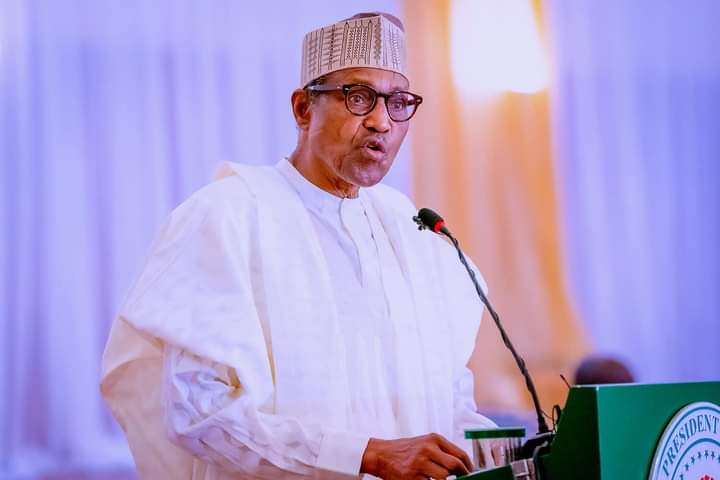
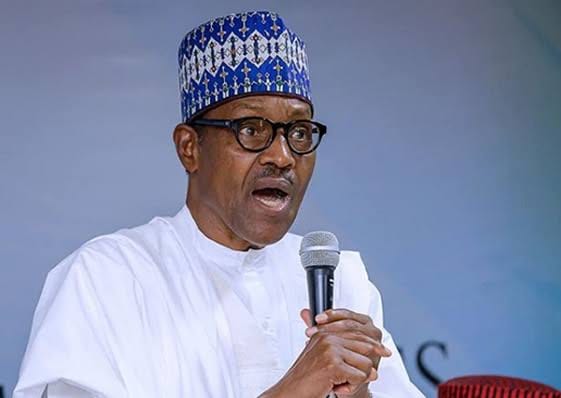
President Muhammadu Buhari Friday told the Academic Staff Union of Universities (ASUU) and other tertiary institution-based unions that the Federal Government would not sign an agreement it can not implement.

The President disclosed this on Friday, September 7, 2022, during his last budget presentation in Abuja.

Buhari said his administration alone could not provide the resources required for funding tertiary education.

The Daily Reality reported that the Court of Appeal in Abuja ordered members of ASUU to resume work with immediate effect.

He added that, rather, the government remained committed to the implementation of agreements reached with staff unions within available resources.

He was also quoted to have said: “The government notes with dismay the crisis that has paralyzed activities in the public universities in the country. We expect the staff of these institutions to show a better appreciation of the current state of affairs in the country.

“In the determined effort to resolve the issue, we have provided a total of 470.0 billion in the 2023 budget from our constrained resources, for revitalization and salary enhancements in the tertiary institutions.

“Distinguished Senators and Honourable members, it is instructive to note that today Government alone cannot provide the resources required for funding tertiary education.

“In most countries, the cost of education is jointly shared between the government and the people, especially at the tertiary level. It is imperative therefore that we introduce a more sustainable model of funding tertiary education.

“The government remains committed to the implementation of agreements reached with staff unions within available resources. This is why we have remained resolute that we will not sign any agreement that we would be unable to implement. Individual institutions would be encouraged to keep faith with any agreement reached in due course to ensure stability in the educational sector.

“Government is equally committed to improving the quality of education at other levels. Recently, we implemented various incentives aimed at motivating and enhancing teachers’ development in our schools. In the health sector, the government intends to focus attention on equipping existing hospitals and rehabilitating infrastructure. Emphasis will also be on local production of basic medicines/vaccines.

“As human capital is the most critical resource for national development, our overall policy thrust is to expand our investment in education, health and social protection,” he added.

Salary Review: The insatiable quest

By Musa Abdullahi Kaga

As an employee, salary is one of the most, if not the most, important factors in applying for or staying in a job. It is, however, a known phenomenon that salaries, no matter how handsome, hardly cater to one’s wants and needs. Hence, the regular quest for the insatiable: salary review.

Salary review is often misunderstood or confused with annual assessment or appraisal. Salary review is mostly deeper than annual or biannual appraisals. It is a comprehensive analysis/evaluation of whether a specific pay package is a fair reflection of what an employee should earn in line with factors such as external market forces, experience, career progression, company culture, job performance, etc.

Reviews are an essential HR and management strategy/tool for attracting and retaining good hands in a company.

Several factors may necessitate reviews, ranging from competitors’ pay trends, employee opportunities, or employers’ fear of losing employees for whom they invested so much.

It is only fair that as your employee’s career progresses, so do their emoluments. This should, of course, depend on milestones, achievements, performances, etc. Should there be a positive progression, the salary should grow accordingly. Unfortunately, this is not obtainable in our clime, especially in the public sector.

According to data from ALLSTARTSIT – a tech company specializing in software development services and talent acquisition in CEE regions – there has been a massive median salary increase of 106% for software developers in the CEE regions over the last decade. For example, a system architect that earned $3000 a month in 2012 makes about $6200 in 2022. That is massive, even for an IT specialist.

Graph showing ten years salary trend of software developers

In Nigeria, however, the last time the federal government conducted an upward review of workers’ salaries was in 2009 – 13 years ago – with an increase of about 53%. The dwindling economic situation in the country has rendered the purchasing power of workers feeble. Different civil, trade and labour unions have tabled several demands to the government over the years on the review of salaries and other welfare packages; unfortunately, this is yet to achieve any positive outcome.

Recently, the Nigerian Labor Congress, through its President, Comrade Ayuba Waba, lamented the sorry state of Nigerian civil servants and reiterated their demands to the government.

According to Waba, economic challenges had eroded the purchasing power of ordinary workers so much that the minimum wage could no longer take a worker home and could barely serve as transport fare.

Speaking to NAN earlier this year, he said; “We want to make a formal demand on behalf of the Joint Service Negotiation Council for the review of wages in the entire public sector because it is due,’’

Looking inwards, it recently dawned on me the economic hardships endured by civil servants and other citizens; this is due to the rising cost of essential items and, of course, the occasion of the Eid celebrations. A friend who is an employee of a non-governmental organization has a compensation significantly higher than what his colleagues in the public sector receive, yet, he had to dig deep into his savings to afford a ram. It is nearly a miracle that he has the luxury of savings; public sector employees could only admire his status, even though he is still among the ‘masses.’

It is, therefore, a no-brainer for civil servants to work towards achieving an alternative source of income, especially in this digital era.

Unsurprisingly, it is not uncommon to see civil servants perpetually discussing issues like salary reviews and ‘welfarism’ in Nigeria. Even though successive governments in the past have not done enough to ensure a proper salary structure and compensation system among civil servants in various tiers of government, this is primarily because of the insatiable nature of salary.

The craving for more is intrinsically part of human nature, although some experts argue that insatiable desire is unhealthy (greed). Nonetheless, the motivation to work harder and earn a decent salary is our typical trait.

Musa Abdullahi Kaga sent this article via musaakaga@gmail.com.

Buhari arrives National Assembly for his last budget presentation

By Uzair Adam Imam

President Muhammadu Buhari arrives at the National Assembly for the presentation of the N19.76TRN 2023 Appropriation Bill.

The budget presentation would be Buhari’s last presentation before he hands over power to his successor on May 29, 2022.

The event is currently taking place at the improvised House of Representatives chamber and opened with the national anthem.

The president reportedly arrived at the chamber around 10:05 am alongside his ministers and the meeting startedimmediatelyy.

Daily Trust reported that entry into the complex is limited as special accreditation arrangements were made for journalists, securitys and members of staff on duty for the presentation.

ASUU to sue FG for registering bodies to checkmate its activities

By Uzair Adam Imam

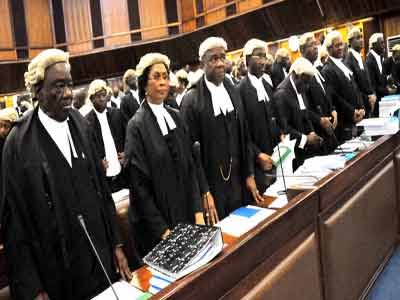
The Academic Staff Union of Universities (ASUU) Thursday vowed to sue the Federal Government for registering bodies to checkmate its activities.

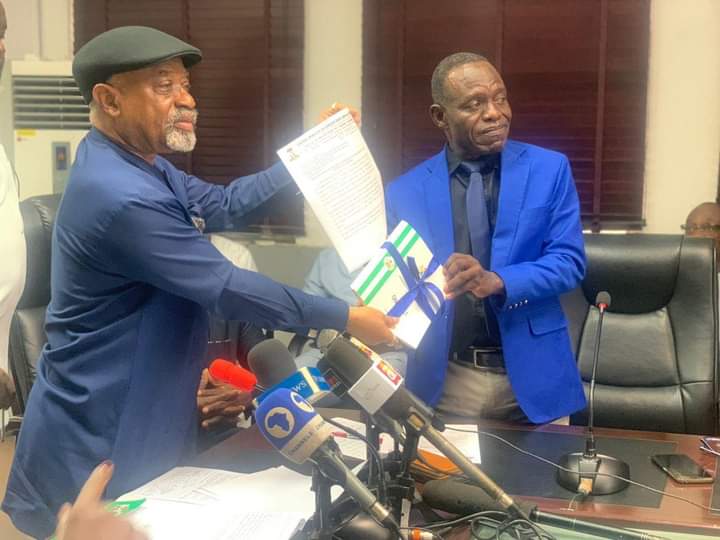
Recently, the federal government has officially registered two new academic unions in Nigerian Universities as trade unions.

The bodies are the Congress of Nigerian Universities Academics (CONUA) and the National Association of Medical and Dental Academics (NAMDA.

The counsel to ASUU, Femi Falana, disclosed this on Thursday when he was featured on Channels Television’s Sunrise Daily.

Falana said the registrations of the two unions as illegal, saying; “ASUU is going to court. It is going to be the National Industrial (NIC).”

Train attack: Nigeria and the truth about the released victims

By Aliyu Nuhu

While congratulating the families of train victims for the safe return of their relatives, something very sad came to mind about the whole tragedy.

1- The ultimate winners are the terrorists. They achieved all their objectives without retribution. They have all their inmates released, collected hefty amounts of money in billions of Naira and foreign currencies and went away without losing a soul. Meanwhile they inflicted damages on Nigeria. They killed passengers, destroyed a train and stopped it from operation for seven months and instilled fear in the minds of Nigerians.

2- The biggest tragedy is that all the captives were released through payment of ransoms which impoverished family economies, some might never recover. The last victims were released by military committee which means more money were paid and the military might have also cornered part of the ransom money. In the whole saga there was no shooting, no arrest, not even declaring some people wanted. What kind of country do we have for God’s sake? Time will tell the kind of arrangement reached for the release of the victims.

3- We just have a paper military. What is there in a military that cannot use force on terrorists. There is nothing impressive about military that abandoned its trade and go to terrorists and pay ransoms. It is really a shame on NIGERIAN government.

4- As long as people benefit from train attacks and kidnapping there will be no end to this kind of tragedy. The terrorists have made a good, safe and profitable venture and have probably gone to plan another attack. Security agencies that benefit from it will be too willing to be part of the next attack. The Mamus that made billions from ransom negotiation will be waiting to make ransom harvest. A kidnapping Industry has been created by government’s inability to deal ruthlessly with criminals.

INEC warns against circulating fake recruitment links

By Uzair Adam Imam

The Independent National Electoral Commission (INEC) has warned Nigerians against circulating fake recruitment links on social media and some online platforms.

The commission on Wednesday said the link, ‘inecnigeria.govservice.site’, is fake and aimed to defraud unsuspecting citizens.

It also reiterated that its original links remain: pres.inecnigeria.org and inecpress-app.com/pres, respectively.

It stated that its ad hoc recruitment exercise is free of charge, and no payment of any kind is required throughout the process.

“Our attention has been drawn to a fake ad hoc recruitment link being circulated on various social media platforms, frequently visited sites and blogs with the intention to defraud unsuspecting citizens.

“We implore Nigerians to disregard the fake link and avoid falling victims of swindlers,” the notice said.

Nigeria at 62: Bad governance, corruption, others drag Nigeria back – experts

By Uzair Adam Imam

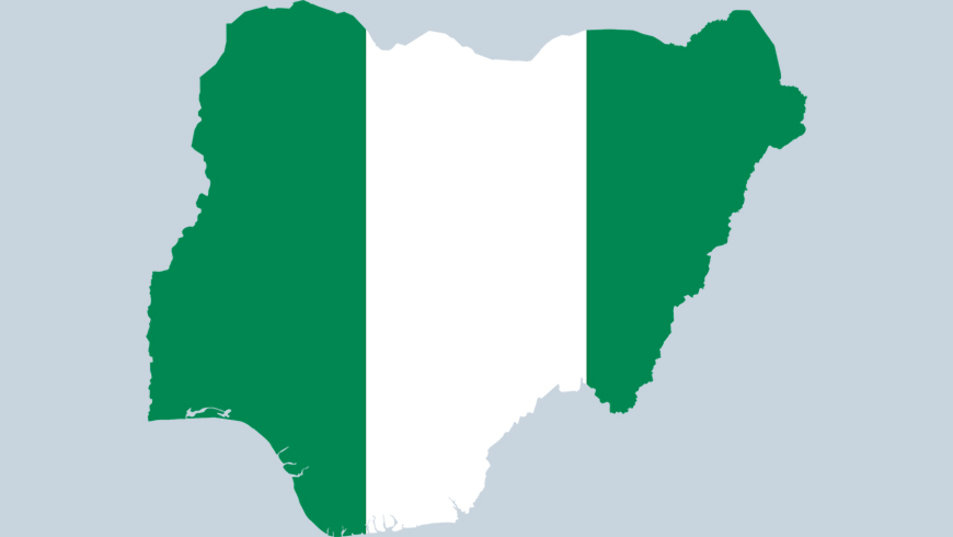
On Saturday, October 1st, 2022, Nigeria celebrated its 62nd independence anniversary, but experts said that bad governance, corruption, poverty, and insecurity, are among the forces dragging the country back.

Every October 1st, Nigeria celebrates its Independence Day. On October 1st 1960, the country gained independence from Great Britain after colonial rule that lasted for decades.

Independence Day in Nigeria is welcomed with a public holiday, and numerous activities are organized to mark the auspicious day. Youth dressed in green and white shirts and trousers, some march onto the streets singing the country’s national anthem and dancing to show their open support to their fatherland.

Several reports indicated that every year a considerable number of Nigerian youths who recklessly drive or ride bikes to celebrate the day sustain grave injuries, or worst, lose their lives.

Nigeria’s independence only in word

Despite the attention the day gets from the authority and Nigerians, some people still believe that the country’s independence exists only in words.

A lecturer at Bayero University, Kano, Dr Rukayya Yusuf Aliyu, argued that the country is still trying to define and understand itself at sixty-two years.

She said Nigeria is “an independent nation still trying to define and understand itself at 62.”

She said, “Certainly a developing nation with abundant wealth, very poor and clueless leadership, and a careless citizenry.

“Nigeria is an independent nation even though it should have done better. Nigeria is independent of colonial rule yet dependent on foreign nations for aides. She should ordinarily be provided to smaller, poorer nations at 62.”

Another lecturer, Dr Abba Ahmad Muazu, said the country is independent in reality but dependent because it hugely relies on other developed countries to survive.

He said, “In my perception, Nigeria is independent but dependent. The fact is that in terms of security, Nigeria can’t protect itself. So we rely on developed countries to provide us with arms and support.

“In education, Nigeria can’t invest in its educational systems to attract foreign students. Moreover, if you look at the current lingering ASUU Strike in Nigeria, the issue is yet to be resolved.”

At 62, Nigeria is still toddling

A classroom teacher, Yusuf Shu’aibu Yusuf, decried the present situation in the country, saying the poor in Nigeria are yet to secure their Independence.

He stated, “Freed from the white domination only to be subjected to the worse form of domination by our fellow countrymen. In my opinion, the ruling class and their capitalist cronies are the ones whom this Independence is for. The poor are not yet free. The masses are yet to secure their independence.”

A Kano-based businessman, Hassan Ibrahim, said Nigerians were more independent during the colonial administration than now.

He said, “In those days, kids were taken to school for studies free of charge. All the necessary things, including school tokens, were provided for them. But today, things have fallen apart. Nigerians are in a mess.”

Bad governance drags Nigeria to its knees

A renowned political scientist and analyst, Professor Kamilu Sani Fagge, said bad governance has brought about the current situation in Nigeria.

He stated, “There are numerous factors involved that resulted in the current situation of Nigeria. But the major one is bad leadership, which contributed to many political crises in the country.

“And the issue of bad leadership has brought about corruption in Nigeria. When we have good governance, corruption will give way to a developed Nigeria.

“In addition, it will also boost the country’s economic growth.”

Nigeria needs to diversify to grow

Professor Fagge added that for Nigeria’s economy to grow, the country needs to diversify.

He said, “Nigeria has depended hugely on oil since 1970, after the second world war. Nigeria has been blessed with many resources, including farmlands. So we need to diversify.

“Nigeria also needs to bring back to work our closing industries and also provide good electricity to revive these companies.”

The living condition should be improved

Professor Kamilu Sani Fagge added, “The citizen’s life should also be improved. Citizens are the backbone of every country’s development.

“Quality education should be provided to all. But, sadly, our government concentrates more on infrastructure. Countries like India, Brazil and China have attained recorded success by improving the lives of their citizens,” the professor added.

Nigeria at 62: Which way forward?

By Habibu Maaruf Abdu

Nigeria gained independence from Britain in 1960. That’s 62 years ago. Unfortunately, however, the country has made no significant advances since then. In my opinion, it takes the collective efforts of all Nigerians to change the story. Nigeria’s ethnically diverse people must agree to unite and develop a sense of working together to move the country forward. In other words, Nigeria must first be united to reach its destined greatness.

To achieve a united Nigeria, the government of the federation must endeavour to command a ‘national loyalty.’ That is, to get support from the people of every part of the country. The government could get this if it gives members of all the parts an equal opportunity in the government and its agencies. This will send a sense of belonging and satisfaction to them. The government should also treat all Nigerians equally, regardless of their regions, religions, tribes, and political affiliations.

Another thing that can bring Nigeria together is leadership rotation across the six geo-political zones. This should be regarded considering the reality in the southeast today. There are grumblings, and even mass agitations, from the southeasterners, mainly because they have never produced a president since the second republic. This fact makes them feel as though they are treated as outcasts in the country and therefore agitate. When leadership rotation is implemented correctly, such agitations will unlikely arise again. Also, the federal government should ensure that no region is envious of the other by making fair zoning of capital projects and equal distribution of resources across every part of the country.

For the peaceful coexistence of ethnically and religiously diverse Nigerians, all ethnic and religious groups must reject their prejudices against one another. They must also understand their differences genuinely. This is necessary for them to have a common ground for respecting and tolerating their differences (cultural, ethnic and religious). It will also help them to live in harmony and build a society with strong human potential and economic progress.

‘Discipline’ and ‘patriotism’ are also areas of emphasis. No nation can be great without these values instilled in the psyche of its citizens. This is why many countries, like china, have a whole ministry for national orientation. Nigeria should copy these countries and launch a massive and consistent campaign for the ethos of civic behaviours and responsibilities in Nigeria. This will help to build discipline, respect and love of the country, as well as national pride, in the society. When these values are present in society, the people will uphold discipline and patriotism. They will reject corruption and all other harmful habits that could cripple their dreams and inhibit their country’s development.

On another side, economic diversification should be considered to put Nigeria on the right track. The country’s economy is, at present, heavily reliant on the revenue derived from the export of crude oil. This leads to low economic growth, which, in turn, favours poverty as there is no room for massive job creation. But the diversification of the economy will certainly change the story. Therefore, Nigeria should diversify into areas like agriculture and industrialization. The agricultural sector, which was the mainstay of the country’s economy before the discovery of oil, has a long value chain. And a firm industrialization policy can create thousands of manufacturing jobs for people.

Nigeria should also make policies that will attract more foreign investors, especially those who produce different kinds of products and machines. This, together with reasonable provisions for private enterprises, will go a long way in reducing unemployment and alleviating poverty in the country.

Notwithstanding the above, Nigeria should do better for the education sector. The saying, “No country can really develop unless its citizens are educated,” cannot be more correct. Unfortunately, Nigeria spends very little on education (less than 8% of its total GDP). The number of out-of-school children is high, and universities remain closed for over seven months due to an indefinite strike by the Academic Staff Union of Universities (ASUU). To save education from this mess, Nigeria should increase its expenditure on the education sector; map out a plan for revamping it, and see the plan through with maximum commitment.

At this juncture, I want my fellow Nigerians to remember that; all the developed countries we currently admire have, at some point, been where Nigeria is today. It’s therefore valid to believe that Nigeria can equally develop. Fortunately, the country is blessed with both material and human resources to facilitate the process. However, it is rightly said that Rome wasn’t built in a day. Progress is made with sustained effort over time. Therefore, we need to unite, do our patriotic duties, uphold discipline and get professional and morally upright leaders to drive the country.

I will conclude by quoting Chinua Achebe in his book The Trouble with Nigeria, published in 1983, where he opined that “Nigeria can change today if she discovers leaders who have the will, the ability and the vision. Such people are rare in any time or place. But it’s the duty of enlightened citizens to lead the way to their discovery and to create an atmosphere conducive to their emergence. If this conscious effort is not made, good leaders, like good money, will be driven out by bad.”

It takes our collective efforts to move Nigeria forward.

Habibu Maaruf Abdu wrote from Kano, Nigeria, via habibumaaruf11@gmail.com.