Lifestyle

You can add some category description here.

Our words have the power to build or break our marriages

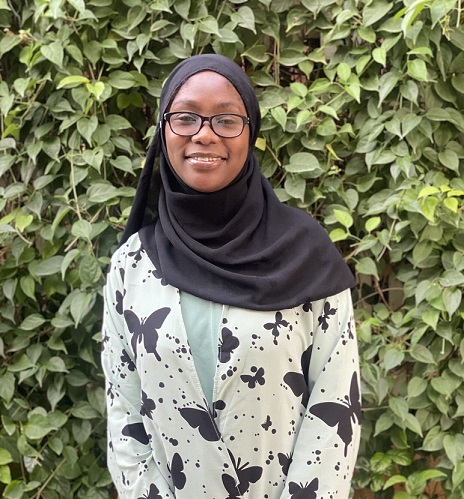
By Aisha M. Auyo

In my last article, I wrote about how verbal appreciation affects marriage. In this episode, I will discuss how our words have the power to build or break our marriages. Words are not just for communication; they are for construction and destruction.

We are builders when we use our words wisely. With our words, we are creating a marriage that matters, a union that makes it through the good and bad, through thick and thin.

Here are a few things that you can build with your words in marriage

1. Intimacy

Intimacy is not just something physical. Share your heart with your spouse. Cultivating a marriage with meaningful communication will build deeper intimacy. 

Words move two hearts closer together and unite them as one. 

Dear wife, be patient with your husband – we all know men generally don’t talk as much… They are people of action.

Allah didn’t create marriage to be boring! Have fun for His sakes! From sending a naughty text during the day, a random phone call with words that will make your spouse want to finish whatever they are doing and come home to using words that will build anticipation.

Simple sentences like “I made your favourite dish” or “I’ll come home with your favourite smoothie” can do the trick. It is not the entity that matters. It’s about knowing that your Significant Other has thought about you and even tried to do what pleases you.

When you are together, set aside time for just the two of you to talk. Be intentional and selective with your words. Flirt with one another.

2. Build encouragement

Wives, one of the best things YOU can do for your relationship is to be an encourager. Encouragement can come naturally through sincere daily prayers. Through voicing delight in whatever is done or given to you, through words of gratitude. This will make him want to do more.

Men, women are highly receptive to words. Simple sentences could fuel her attitude for years. The phrase “Allah yai miki albarka” (We want this very badly), or “We can’t do without you”, is all she needs to hear to be her very best.

3. Build confidence

Life is hard, full of tough and sobering reminders that we live in a broken world. So, use your words to encourage and build hope in your spouse. 

Tell them you believe in them and trust their ability to excel. In a world full of competition, envy, and self-doubt, be the number one person who believes your spouse, uplift them, and make them trust themselves. From writing exams, presentations, business ideas, etc. Instil the seed of belief and confidence in them.

Men, please encourage your wife and boost her confidence in her looks and dreams. We need this like oxygen. With your support and trust, we can be the best version of ourselves.

Women, showing doubt in your man’s ability or dreams will kill his ego. His zeal to work hard, his zeal to excel. If there’s one thing that keeps men alive more than oxygen, it should be a massaged ego.

4. Heal

Words heal broken people, sick people, tired people, people who lost loved ones, even people in coma! I’m sure you’ve watched a movie where friends or families of a person in life support talk and say good things to them, and with time, the person in a coma comes back to life. This works not only in movies but also in real life. 

Soothing words for a broken person can help their physical and mental recovery immensely. Hearing someone say that they care about you, believe in your ability to heal, or that life will get better is often enough to improve someone’s mood in their lows.

Life-changing events, sickness, ailment, etc., can affect one spouse or the other. Be the person who brings harmony and healing to your spouse through words. Make it a point to say something positive to your significant other, even once a day.

However, let us always remember that our words can cripple, destroy and disrupt as much as they can build and construct. Verbal abuse is as powerful and destructive as physical abuse. It’s not every time we say what we feel. Most times (Not always woo), silence is better than some utterances. 

Avoid any word that will bring negativity, fear, or discouragement to your spouse. Never threaten or demean your spouse. If an issue needs to be resolved, choose your words wisely.

Know that words, once spoken out, can never be taken aback. The words ‘I’m sorry’, ‘I don’t mean it,’ and ‘it was a joke’ can never undo what you said. Some words create wounds that apology will never heal.

Aisha Musa Auyo is a Doctorate researcher in Educational Psychology, a wife, a mother of three, a homemaker, a caterer and a parenting/ relationship coach.

The emotional toll on a caregiver

By Aisha Mahmud Yusuf

In August 2020, when my father was admitted to the hospital, my friend, who was doing her youth service (NYSC) at the same hospital, visited him. She later came when I was with him and told me something no one else had. She said, “I know exactly how you feel, and it’s okay to have all those emotions.” She understood that because her father had also been sick for years.

A few years later, some of my friends whose parents became sick would ask me, “Is that how you feel?” I would tell them it would get better with time and pray for the sick to get better. It made me realize that we don’t talk about it because without experiencing it, one doesn’t know how it feels to have a sick loved one and take care of them. 

Often, when someone is sick, what people see is the financial burden on the family members. But there is much more that they don’t see. The stress, anxiety, fear, and sometimes even guilt that the family members, especially the caregivers, go through is rarely acknowledged. Unfortunately, sometimes people even add to all these with their judgements and (sometimes accusations) unsolicited suggestions and advice on how to care for the patient.

People expect one to be a caregiver without showing emotions, to be on one’s feet 24/7 without a break, forgetting that we are humans too and there is a limit to what we can endure. 

In a society where mental health is still not a priority, you as a caregiver should take time to process your emotions and, if possible, take a break to avoid burnout. You cannot give from an empty cup. If it becomes overwhelming, find someone to listen and talk to them. 

When next you visit a sick person, check their caregivers too, share a few kind words, and appreciate them.  That will go a long way for them. Also, if a caregiver opens up to you, listen with empathy even if you don’t understand because you are not in their shoes and ask if you can help in any way.

Aisha Mahmud Yusuf wrote via aishatyusuf63@gmail.com.

Abba Kabir frowns at dilapidated conditions of state-owned teaching hospital

By Uzair Adam Imam

Governor Abba Kabir Yusuf of Kano State has expressed his deepest displeasure over the dilapidated conditions of Muhammad Abdullahi Wase Teaching Hospital, a government-owned and one of the busiest hospitals in the state.

The Governor showed dissatisfaction concerning the state of the facility when he led other top government functionaries on an unscheduled visit and on-the-spot assessment of the hospital over the weekend.

Sunusi Bature Dawakin-Tofa, the state’s Chief Press Secretary, made this disclosure in a statement he signed and made available to journalists on the weekend.

Dawakin-Tofa quoted the governor to have said, “As a teaching hospital for training medical professionals and provision of tertiary medical care, the hospital needs to be overhauled and expand its services, especially maternity services and care for the children.

“It is disheartening to meet the hospital that caters for the medical needs of thousands of patients daily in a condition uncomfortable for human inhabitation, a situation that needs to be checked and corrected,” Governor Yusuf stressed.

“I do instruct the management of the hospital to, as a matter of urgency, forward the request for rehabilitation and expansion of the hospital for immediate action to restore the lost glory of the gigantic health facility,” he added.

The Daily Reality, in an investigative report last year, recounted the monstrous condition of another state-owned hospital, Sir Muhammadu Sunusi Specialist Hospital, Yankaba, where patients were living miserably without water and light.

Our reporter visited the hospital and met some patients in dire situations, fighting excessive heat with their hand fans, which has thrown many of them into a dilemma.

The Daily Reality learned that all the taps in the hospital were not working, except one borehole, which the patients said works for less than one hour every day.

Recounting their experiences, some patient sitters complained that they used sachet water, alias pure water, to bathe, flush toilets, make ablutions and wash their dishes.

They also complained about the lack of electricity, which they said was responsible for many problems in the hospital.

Give women a chance to break the shackles

By Emurence Imran Nata’alah


This is not a promotion of feminism, but it has become part of our people to meddle in what does not concern them, which is uncool in Islam: “Part of the perfection of someone’s Islam is leaving alone that which does not concern them.”

A woman passes through different positive and negative phases: People will define her life, plan her life, and monitor and count every move she makes.

Know this: The most annoying thing about these people who plan a woman’s life is that they aren’t family; they barely know a thing about her but are eager to say one or two negative things about her. I meant something like: What is her biggest sin, whom she sins with, how did she sin the alleged sin, and how did she react to the stupid allegations?

A woman must be super strong, for what will come is bigger and mightier than seen in movies like “Iron Lady” and all of Its sorts. People are mean, especially to women trying to be successful without going astray or becoming a negative example to the younger ones.

This does not mean people generally hate successful women out there, but in reality, people hate success. Even men face stuff like these, but it’s more prevalent when it’s a lady in the picture.

A woman should not let people know her weaknesses because If she cries out because of the negativity, they would call her a witch, and if a woman smiles, they would say it’s too much — she has no class.

If a woman frowns, she would be called ungrateful; she has forgotten all the blessings bestowed upon her, and if she isolates herself because of the negativity by keeping her head up—they would ask questions like: “Why are you isolating yourself?” “Are you depressed?”

When a woman minds her business and interacts with others, they would say she’s bragging. While she’s waiting for the right spouse—which is the most common thing in our part of the world; they suddenly become curious and considerate—people would accuse her of liking material things and not having a sound mindset.

The moment things start falling in place and a woman keeps her head up, BOOM! They would still say she’s too old, and no one will want her or suit her.

When she starts concentrating on profits in her business, people say she’s fornicating or selling her body for money and hurl many more negative comments just to hurt her. These people believe she can’t succeed in her small business without venturing into part-time prostitution.

When a woman finally gets a spouse, these people would say, “She’s married to a poor man. Is that all that she got after all the pride and ego?” Only a few will pray for you, honestly. All you need to know is do and don’t do this; happiness will be by your side.

When a woman’s life is going perfectly or something close to perfect, her husband is caring, and serenity becomes her friend, they would still manage to say she charmed her spouse. They would call him wife, and she’s the husband. According to their perspectives, a woman can’t be loved wholeheartedly, romantically, without charming her spouse.

They say, “A real man should be brave and act like a king in his house.” So, how does acting as a king correlate with an inferiority complex? I don’t know if there’s a correlation between being an Alpha and being foolish because an Alpha would never stoop this low because of an inferiority complex in the name of being an Alpha. Anyway, it’s a story for another day.

A woman is a lady with an entrepreneurial mind. She’s a lady who wants freedom and needs to be pampered as always like it’s always been before an inferiority complex came into existence.

Give women freedom. Don’t marry them and cage them for your selfish reasons. If you don’t want a successful or career woman, please go for something within your reality and spare these for those who live In the same way.

I know some of you would be in awe of how I came up with these negative stories, while there are many positive stories about women treated as Queens, that they are.

Okay. Hear me out. The number of marriages that crashed due to the inferiority complex isn’t something we should write about; the resulting negative treatment of spouses due to the inferiority complex isn’t something close to being friendly.

Despite all these phases, some women fought through and are living happily ever after, but then, we have to let the younger ones prepare for what is about to come because society has a bigger influence in their lives.

I’m saying that a woman shouldn’t be deprived of her rights and chances of making things right. She needs to be corrected in a romantic and caring way. She has imperfections in her nature. She shouldn’t be a target of suspicious actions.

Give her a chance, consult her and make her bloom. It’s not that hard.

Emurence Imran Nata’alah wrote via emurenceimran@gmail.com.

Sabon Gari, Kano – Prof. Adamu Baikie’s insider perspective

By Prof. Abdalla Uba Adamu

Sabon Gari Kano has always been a melting pot – drawing multiple nationalities and ethnicities who converge in the settlement and make it truly unique. Prof. Adamu Baikie’s “Sabongari: The Simmering Melting Pot of Kano State” is the latest addition to the literature on the area. Having grown up in the area, Prof. Baikie gives a unique ethnographic account of the place and its development.

More of a personal recollection from a resident, than a rigorous archival excavation of community history, Baikie’s Sabongari [sic – that is exactly how he spelt it throughout the book] provides additional fascinating information about other developments in Kano. In particular, Education, in which Prof Baikie also released a companion book, “Nigerian Education: Ivory Towers & Other Issues.” It’s a pity that the few pictures included in the Sabongari book did not come out too well, being black and white and blurry.

Prof. Baikie’s discourse on Sabon Gari (my preferred spelling) is similar to Neil Skinner’s “Alhaji Mahmudu Ƙoƙi – Kano Malam”, in which the subject provides a primary participant observer’s insight about the development of either events, or in this case, a community. It is truly fascinating.

There were, of course, other works on Sabon Gari Kano, long before this. The most monumental was Ahmed Bako’s “Sabon Gari Kano: A history of Immigrants and Inter-group Relations in the 20th century” (UDUS Press, 2006) and based on his groundbreaking PhD thesis, “A Socioeconomic History of Sabon Garni Kano, 1913-1989” submitted to Bayero University in 1990. Prof. Baikie approaches the study of Sabon Gari from the perspective of ‘son of the soil’ who lived in the neighborhood, playing footer, attending Church service there and interacting with the waves and waves of Nigerian and West African immigrants who settled in the borough as neighbors and friends.

Prof Adamu Baikie mentored both me and my father at various stages of our careers, so I certainly don’t mind plugging this wonderful memoir. This is not a review, as I am sure Dr Shamsuddeen Sani will be doing the honors soon enough [on Facebook]. It is just to let people know that the book, launched on 20th August 2023, is now available at Zamani Bookstore, Sabon Gari at the cost of ₦3,500. It is another addition to our understanding of the history of Kano.

The tragic death of Dr Tijjani Ibrahim: A call to improve healthcare in Nigeria

By Aliyu Musa Dada

Today, I want to bring our attention to a heartbreaking incident that highlights the shortcomings in our government’s support system. Dr. Tijjani Ibrahim, a young and dedicated medical doctor, fought bravely against decompensated chronic liver disease caused by Hepatitis B infection.

Despite the efforts of his friends to raise funds for his treatment, Dr Ibrahim tragically passed away before realising the required amount. This unfortunate event raises serious concerns about lacking a robust system to assist individuals, even those tirelessly dedicated to serving others, like Dr. Ibrahim.

We, as citizens, deserve a government that prioritises the well-being of its people, especially those in critical need of medical support. It is disheartening to witness the struggles faced by individuals who have dedicated their lives to saving others, only to be let down by a system that fails to provide adequate assistance.

Dr. Ibrahim’s passing is a stark reminder of the urgent need for reforms and investment in healthcare infrastructure. It should not rely solely on the goodwill and generosity of friends and well-wishers to fund essential medical treatments. Our government should be responsible for ensuring accessible and affordable healthcare for all citizens, especially those in dire situations.

In this moment of grief, let us remember Dr. Ibrahim as a compassionate and dedicated doctor who selflessly served his patients until the end. Our thoughts and prayers go out to his family and friends during this difficult time.

May Dr. Tijjani Ibrahim’s soul rest in peace, and may his legacy inspire us to advocate for change. Let us raise our voices and demand better support systems for individuals facing medical challenges.

We must unite as a community to address these issues and hold our government accountable. We can start by engaging in constructive conversations, raising awareness about the gaps in healthcare support, and urging policymakers to prioritise the well-being of their citizens.

Remember, change begins with us. Let us honour Dr. Ibrahim’s memory by actively working towards a healthcare system that provides timely and accessible support for all those in need.

One life, one liver: Hello North, a hero has fallen – Adieu Dr Tijjani Ibrahim

By Fadhila Nuruddeen Muhammad

The journey towards becoming a doctor often begins in childhood, driven by a deep desire to help others and positively impact people’s lives. For many, like myself, the path may take unexpected turns, leading to different callings. I recall my childhood fascination with medicine, even playfully emulating the role of a doctor in my school days, using improvised tools such as cloth face masks and hand gloves to “perform surgery” on classmates’ pens. I’d then transfer the ink from one tube to another, all to save my classmates from running out of ink. Life has a way of guiding us, and for me, that path led to journalism.

Tijjani Ibrahim, however, followed his childhood passion to become a committed and dedicated young medical doctor. His journey was filled with promise, but it took an unfortunate turn when he was diagnosed with advanced Chronic Liver Disease, Liver Cirrhosis, a consequence of Hepatitis B Viral Infection in June 2023.

Dr Aisha Danbatta, a medical consultant at Murtala Muhammad Specialist Hospital, explained Hepatitis B as a global health challenge that targets the liver, causing both acute and chronic illnesses. “This virus can be transmitted through various means, such as from mother to child, unscreened blood transfusions, exposure to contaminated materials, sexual contact with an infected partner, and even through saliva. Unlike HIV, Hepatitis B has a longer lifespan, making it easier to transmit.”

Dr Danbatta emphasised the prevalence of undiagnosed cases due to a lack of immunisation, leaving many unaware of their condition. Those diagnosed often struggle to afford vital tests like viral load measurements, which determine the quantity of the virus in the blood and assess the extent of liver damage. Physical examinations, ultrasounds, and fibroscans are also crucial in evaluating liver fibrosis and scarring monitoring the progression of the disease.

Dr Tijjani was first at the National Hospital, Abuja, where he was doing his house job and diagnosed with Liver Cirrhosis at the same hospital in June this year. The cost of his treatment was quite high, and he could not afford it. The National Hospital Abuja could only support his medical bills by creating an official memo. He was later transferred to Aminu Kano Teaching Hospital in Kano.

Hamza Danyaro, a friend of the late Dr Tijjani Ibrahim, explained that “his return to Kano was motivated by the hope that the National Medical Association (NMA) Kano State chapter could provide support. However, it was revealed that to benefit from their assistance, he needed to complete his National Youth Service Corps (NYSC), pay his dues, and work for at least a month or two before becoming eligible.”

“Tijjanii was not strong enough to go through these. Instead, we rallied to seek help from dignitaries such as politicians, the House of Representatives members of his local government in Kumbotso, and organisations. Unfortunately, the lengthy protocols inherent in today’s politics prevented direct outreach,” Danyaro added.

Tijjani was left with no other option than to seek funds. His friends organised the fundraising. The campaign was expected to raise a sense of urgency and necessity to help support a young medical doctor with funds to support his medical bills. This kind of transparency can prompt people to contribute to the cause. But only a tiny amount was raised after several days of campaigns.

Fauziyya D. Sulaiman, a philanthropist with a heart of gold, shared her disappointment on social media, writing, “It’s unfortunate that despite our community boasting politicians and business leaders among us, we couldn’t muster N25,000,000 to support Tijjani. If this were about some trivial matter, you would have seen some of us at the forefront. This is undeniably a disgrace.”

Dr Khalid Sunusi Kani, a medical doctor and health advocate, penned an open letter addressed to President Bola Ahmad Tinubu through Solacebase online newspaper. In this heartfelt letter, he expressed the critical need for Dr Tijjani Ibrahim’s services in Nigeria, emphasising the pressing issues within the country’s healthcare sector and the alarming rate of “brain drain syndrome.”

He wrote, “Your Excellency, Nigerians too are in desperate need of his services, looking at the manpower deficit in the health sector and the rate at which we suffer from ‘brain drain syndrome.’ I strongly believe Nigeria and Nigerians are unprepared and cannot afford to lose someone like Dr. Tijjani Ibrahim.”

Chronic Hepatitis B places individuals at a high risk of cirrhosis and liver cancer, leading to severe health consequences. In July 2023, the World Health Organization revealed that 296 million people were living with chronic hepatitis B infection in 2019, with 1.5 million new conditions occurring yearly. While there is no specific treatment for acute hepatitis B, medicines can effectively slow the progression of cirrhosis, reduce the incidence of liver cancer, and improve long-term survival.

Dr Tijjani Ibrahim died on September 6, 2023. His dedication to the medical field and his efforts to make a difference in the lives of others will be remembered and cherished.

Witnessing a doctor who devoted his life to saving countless others facing such challenging circumstances is genuinely disheartening. He dedicated his life to the mantra of ‘One Life, One Liver,’ yet our society struggled to come together to save his life. In a world where trivial issues on social media can garner an astonishing number of likes, it’s heartbreaking that Tijjani needed just 25,000 people to contribute a mere dollar each or someone who can just pay the total amount.

Tijjani’s story serves as a poignant reminder of the power of collective action and the importance of rallying together to support those in need, especially those who have dedicated their lives to serving others. Let us reflect on this unfortunate situation and take it as a call to action. Together, we can make a difference and ensure that the heroes who dedicate their lives to saving others do not suffer in silence.

“One Life, One Liver”: A heartfelt tribute to a fallen hero leaving an indelible mark on the world. May Allah rest his soul, amin.

Fadhila Nuruddeen Muhammad is a social media influencer based in Kano and can be reached via fadhilamuhd@gmail.com.

Medical doctors must sanitise their profession against quackery

By Bello Hussein Adoto

Medicine is a sacred profession where trust is vital. Yet, fakes and their accomplices undermine this trust and put everyone at risk. Medical doctors must stand up and sanitise the system first by not promoting quackery.

Meet Abawulor Omenka, a 35-year-old Nigerian who made headlines after presenting a second-class upper degree in Medicine and Surgery to Covenant University Medical Centre, Ota, Ogun state, for employment.

For those who don’t know, medical degrees are not classified. It is either you pass or you don’t. There is no first-, second-, or third-class, as you have in education, law, engineering, and pharmacy programmes.

So, for Mr. Omenka to present a second-class upper degree shows something was wrong. True to suspicion, he was found to be a fake doctor and handed over to the police. Omenka’s case is symptomatic of how doctors contribute to quackery, deliberate or not.

The role of doctors in quackery is subtle yet significant. For instance, Omenka, in his interview, talked about the different hospitals he has worked for. One of his interviewers told The Punch, “…he (Omenka) had worked at the hospital owned by some of our colleagues that we know. We put a call across to them, and two of them actually confirmed that they knew him very well. I told them he was trying to apply as a medical officer, and they told me he worked with them as an auxiliary nurse or, better put, as a hospital assistant.”

Imagine if he had earlier been reported to the police or the Nigerian Medical Association and removed from circulation. He wouldn’t have had the guts to apply to be a medical officer at a hospital.

Beyond that, doctors should not allow their hard-earned certificates and licenses to be used to register clinics run by unqualified individuals. Many quacks wouldn’t have had clinics to experiment on patients without doctors registering the clinics for them.

The practice of quacks using a doctor’s license to operate their clinics is well established. As Professor Shima Gyoh, a former provost of Benue State University College of Health Sciences, told the International Centre for Investigative Reporting, “A lot of these illegal clinics are run by cleaners in the hospitals; I knew some who started clinics without approval. What they do is you start a clinic, you ask a doctor to stand behind you and register the clinic in his name, then you pay the doctor something. Instead of the doctor inspecting what you are doing, he does not do that, and then you continue to run your clinic independently. Yet, you are not a doctor.”

Moreover, doctors are honourable people who should not be found near quacks and quackery. Yet, some doctors help quacks run their clinics. The quack will open a clinic and handle common illnesses while the trained doctor comes in for the severe ones. This partnership gives the quack a veneer of legitimacy, which allows him to attract more patients and handle even bigger cases.

Another factor is economical. I know things can be challenging for doctors, especially those in private practice. They must establish standard hospitals, hire competent staff, meet regulatory standards, and offer quality services. All these cost money.

Nevertheless, the need to balance the chequebook does not excuse hiring untrained hands as cheap labour or training them to become health workers themselves. The male trainees graduate to become ‘doctors,’ while the female ones are called ‘auxiliary nurses.’ Whatever that means.

Let’s be clear. I don’t have a beef with medical doctors. If anything, I am grateful for their remarkable job in the face of limited resources and an overwhelming workload. My aim is to call on them to sit up and excise this cancer eating into their noble profession.

Of course, fakes are not exclusive to the medical profession. Bogus certificates and fake professionals are around us in the form of fake doctors, fake lawyers, fake soldiers, fake engineers.

Nevertheless, patients place enormous trust on their caregivers and doctors should know better than to endorse quackery. They are trained, more than most, to know the value of health and wellness and respect the sanctity of their patients.

They have read tonnes of materials, done lots of practicals, and spent years doing exams upon exams to show they have studied human functionality and diseases and can apply the training to treat people. They shouldn’t be found contributing to quackery in any form.

Medicine should have no room for quackery. Human life is too sacred, and the burden of care is too great for those not qualified by training, experience, and certification to play poker.

One could say that doctors and non-clinical health workers can work together in a task-shifting, task-sharing arrangement. This way, routine, low-skill tasks can be shifted to health workers like community health extension workers (CHEWs) and health technicians so that we can have better use of our depleted workforce and ensure that everyone gets quality healthcare. I agree with this arrangement.

In a task-shifting, task-sharing arrangement, everyone knows their job. However, what some doctors do currently is not task-shifting or task-sharing. What they do instead is aiding and abetting an aberration fast becoming a norm. This needs to stop.

Bello Hussein writes from Ilorin via bellohussein210@gmail.com

Medical outreach in Kano brings healthcare to thousands

By Muhammadu Sabiu 

Hon. Commissioner, Ministry for Higher Education, Dr. Yusuf Ibrahim Kofarmata, orchestrated a significant medical outreach programme in Kofarmata, Kano, in a remarkable display of commitment to public welfare. 

The event, organised under the esteemed patronage of His Excellency, Alhaji Abba Kabir Yusuf, the Executive Governor of Kano State, commemorated the Governor’s 100 days in office. 

The medical outreach, which took place over several days, brought essential healthcare services to approximately 3,000 residents from various parts of Kano.

This initiative aimed to address the healthcare needs of the community and ensure access to medical check-ups, diagnosis, and free medications. 

Dr. Yusuf Ibrahim Kofarmata’s commitment to the welfare of the people was evident as a team of skilled healthcare professionals, nurses, and doctors offered their expertise to those in need.

The services provided ranged from general medical check-ups to comprehensive diagnoses, ensuring that individuals received the appropriate care and attention. 

Furthermore, the programme distributed free medications to those requiring treatment, thereby alleviating the financial burden on many residents who often struggle to access healthcare services. 

WhatsApp status update dilemma

By Muhammad Ubale Kiru

In today’s digital age, it’s undeniable that sharing every aspect of our lives on social media statuses has become the norm. From announcing joyous occasions like the birth of a child to celebrating birthdays and achievements, we’ve come to believe that posting on our statuses is the ultimate expression of love and support.

But let’s take a step back and consider: Is our affection, loyalty, or friendship genuinely defined by what we post online? Do we measure the depth of our feelings by the number of reposts and likes?

For instance, when a dear friend welcomes a new bundle of joy, do we really need to rush to post it on our status to show our happiness? Should we assume jealousy or indifference if we don’t? Or when someone celebrates a birthday, must we repost it to prove our love?

The truth is that authentic connections thrive beyond the digital realm. True love, genuine friendships, and sincere empathy are expressed in actions, in the support provided when no one is watching, and in the real moments we share.

Let’s resist the notion that it’s not genuine if it’s not on our status. Authenticity is found in the personal gestures that come from the heart, not the public displays.

Next time you feel pressured to post every emotion or occasion, remember that your feelings are far more meaningful than what appears on your screen. Let’s focus on nurturing our connections beyond the virtual world.

Actions speak louder than status updates and true love and friendship are felt, not just seen.