Nigeria’s health sector and the need to review
By Abdullahi Adamu
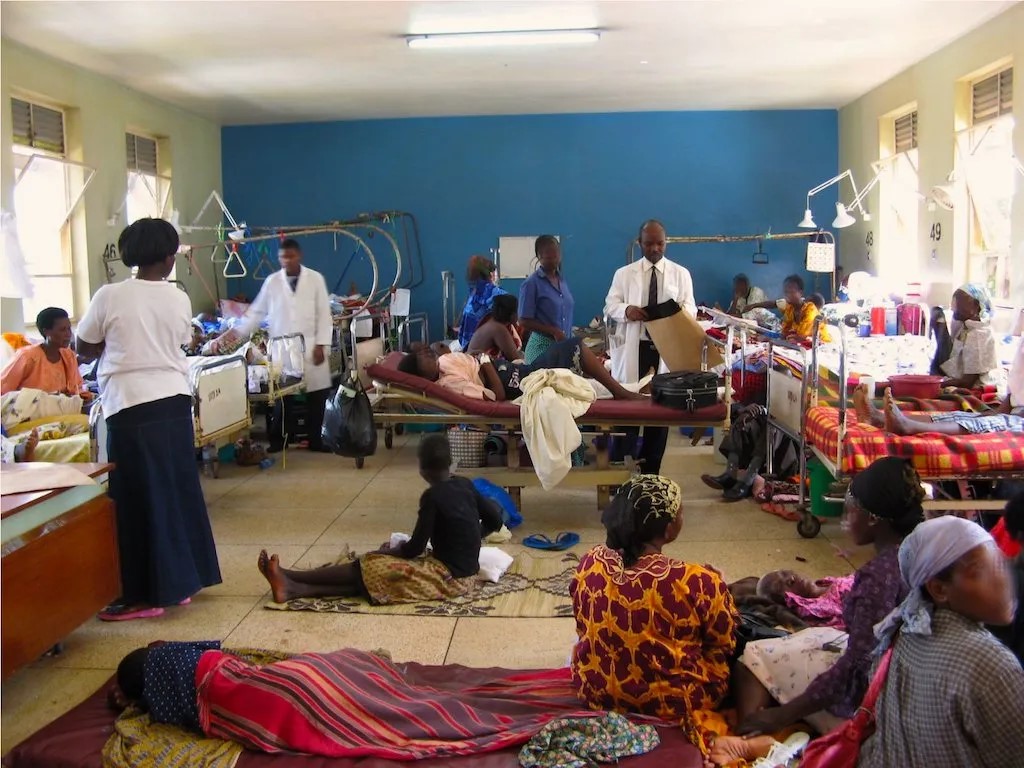
Poor health facilities in Nigeria stem from severe underfunding, causing inadequate infrastructure, outdated equipment, drug shortages, and breakdowns in essential services like electricity and clean water. This affects rural and primary healthcare centres most, where facilities are dilapidated and staff insufficient. A shortage of medical professionals and brain drain overloads the system, leading to increased medical tourism and poor outcomes. Healthcare access is severely limited due to various systemic factors.
Misconceptions about primary health care and poor leadership have hindered the health system, which hasn’t aligned its structures to achieve universal health access. Improving financial access alone won’t suffice without comprehensive primary health care reform to fix system flaws, deliver quality, efficient, acceptable care, and ensure sustainability and growth for the health system and country. A primary health care movement of government health professionals, the diaspora, and stakeholders is needed to drive this change and overcome political inertia.
In 2014, the National Health Act established the Basic Health Care Provision Fund (BHCPF) to address funding gaps hampering effective primary healthcare delivery across the country. The BHCPF comprises 1% of the federal government Consolidated Revenue Fund (CRF) and additional contributions from other funding sources. It is designed to support the effective delivery of Primary Healthcare services, provision of a Basic Minimum Package of Health Services (BMPHS), and Emergency Medical Treatment (EMT) to all Nigerians.
Despite the provisions of the BHCPF, the report’s findings expose the precarious state of healthcare in Nigeria, where access to and utilisation of health services remain marred by systemic challenges across states.
Public health facilities in all 36 states and the FCT are deficient, and the experiences of community members seeking care at these facilities are consistently awful.
Primary Health Care (PHC) is the foundation of the healthcare system in Nigeria and serves as the level at which non-emergency, preventive health issues are addressed. But sadly, many PHC centres in the FCT are poorly equipped and lack well-trained personnel.
Kulo PHC was built with solid infrastructure and equipped with solar panels as part of a 2019 federal initiative aimed at strengthening primary care in hard-to-reach areas. Today, that promise lies in ruins. The solar panels are now dysfunctional—some stolen, others damaged by harsh weather and lack of maintenance. At night, the clinic plunges into darkness, leaving staff to work by torchlight or with dying cell phone batteries.
Three patients on life support at Aminu Kano Teaching Hospital were reported dead following an interruption to the hospital’s electricity supply by Kano Electricity Distribution Company.
The basic causes of Nigeria’s deteriorating health care system are the country’s weak governance structures and operational inefficiencies.
In 2014, the National Health Act established the Basic Health Care Provision Fund (BHCPF) to address funding gaps hampering effective primary healthcare delivery across the country. The BHCPF comprises 1% of the federal government Consolidated Revenue Fund (CRF) and additional contributions from other funding sources. It is designed to support the effective delivery of Primary Healthcare services, provision of a Basic Minimum Package of Health Services (BMPHS), and Emergency Medical Treatment (EMT) to all Nigerians.
Despite the provisions of the BHCPF, the report’s findings expose the precarious state of healthcare in Nigeria, where access to and utilisation of health services remain marred by systemic challenges across states.
Public health facilities in all 36 states and the FCT are deficient, and the experiences of community members seeking care at these facilities are consistently awful.
The Basic Health Care Provision Fund (BHCPF) was poorly implemented in 13 states.
The basic causes of Nigeria’s deteriorating health care system are the country’s weak governance structures and operational inefficiencies
Abdullahi Adamu wrote via nasabooyoyo@gmail.com.