Health

You can add some category description here.

Inside Kano hospital where patients use sachet water to bath, flush toilets

By Uzair Adam Imam 

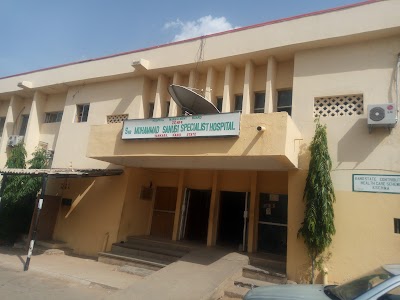
The level of dilapidation in Sir Muhammadu Sunusi Specialist Hospital, Yankaba, Kano, has graduated something not less monstrous.

Despite the Kano State Government’s claim that Governor Abdullahi Umar Ganduje’s second tenure would pay more attention to health and education, patients in the hospital have recounted their harrowing tales of how they live miserably without water and light.

Our reporter visited the hospital. He met some patients in dire situations, fighting excessive heat with their hand fans, which has thrown many of them into a dilemma.

The Daily Reality learned that all the taps in the hospital are not working, except one borehole, which the patients said works for less than one hour every day.
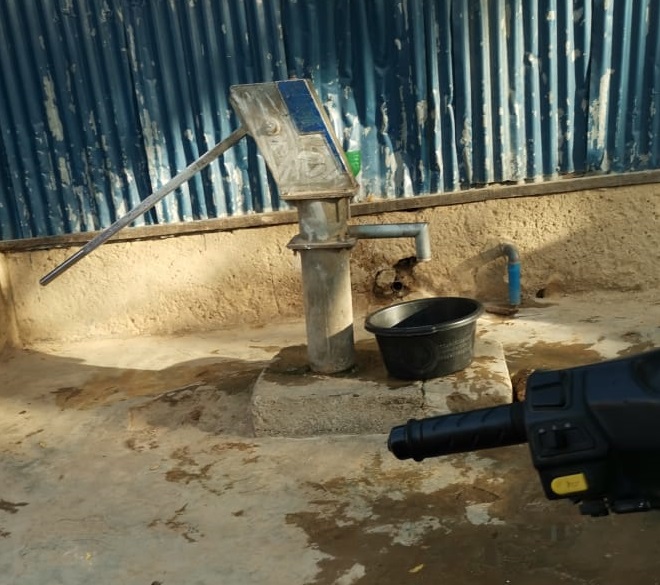
Recounting their experiences, some patient sitters complained that they used sachet water, alias pure water, to bathe, flush toilets, make ablutions and wash their dishes. 

They also complained about the lack of electricity, which they said was responsible for many problems in the hospital. 

A patient, who pleaded anonymity, complained that he spent days without bathing because almost all the sources of water in the hospital were dead.,

He said, “I spend days without bathing because there is no water. Sometimes our brothers go outside the hospital and call a water vendor (“dan garuwa“).

“Also, after all these difficulties, we slept in the dark without light at night. Mosquitoes exploit the opportunity to disturb our nights. The situation is just terrible.” 

Also, a patient sitter, Mukhtar Muhammad (not real name), stated that they really faced difficulties mainly at night.

He said, “There is neither electricity nor water in the hospital. Thus we live in the heat with mosquitos singing and biting our patients and us.

“I have wanted to use water since yesterday. But there is no water in the tap. So I had to go outside in search of a water vendor.”

No water to wash new-born babies 

Aishatu Isma’il decried that it was indeed a slap on the face for a big hospital like Sir Sunusi to allow this problem to be exacerbated.

“How can you imagine the state of a hospital without water or electricity? You would have shaded tears if you see women as they gave birth; there would be no water to clean the mother or her baby,” she bitterly said.
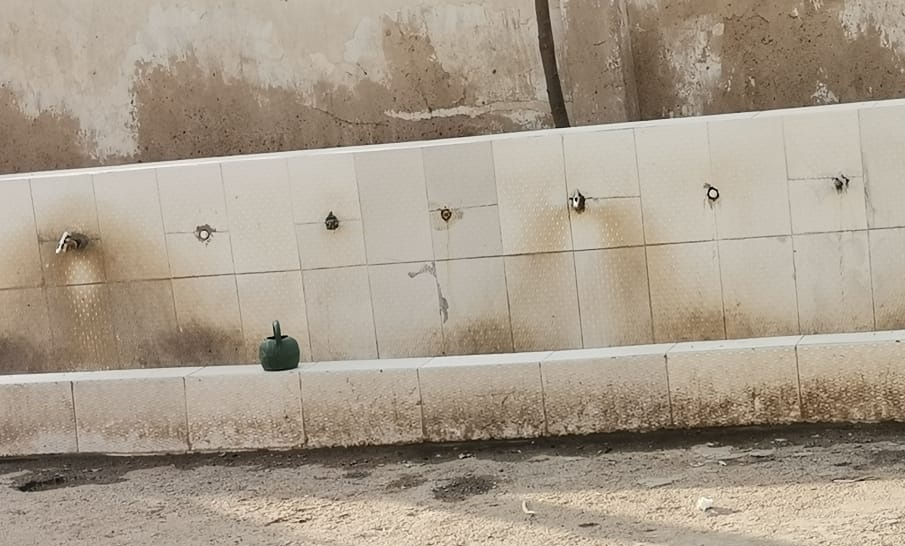
Dry taps

A group of four women, who happened to be patient sitters of their relatives, confided in our reporter that they used sachets water for there was no water in the hospital. 

They added that there was no water in the hospital to even flush the toilets after being used.

They added that the condition of the hospital’s pharmacy too was deplorable as one would only get one or two medicine out of the five or six he was looking for. 

The patients also urged the Kano State Governor, Dr Abdullahi Umar Ganduje, to set up a committee to investigate the matter.

Responding, the Managing Director of the hospital, Dr Abdussalam Usman Danjaji, told our reporter that all preparations to address the issues were in top gear.

Danjaji said, “Due to the electricity problem, the diesel provided to us by the government was never enough to use for thirty days.

“And we don’t want to add additional charges to what people are paying. If we do that, we can provide people with light, only that many people cannot afford to settle their bills,” he added.
Personal Hygiene: care of the genitals (I)

By Audu Haruna J.

There are so many simple ways through which each and every individual can take very good care of himself. In fact, there is no one to take good care of you, more than you. These easy procedures can vary, to some extent, between ladies and gentlemen, this is probably due to their biological and physical composition. Therefore, let us see these tactics for men, and for women.

● Care of the Genitals – For Men
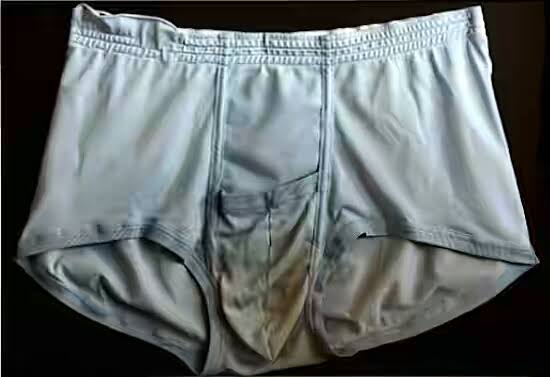
Change your boxers frequently. Instead of sniffing it to know if it is still suitable for reuse simply have a ‘1 boxer a day’ policy. Let me further explain why you shouldn’t reuse boxers. You will recall the previous write up I did on understanding body odours. The pubic area has an abundance of apocrine glands that produce sweat rich in substances suitable for use by microorganisms. There is therefore more microorganism-sweat interaction in the pubic area (and armpits) than any other part of the body making them the most prone to bad smell. These microorganisms are also collected by your boxers. When you have your bath, you wash them off your genital area. But when you reuse the boxers of yesterday, rather than start afresh, you simply reintroduce those populations stuck on the boxers back into the genital area. Thus people who reuse boxers are more likely to have a smelly pubic area.

●Shave your pubic areas when due.
You would wonder why anyone will neglect his most prized organ to be overgrown by ‘bushes’. Not only will you sweat more, you simply create a good environment for microbial ‘wildlife’ to thrive (pardon my sarcasm). Shave the pubic hairs when they are dyed and do it properly. Some men don’t know how to shave down there. They only shave off the visible/frontal part alone. You should include the hairs on the scrotal sack, that hidden crevice where the scrotum meets your thigh, and the stretch all the way to the anus. These hidden places are even the reservoirs of genital smells. A person may shave regularly but these parts he hasn’t touched in nearly a year. Please be thorough. This may not be related, but your pregnant wife in the last trimester may need your help with shaving because the bulging stomach may make it difficult for her to do it herself unless you don’t mind someone else doing it for her in the labour ward.

●Try to keep the genital area dry, don’t leave it damp. Dry yourself properly after having your bath before wearing your boxers (men know how impatient they can be about this especially when late for work). Due to the impact of water activity on microbial growth, a moist genital area makes life conducive for bacteria and fungi to thrive. The most common infection that results from a damp genital area is Tinea cruris (Jock itch) which causes an itchy, smelly and sometimes reddish ring-shaped rash on the genitals. If you notice this increases your hygiene in the genital area, avoid undies unless it becomes necessary (for instance go boxer less while at home) and seek medical assistance for an antifungal prescription.

So, if you don’t shave regularly and properly, don’t change your boxers frequently, and still keep a damp genital area, I can not begin to imagine how you smell down there. You can do better! May I add that it will be cruel for someone like you to demand oral sex from your wife!

●Avoid Sexually Transmitted Infections (STIs) as much as you can. Abstain from random sexcapades and stick to your wife. Use condoms if you insist (at least to protect your innocent wife at home). However, know that condoms do not protect you from all STIs.

For Women

It is important that as a woman you have a female who is a health professional with whom you can easily discuss changes in your body and get the right advice. This could be a friend, relative, acquaintance or even a social media personality you follow. You need the right information as there is a lot of misinformation out there.

● You need twice as much, all that has been said above about men. Biologically you are more ‘delicate’ and need more ‘maintenance’ than men. If men are Nokia -cheap and rugged, women are like Samsung – expensive and fragile, to be handled with care.

●The vagina is self-cleansing. You don’t need yoni pearls and those other ‘vagina cleansers’ out there whatever the claim of miracles. If you notice ‘abnormal’ changes in the smell and discharge from your genitals consult your Doctor.

●White and 100% cotton underwear is what is recommended, for proper aeration of the genitals and to reduce the chance of trapping microbes. Nylon, acetate and other kinds of underwear made from synthetic (man-made) materials make you prone to irritation. They may be sexier but not necessarily ideal.

●Insertions, especially when done for masturbation (making it frequent) makes you prone to infection.

●Use mild soaps only to wash the (outer) genital area to avoid irritation.

●Do not abuse antibiotics as this may upset the balance of beneficial bacteria (LAB) in your vagina allowing for pathogens to colonise the area.

●Follow female health professionals on social media for more health tips (you may tag and appreciate some you know doing a wonderful job).

‘Dirty’ and ‘woman’ are two words that should never go together for it will be a sight for sore eyes.

Audu Haruna J. is a lecturer from the Faculty of Pharmacy, Kaduna State University, Nigeria. He can be reached via:
harun1789@yahoo.com

Covid: CITAD awards Covid-19 champions on enlightening, countering fake news

By Uzair Adam Imam

The Centre for Information Technology and Development (CITAD) has trained 18 covid-19 vaccine champions on identifying, tracking and countering Covid-19 related fake news on social media platforms.

The program tittled “Public Education on COVID-19 Vaccine Project” was aimed at sensitizing the public on the importance of covid19 vaccine and the need to take it with a view to promoting uptake of the vaccine.

Supported by MacArthur Foundation, the centre is reportedly working with 18 partner organizations and social influencers to enlighten the public about the vaccine through various activities and programmes.

However, COVID-19 is a communicable respiratory disease that terrorises the entire wold, leading to the death of number of people and set the nationwide economic back.

The details on the event was in a statement signed Saturday, May 28, 2022, by the coordinator of the campaign, Mal. Hamza Ibrahim.

The statement reads in part: “CITAD received 93 applications from young people who want to be champions and 18 of them were selected from six northern states – Kano, Kaduna, Bauchi, Borno, Plateau and Kogi State and trained for two days.”

“After their training they embarked on daily campaigns on the vaccine on social media. They submit reports of their campaigns at the end of every month and the reports are shared with panel of judges who review and assess and subsequently select the best three.”

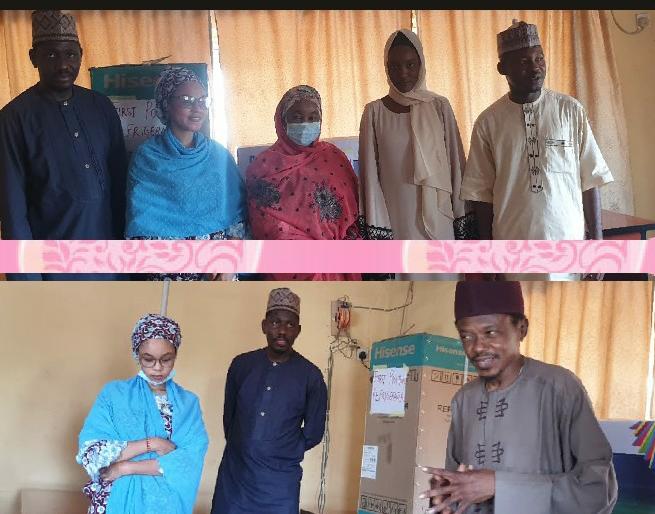
“So, there is competition among the vaccine champions every month and the best three winners are selected and rewarded with gifts. This month, Hadiza Aliyu from Kano emerged in the 1st position and got Hisense refrigerator. Ashafa Abdulkadir from Kaduna and Hauwa Shettima from Bauchi State were the 2nd and 3rd position. They received plasma television and mini laptop.”

It is not known whether there will be another new competition for Covid-19 vaccine champions after this campaign has ended.

WHO Calls for integrated response to end COVID-19,measles, others

By Abdullahi Abdullateef

The Regional Director of the World Health Organisation, Africa, Dr. Matshidiso Moeti, called for an integrated response in a bid to end the spread of Coronavirus and other vaccine preventable diseases including polio and measles.

Dr. Moeti disclosed this at a press briefing held on Thursday, April 28,2022. She said: “The rise in outbreaks of other vaccine preventable diseases is a warning sign. As Africa works hard to defeat COVID-19, we must not forget other health threats diseases.”

Noting that vaccines are at the heart of a successful public health response and as countries restore services, routine immunisation must be at the core of revived and resilient health system.

Furthermore, she commended Nigerian government’s efforts with its recent integrated approach doubling routine immunisation and COVID-19 vaccination for mothers and their babies . The approach offered simultaneous vaccination of mother which otherwise known as whole family approach giving access to mother to get vaccinated for COVID-19 and other disease like polio, measles as well as getting the routine immunization for their children.

Adding that mass vaccination campaigns boosted COVID-19 uptake between January and April the percentage of Africans fully vaccinated against Coronavirus rose to 17.1% from 11.1%.

According to reports, the Africa Continent continued to witness a surge in outbreaks of vaccine preventable diseases over the past years . Almost 17500 cases of measles were recorded in the Africa region between January and March 2022 representing a 400% in 2021. Twenty African countries reported measles outbreaks in the first quarter of this year, eight more than that in the first three months of 2021.

Speaking at the press conference, Dr. Benido Impowa stressed that routine immunisation had been a long practice in many African countries but stuck with the impact of COVID-19.

He maintained that WHO is working with African countries devise smart approaches so as to scale up both COVID-19 vaccination and ensure restoring and expansion of routine immunisation services.

Malaria: ‘Kano recorded over 2m hospital visits in 2021’ says commissioner

By Uzair Adam Imam 

Kano State has recorded more than 2.8 million hospital visits due to the menace of malaria in 2021, the Commissioner for Health, Aminu Tsanyawa, said.

Tsanyawa spoke yesterday at a press briefing to commemorate 2022 World Malaria Day.

This, according to Tsanyawa, made the disease the single most common reason for about 60 per cent of outpatient visitations and consultations in Kano state. 

However, Tsanyawa recalled that the Kano state government, in collaboration with its partners, did its best to mitigate the menace.

He said, “between July and October 202, the state government, in collaboration with its partners, administered more than 13,110,365 doses of malaria prevention drugs (sulfadoxine-pyrimethamine and Amodiaquine SP+AQ) with a view to preventing malaria and deaths in children under the age of five.”

Furthermore, Tsanyawa sounded a clarion call on residents to avail their children aged 3-59 months for the forthcoming 4-day cycles of mass distribution of malaria prevention drugs. 

Adverse effects of force-feeding infants

By Ja’afar Ja’afar

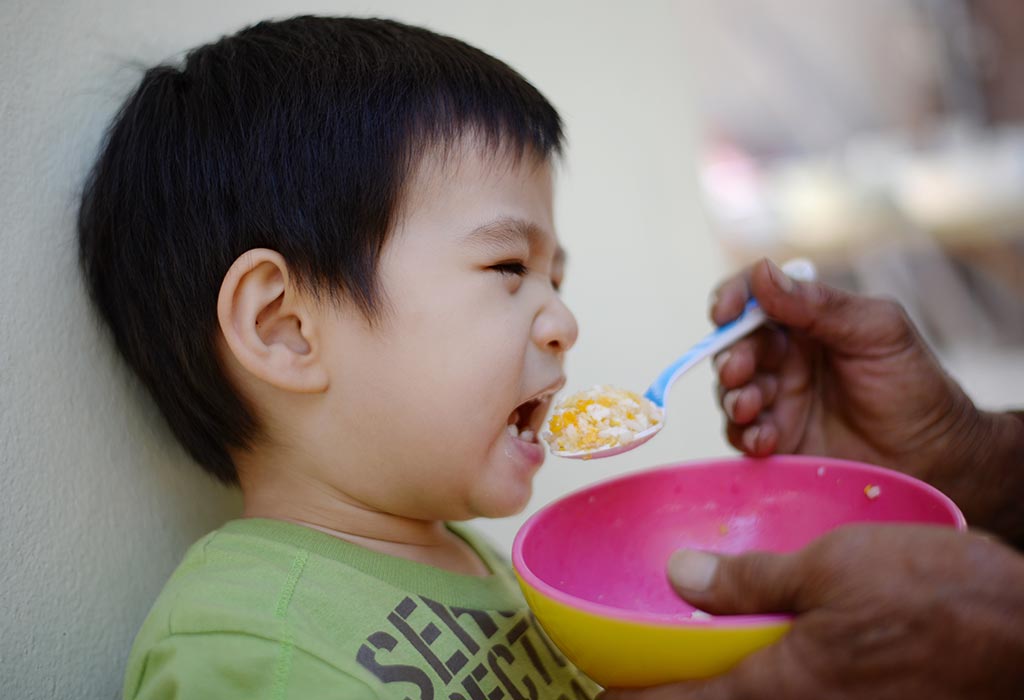
As your little one starts to explore the world of solid foods, he will learn to differentiate the tastes of different food items. This is where the struggle of a parent begins. Despite being a picky eater, making sure your child gets all the required nutrients can be frustrating. At times this frustration makes parents go overboard, and they pressurise their children to eat. Even though done with good intentions, force-feeding is never a good idea when it comes to the developing years of your child.

What is force-feeding?

Force-feeding is basically forcing your child to finish the whole served food against their will. When happy mealtimes turn into a war between parents and children with a plate full of healthy foods in between, parents generally end up using force-feeding as the ultimate strike. Even though it seems harmless, it never leads to a “win-win” situation and can do more harm than good to your child.

Instead of force-feeding your child to eat a particular food, try to prepare different variants of dishes, including that food along with the food groups your child enjoys eating.

How do parents force-feed?

Here are a few common ways parents tend to force-feed their children –

  • Deciding on your own what, when and how much your child should eat.
  • Nagging, scolding or threatening your child to finish his plate.
  • Bribing or blackmailing your child into finishing his food and rewarding him later.
  • Punishing your children if they don’t eat.
  • Comparing your child with siblings or other children to make them feel shame or competitiveness.
  • Literally forcing food into your child’s mouth and making him swallow.
  • Ignoring his pleas to eat less and using fear to force him to eat.

Force-feeding seems to get the work done for the time being and may give you the “mission accomplished” feeling too. However, it actually can have harmful effects on your child. Let’s discuss seven negative effects of force-feeding that are usually seen among children:

1. Destruction of your child’s natural appetite

The natural desire to eat is known as one’s appetite. During mealtime, constant nagging and force-feeding will make your child lose interest in food and disrupt your child’s natural appetite. Forcing your child too much may lead to him puking out everything and hating even the idea of eating.

2. Strong aversion towards food

Studies have shown that force-fed kids often end up developing a strong aversion toward food. The negativity associated with food makes them traumatised and nauseous. This aversion sticks around even when they grow up as these foods continue to subconsciously remind them of the panic and bad memories of childhood.

3. Stressful meal-times

It is in human nature to avoid anything that causes stress or discomfort. The only way a child will accept something is if they enjoy it while doing it. Forcefully feeding your child healthy foods on his plate can leave him with a stressful and unpleasant experience. Hence instinctively, he will only learn to hate mealtimes and continue to struggle with food.

4. Inclination towards sugary or junk foods

Force-fed children often learn to develop unhealthy food habits. This happens because a force-fed child never learns when to stop eating as they get accustomed to overeating during those force-feeding sessions. Also, due to their hatred towards healthy foods, they get attracted more to sugary or junk foods.

5. Lose control over their eating habits

As parents, your ultimate focus should be on making your child less dependent on you and learning to do everything themselves. But, the more you take control and force-feed your child, the less control he will have over his own eating habits. This will hamper his life and food habits even as he grows up.

6. Development of eating disorders

Since force-fed children never learn how much food their bodies require, they tend to overeat or undereat even when they grow up. This loss of control over eating habits can lead to serious eating disorders such as obesity, anorexia, bulimia, etc.

7. Disrupted eating pattern

Every human body has a different food capacity and metabolism rate. The amount you decide to give your child may be much more than his capacity to digest. If you force-feed him to finish the entire serving even after he tells you that he is full, you are feeding him an excess amount. He will need more time to digest that portion, so he won’t be hungry when you serve his next meal. As the cycle continues, your child’s natural digestive pattern will end up getting disrupted.

Ja’afar Ja’afar sent this article via mrjaafar64@gmail.com.

Towards fighting drug and substance abuse

By Kabir Fagge Ali

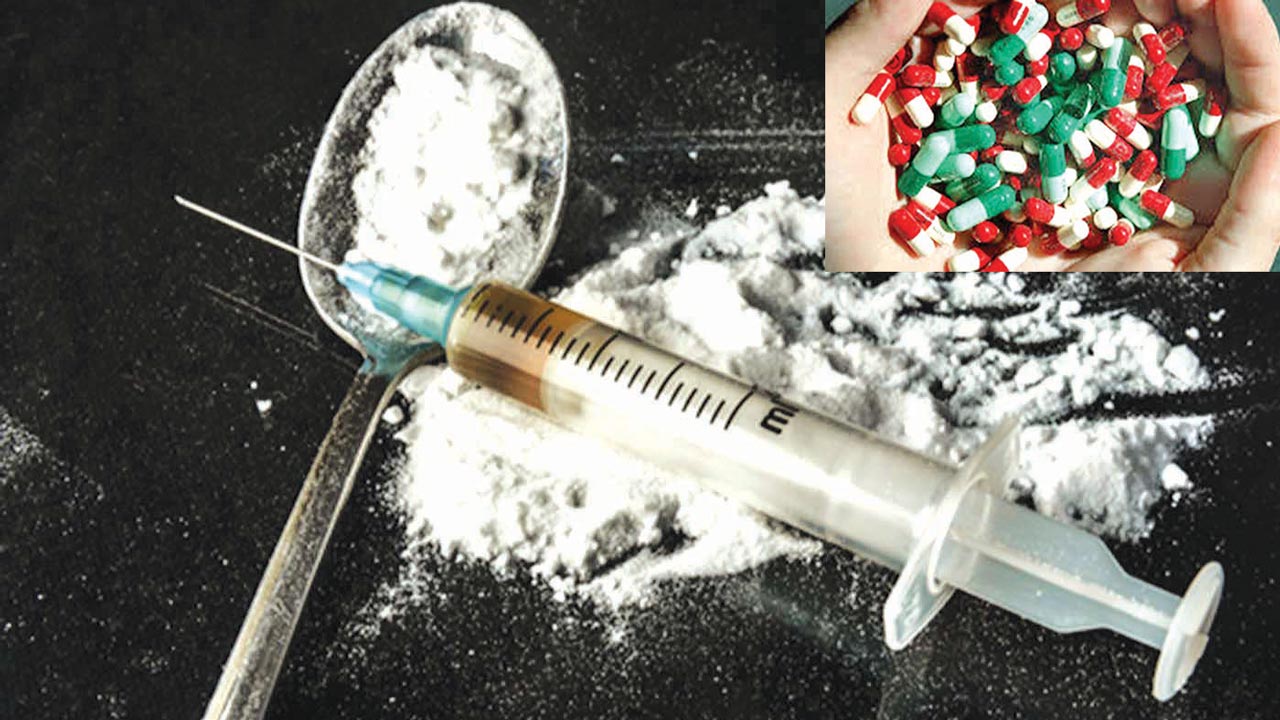
The rate of drug and illicit substances abuse among Nigerian youths is alarming. It is heading towards a national emergency, which should be considered and treated appropriately with the kind of attention it deserves in our today’s modern society.

According to the United Nations Office on Drugs and Crime (UNODC), in the last 24 years, cannabis potency has increased by as much as four times in parts of the world, even as the percentage of adolescents who perceived the drug as harmful fell by as much as 40 per cent.

This is despite the evidence that cannabis use is associated with various health issues and other harms, especially among regular long-term users.

Meanwhile, a worrisome development that should not be treated with levity is that there are 11 million cannabis users in Nigeria, a third of whom seem to be regular users needing drug counselling.

Similarly, the world drug report further noted that “Between 2010 and 2019, the number of people using drugs increased by 22 per cent, owing to global population growth. Based on demographic changes alone, current projections suggest an 11 per cent rise in the number of people who use drugs globally by 2030 – and a marked increase of 40 per cent in Africa due to its rapidly growing and young population. In Nigeria, this would signify that the country will have to grapple with approximately 20 million drug users by 2030, further deepening the public health and public security challenge”.

Recall that the Chairman of the National Drug and Law Enforcement Agency (NDLEA), Buba Marwa, a retired major general, while reeling out some statistics, said Nigeria was not only the highest user of cannabis worldwide but that revelations from kidnapped victims had corroborated the facts that illicit substances were enablers of insecurity currently plaguing the country.

He noted, “it is not difficult to conclude that drugs have been catalysts of terrorism, kidnapping, banditry, armed robbery and various violent conflicts currently troubling the country.

The consequences of drug abuse can never be overemphasized, as it has birthed a lot of problems not only in the family but in the nation and the international community. Medical issues associated with drug abuse include mental disorders, liver cirrhosis, lethargy, irritability, and heart disorders. Studies also reveal that drug addiction contributes largely to social consequences such as internet fraud, gang formation, disruption of normal educational activities, cultism, violence, armed robbery, kidnapping, rape, sexual abuse, and reduced productivity.

Experts asserted that so many factors are responsible for indulging youths in drug and substances abuse worldwide. These include but are not limited to reasons such as; Parental abuse, depression, peer pressure, peer group influence, the proliferation of quacks in the drug trade, early childhood and adult trauma, and environmental circumstances.

Drug and alcohol abuse in Nigeria are serious problems and has mainly contributed to the sorry state of our dear nation. Therefore, we can no longer continue to ignore the implication of such action as it poses a threat to our lives and that of the upcoming generations.

Talking about the way out – the government alone cannot eradicate this social menace. It is a joint task involving every individual, community, family, school, civil society, religious organization, the media, business entities, and traditional leaders to halt the ugly trend.

Most of these drug abusers are jobless individuals roaming about the streets. Thus, the government should step up an effort to provide them with jobs, while others could be empowered with the necessary skills and tools to start their own business to carter for themselves and their family.

Again, the government should remember that stemming the tide of drug abuse is akin to solving the security challenges currently bedevilling the country. The time to take action is long overdue.

Fagge is a Student of Mass Communication at Skyline University Nigeria. He sent this article via faggekabir29@gmail.com.

15.8% of World’s population have headache on any given day – A review estimates

By Abdullahi Abdullateef

A team of researchers at the Norwegian University of Science and Technology, says it has reviewed over 357 publications estimating 15.8% of the global population have a headache on any given day signifying the prevalence of headache worldwide.

This estimation is reported in a review of 357 publications from between 1961 and the end of 2021. The review was published in The Journal of Headache on Tuesday, 12th April, 2022.

Noting that the majority of publications reported in the review indicate the prevalance of headache among adults between 20 and 65. It also reports that children upto five years of age and adolescents suffered acute headache.


Similarly, the newswise.com reports that of the 357 publications reviewed, it has found that 52% of the global population have experienced a headache disorder within a given year, with 14% reporting a migraine. 26% percent reporting a tension-type headache and 4.6% reporting a headache for 15 or more days per month.

The Lead Author, Lars Jacob Stovner says: “Compared to our previous report and global estimates. The data does suggest that headaches and migraines rates may be increasing. What is clear is that overall,headache disorders are highly prevalent worldwide and can be a high burden.”

“It may also be of interest in future to analyse the different causes of headache that varied across groups to target prevention and treatment more effectively.”

Jacob adds that all the types of headache are more common in females than males most especially migraines.

Noting that there are 17 percent in females compared to 8.6% in males having headache for 15 or more days per month representing 6% in females compared to 2.9% in males.

He maintains that the majority of the publications reviewed reported from high income countries and gave recommendations that further investigation into middle and low-income countries would help present a more accurate estimation of prevalence of headache in the globe.

Lagos shuts down a hospital over Illegal operation, inadequate personnel

By Abdullahi Abdullateef

The Lagos State Government, through the Health Facility Monitoring and Accreditation Agency (HEFAMAA) has shut down Medville Global Health Centre located in Okota area of the state over its illegal operation and low numbers of personnel working in the hospital.

This is contained in a statement signed by the Head Public Affairs of HEFAMAA, Mr Muyideen Ayokunle Uthman on Tuesday, 5th April, 2022.

According to the statement, the Executive Secretary of the Agency, Dr Abiola Idowu, says that the Medville Global Health Centre which is located at 1, Bashiru street, off Lateef Adegboyega street, Ago Palace Way, Okota is sealed for not complying with the set standards.

Reacting to the demise of one Mr Triplem C. Mchaty’s wife, she said the agency carried out preliminary investigations which revealed that the hospital was not registered with HEFAMAA, noting that this contravened the 2006 health sector reform law.

She stated, “It means the facility was operating illegally.” She added that the hospital had inadequate personnel.

Reiterating the allegation on social media, in a tweet, one Mr Triplem C. Mchaty @scantee stressed the sad moments on his Twitter account @scantee. The tweet reads thus:

“Good morning family, I am really heartbroken now. My wife died at MEADVILLE GLOBAL HEALTH CENTRE (HOSPITAL) NO. 1 Bashiru street,off Lateef Adegboyega Street, Ago Palace Way, Okota.

“We just got married 10 months ago, she took in, she was undergoing Antenatal in Onitsha, Anambra [state].”

However, Dr Idowu disclosed that the Chairman Dr Solanke Kayo Esq. has ordered the agency to carry out a full investigation to uncover the facts of her death.

Relating with the closure of the hospital, she maintained that the agency has taken the crucial decision in furtherance of public protection awaiting the final outcome of the ongoing investigations.

She finally urged all administrators of health facilities in the state to adhere strictly to the set standards and cooperate with the leadership of Governor Sanwo-Olu.

Why, as a man, I fight period poverty, menstruation stigma

By Bilyaminu Idris Ndasadulau

I believe in collective action, responsibility and collaboration. That’s why I joined as a man to fight against period stigmatisation and period poverty. It’s everyone responsibility, not only the females.

Menstruation matters to me. Thus, I consider any form of stigma associated with menstruation a social abuse and crime against women. Unfortunately, millions of women and girls continue to live in period poverty around the world without any support from the government to end the problem. We need to address the issue collectively. That’s why in 2019, I started online research studies on health matters, and I found out many women and girls need pads, but they cannot afford them, which can often lead to girls not attending school and also unhygienic practices. 

So in 2020, we initiated the “Rescue A Girl” project, which aims to end the stigma and discrimination and focus on enhancing, from the grassroots, adequate education, health and gender equality, which is a key to achieving the Sustainable Development Goals agenda. 

In the same year, during the COVID-19 pandemic, we launched the project on International Girl Day. We outreached to different schools and communities where we educated and impacted over 350 women and girls with free sanitary pads.

After our 2020 project report, we understand that sanitary pads are not the best solution to end period poverty and financial inequality worldwide. So we design a sustainable solution strategy to support these women and girls through reusable pads products. Which is very affordable and also help in economic empowerment to produce these materials and sell them. At the same time, our approach will be a sustainable solution to end period poverty and increase available good health hygiene aids for women and girls. 

In late 2021, we decided to push the sustainable solution to reality, where we visited and trained almost 1000 women and girls in different marginalised places. While we also raise awareness to improve knowledge and practices of menstrual hygiene management, especially for the local residents and school girls.

This effort was supported by Connected Development in collaboration with ShareYourself Organization from the USA. Through this project, we build transparency data of impact to ensure our partners and the public can see the sustainability of our work. So we can gain more support around the world. 

This project targets 2000 women and girls just for the 2021 goal. Still, it is a life continuation work to ensure we reduce the high rate of women and girls facing period poverty and lack of MHM knowledge. While we also empower them to become self economic independent and minimise environmental waste caused by sanitary pads. 

We will keep pushing the Rescue A Girl project as a movement to ensure policymakers, government, NGOs and individuals all play their role through taking it as a responsibility and commitment to change the policies and mindsets to support these vulnerable living survivors. 

The experience we gained throughout this health project was unique. We travelled to slums; we met a lot of young housewives and girls, and we built confidence brought hope and a smile on their faces.         

You can reach Idris Bilyaminu Ndasadu’Lau via bilyaminuidrisndasadulau@gmail.com.