Entertainment

You can add some category description here.

A socio-religious analysis of Davido’s protege, Logos Olori ‘Jaye Lo’ video

By Hassan Idris

Discussing trending and contentious topics has never been my preferred inclination, not because of a lack of opinions or the ability to articulate them but rather due to the potential conflicts it may engender with those who hold me in high esteem. Nonetheless, today, I shall delve into the trending and contentious subject matter that has generated a whirlwind of discourse on social media, polarising individuals along sectarian, regional, and religious lines and culminating in mutual vilification.

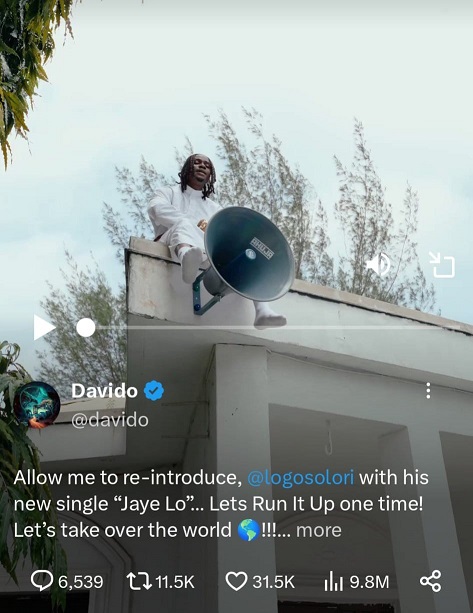
Specifically, I aim to scrutinise the 45-second video released by the Nigerian music sensation David Adeleke, famously known as Davido. In this video, men donned in white jalabia and caps dance boisterously in front of a mosque immediately after partaking in prayers. Adding further intrigue, Logos Olori, Davido’s protege, occupies a prominent spot atop the building’s roof.

Notably, even though the singer makes mention of the phrase ‘Alhamdulillah’ (praise be to God), the video and the accompanying song have been met with severe disapproval from many Nigerians and fans, particularly among the Muslim community, who perceive it as an affront to Islam. They vehemently demand an apology, accusing Davido of disrespecting their religious practices by intermingling sacred rituals with song and dance.

Despite the mounting pressure, Davido finally relents and takes down the video after two days of receiving criticism, opting for a predominantly silent stance and refraining from issuing formal apologies. Notably, Professor Wole Soyinka, in a surprising twist, urges Davido not to apologise for releasing the ‘Jaye Lo’ video, asserting that dancing in front of the mosque does not possess the provocative connotation purported by some.

Among the voices calling for an apology from Davido are prominent Muslim faithful such as Ahmad Ganga, Ali Nuhu, Ashraf Yaman, Ayaat Saeed, Basira Ugochi, and numerous others. Conversely, some Muslims have countered this demand, contending that the singer’s lyrics and actions did not overtly denigrate the Islamic faith. Furthermore, they argue that the video was not intended to ridicule Islam but reflected a cultural norm in Yoruba society.

Additionally, they highlight the existence of Islamic sects, such as the Tijjaniya and Shi’ite, in the northern region, who employ the Mandiri drums as part of their worship practices, thus, indicating that some Muslims themselves engage in similar expressions of religious celebration, with no objections from the community. Before delving into the sociological perspective of religion, it is imperative to recognise the profound significance of religion, particularly in Africa. For many Muslims, it is not merely the song or the jalabiya donned in the video that raises concern, but rather the potential mockery of prayer, a cornerstone of Islam, considered sacred and inviolable. It stands in stark contrast to profanity and warrants utmost respect.

Comparatively, other musicians like Naira Marley may espouse diverse perspectives, yet their words do not evoke similar anxieties. For instance, Naira Marley’s song proclaims, ‘God is the driver, while the Prophet (SAW) is the conductor,’ which, despite its unconventional nature, does not overtly trivialise prayer. Indeed, if Naira Marley had ventured into such territory, he would likely have faced a similar backlash. In response to the contention that some Islamic sects might engage in activities akin to the video’s content, it is essential to discern that while various expressions of worship exist, dancing during prayers remains absent from any Islamic sect. Moreover, the significance of the mosque, as elucidated in the Qur’an, holds paramount importance for Muslims, who regard it as the most sacred and cherished space in their lives. Thus, actions that appear to contradict the mosque’s sanctity are naturally met with vehement objection.

As for Professor Wole Soyinka’s intervention, his failure to fully grasp Nigeria’s religious and multicultural fabric, coupled with his atheistic beliefs, may have influenced his hasty entry into this contentious issue without considering the multifaceted perspectives. Thus, there seems to be an underlying layer of ethnocentrism at play, though it is crucial to clarify that this observation is not intended to belittle Soyinka in any manner.

Turning our attention to Durkheim’s Elementary Forms of Religious Life, the philosopher Charles Taylor’s elucidation of religion as a comprehensive system of beliefs and practices encompassing human existence and its relation to the ultimate conditions of being and other human beings presents a multifaceted framework for analysis.

Durkheim’s seminal work contends that religion is not confined to individual beliefs and practices but rather constitutes a sociological phenomenon that both shapes and is shaped by society. Central to his argument is the concept of ‘collective representations,’ which denotes shared symbols and ideas that foster cohesion among individuals, binding them together in a collective community. Collective effervescence, a cornerstone of religious experience according to Durkheim, entails the shared emotions and sense of unity that emerges when people unite for a common purpose, often manifested in rituals and communal activities.

Furthermore, Durkheim’s delineation of the ‘sacred’ and the ‘profane’ elucidates the fundamental distinction between holy or special elements (the sacred) and the mundane aspects of everyday life (the profane). The video in question seemingly breaches this sacred-profane dichotomy, incorporating elements considered sacred within a context that may trivialise their significance. To elucidate the connection between Durkheim’s ideas of the sacred and the profane, the concept of totemism emerges as an essential component of his thesis.

Totemism encompasses groups of individuals coalescing around a common totem, an emblematic object or animal that symbolises the collective community. The totem, imbued with sacredness, serves as a focal point in rituals and ceremonies, forging a shared sense of identity and unity within the group. By drawing this parallel, the video can be perceived as appropriating religious attire and symbols, potentially attenuating their original sacred import.

Moreover, Durkheim’s concept of ‘mana’ merits consideration of the video’s content. Mana constitutes a spiritual force or energy believed to inhabit sacred objects or spaces. Often linked to animism, the notion that objects and locations possess spirits or souls, ‘mana’ illustrates how the sacred imbue objects and places with special significance. Here, the video’s portrayal of dancing immediately after prayers may be construed as desecrating the sacredness associated with the mosque. As Durkheim transitioned his focus to modern societies, the idea of ‘mechanical solidarity’ comes into play, wherein traditional societies cohere through shared values and beliefs among relatively homogeneous groups.

Comparatively, ‘organic solidarity’ characterises contemporary societies, wherein specialised social bonds form through the division of labour, with various individuals and groups performing distinct functions. The video, juxtaposing modern entertainment (the dance) within the context of a sacred religious space, potentially mirrors the fragmentation and diminished shared values observed in present-day society, evoking notions of anomie.

As a sociologist and poet, I believe some may perceive the Muslim community’s response to Davido’s music video as an overreaction. While concerns are warranted, approaching the issue with knowledge and wisdom, as instructed in the Qur’an, would have been more constructive. Addressing Davido’s actions maturely and knowledgeably could have fostered a more amicable resolution. However, amidst the controversy surrounding the video, it is crucial not to lose sight of the pressing issues in the North, such as kidnapping, terrorism, and poverty, which demand urgent attention and resolution. Calling for uniformity in addressing these challenges alongside the concerns over the music video could have a more significant impact in addressing social issues and fostering a sense of collective responsibility.

Furthermore, it is essential for everyone, regardless of their religious background, to respect and understand the beliefs and cultures of others. Ethnocentrism and a lack of cultural relativity can perpetuate societal misunderstandings and divisions. Respect for all religions, and their sacred practices, should be upheld, emphasising the need for mutual understanding and harmony among diverse communities.

In conclusion, when scrutinising Davido’s music video from a Durkheimian sociological perspective, many potential issues concerning the sacred and the profane in religion emerge. The video’s portrayal of dance immediately after prayers and its use of religious symbols may be perceived as disrespectful and culturally insensitive by some Muslim community members. Moreover, its potential impact on social cohesion and integration in Nigeria’s diverse and multicultural society warrants introspection. Both sociologists and individuals must remain cognizant of religious sensitivities while striving for a profound understanding of different religious practices, fostering mutual respect and harmony within society.

While the controversy surrounding Davido’s music video persists, individuals and communities must engage in constructive dialogue, foster mutual respect, and address societal challenges with collective responsibility. Religion is paramount. It should be treated with reverence, regardless of the particular faith. Let us strive to uphold the principles of knowledge, wisdom, and cultural relativity in our interactions, aiming for a more cohesive and harmonious society. May we all be guided right in our actions and decisions.

Hassan Idris is a Sociologist & Poet and can be contacted via idrishassan25@yahoo.com.
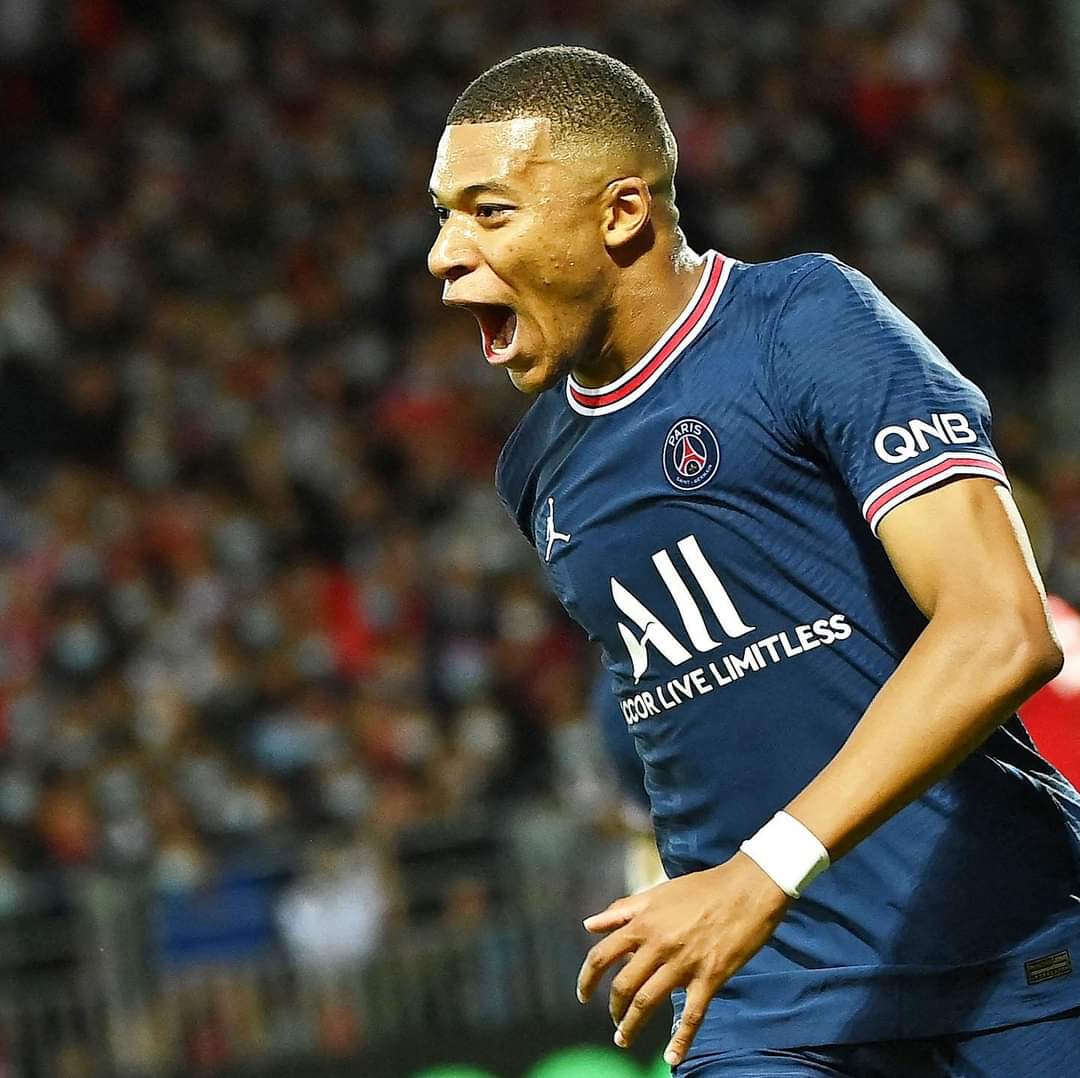
Mbappé reportedly ‘rejects’ PSG’s latest offer to extend his contract

By Muhammadu Sabiu
 
French football sensation Kylian Mbappé has reportedly rejected Paris Saint-Germain’s latest attempt to extend his contract.
 
The club’s offer included a guaranteed sale clause scheduled for the summer of 2024.
 
Mbappé, who has previously declined offers, remains resolute in his decision to part ways with PSG.
 
Despite the new proposal, he has no intention of accepting any deal that would tie him down to the French club.
 
Rumours suggest that Mbappé’s heart is set on a move to Real Madrid. PSG, on the other hand, remains adamant in their belief that the star forward is determined to secure a transfer to the Spanish capital, but they are pushing for the transfer to happen in the summer of 2024 on a free deal.

Chelsea completes £25m signing of goalkeeper Robert Sánchez

By Muhammadu Sabiu

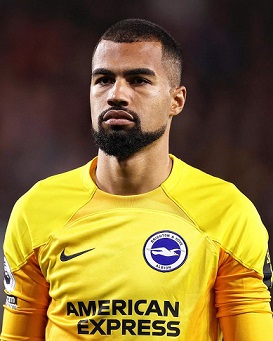
Chelsea Football Club has secured the services of Spanish goalkeeper Robert Sánchez for a reported £25 million package.

The news comes as a delightful surprise for fans and football enthusiasts, signalling the club’s intent to bolster their squad for the upcoming season.

The 24-year-old shot-stopper has shown immense promise and potential during his time with Brighton & Hove Albion, gaining recognition for his shot-stopping abilities and excellent distribution skills.

Ousmane Dembele leaves Barcelona, joins PSG

By Muhammadu Sabiu 

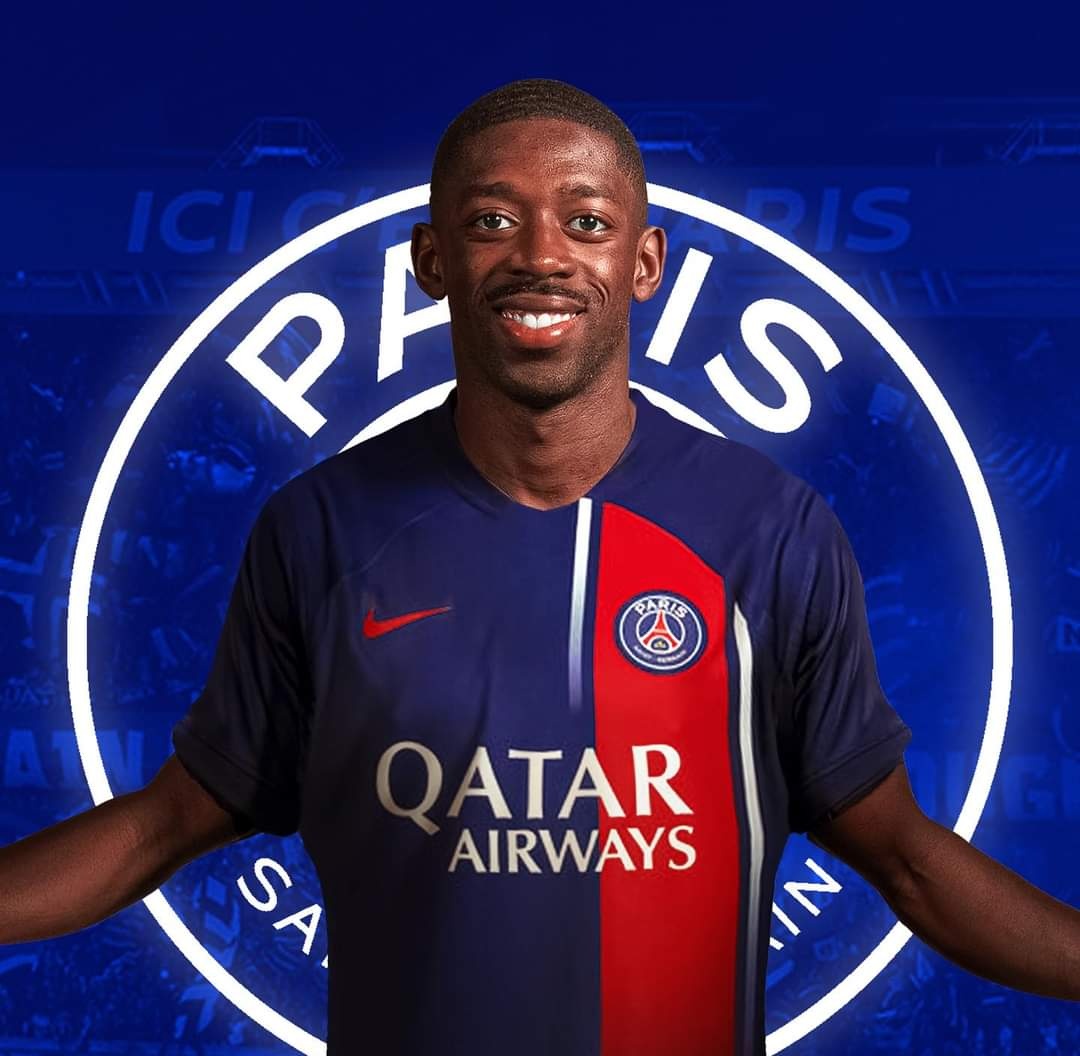
Paris Saint-Germain has secured the services of Ousmane Dembélé from Barcelona for a fee of €50 million.

The decision was finalised on Sunday night, and the player has already arrived in Paris and is set to undergo a medical examination on Friday. 

The contract signing is expected to be completed by the end of the week, locking Dembélé into a five-year deal with PSG until 2028. 

A private clause was activated on Monday morning to facilitate the transfer with Barcelona set to receive just over 50% of the transfer amount. 

Meanwhile, PSG continues to reinforce their squad, and their next target is reported to be Gonçalo Ramos from Portugal. Stay tuned for further updates on this exciting transfer window.

A visit to an ace Hausa ethnomusicologist – Muhammad Kalarawi

By Prof. Abdalla Uba Adamu

In an attempt to gauge the current popular culture market in Kano, I visited my old haunt at Kasuwar Ƙofar Wambai today, 2nd August 2023. It was the place where virtually all Hausa popular culture media products were distributed in the late 1990s to 2000s. It was simply the best in West Africa, as media products from this market – which took over from the Bata market – were distributed to other parts of Hausaphone West Africa.

I was shocked at the fact that there were only three shops selling CDs/DVDs and cassette tapes. The market had been taken over by plastic household items and blouses/football jerseys! It was so sad to see such a vibrant market – the best in West Africa – down on its luck. Discussions with three forlorn merchants reveal two main reasons for this sorry state of affairs of consumptive popular culture media in Kano.

The first was the proliferation of Download Centres. In these places, films were ripped off DVDs or CDs and with a reduced resolution to fit a Smartphone screen – and dozens were packed on a microSD card and sold for peanuts. This denies the content providers of profit from their hard labour. A licensing compromise was agreed between filmmakers and Downloaders to everyone’s satisfaction. Thus, no more CD purchases that require both a CD player, a TV and electricity to play. Downloaders often get their primary source directly from the producers – thus eliminating the media production processes.

Second was the rise of TV series, popularised massively by Arewa24’s Dadin Kowa (although it was not the first). Now almost every producer has jumped on the TV series bandwagon and using YouTube to distribute their programs. With data getting cheaper, it means viewership has migrated to YouTube series dramas – where more money is made with AdSense clicks. Rarely does a producer bother now with a feature film.

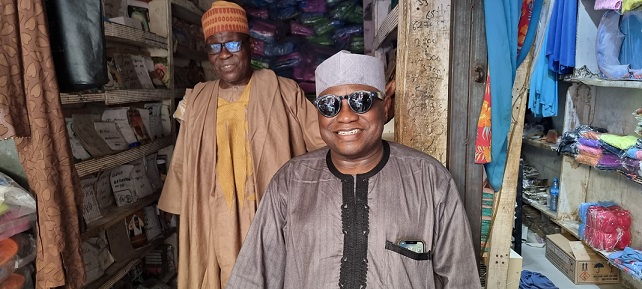
Sad as I was with these developments, I perked up when I visited the shop of Alhaji Muhammad Kalarawi. He is quite simply the best ethnomusicologist in the market. His nearest rival, Musa Nasale, passed away some time ago (and no one knows what has happed to his catalogue of unique and rare music field recordings).

Alhaji Muhammad Kalarawi got his name from being the recordist of the late Kano-based Islamic cleric, Alhaji Lawan Kalarawi (d. 1999). The term, “ƙala rawi” means ‘the narrator said’. Kalarawi established himself as a fearless, acerbic preacher in Kano – earning him numerous jail sentences. He was really telling it like it was – bringing his incredible interpretations on leaders (both modern and traditional) and commoners alike. Thanks to modern media technologies, there are hundreds of Lawan Kalarawi’s archival recordings on YouTube and MP3 trawler/caching sites.

Kalarawi’s popularity was enhanced by his street speech mode with jovial, often bawdy commentaries, which made him immensely popular. I personally count three Islamic preachers in Kano as those I avidly listen to: Lawan Kalarawi, Ibrahim Khalil and Aminu Daurawa. All down to earth. Just as it is, without any excess baggage or appendices.

The current Muhammad Kalarawi has almost every incidence of the late preacher’s recordings. That is a huge treasure trove. In addition, he still has stacks of tapes and CDs of traditional Hausa griots, which are simply not found anywhere. I was so elated to know he is still in the game, despite the suffocating pervasive influx of Hausa Afropop in Kano (which studiously avoided the Wambai market). I wish research institutes such as the History and Culture Bureau in Kano, or Arewa House in Kaduna, would license Kalarawi’s priceless catalogue and digitise them for posterity. Once they are lost, they will be gone with the wind.

Edinson Cavani nears contract termination with Valencia

By Muhammadu Sabiu 

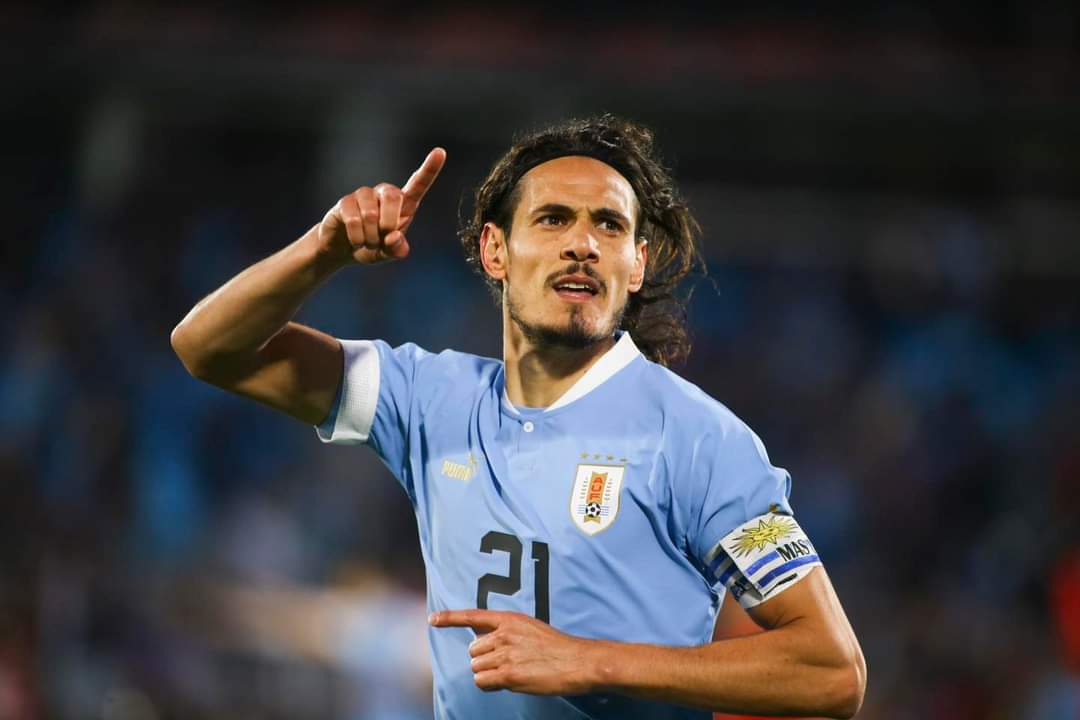
Edinson Cavani is poised to part ways with Valencia, as both parties are on the verge of reaching an agreement for contract termination. 

The Uruguayan striker’s departure from the Spanish club seems imminent, making him a free agent in the transfer market. 

While the news of the contract termination has stirred interest among various clubs, Boca Juniors from Argentina wasted no time in expressing their desire to secure the services of the experienced forward. 

Boca Juniors have reportedly sent a formal proposal to Cavani, signalling their keenness to acquire the talented player for their squad. 

As talks between Cavani and Boca Juniors have progressed swiftly, the Argentine club is hopeful of finalising the deal in the near future. 

The prospect of signing a player of Cavani’s calibre has left Boca fans buzzing with excitement, and it could prove to be a significant coup for the club if the deal is successfully sealed.

Mane’s agent to meet Al Nassr for negotiations

By Muhammadu Sabiu

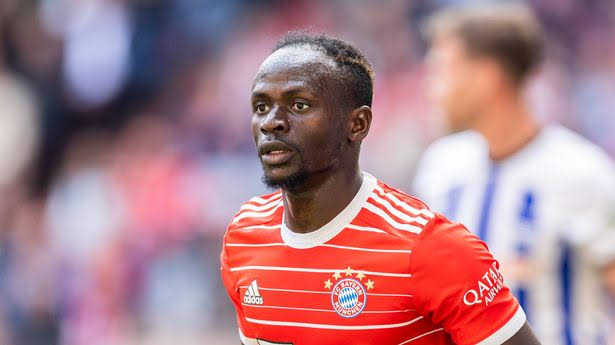
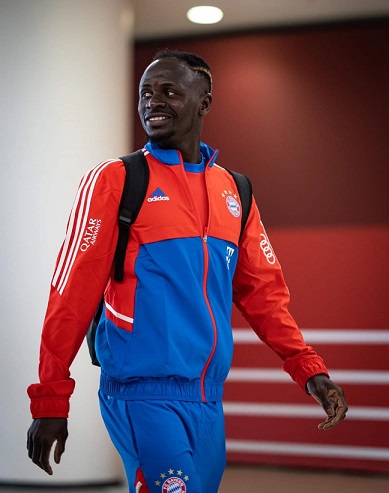
In a significant development in the world of football transfers, it has been confirmed that Sadio Mane’s agent, Roof Björn Bezemer, is set to embark on a trip to Japan to negotiate terms with Al Nassr.

The Saudi Arabian club has expressed keen interest in acquiring the talented winger from Bayern.

Last week, Sadio Mane gave his initial approval for negotiations with Al Nassr, signalling his willingness to consider a potential move to the Middle Eastern club.

However, it’s worth noting that Mane had expressed his desire to stay at Bayern Munich and was adamant about remaining with the team.

Despite the player’s stance, Bayern Munich has decided to part ways with Mane, making it evident that they are open to his departure.

This development has provided Al Nassr with a glimmer of hope to secure the services of the highly regarded footballer.

Roof Björn Bezemer, the intermediary representing Sadio Mane, is now entrusted with the task of sitting down with Al Nassr officials to discuss the terms of the potential deal.

The negotiations are expected to be crucial in determining whether the transfer will come to fruition.

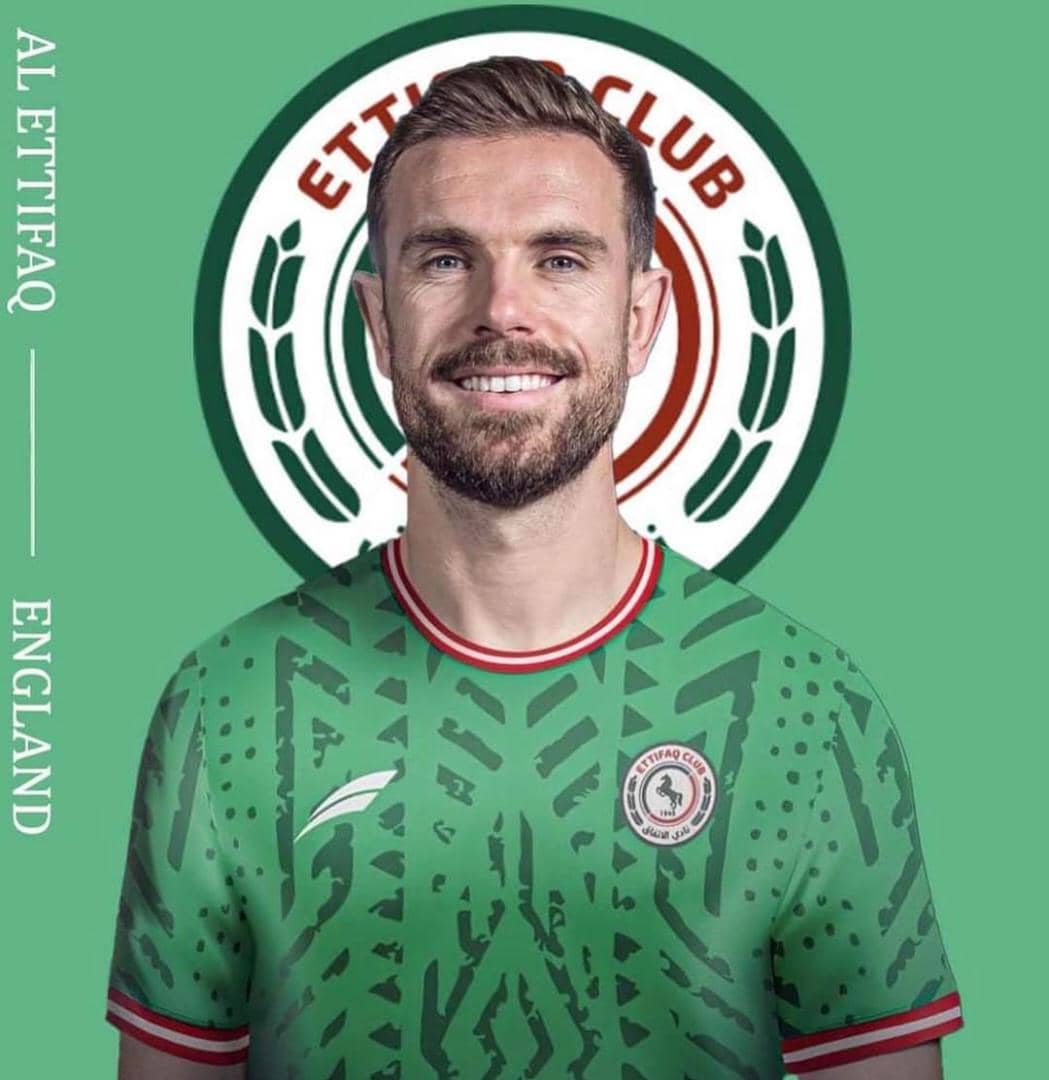
Jordan Henderson completes medical tests, set to join Al Ettifaq

By Muhammadu Sabiu 

Jordan Henderson, the Liverpool midfield maestro, has successfully passed his medical examinations as the newest player for Al Ettifaq Football Club. 

The eagerly anticipated news has now been confirmed, signalling an imminent transfer that is set to shake up the football world. 

After weeks of speculation and negotiations, both clubs have reached a contractual agreement. 

Liverpool has agreed to a £12 million fixed fee for the transfer, with additional add-ons included in the deal. 

Jordan Henderson’s impending move to Al Ettifaq has been the subject of intense media attention, with fans on the edge of their seats as they await the official announcement.

Breaking: Paris Saint-Germain puts Mbappe up for sale

By Muhammadu Sabiu
 
In a stunning turn of events, Paris Saint-Germain (PSG) has announced that they have made the decision to put star forward Kylian Mbappé on the transfer market, starting today.
 
The news comes amid growing speculation about Mbappé’s future and his supposed agreement to join Real Madrid in 2024 on a free transfer.
 
Sources close to PSG have revealed that the club believes Kylian Mbappé has already reached a pre-contract agreement with Real Madrid, set to take effect in 2024.
 
This has been a point of contention for PSG’s board, as they sought clarity from the player regarding his commitment to the club.
 
Despite the board’s request for Mbappé to make a decision on whether to sign a new contract or seek a transfer, the French superstar remained non-committal, failing to provide an answer by the deadline of July 15.
 
As a result of Mbappé’s silence and the apparent uncertainty surrounding his future, PSG has taken a decisive step by excluding him from the pre-season tour.
 
This move indicates the club’s willingness to engage in negotiations for the player’s sale with interested parties.

Sadio Mané considers possible move to Al Nassr in Saudi Arabia

By Muhammadu Sabiu

Former Liverpool star forward Sadio Mané appears to be open to negotiating a potential move to Saudi Arabian club Al Nassr.

Reports suggest that the player has expressed his willingness to explore this option despite his desire to remain with Bayern Munich for a fresh challenge.

Sources close to the situation reveal that while Sadio Mané had initially hoped to continue his career with Bayern Munich, the club has decided to part ways with the talented forward, prompting him to consider other opportunities.

During discussions, Sadio Mané has consistently expressed his preference to stay at Bayern Munich, but it seems the club is eager to move on and is actively seeking to sell him.

With this development, the door has opened for a potential transfer to Al Nassr in the Saudi Professional League.