By Muhammad Attahiru
Jigawa State has always been tagged the luckiest state in Northern Nigeria in terms of getting leaders who have the state in their hearts. This statement was not further from the truth. Since the inception of this Administration led by the astute driver, Jigawa state has been once again over the radar, and the spirit of its citizens has been bashed again.
This week, the APC administration, led by His Excellency Mallam Umar Namadi, clocks one year in office. Indeed, it was more than a proud moment not only for the APC electorate but for the entire state’s citizens, having someone who serves as the consolidator of projects abandoned two decades to date, also a unifier and visionary leader who despite the slander of all the doom prophets, they were put to shame. As a Governor, Mal. Namadi became the tangible symbol of the united Jigawa.
Those conversant with state politics would realise my statement: Against all odds, the Unifier has maintained his stance on his promises before the election. His viable and economically sustained state projects were disbursed across all parts of the state with every sense of justice and fairness.
The massive appointment of his political aides, including commissioners, Permanent Secretaries, Special Advisors, board members, and heads of various Agencies, was all evidence of his commitment to fairness without compromising his known attribute of prioritising merit over political connection.
Over the last twelve months, the administration of Mal. Umar Namadi has recorded an uncountable number of visible and impacting projects across every sector that directly or indirectly positively affect the common man of Jigawa state.
Food security and social welfare were one area the administration of Malam Namadi took with a serious note. The constant alarm was raised by the United Nations bodies like the World Bank and the Food and Agricultural Organization (FAO) about the impending danger of food insecurity facing our countries, especially those bordering the Sahara, due to multifaceted factors of Insecurity and climate change.
Jigawa State Government initiated the food distribution Palliative, especially during the Ramadan fasting. The success story of the Ramadan feeding program was indeed commendable, considering the hardships the poor populace would have passed through during the Holy month. The subsidy was also injected into Fertilizer to boost the agricultural output of the state’s majority farmers.
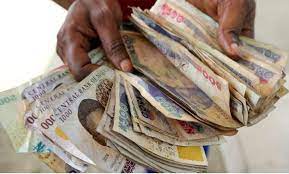
The most ambitious project of all was the coveted Danmodi Super Store Palliative Project. Around N1.5 billion was injected into it to procure all forms of food and household items that would be sold by special stores across all wards and local government headquarters in the state. The items would be sold at very cheap and subsidised prices.
The project is a public-private partnership with the reputable FinTech Company Bizi Mobile. Specially designed ATM cards would be distributed to people, and transactions for items would be made through the ATM card number. This would ensure direct remittances of payment proceeds to the state treasury and ensure no diversion or overbuying above a certain limit, allowing each individual to buy his foodstuffs without fear of hijacking by people with access or those with more money.
The Superstore project would soon be commissioned, and the CEO of the Company, Mal. Aminu Bizi, has already made the necessary preparations for the technology, tools, logistics, and personnel for the smooth implementation of the project. This would greatly help the poor citizens of the state access cheaper food items in the markets. On the other hand, the project would allow the Government to have more Data on its citizens to aid in implementing other economic, security and social programs.
If implemented, this project would again prove this Administration’s sincerity and socialist-style approach to Hayakawa emancipation. Jigawa state would be the only state in Nigeria with this very welcome system. This form of superstore has already been practised in many countries, such as Venezuela, Brazil, and China. It is a simple and effective way of ensuring citizens have access to cheaper and affordable food. It’s also a method that directly links the Government to the masses.
This project would reduce the burden and hardship caused by the removal of the petrol subsidy. Indeed, it’s money well spent.
We wish the Jigawa state Government under Malam Namadi a successful tenure and more ideas that would help impact the Jigawa state’s common man.
Long live Mal. Umar Namadi.
Long live Jigawa state.
Long live Nigeria.
Muhammad Attahiru wrote from Dutse via habibmultilinks@gmail.com.