Business

You can add some category description here.

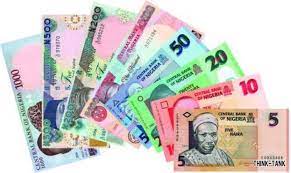
Defending the Naira: A political perspective

By Ibrahim Isa Wada

When the current administration was advised by some economic experts to withdraw the subsidy on fuel and allow the Nigerian Naira to find its own value in the international arena, I got so much worried for fears of what would be the outcome. Being a nonexpert on economics, banking or finance, but only a bloody retired broadcast regulator with a fair understanding of day to day current issues, I decided to drop this piece and I hope it will be carefully considered by the experts. All I know is that, life is so hard for all of us since the Naira decided to take a flung and the fuel prices shoot up.

Sadly, some of the experts disappeared while others started to blame the past administration and/or their village people for making our lives so miserable.

Defending the value of the Naira amounts to defending the Tinubu/Kashim administration, and surely the interest of the Nigerian people.

How can any government, businesses or persons successfully plan and execute meaningful projects; how can Nigeria join economic groups, like the BRICS, with such a rickety currency?

I understand that the value of the Nigerian Naira is a function of her balance of trade. That is for the Naira to be strong and stable, the total value of goods and services Nigeria imports must be the same or less than the value of goods and services Nigeria exports over the period of time.

In the present circumstances, we tend to import almost everything including PMS, and even charcoal for smoking Shisha! While we export gold and dollars in cash etc, to safe havens. To be frank, any Nigerian leadership that wants to succeed must have a strong and stable Naira to begin with, which can be achieved by taking the following measures, among others:

1) Bring back the policy of Export Promotion and Import Substitution of the late 70’s.

This should be done with vigour. Any product that could be manufactured in Nigeria shall not be easily imported into the country, while all products that can be exported should receive a boost from the government.

There are means and ways to manuver around international trade politics, like the WTO, to achieve that.

2) Formalise all international transactions, including our transborder trade with ECOWAS and other African countries. Currently the Nigerian Central Bank serves as the unofficial African Central Bank, providing the foreign exchange requirements for many African countries that route their trade through Nigeria.

The trade formalization entails the systemic deployment of adequate personnel and infrastructure that would make international trade between Nigeria and other countries smooth, yet documented.

3) The CBN, Commercial Banks and Bureau De Change operations should have a joint universal forex transactions software that will ease, unify and speed up forex trading.

4) From 3 above, all foreign currency transfers including PTA above $250 must be in digital form.

5) Also from 3 above, the commercial banks and BDC Forex Operator window should capture a basket of about seven major foreign currencies that Nigeria transacts in, i.e Dollar, Yuan, Euro, Pound, CFA, Saudi Riyal and Dirham.

Therefore the BDC operators should have multiple currency accounts with their banks to receive and transfer funds in digital form.

6) The Nigerian government should be bold enough to block all foreign exchange leakages, in form of waivers and favours to individuals and institutions.

7) Develop key institutions targeted towards the elimination of Forex Guzzlers thus:

a) Establish more private universities to reduce students high foreign exchange remittances.

b) Establish more world class hospitals to save foreign exchange from medical tourism.

c) Establish companies for the local fabrication of low technology agricultural and industrial machinery to reduce foreign exchange outflow.

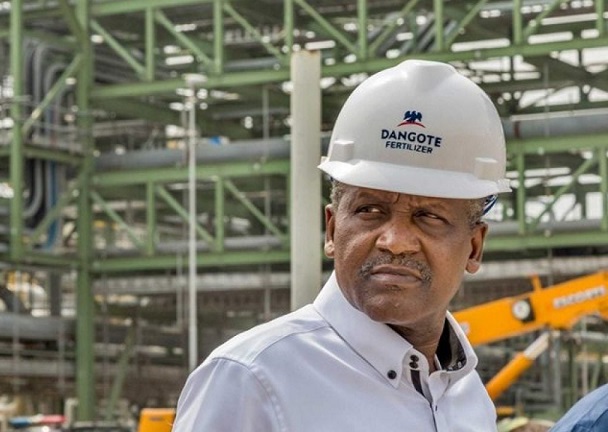
d) Fuel imports should stop at the shortest possible time, by developing more modular refineries, privatising existing ones and ensuring the early take up of the Dangote refinery.

8) In line with the Export Promotion and Import Substitution Strategy, invest heavily in agriculture to reduce food and dairy products import, as well as encourage the exports of cocoa, cashew nuts, sesame seeds, beef, etc.

This is my political perspective of the basic economic issue, because if the politicians fail to defend the value of the Naira and the poor, they will fail utterly in politics.

Ibrahim Isa Wada, writes from Kano, Nigeria. He can be reached via; ibrahimisawada@gmail.com

BUA slashes price of cement to ₦3,500 per bag 

By Sabiu Abdullahi 

BUA Cement Plc has taken a bold step to reduce cement prices, effective October 2, 2023, ahead of their initial schedule. 

The company, in its commitment to boost the building materials and infrastructure sectors, has lowered the ex-factory price to 3,500 Naira per bag. 

This move is expected to allow Nigerians to enjoy the benefits of reduced prices earlier than anticipated. 

The company said in a statement Sunday that all pending and paid orders will be adjusted to the new rate. 

BUA Cement emphasises its dedication to ensuring end-users benefit from this reduction, with vigilant monitoring of field sales for compliance. 

This proactive initiative by BUA Cement Plc demonstrates their commitment to supporting development initiatives in Nigeria and making essential building materials more accessible to the public.

Dangote Group boosts national treasury as N474b was paid as taxes in 3 years

By Sabiu Abdullahi 

Three subsidiaries of the Dangote Group, namely Dangote Sugar, Dangote Cement, and Dangote Salt, have contributed immensely to the nation’s revenue.

Hashem Ahmed, an official representative of the Dangote Group, made this revelation at the 18th Abuja International Trade Fair’s opening ceremony, held on Thursday. 

Speaking on the fair’s theme, ‘Sustainable financing and taxation as drivers of the new economy,’ Ahmed highlighted the Dangote Group’s significant role as a major contributor to the country’s economy.

He disclosed that over the course of three years, the aforementioned subsidiaries of the Dangote Group had paid a staggering total of N474 billion as taxes to the Federal Government. 

“As you may be aware, apart from being the highest employer of labor in the private sector, the Dangote Group is also the biggest taxpayer,” Ahmed stated.

“In just three years, Dangote subsidiaries paid a staggering N474 billion to the Federal Government. These are Dangote Sugar, Dangote Cement, and Dangote Salt, combined.” 

Ahmed further emphasised that this substantial financial contribution was part of the Dangote Group’s ongoing support for the nation.

He highlighted the group’s various initiatives, including empowerment and skill acquisition programmes, corporate social responsibility initiatives, sponsorships, and philanthropic schemes, all of which amounted to several billions of naira. 

The Dangote Group expressed satisfaction with the Federal Government’s efforts in implementing a tax reform policy. This policy is expected to broaden the tax net and provide essential financing for the development of the country’s infrastructure.

The group sees this as a positive step towards sustainable economic growth and development for Nigeria. The significant tax payment by Dangote Group’s subsidiaries not only showcases their financial robustness but also underscores their commitment to supporting the country’s development agenda.

This contribution is anticipated to play a crucial role in the realisation of various national projects and initiatives aimed at enhancing the quality of life for all Nigerians.

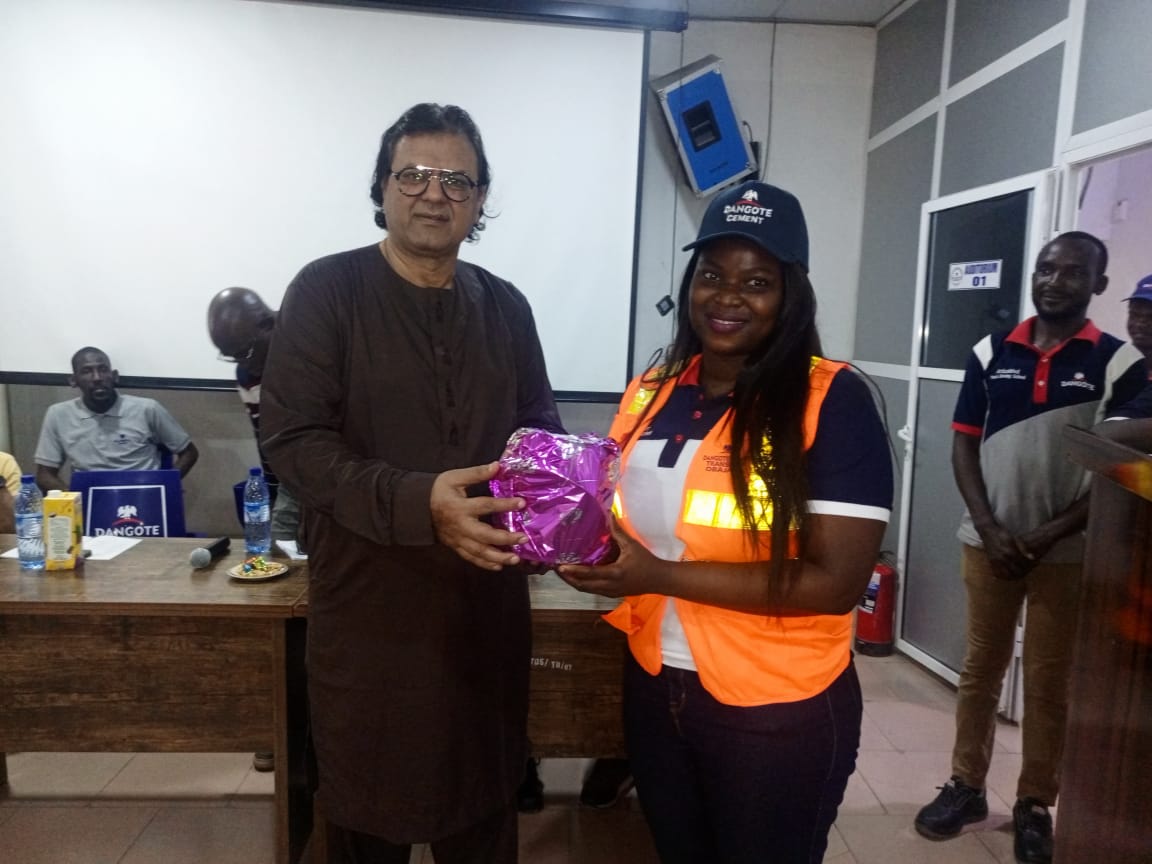
Dangote Cement graduates 50 ‘Special’ Truck Drivers

By Aisar Fagge

The Dangote Articulated Truck Driving School has graduated 50 Special Truck Drivers on weekend.

It was gathered that ten of the drivers were women and trained on Defensive Driving for three months.

A statement signed by the spokesman of the Dangote Group, Mr. Anthony Chiejina, and made available to journalists on Monday, disclosed.

The statement qouted Mr. Ajay Singh, the Divisional Director of the Dangote Cement Plc, Transport section, Obajana Plant, Kogi State, to have said that the Articulated Driving School was aimed at taming the tide of auto crash in Nigeria.

Singh who spoke during the graduation ceremony added that “The company has a zero tolerance for auto crash, which informed the setting up of different programmes, in collaboration with the Federal Road Safety Corps (FRSC).

“Head of Human Resources, Mr. Azeez Adeniyi said the Dangote Articulated Truck Driving School, is unique, being the first of its kind in the history of Nigeria,” he stated.

The statement further added that “He (Singh) urged the graduates to maximize the advantages from the training, adding that it was a rare and golden opportunity to have passed through the school.

“The school manager, Mr. Daniel Marcus Akuso, said some of the courses offered for the Batch A include: Civic Education, English, Mathematics, Defensive Driving, Truck Handling, Maintenance Technology, DCT Administration Procedures, Root Cause Analysis, Health and Science, Road Signs and Codes.

“Mr. Akuso said the graduates will now undertake a six-month attachment to enable them to acquire practical experience.

“Speaking, Deputy Road Commandant, (OC Instructor) of the FRSC attached to Dangote Driving School, Engr Mukhtar Umar said his agency plays a significant role in the training and certification of old drivers and newly recruited trainees.

“We teach them defensive driving, road signs, responsibilities of the driver, driving culture, and then certify them. These are Special Drivers,” Engr Umar said.

“Representative of Fantique Driving Centre, South Africa, Mr. Jacques Van Heerden, said the graduates were trained on defensive driving, assuring that if they abide by the lessons learned from the courses, it will help Nigeria in reducing the menace of auto crash.

“On his part, Col Ravig Kumar, Chief General Manager, Maintenance Department, expressed optimism that the female drivers, especially, will make Nigeria proud, while urging them not to disappoint the company, wherever they may find themselves.

“Speaking on behalf of the graduates, Mr. Ajayi Kehinde Daniel, said: “We are not just drivers, but defensive drivers. Throughout this period of training, we have been exposed to the causes of road accidents, and how to avoid them. Some of these causes, if not all, are actually avoidable.”

“Also present at the Graduation Ceremony were: Head of Department, Post Trip Inspection(PTI), Mr. Charles Theophilus, Head of Control, Mr. Suresh Ramamoorthy, Col Hemant Rana, as well as other members of the Fantique Training Centre of South Africa: Pieter Momberg and Anton Schenk,” the statement added.

Understanding high cost of living in Nigeria, factors and way forward

By Hauwa’u Abubakar

Overtime, Nigerians have experienced hike in basically all goods and services required to live and run their day to day activities. This goes without saying has been aggravated by proclamation of subsidy removal on premium motor spirit (PMS) popularly known as petrol, some three months ago.

It becomes imperative to understand the factors responsible for high cost of living as it leads to higher expenditure for individuals and households. Some of the factors leading to this unwanted development include inflation or an increase in the general level of prices.

Nigeria has experienced persistent inflation over the years, with prices of goods and services continuously rising. This reduces the purchasing power of individuals, making it more challenging to afford basic necessities. Also, depreciation of the country’s currency.

The naira, has faced fluctuations and depreciation in value against major foreign currencies like the US dollar. This has led to higher import costs, making imported goods more expensive for consumer. Furthermore, dependence on imports for various products, including food, fuel, clothings, building materials and other consumer goods, has the tendency to result in higher prices due to transportation cost, tariffs, and exchange rate fluctuations.

Again, infrastructural challenges is another force to reckon with. Inadequate infrastructure, such as power shortages and poor transportation networks can increase the cost of goods and services. Businesses often have to bear the burden of additional expenses since they are not provided by the authority and they eventually pass these expenses to consumers so as to make profit and keep their trade afloat.

Income quality as a factor. Nigeria has a significant income disparity, with a large portion of the population living in what is termed multidimensional poverty due to the disparity. This poverty limits access to basic resources like education, healthcare, and housing, further exacerbating the cost of living for many individuals. Government policies such as removal or reduction of subsidies, can lead to price hikes for essential commodities also.

To address this worrisome situation, it is firstly important for citizens to understand that the high cost of living in Nigeria is a complex issue influenced by various factors such as those aforementioned. Efforts to address this challenge should involve measure to tackle inflation, improve infrastructure, diversifying the economy, and promoting policies that support income equality and affordability for citizens.

Strategies to employ in improving infrastructure are; investing in infrastructural development, such as transportation power, road network, water supply among other can help reduce cost associated with transportation and other expenses passed down to consumers.

Enhancing agricultural productivity. Promoting and supporting the agricultural sector can reduce food prices and enhance food security. Improving farming techniques, access to quality irrigation systems are all strategies through which dependency can be reduced on imported goods.

Encouraging competition could be a tactics. Promoting competition in key sector such as telecommunications, banking, and energy to prevent monopolies and encourage market efficiency can help lower price for consumers.Control of inflation, implementation of effective monetary policies and fiscal measures to control inflation, increased wages and ensuring that wages and salaries keep pace with inflation can help improve people’s purchasing power and reduce the burden of high costs.

Developing effective social welfare programmes can provide a safety net for vulnerable populations, reducing the impact of high cost of living on those with limited financial resources.

In conclusion these are just comprehensive approach that addresses multiple aspect of the economy and society and if adopted by the government and relevant agencies, Nigerians can be saved from the bondage of high cost of living, the time this now!.

Hauwa’u is a 200-Level Student of Ahmadu Bello University, Zaria, Kaduna State and can be reached via: hauwaat@yahoo.com

BUK initiates N15,000-per-month job scheme for students

By Muhammadu Sabiu 

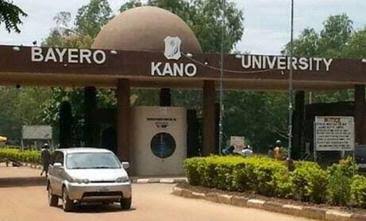
Professor Sagir Adamu Abbas, the vice chancellor of Bayero University, Kano (BUK), has revealed that the university has implemented a job programme for students in which the university hired students to do some jobs for it in exchange for N15,000 per month. 

Delivering a speech over the weekend in Kano when he met a group from the university’s main campus and the Education Correspondents Association of Nigeria (ECAN), Adamu-Sagir said: “The university equally introduced a kind of job scheme for students, whereby they were engaged to render some services to the university, and they were paid N15,000 monthly.  

“This does not affect their normal learning because it does not take much of their time as some were to clean some surroundings or render certain minor service within the university and got paid at the end of the month.”

The Vice-Chancellor bemoaned the large expense of maintaining the institution in his remarks over the rise in registration fees, particularly the exorbitant cost of providing fuel. 

He disclosed that the monthly cost of power is approximately N35 million, and the cost of diesel for generator purchases is approximately N40 million. 

He also noted that with a student body of almost 45,000, including postgraduates, and a staff of over 5,000, both teaching and non-teaching, it was practically impossible to provide social services. As a result, the management was compelled to hike registration fees.

Niger Coup: Border closure costs northern traders 13 billion naira

By Muhammadu Sabiu 

According to the Arewa Economic Forum (AED), the weekly financial loss brought on by the closing of the Nigerian border with Niger is 13 billion naira. 

In a press conference on Sunday in Abuja, the forum bemoaned the over 2000 trucks of perishable commodities that Northern Nigerian merchants have stranded as a result of the closure that followed the coup in the Niger Republic. 

Ibrahim Shehu Dandakata, the forum’s chairman, spoke to journalists about the decisions that have been made thus far and their economic ramifications. 

According to 2022 statistics, formal trade between the two countries accounts for $234 million (N171 billion), while informal trade is roughly estimated to be at $683 million (N515 billion), mostly in perishable commodities. 

“With the closure of the border, the average weekly loss is about N13bn in value of trade.” Mr. Dandakata also noted that: “The Nigerien population is about 25m. About 70% of the people live in towns with proximity to Nigeria. 

“Nigeriens depend on Nigeria for most of the essential commodities they consume. Nigerian businesses also rely on transit points for importation from Niger Republic.” 

In light of the humanitarian crisis it would bring about for both Nigeria and the Niger Republic, he asked President Bola Ahmed Tinubu and other subregional leaders to refrain from using the military option. 

The AEF chairman also suggested that all ECOWAS sanctions be directed at the conspirators of the coup that ousted President Mohamed Bazoum of the Niger Republic and said that the penalties shouldn’t be used to harm law-abiding Nigeriens. 

He specifically urged President Tinubu to act quickly to address the restricted borders, which are endangering the livelihoods of many northerners. 

“Since the closure is on major borders between Niger and Nigeria i.e Jibia in Katsina, Illela in Sokoto and Maigatari in Jigawa, we strongly recommend the immediate reopening of Maje/Illo border station in Kebbi state which Nigerian traders use to access Benin Republic and Niger Republic,” he noted.

Industrialisation of the North: The future

By Muhammad Sani Usman

Somebody was shocked that the revenue of Zenith Bank as of 2022, which is N945 billion, is greater than the internally generated revenue of northern states combined. Literally, Zenith Bank alone is more financially buoyant than northern Nigeria. And he was lamenting about the poor inclusion of northerners in such investments in their states.

Kaduna is taking the lead in investments in the North, but her (Kaduna) IGR is not up to one hundred billion Naira; it is half of that. Even the profit after tax of Zenith is bigger than the economic cities of Kano and Kaduna. These two states are not up to N100 billion altogether.

I told him, “Investing in banking is highly industrious. But our northern billionaires have no business with anything “Knowledge-based economy”. What they know is to hoard dollars, buy shares, and run over a baby company/factory, as in acquisition.

Prof Murtala Sagagi of the Economics Department of Bayero University, Kano, told us, “While conducting a survey about the percentage of non-inclusion of Kano people to most of the fine-investments in food and beverages, logistics, and Banking Industries, one manager of one famous company told him, “When they try to recruit graduates for trainee positions; they expect them to be meticulous in training before they think of absorbing them fully as staff.

But you’ll employ someone as an assistant quality control officer or sales personnel, but his/her performance index will shock you unless you change your mindset seriously. Industries require expertise to run; you can’t employ someone you can’t fire or are lazy.”

There was another testimony last week. I was discussing with an auditor of one of the best companies in Northern Nigeria. The guy told me they had recruited a new customer care representative, and he was deployed to that branch, but all the time, the guy was not working; even the invoice that he was supposed to do, he couldn’t.

Unknown to the guy, a letter was sent from the headquarter for monitoring and evaluation of his performance by the senior staff of that organisation. My guy is among the people to vouch for him, i.e., whether he would be retained as permanent staff.

However, this is not limited to banking or the mentioned industries; this is about the lackadaisical attitude of our politicians about not creating factors that will favour industrialisation in the North. The A-K-K gas project is among the hope we have for the future of the North. Let’s wait and see!

Muhammad Sani Usman an industrial chemist who advocates good governance and Sustainable development goals. He writes from Zaria via Muhdusman1999@gmail.com.

Twitter changes own logo

By Muhammadu Sabiu 

Elon Musk, the owner of Twitter, and its new CEO announced on Sunday that the social media platform would get rid of its bird emblem, change its name to X, and soon enter the payment, banking, and commerce sectors. 

According to the design website Creative Bloq, Twitter, which was founded in 2006, gets its name from the sound of birds chirping. 

The firm has used avian branding ever since purchasing a stock symbol of a light blue bird for $15. 

Late Sunday night, Twitter CEO Linda Yaccarino tweeted a photo of the company’s new logo: a white X on a black background. She wrote, “X is here! Let’s proceed. 

Later on the same Sunday, Musk also updated his profile image to the business’s new logo, which he dubbed “minimalist art deco,” and his Twitter bio to “X.com,” which now reroutes to twitter.com. 

“If a good enough X logo is posted tonight, we’ll make (it) go live worldwide tomorrow,” Musk tweeted.

Petrol price hits 617 per litre in Abuja

By Ahmad Deedat Zakari

The price of Premium Motor Spirit, PMS, popularly known as petrol, is now about 617 Naira per litre.

Customers reportedly purchased the product at 617 per litre at the Central part of Abuja on Tuesday.

The Price of PMS skyrocketed following the declaration of subsidy removal by President Bola Ahmad Tinubu in May.

The product, which was sold at about 540 in May, is now being sold at about 617 Naira in some parts of the country.

However, Malam Abdulmajeed, a Cybercafe operator in Zaria, confirmed to The Daily Reality that the price has not changed in Zaria.

As regards the reported price increase in Abuja and other parts of the country, the Nigeria Midstream and Downstream Petroleum Regulatory Authority (NDMPRA) is yet to comment on it at the time of filling this report.