Admin

Kwankwaso and the cost of fighting godsons 

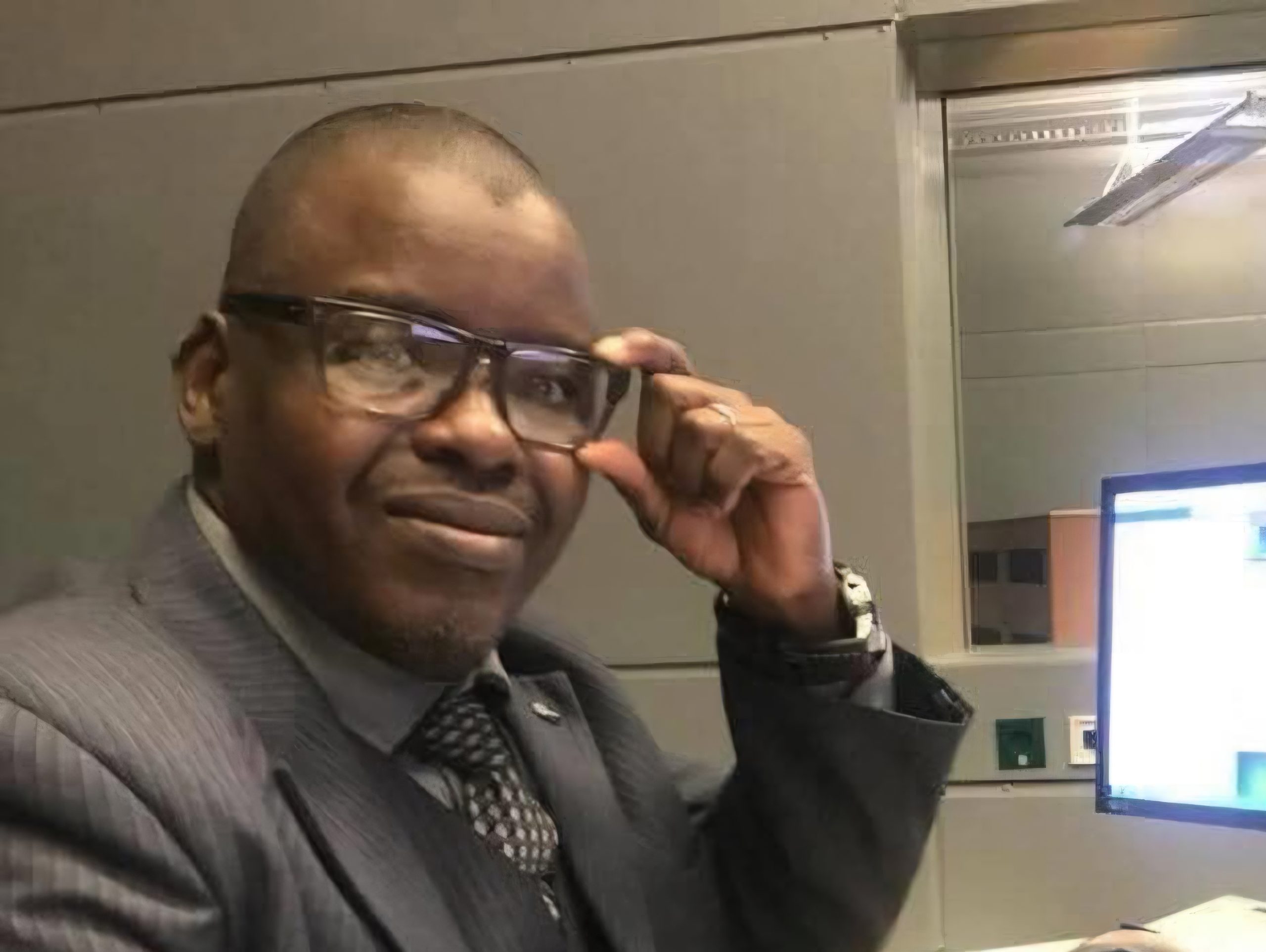
By  Ibrahiym A. El-Caleel

Senator Rabiu Musa Kwankwaso should be competing on the national stage with contemporaries such as Senator Bola Tinubu, Alhaji Atiku Abubakar, and other Class of 1999 political actors. By pedigree, experience, and longevity, Kwankwaso has clearly outgrown Kano politics, and he does not need to prove it again in 2027. However, he appears stuck in state-level politics. 

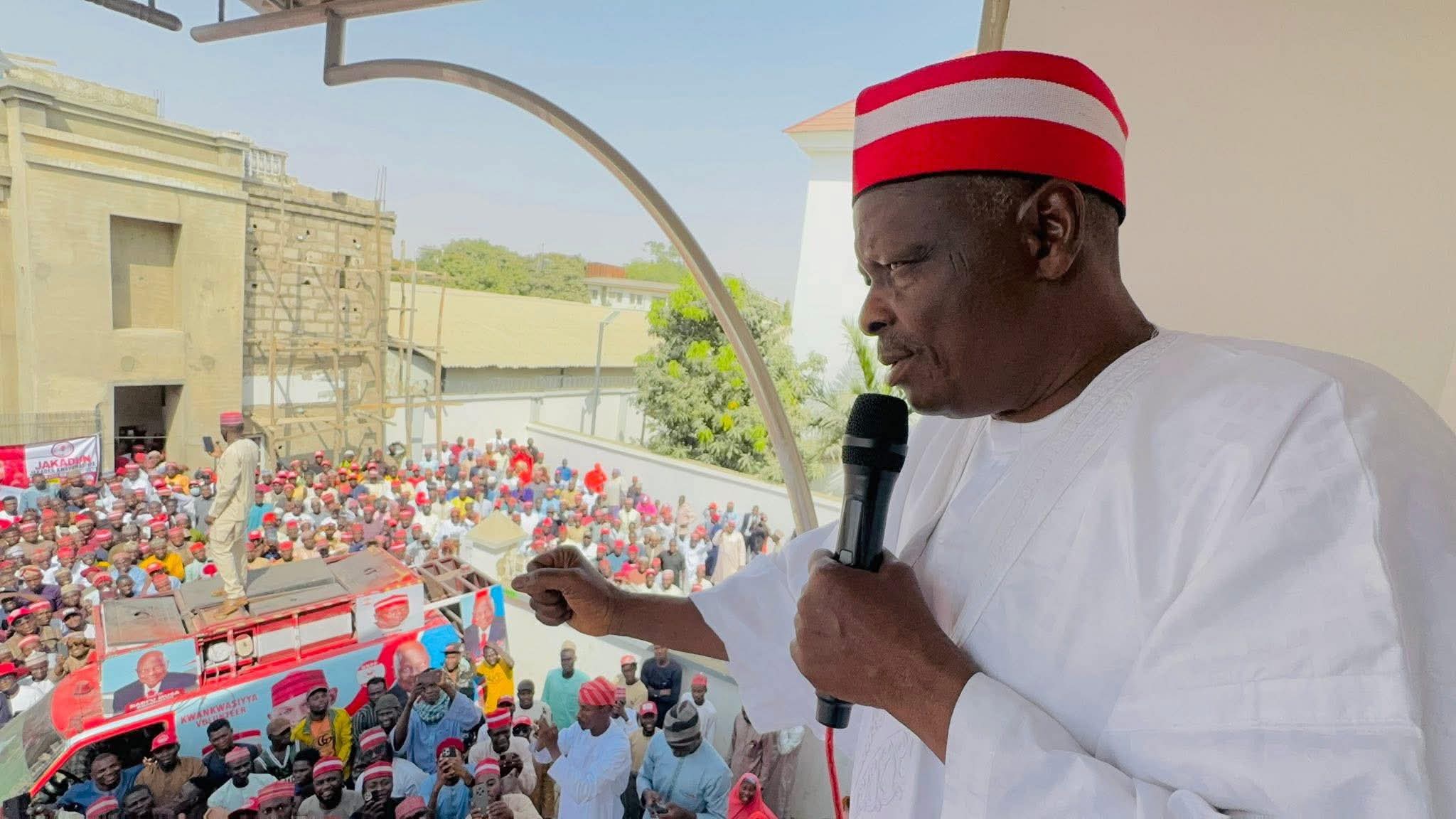
Kwankwaso is at odds with the two successive Kano governors after him, both of whom are his protégés: Dr Abdullahi Ganduje and the incumbent, Engr Abba Kabir Yusuf. He says they have “betrayed” him. There was a show of electoral force at his residence in Kano this afternoon. A large number of people trooped into his Miller Road residence in what he later called a “solidarity visit”.  

These developments indicate that Senator Kwankwaso is once again positioning himself for state-level dominance rather than advancing a national ambition in 2027. Ideally, Kwankwaso should defeat Governor Abba through a candidate he anoints for #KanoDecides2027. But a deeper question remains: should the 2027 ambition of a politician of Kwankwaso’s stature be focused on unseating a “betraying” godson at the state level, when Kwankwaso’s contemporaries have either honourably retired from politics or are positioning themselves for the presidency? 

Who exactly would Kwankwaso replace Abba with, and what assurance does he have that a newly installed godson would not eventually “betray” him, just as Ganduje and Abba did? At this point, there is little reason to believe the outcome would be different. The current godsons around him are likely to use his influence to rise and then assert their independence once in office. There is no clear indication that they would be more submissive than their two elder political siblings, Ganduje and Abba. How do you keep doing the same thing repeatedly while expecting a different result? 

There is also a genuine political risk. What if Abba Yusuf, like Ganduje before him, survives the onslaught and secures a second term? This is not an endorsement of electoral malpractice, but a recognition of Nigeria’s political realities. Kano’s 2019 gubernatorial election demonstrated how powerful interests can intervene decisively; Dr Ganduje ultimately retained office despite glaring indications that he lost at the polls.

If a similar outcome were to occur in 2027 and Governor Yusuf were to proceed to a second tenure, would that not constitute a second public humiliation for the godfather? What explanation would suffice then? That yet another protégé has matured enough to build political alliances strong enough to neutralise Kwankwaso’s influence? At that point, the narrative shifts decisively: from betrayed mentor to diminishing power broker.

On the other hand, if Senator Kwankwaso succeeds in unseating Governor Yusuf and installing another loyalist, what exactly would he be celebrating at the end of the day? That Kwankwasiyya has simply replaced Kwankwasiyya? That a godfather has prevailed over his own godson? Such victories may satisfy the logic of control, but they do little to expand political influence, strengthen institutions, or advance democratic culture. At best, they amount to an internal power rotation within the same political family, offering no clear gain to the broader society.

Ultimately, this debate goes beyond personalities. Do we really need a political model anchored on godfathers, covenants, and lifelong loyalty to patrons? Has Buhari’s repeated endorsement of anointed candidates meaningfully improved governance or political culture in the North? Has Tinubu’s entrenched godfatherism in the South West translated into measurable social or institutional progress? Until we seriously examine the long-term costs of political baptism, loyalty tests, and patronage politics, it remains difficult to argue that godfatherism is the most viable model for a modern democratic society.

 Ibrahiym A. El-Caleel wrote via caleel2009@gmail.com.

BREAKING: Finally, Kano governor Abba Kabir Yusuf to rejoin APC

By Sabiu Abdullahi

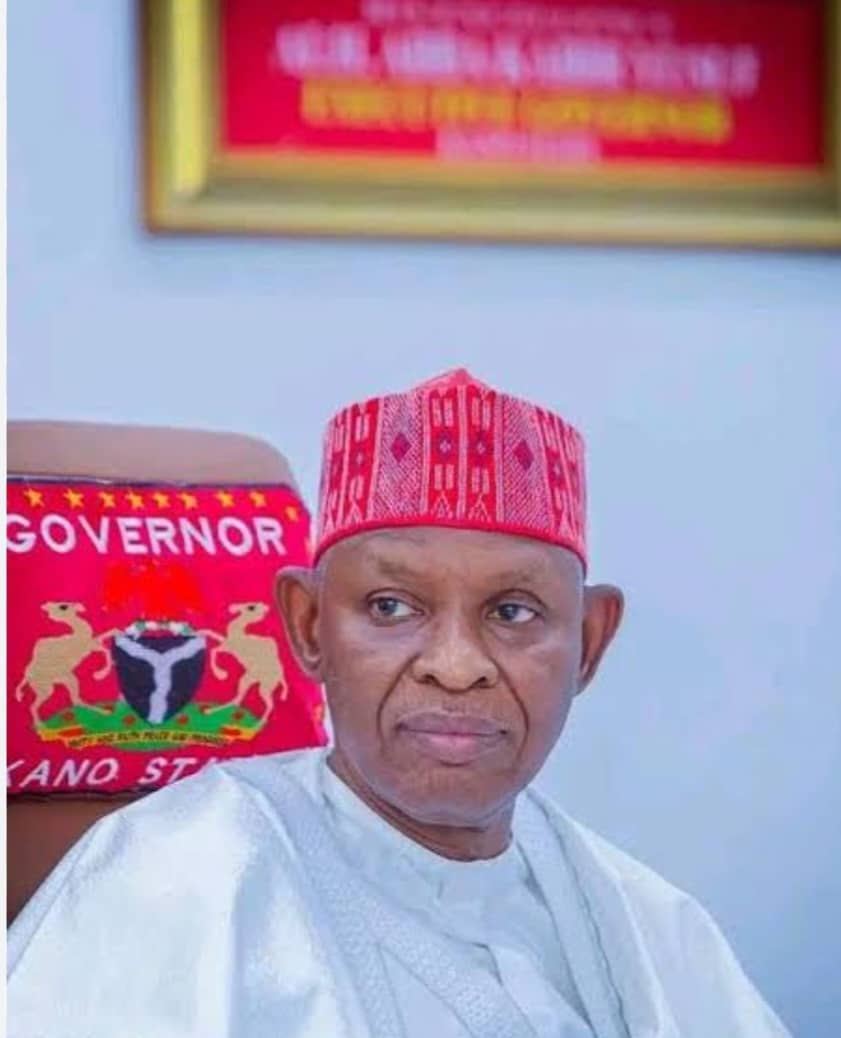
Kano State Governor, Alhaji Abba Kabir Yusuf, will return to the All Progressives Congress (APC) on Monday, 26 January 2026, days after he resigned from the New Nigeria Peoples Party (NNPP).

The development was disclosed in a statement issued on Sunday by the governor’s spokesperson, Sunusi Bature Dawakin Tofa.

According to the statement, Yusuf initially joined the APC in 2014 and emerged winner of the party’s primary election for the Kano Central Senatorial seat. He later stepped down from the contest in favour of Senator Rabiu Musa Kwankwaso.

The statement explained that the governor’s decision to rejoin the APC followed years of political participation on different platforms, including his recent stay in the NNPP.

It added that current realities linked to governance, national cohesion and development informed his move back to the APC, which he described as “a familiar and structured platform for progressive governance.”

Governor Yusuf said his return to the ruling party would boost collaboration with the Federal Government, fast-track infrastructural projects, strengthen security coordination and improve service delivery across Kano State.

He also noted that the move would promote political stability and unity within the state.

The statement further revealed that on Monday, the governor will formally register as an APC member in Kano. He will do so alongside 22 members of the Kano State House of Assembly, eight members of the House of Representatives and the 44 local government chairmen in the state.

Yusuf is also expected to formally inaugurate the APC electronic registration exercise in Kano on the same day.

2026 budget appropriation bill, Abuja Accord, and the future of Nigeria’s health sector

By Ali Tijjani Hassan 

On December 19, 2025, President Bola Tinubu presented Nigeria’s 2026 budget to the National Assembly. As a health advocate, I was curious about sector allocations, especially in health, aligned with his Renewed Hope Agenda to revitalise Nigeria’s healthcare system. I hope the administration commits to the 2001 Abuja Declaration, in which African leaders pledged to allocate at least 15% of their budgets to health to address chronic underfunding and improve health sector outcomes. Nigeria proposed spending 2.82 trillion naira, only 4.26% of its 2026 budget.

 I was nearly buried in shame when I heard the president repeating that “this health allocation represents approximately 6% of the total budget net of liabilities.” Meaning that, excluding the net liabilities, the health sector’s take-home after deduction of debt servicing of almost 15 trillion Naira from the gross budget will be only 4.26%. Which makes me pause and ask myself, “Is this allocation holistic toward changing the narrative of the dilapidated healthcare system in Nigeria?” 4.26% against the 15% is relatively less than one-third of the Abuja Declaration—a beacon of hope to combat the ravages of HIV/AIDS, tuberculosis, malaria, and other scourges plaguing our continent.

Yet here we are in 2025, over two decades later, and Nigeria, the self-proclaimed Giant of Africa, continues to stumble in the darkness of illusion, allocating a paltry 4-6% to health in the just-presented 2026 budget. How can a nation so rich in oil, talent, and potential treat its people’s health like an afterthought?

This is not just negligence; it is a disappointment that endangers millions, especially as the United States government slashes its global health aid, leaving citizens exposed to infectious diseases, non-communicable ailments like chronic kidney disease (CKD), and a rapid population boom that threatens to overwhelm our fragile systems. The Abuja Declaration was no mere rhetoric; it was a collective vow by African Union members to prioritise health financing, recognising that without robust funding, diseases would continue to feast on our people like vultures on carrion.  Nigeria is a party to this decree, but history shows we’ve never come close to honouring it. From 2001 to now, our health allocations have hovered below 10%, peaking at around 5.95% in recent years before dipping again in the 2026 proposal of ₦2.48 trillion out of ₦58.18 trillion—a measly 4.26% when liabilities are included.

Our leaders always cite debt servicing, infrastructure, and security as excuses, but I want to ask a single question: “Is the life of a Nigerian child not worth more than another flyover or armoured vehicle?”

Although they are relatively important, one thing is certain: no nation can grow beyond the quality of its people. Apology to President Tinubu.

I can’t comprehend how we can parade ourselves as Africa’s economic powerhouse yet fund health like beggars at the roadside. In comparison to our African brothers, who have shown what true commitment looks like. Rwanda, rising from the ashes of genocide, consistently meets or exceeds the 15% mark, allocating up to 18% in recent budgets, which has built a universal health coverage system envied across the continent. 

In Botswana, with its prudent diamond revenues, which hit 15-17%, investing in HIV programs that have slashed infection rates. On the other hand, the Côte d’Ivoire joined this elite club, channelling funds into preventive care that keeps NCDs at bay. Even Tanzania briefly touched the target in 2011. While we proclaimed the giant of Africa’s band, these nations have long proved it’s possible by prioritising health as a national security issue, not an optional charity. The Giant of Africa lags behind most West African peers, where allocations average below 10%. 

We boast the largest GDP in Africa, yet our per capita health spending is a shameful $15-20 annually, far below Rwanda’s more than $50. This comparative disgrace isn’t just numbers; they represent the lives lost. While Rwanda’s life expectancy climbs to 69 years, ours stagnates at 55, a gap widened by our funding failures. The consequences are alarming, starting with the relentless burden of infectious diseases that stalk our land like ghosts in the night. 

Nigeria bears the heaviest malaria load globally, with millions infected annually and economic losses of $1.1 billion each year from treatment and lost productivity. In 2025 alone, Lassa fever has claimed 195 lives, with over 1,069 confirmed cases amid 9,041 suspected—a fatality rate hovering at 18.5%, higher than previous years. Cholera surges during rains, diphtheria ravages unvaccinated children, and HIV/AIDS affects millions, with Nigeria hosting the second-largest HIV population worldwide. These figures aren’t abstract statistics; they are the number of our brothers dying in rural clinics without drugs and mothers burying infants from preventable fevers.

Underfunded surveillance systems mean outbreaks explode before a response, as seen in the 2025 Lassa resurgence, which cost billions in emergency measures. If we met the 15% pledge, we could bolster primary health centres, stockpile vaccines, and train more community health workers—turning defence into offence against these microbial invaders. But wait, the horror deepens with non-communicable diseases (NCDs), silent killers creeping up as our lifestyles urbanise. Chronic kidney disease (CKD) exemplifies this scourge, with prevalence rates of 10-19% among adults, yet awareness is abysmally low. 

In Lagos alone, hypertension affects 29% of adults, fueling CKD and cardiovascular woes.  NCDs now cause 73.6% of deaths in developing nations like ours, surpassing infectious ones. Diabetes and cancer add to the tally, with households spending fortunes on out-of-pocket care—up to ₦384 billion annually, pushing families into poverty. The double burden is real: As we fight malaria, the CKD dialysis costs bankrupt families, while public facilities are overwhelmed. In armed conflict zones of Northern Nigeria, NCD prevalence hits 15% for hypertension and diabetes, compounding the trauma of insurgency. Without the pledged funding, proper disease-screening programs remain dreams, and preventive education is scarce. 

Compared to Botswana, where 15% allocation funds are for NCD clinics, reducing mortality by 20% in a decade. Exacerbating Nigeria’s demographic tsunami. Our population stands at 237.5 million in 2025, growing at 2.5-3% annually, and is projected to hit 380 million by 2043 and 440 million by 2050. Nearly half are under 15, a youthful bulge that could be a dividend but risks becoming a curse without health investment. More mouths mean more disease vectors: crowded slums breed cholera, and rapid urbanisation spikes NCDs driven by poor diets and pollution. By 2050, we’ll add 130 million souls, straining hospitals already at breaking point.

Rwanda, with controlled growth and high health spending, harnesses its youth; we risk a generation crippled by untreated ailments. And now, the dagger twist: US funding cuts. In early 2025, the Trump administration froze billions in global aid, slashing USAID programs by 23-40%. Nigeria lost over $600 million—a fifth of our health budget—crippling HIV treatment for millions, dropping coverage from 1.1 million to 350,000. Malaria and TB programs falter, with NGOs downsizing and lives lost estimated in the thousands.

We’ve long relied on foreign donors for 30-40% of health funding; now, with cuts, the gap yawns wider. Botswana and Rwanda, self-reliant through domestic pledges, weather this storm; we scramble with supplements like ₦4.8 billion for HIV packs, mere band-aids.

To redeem ourselves, the government must urgently ramp up to 15% by redirecting funds from wasteful subsidies, tax evasion loopholes, and corruption black holes. Invest in primary care: build 10,000 more health centres and train 50,000 midwives and doctors annually. Prioritise prevention: free CKD screenings, anti-malaria campaigns, and NCD education in schools. Forge public-private partnerships, like Rwanda’s with tech firms for telemedicine. Address demographic needs through family planning integrated into health services. And hold leaders accountable—civil society, demand audits; lawmakers, reject budgets below 10% as a start.

My compatriots, the clock ticks. It’s high time to hold our leaders accountable for their words and actions. If we sleep on this, infectious outbreaks will merge with NCD epidemics amid population surges, turning Nigeria into a health wasteland.

But with resolve, we can honour the spirit of the Abuja Declaration, outshine our peers, and build a nation where health is a right, not a lottery.

Arise, O Nigerians—demand better, for our future’s sake!

Ali Tijjani Hassan is a public health enthusiast, civil society actor, and public affairs analyst. He writes from Potiskum, Yobe State, and can be reached at alitijjani.health@gmail.com.
Operation Hadin Kai troops bust illicit drug supply network in North East

By Sabiu Abdullahi

Troops of the Joint Task Force (North East), Operation HADIN KAI (OPHK), operating under Operation DESERT SANITY V, have recorded another breakthrough in efforts to weaken terrorist logistics and criminal support structures in the North East.

This is contained in a statement signed by Lieutenant Colonel Sani Uba, Media Information OfficerHeadquarters Joint Task Force (North East), Operation HADIN KAI, on January 25, 2026.

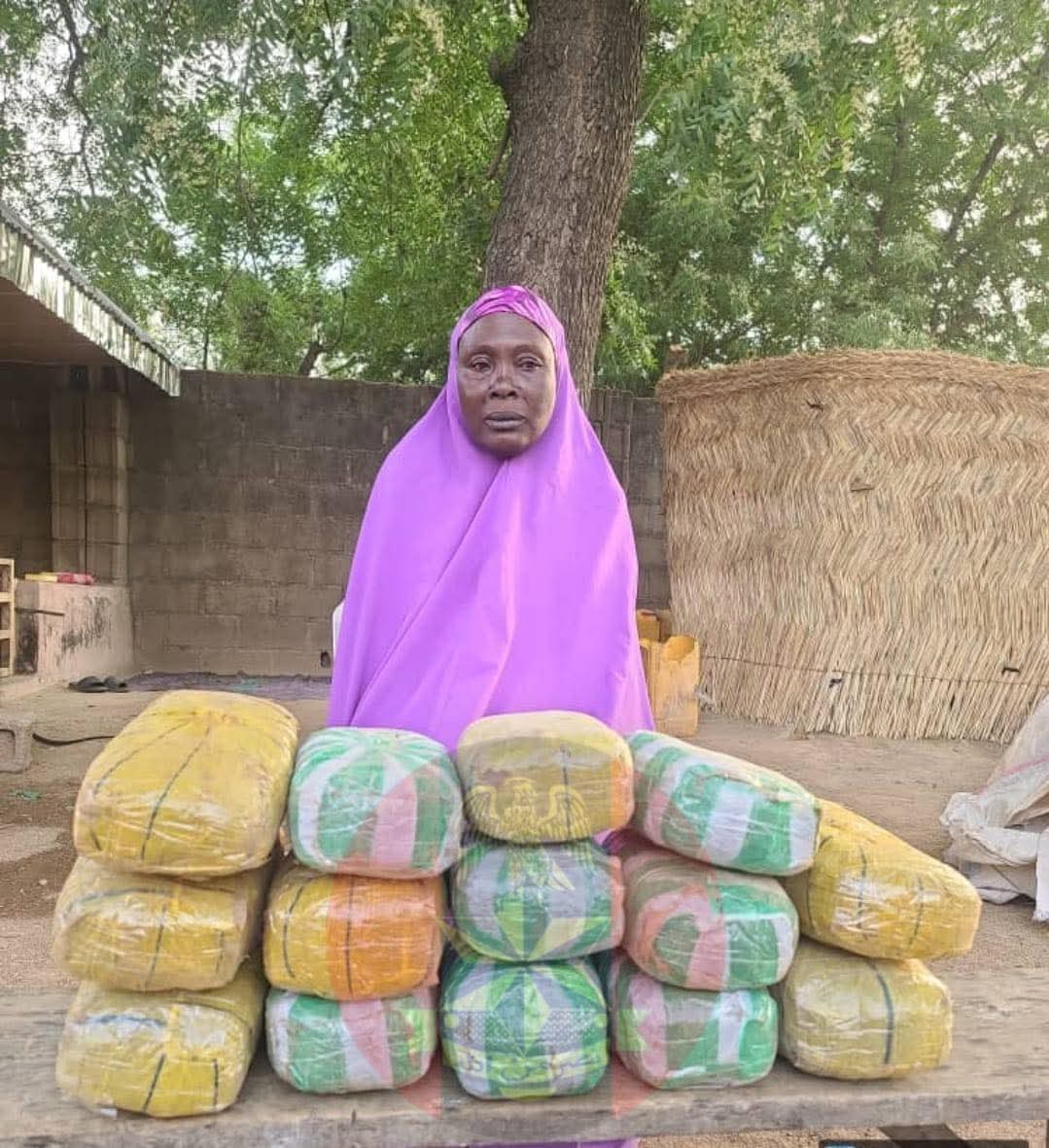
The success followed actionable intelligence received on January 23, 2026, which led to the arrest of a suspected drug dealer, Hauwa Abulazeez, aged 65, in Askira Uba Local Government Area of Borno State.

The suspect is believed to be a major supplier of cannabis sativa to Boko Haram elements operating in Askira Uba, Rumirgo, Gwahi, Wamdiyo, Uvu and Gaya communities, and is also accused of serving as a key link in the distribution chain across several locations within the theatre of operation.

Preliminary findings revealed that the illicit substance was allegedly sourced from Sarti Baruwa Local Government Area of Taraba State before being transported through established routes for distribution.

During the operation, troops recovered 14 compressed blocks of cannabis sativa, with an estimated weight of about 30 kilograms.

The suspect is currently in custody and undergoing preliminary investigation, while further operations continue to track and dismantle the wider network involved in the trafficking and distribution of the drug.

The military noted that disrupting such illicit supply chains plays a critical role in reducing violence, criminal activity and instability across the region, while strengthening lawful authority and security.

Operation HADIN KAI reaffirmed its commitment to confronting all forms of criminal activity in the North East, stressing that intelligence-led operations and sustained pressure will continue until lasting peace and stability are restored.

Troops neutralise six terrorists, rescue abducted minor in Zamfara offensive

By Sabiu Abdullahi

Troops of the 8 Division Garrison Strike Force under Operation FANSAN YAMMA Sector 2 have recorded major gains during a military operation in the Sububu Forest area of Maradun Local Government Area, Zamfara State.

The development was confirmed in a statement signed by Captain David Adewusi, Media Information Officer, Operation FANSAN YAMMA, on January 24, 2026.

The operation targeted terrorist hideouts within the forest and led to the neutralisation of six terrorists, the recovery of weapons, the destruction of operational assets, and the rescue of a kidnapped underage victim.

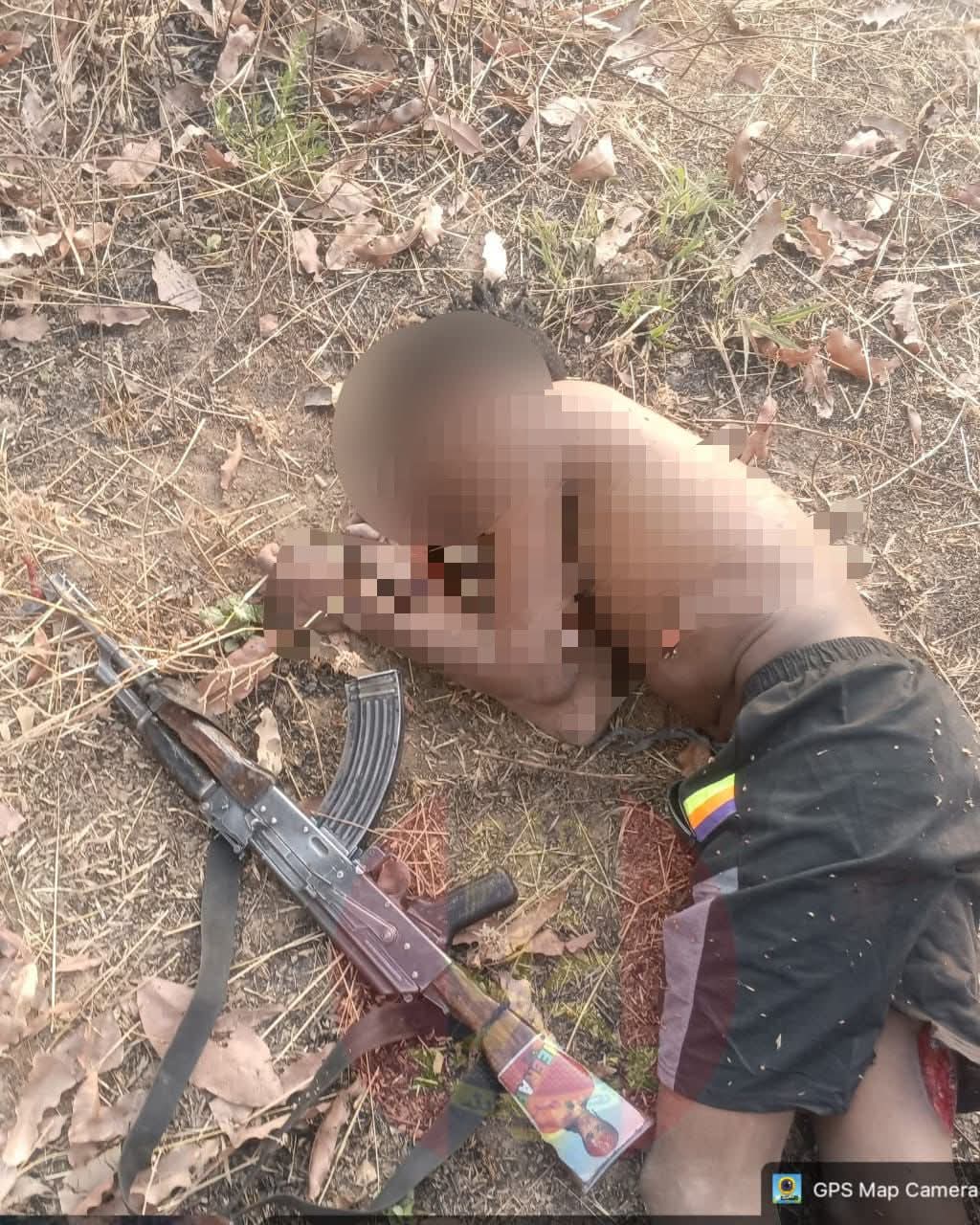
Military sources said the offensive began at Indulumu village, where troops engaged terrorists in a gun battle. Two of the terrorists were neutralised during the encounter, while one AK-47 rifle was recovered from the scene.

The troops later advanced to Ruduno village, where they faced renewed resistance. Four more terrorists were neutralised during the confrontation. Soldiers also recovered another AK-47 rifle and a magazine containing 28 rounds of 7.62mm special ammunition.

Two motorcycles used by the terrorists for movement and logistics were destroyed at the location.

During further clearance operations inside the forest, the troops rescued an underage girl, identified as Halira Ibrahim, who had been held captive by the terrorists. The rescue brought an end to her captivity and reunited her with safety.

The operation also led to the destruction of several terrorist camps and support structures located in Magaji, Galakaje, Filinga and Kukatara communities.

Security sources said the action has disrupted the ability of the terrorists to regroup and maintain supply routes within the area.

The operation formed part of ongoing efforts to dismantle terrorist networks and restore peace in Zamfara State.

Ramadan: ADC urges INEC to shift FCT council polls

By Uzair Adam

The African Democratic Congress (ADC) has called on the Independent National Electoral Commission (INEC) to reschedule the Federal Capital Territory (FCT) area council elections slated for February 21, citing the Ramadan fasting period.

The party made the appeal in a letter dated January 22 and signed by its National Chairman, Senator David Mark, and National Secretary, Rauf Aregbesola.

The letter, which was made available to journalists in Abuja on Saturday, noted that the proposed election date coincides with Ramadan, a period observed by a significant number of voters in the FCT.

ADC argued that holding the elections during the fasting period could affect voter participation, given the cultural and religious importance of Ramadan.

The party said a shift in date would better serve the interest of inclusion and ensure wider participation in the democratic process.

“It is necessary to request a reconsideration of the election date to safeguard inclusion, participation and fairness for voters across the territory during the Ramadan period,” the party stated.

The ADC, therefore, urged INEC to move the polls to a date after Ramadan, stressing that the request was guided by the need to protect inclusivity and enable citizens to fully exercise their constitutional rights.

While describing its engagement with the electoral body as institutional, the party reaffirmed its readiness to follow due process and sought guidance on the appropriate procedures for submitting such applications.

It added that electoral credibility is strengthened when processes encourage broad participation, promote diversity and boost public confidence in democratic institutions.

Unity among healthcare professionals: A key tool for effective service delivery

By Mallam Tawfiq

The scaffold that sturdily supports the pillar of success in everything is “unity”, without which we will somberly watch every beautiful thing in our everyday life running into a complete fiasco.

In healthcare settings, unity and peaceful coexistence among healthcare professionals are of paramount importance and a necessity for ensuring the delivery of effective, high-quality healthcare services.

To easily fathom the significance of that, should we reflect and ponder on the biological level of organisation of life? It succinctly and holistically depicted that the degree of unity among various cells leads to the formation of “body tissues”, and that the harmonious agreement among these tissues leads to the formation of “organs”.

Organs, however, organise to form a system, and thus the effective functioning of the respective systems yields a healthy life. Snags created by pathological factors deflect the spirit of harmonious union at different levels of this organisation, resulting in abnormality and disruption of robust, sound well-being.

The milieu of the hospital/healthcare settings comprises various health specialities from different professional backgrounds. This includes Medical Laboratory Science, Medical Radiography, Physiotherapy, Pharmacy, Nursing Science, Dentistry and Medicine, among others. The aims and objectives of each and every profession can only be appraised by rendering its best to the prime concern, and that is the patients.

As interdependent social animals tightly bound by the strong bond of humanity, we must interact, socialise, and, above all, reciprocate love and respect everywhere, be it in worship places, hospitals, banks, medical schools, and so on. The essence of so doing is to set our hearts and souls free from the bondage of emotional malice, attain optimum peace and maintain both physical and emotional well-being within ourselves. Unfortunately, the hostility, ranging from an exaggerated self-compliment and a show of self-worth and superiority to contempt for other professions in the name of rivalry amongst medical students and, to some extent, healthcare professionals, is worrisome and indeed condemnable.

Under whose tutelage in the medical school are students being mischievously taught that the six years of MBBS discipline should make them condescend and disregard other professions from being part of the healthcare system? Or the greater dispersion in the juxtaposition of the tense and heinous atmosphere under the five years of Radiography training with that of Medical Laboratory Science or Nursing renders the significance of the former and the insignificance of the latter. This is absolutely puerility of the highest degree. Each profession is worthwhile, and its ethics are centred on meeting the needs of patients.

Can we patiently have a proper dekko at how the systems of our body unite to execute their functions and maintain an equilibrium conducive to survival? What will happen if, for instance, the neural tissue says it is superior and appears to boss other systems, while the circulatory system, in response, denies it sufficient oxygen to meet its basic metabolic demand? Or what do we think is going to happen when the renal system quarrels with the immune system, whose function serves the body best, and both react so that one can predominate over the other and effectively carry out both the functions concurrently? Will this ever happen!? Capital NO.

Conspicuously, the hospital/healthcare environment is analogous to our biological level of organisation and how bodily systems work.

Togetherness leads to the existence of all sorts of misunderstandings; this is inevitably true, and the ripple effect of us not allying with one another is directed towards our subject of interest, which is the patient, because a medical doctor alone cannot efficiently run a whole hospital, nor can pharmacists or physiotherapists. As such, we need to come close, close enough together, thus respect our differences and welcome each other to specialise in one skill or the other and benefit from each other’s knowledge. Only by doing so can we render our best compassion to our patients.

There is a saying, “united we stand, divided we fall.”

Service to humanity is service to the Lord. May everything we do be solely for the sake of God and to attain the reward of God. Ameen.

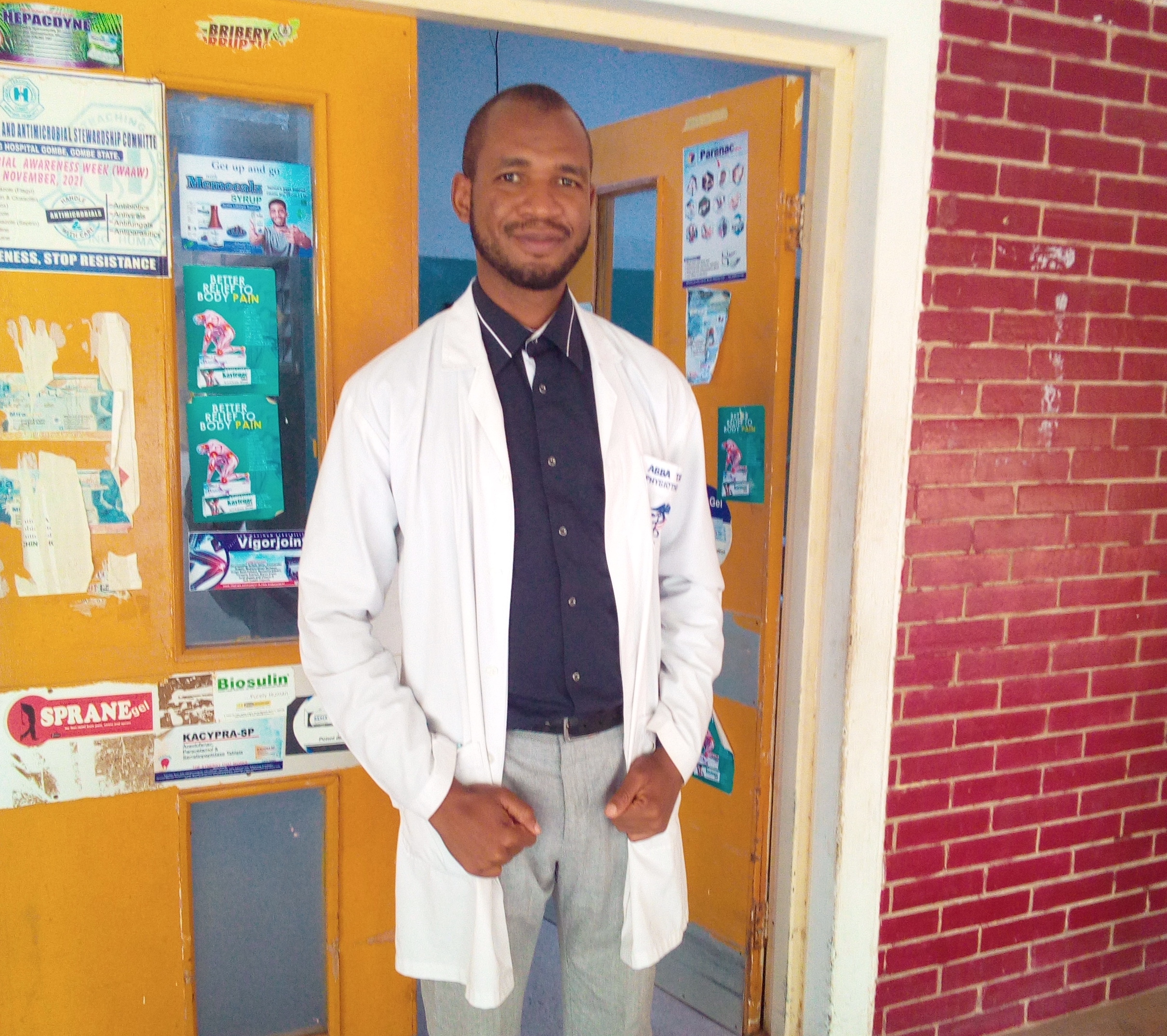
Mallam Tawfiq, Physiotherapist, writes from Federal Teaching Hospital, Gombe.

No record of recruit’s death, Nigerian Army denies

By Abdullahi Mukhtar Algasgaini

The Depot Nigerian Army (NA), Zaria, has denied reports claiming a recruit, Ibrahim Nazifi, died during military training at the facility.

The Depot, in a statement released on Saturday, described the reports as “false” and inconsistent with its official records.

According to the Depot’s records, Ibrahim Nazifi, an indigene of Gombe State with application number 90RRI-GO-9017726, successfully passed the state recruitment screening in December 2025 and was shortlisted for training.

However, the Army stated that Nazifi “never reported to the Depot for commencement of his training” and was never admitted into the programme.

Consequently, the Depot clarified it has “no record of his presence, participation, injury or death during training.”

In light of the situation, the Depot has called on the Gombe State Government and other relevant authorities to launch an investigation to determine where, when, and how the alleged death occurred, emphasising that such an incident did not happen within its premises.

The statement acknowledged that military training is rigorous by design, meant to build endurance and combat readiness.

While admitting that demanding training can, in rare instances, lead to casualties, the Army stressed this is not due to negligence.

It highlighted that robust safety measures, medical coverage, and risk-mitigation procedures are in place to protect trainees.

The public was urged to disregard the reports and avoid spreading unverified information that could mislead the public and damage the Nigerian Army’s reputation.

The Depot NA Zaria reaffirmed its commitment to professionalism, transparency, and the welfare of all recruits undergoing training.

Troops foil bandits’ attack, neutralise one terrorist in Kaduna

By Sabiu Abdullahi

Troops of 1 Division, Sector 1 of Operation FANSAN YAMMA, have foiled a bandit attack and neutralised one suspected terrorist during an operation in the Maraban Rido area of Kaduna State.

The operation followed a distress call received late on January 22, 2026, which reported the presence of armed bandits who had rustled livestock in Anguwan Fulan village within the Rido axis.

Acting on the information, troops moved quickly to the area to set up a snap ambush.On arrival, the troops encountered the fleeing bandits and engaged them with superior firepower.

This forced the attackers to retreat in disarray, with several sustaining gunshot wounds. The troops later extended the operation to nearby forested areas, including the Kankomi forest.

Another encounter occurred around Anguwan Sarki, which was identified as a suspected crossing point.

During the clash, the troops again overwhelmed the terrorists with heavy fire. The criminals abandoned the stolen livestock and fled the area. Some of the rustled animals were recovered during the operation.

Further exploitation of the ambush location in the early hours of January 23, 2026, led to the neutralisation of one terrorist. Troops also recovered two AK-47 rifles, four magazines, and fifteen rounds of 7.62mm special ammunition.

The General Officer Commanding 1 Division of the Nigerian Army and Commander of Sector 1, Operation FANSAN YAMMA, Major General Abubakar Sadiq Mohammed Wase, commended the troops for their bravery and professionalism during the encounter.

He urged them to maintain the momentum of operations against criminal elements and their hideouts.

The GOC reassured members of the public of the military’s unwavering commitment to protecting lives and property. He also called on citizens to continue providing timely and credible information to security agencies.

The update was signed by Bello Nuradeen, Captain and Acting Staff Officer Grade 2, Community Relations, Army Public Relations, 1 Division Nigerian Army, Sector 1, Operation FANSAN YAMMA.

Niger detains DW Hausa correspondent

By Muhammad Abubakar

Authorities in Niger have detained DW Hausa journalist Gazali Abdou Tasawa and placed him in Niamey Central Prison following a court summons on Thursday, January 22, 2026. The journalist appeared before the public prosecutor at the Niamey High Court for questioning related to a video report he produced.

The report highlighted the difficult living conditions of refugees from Katsina State in northern Nigeria who have sought refuge in Niger. However, no official statement has yet been issued detailing the specific charges against the journalist.

The detention has raised concerns among media observers and press freedom advocates, particularly regarding the treatment of journalists reporting on humanitarian and refugee issues in the region.