Month: February 2026

Sowore alleges security, political links in Dadiyata abduction

By Sabiu Abdullahi

Human rights activist and former presidential candidate, Omoyele Sowore, has alleged that top security and political figures were involved in the abduction of social media influencer, Abubakar Idris Dadiyata, who has been missing since 2019.

Sowore made the claims in a post published on his Facebook page, where he directly accused former Kaduna State governor, Nasir El-Rufai, of having knowledge of the incident.

According to him, Dadiyata’s abduction was “a joint operation carried out by the Nigeria Police Force,” which he alleged was ordered by former Kano State governor, Abdullahi Umar Ganduje, with El-Rufai’s full awareness at the time both leaders were influential figures in the ruling All Progressives Congress (APC).

Sowore further alleged that those he accused “didn’t just know who took Dadiyata, they likely knew why, where, and what was done to him afterwards.”

He added that the prolonged silence surrounding the case raises grave concerns, stating that “the most chilling possibility is that they murdered him and dumped him in a shallow grave somewhere, hoping time would erase the crime.”

The activist also linked the incident to what he described as a pattern of state repression, claiming he was abducted the same night in 2019 from a hotel in Lagos.

He alleged that his own arrest was carried out by operatives of the Department of State Services on the orders of then President Muhammadu Buhari, alongside former DSS Director-General Yusuf Bichi, former Attorney-General Abubakar Malami, former Chief of Staff Abba Kyari, and ex-Central Bank Governor Godwin Emefiele, whom he accused of funding the operation.

Sowore said the presence of CCTV footage at the Lagos hotel where he was arrested served as evidence that prevented what he implied could have been a worse outcome.

He concluded his statement by urging continued public attention to the case, declaring that Nigeria “must not move on from this,” and reiterating the long-running social media campaign hashtag #WhereIsDadiyata.

As of press time, the individuals and institutions named in Sowore’s statement have not publicly responded to the allegations. Dadiyata, a vocal government critic, was abducted by unknown gunmen in August 2019, and his whereabouts remain unknown despite repeated calls for investigation and accountability.

Embassy of Japan in Nigeria announces 6th Japanese language speech contest for Nigerian learners

By Sabiu Abdullahi

The Embassy of Japan in Nigeria has announced a call for entries for the 6th edition of its Nihongo Speech Contest, inviting Nigerian students and enthusiasts of the Japanese language to demonstrate their speaking skills.

In a notice published on its official website on January 28, 2026, the embassy said the competition is aimed at promoting Japanese language learning in Nigeria while providing a platform for learners to gain recognition for their proficiency.

According to the announcement, the contest will begin with a preliminary round requiring applicants to submit a recorded video of their speech in Japanese. The submission deadline is February 22, 2026. Only candidates selected from this stage will proceed to the final phase.

The main round of the competition will take place as a live event on March 14, 2026, in Abuja, where shortlisted participants will present their speeches before judges and invited guests.

Eligibility And Categories

The embassy stated that the contest is open to Nigerian citizens residing in the country. However, Japanese language teachers and past winners of the Best Performance Award at the contest are not eligible to participate.

Participants will compete in two categories:

Beginner Category: For applicants who have never stayed in Japan, have stayed for less than one month, or have not studied Japanese at university level.

Experienced Category: For those who have spent one month or more in Japan, such as for academic exchange programmes, or have studied Japanese at the university level.


Application And Video Guidelines

Applicants are required to upload their speech videos to a cloud storage platform, social media page, or YouTube, and then submit the link through the embassy’s designated application form.

The embassy outlined specific technical and content requirements for submissions:

-Only one video is permitted per applicant.

-Speeches must be delivered in Japanese and must not exceed three minutes.

-Themes are open, but topics reflecting original ideas rather than simple travel experiences in Japan may score higher.

-Videos must be recorded in a single take without editing, using a static camera.

-File size must not exceed 1GB.

+Accepted formats are MP4 or MOV.


Promoting Language And Cultural Exchange

The Nihongo Speech Contest forms part of the embassy’s cultural and educational outreach initiatives designed to strengthen linguistic and cultural ties between Japan and Nigeria.

Japanese language education has continued to grow in Nigeria in recent years, with speech contests, scholarships, and exchange programmes serving as key avenues for engagement between both countries.

Interested applicants are expected to complete their submissions on or before February 22, 2026, ahead of the live finale scheduled for March in Abuja.

CAC @ 35: Powering Nigeria’s economy in the digital age

By Abdullahi Danlami Hassan

The Corporate Affairs Commission (CAC) was established in 1990 under the provisions of the Companies and Allied Matters Act (CAMA) as an independent regulatory body responsible for corporate governance and business registration in Nigeria. The Commission formally commenced operations in 1991, marking a significant step toward institutionalising corporate regulation in the country.

In its early years, CAC services were largely centralised in its Abuja headquarters. Customers from across the federation travelled to the capital for business registration, often enduring long queues and extensive paperwork. Registration processes for Business Names, Companies, and Incorporated Trustees (such as Non-Governmental Organisations, religious bodies, and associations) were entirely manual and could take several days to complete. However, by the late 1990s and early 2000s, CAC expanded its operational reach by establishing state offices nationwide, thereby improving service accessibility.

A major regulatory transformation occurred with the re-enactment of the Companies and Allied Matters Act 1990 into CAMA 2020. The revised legislation strengthened the Commission’s mandate by enhancing its roles in business registration, corporate supervision, incorporation processes, and regulatory compliance. The new Act also modernised corporate governance structures and introduced reforms aimed at improving transparency, efficiency, and ease of doing business in Nigeria.

One of the most remarkable developments in CAC’s evolution has been its transition from manual operations to fully digitised services. The Commission has successfully developed a seamless online service delivery system that offers 24/7 accessibility to customers. This transformation expanded CAC’s service offerings from 33 operational services to over 109 digital service functionalities, significantly reducing processing time and improving customer experience.

As global economic systems increasingly integrate Artificial Intelligence (AI) into administrative and commercial processes, CAC reached another milestone with the deployment of the Intelligent Company Registration Portal (ICRP) on July 6, 2026. The AI-powered platform revolutionises company registration by offering automated name searches, smart name suggestions, alternative business name recommendations, and instant approvals for Business Name registrations. The system operates continuously with minimal human intervention while maintaining strict credential verification standards. Notably, it enables instant registration, electronic certificates, and status reports within approximately ten minutes.

The introduction of AI technology has dramatically improved registration efficiency. Business Name registration under the ICRP is reported to be approximately 336 times faster than the previous Company Registration Portal (CRP). Additionally, the system has enhanced CAC’s registration capacity, enabling up to 10,000 daily Business Name registrations. Based on current projections, CAC anticipates that by the end of 2026, Nigeria will record approximately three million registered business names, reflecting significant growth in the country’s formal economic sector.

Further technological advancement is evident in the introduction of the AI-Lawyer system within the CAC digital framework. This innovation provides customers with detailed guidance on registration procedures, legal compliance requirements, stamp duty processes, and other regulatory services. The AI-Lawyer simplifies complex legal procedures and improves customer engagement by offering real-time support.

Nigeria’s broader commitment to digital economic transformation also aligns with CAC’s technological innovations. At the 2025 World Economic Forum in Davos, Switzerland, Nigeria’s Minister of Industry, Trade and Investment, Jumoke Oduwole, emphasised the country’s digital economic future during an interview with CNN Business correspondent Richard Quest. When asked to summarise Nigeria’s economic trajectory for the next four years, she boldly wrote “Digital,” highlighting the government’s strategic direction. CAC’s digital reforms clearly demonstrate alignment with this national vision, reinforcing its role in advancing Nigeria’s economic competitiveness through technology-driven solutions.

As part of activities commemorating its 35th anniversary, the Registrar-General, Ishaq Hussaini Magaji, SAN, announced several corporate social responsibility initiatives. These include free Business Name registration for 3,500 micro and small-scale enterprises, scholarships for six outstanding Corporate Law students across the six campuses of the Nigerian Law School, and enhanced staff welfare packages, including a 25 per cent gross salary bonus, housing loans, and vehicle support schemes.

In conclusion, the Corporate Affairs Commission’s 35-year journey represents a significant milestone in Nigeria’s economic and regulatory development. Through sustained institutional reforms, digital transformation, and technological innovation, CAC continues to play a pivotal role in strengthening corporate governance, promoting entrepreneurship, and facilitating economic growth. Its commitment to modern service delivery positions the Commission as a key driver of Nigeria’s participation in the global digital economy.

This is Abdullahi, writing from the Customer Service/Call Unit at the Headquarters in Abuja.

University don warns against ‘anti-Islamic election dates’

By Sabiu Abdullahi

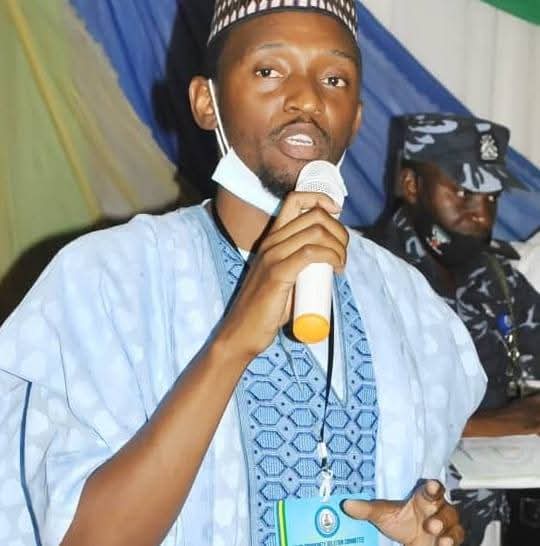
A Nigerian university lecturer, Mubarak Ibrahim Lawan, has raised concerns over the scheduling of the 2027 general elections in Nigeria, describing the dates as anti-Islamic and warning that they could spark religious conflict in the country.

In a Facebook post, Lawan criticized the decision to hold the gubernatorial election in the middle of Ramadan and the presidential election on the eve of Eid. He wrote:

“Let Mr. President know that the anti-Islamic election dates set by the Islamophobe, Amupitan, would surely ignite a religious war in the country. To every responsible Muslim, the sacrosanctity of Ramadan is inviolable and, inserting gubernatorial election in the middle of it and the presidential one on the eve of Eid is no different from desecrating the holiness of the month.”

Lawan argued that the timing of the elections could disenfranchise Muslim voters, who may prioritize religious observance over participating in the polls. He added:

“Similarly, this is a criminally insidious way of disenfranchising the Muslim Community as they would surely choose to stay on the holy course and neglect the worldly one, especially on the presidential election day, the eve of Eid. Therefore, we unequivocally disagree and uniformly ask for review of the undue dates.”

The lecturer also expressed concern over the apparent lack of response from northern political representatives, suggesting that the proposed schedule could advantage southern candidates. He stated:

“In the same vein, this dating is anti-northern blog. I wonder why no northern governor, senator or member of the house of representative is yet to attack the proposal. If they think that this dating has only an anti-Islamic agenda they are wrong. I believe, should the elections hold on the dates so far given, voter apathy would be remarkably seen everywhere in the North and that would be an advantage to the South. So, we do not agree!”

Lawan’s post reflects growing debate among civil society groups and political commentators about the potential impact of the election timetable on voter participation and national cohesion.

At the time of filing this report, neither the presidency nor the Independent National Electoral Commission (INEC) had responded to the concerns raised by Lawan.

Soldiers accuse Bauchi battalion commander of shielding lance corporal over alleged N50m fraud

By The Daily Reality

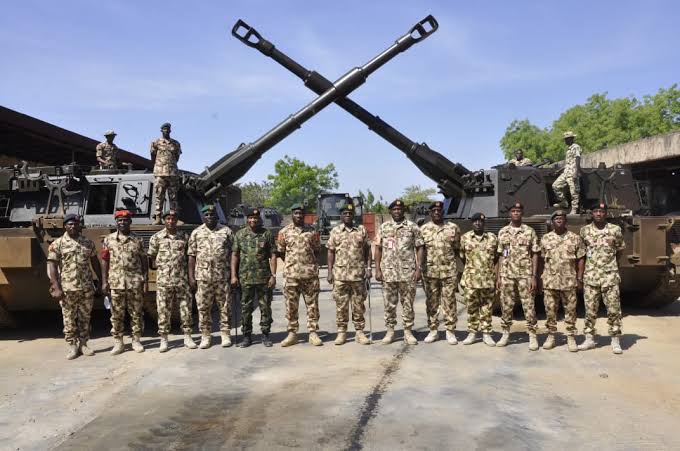
The Commanding Officer of the 133 Special Forces Battalion in Azare, Bauchi State, Lt. Col. A.K. Kachalla, has come under allegation from soldiers who accused him of protecting a lance corporal said to have absconded with funds belonging to colleagues and business partners.

The claims, raised by whistleblowers who spoke to SaharaReporters on Friday, revolve around 15NA/74/3376 L/Cpl Usman Umar Kao’oje, who is reported to be serving in the unit.

Sources alleged that the soldier was declared absent without leave around September 2025 after he allegedly disappeared with money contributed for business ventures.

One insider said: “He disappeared with between N40 million and N50 million meant for business deals. People trusted him with their money.”

The matter reportedly drew public attention after it appeared on SaharaReporters’ social media platforms on September 30, 2025.

According to insiders, L/Cpl Usman later returned to the unit after about three months. Upon his return, the commanding officer allegedly ordered that he be held in the guardroom pending an orderly room trial or further investigation.

However, sources claimed that while in detention, the soldier threatened to expose senior officers and institute legal action over alleged unpaid debts he said contributed to his financial troubles.

A source alleged: “When the CO (commanding officer) heard about the threat, he quickly ordered his release and assured him that nothing would happen to him. He said he would be protected.”


The soldier was said to have regained freedom after three days.

Another insider claimed that the commander later constituted a Board of Inquiry, which he alleged was meant to suppress the case.

He said: “He was charged and tried at the command level, but since then nothing has been done. A soldier who went AWOL for three months received no punishment. Instead, he was allowed to move freely in the barracks,”

Whistleblowers, according to a report by SaharaReporters, further alleged that the soldier was subsequently posted to Operation Whirl Stroke in Taraba State despite the unresolved accusations.

Sources also claimed that the lance corporal allegedly directed those demanding refunds to the commanding officer.

One source said: “The soldier wouldn’t have been so bold without the support of the CO,”

Insiders added that before he was declared AWOL, the soldier allegedly acted as an intermediary for the commanding officer. They claimed he collected “returns” from military checkpoints in Azare.

The whistleblowers further alleged that part of the disputed funds was used to acquire properties, including a heavy-duty truck reportedly valued at N24 million and deployed for transport business, alongside houses and other assets.

They questioned why due military procedures were not followed in handling the absence and financial allegations.

One whistleblower asked: “How can a soldier be away for three months and the AWOL not be forwarded to the Army authorities? Why was his account not blocked? Why was he not properly tried and punished?”

They argued that the handling of the case suggested complicity within the command structure.

Another source alleged: “This clearly shows that the CO supported the soldier to defraud his colleagues.”

The development, according to the whistleblowers, has angered many personnel within the battalion, who believe the situation has hurt morale and the reputation of the Nigerian Army.

A source said: “Nobody owns the Army. Neither the CO nor the soldier is above the law,”

They called on the Chief of Army Staff, Lt. Gen. Olufemi Oluyede, alongside the Army Intelligence Corps and the Military Police Provost, to open an independent probe into the matter.

The source added: “The CO and the soldier should be investigated. This attitude is tarnishing the image of the Army,”

Efforts to obtain official responses were unsuccessful. Attempts to reach Lt. Col. Kachalla did not go through as his phone line was unavailable at the time of filing this report.

Similarly, the Acting Director of Army Public Relations, Lieutenant Colonel Onyinyechi Appolonia Anele, neither answered calls nor replied to a text message seeking comment as of press time.

Tension mounts over elections-during-Ramadan schedule, lawyer says Muslim voters targeted

By Sabiu Abdullahi

A human rights lawyer, Barrister Abba Hikima, has called on the Independent National Electoral Commission to reconsider the administrative decision to fix Nigeria’s national election during the Ramadan fasting period.

Hikima made the appeal in a Facebook post, where he warned that maintaining the proposed schedule could reinforce claims of religious bias if not urgently reviewed.

He wrote: “Unless Professor Amupitan intends to lend credence to the lingering agitation that he harbours certain bias against Muslims, he must immediately review the administrative decision of fixing Nigeria’s national election in Ramadan.”

The lawyer explained that Ramadan is a period of compulsory fasting for Muslims. He said the exercise comes with significant physical demands. According to him, the realities of election voting in Nigeria — including long queues, heat exposure, transportation difficulties, and extended physical exertion — place fasting Muslims under serious strain.

Hikima stated: “While Ramadan is a period of compulsory fasting for Muslims, characterized by intense physiological demands and requiring adherents to abstain from food and drink from dawn to dusk, voting, especially in Nigeria, entails long queues, prolonged exposure to heat, transportation challenges, and extended physical exertion- conditions wholly incompatible with the demands of fasting Muslims. Both activities are constitutionally protected by Nigeria’s constitution and INEC is duty bound to uphold them.”

He further argued that election scheduling remains an administrative action that can be reviewed in the public interest. He urged the Commission to consider adjusting the date to protect both religious freedom and civic rights.

In his words: “The fixing of an election date is an administrative decision subject to review in the broader public interest. In order to preserve the religious freedom and civic participation rights of more than half of the voting population, prudence dictates that the Commission reassess the proposed date and consider scheduling it either before the commencement of Ramadan or after the completion of the fasting period. Nothing in the Constitution bars the Commission from making such an adjustment in the interest of fairness, inclusivity, and national cohesion.”

Hikima warned that failure to make such an adjustment could discourage voter turnout among fasting Muslims.

He added: “Failure to do this would disproportionately burden fasting citizens which amounts to about 55 percent of the population and ultimately defeat INEC’s statutory duty to encourage voter participation.”

As of the time of filing this report, neither the Commission nor Professor Amupitan had issued an official response to the concerns raised.

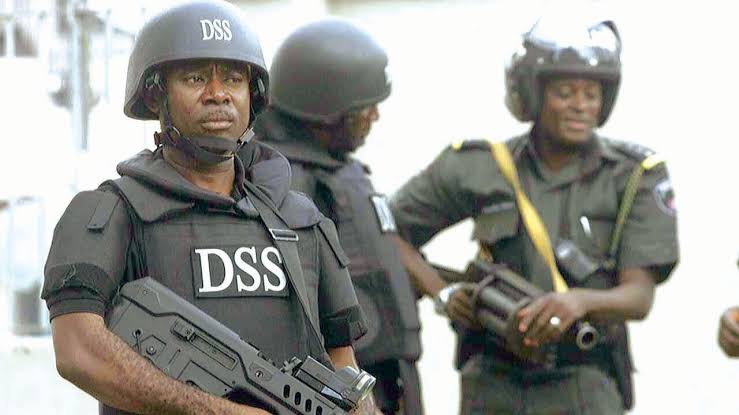
DSS rescues abducted 5-year-old in Kano, arrests suspect

By Uzair Adam

The Department of State Services (DSS), Kano Command, has rescued a five-year-old boy, Muhammad Haruna, who was abducted in Dan Zaki Village, Minjibir Local Government Area.

The Daily Reality reports that the DSS, in a statement issued on Friday, said the minor was rescued at about 7:40 p.m. on February 12, 2026, by its Tactical Team in Dan Zaki Village.

The statement indicated that the operation followed a formal report that Haruna had been abducted by suspected kidnappers to an unknown destination, with a demand for N15 million ransom.

According to the DSS, a 20-year-old suspect, Aminu Mukhtar, was apprehended during the operation while negotiating with the victim’s father using GSM number 07084228695.

“In the course of debrief, Mukhtar affirms that he abducted the victim with a view to collecting ransom,” the statement said.

It added that the suspect and the rescued minor are currently in command custody for further action.

INEC under fire for slating 2027 general elections to hold during Ramadan


Public reactions have continued to trail the decision to fix Nigeria’s 2027 general elections within the holy month of Ramadan, with commentators and political figures raising concerns about possible implications for voter participation.

A Facebook user, Ibrahim A. Khaleel, was among the early voices to criticize the development. In a widely shared post, he questioned the rationale behind scheduling the elections during the fasting period, arguing that leaders who genuinely prioritize nation-building would have avoided such timing.

> “If our politicians were sincere and truly had nation-building at heart, the INEC Chairman, Professor Amupitan, would have been greatly surprised. Why then fix the 2027 election in the month of Ramadan?”


He stressed that fasting should not prevent civic engagement, citing Islamic history.

> “Fasting is not a death sentence. Muslims even fought the Battle of Badr in the month of Ramadan in the 2nd year after Hijrah (2 AH). So what is a democratic election where people only have to stand in line?”


Khaleel, however, suggested that economic hardship and public distrust in leadership could discourage turnout, alleging that inducements have often influenced voter mobilization.

“Even pasta and seasoning cubes would have to be very convincing to bring the masses out to vote. If one bag of pasta brought Mr. ‘Raw Material’ to the voting line in 2023, then it will have to be doubled now. At least two bags, with two packs of seasoning cubes added. Maybe that will motivate Mr. ‘Raw Material,’ the friend of Nigerian Democrats!”


He also drew parallels with Muslims in conflict zones, arguing that faith and perseverance endure despite hardship.

“Have Muslims in Gaza not been facing killings since October 7, 2023? They have observed Ramadan twice in the midst of this unjust war, yet they did not lose hope and they did not give up. So why should we fail to come out and vote?”


Adding to the discussion, former presidential aide Bashir Ahmad issued a formal public appeal to Independent National Electoral Commission (INEC), urging the electoral body to reconsider the dates.

In his statement, Ahmad acknowledged the announcement of February 20 and March 6, 2027, for the Presidential/National Assembly and Governorship/State Assembly elections respectively, but noted the religious significance of the period.

“This is a respectful observation following the announcement of February 20th and March 6th, 2027, as the date for the next Presidential and National Assembly and Governorship and State Assembly elections respectively. The proposed dates fall within the holy month of Ramadan, a period during which many Muslims devote significant time to fasting, prayer, and spiritual reflection.”


He warned that the timing could pose participation challenges for Muslim voters.

“If the intention is to encourage full and inclusive participation in the electoral process, scheduling such a critical national exercise during Ramadan may present challenges for a large segment of the population. Many Muslims tend to reduce engagement in demanding worldly activities during this period in order to focus on religious obligations.”


Ahmad further urged electoral authorities to weigh inclusiveness in their considerations.

“Given the significant Muslim population in this country, it may be worthwhile to reconsider the timing to ensure broader participation and convenience for all citizens. I do hope this observation will be taken in the spirit of inclusiveness and national cohesion.”


The debate continues to generate mixed reactions across social media and political circles, with some Nigerians supporting a review of the dates for inclusivity, while others insist that religious observance should not hinder democratic participation.

INEC fixes February 20, 2027 for presidential election

By Sabiu Abdullahi

The Independent National Electoral Commission has scheduled February 20, 2027, for the conduct of the next Presidential and National Assembly elections across Nigeria.

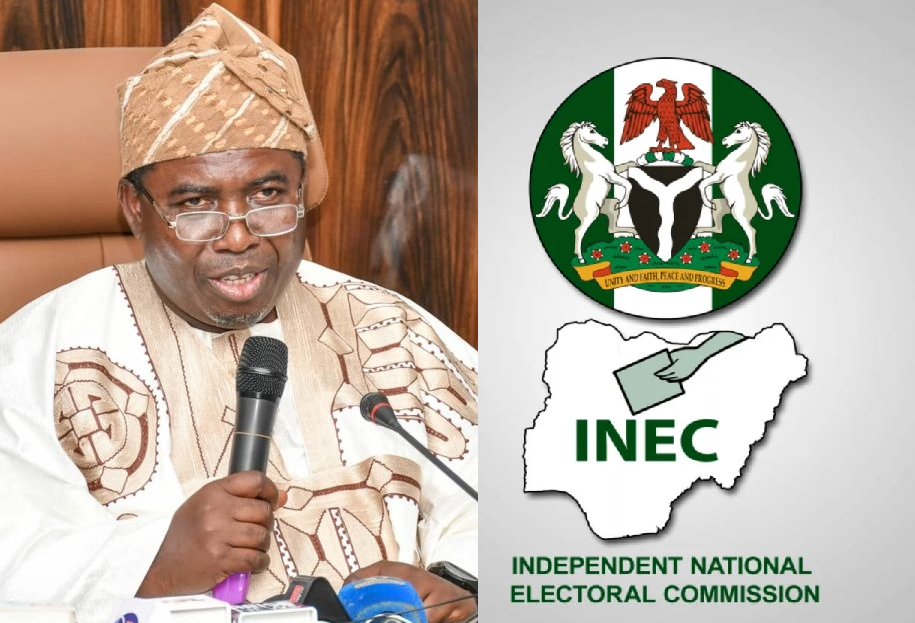
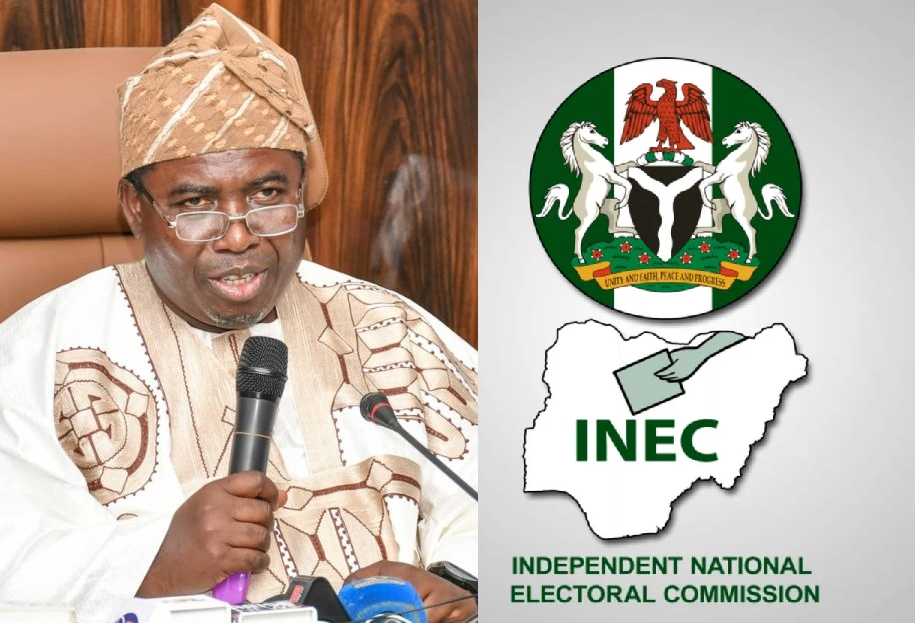
Chairman of the commission, Prof. Joash Amupitan, announced the date during a news conference held in Abuja on Friday. He also disclosed that governorship and State Houses of Assembly elections will take place on March 6, 2027.

The release of the timetable comes at a time when discussions continue over the delayed passage of the amended Electoral Act, which is still before the National Assembly.

Earlier, on February 4, the commission indicated that it had concluded work on the election timetable and the schedule of activities, despite the uncertainty surrounding the amendment to the law.

INEC stated that it had already forwarded the timetable to lawmakers. It, however, warned that certain components of the schedule could experience adjustments. The commission said any change would depend on when the amended Electoral Act is eventually passed.

Further details on the electoral programme are expected to be made public in due course.

Japan donates farm equipment to Enugu community

By Sabiu Abdullahi

The Government of Japan has commissioned and handed over agricultural machinery to farmers in Uzo-Uwani Local Government Area of Enugu State as part of efforts to boost food production and rural livelihoods.

This was announced by the Embassy of Japan in Nigeria via its official and verified Facebook handle on Wednesday.

The event took place on February 5, 2026, in Adani, where Ambassador SUZUKI Hideo attended the ceremony marking the delivery of equipment under the Grant Assistance for Grassroots Human Security Projects (GGP).

The initiative, titled “The Project for the Provision of Power Tillers and a Combined Harvester in Uzo-Uwani LGA, Enugu State,” supplied power tillers alongside a combined harvester to support farming activities in the benefiting communities.

Officials explained that the intervention aims to improve agricultural productivity through mechanised operations. They noted that enhanced efficiency on farms would enable local farmers to raise output, expand earnings and maintain more stable sources of livelihood.

The machinery was procured by “Yanmar Agri Corporation”, a Japanese company recognised globally for producing durable agricultural equipment. The firm also organised technical training for beneficiaries, focusing on proper handling, operation and maintenance of the machines.

Representatives at the ceremony said the Japanese Government expects the project to strengthen food security in the area. They added that the support forms part of broader contributions toward Nigeria’s agricultural development and long-term economic growth.