Nigerian academic dismisses Trump’s claim of Christian persecution in Nigeria
By Sabiu Abdullahi
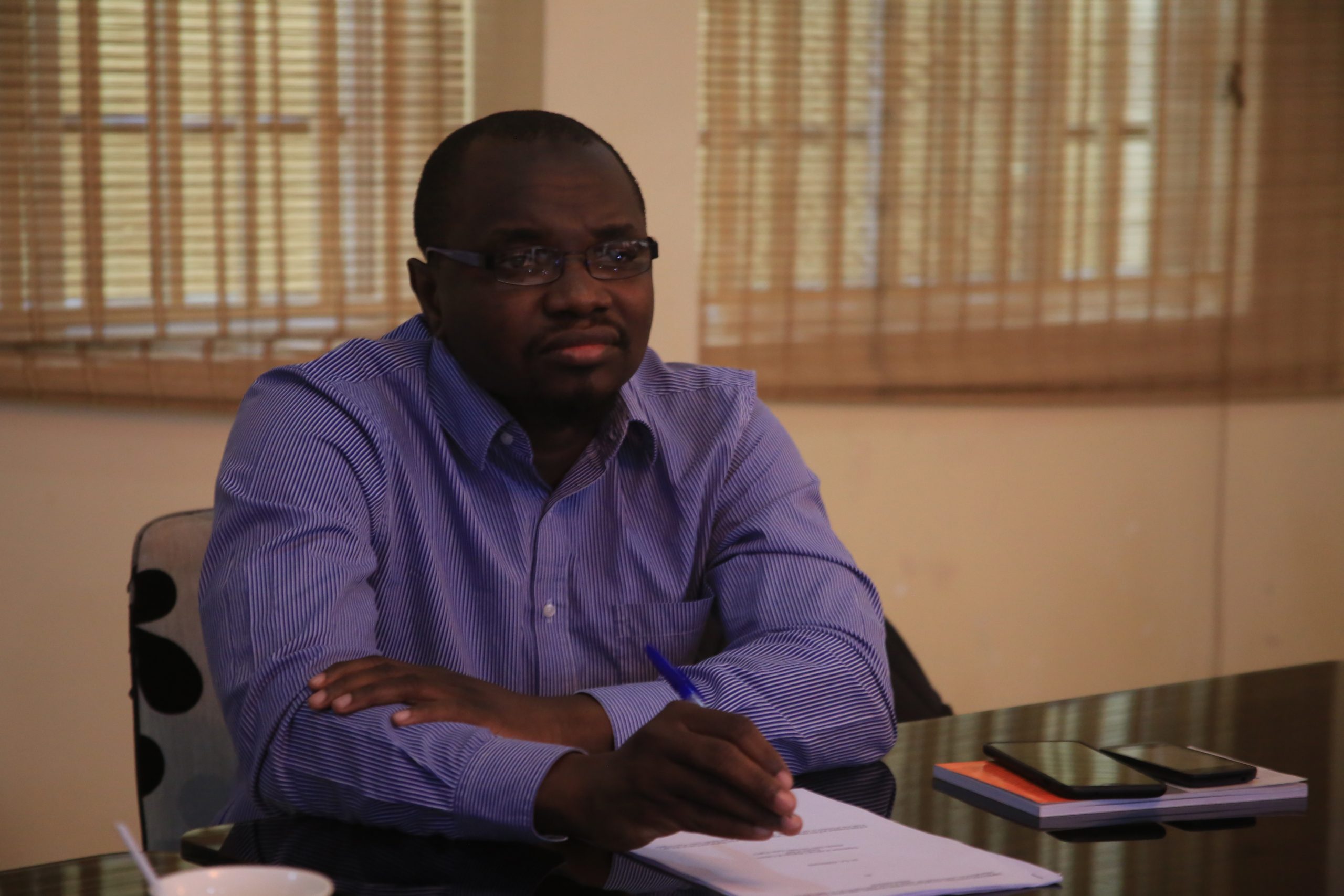
A Nigerian academic, Dr Muhsin Ibrahim, a lecturer at the University of Cologne, Germany, has refuted claims made by United States President Donald Trump that Christians are being persecuted in Nigeria.
In an article published recently on his Facebook handle, Dr Ibrahim said that framing Nigeria’s insecurity as a case of religious persecution is “a very simplistic narrative” that ignores the complex realities behind the country’s crises.
He expressed satisfaction that several Christian leaders, associations, and public figures had publicly rejected Trump’s claim.
He also commended Nigerian activist Omoyele Sowore for putting aside his opposition to the current administration and “saying the truth” about the issue.
According to Dr Ibrahim, terrorist groups such as Boko Haram and violent bandits do not discriminate between Muslims and Christians in their attacks.
“Boko Haram’s bullets do not differentiate between Muslims and Christians,” he wrote, noting that the extremist group has “killed more Muslims than non-Muslims,” including during their deadly assault on the Kano Central Mosque.
He further pointed out that victims of banditry in states such as Zamfara, Katsina, and Niger are mostly Muslims and that many mosques and worshippers have been attacked without anyone framing it as religious persecution.
Regarding the recurring clashes between farmers and herders in parts of the Middle Belt, Dr Ibrahim argued that the conflicts are primarily driven by territorial, ethnic, and resource-based disputes, rather than religion.
Dr Ibrahim also warned that any sanctions the U.S. might impose on Nigeria over Trump’s claims would likely worsen the country’s situation.
“The sanctions, or some aid withdrawal, will eventually impact everyone, just as the violence does not spare anyone,” he said.
He urged Nigerians not to celebrate Trump’s statements, describing them as politically motivated rather than a genuine concern for human rights.
“It’s about politics, not genuine concern for humanity,” he wrote, questioning Trump’s silence on humanitarian crises in Gaza, South Sudan, Congo, and Haiti.
The academic concluded by expressing hope for peace in Nigeria and across the world, writing: “May there be more peace in our fatherland, Nigeria, and everywhere else, amin.”

