Month: July 2025

APC official says North solidly backs Tinubu ahead of 2027

By Abdullahi Mukhtar Algasgaini

The All Progressives Congress (APC) has dismissed rumors of northern opposition to President Bola Tinubu’s potential 2027 re-election bid, asserting instead that the region offers “unwavering” support.

Senator Ajibola Bashiru, APC National Secretary, made the declaration on Monday at a media roundtable organised by the Nigeria Union of Journalists (NUJ) Zone B (South-West) in Ibadan.

Bashiru vehemently rejected claims of a northern conspiracy against Tinubu, labelling them “a lie from the pit of hell.”

He stated his position was based on firsthand knowledge and adherence to principled truth-telling.

“The North is firmly behind President Tinubu,” Bashiru asserted. “It’s a lie from the pit of hell to claim the North is ganging up against Tinubu. I say this from a position of knowledge. I guide myself by Amilcar Cabral’s words: ‘Tell no lies, claim no easy victories’.”

He cited visible public enthusiasm as evidence, claiming Tinubu receives warm receptions in northern cities like Katsina, Kaduna, Kano, and Gombe, with street celebrations occurring.

Bashiru also noted that a song by popular northern musician Dauda Kahutu Rarara, ‘Omo Ologo’, dedicated to Tinubu, has become an anthem in the region.

Dismissing opposition efforts, Bashiru characterized the ADC coalition as a “mushroom party” and “contraption” filled with self-serving individuals lacking political relevance.

He insisted the northern APC structures in states like Sokoto, Bauchi, Kebbi, and Zamfara remain solidly behind Tinubu, with influential leaders rallying support.”There is no vacancy in Aso Rock until 2031,” Bashiru declared, suggesting opposition hopefuls wait their turn.

He pointed to the APC’s success in recent elections, claiming a win rate above 75%, as proof of the party’s national acceptance.Bashiru also praised Tinubu’s inclusive leadership and infrastructure progress, claiming growing support throughout the North.

He downplayed the significance of former National Chairman Abdullahi Ganduje’s resignation, stating it posed no crisis for the party.

On a personal note, Bashiru, who has declared interest in the Osun 2026 governorship race, expressed confidence in his prospects, stating his chances are “very bright.”

Malam Garba Umar Saleh: A teacher with a difference 

By Sani Surajo Abubakar

“Gurubi”, as he was fondly called by his colleagues, the teaching and non-teaching staff of Army Day Secondary School, Bukavu Barracks, Kano, remains a name that resonates in the ears of many who studied in the school in the late 80s, 90s, and years after.

Malam Garba Umar Saleh embodied the spirit of a true teacher. His commitment to education and passion for nurturing young minds were evident in every aspect of his work. 

It is with profound sadness that we reflect on the life and legacy of the late Malam Garba Umar Saleh, a dedicated teacher at Army Day Secondary School and other secondary schools. His passing left an indelible void in the lives of those who knew him, particularly his students, colleagues, and the broader community.

 He approached his role with diligence, patience, and kindness, making him a beloved figure in schools. His dedication to his students went beyond the classroom, as he often took extra time to mentor and guide them, both academically and morally.

The impact of Malam Garba Umar Saleh on his students cannot be overstated. He had a unique ability to make complex concepts accessible and engaging, inspiring a love for learning in countless young minds. His unwavering support and encouragement helped many students overcome challenges and achieve their full potential. His legacy lives on through the countless lives he touched, and his influence will continue to shape the futures of those he taught.

His colleagues at the Army Day Secondary School and other Schools also held him in high regard. His collaborative spirit, professionalism, and positive attitude made him a valued member of the school community. He made significant contributions to the school’s mission, consistently striving for excellence and innovation in education.

While Malam Garba Umar Saleh is no longer with us, his legacy endures. The lessons he imparted, the values he instilled, and the love he showed to his students and colleagues will forever be remembered. His life serves as a powerful reminder of the profound impact one individual can have on the lives of others.

As we remember Malam Garba Umar Saleh, we honour his memory by upholding the values he cherished: dedication, compassion, and a commitment to making a difference in the lives of others. His story is a testament to the enduring power of education and the profound impact one teacher can have.

This tribute serves as a heartfelt acknowledgement of the remarkable life and contributions of Malam Garba Umar Saleh. May it inspire others to follow in his footsteps, dedicating themselves to the noble cause of education and service to humanity. 

A 1982 NCE graduate of the Advanced Teachers College Gumel, the deceased was employed as Master III by the then Kano State Ministry of Education and posted to Government Girls College (GGC) Dala as his first port of service.

In his quest for knowledge, the late Garba Umar Saleh enrolled in a degree programme at Bayero University Kano and graduated with a Bachelor of Arts (BA) in Education/English in 1989.

He spent most of his teaching years, spanning more than three decades, at GGC Dala, Army Day Secondary School (Boys), Bukavu Barracks, and Muhammad Vice Adamu Government Secondary School Kuka (MVAGSS), serving as a classroom teacher, Senior Master, and Vice Principal, respectively.

Towards the tail end of his service period, he was redeployed to the headquarters of the Kano State Senior Secondary Schools Management Board (KSSSSMB) as Deputy Director, Training and Recruitment, a position he held until his last breath, some weeks before his exit from the service. 

  May Almighty Allah, the most Exalted, grant his gentle and innocent soul rest in peace, and Jannatul Fiirdausi be his final abode, the fortitude and solace for all of us to bear the irreplaceable loss. May his legacy continue to inspire future generations? 

Sani was a student at Army Day Secondary School, Bukavu Barracks, Kano, and is currently on the Staff of the Kano State Ministry of Information and Internal Affairs.

NiMet issues fresh flood alert as 20 states remain at risk despite N620bn intervention

By Sabiu Abdullahi

The Nigerian Meteorological Agency (NiMet) has warned that 20 states, including Lagos, Benue, Edo, and Sokoto, are likely to face flash floods in July despite the disbursement of over N620 billion in ecological funds across the country since 2012.

In its latest alert issued on Monday, NiMet listed the states facing high to moderate flood risks.

These include Sokoto, Kaduna, Zamfara, Yobe, Bauchi, Bayelsa, Jigawa, Adamawa, Taraba, Niger, Nasarawa, Benue, Ogun, Ondo, Lagos, Delta, Edo, Cross River, Rivers, and Akwa Ibom.

NiMet urged residents in these states to take precautions such as relocating from flood-prone areas, clearing drainages, and preparing emergency kits.

The agency also advised communities to switch off gas and electricity during floods and to intensify public awareness campaigns.

This comes as residents of several Ondo communities affected by last week’s heavy rains appealed to the state government for help.

The floods, which followed days of downpour, destroyed property worth millions of naira in areas like Owo, Okitipupa, Ilaje, and Ese-Odo.In Okitipupa, a resident, Mr. Joshua Jemiloni, explained that “the flooding was caused by erosion flowing down from Igodan,” noting that over 10 buildings were affected.

A community leader, Lawrence Awanebi, called for urgent government assistance for displaced persons. The chairman of Owo Local Government, Tope Omolayo, also appealed to both the federal and state governments to intervene.

Governor Lucky Aiyedatiwa assured that the state has begun efforts to reduce flooding by dredging waterways and enforcing environmental laws.

“As a government, we shall continue with initiatives that will reduce the effects of floods and other natural disasters,” he said.Despite these efforts, critics have questioned how ecological funds have been used over the years.

Findings show that between 2012 and February 2025, Nigeria’s 36 states shared over N622 billion from the ecological fund.

However, many communities remain vulnerable.

Environmental experts have voiced concerns about the lack of transparency and accountability in managing the funds.

Afolabi Abiodun, President of the Africa Environmental Health Organisation, said: “The government claims to be trying, but frankly, we don’t see the impact on society. These funds are supposed to build resilience… But what we see is merely a response to an ongoing crisis.”

Former President of the Nigerian Institute of Town Planners, Nathaniel Atebije, blamed repeated flooding on the government’s failure to honour an agreement with Cameroon to construct a buffer dam on the River Benue. “These medium-level dams are not done. And so, whenever water is released, the downstream people suffer greatly,” he said.

Hakeem Mukhtar, an environmental sustainability expert, pointed to poor urban planning, weak enforcement, and inadequate drainage as major factors.

He stressed that “the issue is not necessarily the lack of funds, but the lack of a structured, data-driven, and community-involved approach to flood mitigation.”

A climate researcher, Abeeb Ajagbe, also lamented the lack of monitoring and tracking mechanisms. “There have been several media reports highlighting corruption and mismanagement in how the ecological funds are being handled,” he said.

According to a June 2025 report by SBM Intelligence, floods have affected 31 of Nigeria’s 36 states since July 2024, impacting 1.2 million people and destroying 180,000 hectares of farmland.

Food insecurity has worsened, with inflation hitting over 35% in January 2024.

In May 2025 alone, flooding displaced 116,711 people across 12 states. Zamfara recorded the highest number, with over 58,000 affected.

Lagos, Kwara, Enugu, Bayelsa, and Sokoto also recorded significant figures.

As flood threats continue to rise, calls for urgent reform in the use of ecological funds grow louder.

Experts are demanding stricter oversight, independent audits, and more proactive, long-term strategies to tackle the worsening flood crisis across the country.

Still on El-Rufa’i and Yar’Adua

By Saifullahi Attahir

In his article, titled “Yar’adua: Great Expectation, Disappointing Outcome,” Mallam Nasir El-Rufa’i wrote that the late Umaru Musa Yar’adua graduated from ABU in 1975 and did his youth service (NYSC) at Holy Child College in Lagos as a chemistry teacher.

After the service year, Yar’adua took a government job at the College of Arts, Science and Technology (CAST), Zaria, as a chemistry lecturer. He later obtained his MSc in 1978, while continuing his teaching career at the same CAST until 1983, when he joined his brother’s business after the latter resigned from the National Service as second-in-command to General Olusegun Obasanjo during the handover to civilian rule in 1979.

The above narrative can attest to the clear moral right Yar’adua has over Mallam Nasir, despite the latter’s constant attacks. I’m sure that in the years between 1976 and 1983, the late Umaru could have accessed all the privileges a graduate could have as a brother to a senior military officer and son of the establishment. His service year in the grammar school and his continued lecturing job at CAST Zaria can testify to a great deal about the individual Yar’adua, his brother Shehu, and the regime.

As a young and well-connected chemistry graduate, Umaru Yar’adua could have access to serve in the newly established NNPC, top agricultural firms, top Lagos banks, or even become a legislative aide in the green or red chamber.

Securing a job through connections is a common and sometimes effective method. Networking, which involves leveraging personal and professional relationships, can significantly increase your chances of finding a job. Indeed, many talented and industrious individuals can be harnessed through this process, although it may be perceived as nepotistic. Hadiza Bala Usman got her start at BPE by El Rufa’i through a similar path.

Of course, time has changed; it’s now normal that specific places, such as CBN, FIRS, NPA, BPE, top private firms, and Federal MDAs, are not accessible to ordinary corps members. We can still recall a time when a brother of Nigeria’s second-in-command opted to attend a grammar school and later took a teaching job at a college in Zaria. But still, that doesn’t prevent him from becoming Nigeria’s president.

While the 5th May remembrance has been immortalised in the hearts of Nigerians despite Yar’adua’s short stint as president, Mallam El-Rufa’i was still battling and settling past scores and fights.

Saifullahi Attahir wrote from Federal University Dutse via saifullahiattahir93@gmail.com 

Nigeria Customs engages international airlines on currency declaration compliance

By Sabiu Abdullahi

In an effort to bolster the fight against money laundering and improve border control measures, the Nigeria Customs Service (NCS), in partnership with relevant security and regulatory agencies, has conducted a sensitisation programme for international airline operators at the Nnamdi Azikiwe International Airport in Abuja.

The exercise, which took place on 5 July 2025, focused on educating airline staff about Nigeria’s currency declaration policies and their role in supporting compliance efforts.

Participants were reminded of the need to inform passengers—both arriving and departing—about existing regulations concerning cash movement across borders.

Authorities reiterated that individuals carrying more than $10,000 or its equivalent must declare the funds to customs officials.

They warned that failing to do so could lead to the confiscation of the money, followed by investigation and possible prosecution under the nation’s anti-money laundering laws.

The session also outlined the requirement for airlines to submit electronic manifests (e-Manifests) ahead of landing. These manifests must include comprehensive passenger details such as full names, flight numbers, and countries of origin and destination.

Officials said this data enables customs personnel and intelligence units to conduct targeted risk assessments and enhance overall border monitoring.

Leading the session was Salihu Mas’ud, Assistant Comptroller of Customs and head of the Anti-Money Laundering and Countering the Financing of Terrorism Unit.

He noted the progress already made by the Service in improving compliance mechanisms and expressed satisfaction with the level of cooperation from airline operators.

“What we have achieved so far is to be able to sensitise them. We’ve gone round to check all the points. We have dedicated search rooms for secondary searches. There are dedicated posts for currency declarations, and they are in place. Announcements are also being made on the Public Address System. We have also gotten the commitment of the airline operators to ensure that these announcements are also being made on board their flights,” he said.

He further added, “We expect higher compliance, and it will strengthen our enforcement mechanism. It also ensures that defaulters and violators of currency declarations are detected promptly and forwarded for necessary investigation and prosecution.”

The Nigeria Customs Service described the initiative as a crucial step toward preventing illicit financial flows, including terrorism financing and the smuggling of undeclared funds.

It also noteed that continuous collaboration among airlines, airport managers, and enforcement agencies will be vital to sustaining the gains recorded so far.

Nigeria backs BRICS vision for global restructuring, youth inclusion — Tinubu

By Muhammad Abubakar

President Bola Ahmed Tinubu has reaffirmed Nigeria’s commitment to the ideals of the BRICS bloc, emphasising the need for financial restructuring and a reimagined global order that reflects the aspirations of emerging economies.

Speaking at the ongoing BRICS summit in Rio, Tinubu stated that the group must evolve beyond its economic identity to become a “beacon for emerging solutions” based on solidarity, self-reliance, sustainability, and shared prosperity.

Talking about Nigeria’s youth-driven demographic, the President emphasised the importance of shaping global policies that address the specific concerns of young people, who comprise 70% of Nigeria’s population.

“Nigeria is not a passive participant in global affairs,” Tinubu declared. “We are taking bold, homegrown steps to accelerate renewable energy, mainstream climate action, strengthen urban resilience, and expand healthcare access.”

He concluded with a strong message of determination: “The world is changing. Nigeria will not be left behind. We will help lead the way.”

How Dangote Refinery reshapes Nigeria’s fuel supply, pricing, and distribution, raising monopoly concerns

 By Nasiru Ibrahim 

The channels of distribution from exploration to consumers in Nigeria’s oil industry—before Dangote’s refinery—began with crude oil extracted by NNPC Ltd. and international companies such as Shell, Mobil, and Chevron. The crude was sold to NNPC or exported. Due to the poor performance of local refineries, such as those in Warri and Port Harcourt, Nigeria relied on importing refined fuel through NNPC and major marketers, including TotalEnergies, Oando, and Conoil.

Once imported, the fuel was stored in depots like Apapa, Atlas Cove, Ibru Jetty, and Calabar. From there, independent transport companies such as Petrolog, TSL Logistics, AA Rano, and MRS transported it by tanker to filling stations. These stations—both major and independent—sold the fuel directly to consumers. 

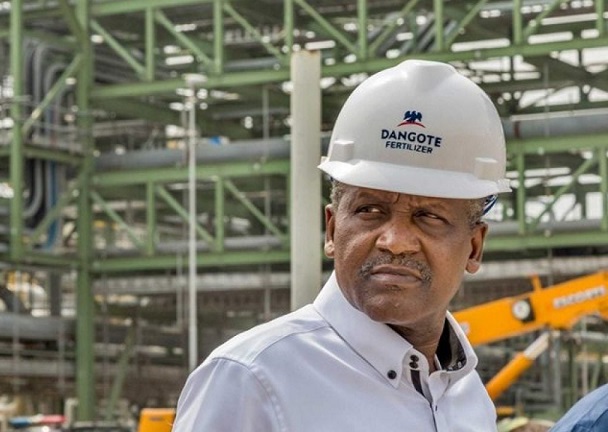
Alhaji Aliko Dangote is on the verge of taking full control of Nigeria’s downstream oil sector, covering everything from marketing and retail to transportation and distribution of petroleum products. In economic terms, this is known as vertical integration. Many Nigerians are now raising concerns that Dangote could dominate the entire fuel market. This comes after Dangote Petroleum Refinery released a press statement outlining its upcoming plans for fuel supply and distribution.

In the statement dated June 16, 2025, the company announced that it will start selling petrol (PMS) and diesel in the Nigerian market from August 15, 2025. To support this, it plans to roll out 4,000 Compressed Natural Gas (CNG)-powered trucks across the country to deliver fuel directly to buyers at no additional logistics cost.

Dangote also revealed that it will offer credit facilities to credible buyers who purchase at least 500,000 litres of PMS or diesel. 

These buyers include registered oil marketers, manufacturers, telecom companies, airlines, and other large fuel consumers. The company states that this move will enhance fuel availability, reduce reliance on imports, and bolster Nigeria’s energy security by overseeing both refining and distribution.

With Dangote’s new initiative, he buys crude oil from NNPC and refines it here in Nigeria. Then, using his trucks, he moves the fuel to his storage depots and delivers it straight to filling stations. This means no need for middlemen or prominent marketers—everything is handled by Dangote’s team from start to finish.

However, while this could lower fuel prices and ease supply challenges, it has also sparked fears about reduced competition. Some worry that giving too much power to one player could lead to a market monopoly, calling for proper regulation to ensure fairness in the downstream sector.

Economists, policymakers, businessmen, entrepreneurs, and economics students like myself are actively considering the potential impact of this new initiative on oil marketers, the Nigerian economy, employment, exchange rates, consumers, filling stations, climate change, and other critical factors. Many are questioning whether this move will yield positive results. However, we cannot understand the implications unless we first examine the structure and components of Nigeria’s downstream sector, including Dangote himself, his competitors, those affected by his actions, and all other players in the supply chain up to the final consumer.

In economics and policy development, a long-standing debate exists about how policies should be evaluated. Some scholars argue that policies should be judged by their outcomes, while others believe they should be assessed based on their intentions. For example, Milton Friedman emphasised that policies must be judged by their results, not their intentions. 

In contrast, economists like Paul Samuelson acknowledged the importance of considering both intent and context, especially when outcomes are not yet visible. This debate is relevant here. It may be premature to conclude whether Dangote’s new initiative is positive or negative solely based on expected results, as those outcomes have not yet materialised. 

Nevertheless, some would argue that judging the initiative by its intention — such as improving fuel availability, reducing logistics costs, and enhancing energy security — is still meaningful, especially in economic policy, where many decisions are based on projected or long-term effects. Evaluating intentions enables us to gauge the direction of policy, even in the absence of immediate evidence.

Nigeria’s downstream sector is responsible for refining, retailing, distribution, transportation, and marketing of petroleum products. It comprises several companies and regulatory bodies, including NNPCL, Dangote Refinery, Oando, MRS, AA Rano, ExxonMobil, Danmarna, Aliko Oil, and many others. While Dangote operates across both the midstream and downstream sectors, his actions may also indirectly affect the upstream sector, particularly through their influence on demand, supply, and the pricing of petroleum products.

Instead of focusing solely on the structure of the downstream sector, I believe we should carefully consider both the potential benefits and drawbacks of this new initiative by Dangote Refinery, without completely dismissing Friedman’s view on judging policies strictly by results.

Potential Positive Implications of the New Initiative

Firstly, Dangote’s new initiative will reduce Nigeria’s dependence on imported oil from the Gulf and Europe. This is beneficial for Nigeria’s foreign exchange (FX) reserves, as less demand for imported fuel means the country will need fewer U.S. dollars for imports. As a result, this could lead to an appreciation of the Naira due to a fall in demand for foreign currency. Additionally, it will improve the trade balance and increase GDP contribution from the domestic oil refining sector.

Secondly, the initiative will create both direct and indirect jobs in Nigeria. Direct employment opportunities will arise for truck drivers, mechanics, technicians, depot workers, and logistics personnel. If Dangote deploys between 2,000 and 4,000 trucks, and each truck requires one to two drivers, along with at least one support mechanic, one depot staff member, and logistics coordinators, this could result in approximately 20,000 direct jobs. Indirect employment opportunities will arise for consultants, accountants, lawyers, filling station managers, as well as workers in catering, cleaning, petrochemicals, fertiliser, plastics, and related industries.

Thirdly, the initiative will enhance fuel accessibility and improve supply chain efficiency, thereby reducing waste and environmental pollution. By taking direct control over storage and distribution, the initiative can eliminate middlemen inefficiencies, potentially reducing fuel scarcity and hoarding, which often drive up inflation. With direct sales to filling stations, illegal practices like tanker swaps and product diversion by middlemen can be curbed. Furthermore, the use of Compressed Natural Gas (CNG)-powered trucks will lower transportation costs, reduce emissions, and increase domestic gas utilisation, thereby boosting gas revenue.

Fourthly, the initiative is expected to lower fuel prices, which is a major driver of inflation in Nigeria. By eliminating international shipping fees, foreign refinery profit margins, and import levies—all of which form a significant portion of the overall fuel cost—the retail price per unit of fuel could drop. Lower fuel prices can ease the cost of living, reduce inflationary pressures, and improve economic stability.

Fifthly, the initiative will strengthen Nigeria’s energy security in the face of global supply chain disruptions. For instance, ongoing conflicts such as the Israel-Iran and Russia-Ukraine wars, or geopolitical tensions in the Middle East, can threaten the global fuel supply. Additionally, OPEC+ efforts to raise oil prices increase external vulnerabilities. By reducing dependence on imported fuel, Nigeria becomes more resilient to global shocks, ensuring steady availability of fuel at domestic filling stations even during international crises.

Sixthly, from a broader perspective, this initiative positions Nigeria as a regional supplier of refined petroleum products in Africa, reducing the continent’s reliance on Europe and the Gulf. This shift enhances Nigeria’s foreign policy leverage and strategic influence, particularly within regional and international institutions such as ECOWAS, AfCFTA, AfDB, and Afreximbank. A robust domestic refining industry enhances investor confidence and may attract more foreign direct investment (FDI) in the long term. Investors are more likely to commit to economies with stable energy supply, regional trade advantages, and reduced exposure to global price shocks.

Potential Negative Implications

Firstly, there is a serious economic fear that this could lead to a monopoly, and many Nigerians have already raised concerns about that. The Petroleum Tanker Drivers and Owners Association of Nigeria (PATROAN) and the Independent Petroleum Marketers Association of Nigeria (IPMAN) have both expressed worry that Dangote might dominate the entire downstream oil sector. In economics, when a single company controls the whole supply chain, from refining to selling, it stifles competition. And when there’s no competition, prices can be fixed unfairly, small businesses get pushed out, and consumers suffer in the long run.

Secondly, there’s the risk of predatory pricing. This occurs when a powerful company sells at very low prices—sometimes even below cost—to drive smaller competitors out of the market. Dangote might do this since he doesn’t import fuel and can afford to sell at a lower price. However, after chasing them out, he can raise prices at any time, leaving people with no choice and putting consumers at risk of exploitation. This leads to what is called “deadweight loss” in economics, where both individuals and the economy lose out.

Thirdly, many jobs could be lost, especially among small fuel marketers, distributors, and transporters who previously imported and sold fuel themselves. Dangote is now doing everything directly—refining, distributing, and even retailing—which means companies like AA Rano, Danmarna, Aliko Oil, and many others might be pushed out or forced to operate under unfair terms. This is already affecting their businesses, especially in the North, and could lead to job losses in areas that rely heavily on these companies.

Fourthly, government policy interference and the role of the Nigerian National Petroleum Company Limited (NNPCL) could create more problems. NNPCL also operates in the downstream sector and has partnerships and influence that could either support or conflict with Dangote’s activities. Past issues, such as unclear pricing, fuel subsidy mismanagement, and delays in policy implementation, demonstrate that when government agencies operate without transparency, it can create more confusion than solutions. This could make it easier for big companies like Dangote to influence decisions in their favour while others suffer.

Fifthly, new investors might avoid the sector. If one company already controls everything, what’s left for others to invest in? People may view the fuel business in Nigeria as a “one-man game,” making it challenging to attract new ideas, competition, and investment. This can slow down innovation and limit the country’s long-term progress in energy.

Sixthly, there’s a risk of regional imbalance. Dangote might focus more on high-demand urban areas where there’s more profit, and this could lead to fuel shortages in rural or northern regions. Small marketers who once served these communities may not survive, and that means remote areas could suffer more from fuel scarcity. This may exacerbate existing regional inequalities.

Possible solutions 

Firstly, don’t ban fuel imports immediately. Let other marketers continue importing fuel, at least for the time being. If only one company controls the supply, prices may rise or stay unstable. The government can grant import waivers to others, ensuring that competition remains alive and fuel remains affordable.

Secondly, we should repair our old refineries and support the development of new ones. Dangote shouldn’t be the only one refining fuel. If we repair the Warri, Port Harcourt, and Kaduna refineries and encourage small private ones, we’ll have a more local supply. That also helps in the future if we want to export after meeting our own needs. 

Thirdly, ensure that other players can access storage and transportation facilities. If only Dangote had the port, pipelines, and trucks, smaller marketers wouldn’t survive. The government can step in to make sure these facilities are shared fairly, with clear rules and affordable fees.

Fourthly, don’t forget far places like Northern states and rural towns. Most fuel may remain in the South, where Dangote is located. Therefore, the government should support distribution to remote areas by encouraging group buying or establishing shared fuel depots. Everyone deserves access, not just those near the refinery.

Fifthly, expand the availability of fuel alternatives like CNG to more locations. If we’re shifting to compressed natural gas (CNG), it should not be exclusive to the rich or city dwellers. Rural and remote areas require the same support,including CNG buses, filling stations, and awareness initiatives.

Finally, monitor prices and ensure fairness. We need a simple system that tracks and shows fuel prices across regions. That way, if one company tries to raise prices unfairly, the public and the government will be aware.

Ibrahim is an economist and writer based in Jigawa State, Nigeria. He holds a degree in Economics from Bayero University, Kano. With a background in journalism at Forsige, he currently works as a research assistant and contributes expert commentary on economics, finance, and business.

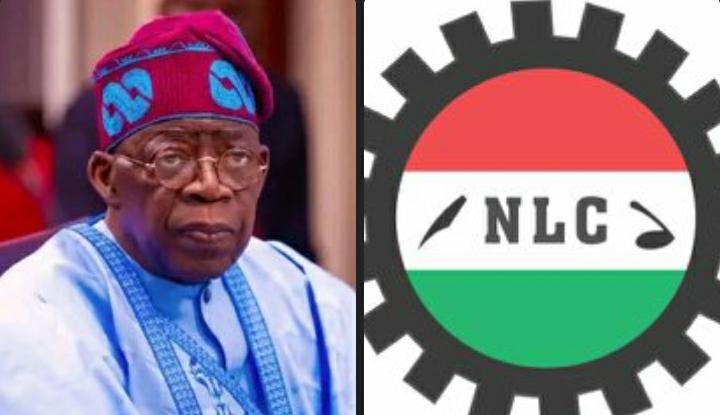
NLC threatens nationwide protests over poverty, insecurity

By Abdullahi Mukhtar Algasgaini

The Nigeria Labour Congress (NLC) has issued a stern warning of impending nationwide mass action, citing the crippling cost-of-living crisis, worsening insecurity, and systematic attacks on workers’ rights across the country.

Rising from its Central Working Committee (CWC) meeting held over the weekend in Abeokuta, Ogun State, the labour body declared that Nigerian workers can no longer remain passive as the nation’s economy falters and democratic foundations erode.

The NLC stated that the hardship endured by workers and the poor has reached “intolerable levels.”

It noted that immediate and decisive action is imperative to prevent a complete national breakdown, positioning the threatened protests as a necessary response to government inaction on these critical issues.

“Immediate action must be taken to avert a national breakdown,” the Congress asserted following the meeting at the June 12 Cultural Centre.

Gov. Yusuf appoints Emir of Lafia as chancellor of Northwest University, Kano

By Hadiza Abdulkadir

Kano State Governor, Alhaji Abba Kabir Yusuf, has appointed the Emir of Lafia, Justice (Rtd) Sidi Muhammad Bage, as the new Chancellor of Northwest University, Kano.

The announcement was made in a statement issued by the governor’s spokesperson, Sunusi Bature Dawakin Tofa, on Friday.

The appointment has been widely praised as a strategic move to bridge traditional leadership and modern academia. Emir Bage, a former Supreme Court Justice, brings decades of legal and administrative experience to the role.

Born in 1956 in Lafia, Nasarawa State, Bage earned his law degree from Ahmadu Bello University and was called to the Nigerian Bar in 1981. He served across Nigeria’s judiciary, culminating in his appointment to the Supreme Court in 2017 before ascending the throne as Emir of Lafia in 2019.

Governor Yusuf noted that the selection of such a distinguished figure aligns with the university’s values of excellence and integrity. “His track record of justice and community leadership will inspire our academic community and support the university’s growth,” he said.

The appointment letter was officially presented to the Emir by the University Council Chairman, Prof. Hafiz Abubakar, alongside Vice Chancellor Prof. Mukhtar Atiku Kurawa.

209 FUD students bag first class honours

The Federal University Dutse (FUD) recently conducted its 8th and 9th Convocation Ceremony, marking a significant milestone for its graduating students.

The ceremony was attended by esteemed dignitaries, including the Executive Secretary of the National Universities Commission, Prof. Abdullahi Yusuf Ribadu, who represented the President of Nigeria, HE Bola Ahmad Tinubu.

A total of 209 students were awarded First Class honors, highlighting the university’s commitment to academic excellence.

The Vice Chancellor (VC) of the university, Prof. Abdulkarim Muhammad Sabo, expressed his gratitude to the Jigawa State Government for their support, stating that they have been the university’s “top friend.”

He appreciated their donation of hundreds of hectares of land for construction purposes. The VC also reflected on his achievements during his tenure, as he prepares to leave office in the coming months.

Two students stood out during the convocation ceremony, winning the overall best student award for their respective academic sessions. Oladele Yusuf Olatunji from the Mathematics department won the award for the 2022/2023 session with a Cumulative Grade Average (CGA) of 4.92.

Yekini Hameed Ishola from the Faculty of Management Science won the award for the 2023/2024 session with a CGA of 4.95.

Yekini expressed his gratitude, saying, “I am deeply honored and humbled to be recognized as the Best Graduating Student. This moment is not just a personal achievement, it is a reflection of the sacrifices of parents, the dedication of teachers, the support of peers and the grace of God.”

The Governor’s Award was presented to the best graduating students of Economics and Accounting for the two academic sessions, with each recipient receiving a token of 250,000 naira.

Hadiza Aminu, a graduate of Biology for the 2022/2023 session, expressed her elation at finally achieving her dream of becoming a Biology graduate.

She thanked her parents, relatives, teachers, and friends for their support, saying, “Thanks to parents, relatives, teachers, and friends for their enormous support and dedication.”

The convocation ceremony, which saw a total of 4227 graduands, was preceded by a Convocation Lecture delivered by the pioneer Vice Chancellor of the University, Professor Jibrilla Dahiru Amin.

The lecture, titled “Harnessing Research and Innovation for Sustainable Development in Nigeria: The Role of Higher Education Institutions,” was chaired by Prof. Fatima Batul Mukhtar, a former VC of the university. The ceremony marked a significant milestone for the graduating students, who are in now poised to make their mark in their respective fields.