Month: February 2025

Tinubu dismisses Prof Aisha as VC of Uni Abuja, names an interim successor

By Uzair Adam 

President Bola Ahmed Tinubu has removed Aisha Maikudi as Vice Chancellor of the University of Abuja, now renamed Yakubu Gowon University.  

Her dismissal was announced just hours after she presided over the institution’s matriculation ceremony. 

Maikudi’s tenure had been marred by controversy, with some lecturers alleging she held the position illegally.  

In her place, Tinubu appointed Professor Lar Patricia Manko as Acting Vice Chancellor for a six-month term, with a directive that she would not be eligible to apply for the substantive position when it becomes available.  

Details later…

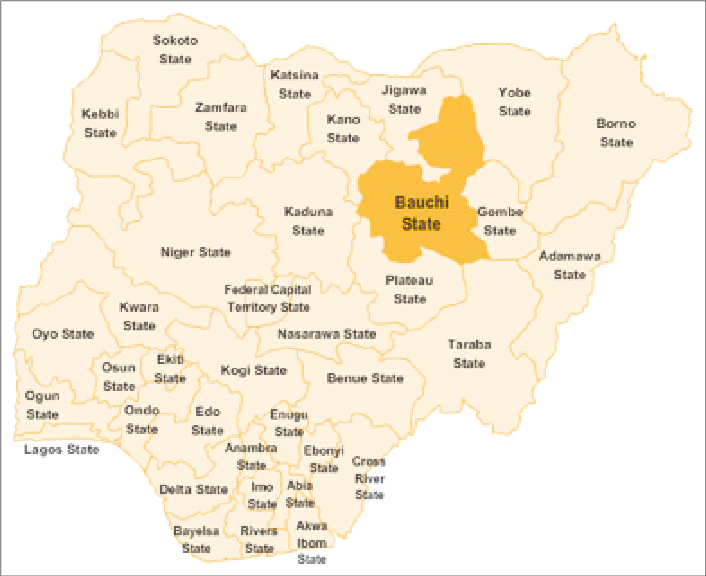
The Bauchi of my dreams

By Ashir Abdullahi Yahaya

Recalling the writing competition in 2023 with the title Kano of My Dream and how participants showcased their skills in competing, along with presenting valuable ideas, ignited my passion for writing this article on how I would like Bauchi and its people to be in the future.

Bauchi faces severe challenges, such as attacks, corruption, social insecurity, illiteracy, debt, and a poor economy. These issues threaten the region and may worsen due to external factors. Residents are torn between praying, taking action, or focusing on family. The situation strains endurance, confusing even the most devoted supporters of Bauchi.

The state is entirely dependent on salaries. If salaries are delayed, people will walk around as if half-dead. There are no satisfactory business opportunities to support the over 8,308,800 residents (based on the estimated 2023 population following Kaduna, Katsina, Lagos, and Kano, respectively). The state’s needs are not being adequately met, and companies in the state are not functioning at all.

Bauchi, the fifth most populous, is also blessed with a large area, making it the fifth-largest among the 36 states in Nigeria. The pearl of tourism, where everyone is eager to visit its stunning natural spring water called Yankari: a large wildlife park in the southern part that contains large populations of waterbuck, African buffalo, patas monkeys, and western hartebeest, along with some of Nigeria’s last remaining West African lions, African leopards, and African bush elephant populations, but it lacks adequate care.

The educational sector faces numerous challenges, including dilapidated buildings, overcrowded classrooms, a shortage of qualified teachers, and inadequate teaching and learning facilities. These challenges bedevil the sector yet hinder its development. Moreover, rural settlers primarily grow goods for sale to outsiders and companies, often disregarding the impact on the state’s well-being. Moreover, farming is often dismissed as a viable option for most urban residents.

This, among other things, has become a trait of Bauchi’s transformation. Of course, there is always a solution—a positive solution that has refined the dream I hold dear…

In the Bauchi of my dreams, our challenges have vanished, and the state has reached exhilarating heights by allocating a significant portion of the budget to the sector that deserves it most—the education ministry. The schools have been improved, and the number of out-of-school children has been drastically reduced, bringing the total down to just 2,000 from the previous figure of 521,000.

Thanks to effective governance, agencies have been restructured, removing selfishness, self-importance, and the culture of favouritism. The emphasis is now on merit, prioritising knowledge and skills. Everything is carried out with transparency.

Social security issues have been addressed by actively engaging the youth in employment opportunities with companies and schools. Additionally, some youths are pursuing education abroad through government scholarships. As a result, nearly everyone is now employed in the public or private sector.

Furthermore, Bauchi has transformed into one of the world’s most remarkable and eye-opening cities, comparable to Istanbul in Turkey, Kyoto in Japan, and Paris in France. The key defining characteristic of the state’s landscape, Yankari National Park, has been developed, contributing significantly to GDP and surpassing the world-class Blue Hole of Jamaica. 

Attracting millions of tourists annually, it has claimed the prestigious world-class crystal-clear water award. The lush greenery and vibrant exotic flowers enchant visitors, their voices quivering with the interjections of amazement at the unparalleled natural wonder.

Eventually, the Bauchi of my Dreams distinguished itself as a place where religious tolerance, peace, unity, and emotional intelligence flourished among its residents. It separated the do’s and don’ts of peaceful coexistence, guided by the wisdom of religion (Malams). The Bauchi of my Dreams is a beacon, an antidote to the obstacles that shadow the days.

Ashir Abdullahi Yahaya teaches at Minaret International School and Giwo Science Academy, Bauchi. He can be reached via ashirayahaya6530@gmail.com.

Power outage disrupts Kaduna as labour disputes continue at KAEDCO

By Abdullahi Mukhtar Algasgaini

Kaduna State is currently facing an extended power outage due to ongoing industrial actions linked to labor disputes at the Kaduna Electricity Distribution Company (KAEDCO).

The power shortage has severely impacted the daily lives and economic activities of residents in the state.Governor Uba Sani has expressed his concerns over the power disruption, reaching out to the Chairman of the Board at Kaduna Electric.

In his communication, the governor urged the company to swiftly address the issues causing the outage.

Kaduna Electric has assured the governor that the situation will be resolved soon, and power supply will be restored.

While awaiting the resolution, residents are advised to remain calm and stay vigilant, as the situation may lead to security risks, with potential threats of vandalism and public unrest.

All parties involved have been urged to find a swift and peaceful solution to restore power to the state’s residents.

CICID 2025: Moral development better than economic development – Dr Bugaje

By Aisar Fagge

Speaking during the 3rd International Conference organized by the Centre for Islamic Civilisation and Interfaith Dialogue (CICID) with the theme “The Role of Moral Etiquettes of Islamic Civilisation in the Development of Human Communities: Assessment of Past and Present,” Dr Usman Muhammad Bugaje lamented why economic metrics always dominate the discussions on development. He cheerfully also complained, “This conference should have come earlier than now but it is never late.”

As the keynote speaker, Dr Bugaje mentioned three main focal points of the conference:

“First, the theme introduces a missing direction in the contemporary discussion of development. When you listen to the discussion on developments, it is usually the material aspect of development that occupies the space. Even the metrics for measuring development tends to focus on the material. They have not yet measured the Islamic definition of human development. This is the gap conferences like this should help to bridge.

“Secondly, this theme will raise consciousness and provoke a debate on the quality of morality. Everybody talks about morality. But what is the quality of that morality? There are a lot of debates and contentions on these issues.

“Thirdly, this theme underscores the significance of moral standard on human development. I hope the centre and director will try and find research grants locally for the students to study how moral consciousness has affected human development in Nigeria,” the speaker listed.

It is always difficult for Dr Bugaje to talk without critiquing the state of the nation and bad governance. Talking about morality and development in Nigeria, the speaker lamented how immoral politicians ruined Nigeria since 1999.

“What happened in the last 25 years in Nigeria concerning human development is a wreckage. Poverty has tripled, insecurity has escalated, infrastructures have broken down and decay, marriages and social norms have broken down, the fabric of the society is no longer what is used to be.

“Today, in our educational system, the moral consciousness is completely missing or absence. In those days, you got your degree in character and learning, but today, no character no leaning. In governance, this government has gotten more money than any government since the beginning of Nigeria, but what the Sardunas were able to achieve with very little money we now cannot do with 1000 x times the same amount of that money! So what has happened? All these are moral questions that raise consciousness,” he grieved.

The conference that was held at the Centre for Excellence, Bayero University, Kano from 3rd to 5th February, 2025 was honoured by distinguished politicians, esteemed academics, business people and many participants from different academic disciplines.

The Director of the centre, Associate Professor, Taufiq Abubakar Hussaini thanked the sponsors of the event especially Alhaji Aminu Dantata, A.Y Maikifi, Alhaji A.A Rano, Alhaji Hamza Abdullahi Umar Daura, A.Y.M Shafa and others.

A Modern Monarch: HRH Sani Ahmadu Ribadu, King of Fufore 

By Lukman Dahiru

In the rich tapestry of Nigerian history, where tradition meets contemporary governance, HRH Sani Ahmadu Ribadu’s appointment as the King of Fufore Emirate stands as a monumental chapter. The Governor of Adamawa State, His Excellency Ahmadu Umaru Fintiri, elevated him to this revered position, not merely acknowledging his royal lineage but affirming his profound dedication, moral integrity, and visionary leadership.

Sani Ahmadu Ribadu, the younger brother of the renowned National Security Adviser, Nuhu Ribadu, brings a blend of heritage and modern dynamism to the throne. His journey to this prestigious role has been marked by a life committed to service, community, and the betterment of society. 

Born into a family known for its integrity and public service, Sani has carved his own path, gaining respect and admiration for his family name and his personal merits. He has proven himself not only as a successful farmer but also as a successful politician, having served as Chairman of Yola South Local Government and as a member representing Yola South in the Adamawa House of Assembly. His impact in these roles has been substantial, focusing on grassroots development, agricultural improvement, and fostering a transparent, people-centric governance. 

The significance of his appointment extends beyond the ceremonial; it symbolizes a new dawn for the Fufore Emirate. As king, Sani Ahmadu Ribadu is poised to bridge the ancient customs of his people with the evolving demands of the modern world. His leadership is anticipated to be a beacon of progress, unity, and peace in a region where traditional roles still play a crucial part in community life. His tenure is expected to be characterised by the following.

Cultural Preservation: Sani Ahmadu Ribadu, who deeply understands his heritage, will safeguard and celebrate Fufore’s cultural identity. He will likely champion initiatives to document, preserve, and promote the emirate’s rich traditions, ensuring they are passed down through generations.

Community Development: He is known for his commitment to his people, and he will leverage his position to drive development projects. From education to infrastructure, from health to economic empowerment, his reign is expected to see significant advancements that uplift the living standards of his subjects.

Social Justice and Peace: His background suggests a leadership style that emphasizes fairness, justice, and reconciliation. In a region that has experienced its share of conflicts, his approach could foster greater social harmony, making Fufore a model for peaceful coexistence.

Youth Engagement: Acknowledging the demographic dividend, Sani Ahmadu Ribadu is expected to concentrate on engaging the youth by offering them opportunities for growth, innovation, and participation in governance, therebyensuring the emirate’s future is as bright as its past.

Security and Stability: With his familial ties to national security, there’s an expectation that he will advocate for and implement strategies that enhance local security, working in tandem with state and federal authorities to maintain peace and order.

His appointment has been received with jubilation and optimism, not only within Fufore but throughout Adamawa State and beyond. The community perceives in him a leader who honours tradition while embracing innovation. His governance is expected to be defined by open dialogue, community engagement, and a strong emphasis on sustainable development.

Sani Ahmadu Ribadu’s reign promises to be an era where the past and the future of the Fufore Emirate walk hand in hand under the wise and compassionate leadership of a king who understands that true sovereignty lies in serving one’s people. His legacy, still in its nascent stages, is already shaping up to be one of transformative leadership, where the throne serves as a seat of power and a platform for enduring positive change. 

Here’s to a reign that will be cherished not only for its duration but for the indelible mark it leaves on the heart of Fufore and the broader canvas of Nigeria’s cultural and social landscape.

Lukman Dahiru wrote from Yola via ldahyu@gmail.com.

Ex-Kaduna officials deny corruption allegations

By Abdullahi Mukhtar Algasgaini

Former members of the Kaduna State Executive Council (2015-2023) have vehemently rejected corruption allegations leveled against them by the Uba Sani-led administration.

In a statement released on Wednesday, February 5, 2025, the ex-officials described the accusations as a politically motivated smear campaign.

The controversy stems from a report by the Kaduna State House of Assembly, which claims that N423 billion went missing under the leadership of former Governor Nasir El-Rufai.

The report, which was first issued in June 2024, resurfaced this week, with some media outlets treating it as “breaking news.”

However, the former officials insist that they debunked the allegations in June and July of 2024, proving that the claims lack credibility.

According to the ex-officials, many of the loans listed in the report were not acquired during their administration, while others were disbursed after their tenure.

They further argue that certain loans were double-counted, and even a railway loan that was never contracted was included in the accusations.

In their statement, the former officials dismissed the idea that 40% of Kaduna’s earnings over eight years simply disappeared.

“Only those inclined to fiction can believe such a claim,” they remarked.

They also accused Governor Uba Sani’s administration of misrepresenting El-Rufai-era achievements, including projects funded by the AGILE initiative, the World Bank CARES infrastructure program, and the RAAMP roads program, all of which were initiated under El-Rufai’s tenure but are now being credited to Sani.

Beyond the allegations, the former officials claim that the Uba Sani government is targeting El-Rufai’s allies.

They cited the cases of Bashir Saidu and Jimi Lawal, both of whom have allegedly been detained unlawfully despite fulfilling bail conditions.

Furthermore, the government has reportedly blocked their release through administrative measures, including suspending land verification services.

The former officials argue that the real aim of these actions is to tarnish El-Rufai’s political legacy.

They contend that since the N423 billion claim remains unproven, the Sani administration is using media propaganda and criminal charges to create the illusion of corruption.

The statement concluded by highlighting the accomplishments of El-Rufai’s administration, including significant increases in Kaduna’s internally generated revenue (from N13 billion in 2015 to N58 billion in 2022), public service reforms, and key infrastructure projects.

“We will not be silenced,” the former officials declared. “We will continue to defend our legacy and expose this smokescreen of deceit.”

President Tinubu increases 2025 budget proposal to N54.2 trillion

By Abdullahi Mukhtar Algasgaini

President Bola Tinubu has revised the proposed 2025 national budget, increasing the total size from N49.7 trillion, initially presented to the National Assembly on December 18, 2024, to N54.2 trillion.

The President communicated the budget adjustment through separate letters addressed to both the Senate and the House of Representatives.

The letters, read during plenary in the Senate by Senator Godswill Akpabio, highlighted that the increase was due to additional revenues totaling N4.4 trillion.

These funds were generated by various government agencies, including N1.4 trillion from the Federal Inland Revenue Service (FIRS), N1.2 trillion from the Nigeria Customs Service, and N1.8 trillion from other Government-Owned Agencies.

In response, the President of the Senate, Ahmad Lawan, directed the Senate Committee on Appropriations to consider the proposed changes expeditiously.

Lawan further assured that the budget would be concluded and passed by the end of the month.

Lawmakers probe unauthorized NIN-SIM linking

By Uzair Adam

The Nigerian House of Representatives has initiated an inquiry following allegations that some telecom operators have been linking National Identification Numbers (NIN) to SIM cards without obtaining subscribers’ consent.

During Wednesday’s plenary session, Rep. Patrick Umoh, alongside Professor Julius Ihonvbere, introduced a motion that has set this investigation in motion.

Rep. Umoh voiced deep concerns over the potential risks posed by such unauthorized data integration, emphasizing that it could expose citizens to identity theft, financial fraud, and other cybercrimes.

He further noted that this practice undermines the protections afforded under the Nigeria Data Protection Act, 2023, and the Nigeria Data Protection Regulation (NDPR) 2019.

“This unauthorized linking violates the fundamental rights to privacy and data protection guaranteed to every Nigerian,” said Rep. Umoh.

He warned that citizens could suffer reputational damage, unwarranted legal entanglements, and harassment as a result of being mistakenly implicated in criminal activities.

In response, the House has directed its Committees on Communications and Interior to conduct a comprehensive investigation into the matter, with findings expected within four weeks.

Additionally, the Nigerian Communications Commission (NCC) has been called upon to scrutinize the practices of the telecom providers involved and to take swift action against any violations discovered.

The probe could show the government’s commitment to enforcing data protection laws and safeguarding the privacy of Nigerian citizens in the digital age.

CICID 2025: Islam is the mother of all civilizations – Prof. Taufiq

By Aisar Fagge

In its effort to combat moral decadence among youths, the Centre for Islamic Civilisation and Interfaith Dialogue (CICID) organized a 3rd International Conference on the theme “The Role of Moral Etiquettes of Islamic Civilisation in the Development of Human Communities: Assessment of Past and Present,” held at the Centre for Excellence, Bayero University, Kano, from 3rd to 5th February 2025.

During his welcome remark, Associate Professor Taufiq Abubakar Hussaini, the director of the centre, said, “This year’s conference is guided by witnessing moral decadence in all spheres of our lives.”

“We anticipate engaging discussions, insightful presentations and collaborative efforts towards a shared goal of promoting moral etiquettes, good character, peace, understanding and unity. These are the bedrock of Islamic civilization, which has persistently built many nations and civilisations over centuries.

“I encouraged the participants to actively participate, exchange ideas, form connections that will extend beyond the confines of this conference so that our various societal ills will heal from the inevitable doom,” Prof Hussaini remarked.

As the event’s promoter, the head of Markazu Khulafa Al-Rashidin, Sheikh Abdulwahab Abdallah (Imam Ahlissunnah Wal Jama’ah), thanked the management of Bayero University, Kano, for “establishing the centre that focuses on building the morality of the ummah.”

Sheikh Abdulwahab urged the centre to introduce a programme or course that teaches politicians the politics and exemplary leadership style of Prophet Muhammad (S.A.W) so that they can learn how he led the entire Ummah with justice and fairness.

“This North is blessed with great people. The bad ones are few. It is our collective duty to educate and integrate them to have politicians and leaders who are Islamically rooted and God-fearing”, the Sheikh concluded.

The conference witnessed the attendance of prominent people such as Governor of Kano State, Alhaji Abba Kabir Yusuf represented by the Commissioner of Education, Dr Ali Haruna, Barrister Ali Sa’adu Birnin Kudu (former Jigawa State governor), Prof. Muhammad Sani Umar R/Lemo, Prof. Emeritus Muhammad Sani Zaharadden, Sheikh Tijjani Bala Qalarawi, Prof. Ahmad Murtada, Prof Babangida, Prof. Muhammad Muslim Ibrahim and many host of other academic dons, Islamic clerics, security chiefs, wealthy individuals and participants from both local and international educational institutions.

We won’t accept Trump’s proposal to take over Gaza—Palestinian President

By Sabiu Abdullahi

Palestinian President Mahmud Abbas has strongly rejected U.S. President Donald Trump’s proposal to “take over” and “own” the Gaza Strip.

A statement from Abbas’s office, released on Wednesday, reiterated the Palestinian leadership’s firm opposition to any efforts to seize Gaza and force Palestinians out of their homeland.

“President Mahmud Abbas and the Palestinian leadership expressed their strong rejection of calls to seize the Gaza Strip and displace Palestinians outside their homeland,” the statement read.

It added that “legitimate Palestinian rights are not negotiable.”

In a broadcast on Palestinian public television, Abbas’s spokesman, Nabil Abu Rudeina, underlined that the Gaza Strip “is an integral part of the State of Palestine.”

The Palestine Liberation Organization (PLO), which Abbas leads, also condemned Trump’s plan to resettle Gazans in Egypt or Jordan.

Hussein al-Sheikh, the PLO’s secretary-general, rejected “all calls for the displacement of Palestinians from their homeland.”