Month: August 2024

Tinubu appoints new Tetfund board members 

By Anas Abbas President Bola Tinubu has appointed a new board for the Tertiary Education Trust Fund (TETFund), tasked with enhancing the quality and productivity of higher education. 

The seven-member board, chaired by Alhaji Aminu Masari, includes: 

– Senator Sani Danladi

– Mr. Sunday Adepoju

– Mr. Nurudeen Adeyemi

– Mrs. Esther Onyinyechukwu Ukachukwu

– Mr. Turaki Ibrahim

– Mr. Aboh Eduyok 

According to Chief Ajuri Ngelale, Special Adviser to the President (Media & Publicity), President Tinubu expects the new board members to be dedicated and committed to driving TETFund’s objectives. 

The TETFund plays a crucial role in supporting tertiary education, and the new board is expected to build on this mandate. 

The new board members are expected to bring their expertise and passion to the table, driving positive change in Nigeria’s higher education landscape.

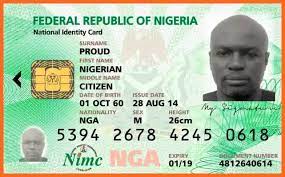
Mainstreaming marginalised groups in Nigeria’s identification system

By Muhammad Mikail

The World Bank Group’s Identification for Development (ID4D) initiative estimated that 1 billion people were without an officially recognised means of identification (ID), and the majority are women. This problem is particularly acute in Low—and Medium-Income Countries (LMICs), where the 2017 Global Findex survey estimates that 44 per cent of women do not have an ID compared to 28 per cent of men (World Bank Gender Gap Report 2021).

In Nigeria, different studies and surveys have identified many challenges and barriers as the cause of the low National Identification Number (NIN) enrolment by women, children, Persons with Disabilities (PWDs), and other marginalised groups. These groups experience challenges in obtaining ID due to the distance to travel for registration, transport costs, long wait times, and multiple visits. 

Some of the identified barriers to enrolling for the NIN for women, children, and PWDs have emanated from social norms about gender roles that allocate certain household work, responsibilities, and childcare to women, exacerbating their time constraints. Most often, women needing permission from husbands and fathers can be a huge barrier for many, especially in environments where knowledge and awareness about IDs are limited. 

Also, poor facilities combined with long wait times are particularly hard for elderly people, pregnant and nursing mothers, and persons with disabilities. These barriers to registration are even greater for pastoralists and IDPs who are less aware of pertinent registration information such as location, time, and necessary supporting documentation.

Many IDPs have low trust in the government, while people living in camps are further away from service access points. Pastoralists and migrant fisherfolk and farmers also typically have less engagement with the government and are less likely to have IDs, though this varies significantly by region. Women from these communities are likely doubly disadvantaged by their gender and their pastoral identity. Women with disabilities and internally displaced women are also likely to face additional barriers and greater exclusion from society than women without disabilities or women who have not been displaced (World Bank Gender Gap Report 2021)

The United Nations High Commission for Refugees (UNHCR) in July 2023 revealed that Nigeria has over 3 million Internally Displaced Persons (IDPs), about 2 million returnees, and 100 thousand refugees/asylum seekers from 41 countries, with the majority from the Democratic Republic of Congo, Niger, Central Africa Republic, Cameroon, Syria, Turkey, Mali, and 34 other countries. Also documented by UNHCR are over 300,000 Nigerian refugees registered in Cameroon, Chad, and Niger. 

These individuals may have difficulty accessing basic rights such as banking, telephone, education, healthcare, employment, and freedom of movement and may face a lifetime of obstacles and exclusion without access to the National Identification Number (NIN). Aside from creating a huge gap in the database in terms of inclusivity and spread, this leaves behind a very huge number of unidentified underserved persons with the risk of being excluded from government services, restriction in movements, and lack of access to healthcare. It also creates a clog in the federal government’s attempt to commit to the sustainable development goals of providing identities for everyone and “leaving no one behind.”  When you have millions of unidentified persons outside of your country’s identity database, it means your economic planning will fall short and by extension, Nigeria’s socio-economic development will suffer.

In recognition of these challenges and in commitment to achieving universal access to ID and closing the gaps, the Government of Nigeria commissioned a strategic roadmap in 2018 as part of the country’s Economic Recovery and Growth Plan (ERGP) as its overall strategy to drive the country’s economic development. Several reforms were contained in the roadmap. Principally, the country was to adopt the ecosystem approach to NIN enrolment that involved Civil Society Organizations (CSOs), ministries, departments and agencies of government, licensed enrolment partners, international Non-Governmental Organisations, and all relevant stakeholders in the ID space.  

Also, the National Identity Management Commission is working with the Nigeria Digital Identification for Development Project (NDID4D) with support from the World Bank, the French Development Agency (AFD), and the European Investment Bank (EIB) in implementing a series of sustainable and innovative reforms. The goal is to remove all current challenges and difficulties that people face in enrolling for IDs, fostering a robust, seamless, and more inclusive enrolment system where ID is provided for everyone, and no one is left behind.  

As a result, the NDID4D Project established collaboration with the National Commission for Refugees, Migrants, and Internally Displaced Persons (NCFRMI) and their international counterpart, the United Nations High Commission for Refugees (UNHCR). This is aimed at addressing these challenges and removing barriers these vulnerable individuals may face to obtaining the NIN needed to facilitate their rehabilitation, reintegration, and resettlement into society. 

As part of the collaboration, the NCFRMI has agreed to activate its enrolment licence previously issued by NIMC to participate as an enrolment partner targeting refugees, migrants and IDPs in 5 states where there are large clusters of these vulnerable groups. The states are Adamawa, Taraba, Benue, Cross-River, and Akwa-Ibom. Although refugees also live in cities including Lagos, Ijebu, Abuja, Kano, and urban areas in other States, the selected 5 states host the majority of these vulnerable populations and will, therefore, serve as a starting point for this enrolment. 

With support from UNHCR, the refugee commission is planning to procure 6 enrolment devices and nominate 20 of its staff as enrolment agents to support this endeavour. On its part, the NIMC, with support from the NDID4D Project, will onboard these enrolment devices and train all licensed enrolment partners to be deployed to the various states and locations to carry out the enrolment. The NIMC, in collaboration with the NDID4D Project, is fashioning ways to clear the backlog of enrolment fees owed to enrolment partners and has also developed a robust business model to incentivise all partners, particularly those who will be conducting enrolment in remote and hard-to-reach communities and locations.  

In ensuring that the fundamental right of every Nigerian to a verifiable identity is secured, the National Identity Management Commission needs to work overtime in introducing innovative reforms in line with global best practices. Engagements and consultations with critical stakeholders on the amendment of the NIMC Act to ensure it is in consonance with the current digital realities and ease integration with other foundational ID agencies like the NPC should be sustained. Efforts need to be geared to working tirelessly on upgrading the enrolment software and ensuring training and retraining of all licensed enrolment partners on interacting effectively with the people, global best practices in customer service and grievance handling. 

In the same vein, national awareness and information campaigns that use multiple channels inclusive of both conventional and new media to reach diverse groups in raising awareness about NIN enrolment, including information on where and how to enrol, what is required to enrol, and—especially—why enrolling is important for everyone, not just women, children and PWDs should be commissioned. This should be done while equally engaging traditional, community and local leaders especially male leaders, to proactively promote women’s and girl’s registration.

The recent collaboration between the NIMC and the National Social Safety Net Project to extend to streamline enrolment of the poorest of the poor in the national social register while ensuring those on the register are both issued a valid NIN and are captured into the National ID database is a strategic move that deserves commendation.

Enrolment centres and registration points should be located close to communities to reduce travel costs and time, enhance access to ID and adopt culturally appropriate policies to encourage and prioritise enrolment for women and girls and marginalised groups. This may involve Mobile registration centres to bring the enrolment process closer to the people in the rural/hard-reach areas.

The recent workshop held in Abuja to validate the NIMC’s disability inclusion policy represents a critical step forward in ensuring that the National Identity Management System is inclusive and accessible to all citizens, particularly persons with disabilities. Collaboration with the National Commission for Persons with Disability should be sustained.

In the same vein, digital identity can also enhance security and privacy. With robust authentication mechanisms in place and monitored by the Nigeria Data Protection Commission, individuals can rest assured that their personal information is protected from unauthorised access. This is particularly germane in an era and country like ours where data breaches, phishing and identity theft are on a steady rise. This can help bridge the digital divide by enabling greater secured access to services for all citizens and empowering marginalised communities to fully participate in the digital economy

Conclusively, the National Identity Management Commission (NIMC) faces an arduous task of showing Nigerians the value of having a NIN and its relevance in accessing critical services used by both women and men while ensuring non-possession of the ID does not exclude people from services. These will not only help in allaying the fears and resolving the complaints of aggrieved Nigerians and potential enrollees, but they will also help the NIMC win back the trust of the Nation. 

Muhammad Mikail writes from Abuja and can be reached via muhammadnmikail.mm@gmail.com.

Senator Ndume apologizes to APC for public criticisms, stands firm on statements 

Senator Ali Ndume, former Senate Chief Whip, has apologised to the leadership of the All Progressives Congress (APC) for failing to consult the party before publicly criticizing President Bola Ahmed Tinubu’s administration. 

Ndume, representing Borno South in the National Assembly’s upper chamber, reaffirmed his statements, saying, “Whatever I said or whatever I did was out of patriotism.” 

He explained that he was invited by the party to discuss his actions and accepted the mistake of not consulting the party first.

“I promised the party that all my observations as a senior member of the family should have terminated or ended with the party,” Ndume said. However, he maintained that his criticisms were truthful, even if strong.

“Those issues may be said strong, but they are true… I should have talked to the party as the last bus stop.” 

Ndume’s apology comes after he was invited by the party to discuss his public statements, which were seen as critical of the APC leadership.

Despite apologising for not consulting the party, Ndume remains firm in his convictions and commitments to speaking out for the good of the country.

Kano civil servants ordered to resume work immediately

By Anas Abbas

In a bid to restore normalcy, the Kano State government has ordered all the state’s civil servants to resume work immediately, following a relaxation of curfew hours by 12 hours.

According to a press release by Bintu Nuhu Yakasai, Director of Public Enlightenment in the Office of the Head of Service of the Kano State, the directive follows the state government’s decision to relax curfew hours from 6:00 a.m. to 6:00 p.m.

Musa appealed to civil servants to report to their offices at the usual hour of 8:00 a.m. each day.

The Head of Service reaffirmed the state government’s commitment to enhancing the civil service and improving workers’ lives. He urged civil servants to redouble efforts to boost service delivery, striving for excellence in their roles.

He also stressed the need for civil servants to comply with the directive, returning to work immediately to ensure uninterrupted public services.

Sponsors of rioters waving Russian flag arrested – Egbetokun

By Uzair Adam

The Inspector-General of Police, Kayode Egbetokun, announced that the police have apprehended individuals responsible for sponsoring rioters who displayed foreign flags and called for a change in government.

The Daily Reality learned that an investigation is underway to determine their motivations.

The Comptroller General of the Nigerian Immigration Service, Kemi Nandap, revealed that some sponsors are based in the diaspora and have been identified and watchlisted.

He said that any attempts by them to enter the country will be met with arrest.

IGP Egbetokun also stated that funders of violence and subversion, both within and outside Nigeria, have been tracked, and their accounts have been blocked.

The security agencies assured that they have been managing the crisis carefully, using only tear gas and not live ammunition or rubber bullets.

He added that the reported shooting of a protester in Abuja is being investigated and may have been the work of armed robbers or hoodlums.

The Chief of Defence Staff, General Christopher Musa, emphasized the commitment of security agencies to their task and the respect they have for the country.

The Chief of Army Staff, Lt. General Taoreed Lagbaja, assured that the Nigerian Army will protect Nigeria’s democracy, peace, and harmony.

The DSS spokesman, Dr. Peter Afunanya, confirmed that some sponsors of the foreign flags have been arrested and urged patience as their identities will soon be disclosed.

Promoters of #EndBadGovernance protests on watchlist—NIS

By Anwar Usman 

The Nigerian Immigration Service (NIS) has placed sponsors of the nationwide #EndBadGovernance protest on its watchlist. 

The Comptroller-General of NIS, Kemi Nandap, who disclosed this at Defence Headquarters, Abuja, on Tuesday, said these persons abroad would be arrested immediately they step their legs in Nigeria. 

She spoke after a strategic meeting organised by the Chief of Defence Staff, Gen. Christopher Musa. 

The Defence Chief and other heads of intelligence agencies as well as heads of paramilitary agencies were in a closed-door with a view to implementing the crackdown order given by the President, Bola Tinubu. 

While speaking to journalists, a Nandap said, “We have diaspora sponsors, they are on our watchlist.

Any attempt they make to come into the country, we’ll be notified and they will be apprehend and handed to appropriate authority.” 

The immigration boss said the service has, in response to the protest, deployed more officers to borders, both land and airports, to ensure effective manning of those entry and exit points. 

She added that the service has also stepped up surveillance to prevent foreign intervention in the country. 

On the other hand, the Director-General Department of State Services (DSS), Yusuf Bichi, said the agency had uncovered some sponsors but declined to give further information. 

The secret police boss, represented at the meeting by the DSS’ spokesperson, Peter Afunanya, said some bank accounts have already been blocked. 

Afunanya said some of the persons operating such accounts are staying abroad, adding that they are being monitored.

Kamala Harris picks Minnesota Governor Walz as running mate for November election

By Sabiu Abdullahi 

Vice President Kamala Harris has selected Minnesota Governor Tim Walz (D) as her running mate for the upcoming November election, according to sources close to the matter. 

Walz, 60, emerged as a surprising choice for the vice-presidential spot, gaining traction following a recent cable news interview where he described some Republicans as “weird.” 

This characterization was subsequently adopted by national Democrats, The Hill reports. 

Walz’s selection comes after speculation initially centered on other high-profile Democrats, including Pennsylvania Governor Josh Shapiro (D) and Arizona Senator Mark Kelly (D). 

His appointment is seen as a strategic move to appeal to the left, given his strong liberal credentials. 

Other potential candidates, such as Shapiro and Kelly, had faced criticism from progressive groups—Shapiro for his management of pro-Palestinian protests during the Israel-Hamas conflict, and both for their positions on union issues.  

Walz’s Midwestern background is also considered a key factor, particularly as Trump has been intensifying his campaign efforts in Minnesota, a state Biden won by 7 points in 2020. 

With Trump and JD Vance increasing their efforts to flip the state, Walz’s presence on the ticket could strengthen support in this crucial region. 

Harris is expected to make the formal announcement about her vice-presidential running mate today (Tuesday), ahead of a week of joint campaigning in key battleground states.

JUST IN: Kano Government Eases Curfew by 12 Hours

By Uzair Adam

Kano State Government has announced a relaxation of the curfew, which will now be in effect from 6 AM to 6 PM.

This decision was revealed by Kano Police Commissioner Dogo Salman following a joint security meeting with Governor Abba Yusuf at the Government House.

Commissioner Salman highlighted the government’s ongoing commitment to maintaining peace and order while gradually lifting restrictions to allow residents to resume normal activities.

The adjustment in curfew hours reflects the improved security situation and the efforts of security agencies in restoring normalcy to the state.

Governor Yusuf urged citizens to cooperate with law enforcement and adhere to the revised curfew regulations to ensure continued safety and stability in Kano.

Obasanjo criticizes Tinubu’s approach to fuel subsidy removal

By Uzair Adam

Former President Olusegun Obasanjo has criticized the manner in which President Bola Tinubu’s administration removed the fuel subsidy in 2023.

In an interview with the Financial Times, Obasanjo argued that the government should have implemented certain measures before taking such a drastic step.

Obasanjo emphasized that the sudden removal of the subsidy led to a significant rise in petrol prices, from about N200 to over N600 per litre.

He noted that the subsidy, which was declared “gone” by Tinubu during his inaugural address on May 29, 2023, has now effectively been reintroduced due to inflation.

“There’s a lot of work that needs to be done. Not just wake up one morning and say you removed the subsidy. Because of inflation, the subsidy that we have removed is not gone. It has come back,” Obasanjo stated.

He further highlighted the need for investor confidence in Nigeria, stating, “You have to go from a transactional economy to a transformational economy.”

The Daily Reality reports that among the demands of the ongoing nationwide protest is the reinstatement of the fuel subsidy.

However, in a recent broadcast, President Tinubu dismissed the possibility of bringing back the subsidy.

He described the decision to remove it as painful but essential, stating that it had been a “noose around the economic jugular of our nation” and had stifled economic growth and progress.

Arrest of protesters violates human rights – Global Rights

By Uzair Adam

As the national protests stretch into their fifth day, Global Rights, Nigeria, has strongly criticized the arrest of peaceful demonstrators, labeling it a violation of fundamental human rights.

Abiodun Baiyewu, Executive Director of Global Rights, Nigeria, in an interview with journalists, emphasized that the government’s actions in arresting peaceful protesters are unjust.

“These arrests violate their rights to freedom of assembly and expression,” Baiyewu said.

“The government speaks of wanting dialogue, yet its actions contradict this claim. Detaining protesters at this critical juncture is fundamentally wrong.”

Baiyewu called for the immediate release of those detained, clarifying, “While we understand the arrest of rioters in Kano State amidst chaos, detaining peaceful protesters infringes on basic human rights. The government must stop this behavior.”

She further cautioned that these arrests could exacerbate the situation, urging the government to reconsider its approach carefully.