Month: April 2024

Celebrating Fatherhood: The essential pillar of Islamic family values 

By Muhammad Isyaku Malumfashi

The importance of fathers in raising and nurturing children is profoundly emphasised in Islamic teachings. Yet, in contemporary times, there seems to be a prevailing tendency among some to overlook fathers’ significant contributions and role in their children’s lives, often overshadowed by the accolades bestowed upon mothers. This imbalance warrants a closer examination and a reaffirmation of fathers’ vital position within the Islamic family framework.

Within the teachings of the Quran, the holy book of Islam, and the authentic Hadiths of Prophet Muhammad (peace be upon him), numerous references underscore the pivotal role of fathers in their children’s lives. One such verse from the Quran states: “And We have enjoined upon man [care] for his parents. His mother carried him, [increasing her] in weakness upon weakness, and his weaning is in two years. Be grateful to Me and to your parents; to Me is the [final] destination” (Quran 31:14).

This verse encapsulates the essence of filial duty toward both parents, highlighting the unique sacrifice and nurturing provided by the mother during pregnancy and infancy, yet equally emphasising the obligation to express gratitude and care towards both parents. The Hadiths further elucidate this principle, with Prophet Muhammad (peace be upon him) emphasising the importance of honouring and respecting fathers alongside mothers.

Prophet Muhammad (peace be upon him) is reported to have said, “He is not one of us who does not have mercy upon our young ones and does not honour our elders.” This profound statement encapsulates Islam’s holistic approach to familial relationships, emphasising compassion and respect for all members, including fathers.

Furthermore, the Quran emphasises the importance of maintaining kinship ties, which inherently include honouring and supporting one’s parents, including fathers. Surah Al-Isra, verse 23, states: “And your Lord has decreed that you not worship except Him, and to parents, good treatment. Whether one or both of them reach old age [while] with you, say not to them [so much as], ‘uff,’ and do not repel them but speak to them a noble word.”

This verse underscores the obligation to treat both parents with kindness and respect, regardless of their circumstances. It highlights the significant role fathers play in the family dynamic. It admonishes any disrespect or neglect toward parents, emphasising the importance of maintaining a dignified and compassionate attitude toward them.

In light of these Islamic teachings, it becomes evident that the role of fathers is not to be understated or overlooked. Fathers serve as the bedrock of the family structure, providing guidance, support, and protection to their children. They instil values, morals, and principles that shape the character and identity of their offspring.

Moreover, fathers serve as role models for their children, imparting invaluable lessons through actions and words. They offer strength, stability, and wisdom, providing inspiration and guidance for their children to emulate.

In today’s rapidly changing society, where the traditional roles and dynamics within families are evolving, it is imperative to reaffirm the importance of fathers in the upbringing and development of children. Children should be encouraged to recognise and appreciate the sacrifices and contributions made by their fathers, alongside their mothers, towards their well-being and upbringing.

It is essential to foster a culture of respect, gratitude, and support towards fathers, recognising their integral role in shaping the future generations of Muslims. By upholding the teachings of Islam regarding familial relationships and honouring both parents, we can strengthen the fabric of our families and communities, ensuring harmony, stability, and prosperity for generations to come.

In conclusion, fathers hold a sacred and irreplaceable position within the Islamic family framework. Their role in raising and nurturing children is indispensable, as emphasised by the Quranic verses and authentic Hadiths of Prophet Muhammad (peace be upon him). Therefore, it is incumbent upon us to acknowledge, appreciate, and support fathers in their noble endeavour of raising righteous and virtuous children, for they are indeed the cornerstone of every family.

Muhammad Isyaku Malumfashi with the Ramadan dose.

Nigeria’s out-of-school children situation is disheartening

By Abdullahi Adamu 

The description recently by Senator Comrade Adams Oshimole, again at his best, advocating for good funding and monitoring of Universal Basic Education of the ever-rising number of out-of-school children across Nigeria as a “time bomb” is a repetitive sound bite. The reality of a large population of uneducated Nigerian youths has been a talking point for decades and is still rising. It is a pointed reflection of the incompetence, neglect and utter lack of vision of successive federal and state governments.

Talk is cheap; Senator Adam urged the state governments and the elite, including FCT, to take the necessary extraordinary measures immediately to defuse the deadly incendiary situation they created.

UNICEF adds that one in three children in Nigeria is out of school, totalling 10.2 million at the primary level and 8.1 million at the junior secondary school level. It said one in every five out-of-school children in the world is in Nigeria. These statistics are depressing; state governors can no longer afford to nurture another generation of illiterates.

The worst and increasingly incorrigible offenders are the Northern states and the region’s elite. Over 60 per cent of the total is in the North.

Out-of-school children are a social and serious security problem for us. I want to say that there are more than 20 million out-of-school children because the 20 million we are talking about are possibly only in basic education, that is, primary school and junior secondary school; what about those who have finished junior school and are unable to go back to Senior Secondary School? 

“We must be talking about 30 million out of school. That is a vast population and is a major issue. This is one issue that the state and federal government must take seriously,” Senator Lawan said.

Education is the key to Nigeria’s development. Oshiomhole stressed that Nigeria appears to be failing in its national plan for growth due to the lack of basic education. “It is not right for us to boast of an ultra-modern government house and have the most dilapidated schools and even employ teachers not to pay them.”

We have angry and hungry people in the classroom; they can’t be nice to our children, and when they show no kindness to those children, those children grow up without care, without feeling, and believing that society is uncaring.

This is a call to the government to embark on a comprehensive and radical educational curriculum review across Nigeria and prioritise skills rather than old-fashioned theories and colonial educational system expansion to help human economic growth, skills acquisition, and small-scale industry expansion.

The government must take a close look at what is happening to our children in Nigeria and the opportunities they are missing out on because they lack education. 

We need to look towards communities—leaders, parents, teachers, and caregivers—and together, find the best strategies to ensure that all children enroll in school, have access to continuous learning, and emerge with quality skills that equip them for a prosperous future. The situation has even worsened since then, up to 2023.

The government also need to ensure that children are safe when they are in school – no child should be afraid to enter a classroom – afraid their school might be attacked or that they will be kidnapped. And no parent should fear sending their children to school.”

In 2021 alone, there were 25 terrorist attacks on schools. A total of 1,440 children were abducted, while 16 children were killed. In March 2021, about 618 schools were shut down in Sokoto, Zamfara, Kano, Katsina, Niger and Yobe states over the fear of attack and abduction of pupils and members of staff.

Nigeria’s education system can be transformed through adequate funding.

Abdullahi Adamu wrote via nasabooyoyo@gmail.com.

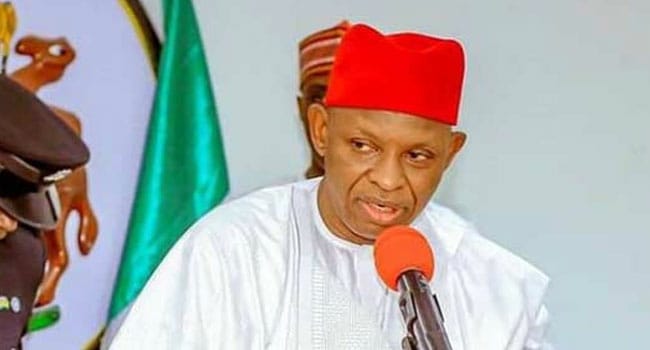
Governor Abba K. Yusuf’s admin under scrutiny: Mismanagement and controversies rock Kano

By Umar Sani

Governor Abba Kabir Yusuf’s tenure in Kano State has been marked by a series of controversies and challenges, with the most recent scandal surrounding the Ramadan feeding program shedding light on broader issues of governance, priorities, and accountability. As we delve into the intricacies of these matters, it becomes evident that there are systemic failures that need to be addressed urgently to restore public trust and ensure effective governance in Kano.

The Ramadan feeding program scandal serves as a microcosm of the larger issues plaguing Governor Yusuf’s administration. This program, which is meant to provide essential support to the less privileged during the holy month of Ramadan, has instead been tainted by allegations of corruption, mismanagement, and inhumane practices. Reports indicate that resources allocated for the program have been misappropriated, with food meant for the needy ending up in the hands of those who are already well-off. Furthermore, there have been disturbing revelations of substandard food being distributed, posing health risks to the recipients.

Such egregious mismanagement not only squanders public funds but also undermines the intended purpose of welfare programs, which is to alleviate poverty and provide a safety net for society’s most vulnerable members. It reflects a blatant disregard for the welfare of the people and a failure to uphold the principles of transparency and accountability in governance.

However, the issues plaguing Governor Yusuf’s administration extend beyond the mismanagement of specific programs. There are deeper underlying problems related to governance, priorities, and political dynamics that must be addressed comprehensively.

One key issue is the misplacement of priorities. Despite the pressing need for investment in critical sectors such as healthcare, education, and infrastructure, resources have been diverted towards superficial endeavours associated with Governor Yusuf’s political agenda. The phenomenon of Abba Gida Gida, characterized by flashy projects and grandiose gestures, has overshadowed genuine efforts to address the socio-economic challenges facing Kano State.

The emphasis on political symbolism over substantive governance reflects a fundamental disconnect between the government and the governed. Instead of focusing on initiatives that have a meaningful impact on people’s lives, Governor Yusuf has prioritized activities that serve his political interests and consolidate his power base. This shortsighted approach not only undermines the credibility of the government but also exacerbates the suffering of the ordinary citizens who bear the brunt of poor governance.

Moreover, Governor Yusuf’s close association with the Kwankwasiyya political movement has further complicated governance in Kano State. While political alliances are a common feature of Nigerian politics, the tight grip of Kwankwasiyya on the state’s affairs has stifled dissent and marginalized opposing voices. This monopolization of power has created a culture of impunity where accountability is sacrificed at the altar of political expediency.

The entrenchment of Kwankwasiyya in Kano’s political landscape has also fueled factionalism and polarization, undermining efforts to foster unity and inclusivity. Instead of governing for the collective good, Governor Yusuf has been preoccupied with consolidating his grip on power and silencing dissenting voices within his own party and the opposition.

Furthermore, the lack of effective checks and balances has enabled corruption and malfeasance to thrive unchecked. The absence of independent oversight mechanisms has emboldened corrupt officials to exploit public resources for personal gain, exacerbating the state’s economic woes and widening the gap between the rich and the poor.

To address these challenges and chart a path towards genuine reform, Governor Yusuf must demonstrate a commitment to transparency, accountability, and inclusivity in governance. This requires a paradigm shift away from political patronage and towards evidence-based policymaking that prioritizes the needs of the people above partisan interests.

In addition, there is a need for robust institutions and mechanisms to curb corruption and hold public officials accountable for their actions. This includes strengthening anti-corruption agencies, empowering civil society organizations, and promoting a culture of transparency and accountability across all levels of government.

Moreover, Governor Yusuf must prioritize investments in critical sectors such as healthcare, education, and infrastructure to improve the quality of life for all citizens. This requires prudent resource management and strategic planning to ensure that public funds are utilized efficiently and effectively to address the most pressing needs of the population.

Furthermore, Governor Yusuf should endeavour to build bridges across political divides and foster a spirit of inclusivity and cooperation in governance. This means reaching out to opposition parties, civil society groups, and other stakeholders to solicit their input and support in addressing the state’s challenges.

Ultimately, the road to meaningful reform in Kano State will require courage, vision, and a genuine commitment to the principles of democracy, good governance, and social justice. Governor Yusuf has a historic opportunity to leave a positive legacy by addressing the root causes of the state’s problems and charting a new course towards prosperity and progress for all its citizens. However, this will require bold leadership and a willingness to challenge the status quo in pursuit of a brighter future for Kano State.

Umar Sani wrote via umarhashidu1994@gmail.com.

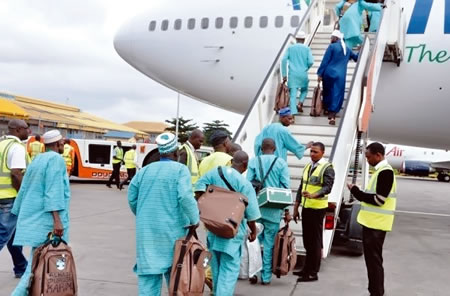
It is time to redesign Hajj management in Nigeria

By Zayyad I. Muhammad 

Hajj management in Nigeria is facing two main problems. Firstly, funding is tied to the dollar; once the dollar’s value fluctuates against the naira, the hajj fare becomes uncertain. This is currently happening. The second problem relates to flight schedules to and from Saudi Arabia, etc. These problems are twofold, so to speak, and should be collectively tackled by both the National Hajj Commission of Nigeria (NAHCON) and state Hajj commissions.

The solution to these problems could be as follows:

Firstly, the Nigerian hajj fare should be tied to or pegged to the Saudi Riyal. The Riyal is stable due to the country’s strong economic fundamentals and prudent financial management. Additionally, apart from pegging the Nigerian hajj fare to the Saudi Riyal, the National Hajj Commission of Nigeria should study the Malaysian hajj management model.

In Malaysia, the Hajj has a funding management system called the Tabung Haji. Research on the Malaysian system of hajj management indicates that it involves several components. The Tabung Haji (Pilgrims’ Fund Board) plays a crucial role in managing the financial aspects of Hajj for Malaysian pilgrims.

Malaysian Muslims intending to perform Hajj must make regular contributions to Tabung Haji. These contributions accumulate over time and cover expenses such as transportation, accommodation, and other logistical needs associated with Hajj. NAHCON also implements a similar savings scheme, albeit with limited success. It’s time for NAHCON to redesign the Hajj Savings Scheme in collaboration with banks and other financial institutions, particularly those offering Islamic banking services.

The new scheme should allow intending pilgrims to enter into an investment plan for more than one year. As pilgrims deposit funds into their accounts, the bank or financial institution would invest the money for a period ranging from 2 to several years. By the end of this period, pilgrims would have accrued enough funds for the Hajj fare, along with additional profits. This approach would streamline the process for both pilgrims and commissions, providing ample time for planning.

Taking a clue from the Malaysian Tabung Haji, it manages its funds through various Shariah-compliant investment instruments, such as equities, real estate, and sukuk (Islamic bonds). The returns from these investments sustain Tabung Haji’s operations and cover the costs of Hajj for Malaysian pilgrims.

In addition, the Malaysian Tabung Haji has achieved remarkable success by offering diverse Hajj packages customised to meet the needs and preferences of Malaysian pilgrims. These packages encompass a range of services, including luxury accommodation in Makkah and Madinah, transportation, meals, and guidance.

Moreover, Tabung Haji extends financial assistance to eligible Malaysian pilgrims who may require support to undertake the Hajj journey. This assistance may comprise subsidies for Hajj expenses or loans to cover pilgrimage costs, which can be repaid in instalments.

The National Hajj Commission has demonstrated commendable efforts over its three decades of existence. However, the current instability in the exchange rate between the dollar and the naira underscores the need for the commission to consider pegging the hajj fare to the stable Saudi Riyal. Additionally, NAHCON should revamp the Hajj Savings Scheme to offer long-term, Halal investment options for intending pilgrims. This approach would contribute to a more organised and financially sustainable hajj management system.

To achieve these goals, NAHCON should establish a diverse team comprising individuals from various sectors to assist in redesigning the Hajj Management System, particularly the pilgrim savings scheme.

Zayyad I. Muhammad writes from Abuja via zaymohd@yahoo.com.

Nigeria Customs Service collaborates with Benin Republic to boost trade

By Sabiu Abdullahi 

The Nigeria Customs Service (NCS) is intensifying its collaboration with the Republic of Benin Customs Administration to boost trade activities between the two nations.

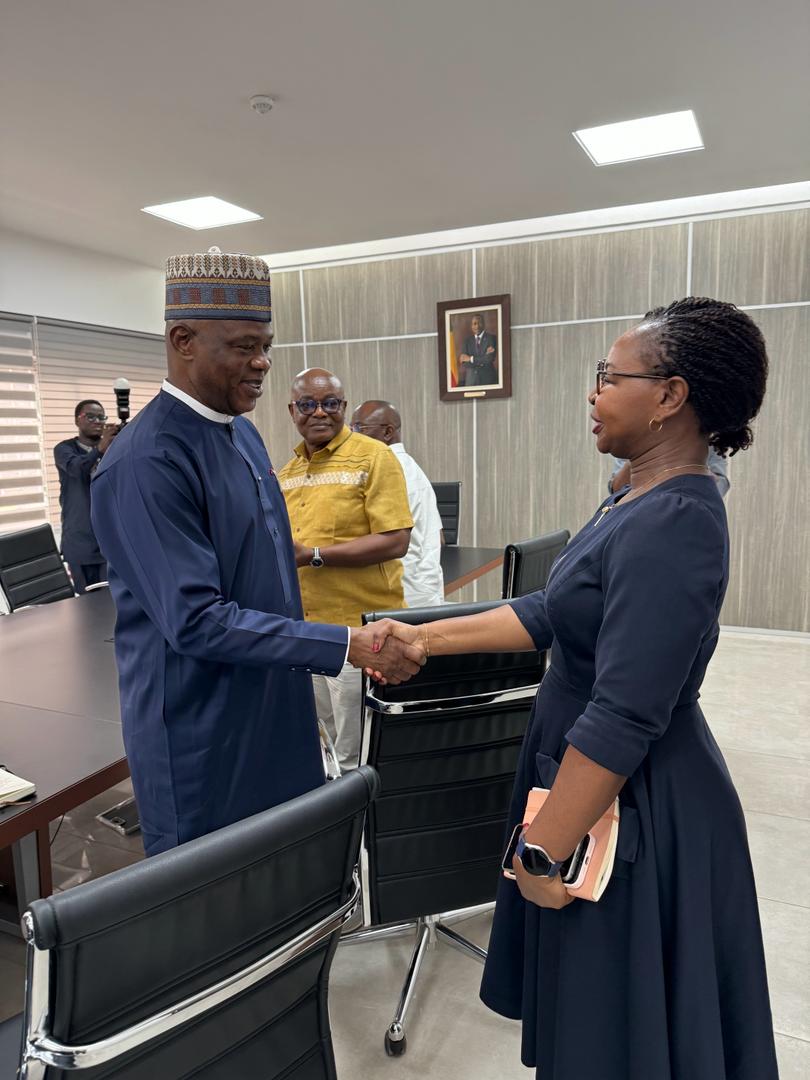
A high-level delegation led by the Comptroller-General of Customs (CGC), Bashir Adewale Adeniyi MFR, met with the Director-General of the Customs Administration of Benin Republic on Thursday, 11 April 2024. 

The primary agenda of the meeting was to discuss strategies to amplify trade activities and implement previously agreed-upon recommendations from their earlier meeting in Cotonou.

The CGC was quoted as saying, “We are cognizant of the established framework for cooperation between our respective customs administrations. This framework was established at a higher level by the authorities of the heads of State, President Patrice Talon of Benin and His Excellency President Bola Ahmed Tinubu of Nigeria, both expressing a desire to work together.” 

Mrs Adidjatou Hassan Zanouvi, the Director-General of Benin Customs Administration, welcomed the delegation and reaffirmed their commitment to executing the agreed-upon measures.

She stated the importance of thorough monitoring for effective implementation. 

The collaboration between the two customs administrations aims to facilitate seamless trade operations and the efficient management of cross-border activities for mutual benefit.  

During the visit, the CGC also inspected ongoing projects within the Nigeria Customs Service, Seme Area Command.

Accompanied by the Customs Area Controller, Comptroller Timi Bomodi, he assessed the progress of the projects and received assurances of diligent oversight from the responsible authorities.

Yoruba Nation: Police arrest 18 over attempt to seize Oyo Assembly

By Uzair Adam Imam  

A brazen attempt to seize control of the Oyo House of Assembly by individuals suspected to be affiliated with the Yoruba Nation movement was thwarted by police forces yesterday. 

At least 18 individuals were apprehended in connection with the incident, which unfolded just meters away from the Oyo State Government Secretariat. 

Reports indicate that the perpetrators, masked and clad in Army camouflage, armed themselves with rifles and strategically positioned themselves within the Secretariat’s vicinity.  

Some stationed themselves at the entrance of the Governor’s Office, while others were spotted near the state House of Assembly’s gate and the main entrance. 

The sudden incursion sparked panic in the area, prompting security operatives to respond with tear gas and arrests.  

The arrival of officers from the state Police Command and other anti-crime agencies, accompanied by sporadic gunshots, added to the chaos, forcing motorists to reroute and residents to seek safety. 

Efforts by the Executive Assistant to the Governor on Security, CP Sunday Odukoya (retd), to defuse the situation proved futile as the masked individuals remained adamant about hoisting their flag within the Secretariat premises. 

However, the arrival of soldiers from the 2 Division of the Nigerian Army shifted the dynamics, causing some of the agitators to flee.

The soldiers, described as stern-looking, reportedly pursued the remaining suspects. 

Meanwhile, the state secretariat’s main entrance was sealed off, and businesses in surrounding areas quickly shuttered as a precautionary measure. 

In a related development, a video surfaced featuring a woman identifying herself as Modupe Onitiri-Abiola, claiming to speak on behalf of the Yoruba Nation movement.

She declared the establishment of the Democratic Republic of Yoruba, asserting sovereignty and dissociating from Nigeria. 

Notable Yoruba Nation proponents, including Professor Banji Akintoye and Sunday Adeyemo (Igboho), disowned the attack, denying any involvement and stating their commitment to peaceful advocacy.  

Akintoye attributed the incident to individuals he deemed not to represent the authentic Yoruba Nation Movement. 

The State Police Public Relations Officer, SP Adewale Osifeso, disclosed that 18 suspects were arrested in possession of an array of weapons and paraphernalia.  

He condemned the incident as criminal and unpatriotic, pledging a thorough investigation and decisive action against those responsible.

Salute to a Woman of Substance: Hajiya (Dr) Hafsatu AbdulWaheed, D.Litt., Honoris causa

By Prof. Abdalla Uba Adamu

She has done it again. She first did it in 1974/80. In 2024, she repeated it. The feat that no female northern Nigerian has ever performed. Hajiya Hafsatu Abdul Waheed (b. 1952, Kano, northern Nigeria) was the first woman creative fiction writer from northern Nigeria to be published in any language, although hers was in Hausa.

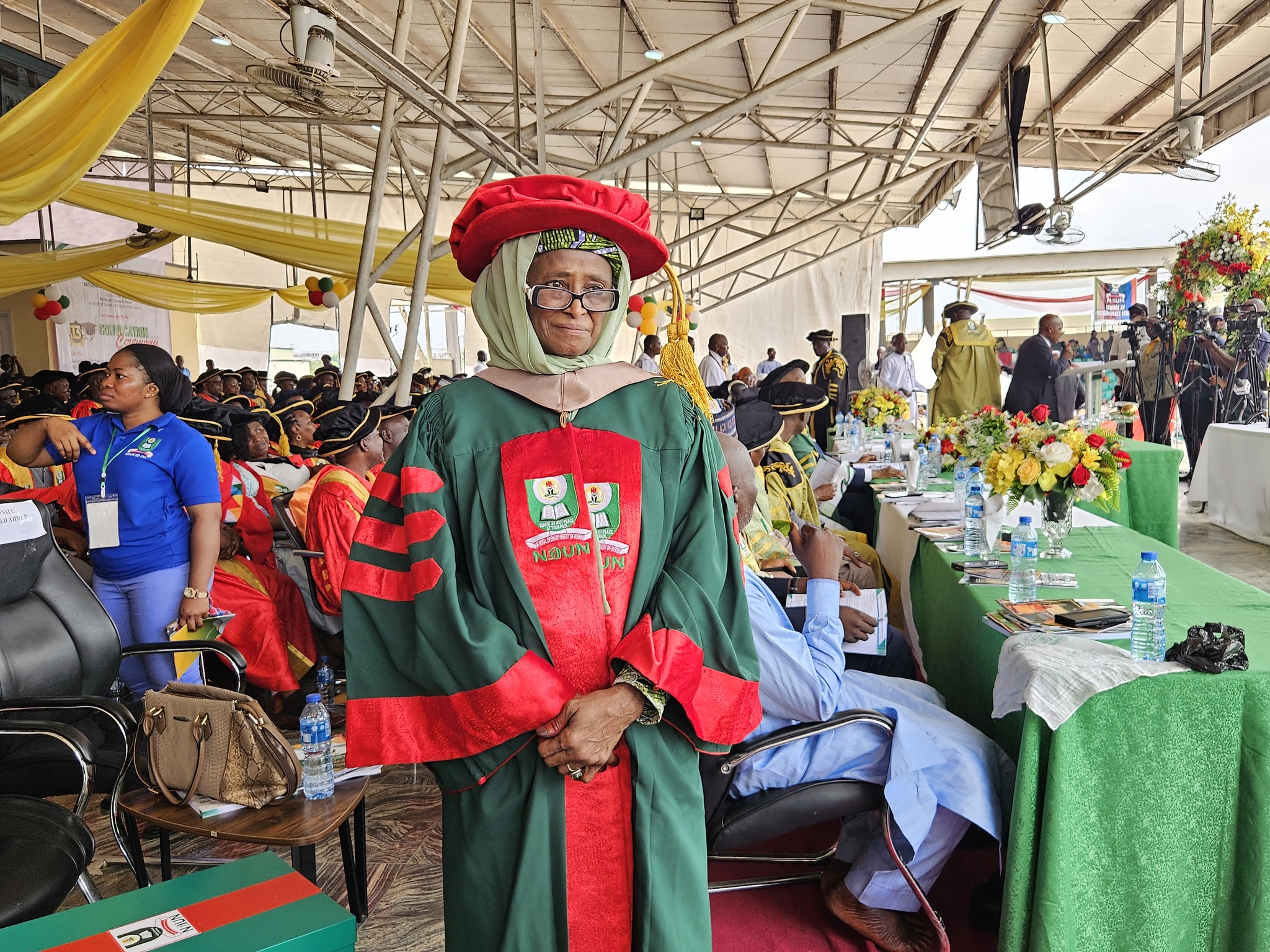
On 13th April 2024, she became the first female Muslim northern Nigerian to be honoured with D.Litt. (Honoris Causa “for the sake of the honour”) doctorate degree from a no less institution than the biggest online university in Africa, the National Open University of Nigeria (NOUN). This was at the 13th Convocation Ceremony of the university held on 13th April 2024 in Abuja, the main headquarters of the university.

In a way, Ms. AbdulWaheed represents a paradox. She is not Hausa or Hausa-Fulani. She is Fulani, pure and simple. She learnt Hausa only outside her family home, in school, but at home, it was Fulfulde all the way. Yet her creative writing has always been in Hausa, with the exception of one book of poetry in English and the recently published collection of short stories titled Sharo. Nothing in Fulfulde, though.

The common historical narrative on literary development in northern Nigeria was that a literary competition to encourage the reading culture among Hausa youth was organized by the Northern Nigerian Publishing Corporation (NNPC) in 1978. One of the entries, which was also one of the winners, was “So Aljannar Duniya” by Hafsatu Abdul Waheed. It was in the Hausa language. However, it would appear, according to Hafsatu herself, that she wrote the novel in 1972, and it was published in 1974.

It was, quite simply, the most radical novel in Hausa literary history. Even “Ƙarshen Alewa Ƙasa” by Bature Gagare (who died in 2002), an unconventional novel, , published in 1982 (as a result of a literary competition organized by the then Federal Department of Culture, Ministry of Social Welfare and Culture) did not come close. Curiously, they contrasted each other. Gagare’s novel is about the lost glory of the ‘original’ Hausa people—the Maguzawa. Hafsatu’s novel is about breaking the Pulaaku—the Fulani code of behaviour. Both Hafsatu and Gagare became spokespersons of their ethnicities.

So Aljannar Duniya is brash, bold, audacious, trenchant, and unapologetic. It is a declaration of war against Pulaaku. It was unarguably the first Fulani feminist tract written in Hausa. Hafsatu’s style and critique of tradition might be compared with those of Bilkisu Salisu Ahmed Funtuwa and Balaraba Ramat Yakubu. However, there are quite a few differences.

Despite its pioneering boldness, So Aljannar Duniya is difficult to read. Perhaps that was because the author started writing it while still in secondary school! Its narrative is often jumbled and non-linear. Understandable. It was written in anger, so words tend to wobble, but the message is clear. This is more so because it is ethnographic. Hafsatu wove a story around her sister, of course, a Fulani, who had every intention of marrying an ‘alien’—an Arab from Libya. So Aljannar Duniya is, therefore, a true story, spiced up by fictional elements to convey a message. As I said before, it is a feminist tract.

Balaraba Rama Yakubu, however, writes in a deeply engaging mature and absorptive style with plenty of hooks. For instance, “Wa Zai Auri Jahila?”, which I consider her best novel, is dark and deeply disturbing narrative of what in contemporary feminist Woke world would be considered an injustice to women, especially young girls in a traditional African society.

Although Novian Whitsitt, who did his PhD on Balaraba’s novels, referred to it as ‘feminist’ I disagreed with him. I labelled her works ‘womanist’, after Alice Walker’s short story, ‘Coming Apart’ (1979). As explained elsewhere, “a womanist is committed to the survival of both males and females and desires a world where men and women can coexist while maintaining their cultural distinctiveness.” This inclusion of men provides women with an opportunity to address gender oppression without directly attacking men (Adamu 2003). Balaraba reflects this in her novels, especially “Alhaki Kwikuyo” (translated by Aliyu Kamal and published by Blaft Books in India). Can’t say much about Bilkisu Funtuwa’s books, though, as I have never read any.

But Hafsatu AbdulWaheed is a feminist—at least as portrayed in So Aljannar Duniya. The plot revolves around a young Fulani lady who wants to marry an ‘alien’ (Arab) from Libya. In real life, Hafsatu’s elder sister. Their parents rejected the idea. The plot of the novel does away with the Fulani Pulaaku and introduces a brash, assertive, loud and anti-establishment heroine, Boɗaɗo, who, armed with a degree in Pharmaceutical Sciences, comes back to her village to set up a drug store (called Chemists in Nigeria, a bit like Walgreens) and introduces her fiancé—all un-lady like behaviours in the Fulani mindset.

Thus, she discards the Fulani munyal (self-control), semteende (modesty) and hakkillo (wisdom)—central components of Pulaaku—and declares, openly, her love for an “alien” in her auntie’s presence! The opening dialogue from the novel sets the pace in which Boɗaɗo, speaking, informs her aunt:

(Hau) Aure! Inna ni fa na gaya muku ba zan auri kowa ba sai wanda nake so. Kun san zamani ya sake.

(trans) Marriage! Aunty, I have told you that I will only marry the man I love. You know times have changed.

Such direct confrontation in a Fulani village was uncommon and reflects the author’s autobiographical rebellion against tradition. Her aunt—delegated to mediate in these matters on behalf of the protagonist’s mother—is shocked. As she lamented:

(Hau) Mhm! Wannan zamani, Allah Ya saukaka. Yarinya ki zauna kina zancen auren ki, sai ka ce hirar nono da mai. Don haka fa ba ma son sa ɗiyar mu makarantar boko. In kun yi karatu sai ku ce kun fi kowa. Me kuka ɗauke mu ne?

(trans) Mhm. These are difficult times. May Allah save us. Listen to you talk about your marriage as if you are talking about milk and butter. That is why we don’t want to send our daughters to school. After you finish, you feel superior to everyone. What do you take us for?

A battleground and the rules of engagement have been established—female empowerment through education—and Hafsatu chose the most conservative arena: a Fulani settlement, considered generally more trenchant about Pulaaku than urban Fulani. Additionally, the novel’s subtext of rebellion against arranged and forced marriage underscores Hafsatu’s acerbic demand for personal choice in marital affairs by women. It was a template for rebellion.

Another contrast between Hafsatu’s So Aljannar Duniya and Balaraba’s Wai Zai Auri Jahila? is in the choice of careers. Hafsatu chose Pharmacy for her protagonist, while Balaraba made her own a nurse. Pharmacy was a profession in the period, and by making her character a pharmacist, she thrusts Boɗaɗo into a man’s world to compete equally with men. Balaraba, on the other hand, by making her character a nurse instead of a doctor, maintains the womanist ethos of an achieving woman in a male-dominated society, fitting in with career stereotypes of women in caring professions.

The success of So Aljannar Duniya sent a message to the budding Hausa literati to pick up their pens and set to work—thus spawning a genre which t revolutionized the Hausa literary landscape in contemporary times.. Furthermore, the combined effects of the harsh economic realities of the 1980s (the decade of military coups and counter-coups in Nigeria) ensured reduced parental responsibility in the martial affairs of their children. Therefore, fantasy, media parenting, especially Hindi films, anti-authority and a loud, persistent message from bursting testosterones in a conservative society that sees strict gender separation combined to present Hausa youth with soyayya (romance) as the central template for creative fiction. It was a safety valve to repressed sexuality.

Hafsatu’s radicalism, however, did not end at rebellion against arranged or forced marriage for women. At one stage she declared to run for the office of the Governor of Zamfara State. This was provoked by a statement by the sitting governor that there were no educated women in the state. To prove him wrong, she decided to campaign for his chair! She even made posters, but was asked by her father to stop. At least, she had made a statement. Furthermore, her real-life echoes Boɗaɗo’s—she was also married to an ‘alien’ from the Middle East (a Syrian). Incidentally, it was a marriage that took her to Gusau, the Zamfara State capital, and I had the pleasure of meeting her late husband, Malam Ahmad Abdul Waheed, during a British Council “Intensities in Ten Cities” Islamophobia tour on 9th July 2003. Both Hafsatu and her husband were born and raised in Kano. It was his career that took them to Gusau.

In literary circles, she also has a voice. For one, she used to assiduously attend every single literary convention anywhere it was held. As part of ANA Kano activities, we were together in Niamey and Maraɗi in Niger Republic at various times to attend international conventions of Hausa writers. She never tired of attending and actively participating. Wonderful enough, she often went with her children and grandchildren, showing them the way. It is little wonder that some of these children became well-celebrated in their chosen professions—for they had a strong role model at home. A good example is her eldest daughter, Kadaria Ahmad, the award-winning journalist who owns and runs the NOW FM radio station in Lagos.

Thus, the recognition of the pioneering efforts of Hafsatu AbdulWaheed by the National Open University of Nigeria (NOUN) on 13th April 2024 during the university’s 13th Convocation was a salute not only to the resilience of feminist women but also to all Hausa language writers of both genders. As far as I know, she was the first female Muslim Fulani (or Hausa) writer to be so honoured by any university in Nigeria. She has, therefore, entered the history books. She is truly a woman of substance.

References.

Adamu, Abdalla Uba. “Parallel Worlds: Reflective Womanism in Balaraba Ramat Yakubu’s Ina Son Sa Haka.” JENDA: A Journal of Culture and African Women Studies, no. 4 (2003). https://bit.ly/3Q2gNlY.

Whitsitt, Novian. Kano Market Literature and the Construction of Hausa-Islamic Feminism A Contrast in Feminist Perspectives of Balaraba Ramat Yakubu and Bilkisu Ahmed Funtuwa. PhD dissertation, University of Wisconsin, 2000.

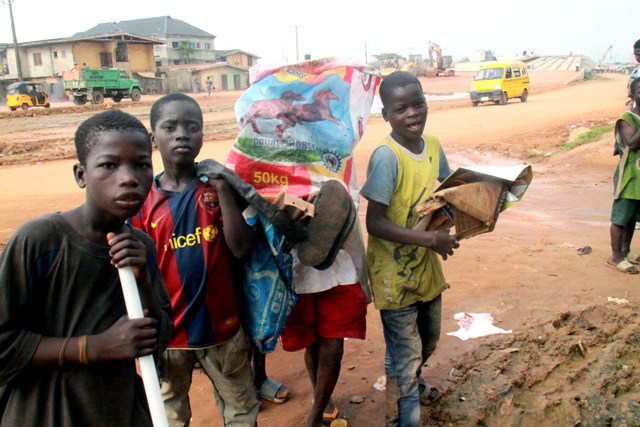
Matawalle lambasts Northern Elders Forum over comments on Tinubu’s administration

By Uzair Adam Imam

Minister of State for Defence, Bello Mohammed Matawalle, has strongly condemned the Northern Elders Forum (NEF), labeling the group as a divisive force in Northern politics that fails to represent the region’s true interests.

In response to recent comments by NEF spokesperson Abdul-Azeez Suleiman expressing regret over the North’s alleged support for President Bola Tinubu, Matawalle dismissed the NEF’s stance as shortsighted and detrimental to political harmony.

Matawalle asserted that the NEF’s threats against President Tinubu were “reprehensible and naive,” accusing the group of attempting to wield undue influence for their own political gain.

He criticized the NEF for undermining the democratic process and exacerbating disunity among Nigerians.

Furthermore, Matawalle contended that the NEF’s attempts to delegitimize Tinubu’s electoral victory in 2027 were baseless and lacking in merit.

He emphasized the need for constructive dialogue and cooperation to address the challenges facing Northern Nigeria, rather than engaging in divisive rhetoric.

Matawalle urged the NEF to refrain from actions that undermine the unity and progress of the nation, emphasizing the importance of fostering inclusive political discourse for the benefit of all Nigerians.

Channels Tv reporter freed after abduction in Rivers State

By Uzair Adam Imam 

Joshua Rogers, a reporter for Channels Television, has been liberated after a harrowing abduction from his residence in Rumuosi, Obio/Akpor area of Rivers State.  

His release, occurring around 10 p.m. on Friday, came unscathed, less than 24 hours after his capture on Thursday. 

Confirming his freedom, his colleague Charles Oporum shared the relieving news late Friday, stating, “Yes, he has been released about an hour ago, and has reunited with his family.” 

The television station’s management also affirmed Rogers’ safe return in a succinct statement, expressing gratitude to viewers and well-wishers for their concern during the distressing incident. 

In a heartwarming video, Rogers can be seen celebrating with his loved ones following his regained freedom.  

However, the circumstances surrounding his release remain shrouded in uncertainty, as it’s unclear whether security forces intervened or if a ransom was paid for his liberation. 

Both the police and the Department of State Services (DSS) launched rescue operations during his abduction, underscoring the collaborative efforts to secure his safety.  

Rogers, known as Channels TV’s Government House Correspondent in Port Harcourt, can now breathe a sigh of relief as he reunites with his colleagues and resumes his journalistic endeavors.

Over 1,500 schools in Kaduna lack fences—Governor Uba Sani 

By Uzair Adam Imam 

Kaduna State Governor, Senator Uba Sani, has said that more than 1,500 schools across the state, particularly in the eight frontline local government areas, are without proper fencing. 

Speaking to stakeholders from all 23 local government areas, Governor Sani stated the urgency of addressing this issue for the safety and security of students. 

The governor unveiled a plan to address this shortfall by enlisting the support of prominent Kaduna-based business figures, Alhaji Adamu Atta of Fifth Chucker and Alhaji Bukar Shettima of Barbados.  

Together, they will fund the construction of fences for 100 schools as part of the Safe School Initiative.  

Governor Sani noted that education is a top priority for his administration, seeing it as the key to unlocking potential and opportunity. 

The need for action became even more apparent following a tragic incident in Kuriga, where 137 children were kidnapped.  

Governor Sani cited this event as a catalyst for a comprehensive assessment of school infrastructure across the state, revealing a dire need for security measures, particularly in junior secondary and primary schools. 

Highlighting security as paramount, Governor Sani commended the efforts of the service chiefs, singling out the Chief of Defence Staff for establishing a military base in Kachia.