Month: April 2024

Plateau State: Time to send the Zionists packing

By Prof. Abdussamad Umar Jibia

Last night (Friday, 19/04/24), I sat to watch the national news, which I rarely do these days. Of course, I sometimes sit and watch. 

The first item I saw was a report of more killings in Plateau state. Plateau state is one of the two states in Northern Nigeria with a majority Christian population. That didn’t mean anything before. Jos, the state’s capital, had made a name for being a peaceful town you would visit and enjoy. The atmosphere was lovely; the city was peaceful, with lots of tourist attractions in its surroundings.

This made Jos a suitable candidate for situating the premier elitist National Institute of Policy and Strategic Studies, an institute attended only by a select few among the policymakers of Nigeria. That is not all. 

Different generations of politicians have selected the same Jos to host their party conventions, which can only take place in a peaceful atmosphere. As far back as December 1952, the National Council of Nigeria and the Cameroons (NCNC) held its convention in Jos. Forty-one years later, the Social Democratic Party (SDP) also had its historic convention in Jos. This convention resulted in the election of Chief MKO Abiola as its flag-bearer. No wonder the motto of Plateau state has been “Home of Peace and Tourism”.

All that was before the arrival of Zionists in the 1990s. The Zionists, who do not believe in Jesus as a messenger, a son of God or even a man of God, had convinced some ignorant Nigerian Christians that they were their brothers. Nigerian Christians thus mounted very high pressure on General Ibrahim Badamasi Babangida’s administration to bring back the Zionists who were expelled from Nigeria in 1973. Of course, even before 1973, Nigerians never wanted them. Their presence was imposed on us by the British.

Some of the slogans used by the Christian clergy included, “It is antichristian to antagonise Israel”, “Israelis are our brothers”, and “Nigeria stands to benefit from diplomatic relations with Israel”. Babangida yielded and restored diplomatic relations with Israel in September 1992. That single act was the greatest mistake any Nigerian leader would make since gaining the flag independence from the British. 

As soon as they settled down, the Israelis began implementing their scheme. They started issuing visas to Nigerian Christians to go on annual “pilgrimages” like Muslims. However, unlike Muslims who go to Saudi Arabia to worship, the Christian pilgrimage was purely a tourist visit with no defined acts of worship.

If it were just about tourism, the problem would have been less. In fact, there wouldn’t have been any problem at all. However, since the Christian pilgrimage started, peace has eluded Northern Nigeria. The city of Jos, which attracted Nigerians and their guests, has since become a ghost of itself. Nobody wants to visit Jos anymore. Youth corps posted to Jos desperately seek relocation. Travellers from Abuja to Bauchi and back now go through Kano to avoid being intercepted and murdered in Jos. 

The Zionist connection was exposed on the floor of the House of Representatives by the immediate past Deputy Speaker, Alhaji Ahmad Wase. In a widely circulated video, Alhaji Wase told the house how 300 people were sponsored for illegal military training in Israel. In addition, he said four containers of arms were brought into Plateau State from Israel. Alhaji Wase told the house he was ready to prove it with the necessary documents, including a committee report. Typical of Nigeria, no one bothered to follow it up. 

Alhaji Wase was only speaking about Plateau State. Who knows how much military training the Zionists gave militant groups like Boko Haram, bandits, ESN and the like operating in various parts of the country? And who knows how many more containers of firearms were brought in from Israel for their trainees?

As if that is not enough, after committing all these atrocities, the shameless murderers that the Zionists are told the United Nations, “Over the past decade, 50,000 Christians in Nigeria have been butchered and hacked to death”. This statement made by the Zionists ambassador to the United Nations, Gilad Erdan, in January this year was broadcast by major media houses, with some of Nigeria’s ignorant Christians hailing it.

We expect the Federal Government to call the Israeli ambassador to show evidence of 50,000 Nigerian Christians murdered by Muslims. Of course, we expect details since the enemies of Nigeria seem to have more information than our Federal Government. I would like to hope that the Zionists would also be made to account for all the atrocities they have been committing in the form of training of criminals and supply of logistics to same.

If the Federal Government allows the Zionists to continue with their business as usual, the rest of us would have no option but to believe that the war against insurgency is only a deceptive camouflage to divert the attention of Nigerians from their actual problem that the Zionists are. Billions of Naira of taxpayers’ money are being budgeted every year to fight insecurity when the actual enemy is left untouched.

There is no need to continue to maintain a worthless diplomatic relationship that has only helped to sow the seed of discord among Nigerians. This relationship keeps claiming more lives and property of Nigerians. With the genocide in the Middle East, Nigerian Christians have since found another location for their annual pilgrimage. So, no Nigerian needs Israel for anything anymore.

Mr. President, our diplomatic relations with Israel should not only be ended but investigated. 

Israelis must leave Nigeria now!

Professor Abdussamad Umar Jibia wrote from Kano via aujibia@gmail.com.

NAFDAC’s crackdown unveils counterfeit goods in Abuja

By Uzair Adam Imam

NAFDAC on Thursday uncovered a network of counterfeit goods being sold in Abuja, culminating in raids at Sahad Stores and H-Medix outlets.

The simultaneous raids across the capital city led to the confiscation of fake cosmetics and drugs.At Sahad Stores, renowned for its supermarket chain, authorities seized counterfeit products.

Meanwhile, at H-Medix outlets in Wuse 2 and Gwarinpa, as well as the Utako market, counterfeit cosmetics and medications were confiscated.

Embugushiki-Musa Godiya, the NAFDAC Head of Investigation and Enforcement/Federal Taskforce, FCT, Abuja, highlighted the extensive nature of the operation.

In addition to the raids in Abuja, similar crackdowns were carried out in Kugbo market in Nyanya and the Mararaba area in Nasarawa State earlier in the week.

Godiya expressed shock at the discovery of substandard products masquerading as reputable brands, such as purported NIVEA creams.

These counterfeit items, despite their inferior quality, were being sold at higher prices than genuine NAFDAC-approved products, illustrating the extent of criminal activity in the market.

The seized goods, including fake NIVEA products, cosmetics, and household items like Jik bleach, Harpic toilet cleaner, and Airwick room fresheners, amounted to a staggering total value of N50 million.

NAFDAC’s rigorous enforcement efforts underscore the agency’s commitment to safeguarding public health and combating the proliferation of counterfeit goods.

Arrest made in brutal murder of elderly couple in Abuja

By Uzair Adam Imam

Authorities in the Federal Capital Territory (FCT) have announced the apprehension of a suspect in connection with the tragic killing of an elderly couple, Adebola Ezekiel, 80, and his wife, Abiodun Ezekiel, 79.

The Commissioner of Police for the FCT, Mr. Benneth Igweh, disclosed this development during a press briefing held in Abuja on Friday.

The disturbing incident occurred at the residence of the couple in Apo Legislative Quarters on April 1.

Commissioner Igweh revealed that swift investigative efforts led to the arrest of the suspect, who was identified as a former driver for the deceased couple.

Acting on leads, police detectives successfully tracked down the suspect to his hideout in Obajana, Kogi.

According to Igweh, the apprehended suspect confessed to gaining entry into the victims’ home on the fateful day, where he allegedly murdered them, slit their throats, and made off with their phones and ATM cards.

Additionally, the Commissioner disclosed another arrest made on April 11, where two suspects were detained in connection with a separate case of culpable homicide in the Mabushi area of Abuja.

Operatives from Mabushi Division acted on a tip-off regarding the discreet transportation of the corpse of one Bilkisu Mohammed.

It was alleged that Mohammed had visited her supposed boyfriend’s residence, where she fell ill and was administered non-prescribed medication by one of the suspects, leading to her demise.

Further highlighting the law enforcement’s proactive stance, Igweh mentioned the arrest of nine suspected armed robbers by operatives from Utako Division on April 6.

The suspects, upon interrogation, confessed to being part of an armed robbery syndicate responsible for various criminal activities in the FCT.

Law enforcement recovered a cache of weapons, including locally fabricated AK 47 rifles, cartridge rifles, a pistol, and a dane gun, from the apprehended individuals.

In another incident, police patrol units intercepted three suspected armed robbers at the Durumi IDP Camp on April 9, seizing an English-made pistol and a Mazda vehicle in their possession.

Commissioner Igweh assured the public that all suspects would face legal proceedings once investigations were concluded.

Fresh violence claims lives in Plateau communities

By Uzair Adam Imam

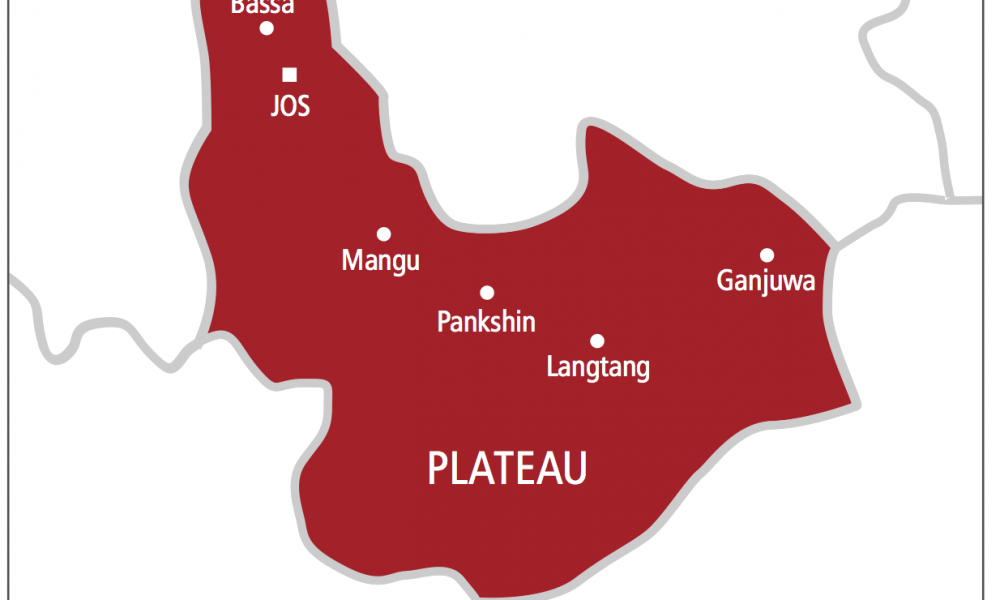
Tragedy struck yet again in Plateau State as communities in the Mangu and Bokkos local government areas fell victim to renewed attacks, resulting in an undisclosed number of casualties.

Although the State Police Command and Operation Safe Haven (OpSH) have yet to officially respond because their spokespersons are unavailable, credible sources have confirmed the separate incidents.

According to Monday Kassah, the Transition Committee Chairman of Bokkos, there were multiple attacks on Thursday night, claiming six lives.

The attackers, reportedly riding motorcycles in groups of two or three, unleashed violence in Mandung, Butura, Chikam, and other communities around the state university, all within the Bokkos District of Butura. Security reinforcements have been deployed to the area, but the assailants remain active.

Tragically, a university student was shot dead outside the campus, with another falling victim to the violence the following morning. Yakubu Ayuba, the registrar of the university, lamented the loss of a 200-level computer science student named Dading James Jordan in the attack on Chikam.

Despite concerted efforts by the state government, security agencies, and university management to enhance security, the assailants struck, claiming the life of a promising student.

In response, the university has declared a two-day mourning period, suspending all exams scheduled for the affected days. Management urged students to remain calm while calling for increased security measures around the campus.

In Mangu, reports indicate that attackers descended on the Tilengpat community in the Pushit District, resulting in the deaths of 12 individuals.

Expressing his condemnation of the violence, State Governor Caleb Mutfwang appealed for calm, assuring citizens, especially students, of the government’s commitment to their safety.

He pledged to collaborate with relevant stakeholders to apprehend and prosecute the perpetrators while emphasizing the importance of collective efforts to enhance security in the region.

Governor Mutfwang extended heartfelt condolences to the bereaved families and victims, urging swift recovery for the injured.

Academic slavery in school: A must-halt journey

By Sulaiman Mohammed

Education is often regarded as the foundation of every society, the key to unlocking prosperity and success for nations and individuals alike. Yet, despite its importance, the individuals responsible (teachers) often find themselves not only underpaid but also underdeveloped.

The most common complaint among teachers in private schools is the poor payment as monthly income they receive for their hard work and dedication. As a profession (teaching), it requires significant time, effort, and skill. Many hours are spent planning lessons, grading assignments, and providing individual student support. Teachers play a crucial role in shaping the future of society, yet many are struggling to make ends meet.

The low salary that many teachers receive fails to reflect the importance of their work and makes it difficult for them to support themselves and their families. This affects their well-being and their ability to teach and inspire their students effectively. 

In my community (Rigasa, Kaduna state), I know of many qualified and experienced teachers who left school for another or even a different profession outside of teaching, all courtesy of underpayment and undervaluation to the detriment of the students. 

Finally, to ensure that students receive a quality education, teachers need to be adequately compensated in terms of fair salary, access to benefits, and other professional opportunities for staff sustainable development. Only then can we ensure that our schools are staffed with dedicated and passionate educators who can provide the best education. 

This is in dedication to Mallam Salihu, Bn Masood, Yunusa Bala, Mallam Umar, Haruna Bala, and several other teachers in this profession. Keep on keeping on; the students and society are our concern.

Sulaiman Mohammed wrote via muhammedsuleiman213@gmail.com.

Customs CG, VoN strengthen partnership to raise public awareness

By Sabiu Abdullahi 

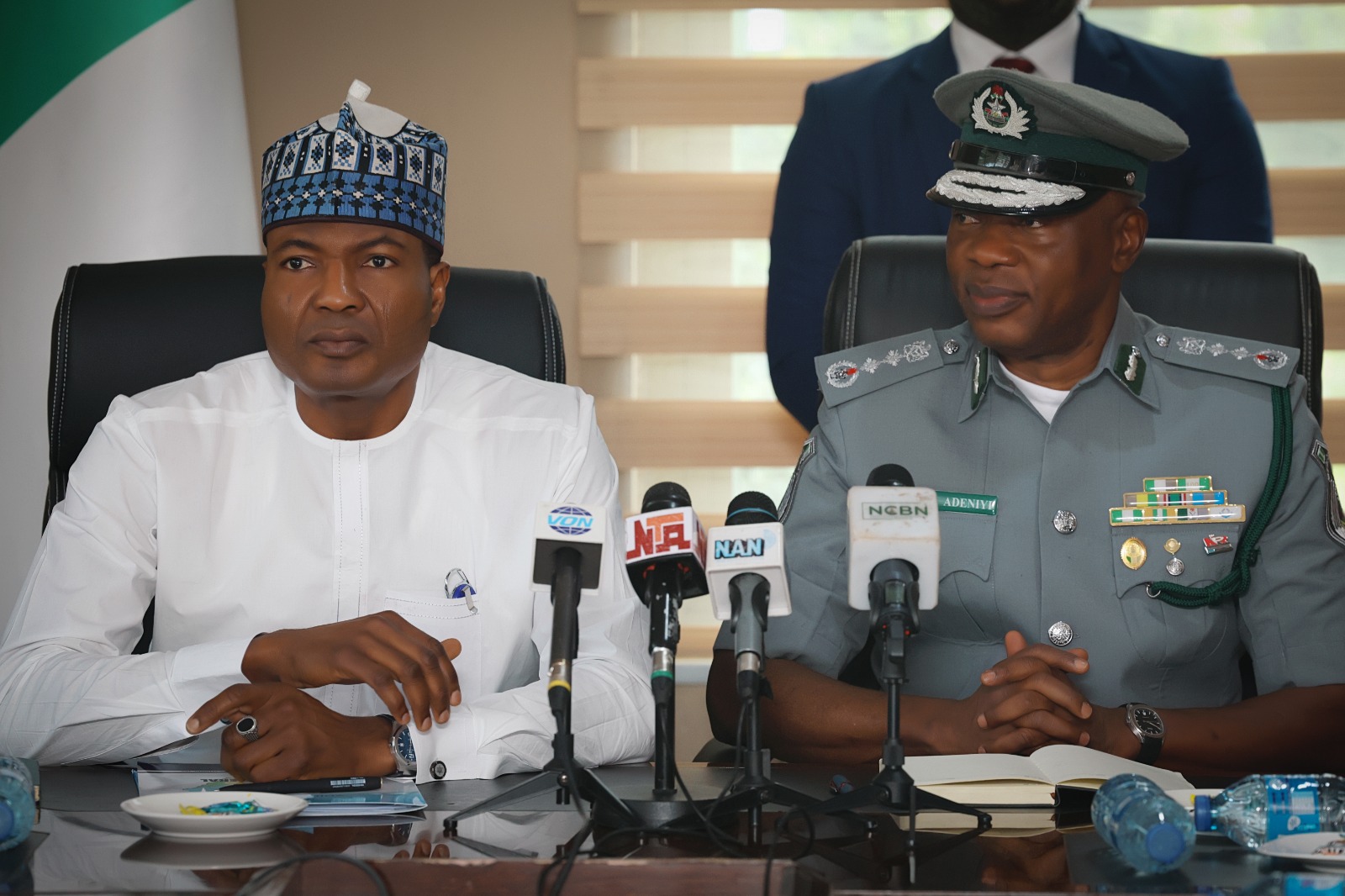
The Comptroller-General of Customs (CGC), Bashir Adewale Adeniyi, paid a courtesy visit to the Voice of Nigeria (VON) Corporate Headquarters on Wednesday, April 17, 2024, reinforcing the Nigeria Customs Service’s commitment to public awareness. 

Welcomed warmly by the Director General of Voice of Nigeria, Malam Jibrin Baba Ndache, the CGC was praised for his accomplishments.

Ndache was quoted as saying, “The comments about you are that of joy and your achievements are highly commendable… The reason for welcoming you to our corporate headquarters personally is to thank you for your continuous and immense support to VON.” 

In response, the CGC expressed gratitude and affirmed his dedication to transparency and open governance, aligning with the administration of President Bola Ahmed Tinubu.

“We are in a new administration investing in renewed hope for economic recovery, political stability, and the security of the nation,” he stated. 

Recognising VON’s pivotal role in disseminating government policies, the CGC pledged the Nigeria Customs Service’s unwavering support to VON in enhancing public awareness.

“We have a strategic economic team making stringent and diverse economic policies that will foster economic growth for the nation. VON is very strategic in communicating these policies to the citizens,” he said.

Nigeria Customs Service mourns fallen officer, promises to tighten border security

By Sabiu Abdullahi

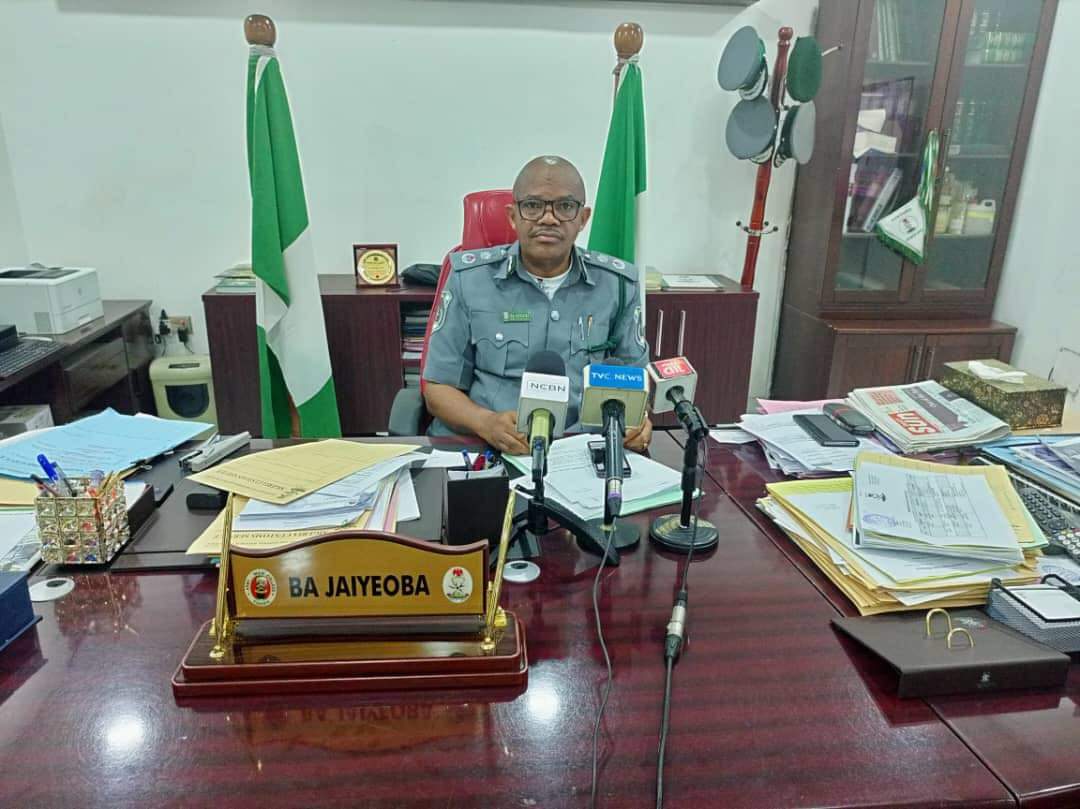
The Nigeria Customs Service (NCS) has announced with deep sorrow the tragic passing of Customs Assistant II Auwal Haruna. 

According to a statement signed on Wednesday by Abdullahi Maiwada, Chief Superintendent of Customs and National Public Relations Officer, the unfortunate incident occurred during a confrontation at the Gamji Makaho checkpoint in the Dankama area of Katsina State on the morning of April 17, 2024. 

The altercation arose when a team of customs officers from the Katsina Area Command sought to intercept a convoy of over fifty vehicles suspected of transporting goods illegally outside the country.

Displaying commendable courage, Haruna and his colleagues confronted the suspected economic saboteurs, leading to a clash with an enraged mob. Haruna was viciously attacked and fatally assaulted during the confrontation.

He has since been laid to rest according to Islamic rites in his hometown of Kayawa, in the Dutsi Local Government Area of Katsina State. 

The Comptroller General of Customs (CGC), Bashir Adewale Adeniyi, along with the entire NCS fraternity, extends heartfelt condolences to the family of CA II Auwal Haruna.

The CGC vehemently condemns the senseless act of violence that resulted in Haruna’s untimely demise and assures the public of a thorough investigation to ensure justice is served. 

Stating the daily challenges faced by customs officers in safeguarding the nation’s borders, the CGC shows the NCS’s unwavering commitment to stand with the fallen officer’s family during this period of profound grief. 

Despite the tragic loss, the NCS remains resolute in its mission to combat illegal activities, particularly smuggling, and continues to prioritise Nigeria’s border integrity while ensuring the safety of citizens and dedicated customs personnel.

Call for Accountability: Reallocating priorities in Gombe State budget allocation

By Muhammad Umar Shehu

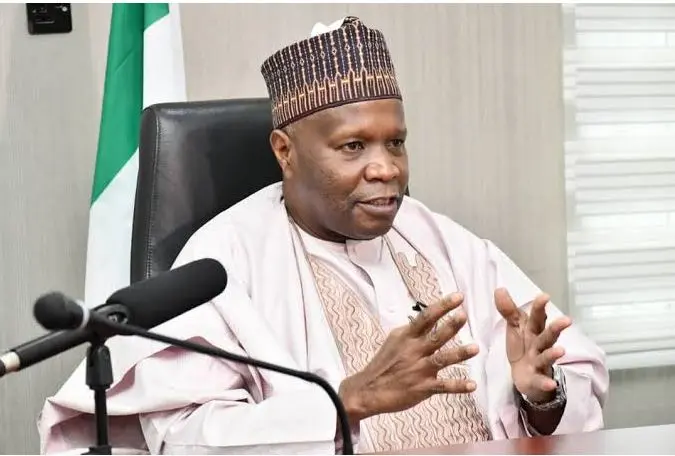
The recent budget allocation by Governor Inuwa Yahaya of Gombe State has sparked concerns among citizens, particularly regarding the disproportionate allocation of funds. While a significant portion of ₦43.130 billion is earmarked for constructing a new governor’s residence, high court, and house of assembly complex, only ₦10 billion is allocated for road construction. This disparity raises questions about the state’s priorities and resource allocation strategy.

It is disheartening to witness such a large sum allocated to luxurious infrastructure projects while essential infrastructure like roads receives comparatively meagre funding. This allocation pattern reflects a misplaced sense of priorities and neglect of critical needs in the state.

As responsible citizens, it is imperative that we hold our leaders accountable and challenge decisions that do not align with the people’s best interests. We cannot afford to stand by idly while our state resources are mismanaged and squandered on unnecessary projects.

The people of Gombe deserve transparency and accountability in governance. We must demand greater scrutiny of budgetary allocations and ensure that public funds are effectively used to better our communities.

There is an urgent need to reallocate priorities to address pressing needs such as infrastructure development, healthcare, education, and poverty alleviation. Our leaders must be reminded of their duty to serve the people and prioritise projects that have a tangible impact on the lives of ordinary citizens.

As concerned citizens, we must unite and advocate for a more equitable distribution of resources to meet the needs of all residents of Gombe State. Together, we can hold our leaders accountable and work towards a brighter future for our state.

May Gombe State and Nigeria as a whole prosper and thrive. Amin.

Muhammad Umar Shehu wrote from Gombe via umarmuhammadshehu2@gmail.com

Prominent clerics who made my days during 1445 A.H Ramadan (III)

By Isma’il Hashim Abubakar 

Shaykh Musal Qasiyuni was the third among the scholars whose lessons I listened to throughout Ramadan. I was attracted to his lessons almost two decades ago, much by the accent and the tone of the hymns with which he and his audience opened and closed the lessons, and they were, to me, at the start, more of an esoteric language.

Qasiyuni’s zeal for the preservation of norms and values, the eradication of vices and immoral ventures, and his expression of concern toward the plight of the masses are evident in his lamentation of how things have turned in Muslim societies, which portrays him in the same reformist and activist light that Salafis are often depicted.

Malam Qasiyuni condemned the attempt to incorporate medical tests among legal requirements that must be presented before marriages are contracted. However, he acknowledged that the tests are essential, safer, and more sustaining for the marital union and the future of the couple’s family. The scholar’s point is if leaders are encouraged to pad new legislations into injunctions of marriages, which are already comprehensively sanctioned by Islam, a time would come when leaders would smuggle harmful laws which would only strangle legitimate marriages and pave the way as well as promote promiscuous associations between men and women as it has been normalised in not only western but also many Muslim countries.

In this year’s Ramadan, like the previous years, Qasiyuni had painstakingly treated sensitive themes that have remained the bonds of sectarian contention among the major Sunni Muslims, particularly between Sufi brotherhoods to which he belongs and their Salafi counterparts. These include the concept of bid’a and the central thematic components that revolve around it, such as litanies, liturgical actions, and performances like maulud anniversary and awrad. Qasiyuni offered an extremely polemical and revisionist interpretation of these themes while seeking to legitimise them in line with his Sufi conception and practice.

The hallmark and motive of all these elucidations are an attempt to arrive at a conclusion on which among the many strands of Sunni Islam is on the right path and, hence, most deserving of salvation. In this case, Qasiyuni was more flexible and accommodating as he expanded on the prophetic report, foretelling and warning about the sectarian fragmentation that Muslims would experience. He argued the report has all it takes to be exploited by each of the strands of Sunni Muslims, and going by the letter and spirit of the Hadith, which points to the vast majority as one of the yardsticks for identifying the most authentic and righteous group which merits salvation, according to Qasiyuni, Sufis would have more legitimate claims that conform with what obtains in reality. 

Interestingly, however, Qasiyuni dismissed this sectarian conclusion favourable to his theological understanding of Islam and appraised that rather than interpret the Hadith from a creedal point of view, which of course has been the dominant method of scholars for centuries, the Hadith should better be seen from the viewpoint of meritorious virtues, conducts and manners such as kindness, truth, selflessness, humility, resilience, which the Prophet (SAW) and his companions had exhibited throughout their lifetimes. In this way, members of each sect and Islamic societies, including not only the Salafi competitors but peripheral and marginal sects like Shia, can be regarded as a salvaged group in Qasiyuni’s opinion. 

Although this view sounds too malleable and points to the degree of Qasiyuni’s broad-mindedness and tolerance, it shall remain problematic and challenging to accept for several reasons, one of which is the consensus among Muslims that creed and beliefs take precedence over all actions and since even non-Muslims could exhibit the virtues outlined by Qasiyuni, downplaying the creedal substances and theological aspects as prime barometers for assuming the status of righteousness and uprightness as far as Islam is concerned, is unacceptable.

The love and affection of Muslims toward the Prophet SAW are meeting points which, according to Qasiyuni, should be the basis for Muslim unity and common solidarity, but also the mirror which shall reflect in the relations among Muslims and have common solidarities irrespective of their sectarian differences. Moreover, Qasiyuni stressed that Muslims must respect and love anyone or anything that connects to the Prophet, no matter to what small degree and anyone who hates it is condemned and wretched.

One point that shall remain problematic in Qasiyuni’s unification theory is the Shiite doctrine of hatred toward the Prophet’s companions would automatically disqualify them and remove them from the umbrella of unity which the great Qadiri Shaykh is advocating.

Like Dr Rijiyar Lemo, Qasiyuni also vehemently challenged those who cast doubt on Hadith and accused some of the Prophet’s companions and famous collectors of Prophetic traditions. Qasiyuni’s reaction to this issue seems to be a rejoinder against his brother Abduljabbar, who is still languishing in jail for stirring loud controversy about this issue. Interestingly, Qasiyuni himself mentioned Mustafa al-Sibā’ī’s masterpiece, al-Sunnah wa Makānatuhā fī al-Tashrī’ al-Islāmī as a concerted response and healing answers to all those who nurture any scepticism around the Sunnah or the process of its compilation and transmission.

Although still having a few issues to disagree with the Ahlussunnah proper, like the fate of the Prophet’s uncle, Abū Tālib, the Kabara cleric used this year’s Ramadan season to repeatedly stress his loyalty to Sunni Islam and refute Shiism, which then debunks the widespread rumour that the man had gravitated to the Shiite camps.

Even if on sectarian grounds one disagrees or even refuses to listen to Qasiyuni, one cannot deny that the text he teaches during Ramadan, which is unanimously accepted by the Sunni Muslim world, is a robust inspirational source of reverence to Prophet Muhammad (SAW). 

Northern Nigeria is indeed blessed with so many scholars; the ones highlighted in this article (parts 1, 2 & 3) are just a drop from the ocean. They offer a significant representation of how the Ramadan season is made distinct and unique through disseminating Islamic knowledge. I highly regret not getting the opportunity to closely and regularly listen to more scholars such as Shaykh Umar Sani Fagge, Shaykh Isa Ali Pantami, Shaykh Ibrahim Maqary, Shaykh Muhammad bin Usman, Professor Salisu Shehu, and above all, my teacher Professor Muhammad Kabiru Yunus. But while I was too lethargic to listen to them all, I still wished Professor M.K Yunus’s tafsir recordings were available for public consumption. 

May Allah reward these scholars abundantly and elongate their lives to keep benefitting the Ummah.

Isma’il writes from Rabat and is reachable via ismailiiit18@gmail.com.

Adam A. Zango and matters arising in Kannywood

By Usman Abdullahi Koli, ANIPR

Adamu Abdullahi Zango, also known as Prince Zango, is a famous Kannywood figure. Adam has been acting in Hausa films for over 20 years. Zango is a multi-skilled individual who acts, sings, produces, and directs films while introducing new faces to the screens. However, despite his immense contributions, he has been a victim of accusations, controversies, and rumours, but they all turned out to be a bunch of false claims in the end. 

One of the major problems dragging the Hausa film industry back is enmity. No matter how talented an actor is, if he is not in the circle of those who consider themselves owners of the industry or if his stardom is at its peak, he is always regarded as worthless. An adage states that “united we stand, divided we fall.” The level of unity and support for one another in Kannywood is below expectations. 

Perhaps only in Kannywood do actors receive financial support when they come out crying in videos, exposing what they are going through. Such behaviour is contrary to other entertainment industries, where actors and actresses frequently check on colleagues and offer helping hands without disseminating the act on social media.   

Some years ago, in his philanthropic effort to give back to society, Zango promised to give out millions of Nairas to orphans in Kaduna. People from the industry and outside started saying he could only make promises without implementing them. This, among other factors, contributed immensely to the current reality Zango is facing in the industry. People don’t usually appreciate him or keep quiet about issues that affect him directly, turning his life into a topic of discussion every single time. 

Adam did not have the opportunity to attend higher education, but his zeal to actualise the ambitions of young people inspired him to sponsor a high number in Kaduna, Jos, and Kano States. The possession of assets, valuables, and material things by all those who work in WhiteHouse Family, an entertainment venture owned by Zango, is a testimony that he is full of kindness, selflessness, open-mindedness, and what he has never made him proud. 

What Zango is currently going through I don’t see it as depression, as claimed by many. There are people he wholeheartedly helped and trusted but turned against him. Additionally, he is facing a lot of trouble on social media from those who dislike him and are always fabricating lies about him. Yes, silence is not gold. He is supposed to speak up in his defence since no one is willing to stand up for him. The best one could do for the woman he loves is to marry and confide in her. What kills faster than a bullet is a betrayal from a life partner, and the bond of trust ends without a second thought. 

Many accused Zango of frequent marriages and serving his wives with hot breakfast (divorce) in short periods. As revealed by him, the truth of the matter is that most times, the failure of wives to be submissive, respectful, and faithful is glorified by our religion. Zango has been hiding the facts about what led him to divorce his wives from public space, but the ranting from near and far is unbecoming and unbearable. He has decided to let the hen out of the cage. Keeping some issues hidden is better, as exposing them is like adding salt to an injury. 

Furthermore, most of the films produced by Zango were created by local writers, not copies of Bollywood or Hollywood stories. The movie contributed to portraying real Hausa norms and values, cultures and traditions, dressings and foods, shelters and festivals while maintaining the religious injunctions. The languages used are authentic Hausa, along withidioms, styles, and proverbs, making it easier for children to learn. 

Despite dressing in Western attire in some movies, Zango still maintains the moral compass of Hausa and Islam. Factually, nobody can boldly point out where Adam is seen in a fantasy scene with women in films. Other characters have done worse than Zango in movies and feel that doing so is normal, without minding the repercussions on their families or people who took them as role models. By the way, who is morally upright in Kannywood? 

In summary, I have been an advocate for Kannywood, as I have written about misunderstandings between Rarara and former Governor Ganduje and the decision of MOPPAN to dismiss Rahama Sadau, among other topics in the Hausa entertainment industry. It should be noted that stakeholders and characters in Kannywood should see themselves as one family because commendation to one affects the rest and vice versa. People need to reciprocate kindness with kindness. Fans and mentees of artists should learn to respect each other by supporting themselves and resolving issues through dialogue. 

Adam Zango needs to control himself, especially in moments of anger, and stop making decisions at those times. He has faced worse situations before and stood firm. He can do it again. Let him consult relatives and trusted friends before taking any bold steps in his life. Finally, as a celebrity and a mirror to a limitless number of people, Adam Zango should ignore the negative comments, criticisms, and disrespectful and abusive words of followers on social media platforms. If he gives them no time to reply, they will have no choice but to stop. 

Kannywood has never had a gifted actor like Adam Zango in its history. He should cherish his God-given talent, be more focused and optimistic, and keep pouring out the best in him in both acting and music. Anything related to his personal life should be private, as antagonists always look for weak points or where he does wrong to attack him. He should remember that he is a son, father, and someone others admire. His words and actions, whether good or bad, would be replicated by them. 

Usman Abdullahi Koli wrote via mernoukoli@gmail.com.