Month: April 2024

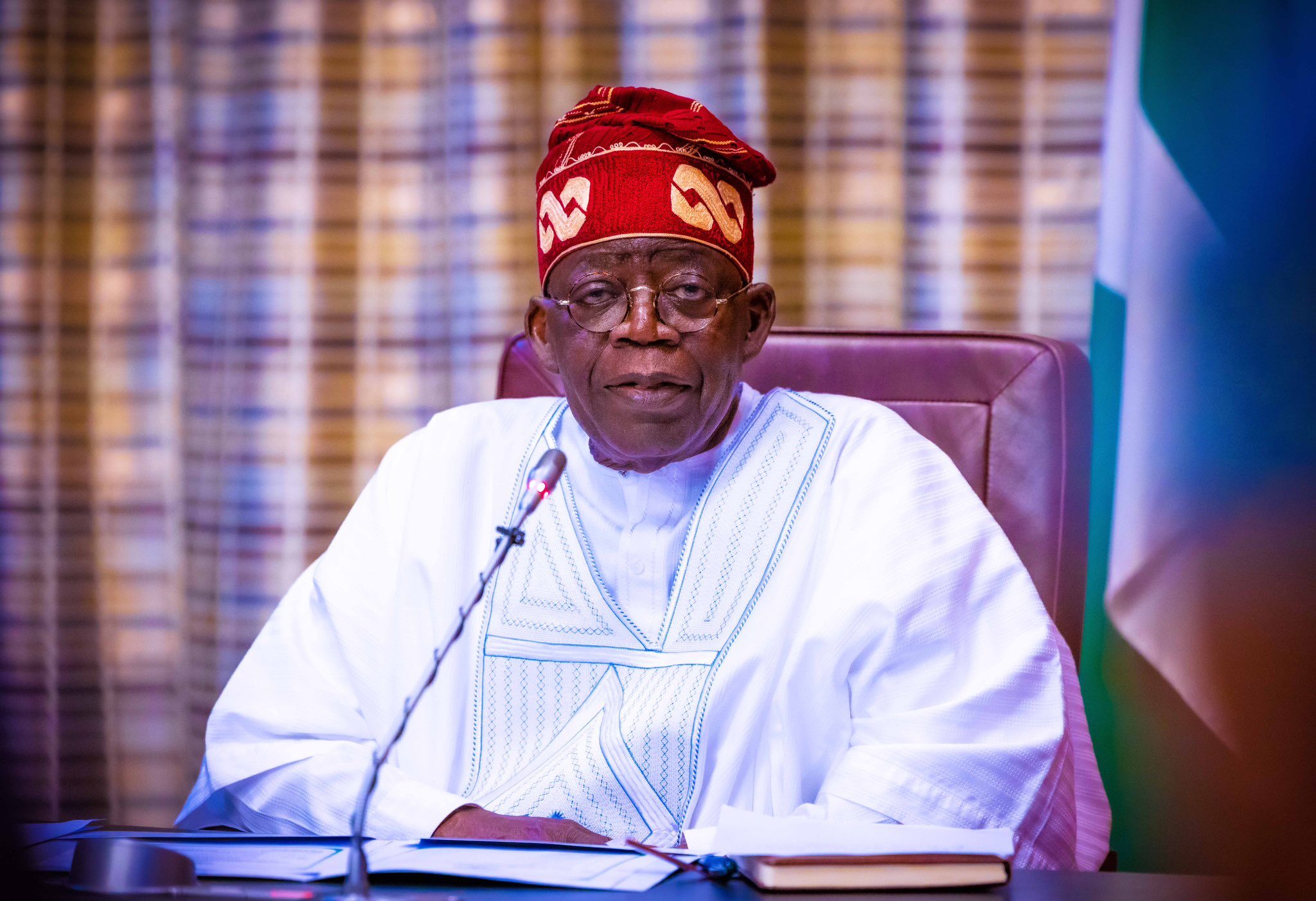
An open letter to President Tinubu on Pensions Directorate

By Bala Idris

When, on 29th May 2023, against the advice of the Presidential Transition Council Inaugural Committee, you took to the podium at Eagle Square to audaciously declare an end to the corrupted fuel subsidy regime in your first speech as President of the Federal Republic, you most certainly did not envisage an instant bushfire effect – a rabid fuel scarcity which immediately ignited intense economic hardship and food crisis across the country – even before you stepped down from that platform. 

That singular phrase, “Fuel subsidy is gone!” reverberated harshly and pummeled the nation to a pulp, with prices skyrocketing and people’s modest earnings suddenly becoming unbearably meagre. This sparked an agitation for a new salary and minimum wage regime in the country.

The situation took a deeper dive when you announced the student loan scheme with all the attendant uncertainties, causing another spike in tuition fees across universities and concurrent student dropouts. Then, the Naira plummeted against the dollar, further tightening the noose of survival for everyday Nigerians. This effectively wiped out the middle class and created a situation where even basic commodities like Maggie, Oil, Toothpaste, and Garri, to mention a few, were no longer affordable to “ordinary” Nigerians, particularly Pensioners. 

All through this crisis, you have consistently demonstrated an abiding commitment to work harder to ensure that life eventually becomes easy and meaningful for Nigerians. This is in addition to obvious mitigation measures like the recent NGN200 Billion Presidential Conditional Grant Scheme, effective monetary policies that made the Naira rebound in a record feat, and a review of the Student Loan Act with more enabling and lenient provisions, among other sustainable initiatives. 

These have demonstrated that it is clearly not in your character or policy to deliberately perpetuate hardship or deprive the labourer of their wage. 

As such, organs of government under your watch should not be used as a launchpad for inhumane onslaught by heads of agencies unilaterally degrading salaries and emoluments, particularly at a time of huge price increases in the middle of the most severe cost-of-living crisis in Nigerian history. 

Such is the situation that over 20yrs pensioners of Ajaokuta Steel Company (ASCL) in October 2023 woke up to, a shocking unilateral decision led by the Executive Secretary of the Pension Transitional Arrangement Directorate (PTAD), Dr Chioma Ejikeme, to decapitate their emoluments by up to 33% under a “backend computation” pretext. 

In the wake of this onslaught, many woke up to payment alerts far below the existing minimum wage, more so when their pension was already not adequate enough for the comfortable last days of a nation’s senior citizens who have spent the better part of their useful lives in the service of their fatherland! 

This is also coming at a critical time when spiralling inflation has already degraded the emolument by many percentages, shrinking it to a sub-existence level. 

Mr President, it is important to point out that this inhumane act against our nation’s senior citizens by PTAD and its E.S. was carried out without any known authorising memo from its supervising ministry and without any known audit that points to the alleged discrepancies it claimed to have covered in the so-called backend competition that equally lacked relevant stakeholders input. 

While an existing court order has urged both parties to maintain the status quo, PTAD has continuously been in contempt of this order, still insisting on paying the degraded emoluments, which have been found to be fraught with monumental errors. As a result, PTAD agreed to an out-of-court settlement, agreeing to review the backend computation again with relevant stakeholders’ input. 

However, this has proven to be an exercise in futility as it appears PTAD is only interested in stalling the court case. It has not lived up to its promise by reverting to the normal pension regime as of the last payment in March 2024. 

Meanwhile, these pensioners are languishing in abject poverty, deprivation, hunger and some terminal ailments, mostly unable to feed their families, pay the bills, purchase essential drugs or pay for school tuition fees. 

Your excellency, sir, your intervention in this matter in not only ensuring their right dues are paid to them but also enabling them to benefit from upward reviews of salaries and minimum wage will bring a relief to which the pensioners will remain eternally grateful to you. 

You may wish to recall that about six months ago, Federal pensioners under the Pension Transitional Arrangement Directorate(PTAD) raised concerns over your re-appointment of Dr Chioma Ejikeme as executive secretary.

The pensioners also demanded a prudent audit of PTAD’s activities under her leadership, including the recovery of 163 million naira in monthly running costs, looted pension funds by the Economic and Financial Crimes Commission (EFCC) and the Independent Corrupt Practices and Other Related Offences Commission ( ICPC), and the recovery of 9 billion naira in assets from Bots and insurance companies.

On this basis, Mr President sir, I call on you, as a compassionate father, to order the restoration to the normalcy of ASCL Pensioners’ monthly emoluments and urgently invite the National Salaries Incomes and Wages Commission to advise the Federal Government accordingly on the true interpretation of the pensioner’s emoluments. 

In other words, Mr President, sir, call PTAD to order, declare an immediate probe into the situation, order a reversal of the status quo, and follow due process. Let the “poor breath!”

Bala is a concerned citizen and public affairs analyst, he writes from Abuja the Federal Capital Territory.
Sule Lamido criticizes Northern governors’ US trip

By Uzair Adam Imam

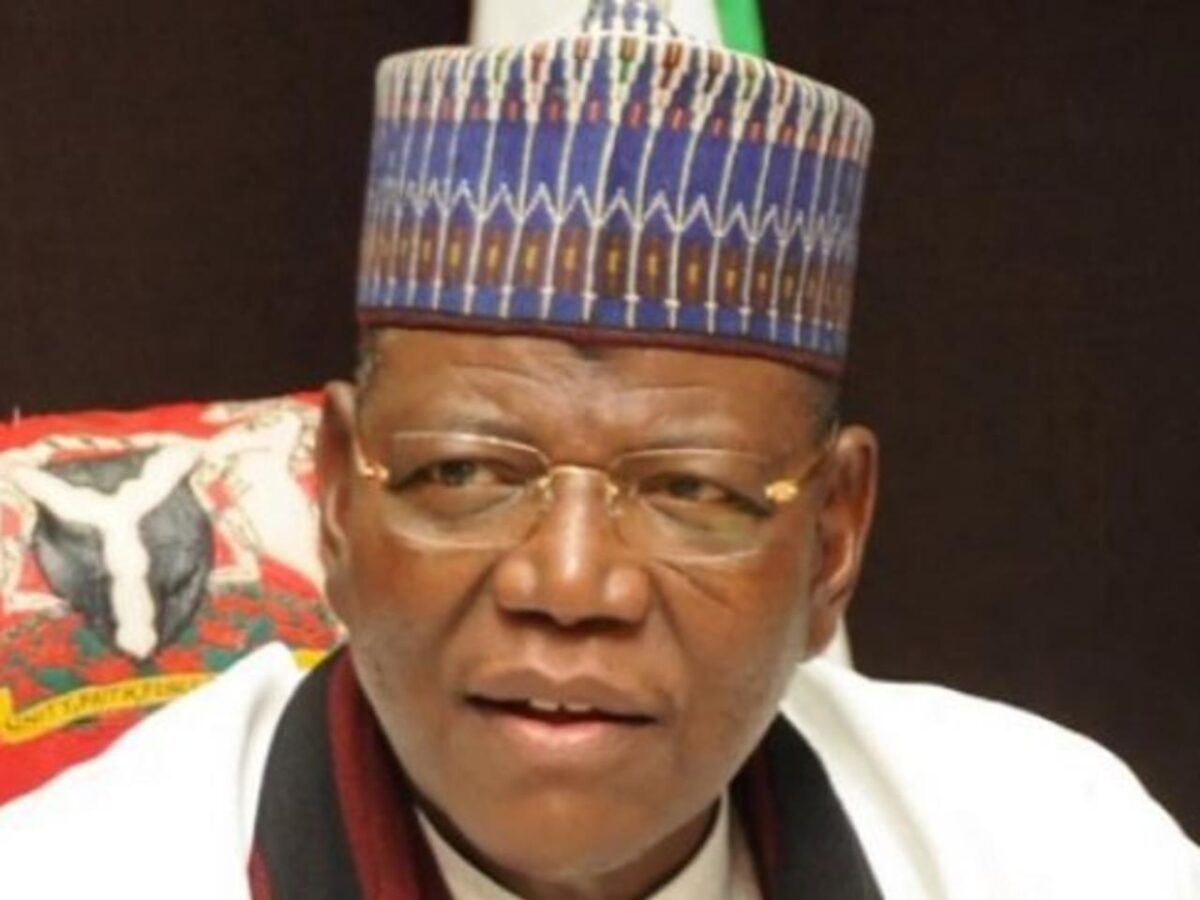
Former Jigawa State Governor and PDP Chieftain, Sule Lamido, has criticized Northern governors for their recent visit to the United States, stating that it showcased their lack of understanding of the Nigerian Constitution.

Lamido voiced his concerns via a statement on his official Facebook page on Sunday. The governors had traveled to the US to participate in a peace summit organized by the United States Institute of Peace (USIP).

Lamido said, “Our Northern governors as concerned leaders traveled all the way to the United States of America to attend a lecture at the American Institute for Peace titled “ADVANCING STABILITY IN NORTHERN NIGERIA”, as to find a lasting solution to the intractable problems of insecurity bedeviling their respective states.

“Their concern, commendable as it were, ended up exposing their ignorance at understanding the Constitution of the Federal Republic of Nigeria, the very instrument which gave them the legitimacy and the authority to be Governors.

“If the Governors had traveled to the US to engage on how to boost agriculture or health issues or any other pressing local problems listed on the Concurrent List of our Constitution, this could be quite understandable.

“But to engage on issues which are on the Exclusive Legislative List such as security says a lot about the substance they are made of.

“Security is a very wide subject which their Excellencies must have capacity to grasp. Most urban towns in their states lack portable drinking water, and refuse dumps have taken over some streets.

“Our children attend primary schools under the trees and where there are classes, they take their lessons sitting on the floor, yet the security implications of this cannot be discerned by their Excellencies.

“Deliberate and harshly induced poverty by unplanned government policies have made citizens lose their esteem, honour and self worth by lining up scrambling to collect palliatives from patronizing and condescending leaders yet the Insecurity of this is of no worry or concern to them.

“You have governors with no human empathy or respect for dignity or decency in an open show of shame throwing money like confetti from an open Jeep and people scrambling to pick it like the Governor of Niger State. Yet they fail to see the security implications of all these.

“If the governors were serious and wanted to have a lecture on security, they need not have embarked on such a wasteful journey with the accompanying expenditure of flight tickets, hotels with all their aides and above all the valuable time wasted at the expense of running their states.

“Certainly, they could have gotten more than they wanted from our resourceful institutions such as NIPSS in Kuru Jos or ASCON in Badagry or even NIA.

“These three institutions have more than enough materials, essays and templates on the problems on security in Nigeria more than the far fetched American Institute.”

The former governor, however blamed the Ministry of Foreign Affairs and the NIA for failing to properly guide the governors.

Lamido said, “I blame the Ministry of Foreign Affairs and the NIA for failing to properly guide the governors for this folly.

“The governors could not have traveled without the facilitation of the Ministry or our Embassy in Washington.

“Nigeria and Nigerians now carry the image of ‘advancing our shame and embarrassment beyond our frontiers’ caused by their Excellencies!”

He further stated, “One is inclined to believe Rufai Oseni when he recently said ‘Nigerian madness has no bound or limits.

“So in Nigeria today, one’s biggest challenge is how one remains sane in this insane country,” he stated.

Energy and transition realities

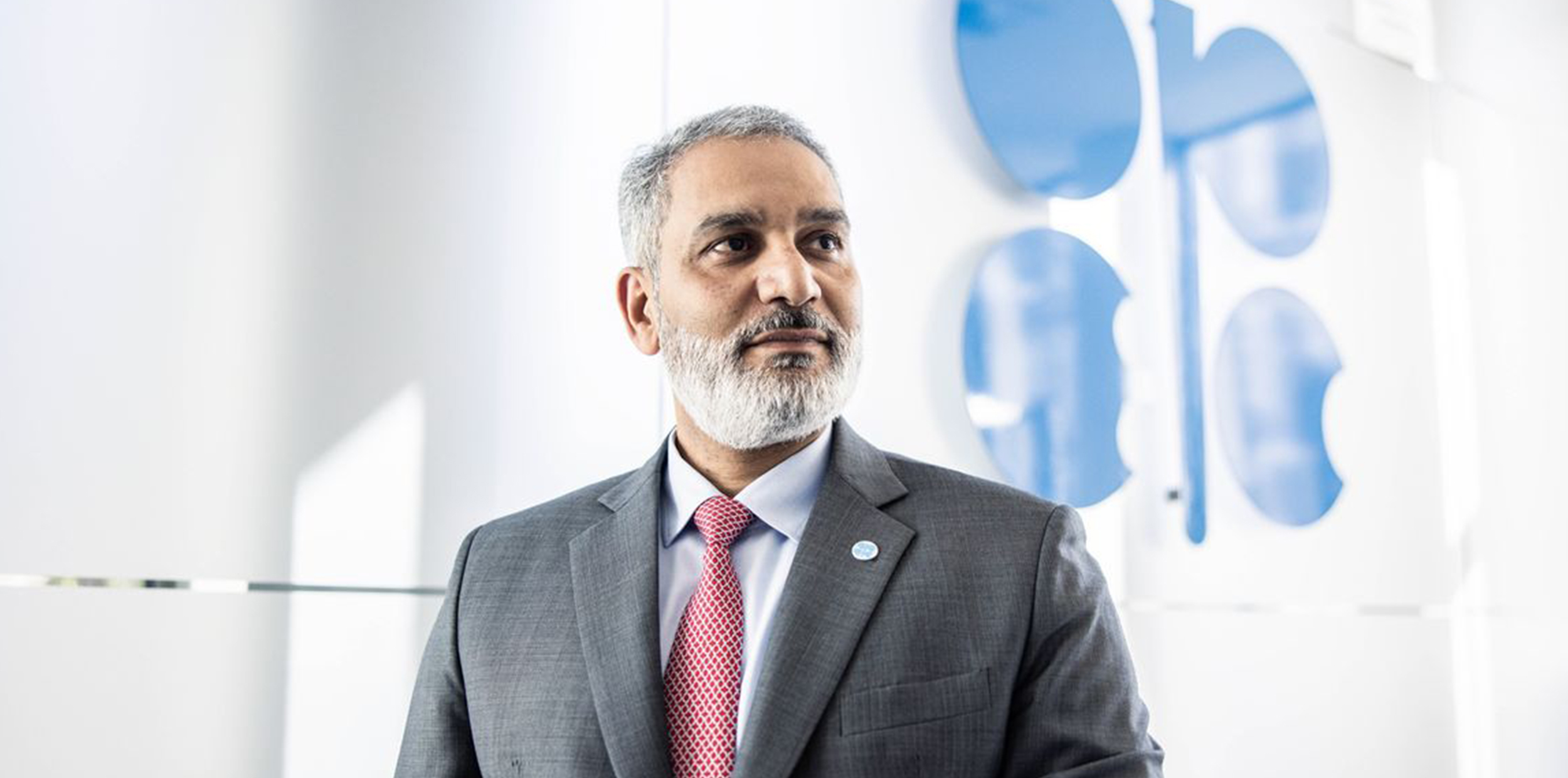
By Haitham Al Ghais 

The energy transition as a concept is itself in need of a transition. 

We must move beyond the blinkered view that this is about substituting energy sources, that hydrocarbons should be consigned to the past and that recent real concerns expressed by energy consumers around the world on current transition strategies are temporary blips.

In recent years, there has been much discussion among policymakers of the International Energy Agency’s prescriptive “Net Zero by 2050” scenario. Many ambitious proposals for net-zero policies have leveraged this scenario, but there is evidence that some of these policies are now being pulled back and reconsidered.

There is a refocusing on the daily energy realities lived by billions of people. Yes, we all want energy with lower emissions—that is a given. But we also want to ensure reliable and affordable energy, enable economic growth, and enhance energy accessibility.

Ongoing Re-Evaluations

There are a number of reasons for these ongoing re-evaluations.

Firstly, technologies like solar, wind and electric vehicles (EVs) are not replacing hydrocarbons at any real scale. While these alternatives will play a role moving forward, the share of hydrocarbons in today’s global energy mix is over 80%, similar to the level 30 years ago. Wind and solar combined make up under 4% of the world’s energy, and global EV penetration is between 2%-3%. This is despite the fact that $9.5 trillion has been invested in “transitioning” over the past two decades.

The course of history has shown that energy transitions take centuries to evolve and have been about energy additions, not energy subtractions. Previous transitions were technology-driven, with policy following suit. This current transition has, to date, been policy-driven, with the hope that technology will catch up.

Cost and Competitiveness Challenges

Secondly, the costs and competitiveness of many of these alternatives remain a challenge. Renewable costs have been reduced, but when considering intermittency issues, the levelized cost of “total” electricity from solar is more than seven times higher, and from wind 15 times higher when compared with conventional power plants. Additionally, reports of the profitability struggles of many renewable developers are a testament to their economic challenges.

For EVs, the volume-weighted average retail price of EVs in the United States and Europe is higher than gasoline and diesel models, and EVs are heavily subsidized. Such subsidization cannot go on forever. Many automakers are also scaling back or delaying their EV plans, and some have declared bankruptcy. Clearly, the hype around EVs is wearing off, as consumers are showing a preference for continuing to have a choice of vehicles and as the huge challenges around electricity grids, battery manufacturing capacity and critical minerals increase.

For critical minerals in particular, imbalances between processing capacity and reserve concentration present significant challenges, such as supply chain bottlenecks, price gyrations, and geopolitical tensions. Moreover, mining is an energy-intensive activity that runs today on hydrocarbons. In fact, studies show that final energy consumption in mining activities could increase more than fivefold by midcentury.

Developing Country Needs

Thirdly, billions of people are playing energy catchup. Oil consumption in developing countries currently ranges from less than one to just below two barrels per person per year, compared with nine in the EU and 22 in the US. These countries will require more energy, not less, in the future. They cannot wait on costly alternatives when reliable, secure and affordable hydrocarbon options are already available at scale, ones that continue to provide prosperity to the developed world.

Fourthly, renewables and EVs do not own clean energy technologies or efficiency improvements solely. The oil industry is also advancing efficiencies and investing in technologies to reduce emissions, such as carbon capture, utilization, and storage, direct air capture, carbon dioxide removal, and clean hydrogen, alongside investing in renewables.

Rethinking Perceived Wisdom

It may make for some awkward conversations, but the perceived wisdom on the energy transition needs a serious rethink.

We need to move away from categorizing energy sources as good or bad.

We need to reflect the realities on the ground and park the misguided narrative of there being no need for new oil and natural gas fields. With oil and gas demand continuing to rise to historically high levels, it is not a prudent or stable way forward for global energy security.

We need to invest in all energies and technologies and recognize the needs of people around the world, delivering on both our energy security and climate objectives. All the dots require connecting, not just a few. Our energy and climate ambitions necessitate realistic policies that ensure that emissions are reduced while populations have access to affordable energy products and services they require to live a comfortable life.

Haitham Al Ghais is the Secretary General of the Organization of the Petroleum Exporting Countries (OPEC).

Over 200 newborns delivered in Benue IDP camp in 1 month

By Uzair Adam Imam 

Recent findings from the Integrated Supportive Supervision (ISS) conducted by the United Nations Children’s Fund (UNICEF) and the World Health Organisation (WHO) have revealed a startling trend in the Ortese Internally Displaced Persons (IDP) camp situated in Guma Local Government Area (LGA) of Benue State.  

According to Mrs. Grace Wende, the Executive Secretary of the Benue State Primary Health Care Board, approximately “200 new births per month” were recorded in the camp. 

Wende, speaking on behalf of the board, expressed concern over the high number of births and underscored the necessity for government intervention.  

She stated, “It is quite high, and Government needs to do something about it.”  

Furthermore, she highlighted the underutilization of family planning products provided to the residents of the camp, stating the need to “intensify demand creation generation.”

Borno govt employs 15 disabled people, commends their resilience

 By Uzair Adam Imam  

The Borno State Government has employed 15 people with disability who have undergone formal educational system. 

The new employees were said to have obtained bachelor’s degree certificates, NCEs, diplomas, and vocational training certificates. 

The state governor, Babagana Umara Zulum, was disclosed to have approved their employment with effect from May 1, 2024. 

The governor commended their efforts for not being lazy, and despite their disability, they decided to pursue education. 

He directed Commissioner of Education Lawan Abba Wakilbe to review the activities of all the blind schools in Borno State in order to train more people with disability. 

Zulum also ordered the Ministry of Education to work out modalities for introducing the teaching of special education courses at the College of Education Bama. 

Borno State Branch Chairman Nigerian Association of the Blind, Mohammed Mustapha, expressed gratitude to Governor Zulum for approving employment for his members.

Kano man in US celebrates daughter’s academic excellence

By Sabiu Abdullahi

Fahad Danladi, a proud father from Kano, Nigeria, who resides in the United States, has taken to social media to celebrate his daughter Fariha’s outstanding academic achievements.

Fariha was rewarded with a brand new bike for her hard work and dedication to her studies. 

Fahad, who was overjoyed by his daughter’s success, shared the news on Twitter, saying, “I’m beaming with pride to share that my 2nd daughter, Fariha Danladi, has been rewarded with a brand new bike for her outstanding academic achievements in school! Her hard work and dedication have truly paid off, and I couldn’t be more thrilled to see her excel. Congratulations, Fariha, on this well-deserved recognition!” 

Fariha’s achievement is a testament to the importance of hard work and determination, and serves as an inspiration to her peers and the Nigerian community in the US.

Her family and community appeared to be proud of her accomplishments.

‘My boyfriend stabbed by a policeman bled to death because 4 hospitals rejected him’

By Uzair Adam Imam  

An unimaginable tragedy occurred when 26-year-old Anosikwa Patrick was fatally stabbed by a police officer at Skymall in Ajah, Lagos, where he had gone to unwind with his girlfriend, Joy Ebere.  

Recounting the horrific ordeal, Ebere lamented, “Perhaps he would have survived the injury, had the hospital he was rushed to attended to him.” 

She described the harrowing sequence of events, stating, “Some minutes later, he was shouting for help… Upon hearing the commotion, I went outside and saw him in the pool of his blood.”  

Despite frantic efforts to save him, Patrick was denied treatment by four hospitals, ultimately succumbing to his injuries on the way to General Hospital Marina. 

In the midst of grief, questions lingered about the officer’s actions.

Ebere questioned, “Why would a policeman act that way?”

Meanwhile, Augustine, the deceased’s elder brother, expressed the family’s anguish and demand for justice. 

The Lagos State Police Command, through its spokesman, SP Benjamin Hundeyin, assured the public that an investigation was underway, with the arrested policeman in custody.

EFCC sting operation nets 34 suspected currency fraudsters

By Uzair Adam Imam 

In a recent crackdown, the Economic and Financial Crimes Commission (EFCC) has apprehended 34 individuals suspected of engaging in foreign exchange fraud.  

These arrests were made on Friday, April 26, 2024, during a well-coordinated sting operation conducted at the Wuse Zone 4 area of the Federal Capital Territory, Abuja. 

According to Dele Oyewale, the spokesman for the EFCC, the operation was prompted by credible intelligence indicating illicit sales of dollars in the area.  

Among those detained are individuals identified as Usman Mohammed, Abdullahi Nasir, Abubakar Saleh, and others.  

The EFCC’s efforts to purge and stabilise the foreign exchange market have been ongoing, leading to these recent arrests. 

Following standard procedure, the suspects will undergo thorough investigations before being brought to court for prosecution.  

This development shows EFCC’s commitment to combating currency-related crimes and ensuring the integrity of the financial system.

Why we recalled personnel from anti-graft commission — Kano Police

By Uzair Adam Imam  

The Police Command in Kano State clarified that the recall of police officers from the Kano State Public Complaints and Anti-Corruption Commission (PCACC) is solely for the purpose of conducting a staff audit, contrary to speculations of political vendetta. 

The Commissioner of Police, Usaini Gumel, explained to reporters in Kano that the recall aims to ascertain the precise number of police personnel seconded to the commission since 2015. 

Gumel noted that the move is a response to numerous complaints received through the Command’s Complaint Response Unit (CRU), alleging highhandedness and deviation from assigned duties by the police attached to the commission. 

“The exercise was simply a response to series of reports received through the Command’s Complaint Response Unit (CRU),” Gumel stated. 

“They portrayed policemen attached to the commission as being highhanded and deviating from the expected role of providing static guard and other duties at the commission.” 

Gumel further clarified, “For the purposes of clarity, members of the public are to note that the object of the ongoing staff audit is basically to address the litany of complaints as reported by sections of the media.” 

He expressed that the audit became necessary to rectify anomalies in the commission’s operations, where police officers were reportedly involved in arrests and investigations, deviating from their original mandate. 

“In summary the step is towards ensuring a better and effective service delivery by the policemen devoid of abuse of process in the interest of the people,” Gumel added. 

The Commissioner also revealed that similar audits were conducted in the past, with officers returning to their duty posts upon conclusion. 

The Inspector-General of Police (IGP) has approved the immediate return of some police officers providing guard duty at the commission who have undergone the audit process. 

“Should the commission require more policemen for other duties than what has been expressly approved by the IGP, it should apply to IGP for approval and deployment,” according Gumel.

On bullying and mini skirt in our private schools

By Muhsin Ibrahim, PhD

The Lead British school management now has the situation under control. Therefore, the bully will be punished, and, generally, bullying will not continue, at least not in the egregious form most of us see in the trending videos. However, one thing will remain the same: the “Western-style” dress code.

It may shock you to know that some private schools in other cities, such as Kano, have similar miniskirts as uniforms for girls, including Muslim girls. It’s astonishing to see the girls in hijabs before and after school hours. I once wrote about a student I saw struggling to put on a long skirt soon after their school hours in Kano.

Honestly, as a Muslim parent, you are to blame. After all, these are private schools. What we consider decent dress does not hinder the wearer’s ability to learn. It’s a myth to think that a hijab or long skirt can impede learning.

If our governments (for example, in Kano, Katsina, Jigawa, etc.) cannot enforce a dress code on those private schools—for whatever reason—parents can and should.

It’s a shame that we still hold on to British and American traditions in many ways when they, too, have already changed with the times—based on the current realities.

Over there, police officers and soldiers can have beards, Sikhs can wear turbans, and women can wear hijabs. Even judges and lawyers don’t have to wear wigs anymore.

Nigeria and other former colonies, what are we waiting for?

Muhsin Ibrahim lives and teaches at the University of Cologne, Germany. He can be reached via muhsin2008@gmail.com.