Month: April 2024

Customs to launch analytical laboratory to combat smuggling

 By Sabiu Abdullahi 

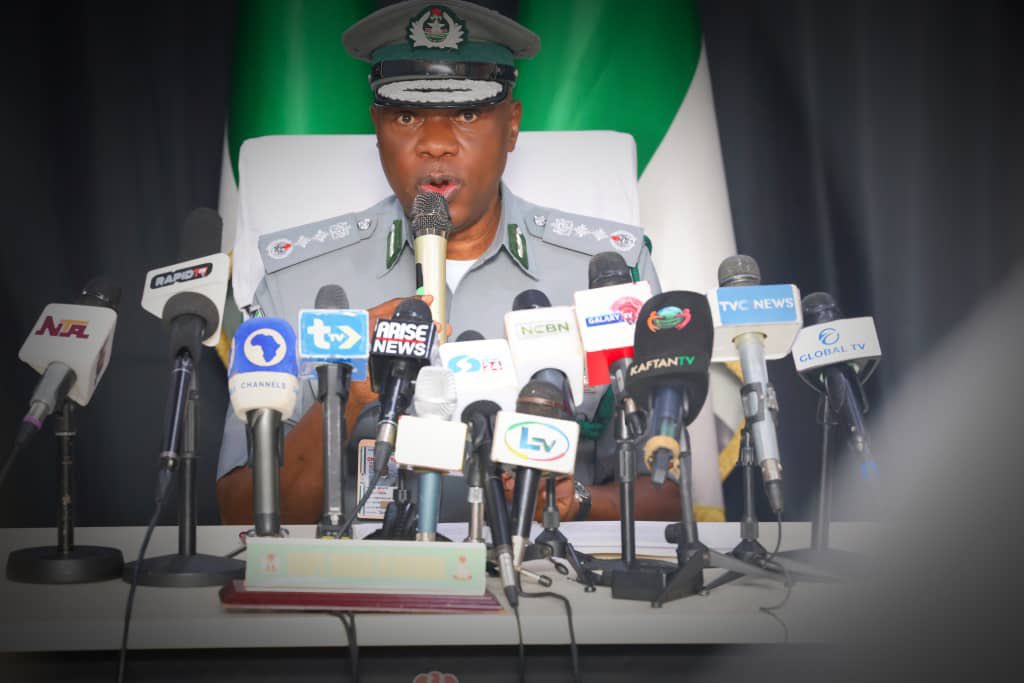
The Nigeria Customs Service (NCS) is set to unveil a state-of-the-art customs analytical laboratory, Comptroller-General Bashir Adewale Adeniyi, MFR, says. 

The initiative, slated to roll out between the second and third quarters of 2024, aims to fortify the NCS’s ability to detect and deter smuggling, counterfeit goods, and other unlawful practices. 

Addressing the media at the NCS Headquarters in Abuja on Wednesday, CGC Adeniyi stated the laboratory’s significance in upholding customs regulations.

Describing it as a specialized facility equipped with cutting-edge analytical instruments, he highlighted its pivotal role in ensuring compliance through accurate testing and analysis of imported and exported goods. 

“The Customs Analytical Laboratory will play a crucial role in safeguarding public health, safety, and economic interests,” said CGC Adeniyi.

By harnessing advanced technology and expertise, the NCS anticipates a substantial enhancement in its capacity to combat illicit trade activities, thus fostering trade facilitation and bolstering confidence in the customs system’s integrity. 

In addition to strengthening import controls, CGC Adeniyi shed light on initiatives aimed at fostering export growth and aligning with national agendas.

Discussions with the Nigeria Export Promotion Council (NEPC) have been initiated to sustain the positive momentum in export transactions, with a dedicated technical committee established for this purpose. 

“The NCS remains steadfast in its commitment to promoting export trade, diversifying the economy, and positioning Nigeria for success in the African Continental Free Trade Area (AfCFTA),” affirmed CGC Adeniyi.

As part of broader reforms, measures are underway to streamline customs processes and enhance public accessibility to verification tools for customs documents, including duty payments on vehicles. 

Noting ongoing efforts to enhance port operations, CGC Adeniyi disclosed plans for the introduction of a Single Window system under the stewardship of the Minister of Finance.

The imminent inauguration of the steering committee responsible for its implementation signals a proactive stride towards modernizing trade facilitation mechanisms in Nigeria.

Social Media and Traditional Media: A transformative relationship shaping the future of news

By Ahmed Abdulƙadir

Recently, I came across an announcement by Deutsche Welle (DW) Hausa Radio that it will cease transmitting its Hausa Programs on the Shortwave (SW) frequency channel. Instead, it will continue broadcasting through its partners on FM Radio throughout West Africa and through its various platforms on social media.

This decision brought to mind the gradual but noticeable paradigm shift by traditional media toward the use of social media in its operations.

Social media has significantly impacted the practice of traditional media in several ways. One major change is the shift in content distribution. Traditional media outlets, such as DW, are adapting to this shift by utilizing social media platforms to reach a broader audience. For instance, DW’s decision demonstrates the recognition of the growing influence of social media in reaching its target audience.

Social media also allows for more interactive and immediate engagement with the audience. Traditional media used to have limited interaction with its audience, with communication limited to letters or phone calls. However, social media platforms provide a platform for direct engagement, enabling real-time feedback, comments, and discussions. This creates a more dynamic and engaging relationship between media outlets and their audience.

Additionally, social media has given rise to citizen journalism, in which individuals can share news and information in real time. This has challenged the monopoly of traditional media in reporting news events. With the widespread use of smartphones and social media platforms, anyone can become a content creator and share their perspectives, breaking news, and images. This has forced traditional media outlets to compete with citizen journalists and adapt their reporting practices.

Furthermore, social media has transformed the way news is consumed. With the rise of social media algorithms, individuals have more control over the content they consume. They can choose to follow specific news sources, topics, or individuals, creating personalized newsfeeds. This has led to a fragmentation of news consumption, where individuals are exposed to diverse perspectives and sources of information, rather than relying solely on traditional media outlets.

Aside from DW, there are several examples of traditional media outlets that have made similar shifts toward utilizing social media platforms. One prominent example is the British Broadcasting Corporation (BBC). The BBC has recognized the importance of social media in reaching and engaging with its audience. It has established a strong presence on platforms like Facebook, Twitter, Instagram, and YouTube, where it shares news updates, videos, and engages with its viewers through comments and discussions. The BBC has also developed specific social media strategies to cater to different demographics and regions, ensuring a wider reach and engagement.

Another example is The New York Times (NYT), one of the leading newspapers in the United States. The NYT has embraced social media as a key component of its digital strategy. It actively shares its news articles, videos, and multimedia content on platforms like Facebook, Twitter, Instagram, and LinkedIn. The NYT has also invested in creating engaging content specifically for social media, such as short videos, infographics, and interactive stories, to cater to the preferences of its social media audience.

Furthermore, Al Jazeera, a global news network based in Qatar, has also recognized the impact of social media on journalism. It has established a strong presence on social media platforms and actively engages with its audience through live streams, interactive discussions, and user-generated content. Al Jazeera also utilizes social media platforms for real-time reporting, breaking news updates, and citizen journalism contributions.

These examples highlight how traditional media outlets such as the BBC, The New York Times, and Al Jazeera have embraced social media as an integral component of their media strategies. They have adapted their content distribution, engagement, and reporting practices to harness the power of social media and reach a broader audience.

But not only is the traditional media making a paradigm shift and embracing the social media in its modus operandi but the profound change is gradually catching up at the individual and personal levels. Starting with my self observation, I’ve come to realize that I’m more inclined towards getting my news content through the social media rather than the usual traditional media.

A further observation reveals that even media owners, especially heads of government in Nigeria, are rapidly losing interest in the coverage of their activities from traditional media in favor of social media. This has resulted in the neglect of their traditional media organizations in favor of a more robust interest in social media.

In summary, social media has changed the practice of traditional media by altering content distribution, enabling direct audience engagement, empowering citizen journalism, and transforming news consumption patterns. Traditional media outlets like DW are adapting to these changes by utilizing social media platforms to reach a wider audience and engage with their viewers and listeners in a more interactive manner.

The rise of social media and its impact on traditional media cannot be denied. It has brought about significant changes in content distribution, audience engagement, and news consumption patterns. Traditional media outlets like DW, BBC, The New York Times, and Al Jazeera have recognized the importance of social media and have adapted their strategies to include these platforms.

However, it is important to note that social media is not completely replacing traditional media. Instead, it is transforming the landscape and forcing traditional media to evolve and adopt new methods of reaching and engaging with their audience. Traditional media still holds a certain level of credibility and trustworthiness that social media platforms may lack. It continues to play a vital role in providing in-depth analysis, investigative journalism, and reliable news sources.

Moreover, while social media allows for immediate and interactive engagement, it also comes with challenges such as the spread of misinformation and the lack of editorial oversight. Traditional media outlets have the responsibility of fact-checking and providing accurate information to counteract these challenges.

In conclusion, social media is undoubtedly reshaping the practice of traditional media, but it is not replacing it entirely. The two can coexist and complement each other in providing diverse perspectives, real-time updates, and engaging content to the audience. It is up to traditional media outlets to adapt and leverage the power of social media to stay relevant in the ever-changing media landscape.

Ahmed Abdulkadir wrote from Katsina via ahmadakadir@yahoo.com.

Nigerian artisans and their psychological warfare

By Ibrahim El-Caleel

I have noticed one thing with artisans. A good number of them hate it when you ask them about their charges before commencing work on your item, be it electrical faults, plumbing issues or any other tasks. The prefer completing the job before telling you the price.

The underlying psychology here is for them to gain leverage in negotiation. By completing the task first, they position themselves in a stronger bargaining position. They will always argue that they have already done the job and they have really suffered to do so. This leaves you at their mercy, with some even framing their service to you as a massive favour.

However it goes, they will win. If you don’t pay as much as they want to charge you, then they will leave you with a guilt feeling about shortchanging them. An empathetic person will be prompted to add more money “just to clear his or her conscience”.

This is their psychology.

However, it is all your fault. No work should begin without a clear, mutually-agreed labour cost. It is akin to an employee signing an offer letter without a specified salary. Imagine starting a job as a Medical Doctor and your offer letter simply says, “we will pay you a monthly salary by 30th of every month.” No specified figure. What if at the end of the month the hospital pays you a salary of ₦17,500 while you were expecting ₦250,000? It’s absurd.

This is why both parties should agree on very clear terms before any work begins. If you meet your mechanic in his workshop, ask him how much he will fix your car’s Stabilizer & Ball Joints. Don’t agree with his vague assurances that, “No na Oga.. we are together”. Insist on knowing his charges upfront before the work begins.

Interestingly, this reminds me of an incident with Dr Sakynah some years back. After completing her shopping at the market, she hired a wheelbarrow boy to transport her goods and he brought them. When she asked him about his charging fee? He declined mentioning a figure, but told her “ko nawa ne ki bada; Allah Ya sa musu albarka”. Meaning, “just pay any amount of money; may God bless it”. She obliged and paid him ₦20, and that’s when he began murmuring.

“What happened again?”, she asked him.

“Haba. Ai ke ma kin san ya fi haka!” (Haba. You also know that this work deserves more than what you just paid), he replied.

She asked, ‘were you not the who said I could pay anything and may God bless it?’ So she asked him again, “how much is your money?”

Without any hesitation, he replied, “₦50!” And she now gave him his money. She could have paid him N200, and the guy would be happy that the strategy is working.

This is also another strategy artisans use to charge you more than what is their actual pay. They will tell you to simply pay any amount, no problem. I don’t know why any merchant would do this. Is it possible for me to go to a kiosk and pick a large loaf of bread, and then the kiosk owner will tell me to pay any amount? It’s impossible. So why do artisans issue labour with a blank price tag?

But then it is a strategy for price discrimination. You sell the same goods or service at different prices to different consumers. A seller is happy to do this, but a buyer feels uncomfortable. Some buyers even feel like they were swindled. This is the same strategy the e-CEOs of “DM for pricing” are using. They lure you to inbox, and sell a ₦2,000 kitchen utensil to you at ₦5,000; then lure your friend to inbox and sell the same product at ₦2,400.

As a buyer, you must be smart. Most sellers are already very smart. If you are not smart as a customer, they will maximize their profit out of your meager earnings. This is why they get richer annually while you either stay flat or decline. Sapa wan finish you.

Commercial Lawyers would say, “Caveat Emptor“, or “Let the Buyer Beware.”

Return of mass kidnapping in the North

By Zayyad I. Muhammad

In just one week, bandits and Boko Haram terrorists have abducted scores of students, female IDPs, Almajiris and other innocent citizens across Northern Nigeria.

On February 28, 2024, bandits killed two residents of Anguwan Auta in Gonin Gora, Kaduna state and kidnapped 16 others. The kidnappers are demanding a ransom of N40 trillion, along with 11 Hilux vans and 150 motorcycles, for their release.

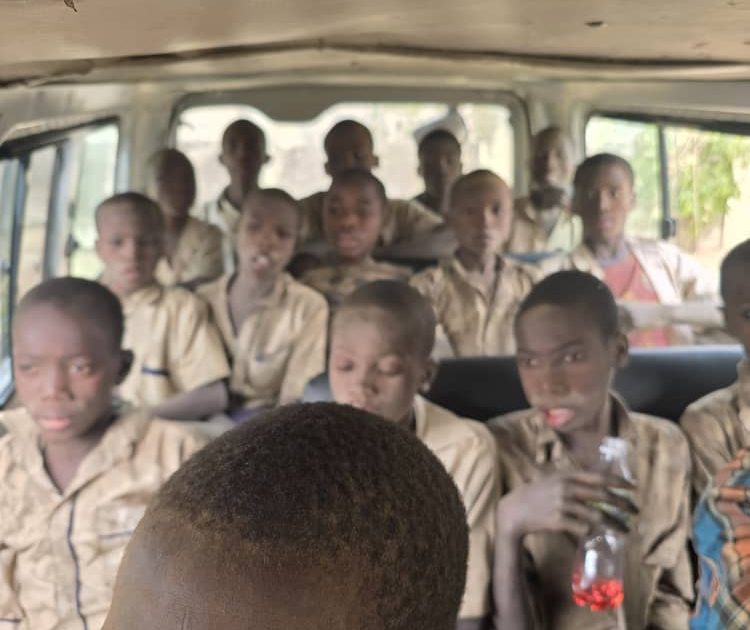
On March 7th, 2024, 287 students, boys and girls between the ages of 8 and 15, were abducted by bandits from primary and secondary schools in the town of Kuriga in Kaduna State. The bandits have demanded a N1 billion ransom to set their captives free. They also threatened to kill the victims if the ransom was not paid in 20 days. It was reported that, on Tuesday, March 12, 2024, the bandits made contact through the principal of the school, Abubakar Isah, who was abducted alongside the students. The bandits contacted Aminu Kuriga, a friend of the school’s principal, at around 2 p.m. on that Tuesday, asking for the amount.

On Friday, March 8, 2024, Amnesty International (AI) reported that Boko Haram terrorists abducted over 400 people, including women and children, in Borno State. Boko Haram kidnapped the IDPs from different IDP camps in the Gamboru Ngala area of the state, which is one of the least secure parts of troubled Borno State, according to some observers.

In the early hours of Saturday, March 9, 2024, 15 Quranic school students and an elderly woman were kidnapped when bandits raided Gidan Bakuso village in the Gada Local Government Area of Sokoto State.

Looking at outrageous demands and the targets, the bandits and the Boko Haram terrorists are all out to embarrass the government and cash out from it because most of their targets are soft and in rural areas.

However, the Minister of Information and National Orientation, Alhaji Muhammed Idris, was quoted as saying that President Tinubu has directed that security agencies must, as a matter of urgency, ensure that these children and all those who have been kidnapped are brought back in safety and also in the process, to ensure that not a dime is paid as ransom.

Can the government secure the release of the hostages as soon as possible without negotiation or payment of a ransom? Have the terrorists discovered a loophole in the current approach? It appears that the bandits and terrorists are exploiting the successes achieved in certain hotspots, possibly causing security agents to focus on other areas.

What needs to be done is a holistic approach to the deployment of both the kinetic and non-kinetic approaches.

The state, federal, and local communities should work together; collaboration is key to security management. On March 14, 2024, The National Security Adviser, Mallam Nuhu Ribadu, all the service chiefs have met with all 19 northern governors to deliberate on the issue of security. This is good.

Managing security in a vast country like Nigeria with inadequate modern technology for security management is difficult, and federal security operatives cannot be everywhere and anywhere at the same time. And, Here comes the importance of a well-designed and structured state police. They play a crucial role in maintaining law and order within their respective states by enforcing state laws, responding to emergencies, investigating crimes, and ensuring public safety. Thereby, they contribute significantly to the overall security and well-being of the citizens within their jurisdiction, while complementing the efforts of other federal security agencies.

The hope is that the government should consider revitalising and re-strategizing both kinetic and non-kinetic security approaches as being implemented by the Office of the National Security Adviser (ONSA). This will not only lead to more successes and breakthroughs; however, more intelligence gathering is needed. Community engagement and direct psychological communication with the bandits should be employed. In community engagement, communities should be made to feel like part of the solution in security management, thus providing intelligence and also acting as watchdogs for security operatives without being endangered. Secondly, the reported ongoing soft approach’ should be sustained, and in direct communication with the bandits, psychological, social media, and artificial intelligence (AI) methods should be greatly utilized. Most bandits and Boko Haram terrorists now also use social media. Therefore, a coordinated effort should be launched by the ONSA and other relevant bodies to recruit individuals who speak the languages of the bandits. These individuals can then send convincing messages to them regarding the disadvantages and dangers associated with their activities, while also highlighting the benefits of adopting a normal lifestyle. This includes attending both Western and religious schools while still maintaining their culture, beliefs, and legal trade inherited from their communities.

Furthermore, radio and TV remain effective tools to reach the bandits, especially with the widespread availability of satellite TV and advancements in solar power technology. This allows bandits hiding in thick forests to charge their phones, watch TV, and listen to the radio and watch satellite TV.

To enhance security for soft targets and rural schools, the government at all levels, along with security agencies and local communities, should collaborate on implementing both kinetic and non-kinetic approaches.

Zayyad I. Muhammad writes from Abuja. He can be reached via 08036070980, zaymohd@yahoo.com

The decision of Burkina Faso, Mali, and Niger on opting out of ECOWAS

By Tijani Abiola

Burkina Faso is a landlocked country located in West Africa. It shares boundaries with six countries: Mali to the north, Niger to the east, Benin to the southeast, Togo and Ghana to the south, and Côte d’Ivoire to the southwest. As of the last knowledge update in January 2022, the total population of Burkina Faso was 21 million people. The country’s official language is French, which is spoken alongside different indigenous languages.

Economically, Burkina Faso is mainly an agricultural country, though there is also a very strong presence of gold mining. However, this country is troubled by poverty, drought, and political instability.

Mali, on the other hand, also in West Africa, shares borders with Algeria to the north, Niger to the east, Burkina Faso and Ivory Coast to the south, Guinea to the southwest and Senegal and Mauritania to the west, with a population of about 20 million people. The official language is French, and Bambara is also widely spoken.

Political instability, ethnic tension, and conflicts with extremist groups positioned mostly in the northern parts of the country have also challenged Mali in the years past. It lies in the region bordered by Libya to the northeast, Chad to the east, Nigeria and Benin to the south, Burkina Faso and Mali to the west, and Algeria to the northwest. It has a population of about 24 million people. 

The official language is French, and many indigenous languages are spoken. Niger is largely an agrarian society, with subsistence farming forming a very critical part of the economy. Uranium mining is also a very important industry. The country faces challenges such as poverty, desertification, and food insecurity.

All three have diverse cultures and histories, and all have unique challenges. The Sahel region, including the northern parts of Burkina Faso, Mali, and Niger, has seen a particular outbreak of security issues, including conflicts with jihadist groups and ethnic tensions.

Meanwhile, in the years 2020, 2021 and 2023 in Mali, Burkina Faso and Niger, respectively, there were successful military coups which still reign to date.  The Economic Community of West African States (ECOWAS) turned an eye to their decision and style of new leadership of the bloc’s member-states. Efforts towards national reconciliation have been in vain. 

The Economic Community of West African States is a regional political and economic union comprising fifteen countries located in West Africa, of which the above-mentioned Countries are members.

Burkina Faso, Mali, and the Niger Republic have all in recent times expressed intention to part ways with ECOWAS bloc bodies. That decision has been a climax and a very big bottleneck for ECOWAS, as the trio of these countries are some of the most resourceful countries which shoulder a huge part of the yearly ECOWAS budget and yet one of the poorest countries on the African continent. After their decision to leave the West African regional bloc of ECOWAS, what effect will this have on ECOWAS?

This country represents almost 20% of the ECOWAS population – that is 66 million out of 420 million people. As mentioned above, cotton, gold, and uranium ore are precious resources for Burkina Faso, Mali, and Niger, respectively.

Is ECOWAS blind to these facts?

I will say no, but will they have intensified negotiations before now? Yes. Their belief may be that they will soon get tired and comply or call for help after being deprived of some amenities benefited from nearby ECOWAS countries. Yet, they still remain adamant about their decision. For such countries to make such decisions looks like a threat to other ECOWAS countries.

ECOWAS should know this is no joke. The pumping question is: what if they excel in their decisions and their leaders are able to change their countries and become the best in years to come? What will happen to other ECOWAS countries whose corruption still influences their development?

Is dumping ECOWAS best for Burkina Faso, Mali, and the Niger Republic?

This decision will not only restrict their access to large international markets for foreign exchange and development provided by ECOWAS but also international partnerships that help in country development. Also, the free visa for all ECOWAS states is another big opportunity they might be deprived of from ECOWAS countries.

Though their decision has not been formally in writing to ECOWAS, they may be nursing second thoughts in the decision or calling for attention to negotiation stylishly. The poking questions are;

Is this the best idea for these three countries?

Will they stand without ECOWAS?

Won’t they be a threat to other ECOWAS countries if their decision is granted?

Does ECOWAS need to let them be?

Africa is a blessed continent with all its natural resources, but a continent with the highest rate of poverty and a corrupt leadership style needs to be resolved.

Tijani Abiola wrote via abiolatijani001@gmail.com.

Former NLC President, Ali Ciroma, passes away

By Uzair Adam Imam

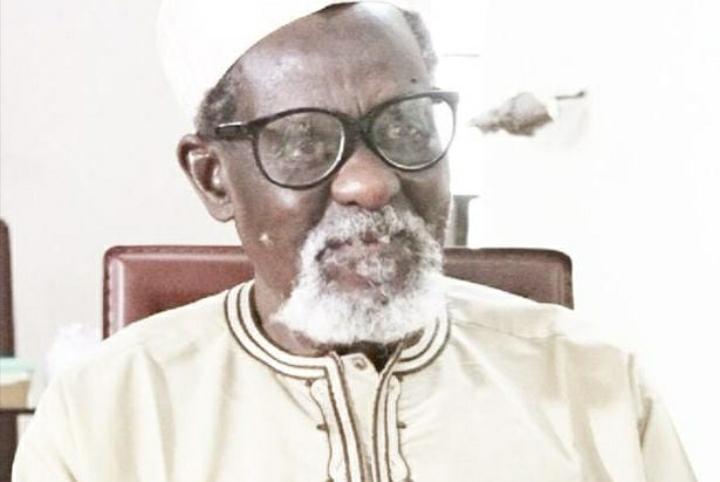
Comrade Ali Ciroma, a prominent figure in Nigeria’s labor movement and former president of the Nigeria Labour Congress (NLC), has passed away.

His demise occurred on Tuesday in Maiduguri, the capital of Borno State, following a brief illness.

The sad news was conveyed through a statement issued by Ali Ciroma, the Secretary of Nigeria Union of Journalists, Borno State Council, on behalf of the family.

The statement expressed deep sorrow at the passing of Comrade Ali Ciroma, noting that he breathed his last at the University of Maiduguri Teaching Hospital.

According to the statement, the funeral arrangements are scheduled for the following day (Wednesday) at the deceased’s residence located at No. 7 A along Galadima Road, near Muhammadu Shuwa Memorial Hospital (Nursing Home), Maiduguri.

Comrade Ali Ciroma had served as the president of the NLC from 1984 to 1988, leaving a significant mark on the labor movement during his tenure.

Prior to his leadership in the NLC, he held the position of president in the Rural Health Workers of Nigeria in 1960, which later evolved into the Medical and Health Workers Association.

His contributions to the labor sector have left a lasting legacy in Nigeria.

Gunmen kidnap varsity students in Taraba

By Sabiu Abdullahi 

Two students were forcibly taken from their hostel at Federal University Wukari, Taraba state, on Monday night.

Late Monday evening, a set of armed assailants raided a students’ hostel situated along the Wukari-Zaki Biam road and kidnapped a male and a female student from the Microbiology and Economics Departments, respectively.

The brazen abduction has thrown panic into the university community and beyond. 

Confirming the distressing incident, Mrs. Adore Auwudu, the University’s Police Public Relations Officer, disclosed that security forces, in collaboration with local youths, have launched a comprehensive search operation to locate the abducted students.

However, the abduction has reignited concerns raised by the University’s Vice-Chancellor, Professor Jude Sammani Rabo, regarding the inadequate hostel accommodations, which not only jeopardize students’ security but also undermine their overall well-being. 

Taraba State, grappling with the wider issue of insecurity plaguing the nation, finds itself embroiled in a disturbing pattern of violence and kidnappings.

The latest abduction serves as a stark reminder of the urgent need for proactive measures to address the prevailing security challenges. Efforts to solicit comments from Taraba State Police Commissioner, David Lloyanomon, were hampered by his unavailability due to ongoing engagements.

However, in a text message response, the Commissioner noted the imperative of verifying the victims’ student status, reflecting the complexities surrounding such incidents amidst the tumultuous security landscape. 

As investigations continue and the fate of the abducted students hangs in the balance, stakeholders are urged to redouble efforts in ensuring the safety and security of students within educational institutions across the region. 

Empowering women against breast cancer: Awareness, prevention and support

By Harajana Umar Ragada

It all began with a small lump on her left breast. Over time, it grew larger with each passing day. Concerned, her husband took her to the hospital, where they were informed that a minor surgery was necessary. The doctor assured them of its safety and that she would go home immediately after the procedure.

However, an elderly woman approached her with a warning. She advised against allowing anyone to touch her breast at such a young age, claiming it was too risky. Unfortunately, she heeded the woman’s advice, ignoring her husband’s attempts to convince her otherwise. Instead, she returned home and relied on local herbs, hoping for a cure.

To her dismay, the condition worsened and developed into cancer. She underwent numerous treatments, including chemotherapy. I watched as she silently suffered, fervently praying for her quick recovery. However, she eventually succumbed to the illness after a lengthy stay at the hospital. She left behind three children, with the youngest just weaned off due to the mother’s illness.

Her death deeply affected me and shed light on the lack of awareness among many women about breast cancer, its preventive measures, predisposing factors, and signs to look out for.

According to findings from the World Health Organisation (WHO), in Nigeria alone, over 10,000 women die annually from cancer-related issues, with approximately 250,000 new cases recorded every year. These numbers are alarming, prompting me to contemplate how I could help.

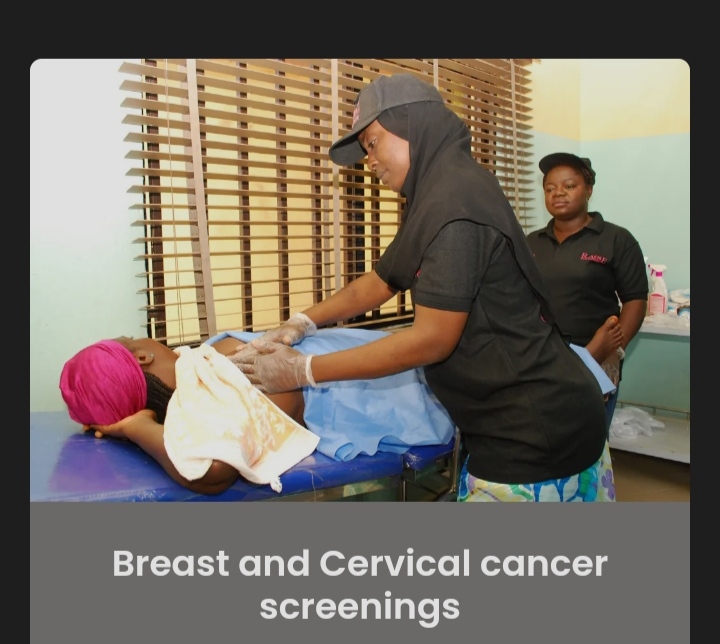
That’s when I discovered Raise Foundation, an organisation dedicated to providing free cancer screening, raising awareness about breast cancer, and supporting patients through their journey, founded by the wife of the former Niger State Governor, Haj. Amina Abubakar Bello.

In an interaction with the CEO of Raise Foundation, Mrs Toyin Dauda, she disclosed that their mission is to create awareness and opportunities for women and girls, allowing them to realise their full potential in a safe environment for pregnancy and childbirth. They aim to empower women to make informed decisions and seize available opportunities.

“We established the Raise Foundation in 2015, and we are proud to have the first breast and cervical cancer screening centre in Niger State. Additionally, we conduct outreach programs in hard-to-reach areas, where we screen women and educate them about breast cancer. We promote early detection and offer assistance to those diagnosed with cervical or breast cancer,” She affirmed.

Mrs.Toyin further explained that the screening is completely free of charge. Their healthcare professionals use gloves for examination, and if they identify any abnormalities or lumps, the woman will need to undergo a scan, which costs ₦4000. For women over 35, a mammography is recommended, priced at ₦10,000.

However, during October, Breast Cancer Awareness Month, they provide all these services for free. Operating from Monday to Friday, 9 a.m. to 4 p.m., Mrs Toyin urged women not to wait for the designated month but to seek screenings earlier. The foundation also guides self-breast exams.

Moreover, the Raise Foundation offers financial support for breast cancer patients. Rather than giving patients money directly, they cover the costs and provide receipts. They have partnerships that help fund their initiatives, allowing them to support women across Nigeria. Mrs Toyin appealed to governments, organisations, and individuals to contribute funds as the number of patients rose.

Furthermore, the program coordinator for Raise Foundation, Dr Fatima Tafida, emphasised the importance of understanding the risk factors associated with breast cancer and taking action to address them. She highlighted the risk factors, the consequences, the signs and symptoms, preventive measures, and how to perform self-breast exams.

According to Dr Fatima, the risk factors include being female, as breast tissue is present, an increasing trend of breast cancer among younger women (even as young as 25 years), early onset of menstruation, late menopause, not having been pregnant or breastfed, family history of breast cancer, smoking, excessive alcohol consumption, and poor diet or obesity.

She added that cancer is a significant threat as it impacts individuals socially, physically, emotionally, and financially. 

“Signs and symptoms of cancer can vary depending on the type. The most common sign is the presence of a small lump in the breast, which may or may not be painful. Other indicators include the growth of the lump, cracks on the nipples, or the presence of bloody or Clear discharge. Unfortunately, many individuals are unaware that they have cancer until it has progressed.

“To prevent cancer, there are several measures that can be taken. Firstly, creating awareness about the disease and its risk factors is crucial. Secondly, modifying one’s lifestyle by quitting smoking and reducing alcohol consumption is essential. Additionally, individuals who are obese should aim to lose weight and incorporate regular exercise into their routine. Maintaining a balanced diet is also important in preventing cancer. Conducting regular self-breast exams is recommended for those with a family history of the disease. Lastly, performing self-breast exams at the end of the menstrual cycle can help in the early detection of any abnormalities.” She stressed.

Dr Fatima Tafida also underlined the importance of regular self-breast exams. She provided step-by-step instructions on how to perform a self-exam for early detection. 

She advised standing in front of a mirror with the left hand raised above the head. Using the fingers of the right hand, one should palpate the whole breast, pressing the nipple and checking for any cracks or nipple discharge, be it bloody or clear. The person should then move their hand under the armpits and check for enlarged lymph nodes. 

Dr. Fatima also highlighted signs to look out for, such as an orange peel appearance of the skin, one breast being bigger than the other, nipple retraction, or sores around the breast or nipples. These indicators could suggest a problem, and medical attention should be sought immediately. 

She stressed the importance of early detection and shared the example of Angelina Jolie, who underwent a double mastectomy after testing positive for a breast cancer gene due to her family history.

For women over the age of 40, Dr. Fatima underscored the importance of getting a yearly mammogram. She advised against relying solely on herbal medicines and encouraged sticking to scientifically proven methods of treatment and prevention. She said teenagers should be aware and proactive in screening themselves. While adding that wearing bras made from secondhand clothes, often of European origin, does not increase any chance of having breast cancer.

In conclusion, Dr. Fatima appealed to society to show kindness and support to breast cancer patients. She highlighted the high costs associated with treating breast cancer and urged governments, NGOs, and individuals to provide assistance and support to these patients.

The Raise Foundation has received heartfelt gratitude from beneficiaries who have received free treatment and support. One patient expressed her appreciation, acknowledging that she would not have been able to afford the treatment without the foundation’s help. Another beneficiary thanked the foundation and called on the state government, NGOs, and individuals to support breast cancer patients.

As breast cancer continues to devastate lives, we must come together and fight it collectively. Let us join hands in raising awareness, providing support, and working towards a future where breast cancer no longer exists.

Harajana Umar Ragada wrote via kharajnah@gmail.com

Armed bandits rob travellers, set bus ablaze in Ogun

By Uzair Adam Imam

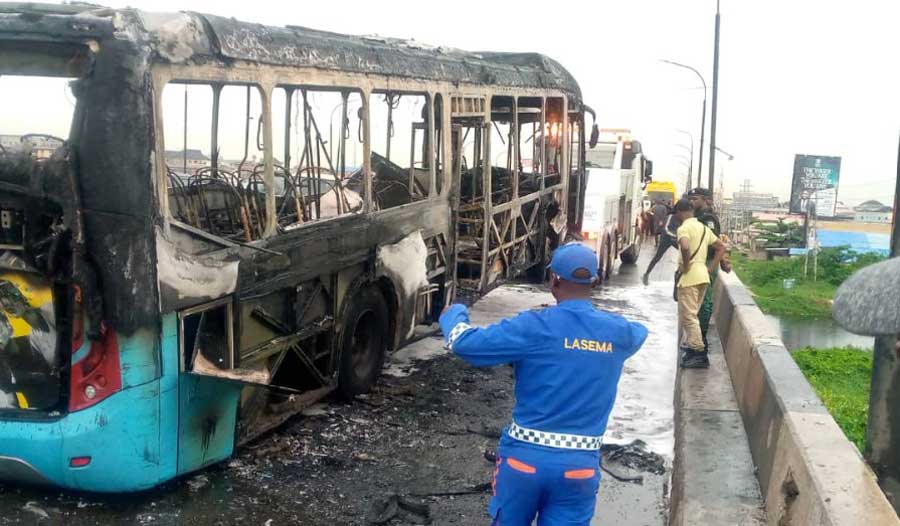
Armed bandits struck terror into the hearts of travellers on their way to the southeast for Easter celebrations, intercepting an Abakaliki-bound luxury bus along the Ijebu Ode-Ore-Benin expressway in Ogun State.

The harrowing incident occurred at the Oke Ado junction at Ijebu Mushin.

Confirming the distressing event, SP Omolola Odutola, the spokesperson of the Ogun State Police Command, revealed that the criminals, armed with cutlasses, stopped the luxury Mercedes-Benz bus that originated from Maza Maza.

They proceeded to rob all 59 passengers on board, leaving them stripped of their belongings. Without hesitation, they locked the passengers inside the bus and set it ablaze.

However, by sheer willpower and determination, the passengers managed to break the glass windows and escape from the inferno before it engulfed the entire bus.

The survivors recounted the terrifying ordeal, expressing gratitude that no lives were lost despite the loss of their possessions.

The management of Ifesinachi Transport Nig. Ltd. confirmed that the attacked bus belonged to their company, expressing shock and dismay over the tragic turn of events.

In a distressing video shared on social media, survivors recounted the brutality of the bandits, who subjected them to physical assault and robbed them of everything they possessed.

Despite the trauma inflicted upon them, they expressed gratitude for their survival.

As investigations continue into this appalling incident, it serves as a stark reminder of the ongoing security challenges facing travellers on Nigerian highways.

The authorities are urged to take swift and decisive action to apprehend the perpetrators and ensure the safety of all citizens.

Kano students suffer as government fails to pay off their tuition fees

By Muhammed Sodangi

Let me begin with the famous saying of the South African anti-apartheid revolutionary leader, Nelson Mandela, who said, “It is through education that the daughter of a peasant can become a doctor, that the son of a mine worker can become the head of the mine, that a child of farm workers can become the president of a great nation. It is what we make out of what we have, not what we are given, that separates one person from another.”

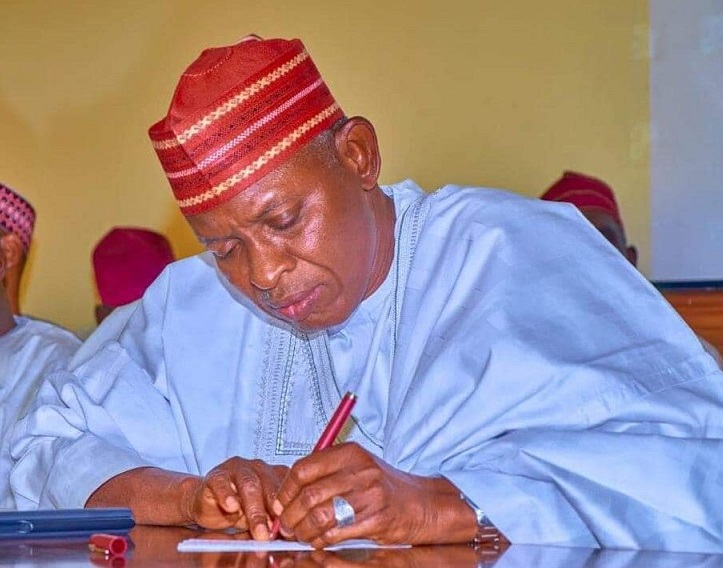
On August 23, 2023, the Executive Governor of Kano State, Engr. Abba Kabir Yusuf, approved the payment of ₦700 million to 7,000 Kano indigenous students at Bayero University, Kano.

This commendable gesture has put smiles on the faces of a great number of students who were utterly struggling for the survival of their academic pursuits at the time.

Under your stewardship, Your Excellency, approximately 550 indigent students from Kano State were sponsored to travel overseas for a master’s scholarship program.

Thus, it is a clear testimony that the education sector has been prioritized by investing heavily in the future leaders of our state.

However, students studying at various universities outside the state risk deferment or withdrawal for not settling their tuition fees as promised by the Kano State government.

On March 2, 2024, the Kano governor held a meeting with the “Joint Consultative Forum of Kano Universities Students” to address the lingering issue regarding the payment of their tuition fees.

A few days later, a screening team from the scholarship board was dispatched to various universities, but no progress has been recorded yet.

Your Excellency, many students have missed tests and are on the brink of missing exams. We are thus calling on your intervention as soon as possible.

Thank you.