Month: April 2024

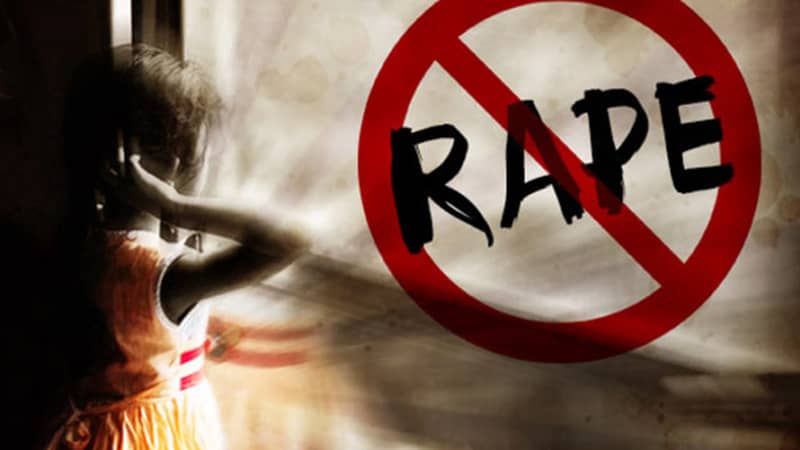
Mother’s lover allegedly abuses children sexually while she’s away

By Uzair Adam Imam  

Lovelyn Onyekachi and her suspected lover, Uchenna Ekwenye, find themselves in police custody amid disturbing allegations of serial sexual attacks and defilement involving Lovelyn’s three children, aged 5, 7, and 9. 

The case, originating in Lagos, has been moved to Abuja as investigations intensify. According to police sources, the children, lacking proper attention from their mother, reportedly fell victim to the assaults facilitated by Lovelyn’s relationship with Ekwenye.  

Neighbours, troubled by the children’s distress, alerted authorities, leading to the arrests. 

Lovelyn, who returned to Nigeria from South Africa with her children after a reported dispute with her husband, Pastor Paul Onyekachi, allegedly entered into a relationship with Ekwenye, who frequently visited their home in Lagos.  

The situation escalated when Ekwenye allegedly moved in and took advantage of Lovelyn’s absence to abuse the children, warning them against disclosure. 

However, a petition from the accused’s legal representatives challenges these accusations, asserting them as tactics orchestrated by the children’s father to gain custody through coercion. 

In a twist, Lovelyn’s lawyers claim that she was detained unlawfully by the Lagos State Domestic and Sexual Violence Agency after being summoned for questioning regarding the allegations. 

Salary increase or stronger Naira: My appeal to the President

By Sani Bello Hamza

Mr. President, before I delve into my concerns, it is indeed important to lay a proper foundation. As an aspiring lawyer and an opinion leader in my own capacity, I am not unaware of the challenges and intricacies of leadership. The stress, strain, and challenges are sometimes daunting and discouraging.

However, Mr. President, even your enemies and those from the opposition party can not doubt your capacity to lead and your unique style of leadership. Your ability to lead and manage successful politicians, industry men and academics leaves us in awe and surprise.

Your ability to understand and provide lasting solutions to national issues ought to be given careful consideration and serve as an exercise for students at various levels. Your unique style of leadership is indeed worthy of emulation and study. The Asiwaju school of thought!

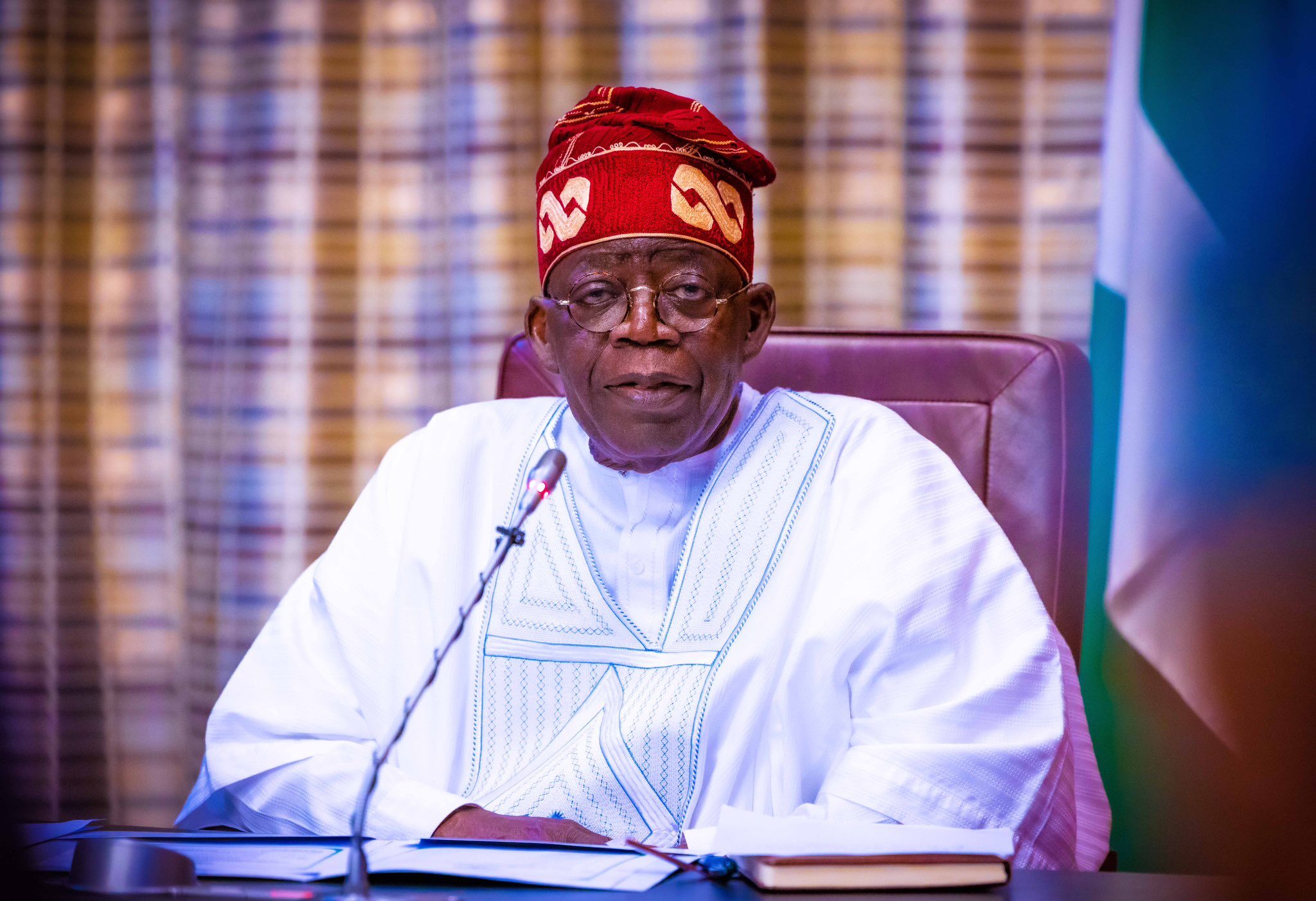
Dear President Bola Ahmed Tinubu, It has been a year since Nigerians qued in mass to support you and the renewed hope agenda. They voted for you and supported your candidacy. Nigerians, from every nook and cranny of the country, shun the nay-sayers and triumph to support you and the APC to make sure you make it to the Villa. It has now become history and forms a special part of the Asiwaju school of thought! 

Mr. President, sir, Before you declared your intention to run for president in early 2022, Nigerians were lost in search of a trusted and reliable leader, a qualified politician capable of steering them to the promised land. The APC seems to be falling after eight years of sheer disappointing tenure, and the PDP was not an option to be considered, given its 16-year tenure.

The resurgence and emergence of the renewed hope agenda and the “emilokan” slogan gave Nigerians a sigh of relief and hope that the table would turn around. That is, it’s time to reap what they sow and enjoy the fruit of their labour and hard work. 

Mr. President, I wish I could write this letter and deliver it directly to your mail or doorstep. Sadly, it’s not possible. I still wish I could be featured on national television to address you and beg you for one thing, yes, just one thing, Mr. President. 

If I were given the opportunity to meet you, the president, in a one-on-one conversation, I wouldn’t talk much. I promise to make the conversation short, brief, and succinct. Who will give me this golden opportunity? 

Anyway, the popular Hausa adage; “guntun gatarin ka ya fi sari ka bani” meaning your short axe is better than cut and give me” is what kept resounding in my skull. I will use the little I have to achieve what I don’t have. I will send this letter out, hoping that one day it’ll reach you, Mr. President. In a one-on-one meeting with the president, I will tell him to put aside anything that has to do with salary increases for the working class and concentrate on bringing back to life the already dead Naira. A stronger Naira is the only option.

Okay, back to the subject matter: Nigeria is indeed a blessed country with abundant natural resources (Minerals and Humans). Yet, our economy keeps dilapidating day in and day out. It always seems that yesterday was better than today, last month was better than the current month, and we wish to be taken back to the previous administrations. 

Why is this happening? What is the problem with Nigeria?

I was tempted to share a post on my Facebook timeline from March 2015 (nine years ago) in which the writer lamented how the prices of commodities skyrocketed during the fasting period. The only price that caught my attention was the price of spaghetti, which rose from 60 – 70 naira. Man! How much are you buying spaghetti now? They’ll say the dollar has risen.

Mr. President, back then, in 2014, the exchange rate of dollar to naira was 60-70 per dollar. The minimum wage then was 18,000 naira, which is enough for an average Nigerian to buy a bag of rice and other commodities to sustain himself throughout the month.

Fast forward to 2024, 10 years later, the Naira hit an all-time record of 1900 to a dollar, and the minimum wage has graciously increased from 18,000 to 30,000. The 30k will not be enough for the average Nigerian to buy half a bag of rice, not to talk of other daily life struggles.

Mr. President, I strongly believe a salary increase will only increase the amount of money in circulation, thereby making inflation the front seat of our economic discourse. They say more money, more problems. 

Mr President, sir, a good road network connecting rural to urban areas spiced up with increased exports will benefit the country more than an increased salary for less than five per cent of the country’s population. 

Dear President Bola Ahmed Tinubu, I equally believe the renowned economists in your midst understand the intricacies of our economy and where it’s heading to. With your continuous support, dedication and unwavering commitment to the progress of our nation, Nigerians will one day smile and say Alhamdulillah!

Sani Bello Hamza is a Law Student at Ahmadu Bello University Zaria. He writes from Zaria and can be reached via sanibellohamza@gmail.com.


Military can end Nigeria’s security crisis

By Uzair Adam Imam

Former Minister of Defence and National Leader of the New Nigeria People’s Party (NNPP), Sen. Musa Kwankwaso, has emphasized the capability of the military to effectively address the prevailing security challenges in Nigeria, provided with the requisite support.

Speaking to journalists after the NNPP National Executive Committee meeting in Abuja, Kwankwaso underscored the pivotal role of the Federal Government in addressing the security crisis while urging Nigerians to actively contribute by providing crucial information to security agencies.

Drawing from his extensive experience in security matters as a former Minister of Defence and Chief Security Officer of Kano State, Kwankwaso emphasized that the gravity of the situation necessitates the involvement of the Nigerian military.

He stressed that alternative security measures, such as state-led initiatives, fall short of addressing the magnitude of the crisis.

Highlighting the dire consequences of the security challenges, including disruptions to agricultural activities and rampant abduction of innocent civilians, Kwankwaso urged collective efforts towards restoring peace and security in the country.

Asserting his party’s readiness to tackle the nation’s problems, Kwankwaso positioned the NNPP as a beacon of hope for Nigerians disillusioned by the failures of the All Progressives Congress (APC) and the Peoples Democratic Party (PDP).

Echoing Kwankwaso’s sentiments, Kano State Governor Abba Yusuf urged unwavering dedication among party members, emphasizing the need for wholehearted commitment to the NNPP’s vision for a better Nigeria.

El-Rufai gears up for legal, political battle against Tinubu

By Uzair Adam Imam

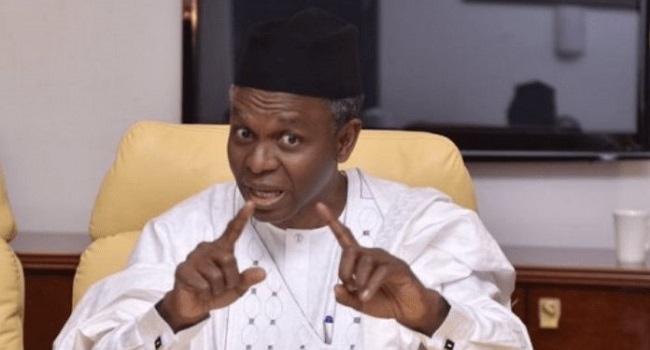
The former governor of Kaduna State, Mallam Nasir El-Rufai, is bracing himself for a multifaceted showdown with President Bola Tinubu, poised to unfold in both courtrooms and the court of public opinion.

El-Rufai’s legal offensive is aimed at vindicating himself from allegations of being a security risk, which have tarnished his reputation and dashed his ministerial aspirations.

Despite his instrumental support in Tinubu’s rise to power, El-Rufai was abruptly dropped during Senate ministerial screenings, citing purported security clearance failures.

This stunning turn of events has spurred El-Rufai to action, with plans underway to challenge the accusations in court. Sources close to him have affirmed his resolve to clear his name and restore his integrity, leveraging his extensive international connections and legal resources.

Simultaneously, El-Rufai is mobilizing politically to challenge Tinubu’s influence in the court of public opinion, setting the stage for a potentially contentious lead-up to the 2027 elections.

While his exact role in the upcoming political landscape remains uncertain, El-Rufai’s strategic maneuvering against Tinubu underscores a rift that has emerged despite their past collaboration.

El-Rufai’s journey from a key ally to a formidable opponent of Tinubu reflects a complex dynamic within Nigerian politics, where alliances can shift rapidly, driven by personal ambitions and ideological differences.

As the battle lines are drawn, the nation watches with bated breath to see how this clash of titans will reshape the political landscape in the years to come.

Japa: Addressing misconceptions on helping young Northerners craving to move abroad

By Dr. Muhsin Ibrahim

Some people accused us (Hausa/Fulani folks living in the West) of not doing enough to bring our own here – as our counterparts from the South do. This is not the first time and will not be the last I heard such accusations. In short, they are baseless.

Years ago, we spent hours giving a webinar on how to get scholarships and jobs in Germany under the Arewa Youth Mentorship Program (AYMP) platform. AYMP has been organising such events for years. I have shared it here and with many people personally. One of them complained that it was too long!

I went to bed last night thinking about the accusation. I almost slept when I felt the need to share a website about working, studying, and living in Germany, which I did. However, see how many people reacted to it (30 as I type this; the one before it has almost 1500). One of the three people who commented on the post asked, “How can I apply”? Click on the darn web link!

Folks, it is not easy to come to Europe or any other part of the world via legitimate means for a gainful job. First, you need to have the required skills or qualifications. Second, you must have either an admission, scholarship, or job contract. Third, you must have a visa.

I swear some of those people we praise for ‘helping’ their own follow dubious means. I know several people working with others’ documents and identities. I have heard of people charging astonishing amounts of money to be others’ guarantors (to come here). I cannot do any of these.

I have shared scholarship and job opportunities countless times and have been mentoring people—directly or indirectly—for years. Some of these folks have made it—Alhamdulillah. However, others haven’t. I cannot satisfy everyone.

Others have disappointed me, thinking I should do everything for them. I cannot recall how often I asked some so-called mentees to collect their academic transcripts or write proposals for applications to do their postgraduate studies abroad. Come on! I have other essential engagements myself.

Upon waking up, seek God’s help and avoid falling for scams out of desperation (the topic I discussed yesterday, though in Hausa).

May Allah help us all, amin.

Dr. Muhsin Ibrahim teaches Hausa Studies at the Institute of African Studies, University of Cologne, Germany. He can be reached via muhsin2008@gmail.com.

CGC Adeniyi hosts Ramadan Iftar with dignitaries, calls for national unity

By Sabiu Abdullahi

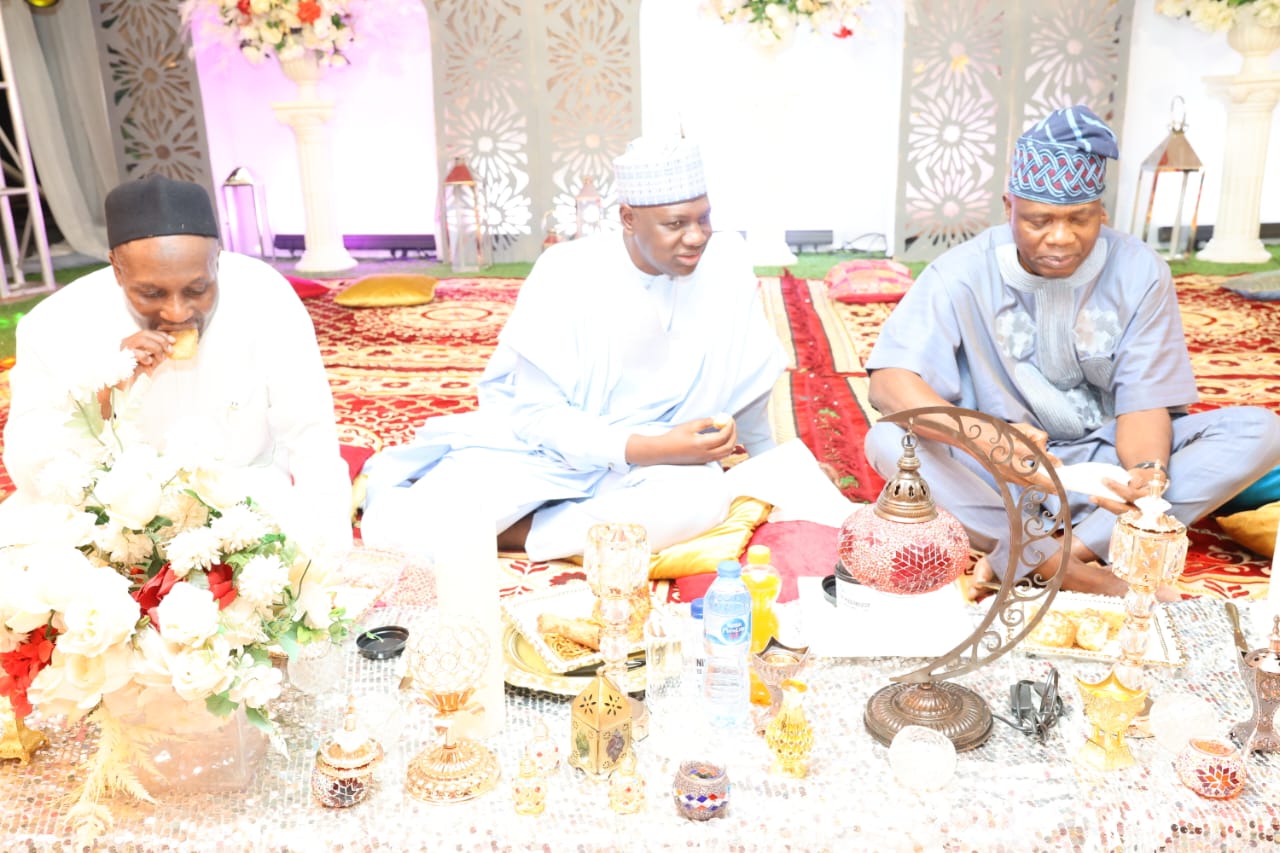
The Comptroller-General of Customs, Bashir Adewale Adeniyi, MFR, called for unity and harmony among Nigerians during the holy month of Ramadan. 

He stated this in an iftar gathering he hosted on Tuesday, April 2, 2024. 

The event, attended by dignitaries including Saleh Ahmadu, Chairman of the Trade Modernization Project, took place at the Nigeria Customs Management Estate in Abuja. 

In his address, CGC Adeniyi urged Nigerians to embrace the teachings of Ramadan, stating, “Only through eschewing bitterness, accommodating one another, and living with one another in peace and harmony can people achieve a prosperous country.”

He expressed the significance of Ramadan’s teachings. 

Reflecting on the recent celebrations of Easter and the ongoing observance of Ramadan, CGC Adeniyi stated the common values shared by Nigerians, stating, “What unites us is far more than what divides us.”

He called for collective action to address food insecurity in the country, noting that many Nigerians struggle to find adequate meals, especially during Ramadan. 

CGC Adeniyi reaffirmed the Nigeria Customs Service’s commitment to supporting Nigerians in need, pledging to implement measures to ensure food security.

He called on all Nigerians to embrace the spirit of Ramadan in their daily lives, urging them to “eschew bitterness and accommodate one another in peace and harmony.” 

Wale Edun, representing the Minister of Finance and Coordinating Economy, commended CGC Adeniyi for organizing the Iftar.

In search of a link between some Hisbah operations and Shari’a implementations

Isma’il Hashim Abubakar

A few weeks ago, the Kano State Hisbah Board stole the limelight when a brief misunderstanding erupted between the Kano State Governor, Abba Kabir Yusuf, and the Hisbah leadership. The Muslim public, represented by religious leaders and the elite, played a significant role in calming tensions and restoring peace in the issue, which everyone welcomed with sincere happiness and unique hope that the short altercation would result in the promotion and reinforcement of Hisbah. 

In the two articles I penned within the clusters of that misunderstanding, I stressed that Hisbah is virtually the only government institution that transcends abstract symbolism and remains the lively organ that operationally contributes to the implementation of the Shari’a project, which was once the highest ambition of the Nigerian Muslims. I emphasised that all Muslims should regard Hisbah as their delicate property that should not be, in the least, jeopardised by internal or external commissions, omissions or inactions of any individual, no matter how highly placed, let alone common people who can just be dealt with and cracked down by responsible leadership.

One of the top functions of Hisbah is to serve as a machinery that supports the process of Shari’a implementation by deterring people from committing crimes, apprehending suspects, and presenting them before Shari’a courts for proper investigation and ruling. Of course, at different stages, Hisbah commendably serves as a forum for reconciliation and solving social disputes, which at times pleases and satisfies opposing parties in a better way than courts do. Nonetheless, this is never an excuse for the institution if it operates so that its effort to intervene in matters and find solutions for them becomes counterproductive to the letter, spirit and goals of Shari’a, which the board was primarily established to protect. 

Although preserving dignity is a principle that characterises Hisbah’s operations, as a government force backed by law, the board is not expected to provide cover or leeway for criminals to evade the wrath of the law. Shari’a will cease to have its proper meaning if criminals assume they are not to be treated as culpable and should, in principle, be deterred from, cautioned against, or punished for flouting Islamic law. 

In light of how some Hisbah officials handle cases both at the headquarters and various branches in the 44 local governments, some categories of criminals now utilise Hisbah to get their crimes tacitly covered as they further pursue their fiendish goals by conniving with or approaching some elements within the board. They no longer fear legal penalties that their crimes could lead them to, but could even summon the courage to approach the board to confess their crimes and demand certain rights that may have followed the consequences of their crimes. 

To be clearer, by citing examples, in a recent report I watched, which was broadcast by Tozali Magazine Online TV, a Chinese master in a company in Kano impregnated the daughter of his driver. When this crime was unmasked, the people involved tried several ways to abort the six-month pregnancy. After failing to get rid of the mess since medical experts refused to conspire with the Chinese fellow and his illegitimate in-laws, the case was taken to Hisbah, who is said to have searched for a solution for them. 

The report has it that the Hisbah leadership has resolved that the Chinese man, who earlier sought to silence his poor driver through pecuniary consolation, should just now marry the girl despite her heavy pregnancy so that the matter would be put to rest. If this report is true, with all its attendant jurisprudential intricacies, similar to what has allegedly occurred repeatedly in several branches of the morality police, then the institution needs to review its operations. 

As a Shari’a implementation body, when a suspect admits committing a crime as felonious as this, which involves adultery and attempts at feticide, is the expected response from Hisbah to look for a solution or to make a comprehensive investigation and forward the case to Shari’a court for judgment? Is Hisbah not shielding adulterers and providing escape routes for suspects who attempted to commit a feticidal crime? The punishment for an adulterer is clear; to be stoned to death and 100 lashes for the girl who seems to be unmarried since her Chinese lover, according to the report, did not rape her or use any form of coercion to have carnal knowledge of her. How could all this be replaced by forcing these criminal parties into marriage? 

A knowledgeable person heads the Hisbah, and the wisdom behind resorting to marrying culprits of this nature is a motive to preserve human dignity, conceal wrongs committed and prevent an illegal child from being born from perpetual bullying and stigmatisation. But yet, is this enough reason to sacrifice divine injunctions and render them obsolete? From what we read in the Glorious Qur’an and interpreted by the Messenger (SAW) through his speeches and deeds, suspects could only be shielded if the matter is not taken to authority or the relevant legal agency has not got hold of the felons. Concerning a set of crimes and their penalties, Allah says:

“illa alladhīna tābū min qabli an taqdirū ‘alaihim fa’lamū anna Allaha Gafūrun Rahīm” (except those who repent before they fall into your power, then know that Allah is Most-Forgiving, Most-Merciful) [ Sūrat al-Mā’idah: 34].

In several instances, the Prophet (SAW) warned that once a matter was presented before his court, then Allah’s law would take precedence over all other concerns. However, the Prophet (SAW) took pity on an illegal child born by a woman from the al-Ghāmidī clan. As a result, he asked her to go and take care of her child when the woman returned after she successfully weaned the child. She insisted that she must be punished according to the divine law; the Prophet (SAW) did not look for any other solution but applied the law to her, which, interestingly, promoted her posthumous virtue and spiritual rank. Worthy of notice also, nothing was heard about the man responsible for her illegal birth, nor did the Prophet himself ask her to mention him, just as the child was also integrated into the society without inscribing a permanent taboo on his status. 

Of course, many will argue that the penalties above are practically infeasible, but yet rewarding the felons with marriage is also discouraging and counterproductive to the goals of Shari’a. A midway solution is at least to apply a warning penalty (ta’zīr) on the criminals by serving their sentences to spend years in jail, which will be done by the court.

The scenario of Ɗan Chana and his street in-laws represents one of the many cases that evince Hisbah’s indecision to fully side with the spirit and letter of Shari’a as fully enshrined in the state law and is still the main legal framework that ought to guide Shari’a implementation process. It is now common to see a girl carrying a small child and asking for the address of Hisbah to report a case of her love affair, which resulted in the birth of a bastard whose alleged father refuses to adopt, take care of, or just abandons. The girl will summon enough courage and temerity to shamelessly divulge her secret affair just because she is confident she won’t be served with proper Shari’a law. Her aim for approaching Hisbah is not to repent and make amends but rather to wheedle her way into favour and capitalise on the institution’s power to extort money from her accomplice, who may have even denied being responsible for the unwanted birth. 

Even if Hisbah won’t pursue the case to the court, which it should, it should at least explain to girls like this that pregnancy and birth are enough evidence to prove a woman guilty of adultery or fornication, unlike in men’s cases, which primarily demands eyewitnesses or personal confessions. After all, illicit relationships do not have a sanctity similar to marriage, which has a Shari’a cover. As such, failure by a partner in illicit relationships to fulfil certain duties should not be equated with marital disputes between spouses. If a whore pretends that she is innocent and goes on to claim damages or demand a right, then what makes her different from a legitimate housewife or a divorcee? 

In the same manner, men accused of raping innocent girls are sometimes relieved from their burden through local arrangements with victims’ families such that in the long run, money will be the prime solver of the dispute, and suspects get away once they make commitments to take care of certain clamours about their victims.

The disconnect between some operations of Hisbah, which is portending a gloomy future for the institution, shall be one of the priorities of the governing council of the board, but also the head of government, who now does not have any doubt about the institution’s significance and dearness to the Muslim public. As we are in an era of normalisation of strange and weird mores and practices, Hisbah should be highly cautious and extra-careful not to be an agent through which barbaric, savage and amoral attitudes will be mainstreamed. 

Lovers who lack fear of God or a woman who falls so low to trade with her dignity in exchange for cash will continue to be emboldened to make a claim when any of them feels cheated in an illegal deal. No matter how rich or influential a man is, he shouldn’t be given a cover to get away with his crime just for pledging to take care of his rape victims. The application of appropriate legal sanctions is the only solution and guarantee for the safety of all parties, including the Hisbah and its leadership.

Isma’il writes from Rabat and is reachable via ismailiiit18@gmail.com.
Marriage: The two-headed coin and the gold mine of opportunities

By Khalilah Bint Aliyu

Never have I found it this difficult to write down my thoughts on a particular subject. The institution of marriage is highly coveted by women, especially African women. Societal pressure, feelings of vulnerability, the biological clock, and to some extent, a bit of a misunderstanding about whether it is compulsory or not.

Marriage, even though highly encouraged, is not compulsory for either gender, as long as a person can stay clear of immorality and remain firm in their tenets of faith. Allowing culture to override what the scripture states puts overwhelming pressure on many unmarried women, especially Muslim women.

I have watched bright minds become shadows of themselves for no apparent reason, yet they have to wake up daily to taunts and endless questions about when they intend to marry. A woman’s success gets downplayed. Some brave women might be willing to shrug off these tons of negative energy directed at them and pursue excellence, but they will meet an unwavering blockade from an angry parent or guardian.

Addressing this issue has to come in two aspects. We are going to address the parents or guardians and then the crux of the matter, the lady herself.

African parents, especially our mothers, derive pleasure from getting all their female children married. Should there be any delay, they get worried and intentionally or unintentionally transfer the negative energy in the form of pressure onto the unmarried ladies. It is destiny: some will marry early, others late, and some not at all. It is a gift and uncertain in nature. Aspiring for our womenfolk to marry in their early or mid-twenties is not a crime in itself, but making it a must and putting untold pressure on them can lead to poor spousal choices, deteriorating mental health, severe insecurity, and in some cases, amoral behaviors.

I want to use this analogy. A gardener sowed some orange seeds to sell the sprouts. He tended to them, and they grew healthy and strong, but no buyer showed interest. He kept watering and caring for the plants, much to the amazement of passersby. He was advised to let them be, but he paid no heed, and the seedlings grew into healthy orange trees that provided both shade and juicy fruits, subsequently attracting the attention of the right people who offered to buy the entire garden.

Women, unlike the plants here, are not for sale but are nurtured to prepare them to do the same and even more for the next generation. The more learned and well-mannered your wards are, the better equipped they will be as wives, mothers, and custodians of generations to come. Marriage will come at its destined time, and the terms “early” and “late” are manmade, designed to cause anxiety.

Keep your female children on the path of growth without any hindrance, support them, and alleviate the stress that society may throw at them, as this will make them flourish and live a life of purpose, leaving behind long-lasting positive footprints or a legacy, as it is popularly called.

For the ladies, you are strong, resilient, empathetic, and gifted with multitasking abilities. Jannah is not only for the married but also for the servants of Allah who stand firmly on the path of righteousness.

Define your life goals and, as long as they do not go against the ethics of your religion, pursue them purposefully. Don’t settle for less. I know how discouraging it can be to be told you are not enough just because you are not married. The delay that you are distressed about is a gold mine of opportunity. The fewer the number of stakeholders, the easier it is to make a decision.

As an unmarried woman, all you need to make a choice is a nod from your parents and guardians. This is not true for married women; you have husbands, in-laws, and children to think about before making decisions.

I had an opportunity to attend a two-week intensive training, an opportunity I had coveted for a while. Luckily, I got the slot. I received a nod from my husband, but I searched and could not find a trusted nanny to care for my infant for the duration of the training. I had no other option but to let go of the opportunity and wait for another one, praying that every force of nature would be favorable to me.

The above narrative is very common among women juggling both career and family. Chimamanda Ngozi Adichie, in one of her interviews, spoke about how having a little princess slowed the pace of her writing career. She said, “Becoming a mother is a glorious gift, but it comes at a cost. I could probably have written two novels had I not had my child.”

I implore you all to eat well, exercise, read widely, be kind, attend seminars, symposia, volunteer your services, and watch for a deluge of opportunities, including marriage proposals. Who doesn’t want a beautiful flower?

Khalilah Aliyu Yahaya writes from Kaduna and can be reached via Khalilah20@gmail.com.

Campaign against deforestation and promotion of tree planting

By Alkasim Harisu

As a people, we need to consider afforestation to avoid global warming. Deforestation is a menace that a good Samaritan—Isma’il Auwal, a Facebook friend—is discouraging by embarking on a project of planting four thousand trees within Kano. Other good Samaritans, either inspired by him or not, are fast getting on the bandwagon by advocating for afforestation, which, if appropriately executed, will help reduce the scorching heat Kano is immensely experiencing. 

Deforestation and its effects need no introduction. This activity has spanned many decades. For different reasons, man fell trees to cook, make furniture, manufacture vehicles, or clean his environment. Deforestation engenders climate change and combines carbon dioxide with oxygen, eventually returning to its emitters (human beings), affecting them negatively. Deforestation is the removal of forests. It happens for several reasons, causing devastating consequences. It can be deliberate, natural or accidental. This unwelcoming act changes the climate, desertifies the land, erodes the soil, reduces crops, brings floods, and increases greenhouse gases in the atmosphere.

Battling the devastating effects of climate change requires a great effort from the government and non-governmental organisations, as well as the public. Climate change has caused a growing concern around the globe. As an end-product of vehicle exhaust and factory emissions, climate change is a global challenge enjoying little attention, especially in the Global South. To tell the truth, while a minority of the Global North pays much attention to reducing the effects of climate change, a majority, mainly comprising the Global South countries, do nothing to curb the problem. Some people, especially in developing nations, consider forests underdeveloped, not knowing that their lack poses a great challenge to life.

How people frequently fell trees defies explanation. With the rapid rural-urban migration, people become more interested in deforesting the world to build houses, companies, etc. Urbanisation is another reason for deforestation. With the current raging global warming debilitating the world, the earth will not only be in a jam but will also represent hell on earth. Worst comes to worst, the earth can become inhabitable. The current exceedingly hot weather in Kano and elsewhere is fast becoming a pain in the neck. 

Causes of Deforestation

The causes of deforestation are numerous, with agriculture ranking first. Since time immemorial, people have cultivated acres of land numbering in the thousands. As a result, forests are cleared and/or burnt for farming. The Industrial Revolution in the late 18th century, which continues to the present, is another significant cause for concern. The processing of raw materials necessitates the rampant cutting down of trees. In Africa, although large amounts of forests are cut down for burning at homes for food and sale, rendering communities prone to the obnoxious effects of climate change, little or no efforts are made to reforestation. 

Deforested for commercial or home use: Places are left to reforest themselves or waste away forever. Deforestation engenders the loss of habitat, which causes more and more animals and plants to die. A forest is home to countless animals and plants. Therefore, plants and animals lose their homes if a bush is deforested. Not only does deforestation affect the animals and plants we know, but also those we don’t know. 

Deforestation causes the greenhouse gases to be released into the atmosphere. The fact that trees absorb carbon dioxide and emit oxygen into the atmosphere is not less known. Trees control the water level in the atmosphere by regulating the water cycle. By working together, millions of trees refine the moisture obtainable in the air. While there is enough water in forested areas, there is less in deforested ones. This dries up the soil, making it grow less crops. 

Further, soil erosion and flooding count among the effects of deforestation. Trees provide nutrients and retain water. Without forests, like it or lump it, the soil erodes, losing nutrients and becoming barren and open to flooding. With the help of their roots, trees absorb and store a large amount of water when it rains. When they are felled, the flow of water stops, depriving the soil of its ability to retain water. While this brings floods in some areas, it causes droughts in others. 

Last, deforestation causes a lack of food, medicine and building materials. Many people, both within Nigeria and outside, consider forests the only source of food and medicine. However, with deforestation, they don’t only lose food and medicine but also their lives.

Toward Solving Deforestation

Deforestation occurs due to several reasons. While this cannot be more correct, there are solutions to the problem notwithstanding. Considering the threat climate change poses to the ozone layer and the heightening greenhouse effect, promoting afforestation is necessary. The fact that developed countries worldwide advocate tree planting needs no emphasis. Thus, tree planting should be encouraged, and campaigns against unnecessary felling of trees should be launched. 

We need to do the following:

1. Enlightening People about the Effects of Clear-cutting of Forests: Unless enlightened, people will continue to deforest communities for reasons better known to them. To discourage deforestation, we need to initiate campaigns and give lectures to awaken people to the devastating effects of deforestation before things go out of hand.

2. Reforestation of Clear-cut Lands: When deforested, we should consider planting young trees to replace the ones cut down. Around the world, every year, under several initiatives, trees are planted. Celebrating World Environmental Day 2022, in collaboration with UNESCO and Concordia College, Yola, a foundation whose name I have forgotten, gave, in June 2022, in the Concordia College hall a mesmerising public lecture on climate change and deforestation. 

3. Educating the Public: Although some people are informed about the global warming problem, many are not. We should be determined to educate the public about the causes and effects of deforestation. It is noteworthy that people have to either avoid unnecessary tree cutting down or risk damaging the ozone layer.

In conclusion, even though the campaign against deforestation is widespread, many people, especially in urban areas, fail to feel the urge to afforest their respective communities. This spells doom. Of course, a disaster is looming large. We will be doomed unless we come together to prevent it.

Alkasim Harisu wrote from Kano via alkasabba10@gmail.com.

EFCC apprehends Bobrisky over alleged naira notes abuse

By Sabiu Abdullahi 

The Economic and Financial Crimes Commission (EFCC) has arrested Idris Okuneye, better known as Bobrisky, on charges related to the alleged mutilation and misuse of naira notes. 

Bobrisky was reportedly apprehended in Lagos during the evening hours of Wednesday and is currently being held at the EFCC’s Lagos Office as investigations proceed, according to statements made by EFCC spokesperson Dele Oyewale in a conversation with newsmen. 

This development comes amidst a flurry of controversies surrounding the social media personality, notably his recent controversial win of the “Best Dressed Female” Award at a movie premiere on March 25, 2024, which sparked widespread criticism from various sectors of the entertainment industry. 

However, in response to the public outcry, Force Spokesman Muyiwa Adejobi noted that while cross-dressing itself isn’t illegal under Nigerian law, allegations of involvement in other illicit activities could warrant legal action. 

“I have not read anywhere that cross-dressing is an offence in Nigeria,” Adejobi affirmed during an appearance on Channels Television’s Politics Today program on April 2, 2024.

“Let us be reasonable, you cannot arrest somebody you want to prosecute without having credible evidence, and as such, cross-dressing is not yet a crime in Nigeria.” 

Adejobi clarified that while cross-dressing may not be punishable, allegations of engaging in unlawful activities could lead to legal consequences.

“Some of them that are into cross-dressing, the allegation is that they are into something else, that’s where the problem lies. We need enough proof that they are actually into ‘that’. All those offences are natural in Nigeria and punishable under our laws,” he stated.